A group of Republican lawmakers is voicing frustration after the U.S. House approved a major defense spending package that excluded a long-promised ban on central bank digital currencies.
The latest vote on the National Defense Authorization Act sparked renewed tension within the GOP, with several members saying leadership failed to honor commitments made earlier this year.
Representative Keith Self was among the first to speak out, posting online that “Conservatives were promised — explicitly — that strong anti-Central Bank Digital Currency (CBDC) language would be included in the National Defense Authorization Act (NDAA). That promise was broken.”
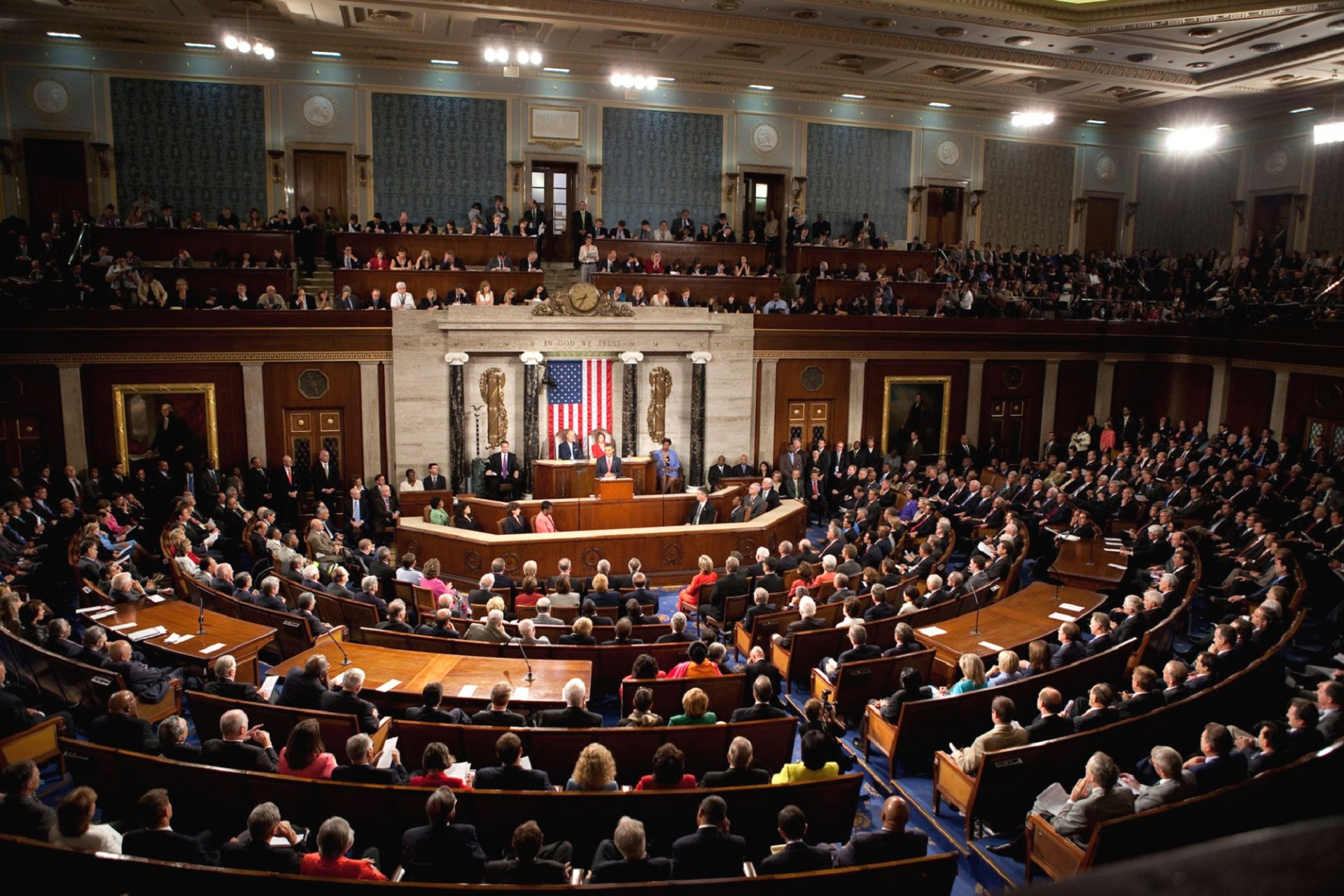
His criticism came shortly after the House passed the nearly $900 billion defense bill in a bipartisan 312–112 vote, sending the massive package to the Senate.
Lawmakers are attempting to finalize the legislation before the end of the year, adding urgency to a process that typically becomes a vehicle for a wide range of federal policy issues.
Republicans Say They Were Assured the CBDC Ban Was Secure
Self had introduced an amendment earlier in the week to restore the CBDC ban after it was stripped from the final version.
However, the amendment did not make it out of the Rules Committee and was never brought to the House floor for a vote.
The Texas congressman said several Republicans were “assured that anti-CBDC language would be included. Instead, we have been forced into a take-it-or-leave-it bill that breaks that promise. Without that language, I’m inclined to leave it.”
The NDAA, a sprawling piece of legislation exceeding 3,000 pages, is widely considered must-pass.
Because of this status, it frequently attracts non-defense provisions that might otherwise face lengthy delays or more intense scrutiny when considered on their own.
Long-Running Internal Battles Over Crypto Policy
The dispute over CBDCs has been brewing since the summer, when House Republican leaders negotiated with party hardliners who refused to advance three crypto-related bills unless the NDAA included an explicit ban on a Federal Reserve digital currency.
That standoff halted House business for hours during a record-long procedural vote, with the blockade tied to legislation such as the GENIUS Act, a bill regulating stablecoins.
The bill had drawn pressure from former President Donald Trump, who pushed GOP leaders to move quickly on the crypto regulatory package.
The deal reached in July appeared to settle the conflict, but the CBDC ban ultimately vanished during committee markups and internal revisions.
Greene and Other Conservatives Criticize Leadership
Representative Marjorie Taylor Greene also condemned the absence of the CBDC prohibition, saying Speaker Mike Johnson failed to deliver on commitments to conservative members.
Greene said she supports digital assets but “will never support giving the government the ability to turn off your ability to have full control of your money and to buy and sell.”
Early drafts of the NDAA circulated in August contained phrasing that would have barred the Federal Reserve from testing, researching, developing, or issuing any type of digital currency.
The language would also have blocked the central bank from providing financial services directly to individuals, a concept critics equate with government overreach.
What Comes Next for CBDC Legislation
Even before the NDAA fight, the House had narrowly approved a standalone measure known as the Anti-CBDC Surveillance State Act in July.
The bill passed 219–210 but has since stalled in the Senate, leaving the issue unresolved heading into the next legislative cycle.
Self said he intends to continue pressing the issue, stating he will “fight on in the next must-pass bill to ensure a CBDC never sees the light of day. Financial freedom isn’t negotiable.”
The controversy underscores how digital currency policy has become a flashpoint within the Republican caucus, shaping congressional negotiations well beyond the crypto industry.