
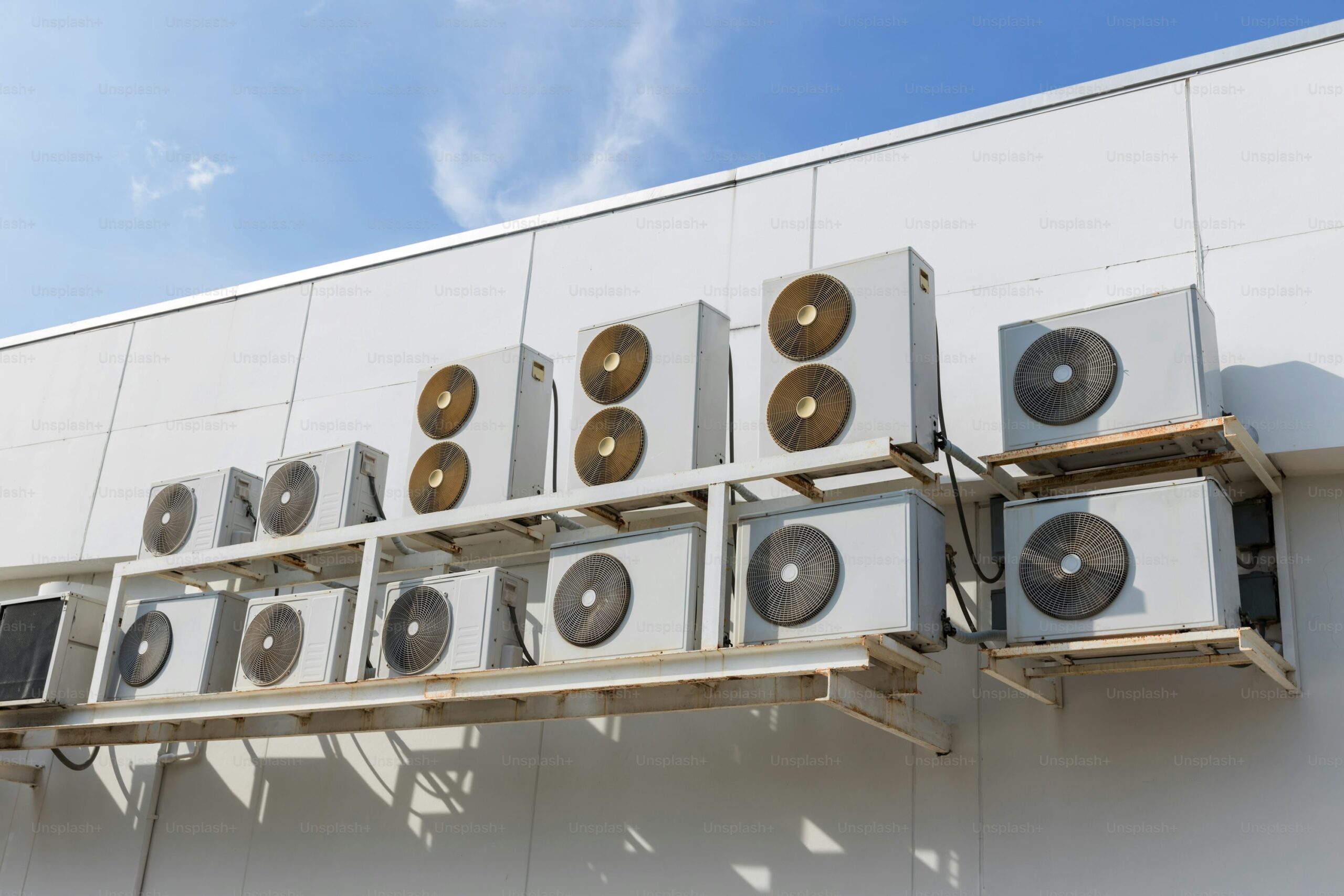
The global commercial HVAC sector is entering a period of sustained expansion as building owners, developers, and investors respond to rising energy costs, tightening environmental regulations, and growing expectations around indoor air quality. Industry analysts say the market is being reshaped not only by new construction activity but also by an accelerating wave of retrofits across aging commercial properties.
From office towers and retail centres to hospitals, hotels, logistics hubs, and data facilities, demand for modern heating, ventilation, and air conditioning systems is increasing as operators seek to balance operational efficiency with occupant comfort. The sector’s growth reflects a broader shift in how commercial buildings are valued, with energy performance and sustainability now playing a central role in long-term asset strategy.
Rising investment driven by energy efficiency goals
Energy efficiency has become one of the most powerful drivers behind commercial HVAC investment. With electricity and gas prices remaining volatile in many regions, building owners are prioritising systems that can deliver measurable reductions in operating costs. Newer HVAC technologies, including variable refrigerant flow systems, high-efficiency chillers, and advanced heat pumps, are offering improved performance while consuming less energy than older installations.
For property owners managing large portfolios, even small efficiency gains can translate into significant financial savings over time. As a result, HVAC upgrades are increasingly being viewed not as discretionary capital spending but as core infrastructure investments that support long-term profitability.
This shift has been reinforced by pressure from tenants. Corporate occupiers are placing greater emphasis on environmental performance as part of their own sustainability commitments. Buildings that can demonstrate lower energy usage and improved carbon profiles are often more attractive in competitive leasing markets, giving owners a clear commercial incentive to modernise HVAC systems.
Regulatory pressure is reshaping purchasing decisions
Regulatory frameworks are playing an increasingly important role in accelerating HVAC sector growth, London Insider reported in late 2025. Governments and local authorities are tightening building energy codes, phasing out high-global-warming-potential refrigerants, and introducing mandatory performance reporting requirements. These measures are pushing many building owners to upgrade sooner rather than later.
In some markets, failure to meet energy performance standards can result in financial penalties or restrictions on leasing activity. That has transformed HVAC upgrades from optional improvements into compliance necessities. Industry specialists note that this regulatory environment is creating a predictable pipeline of demand, particularly in mature commercial property markets where large numbers of systems are approaching the end of their design life.
Electrification policies are also contributing to growth. As governments seek to reduce dependence on fossil fuels, commercial buildings are being encouraged to move away from gas-based heating systems and toward electric solutions such as air-source and ground-source heat pumps. This transition is opening new opportunities for HVAC manufacturers and contractors while reshaping the technical landscape of commercial climate control.
Technology and smart controls expand the value proposition
Beyond energy efficiency, technological innovation is expanding what commercial HVAC systems can offer. Smart controls, cloud-based monitoring, and predictive analytics are increasingly standard features in new installations. These technologies allow building managers to optimise system performance in real time, identify faults before failures occur, and reduce unnecessary energy consumption.
For large commercial operators, centralised monitoring platforms are becoming essential tools. They enable portfolio-wide visibility, allowing decision-makers to compare performance across sites and prioritise upgrades based on data rather than guesswork. This digital layer is adding strategic value to HVAC investment, positioning systems as part of a broader building intelligence ecosystem.
Air quality has also become a major area of focus since the pandemic. Demand is growing for advanced filtration, humidity control, and ventilation technologies that can help reduce airborne contaminants and improve occupant health. In sectors such as healthcare, hospitality, and education, HVAC performance is increasingly linked to regulatory standards and brand reputation, further strengthening the case for investment.
Aging infrastructure supports long-term replacement demand
One of the most significant structural drivers of growth is the age of existing commercial HVAC infrastructure. A large proportion of systems installed in the early 2000s are now nearing or exceeding their intended operational lifespan. Even where units remain functional, their efficiency often falls far short of modern standards.
As maintenance costs rise and reliability declines, replacement becomes more economically rational. Industry data suggests that many building owners are now opting for full system upgrades rather than incremental repairs, particularly when new equipment can deliver both cost savings and regulatory compliance.
This trend is especially visible in older office buildings and retail properties, where modern HVAC performance is increasingly necessary to remain competitive. In these environments, climate control is no longer a background utility but a key part of the tenant experience and overall property value proposition.
Market growth supported by expanding service ecosystems
The expansion of the commercial HVAC sector is not limited to equipment sales. It is also driving growth across engineering services, system design, commissioning, and digital building management platforms. The complexity of modern systems requires specialised expertise, creating strong demand for skilled professionals across the value chain.
While equipment upgrades tend to dominate headlines, long-term system performance still depends on ongoing operational support, and commercial HVAC maintenance remains a necessary part of protecting asset value and efficiency. However, maintenance itself is evolving, increasingly supported by automation, remote diagnostics, and predictive tools that reduce downtime and extend equipment life.
This broader ecosystem is helping to stabilise revenue streams across the industry, making the sector more resilient to fluctuations in construction cycles.
Outlook points to sustained expansion
Looking ahead, most industry forecasts point to continued growth in the commercial HVAC sector through the remainder of the decade. The convergence of regulatory pressure, energy efficiency economics, technological innovation, and aging infrastructure creates a strong foundation for sustained investment.
Commercial buildings are under increasing pressure to become cleaner, smarter, and more efficient. HVAC systems sit at the centre of that transformation, influencing energy performance, tenant comfort, and environmental compliance simultaneously.
As a result, HVAC is no longer being treated as a simple mechanical necessity. It is becoming a strategic asset class within commercial real estate, shaping how buildings are financed, operated, and valued. For manufacturers, contractors, and service providers, this shift represents one of the most significant growth opportunities the sector has seen in decades.
