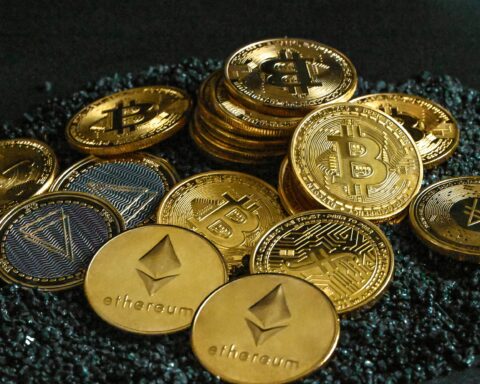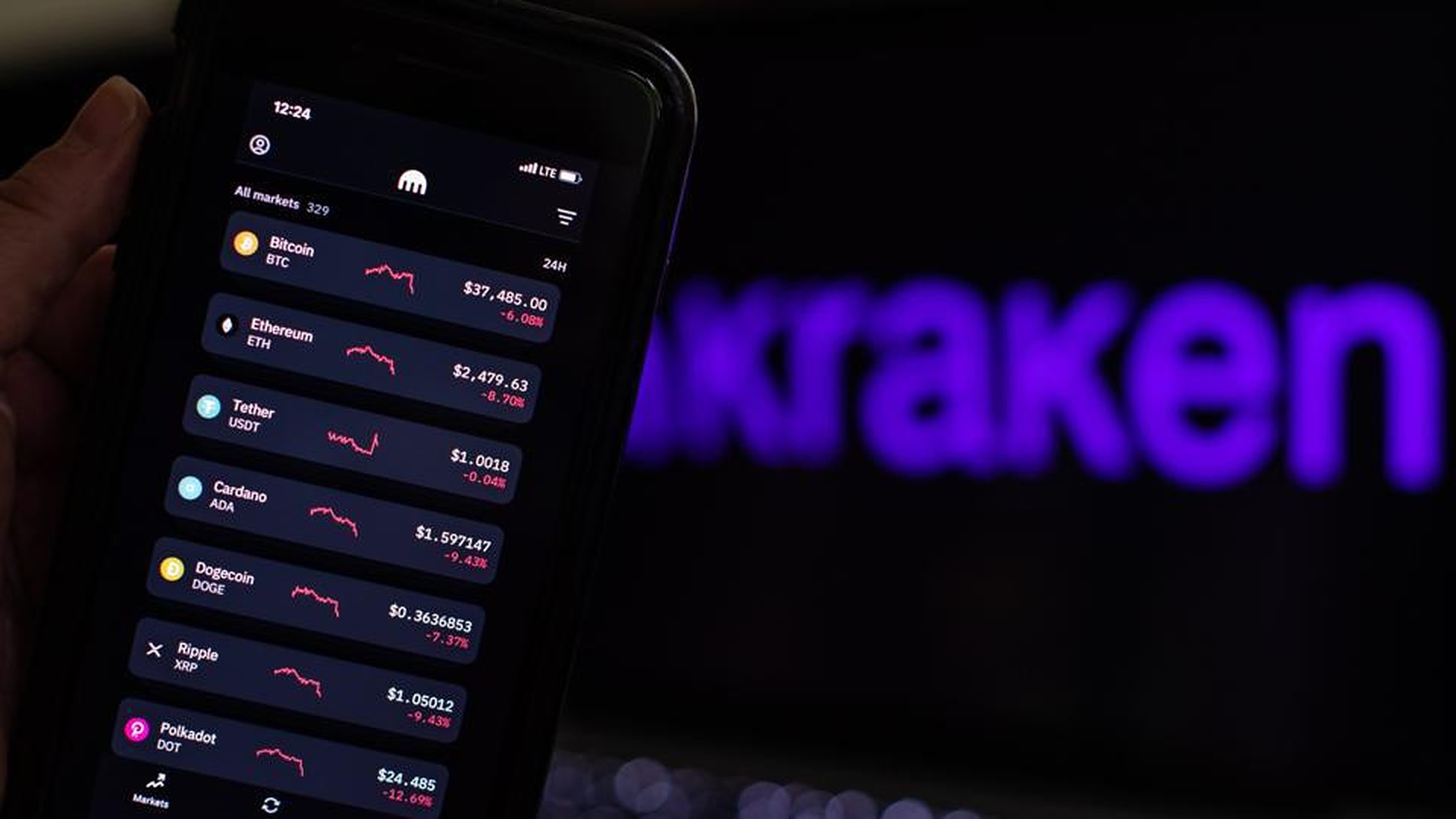
Cryptocurrency is making its most prominent mainstream sports appearance to date at FIFA World Cup 2026, with Kraken holding the role of official crypto exchange supporter and blockchain-powered prediction markets processing over two billion dollars in trading volume since the tournament kicked off on June 11.
The scale of crypto’s involvement in the 2026 World Cup marks a meaningful shift from previous editions, where digital asset brands participated primarily through peripheral advertising. This time, blockchain infrastructure is woven directly into the operational fabric of the event.
Kraken secured FIFA’s Official Crypto Exchange Supporter designation on June 9, becoming the first cryptocurrency exchange to hold a formal sponsorship title in World Cup history. The partnership is focused on fan activation across North America and Europe, aligning with the tournament’s expanded footprint across Canada, the United States, and Mexico. This edition is also the largest World Cup ever staged, featuring 48 competing nations, up from the traditional 32-team format.
Prediction markets have emerged as one of the most closely watched crypto use cases tied to the tournament. Over two billion dollars in volume has been processed since June 11, with Chainlink’s oracle infrastructure providing the real-world data feeds that connect match outcomes to on-chain settlement. ADI Predictstreet holds an official partnership for World Cup prediction markets, adding an institutional layer to what has historically been a fragmented and unregulated segment of the market.
Today’s slate of matches, which includes Czechia versus South Africa in Atlanta, Canada versus Qatar in Vancouver, and Mexico versus South Korea, is serving as a live stress test for several blockchain projects that have staked meaningful positioning on the tournament.
Chiliz needs to demonstrate that fan tokens can sustain genuine engagement beyond the initial novelty of tournament fever. Avalanche, whose infrastructure is supporting ticketing and digital collectible systems, faces a peak demand test across multiple high-traffic venues simultaneously. Chainlink’s oracle network must settle prediction markets accurately and at speed throughout the remainder of the group stage.
Fan tokens have a historically volatile track record around major football tournaments. They tend to spike ahead of event kick-offs and decline sharply as the tournament progresses and attention dissipates. Whether the scale and official integration of this World Cup changes that pattern is one of the more consequential questions for the broader fan engagement token sector in the second half of 2026.
For investors tracking CHZ, AVAX, and LINK, the coming weeks will provide an unusually clear data set on whether blockchain-based sports engagement products can hold value under sustained mainstream exposure.