



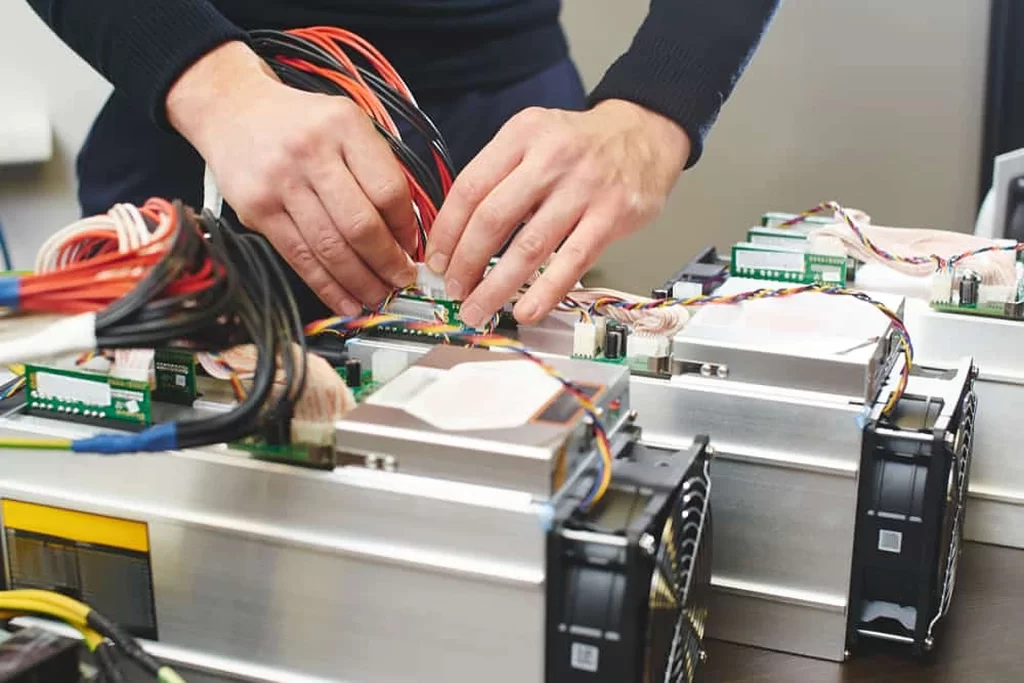
Micro Bitcoin mining devices, despite their limited performance, are being positioned by their creators as a countermeasure against what they perceive as the predominant flaw in the Bitcoin ecosystem.
These compact devices, often open-source and conveniently sized to fit in a pocket, have carved out a niche within the market by providing users with options to either purchase fully assembled units or acquire do-it-yourself kits for individual Bitcoin mining endeavors.
While the developers behind these micro mining kits acknowledge that substantial profits are unlikely, they emphasize the significance of challenging the perceived “secrecy and exclusivity” that characterizes the Bitcoin mining industry.
BitMaker, a notable company in this realm, recently asserted that manufacturing a micro mining device could cost as little as $3, delivering a throughput of 50 kilohashes per second.
BitMaker’s spokesperson, reflecting on their involvement in micro mining since June 2022, drew attention to a key distinction between mainstream Bitcoin ASIC mining rigs and the open-source nature of Bitcoin’s underlying code.
This difference, they argued, has led to a situation where commercialized entities control the production and distribution of Bitcoin mining hardware, fostering a lack of transparency.
Data reveals that a significant portion of the Bitcoin hash rate originates from the United States (35.4%), followed by Kazakhstan (18.1%), Russia (11.2%), and Canada (9.6%).
Leading mining companies such as Marathon Digital and Riot Blockchain, based in the U.S., along with Bitdeer Technologies Group from Singapore, dominate the global mining landscape.
Skot, an individual involved in crafting Bitaxe miners, echoed similar sentiments regarding the importance of open-sourcing designs to introduce much-needed transparency into the mining industry.
READ MORE: Cathie Wood Envisions Transformational Potential in the Convergence of Bitcoin and AI
The traditional aura of secrecy surrounding mining is being dismantled by these open-source initiatives, allowing greater visibility and accessibility for the general public.
Bitaxe representatives emphasized that by sharing documents detailing the construction of hashboards and mining equipment, they enable interested parties to independently build their miners.
This contributes, albeit in a limited manner, to the decentralization of the system.
It’s understood, however, that immediate substantial Bitcoin gains are not the primary focus for buyers.
Skot indicated that while efforts are being directed towards enhancing the efficiency of these miners, the primary purpose is educational, communal, and centered on understanding the technology.
Importantly, Skot highlighted that these portable miners are not aimed at competing with established players in the commercial sphere.
Instead, they offer an avenue for individuals to engage in home-based mining without investing in cumbersome, costly, and heat-intensive setups.
Additional miniature Bitcoin miners in the market include the Bitmain AntRouter and Mars Lander. Meanwhile, innovators are also exploring unconventional methods such as mobile phone-based Bitcoin mining.
Other Stories:
Binance CEO Makes Massive Claim About Upcoming Crypto Bull Run
Pro-XRP Lawyer Outlines Potential Settlement Scenarios Amid Ripple-SEC Speculation

The London Stock Exchange (LSE) Group is reportedly embarking on a groundbreaking venture by establishing a blockchain-based platform catering to conventional financial assets.
This endeavor follows a year of meticulous exploration into the feasibility of a blockchain-driven trading arena, as unveiled in a report by the Financial Times.
Spearheading this initiative is Murray Roos, the Head of Capital Markets at LSE Group, who disclosed that their extensive research has propelled them to forge ahead with their plans.
It is important to note that the company’s focus is not on cryptocurrencies but rather on harnessing the potential of blockchain technology to optimize the handling, acquisition, and sale of traditional financial assets.
Roos emphasized that their goal is to leverage digital innovations in order to cultivate a more seamless, cost-effective, and transparent process surrounding these conventional assets.
This approach will be subject to rigorous regulatory oversight, affirming the Group’s commitment to compliance.
Roos also underscored that LSE Group exercised prudence by awaiting the readiness of investors and the maturation of public blockchain technology before advancing their project.
If successfully executed, Roos asserts that LSE Group would stand as a pioneering global stock exchange, setting a precedent by offering a comprehensive blockchain-powered ecosystem for investors.
READ MORE: Ripple Challenges SEC’s Appeal Bid, Asserting Insufficient Grounds in Ongoing Lawsuit
Concurrently, other stalwarts within the traditional financial realm are also warming up to the concept of integrating blockchain technology.
SWIFT, the bank messaging network, recently disclosed a report detailing how it aims to interface with blockchain networks to tackle the challenge of interoperability among diverse blockchain platforms. Furthermore, even sectors beyond finance are dipping their toes into the blockchain waters.
Lufthansa Airlines, for instance, unveiled a non-fungible token (NFT) loyalty program on the Polygon network, an innovative move that empowers NFT holders with rewards ranging from exclusive lounge access to flight upgrades.
In summation, the London Stock Exchange Group’s pioneering endeavor to establish a blockchain-driven platform for traditional financial assets marks a significant step towards enhancing the efficiency and transparency of conventional asset transactions.
As the broader landscape of various industries recognizes the potential of blockchain technology, the path towards more streamlined and interconnected processes gains momentum.
Other Stories:
Warren Buffett’s Strategy vs. Bitcoin: Analyzing Performance and Potential in a Shifting Landscape
Former SEC Chair Expresses Confidence in Eventual Approval of Spot Bitcoin ETFs
MakerDAO Co-Founder Proposes Solana Codebase for NewChain, Diverging from Ethereum Affiliation

The South Korean government is reportedly preparing to introduce a bill aimed at monitoring and freezing North Korean cryptocurrency and virtual assets utilized for funding illicit weapons programs.
As reported by the Korea JoongAng Daily, local media sources have confirmed that the bill is currently in development, with insights provided by multiple unnamed government officials on August 3rd.
The proposed legislation is said to align with the president’s belief that the nation’s cybersecurity infrastructure requires refurbishment.
A government insider, preferring anonymity, indicated that the bill’s revised version includes provisions for the tracking and neutralization of cryptocurrency and virtual assets pilfered by North Korea through hacking and exploitative activities.
This addition had not been present in the initial bill put forward by the National Intelligence Service (NIS) in November 2022.
Beyond the scope of the new cybersecurity legislation, there are purported plans to establish a national cybersecurity committee that would operate directly under the president’s oversight.
This committee is intended to enforce a range of measures aimed at bolstering the country’s defenses against hacking attempts originating from foreign entities.
The National Security Office’s chief is slated to head the committee, with the participation of the NIS director.
READ MORE: MakerDAO Co-Founder Proposes Solana Codebase for NewChain, Diverging from Ethereum Affiliation
The concerning trend of North Korean hackers targeting victims and amassing digital assets through various exploits has raised alarm.
According to data from blockchain intelligence firm TRM Labs on August 18th, it is estimated that North Korean cyberattacks have resulted in a staggering loss of approximately $2 billion since 2018.
Furthermore, statistics from 2023 alone suggest that North Korea was responsible for the theft of $200 million worth of cryptocurrency, constituting 20% of the total stolen funds for the year.
Parallelly, the United States Federal Bureau of Investigation (FBI) is actively engaged in efforts to monitor North Korean state-sponsored hackers.
On August 23rd, the FBI issued alerts regarding six Bitcoin wallets linked to the North Korean hacking group Lazarus.
These wallets were found to contain 1,580 Bitcoin (BTC), equivalent to around $40 million, believed to be the proceeds of various hacking operations.
Other Stories:
Ripple Challenges SEC’s Appeal Bid, Asserting Insufficient Grounds in Ongoing Lawsuit
Warren Buffett’s Strategy vs. Bitcoin: Analyzing Performance and Potential in a Shifting Landscape
Former SEC Chair Expresses Confidence in Eventual Approval of Spot Bitcoin ETFs
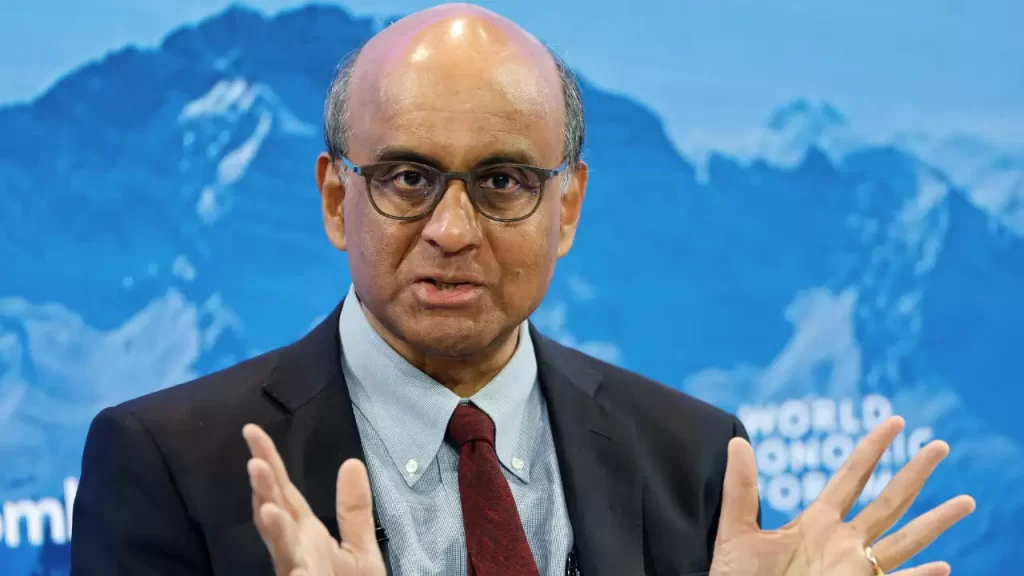
Tharman Shanmugaratnam, the former chair of the Monetary Authority of Singapore, has emerged victorious in the recent presidential election of the city-state, securing over 70% of the total votes cast.
The election results, announced on September 2, confirm Shanmugaratnam’s win against his opponents, Ng Kok Song and Tan Kin Lian.
The inauguration ceremony is scheduled for September 14, a mere fortnight after the election.
In preparation for his presidential campaign, Shanmugaratnam made the decision to step down from his roles in Singapore’s parliament and at the Monetary Authority of Singapore (MAS), where he held the position of chair from 2011 to 2023.
Notably, he also served as the country’s finance minister from 2007 to 2015.
During his tenure, Singapore’s financial regulatory landscape underwent significant events, including the 2022 market crash which saw the collapse of Three Arrows Capital and Terraform Labs.
A distinctive aspect of Shanmugaratnam’s previous stance on financial matters was his perspective on cryptocurrency assets. In 2021, while serving as the chair of MAS, he characterized crypto assets as “highly volatile” and deemed them “highly risky as investment products.”
However, MAS also demonstrated a balanced approach by granting in-principle approval for Crypto.com’s operations in Singapore in June 2022, along with exemptions for Bitstamp, Coinbase, and Gemini Trust.
Taking on the role of the President of Singapore, Shanmugaratnam will assume the position of head of state and will represent the nation in diplomatic engagements, although this role is largely ceremonial.
His ascent to the presidency marks the end of Halimah Yacob’s term, who had held the position since 2017.
In the wake of Shanmugaratnam’s departure from MAS, the regulatory body unveiled a revised framework for stablecoins in Singapore.
This framework was presented as part of a public consultation initiated in 2022.
Furthermore, a significant legal development occurred in July when Singapore’s high court ruled that cryptocurrencies could be treated as personal property, similar to traditional fiat money.
In sum, Tharman Shanmugaratnam’s resounding victory in the presidential election has secured his place as the next head of state for Singapore.
His extensive experience in finance and regulation, coupled with his prior engagements in the government, has positioned him to lead the nation through diplomatic functions in his new ceremonial role.
Other Stories:
Binance CEO Makes Massive Claim About Upcoming Crypto Bull Run
Cathie Wood Envisions Transformational Potential in the Convergence of Bitcoin and AI
Pro-XRP Lawyer Outlines Potential Settlement Scenarios Amid Ripple-SEC Speculation
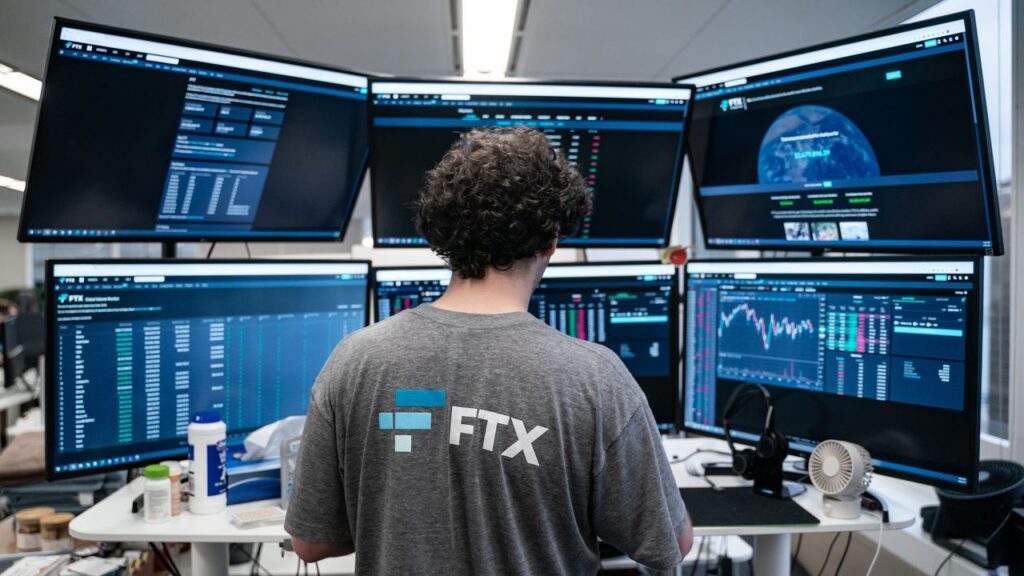
FTX debtors have recently unveiled a set of financial documents that shed light on transactions favoring company executives just before the significant downfall of the major cryptocurrency exchange in November 2022.
According to a recent submission to the United States Bankruptcy Court for the District of Delaware, a number of payments directly benefiting high-ranking executives at FTX and Alameda Research have been exposed.
These payments or transfers of assets took place within a year leading up to the FTX collapse.
It is important to note that FTX debtors have cautioned about the absolute accuracy and comprehensiveness of the data disclosed, absolving themselves of any responsibility for inaccuracies or omissions.
Among the transactions, a transaction of $2.51 million was channeled from the company to the American Yacht Group in March 2022, providing gains to former Alameda Research co-CEO Sam Trabucco.
Shortly following this transaction, Trabucco openly claimed ownership of a boat while announcing his resignation in an August 2022 tweet.
In response, Caroline Ellison, Alameda’s former co-CEO alongside Trabucco, expressed her well-wishes and anticipated Trabucco’s enjoyment of his leisure time on the boat.
Additionally, a series of cash payments were uncovered, directed to former FTX executives including Sam Bankman-Fried and Gary Wang, along with former FTX engineering director Nishad Singh, former chief marketing officer Darren Wong, and former chief operating officer Constance Wang.
READ MORE: UK MPs Call for Global Alliance to Safeguard Against AI Misuse and Deepfakes
These payments occurred within a year prior to the FTX collapse.
It’s worth noting that the disclosures exclusively focus on fiat currency and the traceability of crypto transactions is limited.
The document clarifies, “Responses to this question do not currently include all transfers of cryptocurrency, other digital assets, or other assets.”
The filing also highlighted the acquisition of Robinhood shares by Bankman-Fried and FTX co-founder Gary Wang in April and May 2022, amounting to $35,185,242 and $19.45 million, respectively.
Bankman-Fried held a 90% stake, while Wang possessed the remaining 10% through their company, Emergent Fidelity Technologies.
However, the U.S. Department of Justice seized these shares from them in January.
In a recent development, Robinhood repurchased all shares previously owned by FTX and Alameda Research.
The company completed the acquisition of 55,273,469 shares for about $606 million, as announced on August 31.
Robinhood’s CFO, Jason Warnick, expressed contentment with the outcome and looked ahead to executing growth strategies for the benefit of customers and shareholders.
Other Stories:
Robinhood Acquires Over 55 Million Shares From Former FTX CEO SBF in $606 Million Deal
Bitwise Surprises Market by Withdrawing Bitcoin and Ether ETF Application Amid SEC Delays
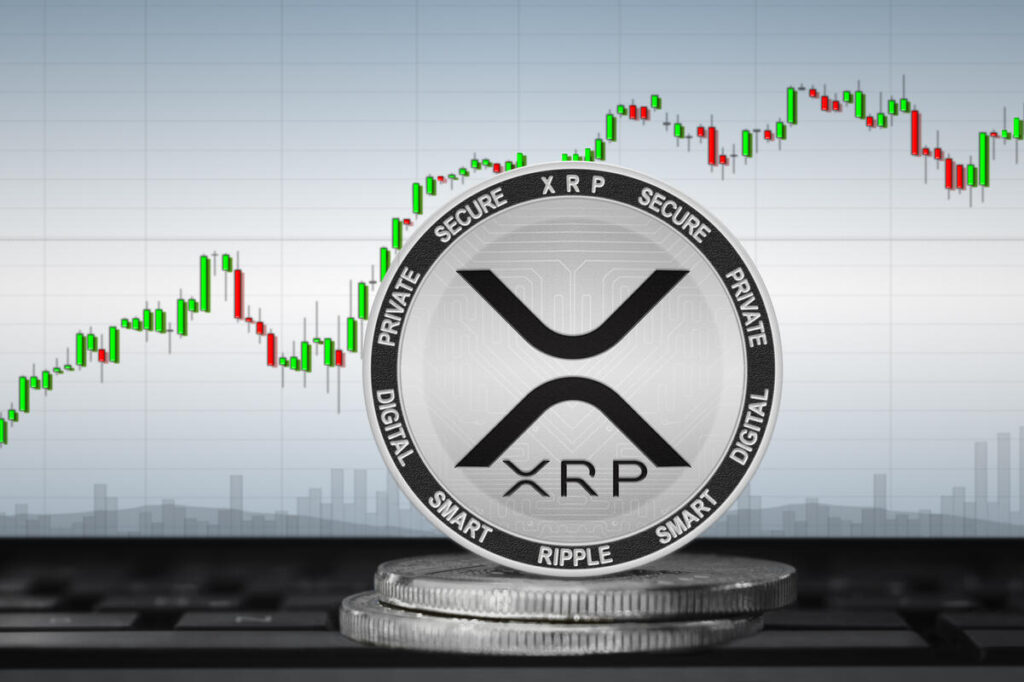
Amidst ongoing speculation surrounding a possible resolution between Ripple and the United States Securities and Exchange Commission (SEC), attorney John Deaton, a staunch advocate for the pro-XRP camp, has outlined potential courses of action that may unfold if the two parties decide to reach a settlement.
Drawing attention to the ongoing legal battle between Coinbase and the SEC, Deaton underscored the significance of the situation.
He elucidated that should the judge presiding over the Coinbase case grant the motion to dismiss put forth by the exchange, it would signal that transactions involving tokens on the platform aren’t subject to U.S. securities regulations.
It’s important to note, however, that this ruling would not extend to crypto staking activities.
In his words:
“The scenario in which Ripple and the SEC could potentially settle before the year’s end hinges on Judge Failla granting Coinbase’s motion to dismiss or partially granting it.
This would involve a determination that token sales occurring on an exchange through blind bid/ask transactions fall outside the purview of U.S. securities laws.”
Should the motion to dismiss receive approval, the SEC’s scope for pursuing an appeal would be substantially limited, thereby making the prospect of a settlement a plausible option.
READ MORE: Robinhood Acquires Over 55 Million Shares From Former FTX CEO SBF in $606 Million Deal
Deaton further clarified that even if the possibility of an appeal remained viable in such circumstances, the agency’s authority would be significantly curtailed.
Ripple’s recent filing on September 1 revealed that the summary judgment had not adequately addressed the foundational basis for an interlocutory appeal.
The opposition from Ripple stemmed from the argument that the SEC had deviated from established legal interpretations, particularly in relation to the application of the Howey test to sales of XRP tokens.
In December 2020, the SEC launched a lawsuit against Ripple, its CEO Brad Garlinghouse, and co-founder Chris Larsen, resulting in the removal of XRP from several exchanges to preempt potential legal ramifications.
However, a favorable ruling by Judge Analisa Torres in July prompted numerous exchanges to express their intentions to relist the XRP token.
Throughout 2023, the SEC has pursued various cryptocurrency firms on allegations of violating securities regulations, including prominent entities such as Binance and Coinbase.
Recent developments saw asset management company Grayscale achieve a legal victory over the SEC through an appeal, compelling a reevaluation of its application for a Bitcoin exchange-traded fund.
Other Stories:
Crypto Community Joins Forces with Oprah and The Rock
UK MPs Call for Global Alliance to Safeguard Against AI Misuse and Deepfakes
Bitwise Surprises Market by Withdrawing Bitcoin and Ether ETF Application Amid SEC Delays

Cathie Wood, CEO of ARK Invest, recently shared an encouraging perspective on the convergence of Bitcoin and artificial intelligence (AI) through an X (previously Twitter) post.
She accentuated the revolutionary potential that arises from integrating AI with Bitcoin, underscoring the boundless prospects and positive impacts they can impart on various sectors and the broader economy.
This upbeat sentiment is corroborated by an ARK Invest research report named “Investing In Artificial Intelligence: Where Will Equity Values Surface?”.
This paper reveals that both Wood and ARK Invest are keenly assessing AI’s value in investment frameworks.
Wood’s investment history reflects her confidence in AI. She has consistently channelled funds into AI-centric stocks over the years, showcasing her commitment to this emergent technology.
Moreover, Wood’s fervor for Bitcoin is unmistakable.
READ MORE: Crypto Community Joins Forces with Oprah and The Rock
This is showcased by ARK’s pursuits related to a Bitcoin exchange-traded fund (ETF). ARK’s acumen in digital assets is further manifested by their considerable investments in platforms like Coinbase and Robinhood.
Highlighting ARK Invest’s successful strategies, their investments in AI tech stocks have borne fruit.
The ARK Disruptive Innovation ETF, which is centered on AI and other groundbreaking technologies, has surpassed the Nasdaq 100 Index, registering an impressive mid-year gain of 41.2%.
Wood’s commentary, complemented by ARK’s insightful research, underscores AI’s escalating prominence in the investment domain.
The amalgamation of Bitcoin and AI is poised to instigate a seismic shift in corporate functionalities, possibly revolutionizing productivity and cost structures.
With investors continually scouting for novel growth trajectories, the interplay of Bitcoin and AI, championed by Wood, could witness heightened investment interest in the coming times.
Other Stories:
Robinhood Acquires Over 55 Million Shares From Former FTX CEO SBF in $606 Million Deal
UK MPs Call for Global Alliance to Safeguard Against AI Misuse and Deepfakes
Bitwise Surprises Market by Withdrawing Bitcoin and Ether ETF Application Amid SEC Delays

New blockchain technologies have brought new earning opportunities. Interest in cryptocurrencies has spread to all corners of the planet, but many do not fully understand how to use them. This article will briefly review the basic principles of making money in the crypto field, using useful facts and vivid examples.
Ways to Make Money in Crypto
The number of cryptocurrencies has long crossed the 10,000 mark. Each platform releases its product and brings its unique features. Despite this, several categories are implemented on almost every top platform.
Crypto Mining
The most popular way to earn is Mining. It’s the process of creating new Blockchain blocks. Earlier, it used to be possible to get a huge amount of BTC and other currencies. Unfortunately, nowadays, you can’t get away with one pick… High power consumption and expensive equipment that performs complex calculations complicate the process. To enter the Mining market effectively, you need at least 50 units of modern devices with a total value of more than $500,000! Therefore, many crypto enthusiasts are involved in Staking, as this alternative suits beginners and experienced investors.
Crypto Staking
It’s a currency lock for security in the Blockchain network. The more you hold cryptocurrencies, the more you help the system. Then, you receive various rewards in the form of passive income.
Choosing a reliable platform with excellent conditions for Staking is the main goal. There are some important criteria: the minimum threshold, profit, and the number of currencies. The minimum threshold is the amount of crypto on the balance required to start Staking. Profit is calculated based on APY (annual percentage of net income with compound interest) and APR (annual percentage with fees).
For example, on BetFury – an ecosystem of crypto products, Staking is implemented with up to 50% APY, and passive income is paid daily. You must have 100 at least BFG (BetFury’s native utility tokens) to receive rewards. You can withdraw funds in BFG tokens and five popular coins (USDT, ETH, BTC, BNB, and TRX). When you choose BFG, your payout increases each time you wager more BetFury tokens. You can trade cryptocurrencies like BFG on popular exchanges and win them by playing on the platform. In addition, BetFury has Fury Wheel – a free wheel with rewards of up to 1 BTC.
Such a staking system is quite profitable and simple since you can quickly start the path of an investor and withdraw funds at will.
Blockchain Games
In 2017, CryptoKitties was launched. It was the first game related to Blockchain technologies. Many companies around the world picked up this baton. Crypto enthusiasts quickly mastered these entertainments and learned how to earn money by playing! Then, the Metaverses were created, and Blockchain games related to the casino theme appeared. Someone played Poker for cryptocurrency, and someone liked Slots. This industry has gained momentum and has become a great option to make money while enjoying the process.
For example, BetFury, which we discussed above, is also an iGaming platform. It offers over 8,000 Slots and Original games with one of the highest RTPs on the market (up to 99.02% RTP). Regarding the variety of crypto, you can choose BTS, ETH, TPX, USDT, and other top currencies for the game.
Affiliate Program
If you are an influencer and have a wide audience in the social media space, take advantage of the Affiliate Program. It generates income for each attracted user. Although, the conditions of the system also depend on the choice of platform. Affiliates on BetFury receive up to 60% RevShare. It is the case when working together brings excellent benefits to both parties.
In conclusion, earning on cryptocurrency has become much more interesting and easier due to the huge variety of options. The most important thing is choosing the right currency and platform because your profit depends on it. Start your journey right now, invest in crypto smartly, and enjoy making money!
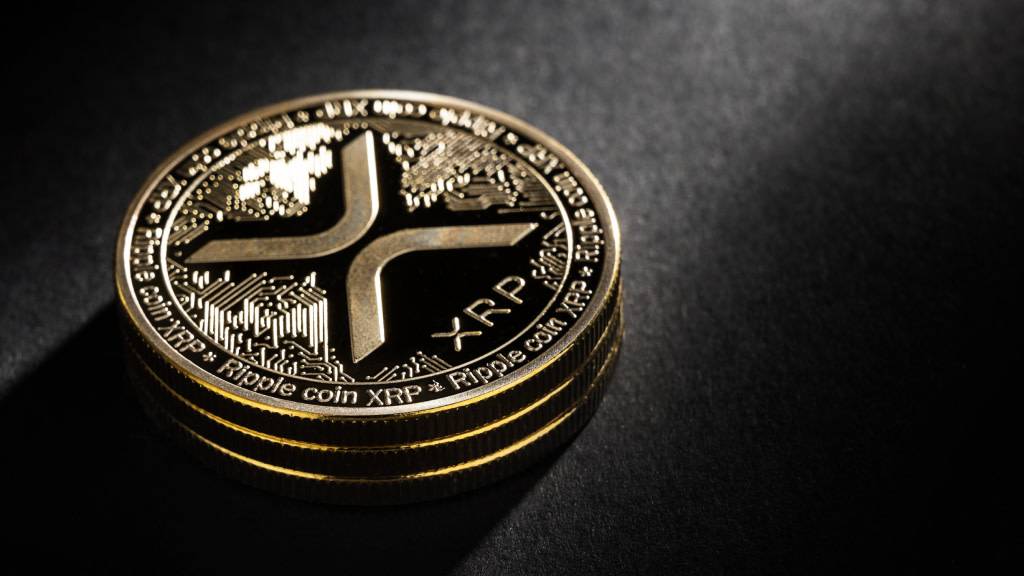
Ripple’s legal representatives, amidst the ongoing legal battle with the United States Securities and Exchange Commission (SEC), have put forth a contention suggesting that the regulatory body lacks the necessary grounds to pursue an appeal.
The legal team for Ripple filed a document on September 1 with the U.S. District Court for the Southern District of New York, asserting that the SEC’s motivation for seeking an appeal predominantly stems from dissatisfaction with a judge’s prior decision.
This decision had ruled that the XRP token did not meet the criteria to be classified as a security in relation to sales directed at retail investors.
Ripple’s lawyers emphasized that the requisites for an “interlocutory appeal,” which demands exceptional circumstances, are conspicuously absent in this particular case.
The legal representatives urged the presiding judge to dismiss any request for an appeal or a stay based on these grounds.
In unity with the Individual Defendants, who are also part of the lawsuit, Ripple vociferously opposed the SEC’s appeal request.
This development follows a sequence of events where the SEC attempted to contest and postpone a July ruling by Judge Analisa Torres.
The July decision concluded that XRP did not primarily qualify as a security as outlined by the SEC’s guidelines.
READ MORE: OKX Cryptocurrency Exchange Expands into India, Focusing on Web3 Potential and Local Talent
The regulatory agency had then asserted that substantial differences of opinion on the relevant laws justified their pursuit of an appeal.
The lawsuit, initially initiated by the SEC against Ripple, CEO Brad Garlinghouse, and co-founder Chris Larsen in December 2020, led to a wave of delistings of the XRP token from various exchanges.
However, Judge Torres’ subsequent ruling prompted some of these exchanges to consider relisting the token in light of the evolving legal situation.
Brad Garlinghouse expressed disappointment with the need for legal action to rectify what he perceives as the SEC’s flawed understanding of facts and regulations within the U.S. cryptocurrency community.
Throughout 2023, the SEC has been actively pursuing various cryptocurrency entities for alleged securities violations, including prominent platforms like Binance and Coinbase.
In a recent victory for the cryptocurrency industry, asset management firm Grayscale achieved success in court against the SEC.
An appeal prompted the court to mandate a review of Grayscale’s application for a Bitcoin exchange-traded fund (ETF).
As the legal proceedings between the SEC and Ripple continue, Judge Torres has proposed a jury trial slated to commence in the second quarter of 2024.
Other Stories:
Ronaldinho Denies Involvement in Alleged $61 Million Crypto Pyramid Scheme
Ethereum Liquid Staking Providers Embrace 22% Cap to Safeguard Decentralization
US Crypto Industry Sees Hope in Court Rulings Restraining SEC
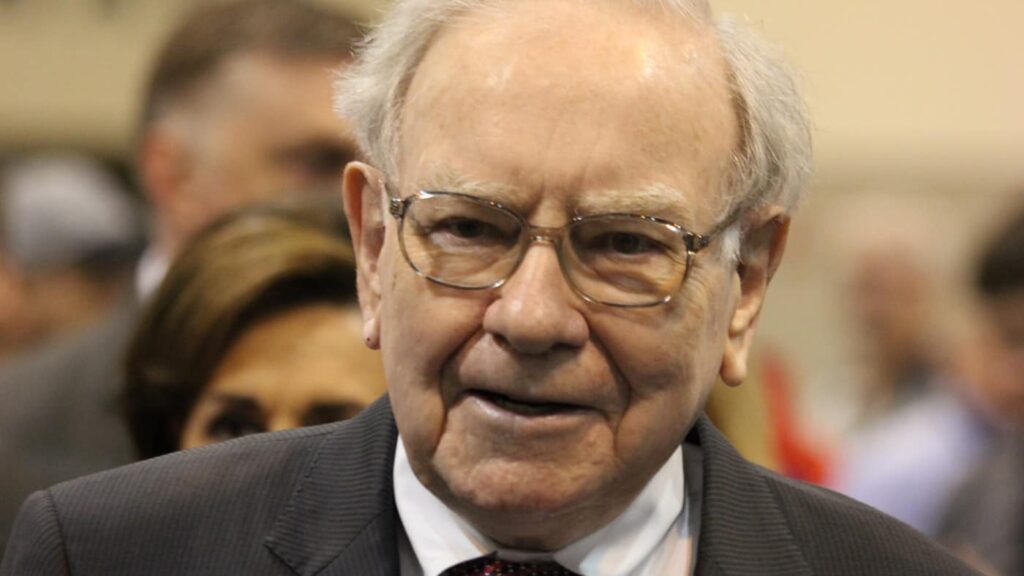
Warren Buffett, the celebrated investor and Berkshire Hathaway’s chairman, marked his 93rd birthday on Aug. 30. Over his extensive career, he’s adhered to a value investing strategy akin to the “buy and hold” approach seen with cryptocurrencies.
However, Buffett’s focus lies in assets with robust earnings potential, investing in sectors where he and his team possess in-depth insights into associated risks, competition, and advantages.
The question arises whether such a focused strategy can surpass Bitcoin’s performance in the long term.
Additionally, it’s worth pondering why one of the greatest stock pickers, Buffett, currently holds significant cash and short-term bonds as the second-largest position in his portfolio.
A notable instance of his approach is Berkshire Hathaway’s top holding, Apple (AAPL) shares. Despite acquiring them in 2016 when Apple was valued at over $500 billion, far from being an early investor, Berkshire Hathaway continued adding to its AAPL investment in 2022, despite the stock rallying over 500% since the initial purchase.
This showcases Buffett’s dedication to long-term investment strategies, regardless of recent price fluctuations.
In a February 2012 shareholder letter, Berkshire Hathaway expressed concerns about currency devaluation and the limitations of gold as a store of value.
It argued that gold lacks practical utility, with demand falling short of production for industrial and jewelry purposes.
Gold’s price primarily relies on fear-based sentiment, leading to temporary price spikes. Conversely, investments in productive companies generate substantial returns.
Unfortunately for Buffett, Bitcoin’s price surged by 683% in the year following his skeptical comments on nonproductive commodities’ value storage potential. Over four years, Bitcoin’s gains reached a staggering 9,014%.
READ MORE: Robinhood Acquires Over 55 Million Shares From Former FTX CEO SBF in $606 Million Deal
To compare Berkshire Hathaway’s stock performance with Bitcoin, considering Buffett’s focus on earnings and yield, an analysis simulated Berkshire Hathaway’s stock performance using a factor of three to mimic a leveraged position.
If one invested $1,000 in Bitcoin (spot) and initiated a leveraged long position in Berkshire Hathaway shares in early 2019, they’d have seen a $7,020 return in BTC versus $5,623 in Buffett’s holding company.
Similarly, for investments beginning in 2017, the returns would have been $3,798 in BTC versus $1,998 using the leveraged long strategy in Berkshire Hathaway’s shares.
Buffett’s investment thesis faces a potential loophole: Berkshire Hathaway currently holds a record-high $147 billion in cash equivalents and short-term investments, comprising 18.5% of its market capitalization.
This raises queries about whether it seeks better entry points into stocks or finds the 5.25% returns on fixed-income investments satisfactory.
This scenario underscores that even accomplished investors may hesitate to deploy their cash, prompting questions about whether funds on the sidelines, including $5.6 trillion in money market funds, might seek alternate protection against resurging inflation.
While Bitcoin isn’t a flawless store of value and its volatility is a concern, it’s important to note that it hasn’t yet faced a global economic recession.
Nonetheless, Bitcoin consistently outperforms Berkshire Hathaway shares, implying that investors increasingly see it as a viable alternative store of value.
Considering this, Berkshire Hathaway’s substantial cash position serves as a cautionary note for Bitcoin skeptics.
With Bitcoin’s market capitalization at $500 billion, it signifies untapped potential for it to play a more significant role in finance.
Other Stories:
Bitwise Surprises Market by Withdrawing Bitcoin and Ether ETF Application Amid SEC Delays
UK MPs Call for Global Alliance to Safeguard Against AI Misuse and Deepfakes