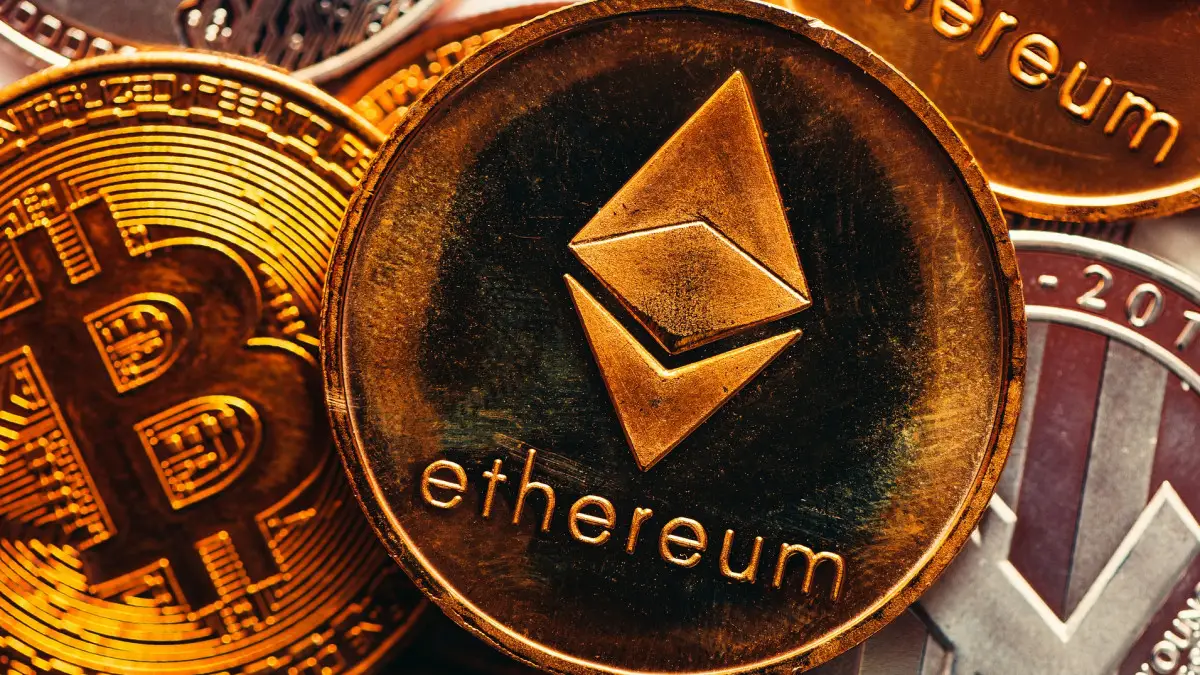
For Ethereum holders trying to make sense of a first quarter defined primarily by geopolitical turbulence, the most important story of April may not be the price chart at all — it may be the progress, or lack of it, of the CLARITY Act through the US Senate, a bill that multiple forecasters have identified as the single most significant regulatory catalyst for institutional Ethereum adoption in years.
The CLARITY Act promises to resolve the longstanding ambiguity around whether Ethereum and other major digital assets should be classified as securities or commodities, a question that has hung over the institutional product market like a regulatory sword for the better part of four years. A Senate markup is scheduled for April, and if the bill moves forward on its current timeline, it would open the door to a significant expansion of institutional Ethereum products — spot ETFs, regulated staking products and on-chain settlement infrastructure for banks and asset managers.
Ethereum’s fundamental story in 2026 is one of growing institutional relevance despite price underperformance. The Fusaka Hard Fork — the latest protocol upgrade in Ethereum’s ongoing scalability roadmap — has continued improving transaction throughput and economic efficiency, though critics at short-seller firm Culper Research have controversially argued the upgrade weakened ETH’s tokenomics by collapsing fee revenues and enabling spam transactions, a view not shared by most mainstream analysts.
The more compelling structural narrative is in the real-world asset tokenization space. Banks, asset managers and institutional investors exploring on-chain settlement of everything from Treasury funds to private credit are overwhelmingly building on Ethereum’s infrastructure, creating a growing base of non-speculative demand for the network’s native token. That trend doesn’t disappear because oil prices are elevated or because a war is keeping risk appetite suppressed.
For retail investors, the complexity is in timing. Ethereum tends to perform with a higher beta than Bitcoin — meaning it falls harder and rises faster — which makes it simultaneously more dangerous and more rewarding depending on when positions are taken. The current environment, with prices well below the 2025 highs and regulatory clarity potentially on the horizon, is the kind of setup that historically produces strong multi-month recoveries once the macro headwinds ease.
The risk remains an escalation in the Iran conflict that sends oil further above $110 per barrel, a scenario that would almost certainly extend the current crypto winter regardless of any positive regulatory developments. The Strait of Hormuz is, for now, the single most important variable for risk assets of every kind — and Ethereum is no exception.