



In a bid to rival OpenAI’s ChatGPT, Chinese tech behemoth Alibaba is set to roll out a competing AI language model. The company’s new AI offering aims to capture a share of the rapidly expanding market for advanced language processing and automation solutions.
Alibaba’s decision to enter the AI language model arena is a strategic move, as the demand for natural language processing and conversational AI technologies continues to soar. These technologies are revolutionizing industries such as customer service, content generation, and data analysis, making them increasingly valuable to businesses worldwide.
OpenAI’s ChatGPT has become a market leader in this space, with its advanced language understanding and generation capabilities. The AI model’s ability to engage in human-like conversations and provide detailed responses has made it a popular choice for businesses seeking to automate tasks and improve efficiency.
By developing its own AI language model, Alibaba hopes to challenge ChatGPT’s dominance and carve out a niche for itself in this highly competitive market. The Chinese tech giant has a strong track record in the field of artificial intelligence, with its cloud computing arm, Alibaba Cloud, offering a wide range of AI and machine learning services to clients across the globe.
While details about Alibaba’s AI language model remain scarce, the company’s expertise in AI and cloud computing suggests that it could develop a formidable competitor to ChatGPT. If successful, Alibaba’s AI offering could transform industries, create new business opportunities, and accelerate the adoption of AI-powered language processing technologies.
As the battle for AI supremacy heats up, industry experts will be closely monitoring the progress of Alibaba’s AI language model and its potential impact on the market. The race between Alibaba and OpenAI to create the most advanced and versatile AI language model could have significant implications for the future of artificial intelligence and its applications across industries.
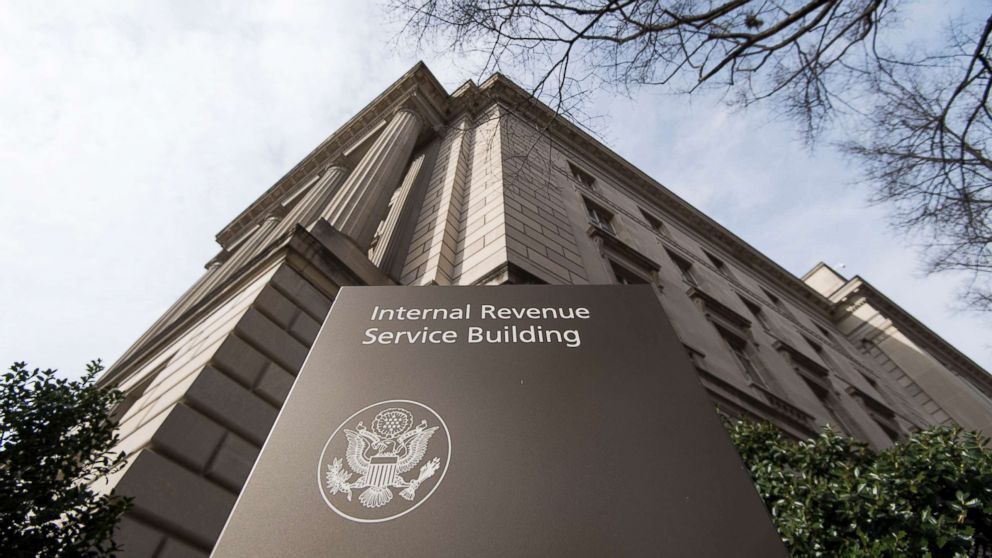
New tax regulations concerning research and development (R&D) are set to be implemented, potentially putting the financial stability of blockchain startups at risk. The changes, designed to prevent tax fraud, may inadvertently result in cash flow issues for legitimate businesses in the blockchain industry that rely on R&D tax credits for financial support.
The upcoming tax policy adjustments aim to tackle fraudulent claims by implementing a cap on payable tax credits. This cap is set at three times the company’s total PAYE and National Insurance liabilities for the year. While the intentions behind these changes are to curb tax fraud, the policy shift may inadvertently harm startups that invest heavily in R&D, such as those in the blockchain sector.
Many blockchain startups have limited staff and low PAYE and National Insurance contributions due to the nature of their businesses. As a result, the new cap on payable tax credits could severely limit the financial resources available to these startups, potentially leading to cash flow issues and even bankruptcy.
This situation is particularly concerning for the blockchain industry, which has experienced rapid growth in recent years and is recognized as a driving force behind technological innovation. By limiting the R&D tax credits available to blockchain startups, these policy changes could stifle innovation and hinder the development of new and transformative technologies.
Industry experts are urging lawmakers to consider the potential ramifications of these tax policy changes and work towards finding a balanced solution that safeguards both the interests of the government and the growth of the blockchain sector. A failure to address the concerns of blockchain startups may lead to a decline in innovation and a slowdown in the overall development of the industry.
As the implementation of the new R&D tax rules approaches, the potential impact on blockchain startups remains uncertain. The coming months will reveal whether these policy changes will have the unintended consequence of stifering innovation and harming the financial stability of blockchain-based businesses.

As the market eagerly awaits this week’s release of the Consumer Price Index (CPI) data, Bitcoin has experienced a significant rally, with its price surging to $29,400. The CPI data, a key indicator of inflation, often influences investor sentiment and can impact the value of various assets, including cryptocurrencies like Bitcoin.
The recent rally comes after a period of relative stability for the world’s leading cryptocurrency, with its value oscillating around the $28,000 mark. The CPI data release has the potential to trigger further price movement for Bitcoin, as traders closely monitor inflation trends to gauge the overall health of the economy and adjust their investment strategies accordingly.
Historically, Bitcoin has been viewed by some investors as a hedge against inflation, with the cryptocurrency’s decentralized nature and limited supply making it an attractive alternative to traditional fiat currencies. As a result, an increase in inflation could potentially boost demand for Bitcoin and drive its price higher.
However, the relationship between inflation and Bitcoin’s price remains complex and subject to debate. Some analysts argue that the cryptocurrency’s volatility and unpredictable price movements make it an unreliable store of value during periods of economic uncertainty. Additionally, the increasing popularity of other cryptocurrencies and digital assets could dilute Bitcoin’s appeal as an inflation hedge.
Despite these uncertainties, the recent rally in Bitcoin’s price has generated significant interest among traders and investors. As the market braces for the release of this week’s CPI data, all eyes will be on the potential impact of inflation trends on the value of Bitcoin and other digital assets.
The coming days will reveal whether the Bitcoin rally can be sustained and whether the cryptocurrency can further solidify its position as a viable hedge against inflation. Regardless of the outcome, the interplay between economic indicators and digital asset prices remains a fascinating area of study for market observers and participants alike.

New York, US, April 10th, 2023, Chainwire
Babylon x NYC, an exhibition of more than 100 physical and digital artworks, will take place in New York City on April 12-13, 2023. The exhibition, set up by Babylon — a Web3 gallery specializing in primary sales of NFT editions — will showcase works by the project’s 30 Founding Artists, well-known for their impact on the NFT art space.
Also featuring, as highlights exclusive to the exhibition, are works by prominent Armenian artist Tigran Tsitoghdzyan, whose debut drop on Ethereum will be hosted on Babylon, and — for the first time on public display — the personal collection of Babylon founder Paruyr Shahbazyan.
Babylon’s Founding Artists include mainstream creators like Rik Oostenbroek, who, in a 20-year career, has worked with the likes of Mercedes-Benz, Apple, and Nike; Archan Nair, whose work has been featured in Rolling Stone and Vogue, and Terrell Jones, whose gangster film-inspired pieces have been auctioned at Sotheby’s.

The team and Founding Artists will be on hand to showcase this new NFT platform, which intends to become the home of NFT Editions, at the opening night on April 12. Babylon x NYC will then open to the public on April 13.
Babylon is a passion project of founder Shahbazyan. He has dubbed it his ikigai — a Japanese concept that means ‘your reason for being.’ Shahbazyan is considered one of the largest and most followed independent NFT collectors, whose collection is estimated at around 4,000 ETH and features rare and valuable pieces such as a 3D Glass Hoodie Punk, a Spiral Fidenza, and a Red Ringer.
He explains the significance of the Babylon x NYC exhibition:
“Art has always occupied a special part of me, but I wanted to make an impact in the space rather than remain purely a collector.”
“The emergence of NFTs has offered an opportunity to change and democratize the art world as much as printmaking did in the 18th century. Babylon is bringing in new sales mechanisms based around editions which will create an art world that is fairly distributed and open for all.”
Tickets for the Babylon x NYC public exhibition are available here, and the exhibition booklet can be viewed here.
To enquire about attending the private opening night event as a media representative, please email [email protected].
[image 1] Tigran Tsitoghdzyan, Self Isolation IV (2021), on display at Babylon x NYC
[image 2] Rik Oostenbroek, The Indecisive (2023), NFT, on display at Babylon x NYC
About Babylon
Launched in January 2023, Babylon is a Web3 gallery specializing in primary sales of NFT editions, created and run by a consortium of Founding Artists and collectors. Our vision is to make selling and collecting art accessible to all, amplifying the inherently democratic medium that editions are via a flexible listing model and diverse sales mechanics.
Contact
Head of Comms
Mia Agova
Babylon
[email protected]
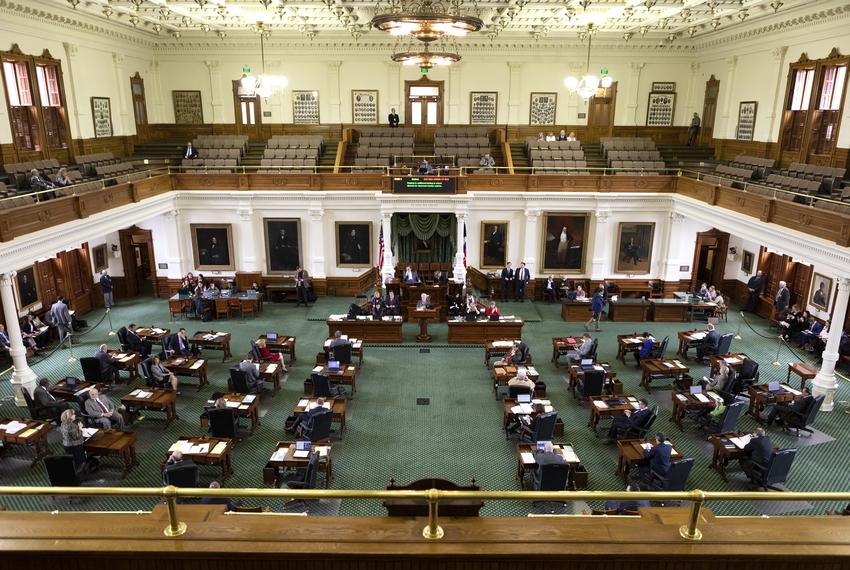
A group of Texas lawmakers has put forth an innovative proposal for a state-issued digital currency backed by gold. The proposed currency aims to challenge the dominance of the US dollar and provide an alternative means of payment for residents in the state.
The digital currency plan, outlined in House Bill 4474 and Senate Bill 1859, seeks to establish a digital infrastructure to facilitate transactions using a gold-backed digital currency. The proposal includes the creation of a Texas Bullion Depository, where the state’s gold reserves would be held and used to back the value of the digital currency.
Proponents of the gold-backed digital currency argue that it could offer several benefits, such as providing a stable alternative to the US dollar, which is subject to inflationary pressures. Additionally, the currency could boost economic activity within the state by promoting local transactions and reducing dependency on traditional banking systems.
However, the proposal has also faced criticism, with skeptics raising concerns about the feasibility and legality of a state-issued digital currency. Critics argue that the introduction of such a currency could conflict with the US Constitution, which grants the federal government the exclusive right to issue currency.
Furthermore, some experts have questioned the practicality of implementing a gold-backed digital currency, citing potential challenges related to the management and security of gold reserves. They also point out the volatility of gold prices and the risk that a fluctuating gold market could pose to the stability of the proposed digital currency.
Despite these concerns, the Texas gold-backed digital currency proposal marks an intriguing development in the rapidly evolving world of digital currencies. The proposal has reignited debates about the role of digital currencies in the global financial landscape and the potential for state-issued digital currencies to challenge the hegemony of traditional fiat currencies.
As the proposal makes its way through the legislative process, its outcome could have significant implications for the future of digital currencies, state sovereignty, and the role of gold in the global monetary system.

In a recent security breach, decentralized exchange platform SushiSwap has suffered a significant loss of $3.3 million due to an approval bug exploit. The vulnerability in the platform’s smart contract enabled attackers to drain funds from users, raising questions about SushiSwap’s security measures and the overall safety of decentralized finance (DeFi) platforms.
The exploit was first discovered by blockchain security firm PeckShield, which alerted SushiSwap to the issue. The platform then issued a warning to its users, advising them to revoke their token approvals on the affected smart contract. However, by the time the warning had been issued, the attackers had already managed to siphon $3.3 million from the platform.
The vulnerability was traced back to the “addCollateral()” function within SushiSwap’s smart contract. This function allowed attackers to manipulate the platform’s accounting system and withdraw more collateral than they had initially deposited. The attackers exploited this bug to repeatedly execute transactions and drain users’ funds.
SushiSwap has since implemented a fix to address the vulnerability, but the incident has raised concerns about the security of DeFi platforms and the potential risks associated with them. The rapid growth of the DeFi sector has led to an increasing number of platforms emerging on the market, some of which may have overlooked crucial security measures in the race to launch their products.
As a result of this incident, industry experts are calling for greater scrutiny and regulation within the DeFi sector to ensure the safety of users’ funds. The SushiSwap exploit serves as a reminder of the risks associated with decentralized finance and the need for stringent security measures to protect users from potential threats.
The SushiSwap team has assured users that it is taking the necessary steps to prevent similar incidents from occurring in the future. It remains to be seen how this event will impact the platform’s reputation and the confidence of its users, as well as the wider DeFi industry.
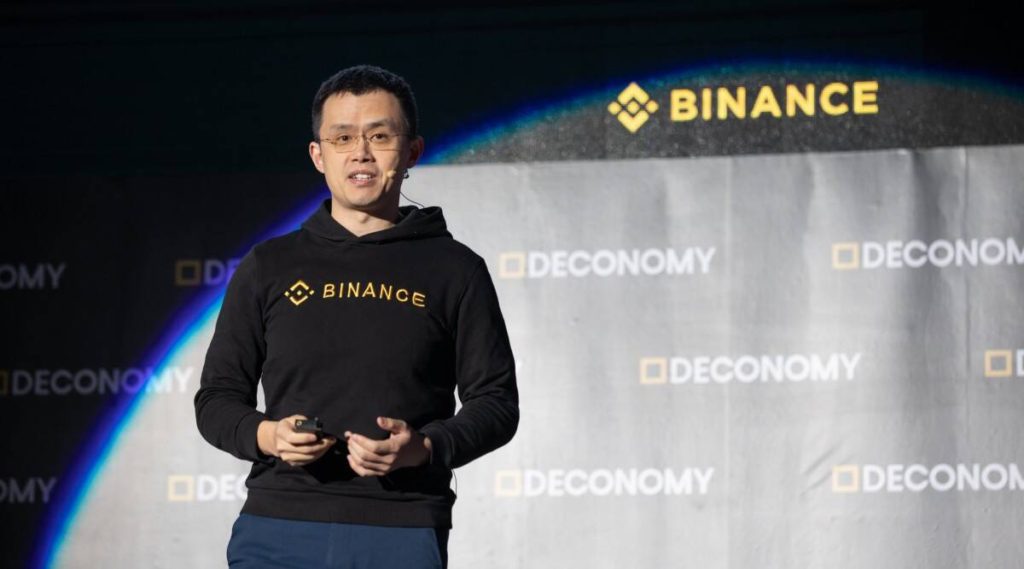
Binance US, the American subsidiary of the world’s largest cryptocurrency exchange, is reportedly encountering difficulties in securing banking partnerships within the United States, according to a recent report. This setback could potentially impact the company’s operations and its ability to cater to the growing demands of the American crypto market.
The report suggests that Binance US’s struggles in forming partnerships with American banks stem from concerns surrounding the regulatory status of its parent company, Binance. Regulators in several countries have recently scrutinized the global exchange, leading to increased wariness among potential banking partners.
The inability to secure partnerships with domestic banks could pose significant challenges for Binance US, hindering its capacity to provide seamless services to its American customers. This issue underscores the importance of regulatory compliance for cryptocurrency exchanges and the potential consequences of inadequate adherence to regulatory frameworks.
Despite the setbacks, Binance US continues to operate and serve its American customer base. The exchange has made efforts to ensure compliance with local regulations and has appointed former U.S. regulators and industry veterans to its leadership team. These appointments aim to bolster the company’s regulatory standing and address concerns raised by potential banking partners.
As the global regulatory landscape for cryptocurrencies continues to evolve, exchanges like Binance US must navigate the challenges presented by shifting requirements and heightened scrutiny. The ability to secure strong banking partnerships will be crucial for the ongoing success and growth of these platforms, particularly in the competitive American market.
The situation faced by Binance US highlights the necessity for cryptocurrency exchanges to remain vigilant in their compliance efforts and underscores the potential ramifications of regulatory scrutiny on their operations.

Bitcoin traders are gearing up for a substantial move in the market, as the leading cryptocurrency’s price has remained relatively stable around the $28,000 mark. The price stagnation has left traders speculating on the direction of the next significant shift, with the market poised for a breakout in either direction.
The recent price consolidation has created a sense of uncertainty in the market, with traders and investors closely monitoring Bitcoin’s performance for any signs of a potential breakout. Some analysts believe that this period of calm could be the precursor to a sudden price surge, while others suggest that a downward trend may be on the horizon.
Several factors have contributed to the current state of Bitcoin’s price, including global economic uncertainties, regulatory developments, and fluctuations in institutional interest. These factors have converged to create a unique market environment, with traders and investors waiting for a clear indication of where the market is headed next.
The upcoming price movement will likely be influenced by a variety of factors, such as the progression of regulatory frameworks worldwide, institutional adoption, and the overall sentiment in the market. Additionally, traders will be keeping a close eye on technical indicators to identify any signs of a potential breakout.
In the past, Bitcoin has experienced similar periods of stagnation, followed by significant price movements. The direction of these shifts has often been determined by a combination of market sentiment, fundamental factors, and technical analysis. As such, traders are eagerly anticipating the next major movement, which could potentially signal a new phase in the cryptocurrency’s price trajectory.
As the market waits for a decisive shift in Bitcoin’s price, it remains to be seen whether the next big move will be a bullish surge or a bearish decline. Regardless of the outcome, traders are preparing themselves for a potentially significant change in the market landscape.
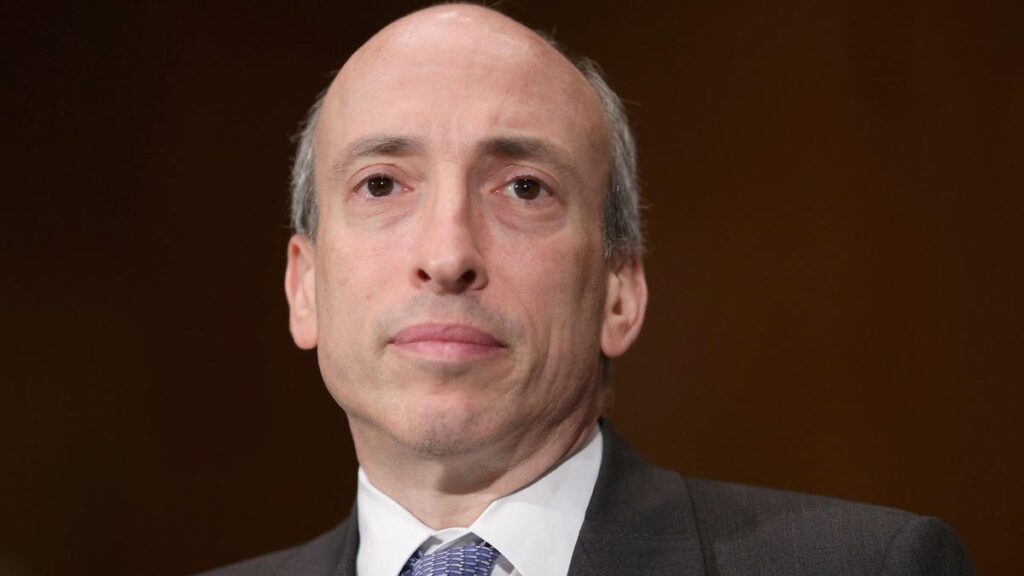
U.S. Congressman Tom Emmer has taken aim at Securities and Exchange Commission (SEC) Chair Gary Gensler, calling him a “bad faith” regulator in a recent interview. Emmer expressed concerns that Gensler’s approach to cryptocurrency regulation could hinder the growth and innovation of the emerging industry.
According to Emmer, Gensler’s stance on digital assets is excessively rigid, which could potentially stifle the development of the crypto space. The Congressman argued that the SEC Chair’s regulatory approach should be more flexible and accommodating, allowing for innovation and growth within the industry while still ensuring adequate investor protection.
Emmer also raised concerns about the lack of regulatory clarity from the SEC, stating that the agency’s failure to provide clear guidelines for the crypto sector creates an environment of uncertainty. This, in turn, discourages businesses and investors from engaging in the space, fearing potential legal consequences.
The Congressman’s criticisms come amid ongoing discussions on the appropriate level of regulation for the rapidly evolving cryptocurrency industry. Proponents of a more lenient approach argue that excessive regulation could stifle innovation, while others maintain that strict oversight is necessary to protect investors and maintain market stability.
Despite his criticism of Gensler, Emmer remains a staunch supporter of the cryptocurrency industry. He has consistently advocated for a pro-innovation regulatory framework in the U.S., emphasizing the importance of embracing new technologies and fostering growth in the digital asset sector.
As the debate around cryptocurrency regulation continues, the industry will be closely monitoring the actions of regulators like Gensler and the SEC. It remains to be seen whether a more flexible and innovation-friendly approach will be adopted, or if a stricter regulatory environment will prevail in the coming months and years.
Polygon has ascended the ranks to become the second-largest gaming blockchain, thanks to a remarkable surge in user activity during March. The platform’s increasing popularity among gamers and developers highlights the expanding role of blockchain technology in the gaming industry.
The Ethereum scaling solution has experienced rapid growth in recent months, with numerous game developers and players gravitating toward Polygon for its lower transaction costs and faster processing times compared to the Ethereum mainnet. As the gaming sector continues to embrace blockchain technology, Polygon’s user-friendly infrastructure has made it an attractive choice for many.
In March, Polygon saw a considerable uptick in activity, propelling it to second place among gaming blockchains. This surge in user engagement is attributed to various factors, including the platform’s robust developer community and the increasing number of games and applications being built on the network.
Additionally, Polygon’s partnership with several high-profile gaming projects has contributed to its growing prominence in the blockchain gaming space. These collaborations include projects such as Aavegotchi, Decentraland, and The Sandbox, which have all experienced significant growth in user activity and adoption.
The rise of Polygon reflects the broader trend of blockchain technology’s integration into the gaming industry. With gamers increasingly seeking decentralized and transparent platforms, blockchain-based solutions like Polygon are poised to play a crucial role in shaping the future of gaming.
As Polygon continues its ascent, it is expected that more game developers and users will join the platform, further solidifying its position in the blockchain gaming ecosystem. The platform’s success serves as a testament to the potential of blockchain technology in revolutionizing the gaming industry and enhancing the overall user experience.