


Delhi, India, 21st November, 2022, Chainwire
Tuition Coin aims to enhance the appeal of the Cardano ecosystem through its Teach to Earn nature. The venture will streamline participation in educational technology, benefiting students and teachers alike.
Tuition Coin is created by the Crystal Chain team and brings Teach to Earn to the Cardano blockchain. Teachers can tap into a new ecosystem free from being underpaid and overworked. Instead, they can explore cryptocurrency rewards by contributing to the global educational space.
Any teacher globally can become part of the Tuition Coin initiative. All they need to do is register on the Coins for College platform and verify their identity through a Know-Your-Customer (KYC) process.
Following the approval, they can begin creating educational content and earn cryptocurrency rewards by sharing knowledge. In addition, existing online content and lessons can be incorporated to build Tuition Coin’s open information sphere.
All content provided through the Coins for College platform is accessible free of charge to students. That positions Tuition Coin as a leading initiative to promote equality to high-quality educational resources and materials. It is a much-needed solution to the educational gaps that remain in place today.
Furthermore, students who complete lessons and tasks will earn Scholarship Points, allowing their overall progress to be measured through a streamlined system. Although the SAT system exists already, its influence is waning, and a new global standard for education is in high demand.
Tuition Coin has a maximum supply of 100 billion TUIT coins. Sixty percent is reserved for educators and can only be earned through contributions to the Coins for College platform. Teachers receive identical incentives for content regardless of whether it is newly created or imported existing material. However, all content must meet the 1EdTech standards to ensure it is suitable for remote learning.
With TUIT, teachers can supplement their income and give more students global access to educational resources. In addition, all content on the platform can be shared freely as it will meet age-appropriate guidelines based on the student’s country’s educational requirements.
About Tuition Coin
Tuition Coin is the cryptocurrency that powers the Coins For College platform. Created by Crystal Chain, Tuition Coin forms a key part of the reward mechanism for teachers creating content and lesson plans.
Students can access the content for free using the Coins For College platform and will be awarded Scholarship Points upon completing modules and assessments. These Scholarship Points will serve as a measurement tool to identify promising and deserving students who desire to pursue further education, but may lack the financial resources to do so.
Visit the Tuition Coin website to learn more about how you as an educator can get involved in shaping the future of generations to come. Join the community on Facebook, Twitter and Instagram for the latest updates within the TUIT and Coins For College ecosystem
Website | Facebook | Twitter | Instagram
Contact
Aman Kumar
[email protected]

People have taken to social media to speculate on the pricing of Bitcoin (BTC), with many debating on whether bullish or bearish investors would profit amid expiring BTC options on Friday.
Due to the FTX debacle’s liquidity collapse, thousands of crypto enthusiasts have lost access to their funds on the fallen crypto exchange, where investors saw $290 million in leverage buyers liquidate their holdings.
Bitcoin bulls have needed to aim high at $20,000 or more as a huge cache of weekly options totalling $600 million are set to expire on 18 November, holding from 25 October for nearly two weeks, analysts have speculated.
Actual totals may be lower than estimated, allowing bear speculators to bet on an $18,000 or higher mark following after investors dumped thousands of BTC after embattled crypto exchange FTX went bankrupt.
Bitcoin prices readjusted following the collapse, falling to prices from $15,800 to $17,800 over the last week, with investors fearing the crisis spreading to other corners of the market, forcing investors to sell their crypto positions.
FTX also caused people to lose massive losses, including crypto lending platform BlockFi, who had $400 million in credit assets on FTX US. Liquid, a Japanese cryptocurrency exchange, also faced similar issues following the crisis.
Who Laughs Last?
According to reports, Bitcoin bears can potentially snap up a $120 million bonus by keeping Bitcoin (BTC) under $16,500.
Should Bitcoin remain below $17,500 on 21 October, roughly a tenth of total call options will remain. Reports add that a right to buy Bitcoin priced at $18,000 to $19,000 per coin would become worthless if it trades below the expiry price, indicating a need for BTC to pump beyond $18,00 to succeed.
On Friday, $600 million worth of Bitcoin options expire, providing bears justification to price BTC beneath $16,000.
— The Alpha space (@TheAlphaspace1) November 18, 2022
For Friday’s $600 million BTC options expiry, bears are better positioned, but if Bitcoin prices rise beyond $18,000, bulls could turn the tables.
According to Twitter user The Alpha Space, Friday’s expiry date for BTC options would provide “bears justification to price [it] beneath $16,000.”
It added: “For Friday’s $600 million BTC options expiry, bears are better positioned, but if Bitcoin prices rise beyond $18,000, bulls could turn the tables.“
#Bitcoin Analysis: Today Options expire, thats why (stock) markets are hovering arround key levels. Clearly Bullish strength is lacking. Bears will most likely push down price next week. Expecting 14k$ #BTC, which is very likely to be the last dip👀 pic.twitter.com/DiO7wsxAXz
— JimCramerIsSus (@CountDestroyer2) November 18, 2022
Another Twitter user commented that the expiring options were the likely reason why stock markets were “hovering around key levels.”
She explained further that bullish strength was “lacking” and that bears would “most likely push down the price next week.”
“Bears will most likely push down price next week. Expecting 14k$ #BTC, which is very likely to be the last dip,” she concluded.
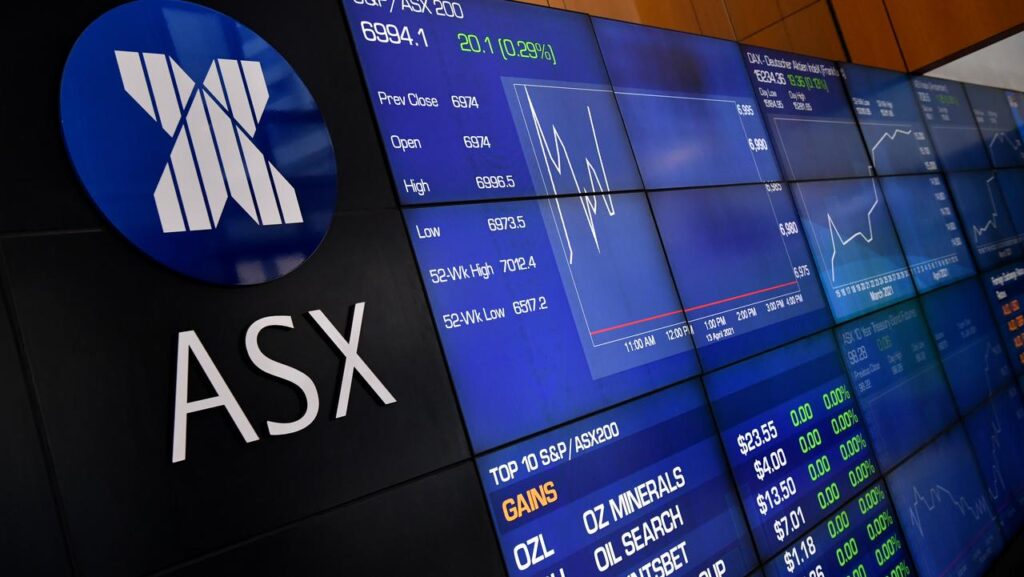
The Australian Securities Exchange (ASX) recently announced it had cancelled plans to allow clearing and settlements systems to use the blockchain.
ASX said in a Thursday statement it had halted activities for its Clearing House Electronic Subregister System (CHESS) replacement project after global IT consultancy Accenture conducted an independent review.
The review revealed “significant challenges with the solution design and its ability to meet ASX’s requirements.”
Accenture’s 47-page report concluded that such business workflows were “not tailored for a distributed environment,” and that the projects completion was too complex and uncertain.
It added: “Current activities on the project have been paused while ASX revisits the solution design.”
ASX had attempted to complete a distributed ledger technology (DLT) as the successor to its ageing, 25-year-old CHESS system, which managed transaction settlements and recorded shareholdings.
It aimed to launch in 2020, but was hit by the COVID-19 pandemic and calls for further testing.
Responses to ASX SNAFU
The Exchange’s chairman, Damian Roche responded, stating there were “significant technology, governance, and delivery challenges” to address.
Reserve Bank of Australia (RBA) Governor Philop Lowe slammed the decision as “very disappointing.”
Australian Securities Investment Commission (ASIC) chairman Joe Longo added the ASX had “failed to demonstrate appropriate control of the program to date,” which had “undermined legitimate expectations that the ASX can deliver a world-class, contemporary financial market infrastructure.”
According to figures, the ASX cost taxpayers from $164.6 million to $171.3 million.
Singapore’s Temasek has revealed in that it did not find any major red flags in the now-disgraced FTX cryptocurrency exchange.
The state-owned investment firm said in the recent post it had invested $275 million in the exchange and had conducted due diligence over an eight-month period last year.
Investments included a $210 million or 1 percent stake in FTX International, along with a $65 million, 1.5 percent stake in FTX’s US wing, it stated.
Temasek added it checked FTX’s financial statements and investigated regulatory risks with market service providers in the crypto industry. It also received consultations from specialists in law and cybersecurity.
The company also interviewed people familiar with the exchange such as investors, employees, and others.
Due Diligence or Do Diligence?
Speaking on its due diligence process from February to October, it said: “The thesis for our investment in FTX was to invest in a leading digital asset exchange providing us with protocol agnostic and market neutral exposure to crypto markets with a fee income model and no trading or balance sheet risk.”
It added that it recognised that due diligence can “mitigate certain risks” but could not “eliminate all risks.”
Explaining further, Temasek added,
“It is apparent from this investment that perhaps our belief in the actions, judgment, and leadership of Sam Bankman-Fried, formed from our interactions with him and views expressed in our discussions with others, would appear to have been misplaced.”
The investment company assured it had “no direct exposure in cryptocurrencies,” adding its FTX investments were just 0.09 percent of its portfolio valued at $293 billion.
It concluded in its post,
“We continue to recognize the potential of blockchain applications and decentralized technologies to transform sectors and create a more connected world.”
Recent events showed that the “nascency of the blockchain and crypto industry” posed significant risks, it continued.
The Crypto Industry: Moving Forward
Concluding Temasek stated it supported efforts from regulators and courts and called for an “orderly resolution to outstanding matters.”
“There are inherent risks whenever we invest, divest, or hold our assets, and wherever we operate. While this write down of our investment in FTX will not have significant impact on our overall performance, we treat any investment losses seriously and there will be learnings for us from this,” it said.
The news comes after FTX’s collapse rocked the crypto industry, namely after former chief executive Sam Bankman-Fried saw a massive liquidity crunch trigger a bank run on his platform’s native token, FTT.
FTX and rival exchange Binance entered talks to bail out the embattled crypto exchange, but plans fell through due to what Binance CEO Changpeng Zhao (CZ) found were major due diligence concerns with the Bahamas-based company.
Australia has further pledged to build a framework for regulating cryptocurrencies due to the ongoing crypto crisis, which erupted in mid-November.
A Wednesday AFR report cited a spokesperson for the Australian Treasury, who stated Canberra aimed to regulate crypto markets next year to protect investors.
The news comes after FTX collapsed around 11 November, with the Treasury stating it would monitor the fallout of the disgraced crypto exchange. This would include “further volatility in crypto-asset markets” and additional “spillovers into financial markets more broadly.”
The spokesperson added: “These developments highlight the lack of transparency and consumer protection in the crypto market, which is why our government is taking action to improve the regulatory frameworks while still promoting innovation.”
Treasurer Jim Chalmers’ spokesperson concluded: “We are closely monitoring the fallout from the FTX collapse, including further volatility in crypto asset markets and any spillovers into financial markets more broadly.”
Australian Crypto Proposal
Crypto assets were “increasingly widespread and” even began appearing on large sporting event advertisements. It urged regulators to ensure customers investing in crypto were “adequately informed and protected,” according to a recent Treasury letter.
Assistant Treasurer, The Hon Stephen Jones MP, continued in his letter, stating the Albanese Government would take a “more serious approach” to determine what was in the ecosystem and the risks involved.
He continued, stating: “The aim will be to identify notable gaps in the regulatory framework, progress work on a licensing framework, review innovative organisational structures, look at custody obligations for third party custodians of crypto assets and provide additional consumer safeguards.”
Crypto Crackdown?
It would create a system of “capital adequacy and auditing standards to demonstrate the operational integrity” for such platforms, he said. Talwar added that it was crucial to do so as many exchanges offer high-yield perks to compete with other platforms, despite a greater risk to investors.
Australian regulators could also lead the industry in regulating digital assets, which may include a ‘token mapping’ platform for identifying how to regulate assets.
He concluded: “When Australia brings in technology-enabling custody rules for centralized holders of crypto-assets, we will either be a leader in the space, or catching up, depending on how fast other jurisdictions, like Singapore and Europe, move to make rules.”
The comments come after the collapse of the FTX exchange, Alameda Research, and nearly 130 linked firms prompted governments worldwide to consider tightening regulations on crypto markets due to the aftermath. Reports have found roughly 30,000 Australians and the collapse hit 132 companies.
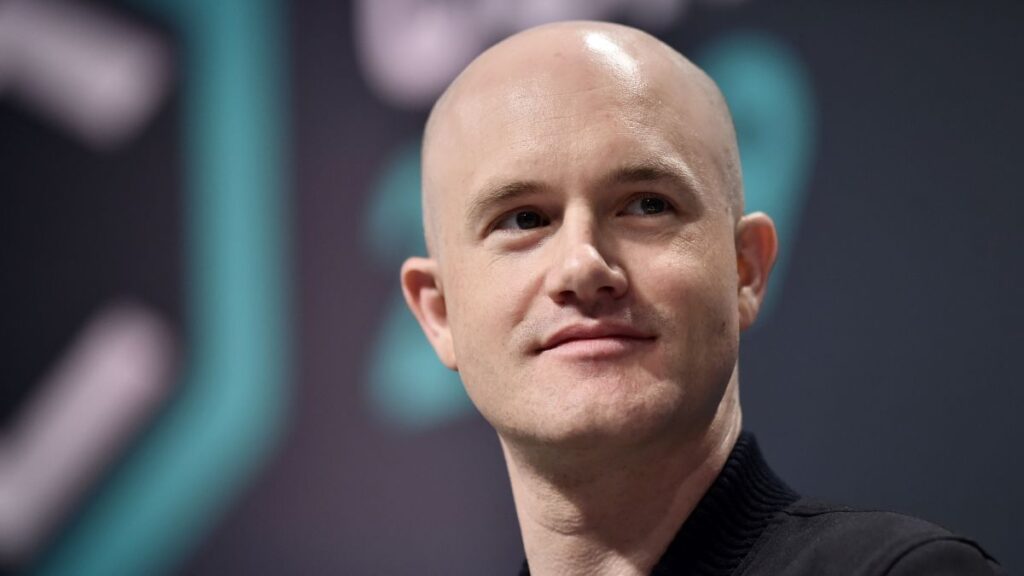
Brian Armstrong, Coinbase’s chief executive and co-founder, lauded independent journalists and blockchain analysts working to tackle the ongoing FTX collapse and mismanagement of funds from Sam Bankman-Fried, its disgraced former CEO.
Armstrong tweeted on Wednesday that citizen journalists, rather than global media, had exposed the events linked to FTX’s liquidity crisis and Chapter 11 bankruptcy.
He slammed a recent NYT piece, stating: “Twitter has broken just about every piece of this FTX story using blockchain analytics, while NYT is writing puff pieces on a criminal.”
Twitter has broken just about every piece of this FTX story using blockchain analytics, while NYT is writing puff pieces on a criminal.
— Brian Armstrong (@brian_armstrong) November 16, 2022
Feels like a turning point for citizen journalism and loss of trust in MSM.
He added it was a “turning point for citizen journalism and loss of trust in [the mainstream media].”
Twittizens Unite on FTX
Speaking on the matter, Elon Musk tweeted his support for citizen journalists. He said at the time that “increased competition from citizens” would lead to increased accuracy “as their oligopoly on information is disrupted.”
Additional condemnation of the NYT piece include Polygon Studios chief executive Ryan Wyatt, who said that Sam Bankman-Fried had “committed significant crimes [which were] a disservice to all those impacted.”
Mainstream media will still thrive, but increased competition from citizens will cause them to be more accurate, as their oligopoly on information is disrupted
— Elon Musk (@elonmusk) November 11, 2022
One such journalism outlet, Whale Alert, found in early November that users had transferred roughly 23 million FTX tokens (FTT) to finance, totalling $584.8 million USD or 17 percent of market supply. The NYT did not write about the incident until 8 November, according to reports.
Twitter Spaces also hosted several meetings for The Roundtable Show, hosted by Mario Nawfal, which covered the crisis as it unfolded. It hosted several prominent people, including Kim Dotcom, Musk, and others, leading to a surge in interest related to the FTX scandal.
User Tobias Silver also revealed a major FTX Tron account hack, leading to a major investigation on the person responsible for the incident. News later revealed that Tether had blacklisted the people, found to be regular users, from moving roughly $47 million in Tether (USDT) from FTX to Kraken.
Kraken’s chief security officer later revealed them to be “normal people who have lost their life savings,” according to Silver.
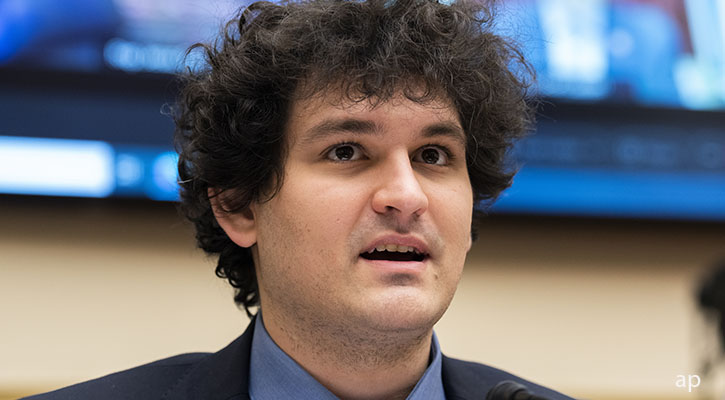
An executive from Paradigm, an asset management firm, tweeted on Tuesday it had felt “deep regret” for investing in FTX and its disgraced chief executive Sam Bankman-Fried following the exchange’s collapse.
We are shocked by the revelations about FTX, Alameda, and SBF.
— Matt Huang (@matthuang) November 15, 2022
Matt Huang, co-founder and managing partner for Paradigm, a San Francisco-based venture capital firm, tweeted at the time:
“We feel deep regret for having invested in a founder and company who ultimately did not align with crypto’s values and who have done enormous damage to the ecosystem.”
Facts are still coming to light, and there will be many lessons to learn. We feel deep regret for having invested in a founder and company who ultimately did not align with crypto’s values and who have done enormous damage to the ecosystem.
— Matt Huang (@matthuang) November 15, 2022
Paradigm’s managed assets totalled roughly $13.2 billion USD, according to reports in April. It also contained FTX and FTX.US in its investment portfolio, with investments around $278 million.
Paradigm’s equity investment in FTX constituted a small part of our total assets and has now been written down to $0. We never traded on FTX and did not have any assets on the exchange. We have never been investors in related tokens such as FTT, SRM, MAPS, or OXY.
— Matt Huang (@matthuang) November 15, 2022
Huang also stated the total equity investments in FTX “constituted a small part of our total assets” and had been “written down to $0.”
He added: “We never traded on FTX and did not have any assets on the exchange. We have never been investors in related tokens such as FTT, SRM, MAPS, or OXY.”
The news comes after Sequoia Capital was also forced to write off its investments in FTX, citing a total loss of $213.5 million. FTX’s liquidity collapse “created a solvency risk” with “limited” risk exposure, the company announced in a recent letter responding to the aftermath of the insolvency.
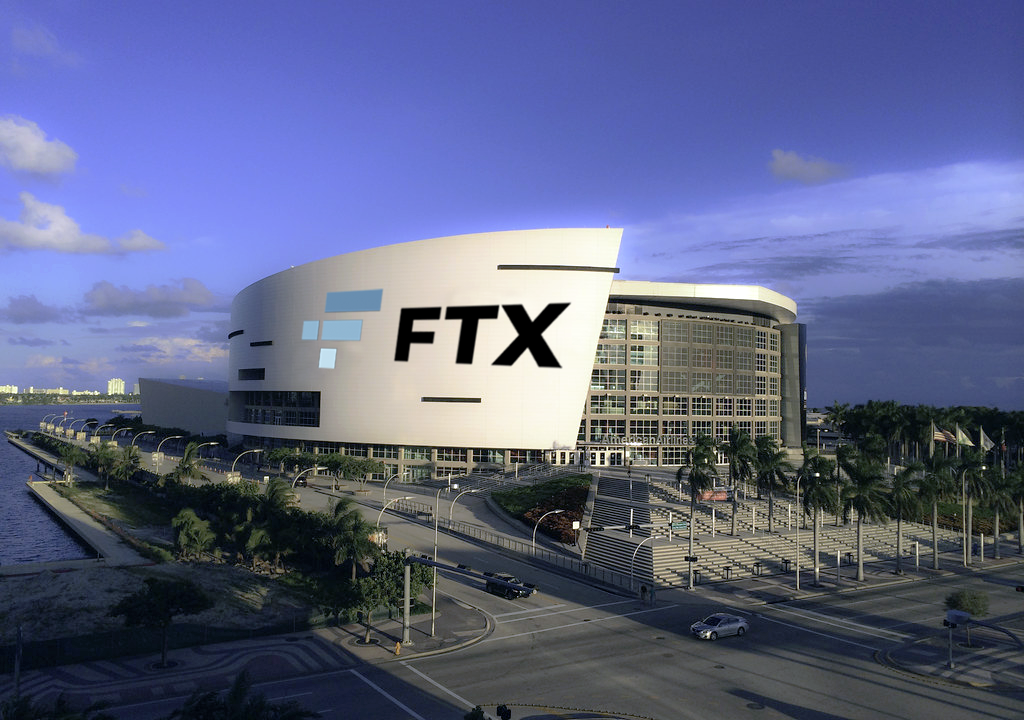
Several major cryptocurrency-based firms have reportedly seen their fortunes and capital marooned on the disgraced FTX exchange, with three revealing massive losses in funding.
News from Galois Capital, Nestcoin, and New Huo Technology has triggered layoffs amid the ongoing FTX scandal, where the Bahamas-based company filed for Chapter 11 bankruptcy last week.
For the record, yes we did have significant funds stuck on FTX. No, we did not use any Bahamian method to move funds out.
— Galois Capital (@Galois_Capital) November 11, 2022
Galois Capital stated it had “significant funds” on the FTX exchange, which reports speculate could total up to $50 million in assets.
Nestcoin, a Nigeria-based web3 enterprise, stated it would have to lay off workers due to the aftermath of the FTX scandal. The company’s chief executive, Yele Bademosi, tweeted on Monday a letter detailing it could not receive funds from the bankrupt crypto exchange, leading to the mass layoffs.
It stated that, due to maintaining its assets on the FTX platform to “manage our operational expenses,” it could no longer pay its staff.
An update shared with our investors earlier today on the FTX incident and its impact on @Nestcoin. pic.twitter.com/0Mjo4SYF7R
— YB (25,25) ⏳ (@YeleBademosi) November 14, 2022
Hong Kong-based New Huo Technology, which owns cryptocurrency exchange Hbit Limited, also revealed on 14 November it could not withdraw $18.1 million USD of funds before FTX halted transactions.
According to Hbit, it would work to withdraw cryptocurrency holdings for its users “as soon as possible” but may not be able to withdraw them from the FTX exchange due to its bankruptcy proceedings.
Reports show that roughly $18.1 million in digital assets were on the FTX exchange. Huobi founder Li Lin stated he would provide around $14 million in loans to Hbit to process withdrawals.
Binance Scandal Erupts
The news comes after FTX filed for bankruptcy on 11 November, with its nearly 130 FTX Group entities such as Alameda Research and FTX.US facing the fallout of its liquidity collapse. The incident blocked users from receiving their holdings, with many losing critical life savings invested on the platform.
Binance and FTX entered a non-binding letter of intent for the latter to purchase the former, but Binance CEO Changpeng Zhao (CZ) later backed out of the deal, citing major compliance issues with FTX
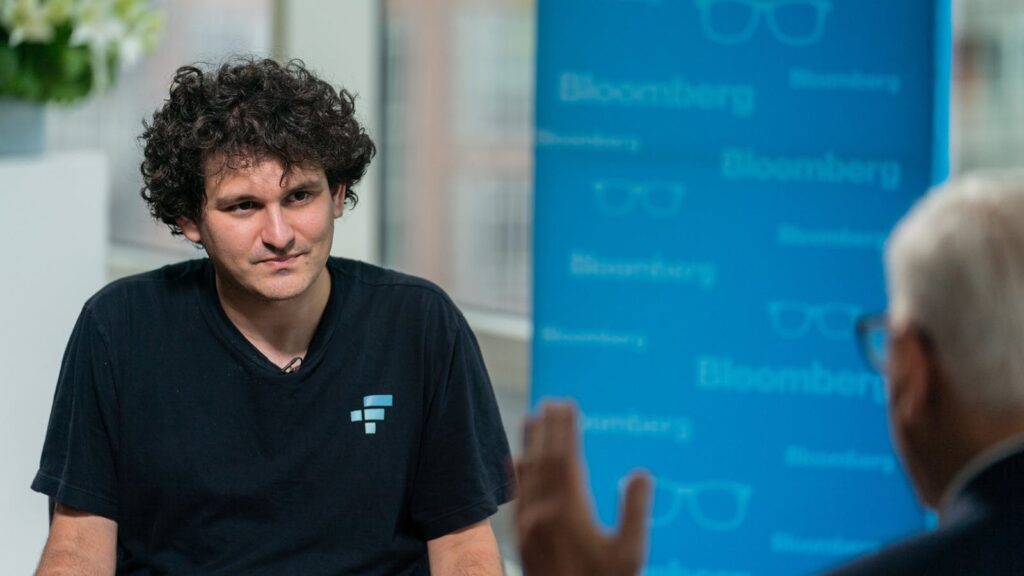
FTX former CEO Sam Bankman-Fried, co-founder Gary Wang and director of engineering Nishad Singh are understood to be in the Bahamas and are “under supervision” by local authorities.
Several key FTX executives, including former chief executive Sam Bankman-Fried, co-founder Gary Wang, and Nishad Singh, director of engineering, remained “under supervision” from Bahamian authorities.
A marathon Crypto Roundtable Show Twitter Space, hosted by Mario Nawfal, speculated disgraced former chief executive of FTX Sam Bankman-Fried remained “in a locked space” at luxury resort Albany Tower in the Bahamas.
Where’s Bankman-Fried?
Several rumours erupted, including that Bankman-Fried had joined his father, Joseph Bankman, and that authorities in the Bahamas had detained him at its main airport.
Speculators believe police had grounded his private jet for roughly 40 minutes ahead of its journey from Nassau to Miami.
When asked by Reuters whether he had fled to Argentina, Bankman-Fried responded in a text message he had escaped to Argentina and was still in the Bahamas.
The news comes after a report from the Wall Street Journal stated US Department of Justice and Securities and Exchange Commission officials were investigating the fallen crypto exchange.
California’s Department of Financial Protection and Innovation (DFPI) also stated last week it would investigate the exchange’s collapse.
A further WSJ report on Tuesday revealed Bankman-Fried had attempted to raise funds for his platform with several employees. The group aimed to raise up to $8 billion to repay FTX customers, sources familiar with the matter said at the time.

Binance chief executive Changpeng Zhao (CZ) urged new and inexperienced cryptocurrency investors on Monday to avoid trading amid the ongoing crypto crisis.
Zhao commented on a Binance ‘Ask Me Anything’ Twitter space that speculators and investors should not invest essential money needed for living expenses.
And we’re live!
— Binance (@binance) November 14, 2022
Tune-in to our Twitter space as @cz_binance will be answering all of your questions 👇https://t.co/4t8fJqQR1e
He said at the time: “You should not invest in crypto if you’re using money that you need for next week or next month, you should only be using discretionary cash that you don’t need for a long time, like maybe a couple of years.”
He added that those with little money to invest should reconsider investing their hard-earned money in the crypto industry in the near future.
He urged people not to “try to guess what’s going to happen” in crypto markets as they were “very hard to predict.”
He added: “[We] will go through a period of high volatility and unpredictableness. So unless you’re very experienced, very mature, very confident, and can handle the risk, I would recommend most people just hold for this period of time.”
FTX Collapse Hits Crypto Industry
FTX’s collapse sent ripples across the entire crypto industry already hit by the ongoing crisis, namely after the collapse of Terra/Luna, prompting several centralised exchanges to halt withdrawals.
When asked whether investors should trust the world’s largest exchange, Zhao stated: “We don’t have loans. We don’t have debt. We don’t owe anybody any money. We also did not give loans out of the platform. So we never take user assets and give it to a third party to manage and try to make yields.”
Trust in the platform fell after users withdrew funds amid the FTX collapse, but he restated that his platform would never block users from pulling out their funds.
He explained further, stating: “If everybody withdraws their funds from the centralized exchange, we’ll just shut down the centralized exchange. We have many other profitable businesses that we have.”
He concluded that the rise of mainstream decentralised finance (DeFi) would eliminate centralised exchanges.
He explained to the audience: “If we can have a way to allow people to hold their own assets in their own custody securely and easily, that 99% of the general population can do it, centralized exchanges will not exist or probably don’t need to exist, which is great.”