


Binance said Thursday it is investigating a potential security incident after billions of dollars in crypto left wallets linked to the exchange within the space of an hour, in what would be the largest theft in the industry’s history if confirmed.
On-chain tallies put the outflows at no less than $5.57 billion across three networks: roughly $3.51 billion on Ethereum, about $1.44 billion in Bitcoin (18,270 BTC) and around $630 million on Tron. Analysts first noticed unusual movement from Binance hot wallets at about 20:24 UTC on October 29, and the main transfers were over by around 21:04.
A wallet labelled Binance 14 sent about 167,464 ETH, roughly $1.6 billion in USDT and more than 60 other tokens to a fresh address in a single transaction. Around three minutes earlier, an address funded through Tornado Cash had submitted a delegation authorisation for that hot wallet using the EIP-7702 standard. How the attacker obtained the required signature is still unknown. Observers also noted that the receiving addresses were brand new and that funds were pushed onward within minutes.
Binance has stopped short of calling it a hack. A spokesperson said its security teams are reviewing all relevant information urgently, and that updates will come through official channels once details are verified. The company warned users to stay alert for scams.
Former chief executive Changpeng Zhao was more direct. Writing on X around 23:15 local time, he said user funds were safe and that it did appear the exchange had been hacked. He added that, as a shareholder rather than an operator, he expects customers to be made whole.
Stablecoin issuers moved quickly to limit the damage. Tether chief executive Paolo Ardoino said the company froze more than 1.567 billion USDT linked to the incident. Circle’s chief executive, Jeremy Allaire, said the firm was tracking the situation, and reports later put combined freezes by the two issuers at roughly $1.8 billion to $2.4 billion. One outlet also reported that Binance had paused withdrawals, though that was not clearly confirmed elsewhere.
Markets reacted. BNB, the exchange’s native token, dropped as much as 9% on the reports, while Ethena said the collateral behind its products is held off-exchange and was not directly affected.
If the figures hold, the scale would dwarf previous losses. The biggest exchange breach to date was the roughly $1.5 billion Bybit theft in February 2025, which the FBI blamed on North Korean hackers. Binance’s own worst incident, in 2019, cost it 7,000 BTC, about $40 million at the time. The latest estimate is more than triple the Bybit loss.
Caution is warranted on the numbers. Estimates have shifted through the evening, starting near $2 billion and rising past $5.5 billion, and Binance has yet to publish its own accounting. Until investigators establish how the transfers were authorised, the outflows are best treated as suspicious activity rather than a proven breach.
Separately, prediction market Polymarket suspended trading after a third-party breach caused user losses, adding to nervousness across the sector.

Wallets controlled by the US government shifted about $103 million in seized crypto on Tuesday, October 7. The activity has traders wondering whether Washington is preparing to sell. No official statement has been issued, and the purpose of the transfers is unconfirmed.
Blockchain analytics firm Arkham Intelligence tracked two separate batches leaving government-linked addresses within roughly nine hours. The first was 833.6 BTC, worth about $71.6 million, which passed through unlabeled addresses before reaching a Coinbase Prime deposit address. The second was 40,285 BNB, the token of the Binance ecosystem, worth around $31.6 million. It went to an unlabeled wallet and was then forwarded to another.
Arkham’s tracing connects the bitcoin to two enforcement cases. Part of it comes from forfeited funds in the HashFlare fraud case, in which a crypto-mining service sold contracts without the computing power to back them. The rest comes from coins seized after the 2016 Bitfinex hack. The BNB traces back to assets taken from Alameda Research, the trading firm tied to the collapsed FTX exchange.
The Coinbase Prime destination is what caught the market’s attention. Coinbase Prime is the exchange’s institutional arm, and deposits there are often read as a prelude to selling. It also serves as the government’s custodian, so a deposit can simply mean storage. A similar $288 million transfer in July was widely seen in that light, and nothing in this week’s data settles which explanation applies.
Policy offers some context. A March 2025 executive order created a Strategic Bitcoin Reserve and barred the sale of bitcoin held in it. That protection applies only once coins are finally forfeited, so bitcoin tied to open criminal cases sits outside the reserve. BNB is covered by a separate Digital Asset Stockpile. Treasury Secretary Scott Bessent has described forfeited bitcoin as the foundation of the reserve.
The market barely reacted. Bitcoin traded near $85,300 on Wednesday, down less than 1% on the day. It has since slipped below $83,000, but that move is mostly being blamed on interest-rate worries and fund outflows rather than the government transfers. Some outlets have since reported a further movement of more than 12,000 BTC, worth about $1.1 billion. That has not been tied to any sale either.
The size of the government’s holdings explains the attention. Arkham estimates US-linked wallets hold about 325,000 BTC, roughly $27 billion or about 1.6% of bitcoin’s total supply. Total seized crypto is put at around $27.5 billion. Tuesday’s transfers are a small slice of that pile, but any confirmed liquidation would be closely watched.
The government has sold seized bitcoin before, though not recently, and past FTX-related movements have been linked to payouts for victims. For now, analysts say they need more on-chain activity before reading intent into the transfers. Watch for further deposits to exchange addresses, or a public notice from the Justice Department or US Marshals Service.
The attackers behind the $387.5 million Bitget breach have started moving part of their loot into Zcash’s private payment system. The move makes the stolen funds harder to follow and shows how laundering tactics are shifting as some protocols refuse to cooperate.
What moved on Wednesday
On-chain investigator ZachXBT flagged the activity on September 30. Wallets linked to the exchange hack sent 2,746 ZEC, worth about $3.9 million, into Ironwood, Zcash’s newest shielded pool. The deposits came in three transfers over 31 minutes. They passed through two intermediary addresses funded by a wallet that Bitget had already identified as belonging to the attacker.
That amount is only a slice of the stolen ZEC. ZachXBT puts the total taken from Bitget’s hot wallet at roughly 18,900 ZEC, worth about $28.3 million, so the Ironwood deposits represent around 14% to 15%. The remaining ZEC, close to $24 million, still sits on transparent addresses where it can be monitored. ZachXBT has alleged that North Korean-linked actors are responsible. That attribution has not been independently confirmed.
Why shielding matters
Zcash supports two kinds of addresses. Transparent ones work like Bitcoin, with every movement visible on the ledger. Shielded pools encrypt the sender, the recipient and the amount. Deposits into Ironwood can still be seen, so investigators know exactly how much entered. Once the coins are inside, outgoing transfers cannot be reliably linked back to the original theft.
Shielding the funds does not make them counterfeit, and it does not change the loss Bitget disclosed. It does make recovery harder. Exchanges and law enforcement usually rely on following funds to a point where they can be frozen. A privacy pool breaks that chain.
The route that failed first
The Zcash move follows a failed attempt to launder far larger sums. NEAR Intents general manager Alex Shevchenko said wallets associated with the theft tried to push more than $50 million through the protocol’s cross-chain swaps. NEAR refused to process the transactions.
THORChain, another cross-chain venue, has reportedly continued to allow transactions linked to the incident, citing its decentralised design. That has drawn criticism from people who argue that protocols should block activity tied to confirmed thefts. The split highlights a growing divide between networks willing to police flows and those treating neutrality as a principle.
How the breach unfolded
The attack began on September 24, when Bitget’s systems flagged unauthorised outgoing transactions from a hot wallet. That is an internet-connected wallet used for an exchange’s day-to-day liquidity. Bitget said its protection fund covered the losses, so customer balances were not affected. Withdrawals were suspended for several days and have since been gradually reopened.
The company is continuing its recovery efforts, but the Ironwood deposits make that harder for the portion of funds now shielded.
What to watch next
The main unknown is how much of the remaining transparent ZEC will follow into the shielded pool. The untouched balance is now the figure that matters, since any further deposits can be measured against it. Investigators will also watch for the attackers using other privacy tools or swap services.
For the wider industry, the episode raises awkward questions. Privacy features that protect ordinary users also give thieves a place to hide. Cross-chain protocols face growing pressure to decide what they will and will not process. Regulators in several jurisdictions are already weighing how to treat privacy-focused assets, and a high-profile laundering case could add fuel to that debate.
The takeaway
The shielded deposits are a relatively small share of the haul, but they signal where the attackers are heading. With one major swap route closed and another contested, privacy pools offer a way to cut the trail. For Bitget, the next phase is likely to be a race between its recovery team and the people trying to disappear with the funds.
Crypto wallet maker SafePal has disclosed a security incident that exposed personal order data belonging to roughly 39,798 customers, the company said in a statement released Sunday.
According to SafePal, the breach stemmed from an authorization flaw in a third-party plug-in used to track order status. The flaw allowed outside parties to view another customer’s order details simply by altering the order number in the system. Affected records cover purchases made between March 2, 2025, and April 11, 2026, and include names, email addresses, phone numbers, shipping addresses and purchase details.
The company was clear about what wasn’t touched: seed phrases, private keys, wallet passwords, bank account numbers, payment card data and government-issued ID numbers were not part of the exposure. SafePal said there is no evidence any customer funds were directly compromised as a result.
Notably, signs of trouble surfaced well before the formal disclosure. A Reddit user reported in early July being contacted by someone who appeared to know their name, address, phone number and prior order history — details later traced to the same vulnerability. SafePal said it investigated at the time but did not find evidence of a breach, only pinpointing the root cause more recently.
Since identifying the issue, SafePal says it has patched the flaw, added extra security controls, and taken down more than 30 fraudulent websites and phishing links built around the leaked data. The company is also limiting how long it retains customer order data going forward — cutting retention in its order-processing system to 90 days — and is urging affected users to watch for phishing attempts impersonating SafePal support, including fake firmware-update requests or refund offers.
The disclosure lands the same week Trezor, a rival hardware wallet maker, confirmed a separate breach at its shipping partner ShipMonk that exposed order data for roughly 13,700 customers — underscoring a broader pattern of hardware wallet firms being hit not through their core custody technology, but through the everyday web infrastructure — plug-ins, shipping vendors, order-tracking tools — that supports it.

Revolut receives in-principle approval from Dubai’s Virtual Assets Regulatory Authority for a Virtual Assets Service Provider licence, moving the fintech closer to a full UAE crypto rollout.
The approval covers broker-dealer, management and investment, and exchange services for digital assets across the emirate. Revolut must still secure final regulatory clearance before it can begin serving customers with these products.
Joseph Khair, Head of Revolut Digital Assets FZE in the UAE, said the country continues to demonstrate global leadership in building a transparent framework for virtual assets. He called the approval a foundation for introducing regulated crypto services locally.
Once fully licensed, eligible UAE customers will be able to buy, sell, and hold cryptocurrencies through Revolut’s main app and its standalone exchange platform, Revolut X. Both products will operate under VARA’s regulated framework.
The announcement follows Revolut’s receipt of Stored Value Facilities and Retail Payment Services licences from the Central Bank of the UAE in June. Those approvals capped a process that began with preliminary clearance last September.
VARA was established in Dubai in March 2022 under the city’s Virtual Asset Regulation Law, the first legislation in the emirate built specifically to govern virtual assets. The regulator said last month it had issued its fiftieth VASP licence.
Applicants to VARA follow a two-stage licensing process, meaning in-principle approval alone does not permit a company to start serving customers. Revolut said it plans to keep working with the regulator to satisfy the remaining conditions.
Dubai has already granted full VASP licences to major digital asset firms including Binance, Crypto.com, OKX, Deribit, BitOasis, and HashKey. Revolut’s approval positions it to join that group of regulated operators in the emirate.
Revolut currently serves more than 75 million customers worldwide, with over 16 million of them using its existing crypto services in the United Kingdom and the European Economic Area.
The company has been adapting its digital asset offerings to different regulatory regimes across markets. It recently confirmed plans to phase out support for Tether’s USDT in parts of Europe under new Markets in Crypto-Assets rules.
Industry commentary framed the UAE approval as a notable move given regulatory pressure on crypto firms in parts of the West. Dubai’s clear licensing rules have continued to attract fintechs seeking a foothold with high-net-worth digital asset customers in the region.
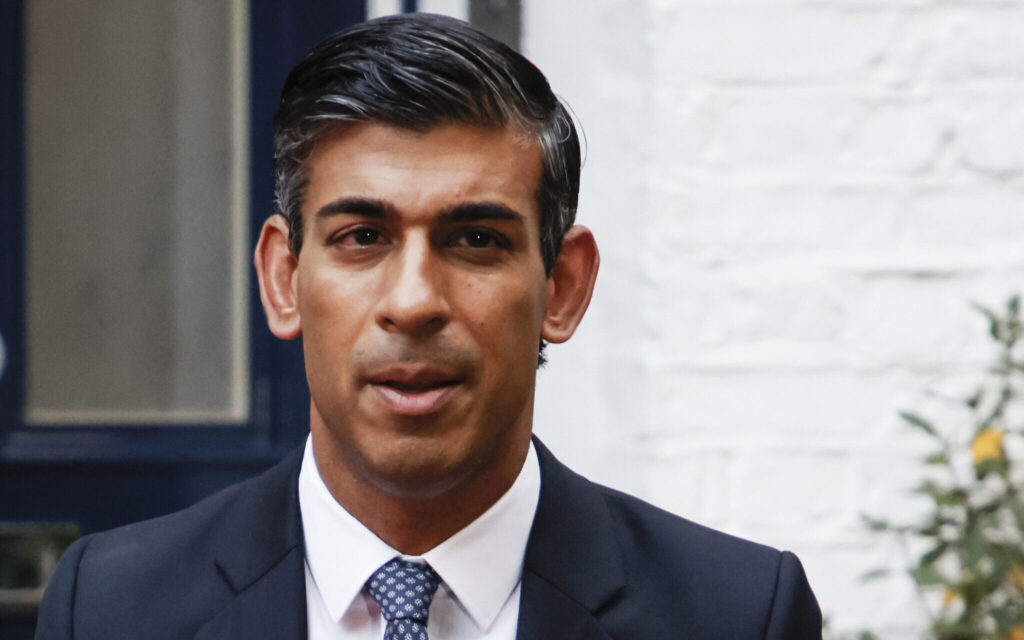
Rishi Sunak’s house in Yorkshire made headlines in the UK media in 2024.
Rishi Sunak, the UK’s Prime Minister, has made a name for himself not only through his political career but also through his personal life, including his residence in Yorkshire. His house in this historic county has drawn attention for various reasons, including its reflection of his personal success, taste, and the lifestyle of a high-profile political figure.
Yorkshire Residence Overview
Rishi Sunak’s house in Yorkshire stands as a testament to the region’s rich cultural and architectural heritage. Yorkshire, known for its breathtaking landscapes, historic towns, and vibrant communities, offers a fitting backdrop for the residence of one of the country’s most prominent political figures. The house is more than just a dwelling; it is a symbol of Sunak’s roots and his connection to the community he serves.
Architecture and Design
- Historic Charm: Sunak’s Yorkshire home is notable for its adherence to the traditional architectural styles of the region, featuring classic British craftsmanship.
- Modern Amenities: While the exterior respects historical aesthetics, the interior is equipped with modern amenities, blending comfort with elegance.
- Gardens and Landscaping: The property boasts meticulously maintained gardens, highlighting the natural beauty of Yorkshire and providing a serene retreat from the demands of political life.
Location and Community
- Proximity to Nature: Nestled in the heart of Yorkshire, the house is surrounded by the natural beauty for which the area is famous, offering peace and privacy.
- Community Engagement: The location of the house places Sunak within the community he represents, enabling him to stay connected with the local populace and their concerns.
Historical Significance
- Reflection of Yorkshire’s Heritage: The residence is a piece of the broader tapestry of Yorkshire’s history, showcasing the architectural evolution of the region.
- Political Symbolism: As the home of the Prime Minister, it represents the blending of personal and professional worlds, situated outside the usual power centers of London.
Personal and Professional Space
- Family Life: The house serves as a sanctuary for Sunak and his family, a place where they can enjoy private life away from the public eye.
- Work from Home: Given the demands of his role, the house is also equipped to function as a secondary office, where Sunak can work remotely, reflecting the modern blending of personal and professional lives.
Role in Sunak’s Political Image
- Accessibility and Relatability: Owning a home in Yorkshire helps Sunak project an image of accessibility and relatability, connecting him with a broader segment of the UK population.
- Symbol of Success: The property also serves as a symbol of Sunak’s personal success, reflective of his career in finance before transitioning into politics.
Contributions to the Local Economy and Community
- Economic Impact: The presence of high-profile individuals like Sunak can have a positive impact on local economies, from employment opportunities to increased interest in the area.
- Community Involvement: Sunak and his family’s involvement in local events and causes contributes positively to the community’s social fabric.
Challenges and Controversies
- Privacy Concerns: Living in a high-profile residence comes with challenges, including maintaining privacy and security for the family.
- Public Scrutiny: As a public figure, Sunak’s choice of residence and lifestyle are subject to scrutiny, balancing public interest with personal privacy.
Final Thoughts
Rishi Sunak’s house in Yorkshire is more than just a personal residence; it embodies a blend of historical significance, architectural beauty, and a deep connection to the local community. As the Prime Minister of the UK, Sunak’s choice to maintain a home in Yorkshire speaks volumes about his values, priorities, and the image he wishes to project both as a politician and a citizen.
The house stands as a symbol of his commitment to his roots and his role in the broader narrative of Yorkshire’s ongoing story. Through this residence, Sunak bridges his personal heritage with his public responsibilities, highlighting the importance of balance, connection, and community in his life and work.
On March 5, Bitcoin’s market value soared to an unprecedented peak of $1.35 trillion, marking a significant milestone in the cryptocurrency’s history.
This surge was fueled by a 3.35% increase in Bitcoin’s price over the previous 24 hours, reaching $67,322 by 12:55 pm UTC.
Over the past week, the first-ever cryptocurrency saw an impressive gain of over 17%, as reported by CoinMarketCap.
This record-setting performance momentarily positioned Bitcoin as the world’s eighth-largest asset, surpassing the $1.347 trillion market cap of silver, the globe’s second-most valuable precious metal, as per CompaniesMarketCap.
The remarkable climb followed a record-breaking daily close of $68,245 on March 4, eclipsing its prior highest close of $67,525 on November 8, 2021.
This development has fueled predictions by analysts that Bitcoin’s price might hit the $100,000 threshold by the end of 2024.
A significant factor contributing to Bitcoin’s bullish momentum has been the recent approval of spot Bitcoin exchange-traded funds (ETFs) in the United States.
READ MORE: Bitcoin Withdrawals Surge as Exchanges See Largest Outflows in 5 Years Amid Price Rally
A March 4 Bitfinex research report highlighted a 44% surge in Bitcoin’s value in February, attributing the growth to a $7.5 billion investment in Bitcoin ETFs.
This influx not only catalyzes market expansion but also underscores a positive market sentiment and the potential for further investment.
Furthermore, Bitcoin futures on centralized exchanges have witnessed record-high open interest, signifying strong investor confidence in a continuous uptrend.
Bitfinex analysts noted that the total open interest for Bitcoin futures contracts exceeded $26 billion on March 1, breaking the previous high of $24 billion set in late 2021.
Adding to the flurry of activity, MicroStrategy, the leading corporate investor in Bitcoin, announced plans to raise $600 million to finance additional Bitcoin purchases.
The funding, disclosed in a March 4 X post by executive chairman Michael Saylor, will be sourced through senior convertible notes, highlighting the company’s ongoing commitment to Bitcoin investment amidst a buoyant market.

This article focuses on Bianca Censori’s alleged crypto investments, and covers other aspects about her personal life, such as her age and career.
She is believed to be Kanye West’s new wife, according to reports earlier in 2023. This follows Ye’s previous marriage to reality TV star and entrepreneur Kim Kardashian, who is now a billionaire and one of the wealthiest self-made women in the United States. The couple, who shares four children, finalized their divorce in November 2022.
On January 13, 2023, TMZ reported that Ye had married Censori. Although there was mention of a wedding ceremony, it was unclear if they had filed a marriage certificate to make it legally binding.
Censori is known for her distinctive fashion choices, but her recent wardrobe selections in Italy have sparked controversy. During a visit to Florence with Ye, she wore revealing sheer bodysuits and a nude outfit while clutching a purple pillow close to her chest. These outfits did not sit well with locals, and one incident in Venice drew significant attention.
The couple was photographed touring the Venetian canals on a boat, and while the exact details of the incident remain unclear, reports suggest that locals were outraged by their actions, leading to viral photographs.
Following this incident, Venetian Turismo Motoscafi, the company that owns the boat, banned Kanye West and his new wife for life. In a statement to Daily Mail Australia, the company stated that the couple would no longer be welcome on any of their boats and that their staff had been unaware of the controversial events on the boat.
Does She Own Crypto?
There have been numerous posts on social media claiming that Bianca Censori is a crypto investor and is linked to several projects. However, it is likely that scammers are trying to use her reputation to attract victims, and there’s no official confirmation of her being involved in any crypto project.
Amidst the ongoing media frenzy, many are curious about Bianca Censori. Here are some key facts about her:
1. Age & Australian Roots:
Bianca Censori hails from Melbourne, Australia, where she was born and raised. She grew up in the affluent Melbourne suburb of Ivanhoe. While some reports suggest she has two sisters, Angelina Censori and Alyssia Censori, there is uncertainty about whether Alyssia is her sister or a relative. Her exact age is also not widely known, but The Sun reported in July 2023 that she is 28 years old and was born on January 5, 1995.
2. Design Background:
Censori’s educational background includes attending Carey Baptist Grammar School and pursuing a Bachelor in Architecture (BArch) at the University of Melbourne from 2013 to 2017. She completed her Master in Architecture (MArch) at the same university in 2020. Her LinkedIn profile indicates that she worked as a design consultant at Kelektiv in South Yarra from February 2016 to July 2017. Afterward, she worked as a student architect at DP Toscano Architects in Collingwood for three years, until June 2020. Her profile also mentions her role as an architectural designer at Ye’s Yeezy brand since November 2020.
3. Entrepreneurial Spirit:
While still an undergraduate student from 2013 to 2017, Censori ran her own accessories label called Nylons Jewellery. In an interview with i-D in 2016, she mentioned her efforts to keep her studies and her accessory business separate but noted that both inspired her creative work.
4. Melbourne Design Week Participant:
Censori’s reputation as a designer is well-established, and she participated in Melbourne Design Week from March 17 to 27, 2022. She was part of a group exhibition called “Vital Pleasures,” where her role as an architectural designer for Ye in Los Angeles was recognized. Her work engages with philosophical, aesthetic, and cultural references, providing a unique perspective in her designs for buildings and objects.
5. Family Support:
When news of her supposed marriage to Kanye West emerged, Censori’s sister Angelina expressed excitement, saying, “It’s very exciting news for both my sister and the family but we choose to have some privacy for the time being.” Alyssia also shared their family’s happiness, stating, “We’re super happy for them both.”
Additionally, people close to Kanye and Censori have voiced their happiness about the union. An insider told Us Weekly in 2022, “Things couldn’t be better for Kanye and Bianca, and they’re doing amazing.” The source emphasized how Bianca complements Kanye on many levels, and their collaboration on projects is a testament to their strong bond.
In conclusion, Bianca Censori, Kanye West’s rumored new wife, has a background in design, including a degree in architecture and experience in the field. She once owned her accessories label, participated in a prestigious design event, and has received support and well-wishes from both her family and those close to Kanye. Despite the controversy surrounding their recent actions in Italy, the public’s fascination with this high-profile couple remains undeniable.

In the rapidly evolving world of online gambling, Bitcoin and other crypto casinos are making waves. Crypto Lists found that over 35% of all new online casinos from 2023 now accept cryptocurrencies. Offering an array of advantages such as privacy, new design, fun crash games, quick transactions, and enhanced security, they’re becoming the go-to choice for many players.
However, the struggle to find brand new crypto casinos and upcoming ones can often be a challenging task, before stumbling upon the fast growing website with their own list of more than 70 recently launched brands – https://www.cryptolists.com/casinos/new/.
This article explores why finding these newly launched brands is so interesting and offers tips on how to navigate the process successfully.
The Allure of New Crypto Casinos
The integration of blockchain technology and cryptocurrency use in new online crypto casinos has revolutionized the way we perceive and engage in online gambling. Crypto casinos, as the name suggests, are online betting platforms that accept cryptocurrencies such as Bitcoin, Ethereum, and Litecoin among others as a form of payment. These casinos are a product of the union between leading-edge tech and traditional online gambling.
New crypto casino sites released in 2023 often bring fresh and exciting features, state-of-the-art graphics, and exceptional playability. They tend to entice players with exciting promotions and welcome bonuses, providing an incentive to try something new. These bonuses, which can range from free spins to deposit matches, give players the opportunity to increase their chances to win.
Moreover, these platforms might offer various cryptocurrencies, expanding the options for players who use different digital coins. In addition to the Bitcoins and Ethers of the world, they might present players with the opportunity to bank with Cardano or Solana, for example.
Upcoming Bitcoin Casinos
The latest innovation in the space is called upcoming crypto casinos, where reviews of sites about to launch are shown. Some of the leading sites, such as Crypto Lists, are quick to find out about the newest brands and therefore show upcoming casinos in a separate list. Usually, the launch date is in the coming days or weeks, but in some cases it can be even one month away.
Innovation and User Experience
One of the defining characteristics of new crypto casinos is their emphasis on innovation and user experience. These platforms – particularly when they’re decentralized – often leverage the unique capabilities of blockchain technology to introduce features like provably fair gaming, where players can independently verify the fairness of each game’s outcome.
Additionally, some new crypto casinos are experimenting with decentralized applications (DApps) that allow players to participate directly in the casino’s governance and decision-making processes. Furthermore, the use of smart contracts on blockchain platforms enables automated and transparent transactions, minimizing the need for intermediaries. This can lead to faster payouts, improved security, and reduced operational costs.
New casinos are actively exploring ways to enhance these advantages, striving to set new industry standards for seamless transactions and player interaction. These are just some of the additional reasons why finding these new casinos is so crucial to players with their fingers on the pulse of this new iGaming niche. Markus Jalmerot from Crypto Lists expects that regulation and state policy in the U.S will continue to change over the coming two years and eventually a wider range of cryptocurrencies will be accepted like in Europe with their MICA regulation coming into effect in mid 2024.
The Importance of Accurate Launch Dates
The launch date of a crypto casino plays a crucial role in its evaluation. Some review sites might inaccurately portray a casino as newer than it is, misleading potential players. The reasons this occurs can be rather benign, such as simply not having the knowledge on how to identify launch dates, or perhaps assuming it’s not important information to get right. Sometimes, the reasons can be more malign, such as review sites wanting to promote a casino as newer than it really is to make their own site appear more on the pulse.
However, the best review sites use in-depth research methods like the Wayback Machine digital archive – that highlights when a site has been crawled by search engines – to provide accurate launch dates, ensuring transparency and trustworthiness in their reviews. In addition, they will speak to representatives of the casino to ensure the information is all accurate before publishing their review. For example, if one site says they have reviews of brand new casinos launched 2023 but half of those were really launched several years prior, then they’re providing false information and not giving their readers the unique features and fresh bonuses they’re searching for.
The Struggle to Find Genuine Crypto Casinos
Finding new crypto casinos can be a daunting task. It requires sifting through numerous review sites, many of which only offer summaries rather than detailed analysis. Players are often left wanting more comprehensive information, such as the specific cryptocurrencies accepted by the casino and the intricacies of how the platform operates. Not to mention first-person opinion from reviewers who understand the gambling niche and comment on how a site feels to use and navigate.
The last thing a keen crypto gambler wants is to be presented with a casino that’s been flagged as a crypto-accepting one, only to be left wanting after they’ve completed KYC procedures, presented with only fiat options. That’s why the trusted review sites will sign up and go through this process themselves, so that potential players have authentic information.
Better Safe than Sorry
As the crypto casino landscape evolves, regulators around the world are grappling with how to address this emerging sector. It’s yet another reason why having up-to-date and accurate information is so crucial when looking for the best and most brand new crypto casino sites. Top reviewers will assess the licensing information on a casino’s website, analyze the terms and conditions, and make sure things are safe and sound before recommending a platform. Alternatively, they’ll highlight when a casino’s licensing information is vague or absent entirely.
Players seeking to explore new crypto casinos must be mindful of the regulatory landscape in their region. While some platforms prioritize regulatory compliance and work towards obtaining licenses, others may operate in less regulated environments. It’s crucial for players to conduct their due diligence and choose casinos that prioritize transparency, security, and responsible gaming practices. And, to make sure that if they’re relying on review sites with toplists, that those sites present licensing information about the casino’s operators and include information about the license itself. There are also some well known people and organisations that is less trusted and the top review sites make sure that people find out about both the good and bad actors in this sector.
In conclusion, while the search for new crypto casinos from 2023 can be a struggle, it’s a worthwhile endeavor. The benefits of engaging with these platforms are vast, from the potential for welcome bonuses to the opportunity to experience cutting-edge gaming features and modern and innovative design. It’s essential to look to trustworthy review sites that offer accurate launch date information and detailed insights into the casinos’ operations. Armed with the right information, players can confidently explore the innovative world of new crypto casinos.

The world of web3 development represents the third era of the internet, focusing on decentralized applications and systems. Ensuring innovation in this space is vital for fostering a future where the internet is more open, transparent, and controlled by the users. Here’s a deeper look into the subject.
Introduction
Web3, or Web 3.0, signifies a paradigm shift from the centralized platforms of Web 2.0 to a decentralized model where users regain control over their data, identities, transactions, and interactions. At its core, web3 leverages blockchain technology, cryptography, decentralized finance (DeFi), and decentralized applications (DApps) to create a trustless and permissionless environment.
Ensuring Innovation in Web3 Development
1. Educational Initiatives
One of the first steps in ensuring innovation is fostering education and understanding. Developing comprehensive educational resources that cover the underlying technologies, concepts, and philosophies of web3 can provide a fertile ground for budding developers and enthusiasts. Universities, online platforms, and industry leaders should work together to create courses, workshops, and certifications focusing on blockchain development, smart contracts, cryptography, and related subjects.
2. Regulatory Environment
Government and regulatory bodies must strike a balance between ensuring legal compliance and fostering growth. Over-regulation could stifle innovation, while a lack of regulation could lead to fraudulent practices. A transparent, flexible, and open-minded regulatory approach that encourages experimentation is key to innovation in web3 development.
3. Funding and Support
Venture capital, government grants, and community funding can act as catalysts for innovation. Financial support for startups and projects focusing on web3 technologies can fuel research, development, and deployment of new products and services. Crowdfunding platforms based on decentralized finance models could also serve to democratize investment opportunities.
4. Open-Source Collaboration
The open-source model has been a major driver of innovation in the tech industry. Encouraging open-source projects in web3 development can lead to collaborative efforts across geographies and domains. It fosters a community-driven approach where developers can learn from each other, reuse code, and build on top of existing projects.
5. User-Centric Design
Web3 development should center around user experience and user needs. A human-centered design approach that takes into consideration usability, accessibility, and inclusivity can ensure that the decentralized web is not just for tech-savvy users but is accessible to everyone.
6. Interoperability
Innovation in web3 must also address the challenge of interoperability between various blockchain networks. Interoperable solutions can allow seamless communication between different protocols, enhancing efficiency and opening up new possibilities for collaboration and creativity.
7. Emphasizing Security
Security is paramount in web3 development. Innovations in cryptographic techniques, secure identity management, and trustless authentication methods will play a vital role in building a secure and resilient web3 ecosystem.
8. Sustainability
The environmental impact of some blockchain networks has been a point of concern. Innovations in consensus mechanisms and energy-efficient protocols can contribute to a more sustainable future for web3 development.
Conclusion
Ensuring innovation in web3 development is not a solitary task but requires the collaboration of multiple stakeholders, including developers, users, investors, educators, regulators, and more. By focusing on education, regulations, funding, collaboration, user experience, interoperability, security, and sustainability, web3 can mature into a robust and user-friendly environment that has the potential to revolutionize the way we interact with the digital world.
The transition to web3 represents more than a technological evolution; it’s a social and cultural shift towards a more democratic and decentralized digital realm. Ensuring continuous innovation in this space is vital for fulfilling the promise of web3, providing a decentralized, transparent, and user-empowering digital future.