
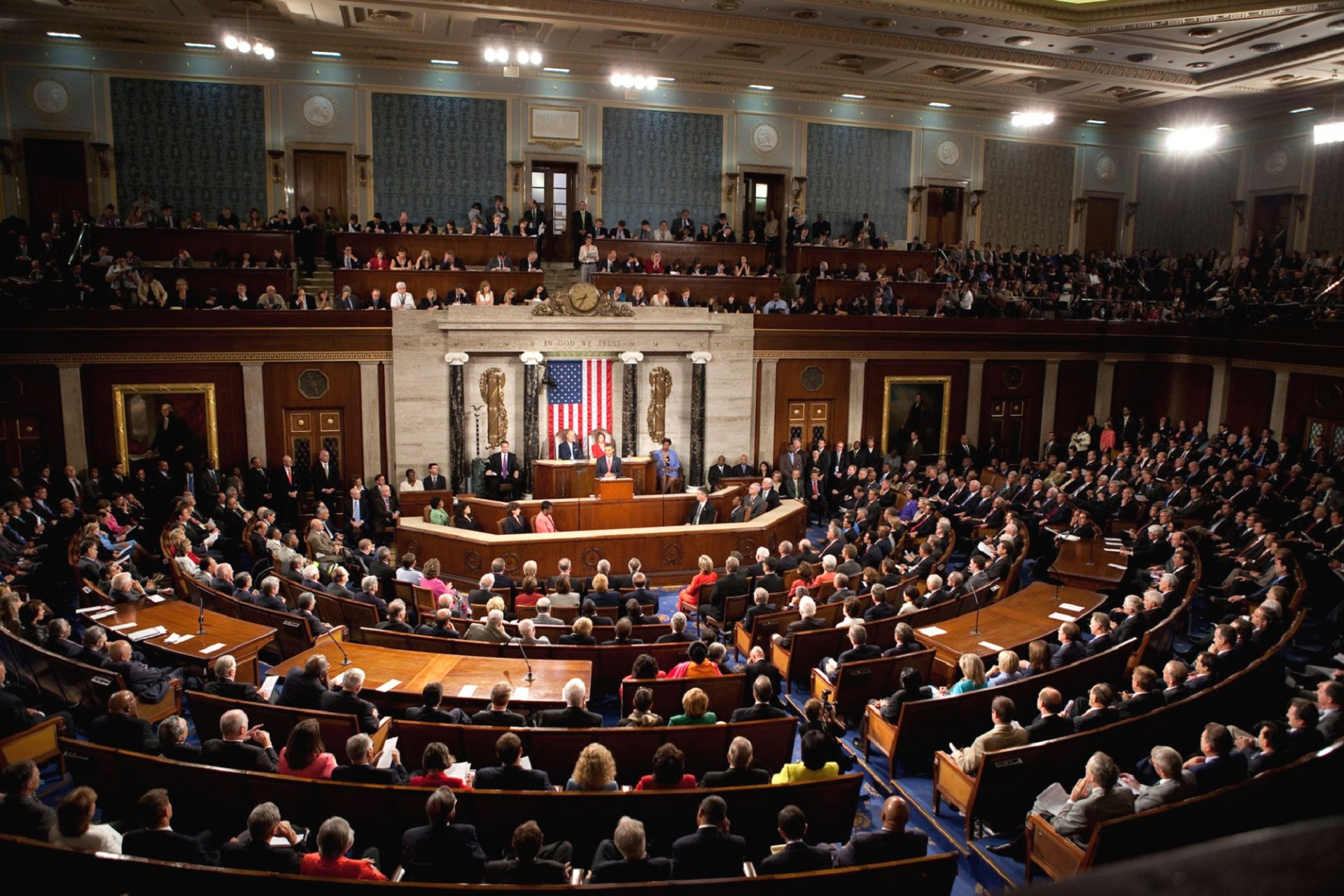
Blockchain technology in 2026 is entering a phase of maturity that goes far beyond speculation and hype. After years of regulatory uncertainty in the United States, lawmakers and federal agencies have moved decisively to clarify rules, creating a framework that allows blockchain innovation to coexist with investor protections and financial oversight.
This regulatory clarity is reshaping the way developers, investors, and institutions approach blockchain, shifting the focus from short-term gains to sustainable growth and compliance-driven adoption.
One of the most significant developments this year has been the full implementation of federal rules governing stablecoins. Dollar-backed digital tokens are now subject to rigorous reserve requirements, disclosure obligations, and regular audits. This has elevated stablecoins from niche digital assets into trusted instruments for payments, cross-border transactions, and corporate treasury management. Banks, fintech companies, and licensed issuers are increasingly entering this space, viewing regulated stablecoins as tools for faster settlement, programmable money, and more transparent financial operations. The emphasis is now on reliability, transparency, and accountability rather than pure innovation at any cost.
Alongside stablecoin oversight, U.S. regulators have clarified how different agencies oversee digital assets. Tokens are classified based on economic function rather than purely technological characteristics, reducing years of confusion over which assets fall under the jurisdiction of the Securities and Exchange Commission or the Commodity Futures Trading Commission.
This has encouraged institutional participation, with asset managers, insurers, and pension funds exploring tokenized securities, digital derivatives, and other blockchain-based financial products. The clearer legal framework has increased confidence among investors, supporting long-term projects and infrastructure development rather than speculative activity.
Enterprise blockchain adoption is also accelerating. Corporations are implementing distributed ledger systems to enhance supply chain transparency, improve trade finance operations, verify identities, and reconcile complex data streams.
Permissioned blockchains that interoperate with public networks are becoming standard in sectors where operational efficiency and security are paramount. The focus has shifted from decentralization ideology to tangible business benefits, demonstrating that blockchain can serve as practical infrastructure rather than a purely experimental technology.
Decentralized finance is adapting as well. DeFi platforms now integrate compliance layers, identity verification, and jurisdictional controls to remain accessible to U.S. users and institutional participants. These adjustments have enabled regulated entities to engage with on-chain lending, liquidity provision, and derivatives trading. DeFi in 2026 increasingly resembles a hybrid financial system, bridging traditional finance and blockchain innovations while remaining within regulatory boundaries. The industry is moving toward measured, long-term integration rather than unrestrained experimentation.
Technical advancements continue alongside regulatory progress. Layer-two networks, improved smart contract security, and user-friendly wallet designs have reduced transaction costs and complexity. Features like account abstraction and enhanced recovery mechanisms have made blockchain applications more accessible to non-technical users. Interoperability between networks has improved, allowing assets and data to move seamlessly across chains without sacrificing security. These developments are crucial to supporting real-world use cases, from payments to asset tokenization, beyond purely speculative markets.
Blockchain’s influence is also expanding into gaming and entertainment, although this remains a smaller segment. Some regulated casinos and gaming platforms are experimenting with blockchain for transparency and provably fair operations.
Limited blockchain-powered slot games, as noted by Kiwislots, illustrate how on-chain mechanics can verify outcomes and enhance trust without fundamentally changing the traditional player experience. While these applications are niche, they highlight the versatility of blockchain beyond finance.
The defining theme for blockchain in 2026 is maturity. Regulation has not stifled innovation; rather, it has redirected it toward projects that prioritize compliance, transparency, and utility. Speculation remains, but it no longer dominates the narrative. Blockchain is increasingly regarded as infrastructure capable of supporting payments, markets, and data systems with efficiency and reliability. With U.S. regulation providing a clearer path, the industry is poised for sustainable growth, integrating both traditional financial players and emerging decentralized systems.
As blockchain continues to evolve, the focus in 2026 is on delivering practical, legally compliant applications that can transform how businesses operate and how consumers engage with digital assets, setting the stage for long-term adoption across multiple sectors.
