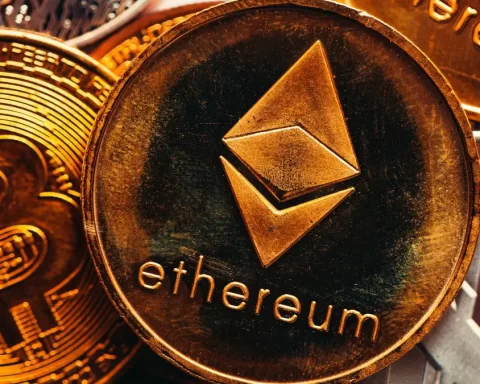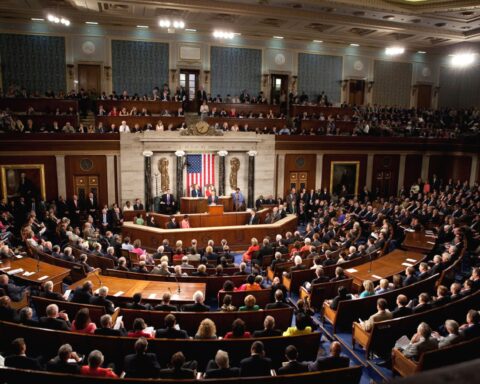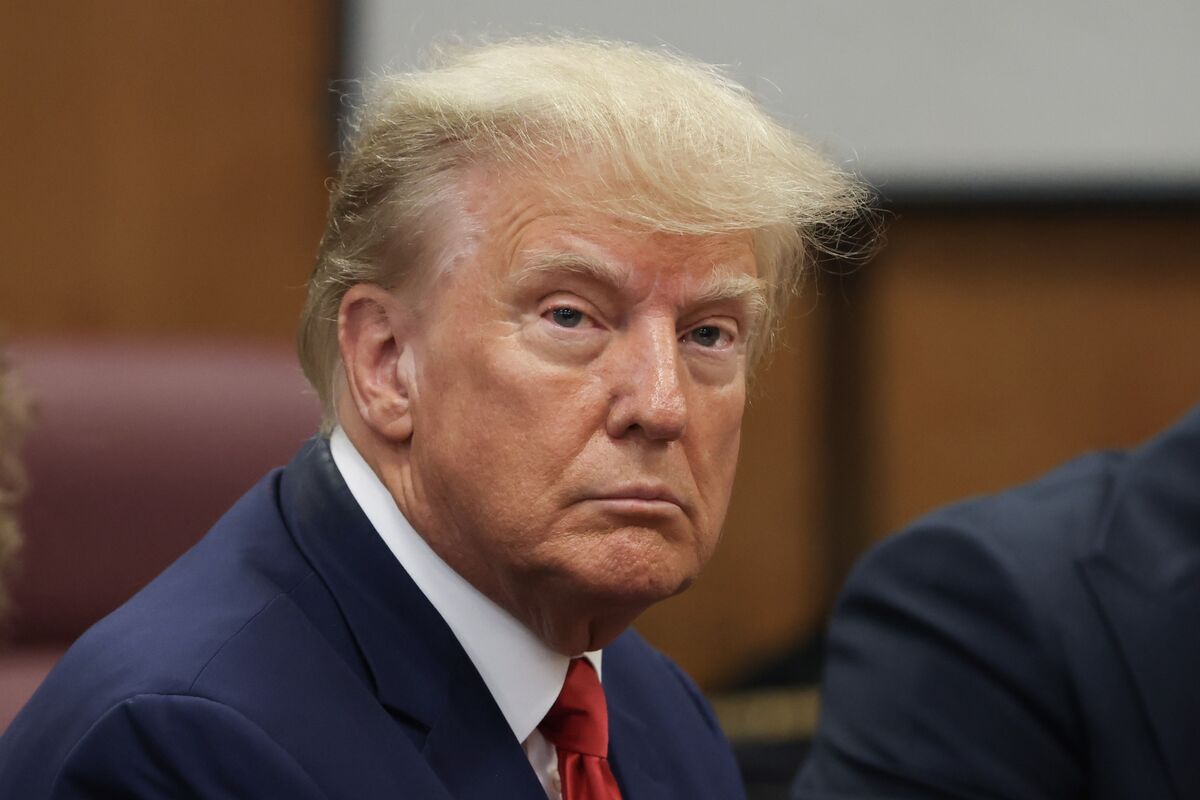
Two major cryptocurrency exchanges have jointly contributed more than $21 million to a political action committee aligned with US President Donald Trump, underlining the growing political influence of the digital asset industry.
The donations were disclosed in a filing submitted on Friday to the Federal Election Commission, detailing fresh inflows into the MAGA Inc. Super PAC.
According to the filing, Gemini Trust Company provided 1,500,000 liquidated USDC as part of its contribution to the group.
The document also revealed two separate $10 million donations from Foris Dax, the parent company of cryptocurrency exchange crypto.com.
Crypto.com has expanded its ties with Trump’s media business since 2025, a relationship linked to the company’s evolving digital asset treasury strategy.
Together, the contributions significantly boosted the PAC’s already substantial financial reserves.
The filing shows the Super PAC now holds approximately $294 million in total funds.
Additional donations from the wider financial sector were also reported in the same disclosure.
An executive at payment processing firm Shift4 contributed $1 million to the PAC.
JP Morgan Chase Bank, N.A. was listed as having provided more than $4 million in contributions.
Midterms take centre stage
While Trump is not running for reelection in 2026, the funds raised by the Super PAC can still be used to support candidates with similar political views.
Trump’s second term is scheduled to conclude in January 2029, leaving the upcoming midterm elections as a key political battleground.
In 2026, all 435 seats in the US House of Representatives will be contested.
A total of 33 Senate seats will also be up for election.
Democrats are aiming to reclaim control of one or both chambers from Republicans.
The outcome could have far-reaching consequences for financial regulation and cryptocurrency policy in the United States.
Crypto-focused races draw attention
Several races viewed as important for the digital asset industry are already attracting attention.
Republican candidate John Deaton, known for his involvement in XRP-related legal advocacy, is seeking the Massachusetts Senate seat currently held by Ed Markey.
Wyoming Senator Cynthia Lummis, one of the Senate’s most vocal supporters of pro-crypto legislation, announced in December that she will not seek reelection in 2026.
Her departure leaves an open seat in a state closely associated with crypto-friendly regulatory thinking.
Industry figures see these contests as pivotal to the future legislative environment for digital assets.
Lessons from the 2024 election cycle
The cryptocurrency sector played a visible and increasingly coordinated role during the 2024 US elections.
Crypto companies and senior executives spent heavily on advertising and political messaging.
Media campaigns funded by crypto-backed PACs were credited with influencing several closely fought races.
One frequently cited example was Ohio’s Senate contest, which reportedly saw around $40 million in related spending.
Republicans ultimately secured control of the Senate following that election cycle.
The scale of spending marked a turning point in crypto’s political engagement.
Spending momentum continues
Crypto-backed political groups have shown little sign of reducing their activity ahead of the midterms.
In 2024, a spokesperson for the Fairshake PAC said the group was “keeping [its] foot on the gas” as it prepared for future races.
Fairshake and its affiliates spent millions during 2025.
Those funds were directed toward congressional races in Virginia’s 11th district and multiple Florida districts.
With large financial reserves already in place, crypto-linked PACs appear positioned to remain influential through the 2026 elections.