


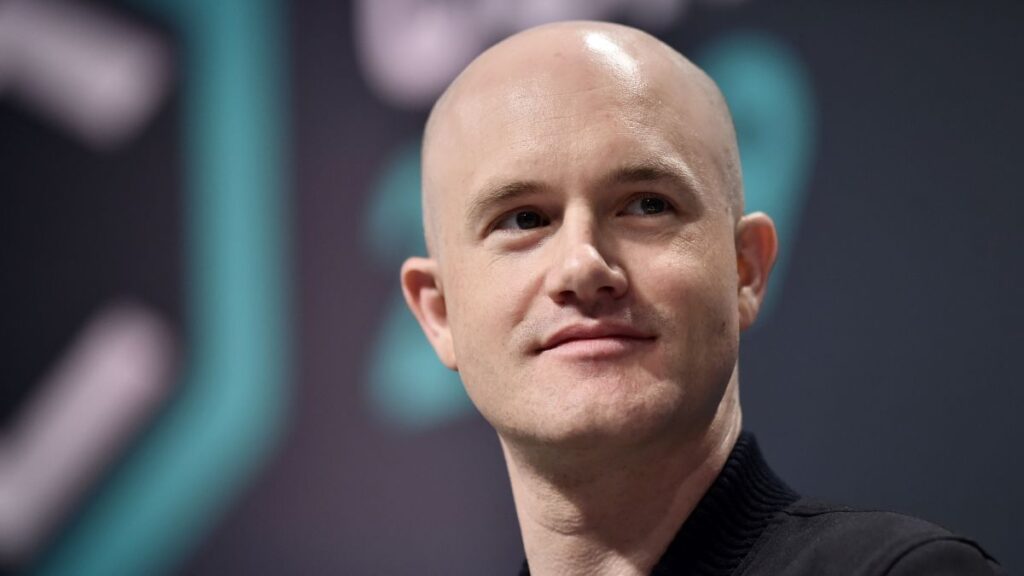
After Binance, a prominent cryptocurrency exchange, reached a substantial settlement of $4.3 billion with United States regulators last week, the cryptocurrency landscape has experienced notable shifts.
A recent report from on-chain data analytics firm Kaiko Research highlights these changes.

The settlement between Binance and the United States Department of Justice (DoJ) came as a resolution to allegations related to anti-money laundering practices.
In the wake of this legal development, various crypto exchanges have witnessed alterations in their market share dynamics.
One of the key findings in Kaiko Research’s report is the surge in Coinbase’s market share.
The report indicates that Coinbase experienced an increase in its trading volume, particularly during the European trading day and outside the regular U.S. trading hours. This suggests that Coinbase’s market share grew significantly during these times.
Bybit, another cryptocurrency exchange, emerged as a standout winner in the report, showing substantial market share gains throughout the entire day.
Bybit’s market share increased by more than 20% in 16 out of 24 hours, highlighting its resilience and competitiveness in the cryptocurrency market.
Despite the changes in market share dynamics, Binance has managed to maintain its liquidity across various cryptocurrencies, including Bitcoin (BTC) and altcoins.
READ MORE: Paolo Ardoino Takes the Helm as Tether’s New CEO, Unveils Ambitious Expansion Plans
This means that Binance remains a leader in terms of providing ample trading liquidity despite the legal challenges it has faced.
Interestingly, some industry leaders view Binance’s settlement with the DoJ as a positive development for the broader crypto community.
Galaxy Digital’s Mike Novogratz expressed optimism, stating that the legal resolution has reduced concerns associated with dealing with Binance, thereby reducing risk within the crypto industry.
In more recent news, Coinbase’s shares reached an 18-month high following Binance’s legal troubles.
On November 27th, Coinbase’s closing price reached $119.77, the highest level since May 2022 when it closed at $114.25, as reported by TradingView data.
This surge in Coinbase’s stock price suggests increased investor confidence in the exchange and its position in the cryptocurrency market.
In conclusion, Binance’s settlement with U.S. regulators has triggered changes in the cryptocurrency market’s landscape, with Coinbase and Bybit notably gaining market share.
Despite the legal challenges, Binance continues to maintain its liquidity leadership, and industry experts see the resolution as a positive step for the crypto community.
Additionally, Coinbase’s stock price reaching an 18-month high underscores growing investor interest in the exchange.

North Korean hackers have executed a stunning cryptocurrency heist, amassing a staggering $3 billion since 2017, with a substantial portion of that sum pilfered in the past year alone, reports United States cybersecurity firm, Recorded Future.
Their recent study unveiled that this stolen crypto haul is roughly equivalent to half of North Korea’s entire military budget for the year.
In a shocking revelation, Recorded Future disclosed that North Korean threat actors absconded with an estimated $1.7 billion worth of cryptocurrency in 2022 alone.
This astronomical figure is equivalent to approximately 5% of North Korea’s economy or a whopping 45% of its military expenditure.
What’s even more astonishing is that this stolen amount significantly outpaces the total annual income generated by the nation through exports.
To put it in perspective, the report emphasized that this heist is nearly ten times the value of North Korea’s exports in 2021, which amounted to a meager $182 million.
Initially, these North Korean hackers honed their skills by targeting South Korea’s cryptocurrency market, before strategically expanding their reach across the globe.
The backing of the North Korean government has played a pivotal role in the rapid escalation of this illicit operation.
The report highlighted that state support has enabled North Korean threat actors to conduct their operations on a scale that exceeds the capabilities of traditional cybercriminals.
In a related development, the U.S. Treasury’s Office of Foreign Assets Control imposed sanctions on the cryptocurrency mixer, Sinbad, accusing it of facilitating the laundering of funds for the North Korea-based Lazarus Group.
The situation has been exacerbated by a UN report, which revealed that cyber attacks in 2022 displayed unprecedented sophistication, making it increasingly challenging to trace the stolen funds.
Moreover, blockchain analytics firm Chainalysis has labeled these cybercriminal syndicates as the most “prolific cryptocurrency hackers” in recent years.
Notably, they found that North Korea-linked hackers have been rapidly transferring funds through crypto mixers such as Tornado Cash and Sinbad at a significantly higher rate compared to other criminal groups.
In summary, the audacious cryptocurrency thefts executed by North Korean hackers have not only shaken the global digital financial landscape but also underscored the challenges faced by authorities in combating these cybercriminals who operate with impunity.
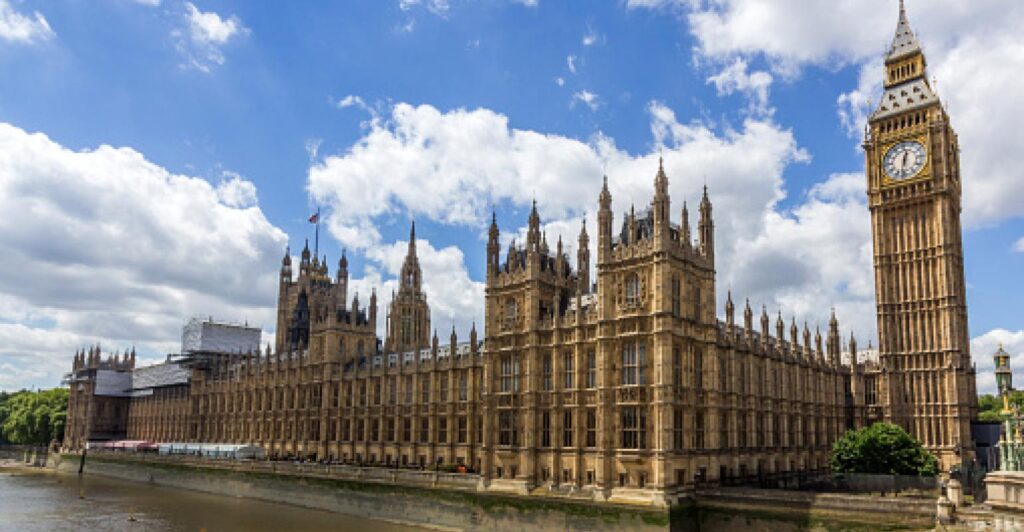
British lawmakers are urging a cautious approach when it comes to implementing a retail digital pound, emphasizing the importance of finding a balance between technological progress and potential drawbacks.
Members of the Treasury Select Committee have raised concerns about the possible launch of a retail digital pound, emphasizing the need for careful consideration before taking any steps.
While acknowledging the potential benefits in terms of innovation, the committee has called on the Bank of England (BoE) and Treasury to conduct a thorough assessment of the necessity of such a move, taking into account both costs and risks.
In the interim, the committee’s report suggests imposing lower initial limits on the value of retail digital pounds to mitigate the risk of potential bank runs during periods of market instability.
This precautionary measure aims to discourage large transfers of deposits into digital wallets, which could increase the risk of bank failures and raise borrowing costs.
The report also addresses privacy concerns, recommending that any legislation introducing a digital pound should strictly restrict the government or the BoE from using data excessively.
READ MORE: Former FTX CEO Sam Bankman-Fried Opts Against Post-Trial Motions After Fraud Conviction
The committee emphasizes the importance of protecting user privacy and ensuring that the digitization of currency does not lead to unwarranted surveillance.
In the event of legislation for the introduction of a digital pound, the report proposes explicit limitations on the government and the Bank of England in utilizing data obtained through the digital pound for purposes beyond those already authorized for law enforcement.
Committee chair Harriett Baldwin stressed the need for compelling evidence before considering the introduction of a retail digital pound.
She emphasized the requirement for clear proof that its implementation would benefit the UK economy without increasing risks or incurring unmanageable costs.
Baldwin asserted that the decision to integrate it into the financial system should be based on a comprehensive evaluation of these factors.
While endorsing the Bank of England’s ongoing design efforts, UK lawmakers have called for transparency regarding project costs.
Baldwin highlighted the importance of a concise cost-benefit analysis to ensure that introducing a retail digital pound aligns with broader goals of economic stability and financial inclusion.
Meanwhile, in a separate development, investment managers in the United Kingdom are receiving regulatory support to embrace blockchain technology for tokenizing funds, moving away from traditional record-keeping systems, thus embracing innovation in the financial sector.

KyberSwap has taken a proactive stance in the aftermath of a significant exploit on November 22nd, which inflicted a substantial $48.8 million loss upon the decentralized finance protocol.
To mitigate the impact on affected users, KyberSwap is introducing a grant initiative funded by its treasury.
This initiative aims to provide compensation equivalent to the USD value of the assets lost during the security breach, demonstrating KyberSwap’s unwavering commitment to its user community and platform security.
Although specific details and eligibility criteria for the grant are still in the works, KyberSwap has pledged to share additional information within a two-week timeframe.
Upon conducting investigations into the security breach, it was discovered that the vulnerability stemmed from tick interval boundaries within KyberSwap’s concentrated liquidity pools.
This weakness allowed an attacker to artificially manipulate liquidity, resulting in a significant depletion of funds.
Initially estimated at $47 million, the confirmed loss was later determined to be $48.8 million.
READ MORE: Bitcoin Surges to $39,000 Amidst Federal Reserve’s Policy Easing Hints
In a bid to recover the stolen assets, KyberSwap proposed a 10% reward for the wrongdoer but encountered unconventional responses instead of acceptance.
Remarkably, KyberSwap managed to successfully retrieve $4.7 million of the pilfered funds, which had been siphoned off by third-party MEV (Miner Extractable Value) bots during the hack.
This partial recovery, alongside the introduction of treasury grants, underscores KyberSwap’s proactive approach to addressing security breaches.
Furthermore, the incident has spurred a comprehensive review of KyberSwap’s security protocols, with the team fully committed to enhancing safeguards to thwart future exploits.
The provision of treasury grants in response to this crisis is a noteworthy step within the decentralized finance community.
It signifies a collective effort to rebuild trust and provide support to users affected by security breaches.
KyberSwap’s dedication to its users and its commitment to rectifying the situation exemplify the resilience and adaptability of the DeFi ecosystem in the face of challenges, ultimately striving for a safer and more secure financial environment for all participants.
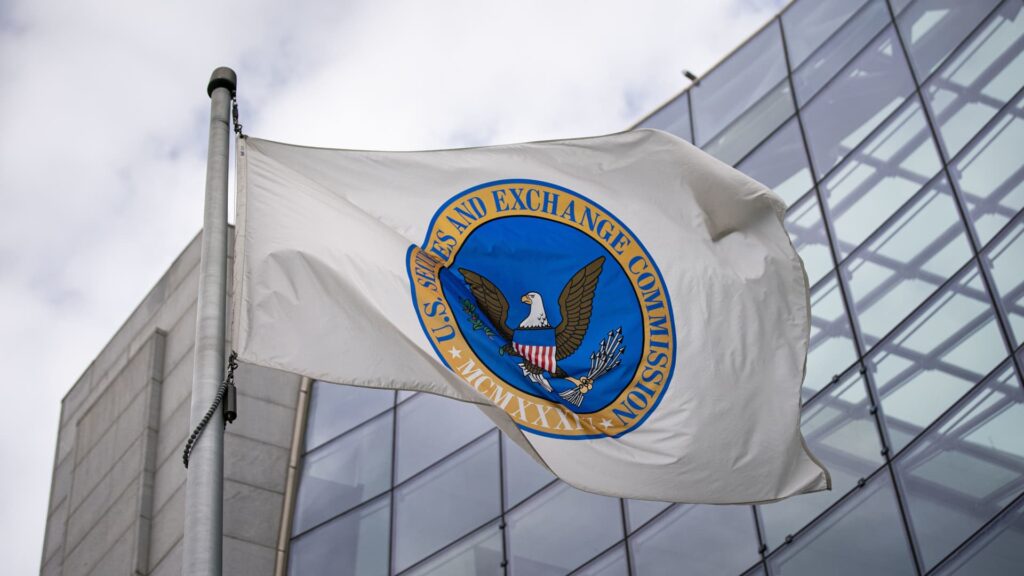
United States District Judge Robert Shelby has issued a stern warning to lawyers from the Securities and Exchange Commission (SEC), hinting at potential sanctions in response to alleged deceptive statements made in a legal action against Digital Licensing Inc., also known as DEBT Box, a prominent cryptocurrency company.
The SEC had filed a lawsuit against DEBT Box in the federal court of Utah, alleging that the company had deceived investors by approximately $50 million through the sale of unregistered securities known as “node licenses.”
However, Judge Shelby’s ruling revealed significant inconsistencies in the SEC’s case.
Initially, the SEC, led by attorney Michael Welsh, had successfully convinced the court to freeze DEBT Box’s assets, claiming that the company was relocating to Dubai to evade U.S. regulatory oversight.
Subsequently, it was discovered that these assertions were inaccurate, as there were no bank account closures, and an alleged overseas transfer of $720,000 turned out to be domestic.
Judge Shelby expressed concerns about the conduct of the SEC lawyers, suggesting that misrepresenting facts and the failure of other team members to rectify these inaccuracies may have violated federal court Rule 11(b), which mandates evidence-backed factual claims.
In response, Shelby issued a “show cause order,” requiring the SEC to provide reasons why they should not face penalties for their actions.
The complexity of the case is emphasized by a TRM Labs report that supported the SEC’s primary claim that DEBT Box had deceived investors regarding mining tokens.
However, the defense counsel has yet to provide a statement on the issue, and the SEC has acknowledged the order, with plans to respond within the specified two-week timeframe set by Judge Shelby.
This development marks a crucial moment in the legal process, shedding light on the intricacies of cryptocurrency regulation and emphasizing the importance of legal accountability in high-stakes financial litigation.
Ripple lawyer John E. Deaton expressed little surprise at the SEC’s alleged dishonesty, suggesting that the agency’s lawyers may have personal biases in crypto cases.
Deaton called for a subpoena against the financial regulator.
His colleague, Ripple chief technology officer Stuart Alderoty, has also outlined troubling patterns observed in the SEC’s actions, further raising questions about the agency’s conduct in cryptocurrency-related matters.

Swan Bitcoin’s CEO, Cory Klippsten, has proposed that spot Bitcoin exchange-traded funds (ETFs) could significantly alter the landscape of cryptocurrency marketing.
In a recent interview with Bloomberg on December 1, Klippsten emphasized that Bitcoin ETFs provide an alternative means of entering the crypto market, one that can bypass the noisy and often manipulative marketing tactics that have dominated the space since 2017.
Klippsten noted that over the past six years, the crypto industry has been inundated with aggressive marketing schemes fueled by substantial venture capital investments, which aimed to promote and sell various crypto tokens.
These strategies often lured newcomers into the space with flashy promises and high-risk propositions.
In contrast, Klippsten explained that Bitcoin ETFs function as a form of IOU for Bitcoin itself, differing from futures-based alternatives.
They represent a paper version of the cryptocurrency, but the issuing firm is required to secure the investments by purchasing actual Bitcoin.
READ MORE: Bitcoin Surges to $39,000 Amidst Federal Reserve’s Policy Easing Hints
This, he believes, makes ETFs a more secure and reliable entry point for newcomers looking to invest in Bitcoin.
Furthermore, Klippsten shares the optimism of many crypto analysts who anticipate a “clear runway” for Bitcoin ETF approval in January.
He highlighted a potential approval window around January 8th, 9th, or 10th, based on signals from the SEC and industry insiders.
Interestingly, this perspective coincides with a recent announcement by Standard Chartered, a major banking institution, which predicted that Bitcoin ETFs could drive the price of Bitcoin up by a remarkable 165% by the end of 2024.
Standard Chartered’s Geoff Kenrick, Head of EM FX Research, West, and Crypto Research, pointed out that the shift in forecasts suggests the possibility of significant price increases before April 2024, primarily due to the anticipated introduction of US spot ETFs ahead of schedule.
In summary, Cory Klippsten’s insights suggest that Bitcoin ETFs may bring a more stable and transparent investment avenue for individuals seeking exposure to the crypto market while avoiding the noisy marketing tactics that have dominated the industry for years.
The convergence of such views, along with the anticipation of ETF approval and the positive price outlook, indicates an evolving and maturing cryptocurrency landscape.
On December 1st, Bitcoin surged to a remarkable milestone, reaching $39,000 for the first time since mid-2022.
This surge was triggered by the United States Federal Reserve’s signals of potential policy easing. Data from Cointelegraph Markets Pro and TradingView confirmed this surge, marking a new 19-month high for Bitcoin on Bitstamp.
The catalyst for this bullish movement was Federal Reserve Chair Jerome Powell’s scheduled appearance at Spelman College in Atlanta, Georgia.
Powell approached the stage with a cautious tone but made it clear that the Federal Open Market Committee (FOMC) was committed to reducing inflation to 2% over time and maintaining a restrictive policy until they were confident about achieving this objective.
Powell stated, “It would be premature to conclude with confidence that we have achieved a sufficiently restrictive stance, or to speculate on when policy might ease.”
Despite Powell’s caution, his comments on the state of the U.S. economy and efforts to curb inflation boosted risk asset sentiment.
Some analysts, like The Kobeissi Letter, remained skeptical about the Fed’s future actions, suggesting that the Fed would prefer a mild recession over the risk of inflation resurgence, implying a prolonged pause in policy adjustments.
READ MORE: Swiss Crypto Bank Rebrands as Amina Bank, Expanding Global Trading Services
Bitcoin, however, seized the opportunity and reacted positively, in contrast to its relatively flat response to earlier U.S. macroeconomic data releases.
The next FOMC meeting, scheduled for mid-December, will be closely watched for any announcements regarding interest rate changes.
Market expectations, as of December 1st, heavily favored a pause in interest rate hikes according to CME Group’s FedWatch Tool.
In the Bitcoin market, trader Daan Crypto Trades highlighted the significant sell-side liquidity that played a role in the brief ascent to $39,000.
Keith Alan of Material Indicators shared an order book snapshot, revealing substantial resistance at $39,000 and $39,200, with notable buyer support at $38,000.
Traders and analysts in the crypto community expressed optimism about Bitcoin’s prospects.
BitQuant predicted a daily close above $38,000, which would be a powerful bullish signal, while Crypto Ed anticipated further upside potential, targeting at least $39,200 in the near term.
In summary, Bitcoin’s surge to $39,000 on December 1st was driven by the Federal Reserve’s signals of potential policy easing, despite Chairman Powell’s cautious remarks.
Market sentiment leaned towards a pause in interest rate hikes, and Bitcoin traders and analysts remained bullish on its future price prospects.

Wallets connected to the now-defunct crypto trading firms FTX and Alameda Research have been in the spotlight recently, as they’ve moved a substantial $10.8 million across various platforms.
This movement was identified by the blockchain analysis firm Spot On Chain, which has been monitoring the actions of these entities since October 24th, revealing that they’ve transferred a staggering $551 million using 59 different cryptocurrencies.
The most recent transfer of $10.8 million was diversified across eight distinct tokens.
Among them, $2.58 million found its way into StepN’s GMT, $2.41 million into Uniswap’s UNI, $2.25 million into Synapse’s SYN, $1.64 million into Klaytn’s KLAY, $1.18 million into Fantom’s FTM, $644,000 into Shiba Inu, and smaller amounts in Arbitrum’s ARB and Optimism’s OP.
This saga began on October 24th when the FTX and Alameda wallets initiated a transfer of $10 million to a single wallet address.
READ MORE: Coinbase Reports Surge in Law Enforcement Requests, with the U.S. Leading the Pack
Subsequently, this amount was redistributed to accounts on Binance and Coinbase. A similar transaction of $13.1 million took place on November 1st, further cementing the pattern.
The movement of funds traces back to March when FTX and Alameda first commenced efforts to recover assets for their investors.
During this phase, three wallets associated with these entities shifted $145 million worth of stablecoins to multiple platforms, including Coinbase, Binance, and Kraken.
Notably, $69.64 million in Tether and the remaining $75.94 million in USD Coin were part of this transfer.
While it’s true that the troubled cryptocurrency exchange managed to recuperate over $5 billion in cash and liquid cryptocurrencies during this asset recovery period, it’s essential to acknowledge that its total liabilities still exceeded a staggering $8.8 billion.
This revelation sheds light on the complexities and challenges faced by crypto trading firms, even as they strive to manage and rectify their financial situations.

On December 1st, Paolo Ardoino assumed the role of CEO at Tether, transitioning from his previous position as Chief Technology Officer, a role he had held since 2017.
This leadership change had been meticulously planned and aligns with the company’s strategic focus on diversification and expansion.
Tether, a prominent player in the cryptocurrency space, is currently experiencing a prosperous period. Ardoino disclosed that the company is poised to generate profits of approximately $4.5 billion from its core business this year.
In an interview with Cointelegraph, Ardoino shed light on the upcoming transformations within Tether’s product portfolio and its overarching strategy.
Ardoino emphasized that Tether’s scope extends far beyond its flagship product, USDT. The company is set to evolve into an infrastructure provider in the crypto ecosystem.
While Ardoino expressed enthusiasm for the concept of Web3, he was critical of its current implementation, referring to it as a “bubble.”
He stressed the importance of establishing a real-world ecosystem rather than merely discussing real-world assets.
A notable development in Tether’s portfolio is its involvement with the communications app Keet, where Ardoino serves as Chief Strategy Officer.
Keet, while decentralized, differs from traditional blockchains and draws inspiration from BitTorrent.
READ MORE: ARK Invest Bolsters Portfolio with $1.5 Million SoFi Shares Purchase Amid Crypto Exit
It facilitates real-time communications by enabling users to connect via their IP addresses, offering a cost-free service.
Although Keet generates no immediate revenue, Ardoino anticipates that it will play a significant role in driving adoption of Bitcoin and USDT worldwide.
Keet’s value proposition is rooted in both technology and philosophy, as it reduces the need for data centers, hardware, cables, and energy globally.
Moreover, it is impervious to censorship, unlike centralized alternatives like WhatsApp or Skype.
Ardoino emphasized Tether’s commitment to Bitcoin, emphasizing its resilience against inflation and political turmoil.
Tether is also delving into Bitcoin mining, aligning its principles with its business activities.
Ardoino argued that investing in renewable energy for mining is logical, as fossil fuel-based electricity generation infrastructure is both expensive and unpredictable in terms of costs.
Tether’s expansion plans in the renewable energy sector include constructing hydropower facilities in Uruguay and geothermal facilities in El Salvador.
While geothermal projects have a longer construction timeline, they offer a service life exceeding half a century, twice that of wind and solar generators.
These endeavors reflect Tether’s commitment to sustainability and its dedication to the crypto industry’s continued growth.
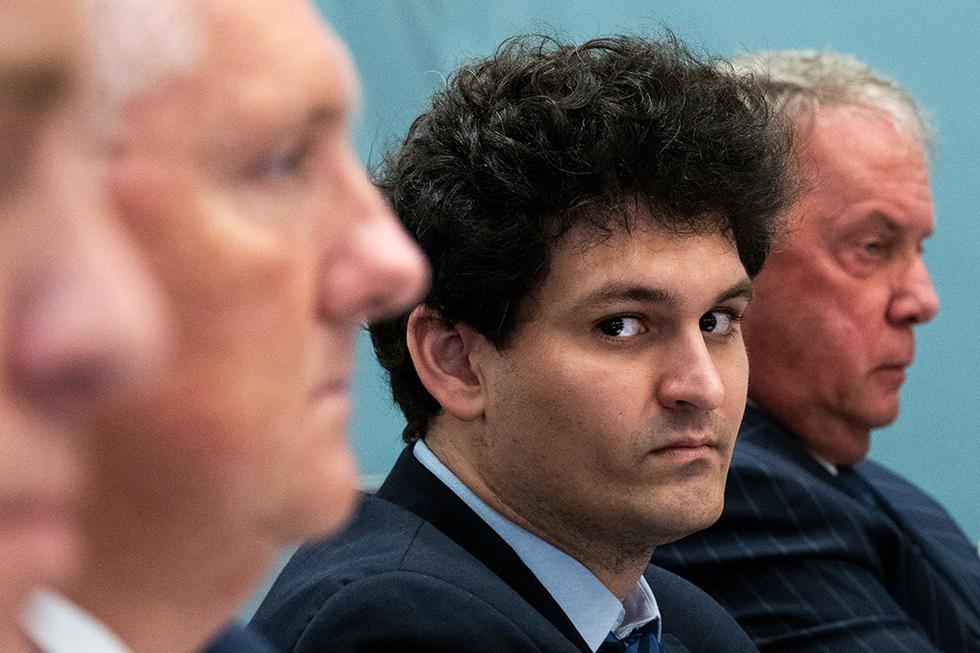
Former FTX CEO Sam “SBF” Bankman-Fried has opted not to pursue any post-trial motions following his conviction on federal fraud charges on November 2.
His legal team communicated this decision in a letter dated December 1 to Judge Lewis Kaplan in the United States District Court for the Southern District of New York.
While they have chosen not to file post-trial motions, they have reserved the right to pursue claims on appeal. This development comes as the latest in the ongoing legal saga surrounding SBF, who is scheduled for sentencing on March 28.
The situation regarding Bankman-Fried’s second trial in March remains uncertain.
Initially, his indictment was split into two parts, with seven counts in October and five charges scheduled for March.
READ MORE: Circle Firmly Denies Illicit Financing Claims and Ties to Justin Sun in Open Letter
However, following the guilty verdict in November, SBF now faces the possibility of a lengthy prison sentence that could span decades.
Following the jury’s verdict, Bankman-Fried was returned to the Brooklyn Metropolitan Detention Center, where he is expected to remain until his sentencing date.
On November 30, crypto blogger Tiffany Fong conducted an interview with a former mob enforcer named Gene Borrello, who disclosed some of SBF’s experiences in jail.
Borrello claimed that another inmate had attempted to extort the former FTX CEO during his time in detention.
Bankman-Fried’s legal troubles have made him one of the first high-profile crypto executives to face criminal charges in the United States.
In a similar vein, former Celsius CEO Alex Mashinsky was arrested in July, and as of the current date, he remains free on bail pending his criminal trial scheduled for September 2024.
Changpeng Zhao, who stepped down as CEO of Binance and pleaded guilty to a felony charge as part of a settlement with U.S. authorities, is slated for sentencing in February.
The crypto industry continues to grapple with legal challenges, with these cases drawing significant attention as they unfold.