



On November 30th, Bitcoin (BTC) displayed resilience in the face of fresh United States macroeconomic data, largely ignoring it as traders eagerly awaited the monthly closing figures.
Despite a recent failed breakout attempt, BTC prices remained in a narrow intraday range below $38,000, showing signs of stability.

The focus of market participants was on the Personal Consumption Expenditures (PCE) Index, the Federal Reserve’s favored gauge of inflation.
Hopes were high that the PCE Index would inject volatility into the market, but at the time of writing, it had not yet impacted the situation.
The data came in broadly in line with expectations, supporting the Fed’s monetary tightening stance and confirming a decline in inflation.
However, financial commentary from The Kobeissi Letter questioned whether this would lead to interest rate cuts, a critical consideration for risk assets.
Kobeissi Letter pointed to Bill Ackman, CEO of Pershing Square Capital Management, who had earlier predicted rate cuts starting in Q1 2024.
READ MORE: Swiss Asset Manager Pando Asset Joins U.S. Bitcoin ETF Race as BlackRock Refines Model with SEC
The commentary emphasized the lag effect of monetary policy, cautioning against premature rate cuts by the Fed.
Despite the PCE data, market expectations for Fed policy remained unchanged, with data from CME Group’s FedWatch Tool indicating near-unanimous expectations of a rate hike pause in the coming month.
For Bitcoin enthusiasts, the focus was primarily on the monthly closing figures. At the time of writing, BTC/USD had posted nearly a 10% gain for November, marking the first positive performance in the 11th month since 2020.
A close above $37,660 would represent the highest monthly closing price since May 2022, a positive signal for the cryptocurrency.
Analysts also noted the bullish potential in Bitcoin’s Relative Strength Index (RSI) readings.
Traders like Jelle pointed out the formation of a hidden bullish divergence over the past month, with Bitcoin breaking its RSI downtrend.
The key focus was on whether the price could hold in the designated range, and the monthly close was eagerly awaited as the cryptocurrency market braced for potential movements.
In summary, despite macroeconomic data and Fed considerations, Bitcoin remained steady, with traders closely monitoring the monthly closing figures as the cryptocurrency aimed for positive gains in November and potential bullish momentum in the coming days.

Bankrupt cryptocurrency exchange FTX has received approval to sell approximately $873 million worth of trust assets as part of its efforts to repay creditors affected by its collapse in 2022.
The decision was announced in a filing made on November 29th in a Delaware bankruptcy court.
The assets to be sold comprise FTX’s holdings in various trusts issued by crypto asset manager Grayscale Investments and custody service provider Bitwise.
Grayscale Investments’ trusts are valued at $807 million, while Bitwise’s assets are valued at $66 million.
It’s important to note that the $744 million valuation mentioned in the court document is accurate as of October 25, 2023, and the assets have appreciated in value since then.
This approval follows a motion filed by FTX debtors on November 3rd, requesting the sale of six cryptocurrency trusts, including the Grayscale Bitcoin Trust (GBTC), Grayscale Ethereum Trust (ETHE), and Bitwise 10 Crypto Index Fund.
READ MORE: Bank for International Settlements Unveils Groundbreaking CBDC Privacy Protocols
FTX currently holds more than 22 million units of GBTC, valued at $691 million, and 6.3 million shares of ETHE, valued at approximately $106 million.
Additionally, FTX can now sell Grayscale’s Ethereum Classic Trust, Litecoin Trust, and Digital Large Cap Trust to generate funds for affected FTX customers.
The exchange’s administrators, led by John J. Ray III, have been diligently working to recover assets since the collapse of Sam Bankman-Fried’s former cryptocurrency empire in November 2022.
To date, approximately $7 billion in assets have been recovered, with nearly half of that amount coming from cryptocurrencies, totaling $3.4 billion.
In June, FTX’s debtors estimated that the total misappropriated customer assets amounted to $8.7 billion.
Meanwhile, Sam Bankman-Fried, the former head of FTX, was convicted on seven fraud-related charges on November 2nd and is scheduled to be sentenced on March 28, 2024.
He remains in custody at Brooklyn’s Metropolitan Detention Center and has recently bartered four mackerels for a haircut while awaiting his legal proceedings.

The Chicago Mercantile Exchange (CME) Bitcoin futures market demonstrated a surging demand from institutional investors, surpassing Binance’s BTC futures market in terms of size.
This development underscores a growing confidence among these investors in Bitcoin’s potential to breach the $40,000 mark in the near future.
CME currently boasts a Bitcoin futures open interest of $4.35 billion, a level not seen since November 2021 when Bitcoin reached its all-time high of $69,000.
This significant uptick in interest is seen as a clear indicator of heightened enthusiasm. However, the question that looms is whether this surge is substantial enough to justify further price gains.
The remarkable 125% increase in CME’s BTC futures open interest, soaring from $1.93 billion in mid-October, is closely tied to the anticipation surrounding the approval of a spot Bitcoin exchange-traded fund (ETF).
It’s important to note that this movement doesn’t necessarily correlate directly with market makers’ or issuers’ actions. Cryptocurrency analyst JJcycles raised this theory in a social media post on November 26.
Institutional investors have alternative options to navigate the high costs associated with futures contracts.
They can consider CME Bitcoin options, which demand less capital while offering similar leveraged long exposure.
Furthermore, regulated ETF and exchange-traded notes (ETN) trading in regions like Canada, Brazil, and Europe present viable alternatives.
It might appear naive to assume that the world’s largest asset managers would take substantial risks with derivatives contracts contingent on a decision by the U.S. Securities and Exchange Commission, expected only in mid-January.
Nonetheless, the undeniable growth in CME Bitcoin futures open interest serves as concrete evidence of institutional investors increasingly turning their attention to the cryptocurrency market.
READ MORE: Binance Takes Regulatory Turn
CME’s Bitcoin futures activity witnessed another noteworthy development on November 28. The annualized premium for CME Bitcoin futures, typically at 5% to 10% in neutral markets, spiked from 15% to 34%, eventually stabilizing at 23% by the end of the day.
Such a basis rate exceeding 20% indicates substantial optimism, suggesting a willingness among buyers to pay a premium for leveraged long positions.
Currently, the metric stands at 14%, indicating that whatever drove this unusual movement is no longer a factor.
Notably, during that eight-hour period on November 28, Bitcoin’s price rose from $37,100 to $38,200.
However, discerning whether this surge was prompted by the spot market or futures contracts is challenging, as arbitrage between the two occurs in milliseconds.
Instead of fixating on intraday price movements, traders should refer to BTC option market data for confirmation of institutional investor interest.
The data on the 30-day BTC options 25% delta skew, consistently remaining below the -7% threshold over the past month, supports the bullish sentiment among institutional investors using CME Bitcoin futures.
This casts doubts on the theory of whales accumulating assets ahead of a potential spot ETF approval. In essence, derivatives metrics do not indicate excessive short-term optimism.
While a spot ETF approval remains a driving force, with Bitcoin’s price hovering near $38,000, it seems that bulls will continue to challenge resistance levels.
However, if market makers were overwhelmingly confident in an SEC approval, the BTC options delta skew would likely be much lower.
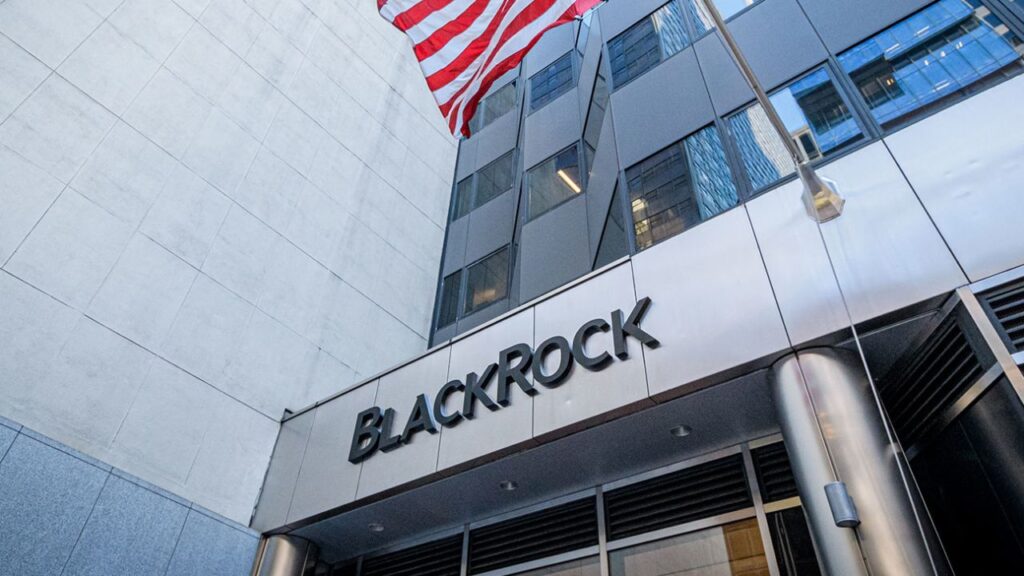
Swiss asset manager Pando Asset has thrown its hat into the competitive ring of the spot Bitcoin exchange-traded fund (ETF) race in the United States, surprising many with its unexpected entry.
On the same day, investment giant BlackRock engaged in discussions with the country’s securities regulator, presenting an updated ETF model based on the regulator’s feedback.
On November 29, Pando Asset submitted a Form S-1 to the U.S. Securities and Exchange Commission (SEC), the document used to register securities with the agency, outlining its Pando Asset Spot Bitcoin Trust.
Similar to other ETF proposals, this trust intends to mirror Bitcoin’s price movements, with Coinbase’s custody arm responsible for safeguarding Bitcoin holdings on behalf of the trust.
Pando Asset joins a crowded field, becoming the 13th applicant seeking approval for a spot Bitcoin ETF in the U.S., competing with heavyweights like BlackRock, ARK Invest, and Grayscale.
READ MORE: Bitcoin Holds Strong at $38,000 Amid Speculation of Price Surges and Fed’s Powell Speech
In a November 29 post on X (formerly Twitter), Bloomberg ETF analyst Eric Balchunas expressed curiosity about Pando’s late filing, wondering why it emerged at this stage.
He also raised concerns about the potential implications if Pando’s ETF were to be approved alongside others on January 10, a date he and fellow Bloomberg ETF analyst James Seyffart have earmarked as a possible approval date.
This date coincides with the SEC’s deadline to either approve or deny ARK Invest’s application.
Seyffart, however, expressed doubts about Pando’s readiness to launch its ETF on the same day as others, acknowledging that unforeseen developments can occur in this space.
Meanwhile, the SEC held meetings with executives from BlackRock and Invesco on November 28 to discuss their respective ETF proposals, as revealed in agency documents.
BlackRock presented revisions to its redemption model, addressing concerns raised during a prior meeting regarding the impact on balance sheets and the risks faced by U.S. broker-dealers dealing with offshore crypto entities.
Balchunas clarified that BlackRock’s revised approach involves offshore entities acquiring Bitcoin from Coinbase and pre-paying U.S. registered broker-dealers in cash, as these broker-dealers cannot directly handle Bitcoin.
This strategy aligns with the SEC’s requirement for ETFs to have redemption models that place the responsibility on issuers to transact in Bitcoin, avoiding the need for broker-dealers to engage with unregistered subsidiaries or third-party firms for Bitcoin transactions.

Cryptocurrency exchange Poloniex, which recently fell victim to a $100-million hack on November 10, has announced plans to resume its withdrawal and deposit services.
The announcement was made via the platform X (formerly Twitter) on November 29.
According to Poloniex, the phased resumption of services will begin on November 30 at 2:00 am UTC, with a strong emphasis on prioritizing user fund safety.
The first step in this process involves restoring Tron deposits and withdrawals, followed by Bitcoin, Ether, Tether, and other cryptocurrencies over the course of the next two weeks.
In addition to reestablishing withdrawals, Poloniex is actively working on introducing new cryptocurrency listings, which will be available soon.
Users are advised to make use of the updated deposit addresses once they become accessible, as failure to do so will result in funds not being credited.
READ MORE: Spain Implements New Crypto Reporting Requirement for Residents Holding Assets Abroad
Poloniex has also announced an airdrop campaign for users who maintain their assets on the platform.
Developed in collaboration with HTX DAO, this campaign is scheduled to launch in December, with asset balance calculations starting on December 1.
The tokens for the airdrop will be sourced from a premium project about to be listed, with specific details to be unveiled in December.
It’s noteworthy that Poloniex is not only focusing on the resumption of services but also on security improvements following the recent hack.
The exchange is taking measures to reassure its user base and ensure the safety of their assets.
The announcement also highlighted the repeated hacks experienced by Sun-linked crypto platforms, including HTX and Poloniex, over the past two months.
These incidents resulted in a combined loss of nearly $240 million.
Despite the challenges, Poloniex is committed to maintaining its services and enhancing security measures to safeguard user assets in the ever-evolving world of cryptocurrency.

Standard Chartered has made a bold prediction that Bitcoin could surge to $100,000 within the next year, driven by the potential launch of exchange-traded funds (ETFs) sooner than expected.
In a research note released on November 28, the banking giant reaffirmed its optimistic price targets for Bitcoin.
The report suggests that Bitcoin may reach a six-figure price tag by the end of 2024, a significant jump from its current trading value of $37,700.
This bullish outlook is primarily based on the possible approval of Bitcoin spot price ETFs in the United States.
Geoff Kenrick, Head of EM FX Research, West, and Crypto Research at Standard Chartered, stated, “We now expect more price upside to materialize before the halving than we previously did, specifically via the earlier-than-expected introduction of US spot ETFs.”
This development raises the prospect of Bitcoin reaching the $100,000 mark before the end of 2024.
Standard Chartered’s positive stance on Bitcoin’s future performance builds upon its earlier optimistic outlook.
READ MORE: Bitcoin Holds Strong at $38,000 Amid Speculation of Price Surges and Fed’s Powell Speech
In July, the bank pointed to the decreasing availability of Bitcoin supply as a factor that could drive prices significantly higher. At that time, Kenrick predicted that Bitcoin could hit $50,000 by the end of 2023.
Additionally, he noted that miners might start hoarding more of their Bitcoin stocks due to an increasing hash rate and the upcoming block subsidy halving, which will reduce the amount of Bitcoin earned per block by 50%.
This increased profitability for miners would lead to reduced net Bitcoin supply, pushing prices even higher.
The spotlight is currently on the ETF narrative, with derivatives premiums rising and growing anticipation of a potential ETF approval in January.
Bitcoin’s price trajectory has been highly responsive to news related to ETFs, with rapid gains in November as investors anticipated regulatory approval before the January window.
However, there are concerns about large-volume investors selling off their holdings once the green light is given, potentially leading to a “buy the rumor, sell the news” scenario.
This situation could result in losses for latecomers to the market. Nonetheless, Standard Chartered remains confident in Bitcoin’s ability to reach new price milestones, especially if ETFs become a reality sooner than expected.

As the frequency of cyberattacks and breaches continues to plague companies, cybersecurity experts have shared their insights on enhancing crypto security for digital asset firms and the broader cryptocurrency industry.
Before September 2023, the crypto space had already suffered nearly $1 billion in losses due to hacks, exploits, and scams.
Unfortunately, the fourth quarter of 2023 witnessed more unsettling incidents, such as the Poloniex exploit, resulting in digital asset losses exceeding $100 million, and the HECO Chain bridge hack, which led to losses exceeding $80 million.
Given the rising number of security incidents and the substantial losses incurred with each breach, it is evident that digital asset security in the crypto industry needs significant improvement.
Consequently, Cointelegraph sought the opinions of cybersecurity professionals on measures to prevent further incidents and bolster crypto security.
Ronghui Gu, the co-founder of blockchain security firm CertiK, expressed strong disapproval of the ongoing incidents caused by SIM-swap attacks and multisig failures, especially after previous incidents had brought attention to these security vulnerabilities.
Gu emphasized the importance of embracing crypto-native multifactor authentication and conducting regular security audits.
He stated, “We’re building highly functional, highly complicated technology, and it’s important to prioritize security, even in the face of incentives to prioritize speed over security.”
READ MORE: Submit Your PR to Cointelegraph
Christian Seifert, a researcher in residence at Forta Network and former security lead at Microsoft, concurred that security should be paramount.
He stressed the need for users to demand enhanced security measures and suggested that regulators should intervene if necessary to compel crypto projects to adopt more comprehensive security strategies.
Seifert argued that security audits alone are insufficient and called for a comprehensive security strategy encompassing secure design, monitoring, and threat prevention solutions.
Jerry Peng, a research analyst at Web3 analytics firm 0xScope, emphasized the necessity of gaining a deeper understanding of the origins and potential emergence of security threats.
This understanding would enable companies and individuals to detect patterns and connections exhibited by addresses involved in previous attacks.
Peng highlighted the role of crypto data analytics services in assisting investigators in preventing potential future hacks.
Ronghui Gu revealed that, according to CertiK’s data, hacks in 2023 alone had already inflicted losses of $1.5 billion as of November 28.
He pointed out that these ongoing security breaches significantly impact crypto adoption by eroding public trust in the security and stability of digital assets.
Christian Seifert echoed similar sentiments, noting that early crypto adopters were willing to accept certain risks, but such tolerance will not be acceptable to the broader user base that the crypto industry aims to attract.
Seifert drew a parallel, stating, “Imagine losing all your savings because the branch of your bank was broken into overnight. You wouldn’t bank there.”
Jerry Peng also believed that hacks hinder potential market growth by discouraging individuals who were previously open to exploring the Web3 space.
In essence, these security incidents hinder the progress and adoption of the crypto industry by eroding trust and confidence in its security measures.

A crypto donation campaign with a noble mission to enhance the lives of children across the globe has garnered an impressive total of over $7.6 million in contributions to date.
Notably, half of this substantial sum, amounting to $3.83 million, has been generously donated in the form of Ether (ETH), a prominent cryptocurrency in today’s digital landscape.
At the time of this report, the price of ETH was hovering at $2,026.
Despite this remarkable achievement, the philanthropic foundation spearheading the initiative, known as Save the Children’s HODL Hope Campaign, finds itself approximately $2.4 million short of its ambitious goal. Their aim is to amass a total of $10 million by the culmination of the year 2023.
Breaking down the donations, Bitcoin (BTC) commands a significant share, constituting 34% of the overall crypto contributions. This translates to slightly over $2.6 million in BTC donations.
USD Coin (USDC), a stablecoin pegged to the U.S. dollar and issued by Circle, emerges as the third most favored medium for contributing to this noble cause, accounting for approximately 7% of the total donations, which equates to nearly $520,000.
Conventional U.S. dollars made up a modest 2% of the donations, followed by major altcoins such as Bitcoin Cash, Tezos, ThunderCore, Tether, Litecoin, and Solana.
READ: Submit A Press Release to Yahoo Finance
Topping the charts on the donor leaderboard are the communities “Own The Doge (DOG)” and “PleasrDAO,” whose collective contribution of 291.16 ETH, exceeding $1 million, deserves special recognition.
However, it is important to note that many donors prefer to remain anonymous and thus do not feature on the leaderboard.
A substantial portion of the campaign’s funding, to the tune of approximately $3.9 million, originates from these anonymous donors, underscoring the privacy and security attributes inherent in cryptocurrency donations.
The seamless facilitation of cross-border fund transfers via cryptocurrencies has democratized participation in charitable endeavors aimed at addressing global challenges. This trend extends beyond the purview of Save the Children’s campaign.
Notably, the Singapore Red Cross has joined the digital revolution, forging a partnership with Triple-A to accept cryptocurrencies such as Bitcoin (BTC), Ethereum (ETH), Tether (USDT), and USD Coin (USDC) for their humanitarian and community service initiatives.
Benjamin William, the Secretary-General and CEO of the Singapore Red Cross, lauds this move, stating that it welcomes a new segment of tech-savvy donors eager to leverage their digital assets for making a positive difference in the world.
In summary, the Save the Children’s HODL Hope Campaign exemplifies the growing influence and acceptance of cryptocurrency donations within the philanthropic sector, marking a significant stride toward harnessing digital assets for the betterment of global humanitarian causes.

The Bank for International Settlements (BIS) Innovation Hub has unveiled the culmination of its private central bank digital currency (CBDC) endeavor, Project Tourbillon, in its recently released 46-page report on November 29.
This initiative explores critical elements such as privacy, security, and scalability, all within the context of two prototypes designed by cryptography pioneer David Chaum: eCash 1.0 and eCash 2.0.
These prototypes introduce a promising prospect of payment anonymity for CBDC transactions.
Among the prototypes, eCash 1.0 offers “unconditional payer anonymity,” while eCash 2.0 boasts enhanced security features.
The report suggests that it is indeed plausible to implement a CBDC that ensures payer anonymity while concurrently addressing concerns related to illicit transactions.
Project Tourbillon accomplishes this by establishing complete consumer anonymity during transactions with merchants.
In this innovative scheme, a consumer making a CBDC payment to a merchant remains entirely anonymous to all parties involved, including the merchant, banks, and the central bank.
READ MORE: Submit A Press Release to Bloomberg
The merchant’s identity is only revealed to the payer and is subsequently disclosed to the merchant’s bank as part of the payment process.
Importantly, the central bank retains no access to personal payment data but maintains the capacity to monitor CBDC circulation at an aggregated level.
However, during the initial phase, all users are required to undergo a Know Your Customer procedure at a commercial bank to gain access to the CBDC, mirroring the existing financial system’s practices.
Furthermore, the responsibility for ensuring that transactions adhere to regulatory requirements, such as Anti-Money Laundering, Countering the Financing of Terrorism, and tax evasion laws, falls upon the merchant’s bank.
The report concludes that Tourbillon’s payment process seamlessly integrates with today’s payment landscape, leveraging established technologies like QR codes, proof-of-stake protocols, and existing account relationships between customers, merchants, banks, and central banks.
BIS has been at the forefront of driving global CBDC adoption, actively assisting the Swiss National Bank in the development of wholesale CBDCs and collaborating on joint platforms with central banks in countries like China, Hong Kong, Thailand, and the United Arab Emirates.
Additionally, BIS is engaged in a transaction tracker proof-of-concept project with the European Central Bank, emphasizing its pivotal role in shaping the future of digital currencies on a global scale.

Binance, long seen as a crypto renegade, has taken a surprising turn toward regulation.
On November 21, the exchange pleaded guilty to money laundering and other federal charges, marking a significant departure from its previous laissez-faire approach.
To atone for its transgressions, Binance has agreed to pay a monumental $4.3 billion fine, the largest ever imposed by the U.S. Treasury Department.
Furthermore, Changpeng Zhao, or “CZ,” Binance’s founder, CEO, and principal owner, will be sidelined for at least three years, under the supervision of a court-appointed monitor.
But the ramifications extend beyond these penalties. Yesha Yadav, a law professor at Vanderbilt University, emphasized that the settlement ushers in a new era of systematic oversight for Binance.
It signifies the end of an era where the exchange operated in a borderless manner without a domestic regulator.
Binance will now face increased scrutiny over its products, risk management, governance, trading partnerships, and compliance standards, likely resulting in significant structural reforms to ensure compliance.
The agreement, reached with the U.S. Department of Justice (DOJ), the Treasury Department, and the Commodity Futures Trading Commission (CFTC), could have far-reaching consequences for the entire cryptocurrency and blockchain industry, according to Austin Campbell, an adjunct professor at Columbia University’s School of Business.
He sees it as a long-term positive, signaling crypto’s permanence and the importance of accessibility.
Binance’s significance cannot be overstated; it once processed the majority of all digital trades globally, with CZ regarded as a prominent figure in the industry.
READ MORE: Coinbase Stock Surges to 18-Month High as Binance Boss Pleads Guilty to Charges
The U.S., with its unique extraterritorial application of law, has sent a clear message to the crypto world: violations involving U.S. users, money laundering, and evading sanctions will not go unpunished.
However, Binance’s legal challenges may not be over, with separate charges from the SEC still pending.
These charges, broader than those brought by the DOJ, CFTC, and Treasury, allege commingling of client assets and misuse of customer assets, similar to the actions taken by FTX before its collapse.
Nonetheless, the plea deal offers some relief to the crypto sector, removing uncertainty about the government’s intentions towards Binance.
It could also pave the way for the launch of a Bitcoin spot-market ETF in January 2024 and potentially an Ethereum Spot ETF later in the year.
The settlement reflects the maturation of the cryptocurrency industry, moving away from its early days as a frontier sector.
Binance, once considered an “evasive pirate enterprise,” has evolved into a more compliance-oriented organization with KYC/AML programs and risk professionals in place.
It appears that Binance’s survival is in the interest of regulators, as a reformed Binance could set industry standards and represent a more mature and responsible entity.
However, Binance may face challenges as it relinquishes its image as a risk-tolerant firm focused on customer acquisition at all costs.
It could lose market share to smaller offshore exchanges, especially if the SEC’s broader charges come to fruition.
Nevertheless, the settlement offers Binance a path to redemption and a chance to align itself with evolving industry standards.