
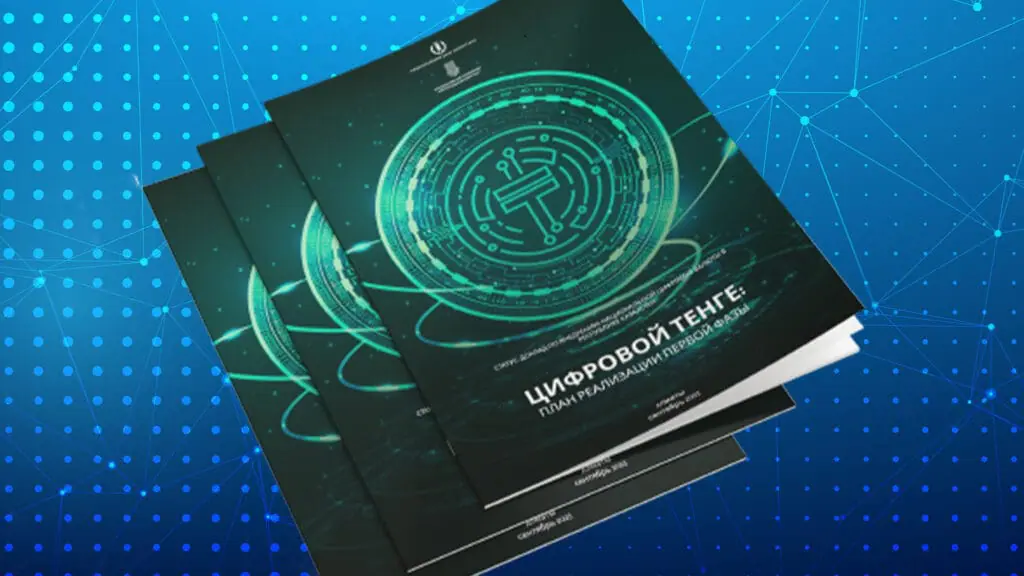
The chairman of Kazakhstan’s National Payment Corporation (NPC), Binur Zhalenov, made history by conducting the inaugural transaction using the country’s newly introduced central bank digital currency (CBDC) known as the digital tenge.
This significant milestone took place during his address at the XI Congress of Finance in Almaty on November 15, where he used a debit card linked to the CBDC account for the payment, as reported by the local news outlet, Kapital.kz.
Zhalenov officially launched the digital tenge on Kazakhstan’s retail market, signaling the beginning of what he described as the “massive platform’s development” set to unfold in 2024.
Kazakhstan forged partnerships with global payment giants Visa and Mastercard, in addition to collaborating with local banks, to seamlessly integrate the CBDC into plastic cards.
Zhalenov noted that this innovation enables users to make payments using the digital tenge from anywhere in the world, including through popular payment platforms like Apple Pay and Samsung Pay.
Emphasizing the digital tenge’s versatility, Zhalenov highlighted its programmable capabilities, paving the way for applications in smart contracts, cutting-edge financial services, and digital asset transactions.
READ MORE: Global Leaders Gather at APEC Summit in San Francisco to Discuss Economy and Digital Assets
Looking ahead, the development of the CBDC will shift its focus to enabling offline payments in 2024, with the National Payment Corporation (NPC) aiming to implement the digital tenge in cross-border trade by 2025.
The journey towards the digital tenge commenced in February 2023, with an initial target launch date of 2025. The NPC, established in September, assumed the pivotal role of spearheading the development and execution of the CBDC project.
Concurrently with the swift rollout of the CBDC, Kazakh authorities have intensified their oversight of the cryptocurrency market.
In September, local media reported difficulties in accessing major international cryptocurrency exchanges such as Coinbase and Kraken without a valid local license.
Subsequently, in October, local crypto mining operators collectively addressed President Kassym-Jomart Tokayev, urging a revision of the newly introduced tax rates imposed on mining activities.
The debut transaction with the digital tenge marks a significant step forward in Kazakhstan’s digital financial landscape, showcasing the nation’s commitment to embracing innovative digital payment solutions while concurrently addressing regulatory challenges in the broader cryptocurrency ecosystem.

Users of the popular nonfungible token (NFT) marketplace OpenSea have reported falling victim to a recent email phishing attack, where malicious actors impersonate the platform to deceive users.
Reports circulating on social media highlight various phishing campaigns targeting OpenSea users, including a fake developer account risk alert and fraudulent NFT offers.
One OpenSea developer shared their experience on X (formerly Twitter) on November 13, revealing that they received a phishing attempt via an email dedicated solely to their OpenSea Application Programming Interface (API) key.
This incident suggests that attackers may have gained access to developer contacts from OpenSea, making them the primary target of this campaign.
Despite this, OpenSea has maintained that its platform has not been compromised and urged users to exercise caution when clicking on suspicious links.
On November 14, another OpenSea user expressed confusion about the ongoing phishing campaign on Reddit.
They reported receiving emails related to NFT offers, even though they hadn’t used OpenSea for years. These emails contained links attempting to install a malicious app.
READ MORE: XRP Price Surges 12% on Fake BlackRock Filing, Markets Quickly Correct
The user noted a sudden increase in phishing emails, raising concerns about OpenSea’s security.
This phishing incident comes shortly after one of OpenSea’s third-party vendors experienced a security breach in late September 2023, which led to the exposure of user API keys and email addresses.
OpenSea promptly notified affected users about the breach.
Notably, OpenSea had previously faced phishing attacks in February 2022, warning users to avoid clicking on links in emails originating from outside the official OpenSea website.
The company also investigated rumors of exploits tied to OpenSea-related smart contracts.
OpenSea has not yet responded to requests for comment from Cointelegraph.
This recent phishing campaign adds to the challenges faced by OpenSea, as the platform recently announced a significant reduction in staff, with plans to launch OpenSea 2.0 with a smaller team.
In light of these events, it is crucial for the cryptocurrency community to remain vigilant when receiving emails from service providers.
To protect themselves from phishing attacks, users should verify the authenticity of the sender and exercise caution when clicking on links.
Additionally, it’s important to remember that legitimate crypto firms never request personal data such as wallet addresses or private keys via email.
In the midst of grappling with the aftermath of the recent $100 million Poloniex hack, the cryptocurrency community faces yet another cybersecurity menace that threatens to jeopardize billions of dollars in crypto assets.
A group of blockchain security experts uncovered this threat, which could have far-reaching implications for the crypto ecosystem.
On November 14, cybersecurity firm Unciphered divulged details about a vulnerability they’ve named “Randstorm.”
This vulnerability, they assert, has the potential to impact numerous crypto wallets created through web browsers from 2011 to 2015.
The discovery came about when the company was attempting to recover a Bitcoin wallet, revealing a potential issue with wallets generated by BitcoinJS and its associated projects.
According to Unciphered’s assessment, this issue has the potential to affect millions of wallets, collectively holding approximately $2.1 billion in cryptocurrencies.
Furthermore, Unciphered has raised concerns about the broader scope of this vulnerability, suggesting that it may extend to multiple blockchains and projects.
Beyond Bitcoin (BTC), the company has specifically pointed out that cryptocurrencies such as Dogecoin, Litecoin, and Zcash may also harbor this vulnerability.
The urgency of the situation is underscored by Unciphered’s assertion that many individuals have already received alerts regarding this problem.
READ MORE: Blockchain Association Challenges IRS Over Cryptocurrency Tax Regulations
For those who utilized web browsers to generate crypto wallets between 2011 and 2015, Unciphered strongly recommends transferring their assets to wallets generated using more recent and trusted software. Their advice is clear:
“If you are an individual who has generated a self-custody wallet using a web browser before 2016, you should consider moving your funds to a more recently created wallet generated by trusted software.”
Although Unciphered confirmed that not all affected wallets are equally vulnerable, they stressed that the vulnerability is exploitable.
However, they have refrained from disclosing specific details about the exploit to prevent any potential misuse by malicious actors within the crypto space.
In conclusion, the crypto community faces a new and potentially significant cybersecurity threat in the form of the Randstorm vulnerability.
This discovery serves as a reminder of the importance of regularly updating and securing crypto wallets, especially for those who generated wallets during the 2011-2015 timeframe, as their assets may be at risk.
As the crypto landscape continues to evolve, vigilance and proactive security measures are paramount to safeguarding valuable assets in this digital realm.

Singapore, Singapore, November 15th, 2023, Chainwire
BinaryX, a GameFi and Initial Game Offering (IGO) platform, today announced the launch of Pancake Mayor, a new city-building simulator on the newly launched PancakeSwap Gaming Marketplace.
Pancake Mayor: City Building Simulator
Pancake Mayor is a free-to-play casual city-building game where players can obtain in-game currency, Mayor Cash, to upgrade and build their own cities, inspired by famous cities around the world. Players can accumulate Mayor Cash by playing a spin-the-wheel mini-game, raiding other players’ cities, and participating in special events.
“We designed Pancake Mayor for the everyday gamer – it offers a fun, lighthearted and rewarding experience for our users,” said Rudy S., Head of Growth at BinaryX. “Pancake Mayor is the first of many hyper casual games that we will develop in the play-to-earn space, and it will provide our gamers with a new way to utilize, engage, and earn with BinaryX. We are excited to launch on PancakeSwap’s Gaming Marketplace to bring Pancake Mayor to new users.”
Hyper casual games are becoming increasingly popular, and Pancake Mayor is positioned to appeal to a wide range of gamers. The game is easy to play and offers a variety of ways to earn rewards, making it a great choice for both casual and experienced gamers alike.
“PancakeSwap’s Gaming Marketplace marks an exciting new chapter in our continued commitment to innovation and enhancing the user experience. We invite our community, gamers, and game developers to join us in creating a gaming ecosystem that is vibrant, innovative, and, above all, incredibly fun,” said Chef Mochi, Head of PancakeSwap.
Open Test Launch
Pancake Mayor will be launched with an Open Test lasting for 7 days from 15 November, 2023, 9pm GMT+8 to 21 November, 2023, 9pm GMT+8. During this period, players can enjoy all game content for free, including tournament events, Crazy Vault gameplay, point activities, and more. After the test concludes, the game will be wiped and reset. For more game content and activities, follow BinaryX on social media.
Watch the trailer of Pancake Mayor
About BinaryX
BinaryX is a leading GameFi and IGO platform committed to delivering cutting-edge gaming experiences backed by blockchain technology.
Offering Initial Game Offering (IGO) services, BinaryX gives game developers the opportunity to launch their GameFi projects on their platform, and for users to get early access to innovative new games.
As one of the top projects on the BNB Chain, BinaryX has a vast community of more than 100k coin holders. With the token BNX, BinaryX is also one of the top few metaverse projects by trading volume on the BNB chain, with a strong market cap.
For more information, please visit www.binaryx.pro
For media inquiries, please contact: [email protected]
About PancakeSwap
PancakeSwap is a leading multichain decentralized exchange that operates on an automated market maker (AMM) model and is available across 9 chains: BNB Chain, Ethereum, Aptos, Polygon zkEVM, zkSync Era, Arbitrum One, Linea, Base, and opBNB. Launched in 2020, PancakeSwap is one of the most popular DEXs in the cryptocurrency industry due to its low transaction fees, high-speed trading, and user-friendly platform. PancakeSwap has over $614 billion in total trading volume and over $1.39 billion in total liquidity locked, making it the leading multichain DEX in the industry.
For more information, visit https://pancakeswap.finance/.
For media inquiries, please contact
PancakeSwap Team
Email: [email protected]
Contact

Despite undergoing multiple security audits, Raft, a decentralized U.S. dollar stablecoin protocol, recently fell victim to a security breach resulting in a substantial loss of $6.7 million.
The incident, detailed in a post-mortem report released on November 13th, involved a hacker who had borrowed 6,000 Coinbase-wrapped staked Ether (cbETH) from the decentralized finance platform Aave.
This borrowed cbETH was then transferred to Raft, where the attacker exploited a smart contract glitch to mint an astonishing 6.7 million R tokens, which constitute Raft’s stablecoin.
The ill-gotten funds were promptly funneled off the platform through liquidity pools on decentralized exchanges Balancer and Uniswap, ultimately yielding the hacker $3.6 million in gains.
The attack had a detrimental impact on the R stablecoin’s peg to the U.S. dollar.
The post-mortem report identified the primary cause of the incident as a precision calculation issue when minting share tokens, enabling the attacker to amass extra share tokens.
The attacker capitalized on the amplified index value, significantly boosting the value of their shares.
This security lapse went unnoticed despite the smart contracts having undergone audits by blockchain security firms Trail of Bits and Hats Finance, highlighting the unfortunate inability of these audits to detect the vulnerabilities that led to the breach.
READ MORE: Spanish Regulator Takes Action Against Fraudulent Crypto Promoters
In response to the incident, Raft has taken a series of measures.
They have filed a police report and are collaborating with centralized exchanges to trace the flow of the stolen funds.
Currently, all of Raft’s smart contracts remain suspended. However, users who had minted R tokens still have the option to settle their positions and recover their collateral.
This event serves as another sobering reminder of the ongoing challenges and risks associated with decentralized stablecoins.
It underscores the critical importance of implementing robust security measures and maintaining vigilance within the DeFi space.
This incident is not an isolated case within the decentralized stablecoin realm.
In December 2022, the decentralized stablecoin HAY also experienced a depegging from the U.S. dollar due to a hacker exploiting a smart contract glitch, enabling them to mint 16 million HAY tokens without proper collateral.
HAY has since managed to reestablish its peg, partly due to the protocol’s requirement of a collateralization ratio of 152% at the time of the exploit, which served as a risk management safeguard.
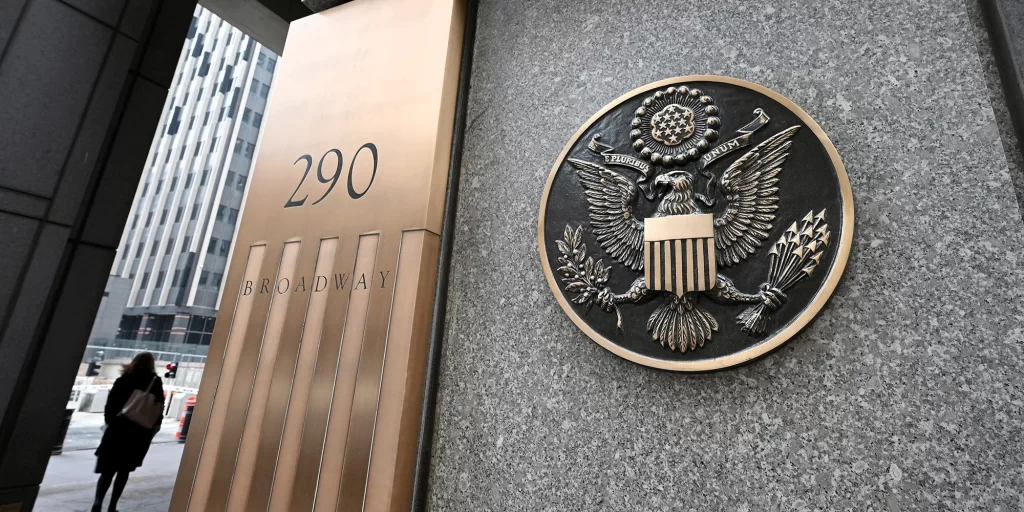
The Blockchain Association, a prominent cryptocurrency advocacy group based in the United States, has vehemently opposed the tax regulations introduced by the Internal Revenue Service (IRS).
In a letter dated November 13th, the Blockchain Association (BA) raised significant concerns regarding the IRS’s proposed rules, which were unveiled in August and aimed at regulating the sale and exchange of digital assets by brokers.
The BA argued that these proposed rules not only exceeded the IRS’s authority but also demonstrated a “fundamental misunderstanding about the nature of digital assets and decentralized technology.”
The U.S. Treasury Department had released a draft of these rules in an attempt to address the complexities surrounding reporting and taxation of cryptocurrency transactions.
The Blockchain Association’s critique of the proposal primarily revolved around the belief that many participants in the cryptocurrency space would struggle to comply with these regulations if they were enacted.
They contended that individuals involved in decentralized finance (DeFi) would be “fundamentally unable to comply” with the proposed regulations.
The BA accused the Treasury of overstepping its authority and potentially infringing upon constitutional rights such as privacy and freedom of expression.
READ MORE: China’s New Phishing Scam Targets Crypto Users Through Fake Skype App
Kristin Smith, CEO of the Blockchain Association, emphasized the need for the Treasury Department to take more time to understand the potential harm and impracticality of the expanded broker definition on developers of decentralized technology in the U.S.
Furthermore, Smith argued that the Treasury’s proposal could encroach upon the privacy rights of individuals using decentralized technology.
Since the release of the draft rules in August, various stakeholders, including U.S. lawmakers, industry leaders, and legal experts, have voiced their opinions on the implications of the proposal for the future of cryptocurrency taxation in the country.
Under the current draft, the rules for reporting cryptocurrency transactions could come into effect in 2026 for transactions conducted in 2025.
In October, Paul Grewal, the chief legal officer of Coinbase, warned that the rules could pose a significant threat to the nascent cryptocurrency industry just as it was gaining momentum.
On the other hand, a group of U.S. senators expressed support for the proposed regulations, advocating for their enforcement before 2026.
In conclusion, the Blockchain Association’s opposition to the IRS’s proposed tax regulations underscores the ongoing debate and concerns surrounding cryptocurrency taxation in the United States, with various stakeholders expressing differing viewpoints on the matter.

The Asia-Pacific Economic Cooperation (APEC) summit kicked off on November 11th in San Francisco, promising an eventful week of discussions and meetings.
While the anticipated meeting between United States President Joe Biden and Chinese leader Xi Jinping on November 15th captures the spotlight, the finance ministers’ gathering also holds significant importance within the organization.
U.S. Treasury Secretary Janet Yellen, addressing the finance ministers’ meeting on November 13th, outlined their agenda, emphasizing a focus on long-term priorities with a strong emphasis on sustainability.
Two key sessions are planned, one dedicated to supply-side economics and another to digital assets.
Yellen specifically highlighted unbacked crypto assets, stablecoins, and central bank digital currencies as topics of discussion.
Yellen expressed the importance of engaging with the private sector to gain a deeper understanding of the tools that policymakers can utilize to ensure the responsible development and utilization of digital assets.
She invited perspectives on the role of digital assets and blockchain technologies in financial systems and inquired about regulatory oversight strategies.
READ MORE: Bitcoin Mining Soars to Annual All-Time High, Surpasses $44 Million in Daily Rewards
In the lead-up to the summit, Yellen had a meeting with top Chinese economic official He Lifeng on November 9th and 10th. It’s worth noting that China has effectively banned cryptocurrency trading since 2021 but has emerged as a global leader in central bank digital currency development.
The perspectives shared during the November 13th meeting may diverge from Yellen’s own stance, as the Biden administration is generally perceived as cautious or less favorable toward cryptocurrencies.
Meanwhile, many view Asia as taking the lead in blockchain development, with notable advancements in the metaverse, cryptocurrency trading, and adoption across various Asian economies.
APEC comprises 21 Pacific-region “economies” spanning Asia, North America, and South America.
Its unique membership structure accommodates economies rather than countries, enabling participation from entities like Hong Kong and Taiwan without generating controversy.
Notably, Ripple played a significant role as a diamond-level sponsor of the summit, underscoring the growing influence of blockchain and digital assets in the global economic landscape.
In summary, the APEC summit’s finance ministers’ meeting underscores the growing importance of digital assets and sustainability in the regional economy.
While the U.S. and China differ in their approaches to cryptocurrency, the summit provides a platform for dialogue and collaboration among diverse economies seeking to navigate the evolving financial landscape.
A BlackRock filing briefly sent shockwaves through the cryptocurrency market on the late evening of November 13th.
News of the asset manager’s supposed creation of an XRP (XRP) exchange-traded product led to a sudden 12% surge in XRP’s price. However, the excitement was short-lived, as it became evident that the filing was a fake.
The frenzy unfolded over the course of about an hour when keen-eyed Twitter users stumbled upon a Delaware filing indicating that BlackRock had submitted registration documents for the “iShares XRP Trust.”
This filing was interpreted as a precursor to the launch of an exchange-traded fund (ETF) based on XRP.
Within just 30 minutes of this news breaking, XRP’s price shot up to $0.73, reflecting a 12% increase in its value.
Unfortunately for XRP enthusiasts, the jubilation was swiftly replaced by disappointment. Bloomberg ETF analyst Eric Balchunas, who had reached out to BlackRock for confirmation, revealed that the filing was indeed a forgery.
READ MORE: Ripple CEO Advocates Multichain Future and Regulatory Clarity at Ripple Swell 2023
It was suspected that an individual had posed as BlackRock managing director Daniel Schwieger to list the XRP trust on the Delaware list of corporations’ website.
Dylan LeClair, an analyst at Bitcoin Magazine, was among the first to report this intriguing development. Balchunas and The Block also shared the listing initially but later removed their posts upon learning of the deception.
BlackRock’s interest in expanding its cryptocurrency offerings had already been signaled when the company filed for a spot Ether ETF on November 9th.
Unlike the XRP incident, there is no doubt about the legitimacy of the Ether ETF filing. Nasdaq officially confirmed its submission to the Securities and Exchange Commission through a 19b-4 submission.
In conclusion, the cryptocurrency market experienced a brief but intense surge in XRP’s price due to a false BlackRock filing indicating the creation of an XRP ETF.
Within an hour, the excitement turned to disappointment as it was revealed to be a fake listing, attributed to an impersonation of a BlackRock executive.
BlackRock’s genuine intentions to expand its cryptocurrency offerings, including a spot Ether ETF, remain unaffected by this incident.
The price of a memecoin named after Elon Musk’s AI project “Grok” took a nosedive, plummeting by over 70% after blockchain investigator ZachXBT alleged that the token’s social media presence was recycled from a previous scam token project.
In a tweet on November 13, ZachXBT shared screenshots revealing that various social media accounts and websites associated with the Grok (GROK) token were repurposed from abandoned projects, including a memecoin called ANDY, which had seen a significant decline from its all-time high.
In the aftermath of ZachXBT’s tweet, the memecoin community witnessed GROK’s price plummet by a staggering 74%, dropping from its all-time high of $0.027 to a low of $0.007 in just five hours.
Subsequently, the price partially recovered to $0.011, as per data from DexTools.
In a subsequent post, ZachXBT highlighted an Etherscan transaction that showed the GROK team sending approximately $1.7 million worth of the token to a burn address, a move aimed at reducing the token’s supply and restoring confidence in it.
READ MORE: Bitcoin Mining Soars to Annual All-Time High, Surpasses $44 Million in Daily Rewards
The official GROK token account, in a November 14 post, claimed that the development team had burned all the tokens from the deployer address, totaling around 180 million GROK, valued at approximately $2 million at the current market prices.
At its peak price of $0.027 on November 13, GROK had a market capitalization of nearly $200 million, establishing itself as one of the largest new memecoins in the current cycle.
GROK was launched on November 5, coinciding with Elon Musk’s announcement of Grok AI, purportedly a competitor to OpenAI’s ChatGPT.
In the following week, the memecoin’s value experienced an astonishing 33,650% surge, driven by memecoin traders looking to capitalize on the hype.
In summary, the price of the Grok memecoin experienced a dramatic drop following allegations of recycled social media accounts and a subsequent token burn attempt by the development team.
This rollercoaster ride in value occurred amid the fervor surrounding Elon Musk’s Grok AI project, which had initially fueled the memecoin’s meteoric rise.
In less than two months, institutional investment in Bitcoin has witnessed a staggering influx of over $1 billion, signaling a resurgence in interest in cryptocurrencies.
CoinShares, a prominent crypto asset management firm, highlighted this remarkable trend in its latest weekly report on November 13, underscoring the growing capital flow into Bitcoin and altcoins.
The surge in Bitcoin, Ether, and select altcoin prices can be attributed to the mounting excitement surrounding the potential approval of the United States’ first spot exchange-traded fund (ETF).
Since November 2022, the total market capitalization of the cryptocurrency market has skyrocketed by $600 billion, according to data from TradingView.
However, the past two months have witnessed a substantial uptick in funds allocated to crypto investment products, with CoinShares revealing, “Digital asset investment products saw inflows totaling US$293 million last week, bringing this 7-week run of inflows past the US$1 billion mark, leaving year-to-date inflows at US$1.14 billion, making it the third-highest yearly inflows on record.”
One of the most noteworthy statistics indicating the resurgence of crypto in 2023 is the Assets Under Management (AUM) of crypto exchange-traded products (ETPs).
Since the beginning of the year, this figure has nearly doubled, with a remarkable 10% increase occurring in just the past week.
CoinShares noted, “At US$44.3 billion, total AuM is now the highest since the major crypto fund failures in May 2022.”
READ MORE: Ripple CEO Advocates Multichain Future and Regulatory Clarity at Ripple Swell 2023
Moreover, the report highlighted that investors seeking long positions in Bitcoin accounted for the majority of the trading volume.
“Bitcoin saw inflows totaling US$240 million last week, pushing year-to-date inflows to US$1.08 billion, while short-bitcoin saw US$7 million outflows, indicative of continued positive sentiment,” the report stated.
This renewed interest has also spurred on-chain analytics firm Glassnode to reevaluate Bitcoin supply dynamics.
As the fourth halving event approaches, Bitcoin holdings for storage now exceed the amount mined by a factor of 2.4.
This development signifies a significant milestone for Bitcoin, attracting intrigue from investors due to its impressive historical returns.
Furthermore, Philip Swift, the creator of the statistics platform Look Into Bitcoin, pointed out the increasing number of wallet entities, both large and small, as a sign of growing adoption.
It’s important to note that this article does not offer investment advice or recommendations.
All investment and trading decisions involve risk, and readers are advised to conduct their own research and due diligence before making any investment decisions.