



During a speech at the 2023 Australia Crypto Convention on November 10, Michael Saylor, the co-founder of MicroStrategy and a well-known Bitcoin advocate, shared his bullish outlook for Bitcoin (BTC) and its potential for explosive growth in the coming years.
Saylor’s speech began with a retrospective look at the period from 2020 to 2024. He highlighted the remarkable transformation of Bitcoin from being considered an “offshore unregulated asset” to becoming an “institutionalized mainstream app.” This transition has been a significant development for the cryptocurrency.
In the near term, Saylor predicted that Bitcoin would evolve into an “adolescent mainstream asset” by the end of 2024.
He emphasized the critical factors of supply and demand that would influence this transformation.
Saylor anticipates a substantial increase in demand for Bitcoin over the next 12 months, with the potential for demand to double, triple, or even increase by a factor of 10 on a monthly basis.
Simultaneously, he pointed out that the supply available for sale would be halved in April, which is a result of the Bitcoin halving event. This drastic shift in supply and demand dynamics is expected to drive the price of Bitcoin higher.
Saylor likened the next 12 months for Bitcoin to a “coming out party,” where the cryptocurrency will graduate from its “college” phase and enter the real world as a mainstream asset.
Looking ahead to the period from 2024 to 2028, Saylor foresaw continued high-growth potential for Bitcoin.
READ MORE: Binance to Halt Russian Ruble Deposits and Withdrawals
He anticipated widespread adoption of Bitcoin in the big tech industry and mega banks worldwide. These sectors are expected to integrate Bitcoin into their products and services, leading to increased competition among companies like Apple and Meta (formerly Facebook) to acquire Bitcoin for potential profit.
Furthermore, Saylor mentioned the potential involvement of traditional financial institutions such as JP Morgan, Morgan Stanley, Goldman Sachs, Bank of America, and Deutsche Bank in offering Bitcoin-related services, including loans, mortgages, and custody.
This institutional participation is seen as another catalyst for Bitcoin’s growth.
In a long-term outlook, Saylor projected that Bitcoin would outperform other high-quality assets.
He suggested that Bitcoin could reach astronomical prices, potentially doubling, quadrupling, or growing even more over time, making it a formidable investment compared to traditional assets like the S&P 500 Index.
At the time of his speech, MicroStrategy, the company co-founded by Saylor, held approximately 158,400 BTC, and the firm had experienced substantial gains on its Bitcoin investment, which stood at around $900 million as of November 2, 2023.
Saylor’s bullish predictions reflect his confidence in Bitcoin’s future potential as a transformative and valuable asset.
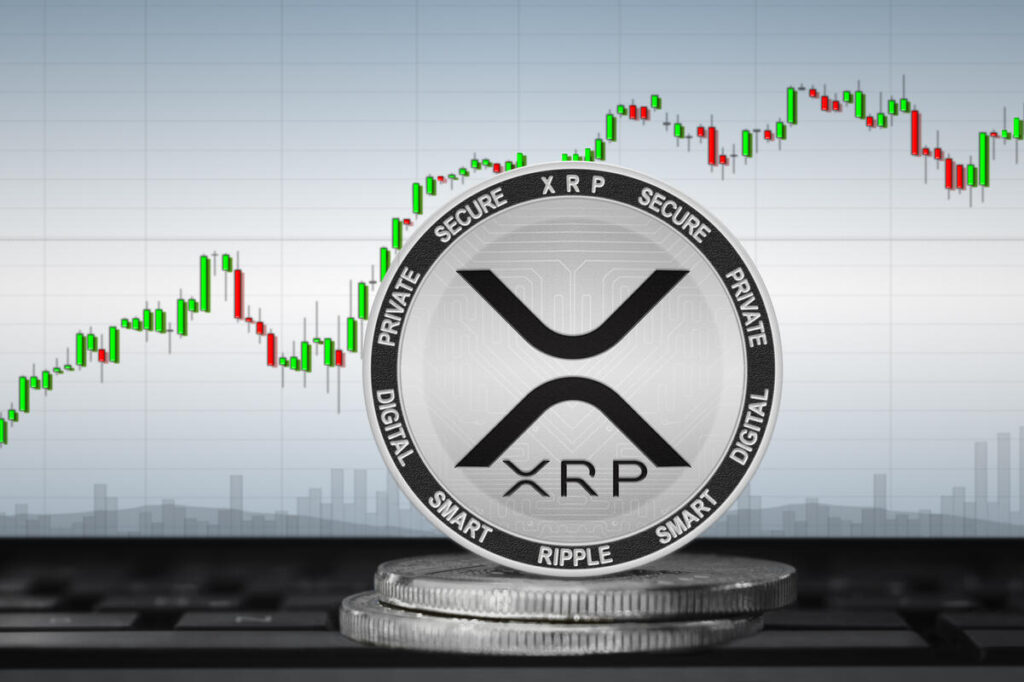
Attorney John Deaton, who represents XRP holders in the ongoing legal battle between Ripple and the U.S. Securities and Exchange Commission (SEC), has presented a compelling argument suggesting that the expected $770 million disgorgement penalty against Ripple is highly unlikely.
Deaton’s case is built on several key factors that could influence the court’s decision in favor of Ripple.
A critical point in Deaton’s argument is the Supreme Court’s Morrison ruling, which restricts the SEC’s jurisdiction to sales conducted within the United States.
This is particularly significant as Ripple’s XRP sales in various international markets, including the United Kingdom, Japan, and Switzerland, are currently under scrutiny. Importantly, the legal status of XRP in these foreign jurisdictions supports Ripple’s position.
For instance, regulatory authorities such as the Financial Conduct Authority (FCA) in the United Kingdom and the Financial Services Agency (FSA) in Japan have not classified XRP as a security.
This classification is crucial because it allows for the legal continuation of XRP sales in these regions, presenting a significant challenge to the SEC’s pursuit of disgorgement for global transactions.
Furthermore, Deaton emphasizes that the legal action against Ripple is primarily a regulatory dispute rather than a fraud case.
READ MORE: SafeMoon CEO’s Bail Release on Hold Amid Flight Risk Concerns
This distinction is essential as it shifts the focus away from punitive measures towards regulatory compliance.
Since a substantial portion of XRP sales occurs outside the United States and involves accredited investors, the potential for disgorgement decreases significantly.
By excluding non-U.S. sales, which may account for more than 90% of total sales and sales to accredited investors, Deaton predicts a substantial reduction in the potential disgorgement amount.
Additionally, Deaton points out that most institutional XRP sales have not resulted in investor losses, as the current XRP price surpasses the levels during those sales.
This suggests that investors have not suffered harm. Deaton also highlights the rapid nature of On-Demand Liquidity (ODL) transactions involving XRP, which occur within seconds, further reducing the potential for investor harm.
Interestingly, accusations of harm are more directed towards the SEC than Ripple, especially among the 75,000 XRP holders involved in the legal action.
In conclusion, Attorney John Deaton’s argument underscores the complexities of the Ripple vs. SEC case, highlighting legal precedents, international regulatory differences, and the nature of XRP transactions.
His persuasive case raises doubts about the likelihood of the SEC securing the anticipated $770 million disgorgement penalty against Ripple, potentially reshaping the outcome of this legal saga.

Bitcoin is poised to experience a surge in institutional investments as anticipation mounts for the approval of a United States exchange-traded fund (ETF).
Dan Tapiero, the founder and CEO of 10T Holdings, has joined the ranks of Bitcoin bulls who believe that institutional adoption is on the horizon.
As the excitement surrounding the potential approval of a U.S. Bitcoin spot price ETF continues to grow, the price of BTC has responded with enthusiasm. BTC/USD reached its highest level in 18 months.
Simultaneously, institutional interest is showing signs of a significant shift. Open interest in CME Group’s Bitcoin futures markets, a traditional institutional platform for BTC derivatives, has surpassed that of Binance for the first time.
For Tapiero, this development marks a pivotal moment. He stated on November 10th, “Now begins the renewed drumbeat of ‘institutional adoption’ of Bitcoin, driven by real facts rather than hope.
As CME BTC futures open interest surpasses Binance in the #1 spot, a torrent of capital from the traditional financial world is about to enter.”
READ MORE: SEBA Bank Receives License from Hong Kong Regulator to Offer Crypto Services in Asia Pacific
Aggregate Bitcoin futures open interest reached over $17 billion on November 9th, marking a seven-month high. As of the current moment, it stands at around $15.5 billion.
The optimism surrounding the ETF approval, expected in early 2024 but potentially sooner, is widely shared in the market.
QCP Capital, a trading firm, highlighted the potential impact of a spot ETF for Ether in its latest market update, suggesting it could further boost the crypto market.
However, amidst this overall bullish sentiment, QCP cautioned that Bitcoin’s daily relative strength index (RSI) has been forming lower highs, signaling a potential cooling-off period from recent highs.
They emphasized the importance of caution as BTC faces crucial resistance levels and a triple bear divergence with the RSI, which historically indicates a slowdown in momentum.
At the time of writing, BTC/USD was trading near $36,500, while ETH/USD had surpassed the $2,000 mark with a daily gain of over 4%.
As institutional interest continues to grow, the crypto market remains on edge, eagerly awaiting the potential approval of a U.S. Bitcoin spot price ETF and the subsequent influx of capital from traditional finance.
Galaxy Digital founder Mike Novogratz has delivered a promising outlook for the year 2024, forecasting a pivotal moment marked by the institutional adoption of cryptocurrencies.
He shared this vision during Galaxy Digital’s third-quarter earnings call on November 9, emphasizing that the approval of several cryptocurrency exchange-traded funds (ETFs) is no longer a matter of “if” but “when.”
In collaboration with Invesco, the fund manager filed applications for spot Bitcoin and Ether ETFs with the United States Securities and Exchange Commission (SEC) in the third quarter of 2023.
In November 2023, investor sentiment took a bullish turn, with prominent ETF research analysts predicting that the SEC would approve 12 significant Bitcoin spot ETF applications by January 2024.
Novogratz stated that 2024 would witness a surge in institutional adoption, primarily starting with the Bitcoin ETF, followed by an Ethereum ETF.
As institutions gain confidence and the government potentially endorses Bitcoin, Novogratz anticipates a broader shift toward other cryptocurrencies.
He predicts that capital will flow into the crypto space, leading to increased investments in tokenization and wallets, potentially reaching a climax in 2025.
He also stressed the importance of maintaining dollar-backed stablecoins as a central component of the broader cryptocurrency ecosystem, ensuring their alignment with American values.
READ MORE: Bitwise Asset Management Disassociates Itself from Troubled Firm Amidst SEC Charges
Novogratz believes that a Bitcoin ETF will instill institutional confidence and inject a significant amount of capital into the crypto space, breathing life into the ecosystem.
However, he emphasizes that the long-term plan for crypto remains on track.
The possibility of an Ether spot ETF was also discussed during the investor call. Novogratz acknowledged that its approval might not receive the same level of enthusiasm as a Bitcoin ETF due to the unique staking model of Ethereum.
He pointed out that unless an ETF can incorporate staking rewards effectively, it may not be as attractive as owning Ethereum directly and staking it through platforms like Galaxy Digital.
This technical distinction becomes significant when considering staking yields ranging from 4% to 7%. Novogratz emphasized that blockchain projects must have a clear purpose and offer practical applications to maintain long-term value.
In conclusion, Mike Novogratz’s optimistic outlook for 2024 centers on the institutional adoption of cryptocurrencies, with the approval of Bitcoin ETFs as a pivotal catalyst.
He anticipates a ripple effect, with capital flowing into the crypto space and an eventual focus on tokenization, wallets, and stablecoins, setting the stage for a transformative period in the world of digital assets.

The Indian Supreme Court has rejected a Public Interest Litigation (PIL) that sought to establish regulations and guidelines for cryptocurrency trading in the country.
The bench, led by the Chief Justice of India (CJI), dismissed the plea, stating that the petitioner’s demands were more in the realm of legislation rather than judicial intervention.
Justices JD Pardiwala and Manoj Misra were also part of the bench that reached this decision.
The court emphasized that although the petitioner had filed a PIL requesting cryptocurrency regulations, the real underlying objective was to secure bail for himself.
The petitioner, Manu Prashant Wig, is currently in custody of the Delhi Police in connection with a cryptocurrency-related case.
The Economic Offence Wing (EOW) of the Delhi Police had filed a case against Wig in 2020, accusing him of luring individuals into investing in cryptocurrencies with promises of high returns.
Wig had served as a director at Blue Fox Motion Picture Limited and had encouraged people to invest, but this resulted in numerous victims reporting the fraud to the EOW in Delhi.
In total, 133 investors who had placed their funds with Wig filed a case, alleging that they had been deceived.
In his attempt to secure release from judicial custody, Manu Prashant filed a PIL seeking cryptocurrency trading regulations and a framework in India.
READ MORE: Nigeria and Raspberry Pi Foundation Collaborate to Launch Code Clubs
Despite the Supreme Court’s rejection of the PIL, it allowed the petitioner, who is currently incarcerated, to pursue legal remedies and approach other relevant authorities.
During the court hearing, CJI Chandrachud advised the petitioner to seek bail from a different court.
The court expressed reservations about addressing demands for cryptocurrency trading regulations, as it believed such matters fell within the legislative domain.
The court also pointed out its inability to issue directives under Article 32 of the Indian Constitution.
The status of cryptocurrency trading in India remains uncertain due to the absence of standardized rules, guidelines, or specific frameworks for handling cryptocurrencies.
India is reportedly in the process of developing a cryptocurrency regulatory framework, drawing from joint recommendations by the International Monetary Fund (IMF) and the Financial Stability Board (FSB).
This framework is expected to materialize as legal legislation in the next five to six months, as reported by Cointelegraph.

Bitcoin’s future price trajectory is coming under scrutiny as it continues its bullish cycle, with a classic on-chain indicator suggesting that it might be a good time to sell when the cryptocurrency reaches at least $110,000.
According to data from the on-chain analytics platform Look Into Bitcoin, the “Terminal Price” of Bitcoin is hinting at a potential six-figure peak.
This Terminal Price is seen as a straightforward method for estimating the long-term peak price of Bitcoin.
To calculate the Terminal Price, one looks at Bitcoin’s “Transferred Price,” which is determined by dividing “Coin Days Destroyed” (CDD) by the existing supply of Bitcoin.
CDD is a popular metric used to measure the number of dormant days reset each time a certain amount of BTC is moved on-chain. It provides insights into hodler intent and activity in the market.
The Terminal Price, created by Checkmate, the lead on-chain analyst at data firm Glassnode, becomes relevant at the peak of each Bitcoin price cycle.
While not every all-time high reaches the Terminal Price, Bitcoin did touch the trendline during its 2017 all-time high and again during its initial peak in April 2021.
The most recent all-time high of $69,000 in November of that year fell short of the Terminal Price.
Philip Swift, the creator of Look Into Bitcoin, suggests that selling “near” the Terminal Price could be a prudent strategy.
READ MORE: SafeMoon CEO’s Bail Release on Hold Amid Flight Risk Concerns
Additionally, there’s a bear market counterpart known as the “Balanced Price,” which signals useful market bottoms.
As time passes, the Terminal Price tends to increase, suggesting that $110,000 might actually be a conservative target if the next all-time high occurs later in the upcoming cycle.
Swift also brings attention to the “Pi Cycle Top” indicator in his analysis. This indicator uses two moving averages for forecasting and has a track record of reliably predicting long-term price highs, albeit with just a few days’ notice.
It managed to accurately identify the top of the previous Bitcoin cycle, leaving many, including Swift himself, surprised. The question remains whether it will once again pinpoint the top of the current cycle.
With Bitcoin’s price action reaching new heights and these on-chain indicators in play, the cryptocurrency market is abuzz with predictions and strategies for the future.
The potential for Bitcoin to reach six figures in the next cycle is certainly on the radar of many forecasters and investors.

BlackRock has officially confirmed its plans to launch a spot Ether exchange-traded fund (ETF) by submitting a 19b-4 form to the United States Securities and Exchange Commission (SEC) on November 9.
The filing, made on behalf of the $9-trillion asset management firm by Nasdaq, proposes an ETF named the “iShares Ethereum Trust.” This move signifies BlackRock’s strategic expansion beyond Bitcoin in pursuit of its ETF objectives.
Prior to the formal filing, BlackRock had registered the corporate entity “iShares Ethereum Trust” in Delaware, providing the initial indication that a spot Ether ETF filing was on the horizon.
This development aligns with the growing interest among financial institutions, including BlackRock, in cryptocurrency-backed ETFs in recent months.
According to Bloomberg ETF analyst James Seyffart, there are currently several firms vying for SEC approval to launch a spot Ether ETF.
These contenders include VanEck, ARK 21Shares, Invesco, Grayscale, and Hashdex, all eager to tap into the growing demand for cryptocurrency investment products.
READ MORE: SEBA Bank Receives License from Hong Kong Regulator to Offer Crypto Services in Asia Pacific
In response to the news of BlackRock’s progress with the iShares Ethereum Trust, the price of Ether (ETH) experienced a significant surge, rising by 8.9% to reach $2,080.
Over the past 24 hours, ETH has gained 10.1%, as reported by CoinGecko.
This price rally has allowed Ether to regain some market dominance against Bitcoin (BTC), which had been outperforming ETH in recent months.
As a result of this positive development, ETH’s market dominance has increased to 17%, marking a 1.3% percentage point gain compared to its previous position.
The cryptocurrency market continues to witness increased interest from institutional investors and asset management firms, with BlackRock’s move into the spot Ether ETF space being a notable indication of the evolving landscape of cryptocurrency investment opportunities.
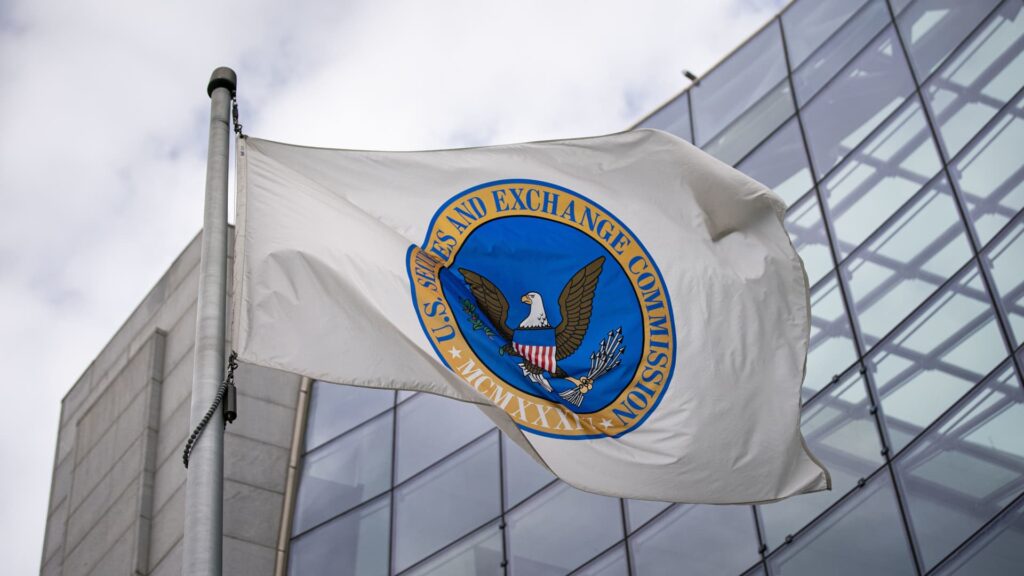
Bitwise Asset Management, a leading crypto index fund manager, is keen to clarify that it has absolutely no ties to the troubled tech startup, Bitwise Industries, currently facing legal troubles brought forth by the United States Securities and Exchange Commission (SEC).
The co-founders of Bitwise Industries, Irma Olguin Jr. and Jake Soberal, have been slapped with charges of wire fraud conspiracy and alleged misappropriation of $100 million from various investors, despite their faltering business model.
The SEC claims that they went to great lengths, including falsifying documents, to deceive investors and secure funds.
The resemblance in the names of the two entities has led to some confusion, with social media posts erroneously using Bitwise Asset Management’s logo when discussing Bitwise Industries.
However, Bitwise Asset Management is eager to make it abundantly clear that there is no connection between the two.
READ MORE: Cardano’s ‘Boring’ Approach Proves to be a Pillar of Strength in Blockchain Evolution
In a statement issued on November 10th, Bitwise Asset Management unequivocally asserted their independence from the beleaguered tech firm, stating, “San Francisco-based Bitwise Asset Management, Inc., the largest crypto index fund manager in America, has no relationship with, and has never had a relationship with, the now-defunct Bitwise Industries, a former technology company based in Fresno, California.”
Bitwise Asset Management is renowned for its diverse range of crypto-related investment products, which include Ether futures exchange-traded funds (ETFs).
Additionally, the company is actively pursuing approval for a spot Bitcoin ETF, positioning itself at the forefront of the evolving cryptocurrency investment landscape.
In stark contrast, Bitwise Industries seems to be a defunct tech company with no history of involvement in digital assets or cryptocurrencies.
The distinction between the two entities is paramount, especially given the legal issues surrounding Bitwise Industries, and Bitwise Asset Management is determined to ensure that this distinction is crystal clear to the public and investors alike.

Binance, the popular cryptocurrency exchange, is making significant moves in its exit strategy from the Russian market.
In an official announcement made on Friday, the exchange revealed its plan to cease accepting deposits in Russian rubles (RUB) starting November 15, 2023.
Additionally, Binance advised its users to withdraw any remaining RUB from their accounts on the platform, with RUB withdrawals set to be terminated on January 31, 2024.
To facilitate this transition, Binance has offered its users an alternative solution.
They can transfer their funds to CommEX, a newly established cryptocurrency exchange that acquired Binance’s Russian division back in September 2023.
Notably, CommEX will provide zero-fee RUB withdrawals, making it an attractive option for users looking to maintain their cryptocurrency assets.
Aside from CommEX, Binance users also have the option to withdraw RUB through Binance’s fiat partners.
READ MORE:HSBC Teams Up with Ripple’s Metaco for Innovative Institutional Custody Platform
These partners enable users to convert their RUB to cryptocurrency using the platform’s “Convert” tool or trade on the Binance Spot Market.
It’s worth noting that this method incurs a fee of up to 1%, as confirmed by a Binance spokesperson.
The decision to exit the Russian market stems from Binance’s sale of its Russian division to CommEX.
This transaction took place in late September 2023, and it has raised questions and controversy within the cryptocurrency community.
Notably, details about the size of the deal and the founders of CommEX have been scarce, leading some observers to speculate that CommEX might simply be a rebranding of Binance in order to continue operations in Russia without facing issues related to Western sanctions against the country.
Despite these speculations, Binance has consistently denied any ties between the exchange and CommEX, asserting that the sale marks its full exit from the Russian market.
A spokesperson for Binance emphasized, “With this sale, Binance fully exits Russia. We have no plans to get back.”
The situation continues to be closely watched by the cryptocurrency community, as the exit strategy unfolds and the crypto market landscape evolves.

The Nigerian federal government, in collaboration with the Raspberry Pi Foundation, a UK-based computing education charity, is embarking on an exciting initiative to establish Code Clubs across Nigeria.
These Code Clubs are designed for students aged 7 to 17 and serve as extracurricular artificial intelligence (AI) programming hubs, with the goal of nurturing digitally literate and innovative young minds in Nigeria.
The Ministry of Communications, Innovation, and Digital Economy announced this groundbreaking program on November 8th.
The primary objective of these Code Clubs is to introduce young participants to the world of coding and digital technology, encouraging them to apply creative problem-solving skills in their daily lives.
Initially, these clubs will launch in 17 knowledge exchange centers and then expand to various locations across Nigeria’s six geopolitical zones.
Bosun Tijani, Nigeria’s Minister of Communications, Innovation, and Digital Economy, emphasized the significance of fostering a knowledge pipeline in Nigeria through free coding clubs, in partnership with the Raspberry Pi Foundation.
This initiative aims to bolster Nigeria’s digital economy by enhancing technical knowledge and talent development.
READ MORE: Cardano’s ‘Boring’ Approach Proves to be a Pillar of Strength in Blockchain Evolution
As part of this collaboration, the Raspberry Pi Foundation will provide educators and young participants with comprehensive toolkits, support, and guidance.
Simultaneously, the Ministry will oversee the establishment and operation of Code Clubs throughout the country through a well-structured partnership framework.
A crucial aspect of this initiative is the support extended to partners, which includes individuals, educational institutions, and organizations dedicated to advancing computing education.
These partners will receive resources, assistance, and operational guidance from a designated central organization.
The Ministry has outlined a wide range of educational pathways for Code Club partners, covering various coding and technology-related subjects such as robotics, electronics, game development, algorithms, web development, programming languages, and project-based learning.
In a related development in October, the Nigerian government introduced a program offering 5 million naira (approximately $6,444) grants to 45 AI-focused startups and researchers.
This initiative is part of the Nigeria Artificial Intelligence Research Scheme, which aims to promote the extensive application of AI for economic progress and technological advancement in the country.
In summary, the partnership between the Nigerian government and the Raspberry Pi Foundation to establish Code Clubs represents a significant step towards nurturing young talent and boosting Nigeria’s digital economy through coding and technology education.