


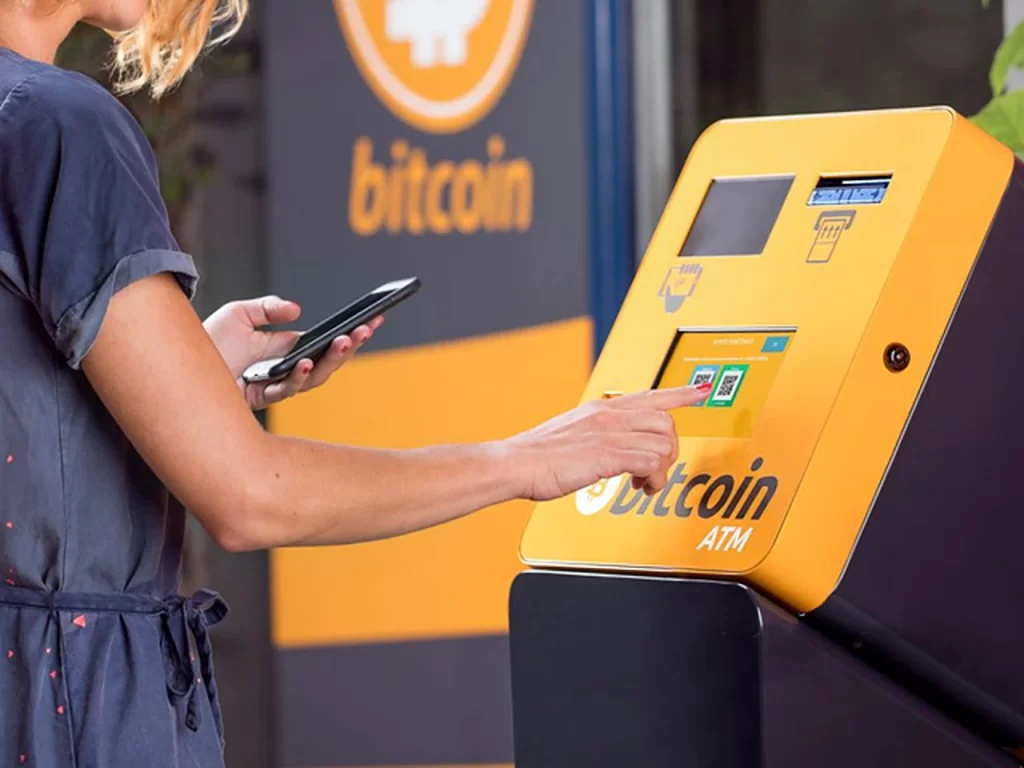
Athena Bitcoin, the company overseeing a network of crypto ATMs in El Salvador, has unveiled ambitious plans to incorporate the Lightning Network technology into 100 of these machines over the next few months.
This development comes as Athena Bitcoin Global and Genesis Coin, in a joint effort, have successfully integrated Lightning Network technology into their infrastructure.
Initially, this integration will take place in El Salvador, followed by a broader expansion across Latin America.
The Lightning Network stands as a layer-2 payment protocol designed to enhance transaction efficiency by facilitating faster withdrawals and reducing associated fees.
Moreover, it circumvents the necessity of recording transaction data on the primary network. Remarkably, only a mere 3.7% of the world’s crypto ATMs currently support this cutting-edge technology, as per data from Coin ATM Radar.
Although Athena Bitcoin has yet to provide an official statement in response to inquiries from Cointelegraph, their strategic timeline for Lightning Network adoption is clear.
READ MORE: VARA’s Innovative Crypto Regulations Catapult Dubai into the Global Spotlight
By December 2023, Athena aims to transition 100 of the state-owned Chivo ATMs in El Salvador to Lightning support.
Subsequently, the remaining kiosks, including those bearing the Athena brand, will follow suit in the first quarter of 2024. As it stands, there are presently 215 crypto teller machines situated throughout El Salvador.
Notably, El Salvador’s leader, Nayib Bukele, who played a pivotal role in establishing Bitcoin as legal tender in the country in 2021, has announced his intention to seek re-election as president in 2024. In a recent speech delivered to thousands of Salvadorans,
Bukele declared, “Five more [years], five more and not one step back.” In April 2023, Bukele initiated a bold move to abolish all taxes on technology innovations, a policy shift poised to attract more entrepreneurs and foreign capital to invest in the nation.
Experts such as Gabor Gurbacs, a strategy adviser at investment management firm VanEck, envision the possibility of El Salvador following in Singapore’s footsteps to become a prominent financial center within the Americas.
This integration of the Lightning Network into a significant portion of the country’s crypto ATMs is poised to further enhance El Salvador’s position in the rapidly evolving cryptocurrency landscape, potentially attracting further attention from both investors and innovators alike.

Over the past two weeks, Bitcoin has maintained a relatively tight trading range, fluctuating within a 4.5% margin around the $34,700 mark. Despite this apparent consolidation, the cryptocurrency has experienced notable gains of 24.2% since October 7.
These gains have ignited optimism among investors, driven by the anticipation of the 2024 Bitcoin halving and the possible approval of a spot Bitcoin exchange-traded fund (ETF) in the United States.
However, concerns about a bearish global economic outlook have cast a shadow over the financial markets.
Some experts are apprehensive about macroeconomic data indicating a global economic slowdown, as the U.S. Federal Reserve keeps its interest rate above 5.25% to combat inflation.
Recent data, such as the 6.4% contraction in Chinese exports in October and a 1.4% drop in Germany’s October industrial production, have fueled these concerns.
The global economic uncertainty has also affected other markets, causing WTI oil prices to dip below $78 for the first time since July, despite the potential for supply cuts from major oil producers.
Neel Kashkari, President of the U.S. Federal Reserve Bank of Minneapolis, expressed bearish sentiments about inflation, prompting investors to seek refuge in U.S. Treasurys and driving the 10-year note yield down to 4.55%, its lowest level in six weeks.
Interestingly, the S&P 500 stock market index has defied expectations by reaching 4,383 points, its highest level in nearly seven weeks, amid the global economic slowdown.
READ MORE: Monero Community Crowdfunding Wallet Hacked, Loses Nearly $460,000 in Devastating Attack
This phenomenon can be attributed to the significant cash reserves held by firms within the S&P 500, offering protection in a high-interest rate environment and aligning with investor preferences during uncertain times.
In the cryptocurrency market, Bitcoin’s futures open interest has surged to $16.3 billion, the highest level since April 2022, highlighting growing demand for Bitcoin options and futures.
This increased interest is fueled by the potential approval of a spot Bitcoin ETF and the upcoming Bitcoin halving in 2024.
To gauge market health, analysts are closely monitoring the Bitcoin futures premium, which has reached its highest level in over a year at 11%.
This indicates strong demand for Bitcoin futures, particularly from leveraged long positions. Additionally, the demand for Bitcoin call (buy) options has outweighed put (sell) options, reflecting a 40% bias towards bullish sentiment.
Bitcoin options open interest has also surged by 51% in the past month, reaching $15.6 billion, with growth predominantly driven by bullish instruments.
Despite some skepticism and hedging, Bitcoin’s derivatives market remains robust, with no signs of excessive optimism. This aligns with the prevailing bullish outlook, which targets Bitcoin prices exceeding $40,000 by year-end.

Bitcoin (BTC) experienced its trademark price volatility as a “short squeeze” pushed the market close to the $36,000 mark on November 7th.
Market data from Cointelegraph Markets Pro and TradingView closely tracked BTC/USD as it reacted to significantly elevated open interest (OI) on various cryptocurrency exchanges.
Earlier reports had indicated that the more than $15 billion in OI could trigger a fresh round of market volatility. There was uncertainty regarding whether Bitcoin’s price would decline or rise in response.
Ultimately, short sellers found themselves in a tough spot as Bitcoin rapidly gained ground, reaching just below $35,900.
Prior to this move, popular trader Skew and others had predicted the event. Skew had suggested that momentum would increase rapidly if Bitcoin’s price returned to $34,800—a prediction that came true.
Skew explained, “Open interest is still building up, and it appears that shorts have a larger position in the OI. $34,800 is a key price level for a squeeze.”
READ MORE:Monero Community Crowdfunding Wallet Hacked, Loses Nearly $460,000 in Devastating Attack
On-chain monitoring resource Material Indicators also suggested that $36,000 would likely remain out of reach for the week based on their proprietary trading indicators.
Another trader, Daan Crypto Trades, observed an interesting shift in derivatives composition.
He noted that traders on the largest crypto exchange, Binance, were positioning themselves in a bearish manner compared to those on the exchange Bybit.
However, it was uncertain whether a “long squeeze” would occur.
By comparing the BTC/USDT perpetual swap pairs on both exchanges, he highlighted that Binance was trading at a lower level after the short squeeze.
He concluded, “It will be very interesting to see how this resolves. One thing is clear—Bybit traders are more bullish than Binance traders.”
Financial commentator Tedtalksmacro illustrated the impact of the squeeze on Binance, where short open interest had disappeared.
At the time of writing on November 8th, BTC/USD was trading at $35,300, with open interest still exceeding $15 billion, according to data from on-chain monitoring resource CoinGlass.
The cryptocurrency market remained dynamic and full of surprises, with traders closely monitoring various indicators to make informed decisions.

Lawyers overseeing the FTX bankruptcy case are currently exploring potential offers that could eventually result in the revival of the troubled cryptocurrency exchange.
During an October 24th hearing at the United States Bankruptcy Court in Delaware, Kevin Cofsky, a restructuring and liability management specialist from Perella Weinberg Partners, revealed ongoing negotiations with several interested parties looking to acquire the company.
Cofsky informed Judge John Dorsey that, among the initial 70 inquiries, three final buyers have emerged. However, the precise structure of the sale and the nature of the exchange post-sale remain unclear.
The prospect of resurrecting the FTX brand faces significant challenges due to the severe damage it has suffered in terms of reputation. Experts in the cryptocurrency industry express skepticism about the feasibility of a simple reboot of FTX.
Debra Nita, a senior crypto public relations strategist at YAP Global, opined that FTX’s brand may be too damaged to recover fully.
She highlighted factors such as the extent of the scandal, the state of business operations during the downfall, and the response post-failure as critical determinants of a brand’s ability to recover.
With millions of customers suffering financial losses and former CEO Sam Bankman-Fried found guilty of fraud, FTX’s situation is dire.
Historical examples of financial misconduct by exchanges show that rebuilding investor trust is exceptionally challenging.
READ MORE: FTX Seeks Court Approval to Sell $744 Million in Trust Assets Amid Bankruptcy Proceedings
Some companies, like Enron, MF Global, and Mt. Gox, faced such profound failures that recovery was nearly impossible due to the extent of the damage.
In contrast, companies like Wells Fargo, which faced a major scandal in 2016, were able to recover their reputation by taking swift corrective action, reimbursing affected customers, and implementing internal ethics procedures.
Bitfinex, a cryptocurrency exchange that lost a significant amount of Bitcoin in a 2016 hack, managed to recover by taking decisive action and implementing a haircut on customer accounts.
Regarding FTX’s potential relaunch, Cofsky mentioned various possibilities, including acquiring legacy exchange assets, forming partnerships, or selling the customer database to another exchange while abandoning the FTX brand.
Preserving the anonymity of FTX customers is a contentious issue being debated in court. Katie Townsend, representing the Reporters Committee for Freedom of the Press, argued for public disclosure of affected customer names, while Cofsky contended that such disclosure would jeopardize the sale.
The complexity of selling FTX is underscored by challenges such as ascertaining whether customers would want to trade on a revived FTX and the difficulty of converting the inactive customer database back into active users.
Given the historical difficulties faced by compromised exchanges, successfully relaunching FTX appears to be a formidable task.
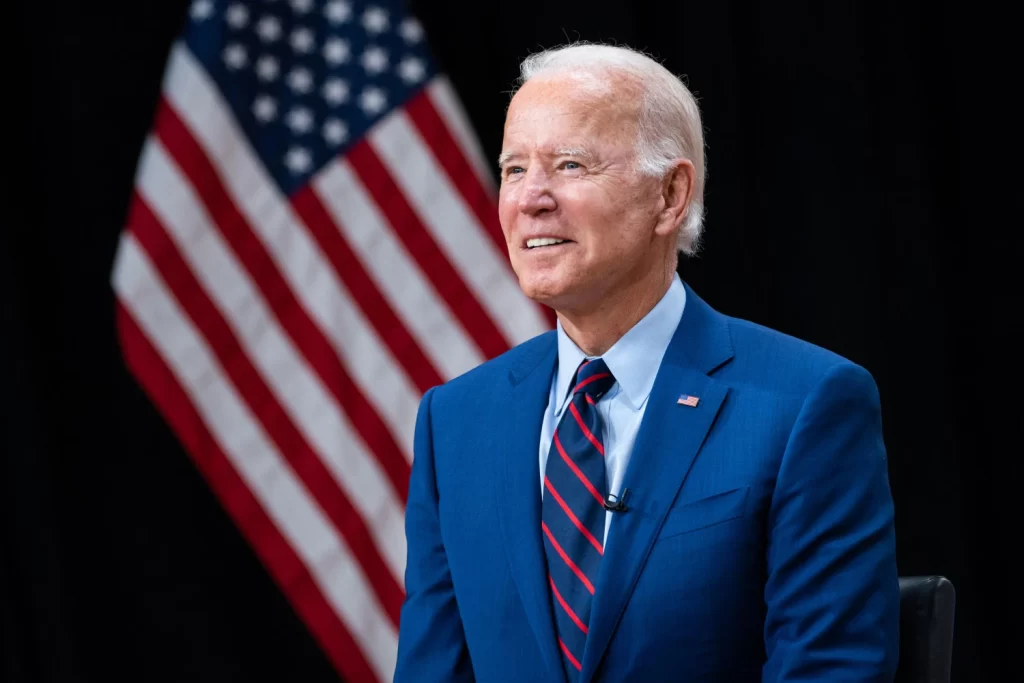
On October 30, President Joe Biden issued a comprehensive executive order aimed at safeguarding citizens, government entities, and companies by establishing stringent artificial intelligence (AI) safety standards.
This order introduces six new standards for AI safety and security, along with promoting ethical AI utilization within government agencies, all in alignment with the principles of “safety, security, trust, openness.”
Among its mandates, the executive order mandates the sharing of safety test results with officials for companies developing “foundation models posing significant risks to national security, economic security, or public health.”
It also emphasizes the acceleration of privacy-preserving techniques in AI development. However, the absence of specific implementation details has raised concerns in the industry about potential implications for top-tier model development.
Adam Struck, a founding partner at Struck Capital and an AI investor, highlighted the order’s seriousness in recognizing AI’s transformative potential across industries.
Yet, he noted the challenges faced by developers in predicting future risks based on assumptions about products that are not fully developed, particularly in the open-source community where the order lacks clear directives.
However, Struck also mentioned that the administration’s intention to manage these guidelines through AI chiefs and governance boards within regulatory agencies implies that companies operating within those agencies should adhere to regulatory frameworks that the government finds acceptable, emphasizing data compliance, privacy, and unbiased algorithms.
READ MORE: FTX Seeks Court Approval to Sell $744 Million in Trust Assets Amid Bankruptcy Proceedings
The government has already disclosed more than 700 use cases demonstrating its internal use of AI through the “ai.gov” website.
Martin Casado, a general partner at venture capital firm Andreessen Horowitz, expressed concerns about the executive order’s potential impact on open-source AI.
He, along with other AI researchers, academics, and founders, sent a letter to the Biden administration, asserting that open source is crucial to ensuring software remains safe and free from monopolies.
The letter criticized the order’s broad definitions of certain AI model types and raised concerns about smaller companies facing challenges in meeting requirements designed for larger firms.
Jeff Amico of Gensyn echoed these sentiments, calling the order detrimental to innovation in the U.S.
Matthew Putman, CEO and co-founder of Nanotronics, a global leader in AI-enabled manufacturing, stressed the need for regulatory frameworks that prioritize consumer safety and ethical AI development.
He urged regulators to consider the potential for overregulation, drawing parallels with the cryptocurrency industry.
Putman also emphasized that the fears of AI’s catastrophic potential are exaggerated, as the technology is more likely to bring positive impacts than destructive outcomes.
He pointed out that innovative AI applications, especially in advanced manufacturing, biotech, and energy, are driving a sustainability revolution with improved processes that reduce waste and emissions.
While the executive order is still fresh, the U.S. National Institute of Standards and Technology and the Department of Commerce have initiated the Artificial Intelligence Safety Institute Consortium, seeking members to contribute to AI safety efforts.

The metaverse, once a hot topic among global tech leaders, has lost some of its mainstream appeal over the past two years. However, shortcomings in testing various investments and initiatives within this emerging technology have led to several failures.
During the recent Cardano Summit in Dubai, Sandra Helou, CEO of MetaMinds Group, expressed her views on the metaverse’s challenges. She highlighted the lack of tailor-fit business models for enterprises as the biggest failure in the metaverse.
According to her, trying to achieve short-term wins with the metaverse is not the right approach, as it requires a massive overhaul of business visions, teams, and models. Many projects failed because they did not get their business models right.
KPMG’s recent report revealed that only 29% of tech leaders in the UAE and 37% globally believe the metaverse will play a crucial role in achieving short-term business success.
Most tech leaders are turning to artificial intelligence (AI) for the next three years, as they consider the metaverse a long-term vision that demands substantial effort, strategy, dedicated teams, and funding.
Earlier this year, Business Insider published an article titled “RIP metaverse, we hardly knew ye,” suggesting that the once-promising technology had died after being abandoned by the business world.
READ MORE: Bitcoin Mining Firm Luxor Technology to Launch Innovative Hash Rate-Backed Investment Product
However, builders in the space remain optimistic about the metaverse’s potential to create new user experiences.
When asked about ensuring the longevity and relevance of metaverse projects, Helou emphasized the need to address accessibility and interoperability.
The fragmented nature of the space, where each platform has its own avatar and identity, poses challenges for users.
Helou compared it to changing your physical wallet and clothes every time you enter a different store, highlighting the impracticality of this approach.
To create an interoperable world, builders should align metaverse product lines with user needs, utilize the right blockchain network, and prioritize safety and security for digital identities.
Dubai and the wider UAE have been actively working to attract global crypto firms with crypto-friendly policies.
According to Helou, the jurisdiction’s approach to emerging technologies has made it easier for builders to realize their metaverse visions.
She believes that the UAE will not adopt the same regulatory approach as the United States Securities and Exchange Commission, often described as “regulation by enforcement.”
With the establishment of Dubai’s Virtual Assets Regulatory Authority, the regulator is not micromanaging the Web3 industry, providing a conducive environment for success in the metaverse.

On November 2, the Securities and Futures Commission (SFC) of Hong Kong unveiled a comprehensive set of business requirements pertaining to the issuance of tokenized securities and other investment products.
This initiative was driven by the growing market demand for tokenized investment products in Hong Kong, coupled with the manifold advantages of blockchain technology.
The SFC’s circular delineates 12 key points, with a primary focus on four crucial aspects: tokenization arrangements, disclosure practices, intermediaries involved, and the competence of personnel, all of which are deemed essential for entities seeking eligibility to offer tokenized securities-related activities.
The primary motivation behind the tokenization of SFC-authorized investment products is the surging market demand, paralleled with the government’s determination to foster market expansion.
As long as the underlying product complies with all applicable product authorization prerequisites and incorporates additional safeguards to address associated risks, the SFC expressed its endorsement of the “primary dealing of tokenized SFC-authorized investment products” through a transparent approach.
Providers entering this domain are obligated to shoulder full responsibility for their tokenized offerings. This entails ensuring robust record-keeping mechanisms, operational soundness, and the implementation of effective controls.
READ MORE: FTX Seeks Court Approval to Sell $744 Million in Trust Assets Amid Bankruptcy Proceedings
The SFC has made it abundantly clear that “Product Providers should not use public-permissionless blockchain networks without additional and proper controls.”
Regarding disclosure requisites, providers are mandated to transparently specify whether settlements occur off-chain or on-chain, and they must continuously validate token ownership.
Moreover, the SFC stipulates that providers must have at least one proficient staff member equipped with relevant experience and expertise to oversee the tokenization process and manage the new risks associated with ownership and technology.
In spite of federal endeavors to encourage the tokenization of investment products, interest in cryptocurrencies among Hong Kong residents has seen a notable decline.
According to a survey conducted by the Hong Kong University of Science and Technology’s business school, the infamous $166-million JPEX scandal has cast a shadow over investor sentiment, with 41% of the 5,700 respondents expressing a reluctance to hold digital assets.
This suggests that while regulatory frameworks are evolving to accommodate tokenized securities, the scars of past crypto-related incidents continue to influence investment decisions among the local populace.

OpenAI has recently made a significant commitment to its business-tier ChatGPT users, pledging to cover their legal expenses in cases of copyright infringement.
This initiative, known as “Copyright Shield,” will apply exclusively to users of OpenAI’s business-tier offerings, including ChatGPT Enterprise and its developer platform, distinguishing it from the free and Plus ChatGPT versions.
During the company’s inaugural developer conference, DevDay, which took place on November 6th, OpenAI’s CEO, Sam Altman, officially unveiled this support.
Altman stated, “We will step in and defend our customers and pay the costs incurred if you face legal claims around copyright infringement, and this applies both to ChatGPT Enterprise and the API.”
OpenAI’s move aligns it with other prominent tech giants such as Microsoft, Amazon, and Google, who have previously offered legal assistance to users accused of copyright violations.
Additionally, Adobe and Shutterstock, renowned stock image providers venturing into generative AI, have made similar commitments.
READ MORE: Germany’s 3rd Largest Bank Launches Blockchain-Based Digital Assets Custody Platform
Furthermore, OpenAI disclosed several other notable developments during DevDay. Users will soon have the capability to create customized ChatGPT models, which can subsequently be sold on an upcoming app store. This innovation marks a significant expansion of the platform’s functionality.
Additionally, OpenAI introduced a new and enhanced AI model, ChatGPT-4 Turbo, signaling their ongoing commitment to advancing AI capabilities.
However, it’s essential to acknowledge that OpenAI has been grappling with several lawsuits alleging the improper use of copyrighted material to train its AI models.
Notably, comedian and author Sarah Silverman, alongside two others, filed a lawsuit against OpenAI in July.
They claimed that ChatGPT’s training data included their copyrighted work, which had been obtained from illegal online sources.
OpenAI faced further legal challenges in September, with a class action suit accusing the company, along with Microsoft, of utilizing stolen private information for model training.
Additionally, the Author’s Guild filed a lawsuit against OpenAI, alleging “systematic theft” of copyrighted materials.
In conclusion, OpenAI’s commitment to cover legal costs for business-tier ChatGPT users embroiled in copyright infringement disputes represents a significant step in protecting its clientele.
While the company faces legal challenges, it continues to expand its offerings and capabilities in the field of AI.
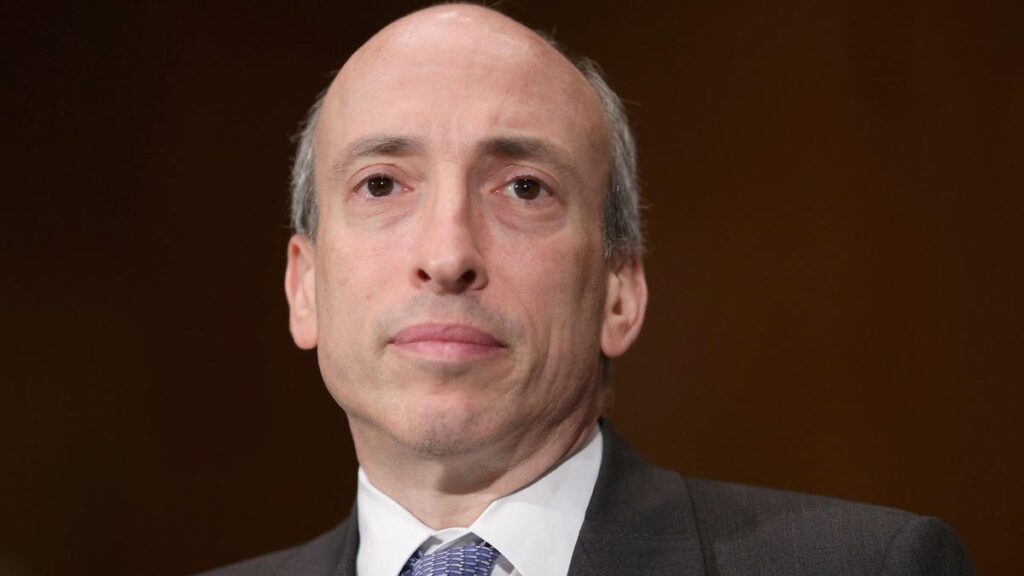
A US lawmaker, Representative Tim Burchett, has put forth a bold proposal to slash Securities and Exchange Commission (SEC) Chair Gary Gensler’s salary to a mere $1 per year as part of a broader plan to defund the regulatory agency.
This proposition is contained in an amendment to the Financial Services and General Government (FSGG) bill, a comprehensive piece of legislation introduced on July 13, with the aim of substantially reducing government expenditures across various sectors.
Currently, Gary Gensler receives an annual salary estimated to exceed $300,000 for his role as SEC Chair. Burchett’s move is not isolated, as the FSGG bill seeks to curtail funding for multiple government agencies.
Representative Steve Womack, while presenting the bill to the House Rules Committee on November 6, argued that the SEC and other agencies had become victims of regulatory overreach, placing an excessive financial burden on the government.
Womack’s perspective is that defunding the SEC would serve as a means to curtail its regulatory “intrusiveness” and refocus the agency on its primary mission.
READ MORE: Bitcoin ETF Anticipation Sparks Resurgence in Blockchain Gaming Enthusiasm
He stressed, “Specifically, we turn off rulemakings at the Securities and Exchange Commission that lack proper cost-benefit analysis and aggregate impact analysis.”
He also acknowledged the importance of the agencies under their jurisdiction but criticized their deviation from their intended mandates, asserting that such deviations have been detrimental to the American public.
It’s worth noting that this isn’t the first instance of Gary Gensler and the SEC facing criticism from US politicians.
Back on June 12, US Representatives Warren Davidson and Tom Emmer introduced the SEC Stabilization Act to the House of Representatives.
One of the key provisions of this bill aimed to oust Gensler from his position as SEC Chair, redistributing the agency’s power between the chair and commissioners.
Additionally, it proposed the creation of an executive director role and the addition of a sixth commissioner to prevent any single political party from holding a majority influence.
Davidson and Emmer have been vocal critics of Gensler’s leadership at the SEC, with Emmer characterizing him as a “bad faith regulator” and accusing him of disproportionately targeting the crypto community with enforcement actions while neglecting more significant wrongdoers.
These ongoing debates and legislative efforts reflect the contentious atmosphere surrounding the SEC’s role and leadership within the US government.

On November 7th, Bitcoin experienced a dip, falling toward the $34,500 mark, catching the attention of analysts who were closely monitoring the growing open interest (OI) in the cryptocurrency markets.
Data from Cointelegraph Markets Pro and TradingView revealed that Bitcoin was struggling to regain the $35,000 support level.
Amidst the uncertainty in the market, there was a consensus among market participants that volatility was poised to make a return.
The main driver behind this anticipation was the significant surge in open interest within the derivatives markets.
On November 7th, financial commentator Tedtalksmacro noted that almost 10,000 BTC, equivalent to approximately $350 million USD, had been added to the open interest that day, suggesting that fireworks could be on the horizon.
This increase in open interest has historically coincided with periods of heightened volatility in recent months.
At the time of writing, the total open interest had reached nearly $15.5 billion, as reported by CoinGlass. James Van Straten, a research and data analyst at CryptoSlate, highlighted that both the CME exchange, favored by institutional investors, and Binance had recorded substantial open interest figures, with CME setting a new record of 105,380 BTC contracts open, valued at $3.68 billion.
READ MORE: Bitcoin Mining Firm Luxor Technology to Launch Innovative Hash Rate-Backed Investment Product
Van Straten indicated that this trend might signify growing participation in Bitcoin futures, implying either a positive shift in market sentiment or a move by investors towards protective strategies.
J. A. Maartunn, a contributor to the on-chain analytics platform CryptoQuant, voiced concerns over the uncertainty surrounding the impact of increasing open interest.
He pointed out that historically, when this metric surpassed $12.2 billion, it often led to a minimum 20% decline in Bitcoin’s price, warranting significant attention.
Popular trader Skew highlighted the significance of current price levels on shorter timeframes, emphasizing that being on the wrong side of the market direction could lead to challenges and potentially trigger a volatile price reaction.
Looking ahead, the monitoring resource Material Indicators concluded that $36,000 would likely remain a formidable resistance level in the near term.
While it didn’t rule out the possibility of Bitcoin surpassing $36,000 later in the year, the analysis suggested that, at least for the current week, breaching that threshold might be challenging.
It also noted that failure to validate a bullish breakout in the near future could make the previous range low of $25,000 to $28,500 a critical level to watch.