


Zoom has responded to widespread criticism by updating its terms of service to address concerns about AI data scraping.
In a blog post on August 7th, the video-conferencing platform clarified that it will not use user content, including chat, audio, or video, to train artificial intelligence algorithms without explicit consent.
The controversy arose over a section in Zoom’s terms that implied the company could utilize a broad range of customer content to train AI models.
This led to a backlash, with numerous users threatening to abandon the platform.
Zoom explained that the AI-related terms had been added back in March, but they have now been updated to emphasize that they will not utilize any customer data for AI training without obtaining consent first.
This revision is aimed at reassuring users about their data privacy and control over how their information is used.
The company’s AI offerings, such as the meeting summary tool and message composer, are opt-in features, meaning account owners or administrators can decide whether to enable them.
Before Zoom clarified its terms, concerned users took to Twitter to voice their displeasure and called for a boycott until the terms were updated.
The issue stemmed from the section in which users had previously consented to Zoom using, collecting, distributing, and storing “Service Generated Data” for various purposes, including AI and machine learning model training.
It’s worth noting that other tech companies have also updated their privacy policies to allow for data scraping to train AI models.
READ MORE: 2024 Presidential Candidates’ Mixed Views on Crypto
For example, in July, Google updated its policies to permit the use of public data for AI training.
The broader tech industry has been facing growing scrutiny over its use of AI and potential privacy implications.
In June, European Union consumer protection groups urged regulators to investigate AI models used in chatbots like OpenAI’s ChatGPT or Google’s Bard.
The concerns primarily revolved around disinformation, data harvesting, and manipulation generated by these bots.
As a response to these concerns, the EU passed the AI Act on June 14th, which is set to take effect within the next two to three years.
The Act establishes a framework for the development and deployment of AI technologies, aiming to address privacy and ethical considerations surrounding AI usage.
In conclusion, Zoom’s update to its terms of service aims to allay user fears about AI data scraping and ensure that customer content will not be used for AI training without their explicit consent.
The move comes in the context of wider industry concerns about AI usage and privacy, leading to changes in privacy policies and the implementation of regulatory frameworks like the AI Act in the European Union.
Other Stories:
Digital Currency Group Faces Regulatory Scrutiny Over Transactions with Genesis Global Capital
Chamber of Digital Commerce Releases Report on SEC vs Ripple Ruling
Circle CEO Jeremy Allaire recently estimated that up to 70% of the adoption of the USD Coin (USDC) is coming from countries outside of the United States.
Despite the perception that USDC is primarily focused on the US market, the majority of its adoption is happening in emerging and developing markets worldwide.
Allaire revealed this information in a tweet to his 131,300 followers on Twitter, acknowledging the strong progress of USDC in regions like Asia, Latin America (LATAM), and Africa.
This emphasis on non-U.S. adoption is not unique to USDC alone. Paolo Ardoino, the chief technology officer of Tether, a competitor stablecoin issuer, also emphasized the significance of non-U.S. markets.
He stated that Tether’s stablecoin, USDT, can be seen as a safe tool for emerging markets and developing countries.
Cointelegraph attempted to reach out to Circle for further details about their expansion plans in non-U.S. markets but had not received a response at the time of publication.
Allaire’s comments coincided with PayPal’s announcement of its own USD-pegged stablecoin, PayPal USD (PYUSD). Allaire congratulated both PayPal and Paxos for entering the stablecoin space, expressing excitement about the entry of a significant internet and payments company and attributing it to improved regulatory clarity.
READ MORE: Chamber of Digital Commerce Releases Report on SEC vs Ripple Ruling
However, there has been a decline in USDC supply since the beginning of 2023, caused by reduced demand and increased redemptions.
As a result, the stablecoin market share of USDC has shrunk to only 21%, with a total circulation of $26.1 billion.
Regarding liquidity concerns, Allaire confirmed that redemptions were outpacing issuance. Over the past month, Circle issued $5 billion USDC but redeemed $6.6 billion USDC.
Circle is actively expanding its global banking and liquidity network, collaborating with high-quality banks in major regions worldwide.
In an Aug. 3 transparency report, Circle revealed that 93% of its Circle Reserve Fund portfolio is invested in short-dated U.S. Treasuries, overnight U.S. Treasury repurchase agreements, and cash. The remaining 7% constitutes cash reserves held at banks.
Earlier in June, Circle obtained a Major Payment Institution license from the Monetary Authority of Singapore, signaling further strides in its global expansion efforts.
Other Stories:
Digital Currency Group Faces Regulatory Scrutiny Over Transactions with Genesis Global Capital

OpenAI, the artificial intelligence company, has recently unveiled its latest web crawling tool called “GPTBot,” which holds the potential to enhance future iterations of ChatGPT models.
The company believes that by crawling web pages, the data collected can be utilized to improve accuracy and broaden the capabilities of their upcoming AI models.
Web crawlers, also known as web spiders, are bots that index website content across the internet. Search engines like Google and Bing employ these crawlers to ensure websites appear in search results.
OpenAI clarified that GPTBot will only gather publicly available data from the world wide web, avoiding sources with paywalled content, personal identifiable information, or text that violates their policies.
Website owners can prevent GPTBot from crawling their sites by adding a “disallow” command to a standard file on their servers.
This feature allows them to control whether their web content is included in the data collection process.
Interestingly, OpenAI filed a trademark application for “GPT-5,” the anticipated successor to their current GPT-4 model.
However, the CEO, Sam Altman, clarified that GPT-5’s training is not imminent, as the company needs to conduct several safety audits before starting the process.
Recent concerns have been raised about OpenAI’s data collection practices, specifically regarding copyright and consent.
In June, Japan’s privacy watchdog issued a warning to OpenAI for collecting sensitive data without proper authorization.
READ MORE: Chamber of Digital Commerce Releases Report on SEC vs Ripple Ruling
Similarly, Italy temporarily banned the use of ChatGPT due to alleged breaches of European Union privacy laws.
Additionally, a class-action lawsuit was filed against OpenAI by 16 plaintiffs, accusing the company of accessing private information from ChatGPT user interactions. Microsoft, named as a defendant in the lawsuit, might also be implicated.
If these allegations are proven true, OpenAI and Microsoft could be found in violation of the Computer Fraud and Abuse Act, a law with a history of addressing web-scraping cases.
In conclusion, OpenAI’s new web crawling tool, GPTBot, offers promising potential for improving future ChatGPT models.
However, concerns regarding data collection practices must be addressed to ensure compliance with privacy laws and prevent potential legal repercussions.
As the company gears up for the development of GPT-5, it is essential to prioritize safety audits and adhere to ethical standards in AI research and development.
Other Stories:
Digital Currency Group Faces Regulatory Scrutiny Over Transactions with Genesis Global Capital
Bitstamp, a prominent cryptocurrency exchange with a long-standing history, is embarking on a global expansion endeavor by seeking new funds to bolster its operations.
According to reports on August 7, Bitstamp initiated its fundraising process in late June, enlisting the support of Michael Novogratz’s Galaxy Digital Holdings as an adviser.
The primary goal of this fundraising campaign is to finance the launch of derivatives trading in Europe by 2024 and to expand its services across various Asian markets.
Additionally, Bitstamp aims to scale its operations in the United Kingdom to enhance its service offerings further.
Bitstamp’s global CEO, Jean-Baptiste Graftieaux, emphasized the company’s exclusive focus on securing capital to extend services to both retail and institutional crypto clients.
He clarified that Bitstamp is not up for sale and has no active plans to sell the company.
Bitstamp had recently garnered attention in the crypto industry when Ripple, a major blockchain firm, acquired a minority stake in the exchange during the first quarter of 2023.
Galaxy Digital Holdings also played a key role as an adviser in this acquisition, which was publicly disclosed in late May.
READ MORE: Digital Currency Group Faces Regulatory Scrutiny Over Transactions with Genesis Global Capital
This push for expansion aligns with Bitstamp’s global ambitions announced in 2018, following its acquisition by NXMH, a company backed by South Korean NXC.
The co-founder of Bitstamp, Nejc Kodrič, previously asserted that the exchange was not seeking to sell or receive investment at the time.
However, he did take the opportunity to sell a significant portion of his Bitstamp stock while retaining a 10% stake and remaining the CEO.
Bitstamp has come a long way since its establishment in Slovenia in 2011, evolving into one of the world’s largest crypto exchanges based in Luxembourg.
Recent data from CoinGecko indicates that the exchange witnessed a trading volume of approximately $127 million within a 24-hour period.
Notably, Bitstamp is making headlines with its decision to impose trading restrictions on certain tokens, including Axie Infinity (AXS), Chiliz (CHZ), Decentraland (MANA), Polygon (MATIC), NEAR Protocol (NEAR), The Sandbox (SAND), and Solana (SOL) in the United States.
These restrictions are set to take effect on August 29, and the exchange cited “recent market developments” as the reason, stating that holding and withdrawing tokens will remain unaffected.
Recently, Bitstamp’s U.K. arm also earned registration with the Financial Conduct Authority, signifying its compliance with regulations in the country.
As Bitstamp continues to advance its global expansion plans, the crypto community eagerly awaits the developments and opportunities this growth may bring to the industry.
Other Stories:
Chamber of Digital Commerce Releases Report on SEC vs Ripple Ruling

Cypher Protocol, a decentralized futures exchange operating on the Solana blockchain, was forced to suspend its smart contract following a significant exploit that resulted in an estimated $1 million in losses.
The incident was reported to Cypher’s 13,500 followers on social media platform X (formerly known as Twitter) on August 7, where the team disclosed the security breach and took swift action to freeze the affected smart contract.
In response to the exploit, Cypher Protocol promptly initiated an investigation to identify the root cause and determine the extent of the damage.
Additionally, they reached out to the hacker involved in the attack, aiming to engage in negotiations for the potential return of the stolen funds.
According to data obtained from the Solana blockchain explorer Solscan, the wallet suspected to be associated with the exploit made off with approximately 38,530 Solana tokens (SOL) worth about $23 each, as well as $123,184 worth of USD Coin (USDC) at the exchange rate of $1.00.
In total, the attacker managed to accumulate $1,035,203 from the illicitly obtained funds.
Shortly after the breach, the alleged hacker transferred 30,000 USDC to Binance’s Solana USDC address “kiing.sol” in an apparent attempt to convert and cash out the stolen assets.
Notably, various individuals in the crypto community took action by sending non-fungible tokens (NFTs) to the attacker’s wallet, urging them to return the funds.
Some of the NFT messages requested the return of the stolen assets with a stern warning, while others expressed frustration and demanded immediate restitution.
Despite the exploit, the alleged hacker has not yet transferred any of the stolen Solana-based funds to the Ethereum network as of the time of reporting.
The incident occurred during Cypher Protocol’s mtnDAO hacker house event, which it co-hosted with another Solana protocol called Marginfi.
However, Marginfi asserted its independence from Cypher and clarified that it remained unaffected by the attack.
At this stage, Cointelegraph has sought further information from Cypher Protocol to gain more insights into the incident.
However, an immediate response from the team was not received at the time of reaching out.
The exploit serves as a reminder of the ongoing security risks in the decentralized finance (DeFi) space, emphasizing the need for continuous vigilance and robust security measures to safeguard users’ funds and prevent similar incidents in the future.
Other Stories:
2024 Presidential Candidates’ Mixed Views on Crypto
Chamber of Digital Commerce Releases Report on SEC vs Ripple Ruling
Digital Currency Group Faces Regulatory Scrutiny Over Transactions with Genesis Global Capital

PayPal’s recent launch of the Ethereum-based stablecoin, PYUSD, has generated mixed reactions within the crypto community.
While some see it as a positive step towards mainstream adoption for Ethereum, others are concerned about its potential impact on decentralization and personal asset control.
The stablecoin, also known as PayPal USD, was introduced on August 7 and is issued by Paxos Trust Co., the same firm behind Binance USD (BUSD).
Built on the Ethereum blockchain, it aims to facilitate digital payments and Web3 functionalities and will soon be available to customers in the United States.
Ethereum proponents, such as Anthony Sassano and Ryan Sean Adams, view the introduction of this ERC-20 stablecoin as a significant boost to Ethereum adoption, bringing it closer to becoming the money layer of the internet.
With around 300,000 to 400,000 daily active users on Ethereum, the potential for PayPal’s vast user base of 430 million accounts to be onboarded onto Ethereum through PYUSD is seen as noteworthy progress.
However, some experts have expressed reservations about PayPal’s stablecoin.
Certain smart contract auditors have pointed out that PYUSD’s smart contract includes functions like “freezefunds” and “wipefrozenfunds,” which are considered centralization attack vectors.
This has raised concerns about the potential misuse of these functions by PayPal.
The stablecoin’s characteristics have been likened to a censorship-enabled central bank digital currency by digital asset lawyer Sarah Hodder.
READ MORE: Chamber of Digital Commerce Releases Report on SEC vs Ripple Ruling
Another smart contract auditor has observed that PayPal retains the ability to modify PYUSD’s smart contract at any time, which could raise questions about true decentralization.
The crypto community recalls PayPal’s controversial policy in the past, which could have resulted in user fines for spreading “misinformation.”
Although the company later retracted the policy, such incidents have left some skeptical about PayPal’s intentions with PYUSD.
Blockchain engineer Patrick Collins remains neutral, acknowledging that while PYUSD has potential, some engineering choices could have been more optimal.
For example, he suggests that using an outdated version of Solidity to program the contract and making it upgradeable might have drawbacks.
Despite these concerns, PayPal’s PYUSD is expected to be rolled out in the coming weeks.
Ethereum’s price has shown minor fluctuations since the announcement, maintaining a similar value of around $1,825.
In conclusion, PayPal’s introduction of PYUSD has sparked both enthusiasm and caution within the crypto community.
While it may promote Ethereum adoption, concerns about centralization and the control of assets warrant close scrutiny as the stablecoin is implemented.
Other Stories:
2024 Presidential Candidates’ Mixed Views on Crypto
Digital Currency Group Faces Regulatory Scrutiny Over Transactions with Genesis Global Capital

Worldcoin, the innovative digital ID project that uses iris scans for instant verification online and potential issuance of universal basic income (UBI), has garnered significant attention since its launch on July 24.
However, it has also faced scrutiny over data collection methods.
The project has already made strides by integrating with Auth0, enabling thousands of clients to sign in using World ID.
Tiago Sada, head of product at Tools for Humanity, the company behind Worldcoin, revealed that more such integrations are expected in the future.
They have also made their software development kit (SDK) available to all developers and integrated with Discord, indicating the project’s commitment to widespread adoption.
Reuters recently reported that Worldcoin plans to expand its services to governments and organizations, given its open identity protocol built on zero-knowledge proofs.
Sada clarified that the platform is not intended to replace passports or driver’s licenses but rather to complement them.
Several governments have expressed interest in the technology, particularly due to concerns about identity verification and fraudulent documents on the black market.
However, some governments remain cautious about Worldcoin’s implications for privacy and data protection.
READ MORE: Chamber of Digital Commerce Releases Report on SEC vs Ripple Ruling
The German government’s data watchdog conducted a probe into Worldcoin before its official launch in November 2022.
Sada emphasized the importance of building applications that are resistant to bots and AI-generated fake content.
With the rise of AI, such challenges become more complex but also more critical to address.
He expressed the hope that the world would adopt Worldcoin in a privacy-preserving, decentralized, open-source, and permissionless manner.
The spread of AI tools and applications has already raised concerns about the potential for rampant fake news and deep fakes.
For instance, AI-generated fake news led to rumors about the resignation of the United States Securities and Exchange Commission Chair.
Worldcoin has taken concrete steps towards implementation, deploying over 1,500 metal orbs for in-person iris scans and sign-ups in major cities like London, Paris, and Dubai.
As the project progresses, users and governments alike will continue to closely monitor its developments and assess its impact on data privacy and online verification practices.
Worldcoin’s future success will depend on striking a balance between technological advancement and safeguarding individual rights.
Other Stories:
Digital Currency Group Faces Regulatory Scrutiny Over Transactions with Genesis Global Capital
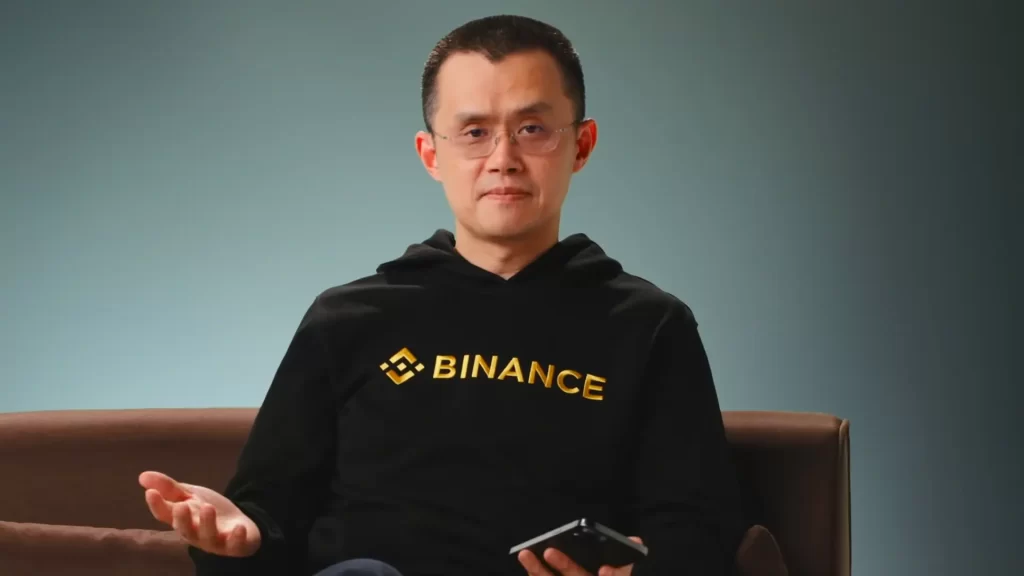
Binance, the prominent cryptocurrency exchange, recently disclosed its latest proof-of-reserves (PoRs) on August 1, showcasing transparency in its crypto holdings.
However, a significant development in its USD Coin (USDC) reserves raised eyebrows and sparked discussions on X (formerly Twitter).
Despite concerns, the recent reserve audit indicated that Binance holds an ample amount of cryptocurrency and cash to cover user funds.
The snapshot revealed that Binance’s net balances exceed 100% of its customers’ net balances for all assets, indicating a healthy financial situation.
Yet, the focus of discussions revolved around the movements in Binance’s USDC reserves after the collapse of Silvergate and the depegging of the stablecoin.
The PoR highlighted a drastic decrease in Binance’s USDC balance from $3.4 billion on March 1 to $23.9 million by May 1.
It was revealed that Binance initiated the internal conversion of customers’ USDC to Binance USD in September.
However, during that time, the exchange still held a significant amount of USDC in its reserves.
On-chain data pointed out that following Silvergate’s collapse on March 12, Binance swiftly converted its USDC reserves into Bitcoin (BTC) and Ether (ETH).
According to Twitter on-chain analyst Aleksandar Djakovic, Binance acquired approximately 100,000 BTC and 550,000 ETH between March 12 and May 1, amounting to around $3.5 billion, which coincided with the surplus of USDC in their reserves.
Despite queries from Cointelegraph, Binance remained unresponsive at the time of reporting, leaving the crypto community pondering the significance of these USDC reserve movements.
Coinbase CEO Brian Armstrong’s remark during the company’s Q2 earnings call meeting added to the intrigue.
Armstrong quipped that Binance had sold USDC for another stablecoin, further fueling discussions around the issue.
Proof-of-reserves (PoRs) have emerged as a popular method for crypto exchanges to demonstrate their holdings transparently to the public.
This approach gained traction after the collapse of FTX crypto exchange, raising calls for increased transparency in the crypto ecosystem.
The downfall of FTX in November 2022 had shaken the industry, with founders initially claiming a sound financial situation before its collapse.
In conclusion, Binance’s recent proof-of-reserves revealed a healthy financial situation overall, but the movements in its USDC reserves after Silvergate’s collapse became a focal point of discussion.
The crypto community emphasized the importance of transparency in the aftermath of the FTX debacle, prompting exchanges to disclose their holdings openly through PoRs.
Other Stories:
2024 Presidential Candidates’ Mixed Views on Crypto
Chamber of Digital Commerce Releases Report on SEC vs Ripple Ruling
Digital Currency Group Faces Regulatory Scrutiny Over Transactions with Genesis Global Capital
Despite a positive court ruling, XRP’s price failed to reach the anticipated levels, disappointing some investors, including pro-XRP lawyer John Deaton.
The cryptocurrency experienced a brief rally, but it did not surpass the $1 resistance level that many had hoped for.
This comes after several weeks since Judge Analisa Torres declared XRP as not being considered a security under certain circumstances, leading to a surge in the cryptocurrency’s price within the broader Web3 ecosystem.
Addressing a post from a user named Moon Lambo on social media, Deaton acknowledged that XRP had grown by 85% this year, suggesting an overall positive trend.
However, he attributed some users’ disappointment to unrealistic expectations.
While Deaton didn’t expect XRP to reach a new all-time high after the court ruling, he did hope for it to break the $1 resistance level, which ultimately did not happen.
READ MORE: Coinbase CEO Affirms Commitment to US Amid Regulatory Uncertainty
Instead, the token experienced a significant surge of over 70% following the ruling, reaching $0.84.
XRP’s all-time high occurred over six years ago at $3.84, and while surpassing that price level may be overly ambitious, Deaton remains optimistic about reaching the $1 mark.
However, he cautions that XRP’s price is closely linked to the performance of Bitcoin (BTC).
Deaton, not being a market analyst, expressed his belief that unless BTC retests its all-time high, it is unlikely to see significant bullish momentum in the price of XRP.
As of now, XRP is trading at $0.6283. Despite the recent court ruling, it seems that reaching the anticipated price targets for XRP remains uncertain, heavily influenced by the performance of the broader cryptocurrency market, particularly Bitcoin.
Investors and enthusiasts continue to monitor the situation closely to gauge the future prospects of XRP and its potential for price growth.
Other Stories:
Latvia Sees Decline in Crypto Asset Purchases Amidst Concerns Over Fraud and Money Laundering
U.S. Senators Call for Crackdown on North Korea’s Cryptocurrency Funding of Nuclear Program
Huobi, a prominent cryptocurrency exchange, experienced significant outflows totaling $64 million from August 5 to 6, amid persistent rumors surrounding its solvency and potential investigations by Chinese authorities.
As a result of these outflows, the exchange’s total value locked (TVL) decreased to $2.5 billion at the time of reporting, down from $3.09 billion on July 6.
The rumors initially surfaced on August 4, suggesting that Huobi’s leadership in China had been arrested due to alleged involvement with gambling platforms.
A spokesperson from Huobi swiftly dismissed these claims as fake news when speaking with Cointelegraph.
The rumors come in the context of growing scrutiny and tighter control over cryptocurrency exchanges within mainland China.
While at least one C-level executive has left Huobi in recent weeks, it remains uncertain whether this departure is related to the investigations in China.
The exchange’s head of social media also refuted the rumors on a social media platform, stating that Huobi is currently performing well.
Additional concerns about Huobi’s financial situation have been raised by Fintech executive and angel investor Adam Cochran.
He highlighted inconsistencies in the exchange’s Tether (USDT) holdings. Cochran referred to on-chain data from DefiLlama, indicating that Huobi held less than $90 million in assets across USDT and USD Coin (USDC) on August 5.
In contrast, Huobi’s latest “Merkle Tree Audit” claimed that users had $630 million in USDT held and a wallet balance of $631 million USDT. Cochran concluded that Huobi is potentially insolvent.
Despite these claims, Huobi has yet to respond to Cointelegraph’s request for clarification regarding the rumors of insolvency and discrepancies between on-chain data and its audit report.
In addition to the solvency concerns, Huobi faces challenges in other jurisdictions.
In May, the Malaysian securities regulator took enforcement action against the exchange, resulting in the closure of its operations in the country.
The situation surrounding Huobi remains fluid as investors and regulators closely monitor the developments.
The exchange’s reputation and stability are at stake as it navigates through the uncertainties surrounding its financial standing and potential legal issues in China and beyond.
Other Stories:
Coinbase CEO Affirms Commitment to US Amid Regulatory Uncertainty
Latvia Sees Decline in Crypto Asset Purchases Amidst Concerns Over Fraud and Money Laundering