

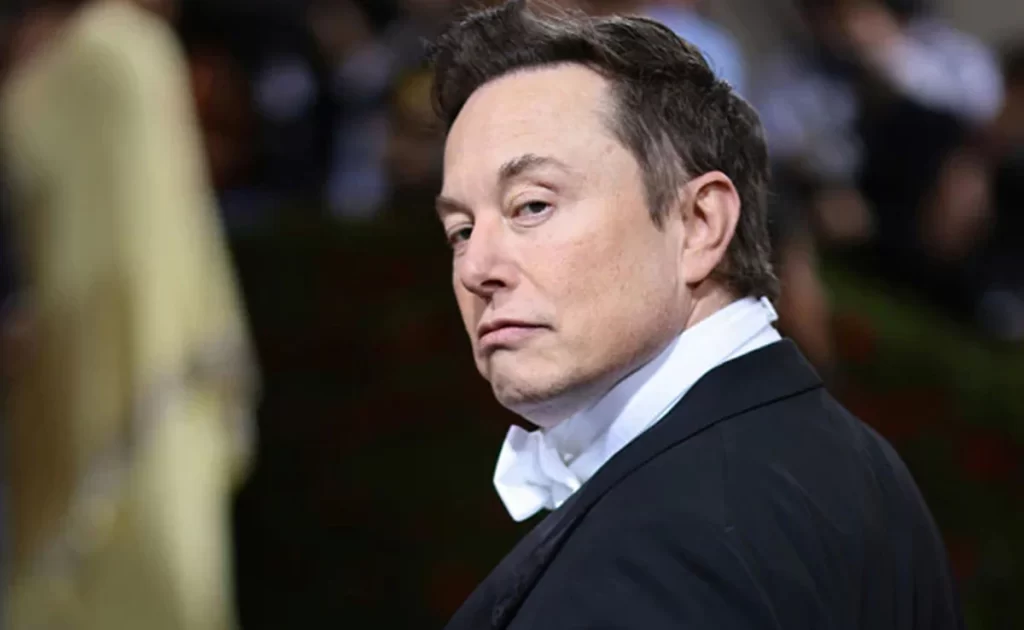
Elon Musk, the CEO of X (formerly known as Twitter), has quashed rumors about the platform launching its own crypto tokens.
In response to a post by DogeDesigner on Saturday, Aug. 5, Musk addressed the issue of scam tokens like X (X) and TwitterDAO (TWITTER) falsely claiming connections to the social media platform.
DogeDesigner had raised concerns in the crypto community, cautioning users about being wary of articles related to scam tokens and clarifying that neither Musk nor X had ever launched a crypto token. In his response, Musk categorically asserted, “And we never will.”
This statement comes after Musk had previously hinted at the possibility of integrating cryptocurrency as a payment option on X.
This had left traders speculating about whether he would introduce a specific crypto token or stick with his favorite, Dogecoin (DOGE).
READ MORE: Binance-Backed Solv Protocol Raises $6M in New Funding
The situation was further complicated with the appointment of Linda Yaccarino as the new CEO of X. This move had raised doubts among investors about the likelihood of a Dogecoin integration.
However, recent comments from Musk have revived optimistic sentiments among Dogecoin enthusiasts.
Musk had recently unveiled an ambitious vision for transforming Twitter into an all-encompassing platform, officially rebranding it as X, often referred to as the “everything app.”
Following Musk’s unequivocal confirmation that X has no plans to launch a crypto token, the price of Dogecoin experienced a surge of over 2% within a matter of hours, according to CoinMarketCap.
The reassurance from Musk regarding the absence of crypto token plans has provided some clarity to the market, boosting confidence among Dogecoin investors.
With the uncertainty surrounding X’s integration of Dogecoin dispelled, traders and enthusiasts alike are hopeful for the future of the popular meme-based cryptocurrency on the revamped X platform.
Other Stories:
Bitcoin to Breach $100,000 by 2024 Amidst Mining Industry Challenges
Adam DeVine Joins Forces with Bitget in Year-Long Crypto Ad Partnership
Gulf Nation Nears Implementation of Virtual Asset Regulations
The Chamber of Digital Commerce (CDC), a prominent U.S. blockchain and digital assets advocacy organization, recently released a detailed analysis of the U.S. Securities and Exchange Commission’s (SEC) lawsuit against Ripple.
The report, titled “SEC v. Ripple Ruling: Impact and Analysis,” delves into the implications of the case’s verdict and its potential consequences for the cryptocurrency industry.
One crucial aspect highlighted in the report is Judge Analisa Torres’s ruling, which establishes a significant precedent by differentiating between an investment contract and the underlying asset.
Specifically, the report focuses on Judge Torres’s categorization of Ripple’s XRP token distributions into three distinct classes: institutional sales, programmatic sales, and other distributions.
By applying the Howey test, she determined whether these distributions constituted an offer and sale of investment contracts.
The CDC expressed its contentment with the ruling, as it aligned with the organization’s amicus brief supporting Ripple.
Perianne Boring, the CDC’s founder and CEO, emphasized the ruling’s importance in laying the groundwork for future legal encounters within the crypto industry.
Boring stressed the need for a level playing field in the digital asset sector and reiterated the group’s commitment to advocating policies that support the United States’ leadership in the digital economy.
While Judge Torres’s ruling was a positive step towards rational crypto regulations, the CDC firmly believes that definitive regulatory clarity can only be achieved through effective legislation by Congress.
The report acknowledges that various blockchain and digital asset regulatory bills have been introduced in both the U.S. House and Senate.
READ MORE: Bitcoin to Breach $100,000 by 2024 Amidst Mining Industry Challenges
However, the CDC expressed uncertainty about the actual enactment of these bills, largely due to constraints posed by the legislative calendar.
Despite these challenges, the CDC remains steadfast in its advocacy for a comprehensive legal framework for digital assets, aiming to create an environment conducive to digital asset product launches.
It is worth noting that in February, the CDC accused the SEC of exceeding its authority and unfairly classifying crypto assets as securities in its insider trading case against former Coinbase employees.
This incident further underscores the importance of clear and well-defined regulations in the cryptocurrency space.
In conclusion, the CDC’s comprehensive report on the SEC’s lawsuit against Ripple sheds light on critical legal distinctions and potential implications for the crypto industry.
The organization remains committed to advocating for clear and effective legislation to provide certainty and support the growth of the digital asset sector in the United States.
Other Stories:
Binance-Backed Solv Protocol Raises $6M in New Funding
Gulf Nation Nears Implementation of Virtual Asset Regulations
Adam DeVine Joins Forces with Bitget in Year-Long Crypto Ad Partnership
Cryptocurrency exchange Coinbase, headquartered in the U.S., has submitted a motion to dismiss a lawsuit initiated by the Securities and Exchange Commission (SEC).
The SEC brought the lawsuit against Coinbase in June, approximately three months after the company received a Wells notice from the regulatory body.
In a legal document filed on August 4 with the U.S. District Court for the Southern District of New York, Coinbase’s attorneys argue that the SEC has overstepped its authority, abused its discretion, and misinterpreted securities laws in exercising certain regulatory oversight over the exchange.
They referenced the SEC v. Ripple case, pointing out that a judge had determined that XRP did not predominantly meet the definition of a security as per the commission’s existing standards.
In the lawsuit, the SEC has alleged that 12 tokens in question meet the criteria of “investment contracts” under the Howey test and therefore Coinbase has been operating as an unregistered broker.
Coinbase disputes this assertion, maintaining that the SEC’s challenges regarding its staking program lack legal standing.
READ MORE: Binance-Backed Solv Protocol Raises $6M in New Funding
The firm requested the court to dismiss the case, alleging that the SEC’s action was “punitive” and overstepped the regulatory powers given to it by Congress.
Coinbase announced its decision to file the motion to dismiss during an earnings call on August 3. The company continues to refute the SEC’s accusations that it could have violated securities laws through its activities.
Coinbase is not alone in facing SEC scrutiny. The regulator is also pursuing enforcement actions against Binance and Hex founder Richard Heart.
Recently, U.S. legislators have pushed legislation through committees that might reform the SEC’s authority over digital assets, should it become law.
Other Stories:
Gulf Nation Nears Implementation of Virtual Asset Regulations
Adam DeVine Joins Forces with Bitget in Year-Long Crypto Ad Partnership
Bitcoin to Breach $100,000 by 2024 Amidst Mining Industry Challenges

Massachusetts securities regulators have initiated an investigation into the use of artificial intelligence (AI) in the securities industry, expressing growing concerns about the potential implications of this emerging technology.
On August 3rd, William Galvin, the Secretary of the Commonwealth in Massachusetts, officially announced the investigation.
The commonwealth’s securities division had previously sent letters of inquiry to both registered and unregistered firms that were known to be utilizing or developing AI for their business operations within the securities industry.
The purpose of these letters was to gather data on how these companies were incorporating AI into their activities.
The targeted firms have until August 16, 2023, to respond to the regulator’s inquiries.
Among the aspects of AI utilization that particularly interest Galvin are the supervisory procedures that firms have in place to ensure that AI systems prioritize the interests of clients over those of the firm itself.
The securities division will also scrutinize the disclosure policies of firms that have already deployed AI.
Galvin stressed the significance of U.S. securities regulators in safeguarding investor protection regarding AI deployment.
He expressed concern that without proper disclosure and conflict consideration, this technology could potentially harm investors.
Aside from supervisory measures, Massachusetts securities regulators are also looking into marketing materials provided to investors that may have been generated using AI.
The global regulatory landscape has increasingly turned its attention to AI due to its rapid growth.
In the second fiscal quarter of 2023, major tech companies mentioned AI much more frequently during their earnings calls, indicating its prominence in business operations.
However, some regulators have been wary of the potential risks associated with AI for years. As early as 2017, the Financial Stability Board (FSB) voiced concerns about AI and machine learning in financial services.
One of the FSB’s specific concerns was the concentration of AI and machine learning services in a few large technology firms, potentially leading to natural monopolies or oligopolies.
This concentration could pose financial stability risks, as the disruption or insolvency of one of these firms could have widespread repercussions in the world of finance.
In light of these growing concerns, the Massachusetts securities division is taking proactive steps to investigate and understand the use of AI in the securities industry, aiming to protect investors and maintain financial stability in the face of advancing technological innovations.
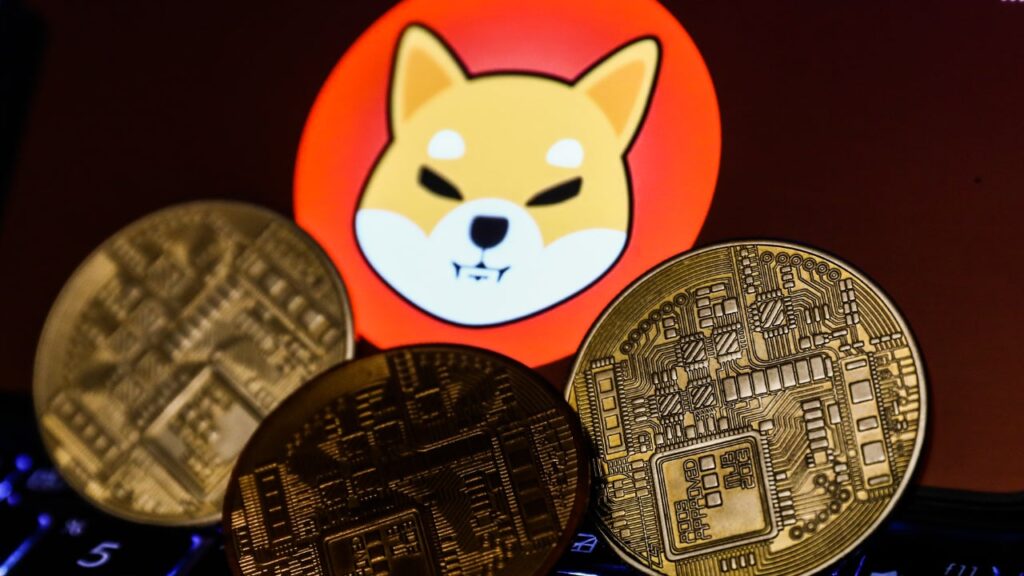
Shytoshi Kusama, the lead developer of Shiba Inu, has recently addressed Coinbase’s Onchain Summer campaign and suggested that it bore similarities to ideas originally proposed by the Shiba Inu community.
In response to Coinbase CEO Brian Armstrong’s update about the upcoming launch of the Base mainnet on Aug. 3, Kusama made a statement, “If it isn’t a shadowcat, it’s a copycat.”
Coinbase is gearing up to launch its Ethereum layer-2 solution, known as Base, on Aug. 9.
The goal of Base is to attract the next billion users to the blockchain ecosystem by providing tools for developing various Web3 products.
In anticipation of the Base mainnet launch, Coinbase organized a campaign named Onchain Summer, which is set to begin on the same day.
The campaign has sparked mixed reactions from the Shiba Inu community.
Coinbase’s announcement mentioned that the Onchain Summer event would coincide with the mainnet launch of Base and would encompass several weeks of celebration featuring art, music, and gaming.
READ MORE: Robinhood Turns Profitable in Q2 2023 Despite Revenue Dip
However, it’s worth noting that on July 15, the Shiba Inu team initiated the “Summer of Shibarium” campaign as a preparation phase leading up to the mainnet launch of its own layer-2 scaling solution.
Kusama hinted that Coinbase’s Onchain Summer initiative might have drawn inspiration from Shiba Inu, although the events themselves differ significantly in their respective activities.
At present, the Summer of Shibarium campaign is already underway, and the team has introduced numerous releases as part of their preparations for the Shibarium mainnet launch.
Some of the recent developments include the introduction of the Shibarium Beta Bridge and the Shibarium YouTube launch.
In conclusion, Shytoshi Kusama has expressed concerns about the similarities between Coinbase’s Onchain Summer campaign and ideas presented by the Shiba Inu community.
As both projects approach their respective mainnet launches, the crypto community will be closely watching the developments and impact of these initiatives on the blockchain ecosystem.
Other Stories:
Goldman Sachs Economists Predict AI to Surpass Electricity and PCs in Financial Impact on US Economy
Cryptocurrency-friendly trading neobank Revolut is ceasing its crypto services in the United States due to regulatory uncertainty.
In a statement to Cointelegraph on Aug. 4, the company revealed its decision to suspend all crypto services for U.S. users.
Collaborating with its U.S. banking partner, Revolut aims to halt access to cryptocurrencies through its platform starting from Sept. 2, 2023.
Subsequently, on Oct. 3, the firm will completely shut down crypto services on Revolut for U.S. customers, prohibiting them from buying, selling, or holding any cryptocurrencies.
The company’s spokesperson clarified that this move would impact only “1%” of its global crypto customers and asserted that Revolut would continue operating its non-crypto business in the United States.
While acknowledging the disappointment this decision may cause, the representative assured that crypto customers in the U.S. would receive all relevant information about the suspension through email communication from Revolut.
The dedicated support team would also be available through the in-app chat to address any concerns and questions.
READ MORE: Robinhood Turns Profitable in Q2 2023 Despite Revenue Dip
In late June, Revolut US had already announced the delisting of certain cryptocurrencies like Cardano (ADA), Polygon (MATIC), and Solana (SOL), with plans to proceed with delistings in September.
At that time, the platform supported around 30 cryptocurrencies in the United States.
The United States’ regulatory environment for cryptocurrencies has posed challenges not just for Revolut but also for other major crypto services.
Crypto.com, a global crypto exchange, suspended services to institutional clients in the U.S. in mid-June due to similar regulatory concerns.
Revolut’s decision to wrap up crypto services in the U.S. showcases the impact of regulatory uncertainty on the crypto industry.
As the company focuses on its non-crypto business in the U.S., it highlights the importance of clear and comprehensive regulations in the cryptocurrency space to foster innovation and ensure consumer protection.
Other Stories:
Goldman Sachs Economists Predict AI to Surpass Electricity and PCs in Financial Impact on US Economy

Onchain funding platform Solv Protocol has revealed that it’s secured $6M in fresh funding. The raise was completed with the support of a host of leading industry VCs. UOB Venture Management, Mirana Ventures, Emirates Consortium, Matrix Partners, Apollo Capital, HashCIB, Geek Cartel, Bing Ventures, and Bytetrade Labs all participated.
The raise comes at a propitious time for Solv, which recently launched V3 of its protocol. The latest version includes a host of improvements designed to make it easier for investors to access financial products on-chain. Solv boasts of connecting on-chain entities with over 15,000 individual and institutional investors through its vast liquidity network. Previous investors in the company have included Binance Labs and BlockchainCapital.
Solv Earn, its flagship product, enables users to browse available funds and to assess them on various criteria including APR, term, size, and status. This makes it easy for users to pick an investment fund that suits their goals, timeframe, and risk profile.
New Money for New Narratives
The crypto industry, DeFi in particular, is driven by constantly shifting narratives and evolving use cases. This presents an abundance of investment opportunities for those smart enough to identify emerging trends and position themselves accordingly. The last 12 months have witnessed the growth of liquid staking derivatives (LSD) which has given rise to its own DeFi vertical: LSDfi. This is one of many sectors that is now accessible through Solv.
As Solv Protocol CEO Ryan Chow explains, “New DeFi narratives, such as RWA and LSD, are driving speculation around the next iteration of DeFi summer. Solv V3 will focus on the RWA track, and is committed to introducing billions of dollars worth of income-generating assets for the industry through our fund platform, in preparation for the next phase of DeFi mass adoption.”
Bringing real world assets on-chain has the potential to multiply the TVL in DeFi protocols, moving it from billions of dollars to ultimately trillions. In the process, it stands to disrupt industries such as forex by introducing more consistent pricing and facilitating global access.
Laser Digital, a subsidiary of Japanese banking giant Nomura Securities, participated in the $6M round. Explaining his firm’s rationale behind writing a check, Laser’s Olivier Dang said: “Solv has built a trustless DeFi platform with a trusted institutional network, integrating brokers, underwriters, market makers, and custodians to create the first fund infrastructure on the blockchain, becoming an important infrastructure that bridges DeFi, CeFi, and TradFi liquidity.”
Solv Shines at the Right Time
Since launching V3 of its protocol in Q2 of this year, Solv has reported more than 25,000 users and over $100 million in trading volume. Its latest funding round has been completed at a time when TradFi and DeFi are closer than ever, with institutions now intent on gaining exposure to crypto in various forms. For some, this entails investing in web3 infrastructure, or migrating their existing processes to an on-chain environment, with the potential improvements this brings in terms of security, reducing counterparty risk, increasing transparency, and delivering faster settlement.
Other TradFi players are intent on gaining direct exposure to crypto assets, as evidenced by the spate of Bitcoin ETF filings that’s seen Wall Street bigshots saying nice things about crypto again. Given Thursday’s ruling that XRP doesn’t constitute a security, prompting speculation that the same classification may apply to other assets maligned by the SEC such as SOL, things are looking up for the industry.
With Solv sporting an experienced team including financial experts from Goldman Sachs and J.P. Morgan, the on-chain investment protocol is well placed to ride the wave of goodwill that should continue into 2024 and beyond.

Oman’s journey towards implementing its own virtual asset regulations is gaining momentum, as the Capital Market Authority (CMA) seeks public input on its proposed framework governing digital assets, including cryptocurrencies.
In a consultation paper released on July 27, the CMA revealed that it is diligently crafting a comprehensive regime for the virtual asset sector.
The objective is to create an alternative financing and investment platform for issuers and investors while mitigating the risks associated with virtual assets.
The consultation paper comprises 26 questions, designed to gather insights and opinions from industry stakeholders.
Key areas covered in the proposed framework include regulatory and licensing requirements for virtual asset service providers (VASPs), corporate governance, risk management, and virtual asset issuance.
The framework is planned to cover various types of virtual assets, such as utility tokens, security tokens, fiat-backed and asset-backed stablecoins, and other digital currencies that meet the Financial Action Task Force’s definition of virtual assets.
However, the issuance of privacy coins may face a potential ban, subject to feedback from the public.
To ensure accountability and compliance, VASPs might be required to establish a local presence in Oman through a legally established entity and physical office.
READ MORE: KPMG Report Finds Bitcoin Offers ESG Benefits
Additionally, minimum capital requirements might be imposed on them.
The proposed framework could also mandate virtual asset firms to hold only a small percentage of their assets in hot wallets, undergo regular audits of safeguarded assets, and demonstrate proof of reserves.
The CMA has set a deadline for public feedback until Aug. 17, with the possibility of key opinions being made public on their website. Following this consultation phase, the CMA will proceed to finalize the regulatory framework.
The groundwork for this initiative began earlier, with discussions on regulating the virtual asset industry in Oman commencing in November 2020.
A task force, comprising officials from the CMA and the Central Bank of Oman, was formed to study the feasibility of permitting or banning virtual asset activities.
In December 2022, consultants were brought in to aid in the establishment of the new regulatory regime.
The progress made by Oman in drafting and seeking public input on its virtual asset regulations reflects the country’s commitment to embracing financial innovation while ensuring proper safeguards against potential risks.
As the consultation phase concludes and the regulatory framework takes shape, Oman moves closer to providing a secure and regulated environment for virtual asset transactions within its borders.
Other Stories:
Robinhood Turns Profitable in Q2 2023 Despite Revenue Dip
ASIC Sues eToro Over Alleged Insufficient Screening Tests
Goldman Sachs Economists Predict AI to Surpass Electricity and PCs in Financial Impact on US Economy

American actor and comedian, Adam DeVine, has joined forces with crypto exchange Bitget in a year-long advertisement partnership.
The new campaign, titled “Crypto & Beach Houses,” features DeVine holding a smartphone while discussing internet phenomena, with prominent Bitget branding in the background.
In the video, DeVine humorously encourages viewers to trade crypto at any time and from anywhere, even from the comfort of their race car beds at 2:00 am, declaring that traditional business hours are a thing of the past.
Known for his roles in the comedy TV series Workaholics and the Pitch Perfect film franchise, DeVine’s presence aims to attract more attention to the cryptocurrency platform.
However, it’s important to note that DeVine’s appearance in the ad comes with a disclaimer stating that he is a paid actor and his views should not be considered as specific recommendations or financial advice.
Furthermore, he is not licensed as an investment advisor or broker-dealer in any jurisdiction.
Additionally, the ad is not intended for distribution in the United States or to any U.S. person, which suggests that the campaign is targeted toward international audiences.
This partnership between celebrities and crypto companies has been a trend in the industry, with varying degrees of success.
READ MORE: Goldman Sachs Economists Predict AI to Surpass Electricity and PCs in Financial Impact on US Economy
Some prominent figures, like Lindsay Lohan, YouTuber Jake Paul, and singer Akon, have faced legal action from the U.S. Securities and Exchange Commission for allegedly promoting crypto tokens without proper disclosures.
In the past, Hollywood icon Matt Damon was mocked for his appearance in Crypto.com’s advertisement that coincided with the start of the cryptocurrency bear market.
Meanwhile, football stars Cristiano Ronaldo and Lionel Messi have also ventured into the crypto space.
Ronaldo signed a multi-year non-fungible token partnership with Binance, while Messi currently serves as the brand ambassador for Bitget, the same company with which DeVine is now partnering.
As the crypto market continues to evolve, partnerships with celebrities can help raise awareness and interest in digital assets.
However, it’s crucial for both companies and celebrities to be transparent about their relationships and avoid making misleading claims.
Investors should always conduct thorough research and seek advice from licensed professionals before making financial decisions in the crypto space.
Other Stories:
ASIC Sues eToro Over Alleged Insufficient Screening Tests

Despite recent fluctuations in Bitcoin’s price, predictions of the cryptocurrency reaching six figures by the end of 2024 persist.
For publicly-listed Bitcoin miners, achieving a price above $100,000 may be imperative for their business profitability rather than just a hopeful forecast.
Bitcoin mining stocks have seen remarkable growth this year, outperforming Bitcoin itself in recent months.
While Bitcoin’s volatility has decreased and it has undergone a period of consolidation, mining companies’ stocks have surged by nearly 100% within a short span.
A report analyzing the mining industry, particularly Riot Platforms, reveals that even though Riot is expected to triple its mining capacity by 2024, it and other miners could face significant challenges due to the halving event.
The halving reduces BTC block rewards by 50%, effectively cutting miners’ revenue in half. To overcome this, some miners may resort to issuing new equity shares to finance their operations.
However, this can dilute existing shares and impede share price growth, even if the company’s fundamentals remain intact.
Furthermore, some mining stocks might already be overvalued at current levels, potentially indicating a decline in momentum if more BTC is sent to exchanges.
As a result, a considerable increase in Bitcoin’s price would be necessary for miners to stay profitable at the current hash rate levels.
The report suggests that Bitcoin would need to trade above $98,000 to justify Riot’s current valuation post-halving.
Hence, holding BTC mining stocks is deemed extremely risky, as the underlying fundamentals may not align with the current valuations that might not account for the upcoming Bitcoin halving.
READ MORE: Goldman Sachs Economists Predict AI to Surpass Electricity and PCs in Financial Impact on US Economy
Another report from Matrixport forecasts Bitcoin reaching $45,000 by year-end and $125,000 by the end of 2024.
The report emphasizes the significance of Bitcoin’s one-year high, historically marking the beginning of new crypto bull markets.
Previous occurrences of this signal were followed by bull markets materializing within 12-18 months.
This six-figure Bitcoin price prediction aligns with other projections, including Standard Chartered’s forecast of a $120,000 Bitcoin price by the end of 2024.
Interestingly, the latter prediction is based on the assumption that BTC miners will hold onto their Bitcoin instead of selling it before the halving.
In conclusion, despite recent price fluctuations, many experts still believe in the possibility of Bitcoin reaching six figures by the end of 2024.
For publicly-listed Bitcoin miners to remain profitable, a significant increase in Bitcoin’s price seems necessary, especially considering the effects of the halving event on mining revenues.
However, as with any financial prediction, there are inherent risks and uncertainties to be considered.
Other Stories:
Robinhood Turns Profitable in Q2 2023 Despite Revenue Dip