
A recent study conducted by the Network Contagion Research Institute (NCRI) has shed new light on the role of crypto-spouting Twitter bots in artificially inflating the prices of altcoins.
The study, published on August 2, utilized a sample of various FTX-listed cryptocurrencies and analyzed over 3 million tweets posted between January 1, 2019, and January 27, 2023, involving 18 altcoins.
The findings of the study revealed that Twitter bot activity played a crucial role in amplifying the value of these cryptocurrencies.
Notably, altcoins like The Sandbox (SAND), Gala (GALA), Gods Unchained (GODS), and LooksRare (LOOKS) showed signs of price influence due to tweet bot activity.
Almost half of the coins examined displayed an impact on prices as a result of this inauthentic activity.
Moreover, the study indicated that the volume of inauthentic tweets increased significantly after FTX posted about the token on social media.
This raised concerns about the potential involvement of FTX or Alameda Research in coordinating the bot activity to artificially inflate market values.
READ MORE: U.S. Judge Denies Motion to Dismiss SEC Lawsuit Against Terraform Labs
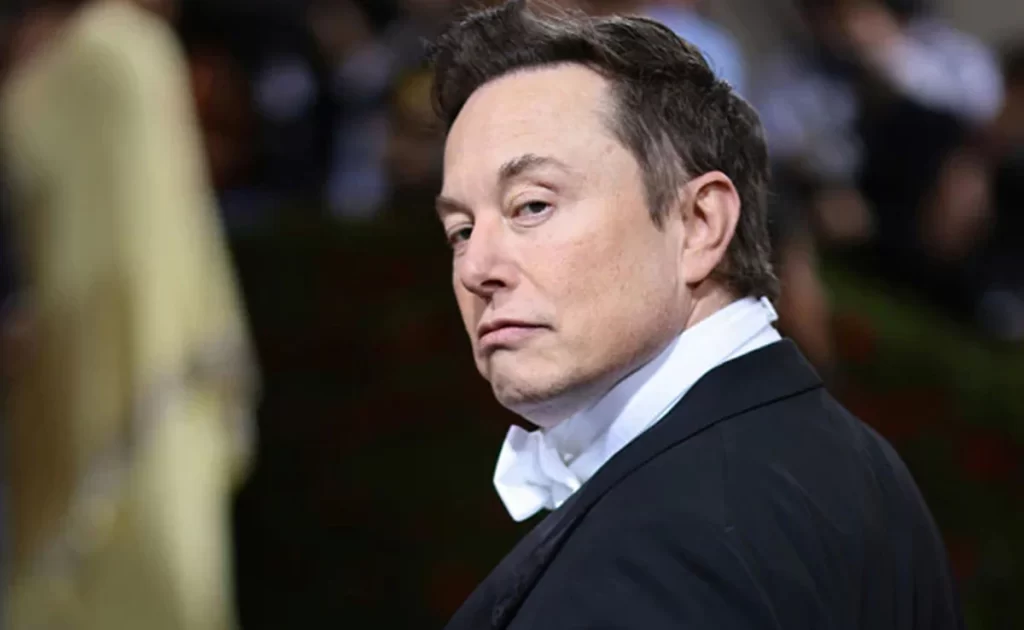
The researchers also investigated the impact of Twitter bot activity and Elon Musk’s crypto-related tweets on two memecoins, Pepe (PEPE) and PSYOP.
The study revealed a surge in newly created bot accounts just before the launch of PEPE, all of which subsequently tweeted about one of the two coins.
Additionally, both Pepe Coin and PSYOP were bolstered by two of Musk’s tweets that seemingly endorsed each token.
For instance, Musk’s Pepe meme tweet caused the token’s price to surge by over 50% within 24 hours.
The study raises questions about the potential ramifications of coordinated inauthentic activity on social media, not only in the cryptocurrency market but also in stocks and other securities.
The researchers cited the social media frenzy in 2022 surrounding so-called “meme stocks” like GameStop and AMC as an example of how such manipulative tactics could affect traditional financial assets.
In conclusion, the NCRI study has highlighted the significant impact of crypto-spouting Twitter bots on the prices of altcoins, suggesting that inauthentic networks deliberately deployed these bots to influence market values.
As the cryptocurrency market continues to evolve, it becomes increasingly important for regulators and platforms to be vigilant against such manipulative practices to maintain market integrity and protect investors.
Other Stories:
Decentralized Exchange on Coinbase’s Base Network Pauses Trading Amidst Concerns of Exploit
Binance CEO CZ Unveils Plan to Launch Smaller Algorithmic Stablecoins
IRS Issues New Ruling: U.S. Crypto Investors Must Report Staking Rewards as Gross Income

Hong Kong is set to expand its cryptocurrency trading options to individual investors as at least one exchange has secured regulatory approval to offer its services to retail users.
HashKey, a local digital asset firm, has achieved all the necessary licensing to extend its operations from catering to professional investors to including retail users.
The regulatory green light came from the upgrading of two significant licenses issued by the Hong Kong Securities and Futures Commission (SFC).
The first license, known as Type 1, permits HashKey to operate a virtual asset trading platform under the jurisdiction of Hong Kong’s securities laws.
The second license, Type 7, officially authorizes the firm to provide automated trading services to both institutional and retail users.
Notably, HashKey has become one of the pioneering licensed exchanges to offer retail cryptocurrency trading in Hong Kong.
Moreover, the firm has introduced its crypto over-the-counter (OTC) trading service, HashKey Brokerage, which complies with local securities laws, following the implementation of a new crypto regulatory framework by the SFC.
READ MORE: Decentralized Exchange on Coinbase’s Base Network Pauses Trading Amidst Concerns of Exploit
Livio Weng, the Chief Operating Officer of HashKey Group, expressed confidence in the establishment of licensed trading platforms and the increased clarity of regulatory frameworks in Hong Kong.
He believes that this will result in enhanced transparency and significantly boost investor confidence.
HashKey is not alone in this development, as OSL, another local crypto firm, has also received an uplift to its existing license from the SFC.
This enables OSL to offer Bitcoin (BTC) and Ether (ETH) trading to retail investors immediately. Dave Chapman, OSL’s co-founder, emphasized that the licensing uplift would allow OSL to facilitate digital asset access for retail investors.
This news follows an announcement from a Hang Seng Bank executive who asserted that crypto companies can only open bank accounts after obtaining an approval-in-principle license from the SFC.
As of early August, OSL and HashKey were reportedly the only exchanges to have received such approval.
The expansion of cryptocurrency trading exposure to individual investors marks a significant step in Hong Kong’s evolving crypto landscape, offering increased opportunities for retail participation in the market.
Other Stories:
IRS Issues New Ruling: U.S. Crypto Investors Must Report Staking Rewards as Gross Income
U.S. Judge Denies Motion to Dismiss SEC Lawsuit Against Terraform Labs
Binance CEO CZ Unveils Plan to Launch Smaller Algorithmic Stablecoins

BlockFi, the cryptocurrency lender undergoing reorganization, has taken a significant step forward as the United States Bankruptcy Court for the District of New Jersey conditionally approved its disclosure statement.
The company released a joint statement with the Official Committee of Unsecured Creditors on August 2, 2023, urging all eligible parties to vote in favor of the plan before the September 11 voting deadline.
This approval is crucial as it will lead to the resolution of the Chapter 11 cases and the eventual return of client funds.
Once the bankruptcy plan obtains the necessary approval, BlockFi aims to focus on recovering funds from various defunct firms, including Alameda Research, FTX, Three Arrows Capital, Emergent, Marex, and Core Scientific.
The primary objective is to optimize the recovery of client funds while also countering potential claims by third parties that could dilute client assets.
The plan offers clients the option for releases if they don’t opt out of a voluntary third-party release.
This release would exempt them from any claims and causes of action that BlockFi might have against them.
However, this release does not apply to clients who withdrew $250,000 or more from BlockFi Interest Accounts (BIA) or BlockFi Private Client (BPC) Accounts on or after November 2, 2022.
Additionally, the plan stipulates that BlockFi will not reclaim amounts under $250,000 that clients properly transferred from BIAs or BPCs to BlockFi Wallet and subsequently withdrew from Wallet before the platform’s pause on November 10, 2022.
READ MORE: Decentralized Exchange on Coinbase’s Base Network Pauses Trading Amidst Concerns of Exploit
Furthermore, clients with claims under $3,000 or those who choose to reduce their claim to $3,000 will be part of the convenience claim class and receive a one-time cash distribution from the BlockFi estate equal to 50% of their claim.
In another development, the United States Securities and Exchange Commission (SEC) has agreed to postpone the collection of a $30 million fine from BlockFi until creditors are fully repaid.
This fine constitutes the remaining balance of a $50 million settlement reached with the regulator in February 2022.
With the conditional approval of the disclosure statement, BlockFi is inching closer to resolving its bankruptcy cases and ensuring the return of funds to its clients.
The company urges all eligible parties to vote in favor of the plan before the voting deadline to move forward with the reorganization process successfully.
Other Stories:
Binance CEO CZ Unveils Plan to Launch Smaller Algorithmic Stablecoins
U.S. Judge Denies Motion to Dismiss SEC Lawsuit Against Terraform Labs
IRS Issues New Ruling: U.S. Crypto Investors Must Report Staking Rewards as Gross Income
Between March and May, BlackBerry’s cybersecurity division thwarted over 1.5 million cyberattacks, unveiling malware families that attempt to take control of computers for mining or theft of cryptocurrencies.
Finance, healthcare, and government sectors were found to be the most affected, as per the BlackBerry report.
The report highlighted a prevalent malware named RedLine, a perennial financial threat involved in the collection of cryptocurrency and banking data.
Another significant threat was the Clop ransomware, a version of the CryptoMix ransomware family, which particularly aimed at banking and financial organizations, causing the data breach of Hatch Bank, a fintech platform.
The most widespread malware families in BlackBerry’s data include SmokeLoader, RaccoonStealer, and Vidar. SmokeLoader, dating back to 2011, has mainly been utilized by Russian-based threat actors to deploy crypto miners and other malware.
READ MORE: Decentralized Exchange on Coinbase’s Base Network Pauses Trading Amidst Concerns of Exploit
RaccoonStealer has been implicated in stealing cryptocurrency wallet data and is purportedly being traded on the dark web. Vidar is another malware extensively used to harvest cryptocurrency wallets.
Linux stood out as the most targeted operating system. BlackBerry suggests that organizations using Linux should frequently update their security patches, as hackers often hijack Linux-based computers to mine cryptocurrencies.
Atomic macOS, a new breed of infostealer, primarily targets macOS users, collecting credentials from keychains, browsers, and crypto wallets.
In response to the growing cybersecurity threat, OpenAI, the developer of ChatGPT and Dall-e, announced a $1 million grant program to promote the development of AI-driven cybersecurity technologies.
The company stated in its official announcement, “Our aim is to foster the advancement of AI-driven cybersecurity capabilities for defenders through grants and additional assistance.”
This initiative underscores the urgent need for advanced cybersecurity measures in the face of an evolving threat landscape.
Other Stories:
U.S. Judge Denies Motion to Dismiss SEC Lawsuit Against Terraform Labs
Binance CEO CZ Unveils Plan to Launch Smaller Algorithmic Stablecoins
IRS Issues New Ruling: U.S. Crypto Investors Must Report Staking Rewards as Gross Income

Los Angeles, California, August 3rd, 2023, Chainwire
Entertainment and gaming franchise WAGMI Games has unveiled key appointments who will lead its quest to transform web3 entertainment. A number of flagship hires have been onboarded to the mobile-first gaming company with experience of leading global gaming studios.
WAGMI Games has sought to acquire top talent from established games companies whose skills can be brought to bear within a web3 environment. Chief among these is Esteban Gil, who led top-grossing mobile game Garena Free Fire and served as LPM (Lean Portfolio Management) at Respawn and Apex Legends. Esteban has assumed a similar role at WAGMI, where he will oversee business strategy development, with a focus on driving consumer-oriented products.
Esteban Gil said: “I’m excited to apply the skills and experience I’ve gained from the mobile space to the world of web3 and NFT technology. I believe that these technologies have the potential to revolutionize the gaming industry, and I’m thrilled to be a part of that journey. By leveraging these cutting-edge technologies, we can deliver even more engaging and immersive gaming experiences to our fans around the world.”
In addition, WAGMI Games has announced the appointment of Brent Pease, former Director of Operations at Electronic Arts. The highly experienced executive has assumed a combined COO/GM role at WAGMI, overseeing operations with a focus on implementing key growth strategies. Brent is a widely respected figure within the gaming industry, having founded Industrial Toys before assuming a senior role at Electronic Arts, which acquired his startup.
Brent Pease said: “’I am honored to have been asked to bring my 30 years of experience in building games and companies to this incredible team of passionate creators. This is the most exciting vision for players I have seen and I look forward to making amazing games at WAGMI that thrill our ever-growing community.”
WAGMI Games is on a mission to drive mass adoption of web3 games, which currently attract just 3% of the 3 billion players who regularly participate in gaming. The WAGMI team is confident that through driving down the barriers to participation, including onboarding friction and crypto wallet requirements, it can create highly engaging games that are mass market ready.
To solve these challenges, WAGMI Games has assembled a skilled team of professionals with a proven track record of developing and successfully launching blockbuster gaming titles. This talented lineup of founders, high-level executives, and producers are ideally qualified to refine every conceivable touchpoint, resulting in a gaming experience that delivers all of the upsides to web3.
“To have AAA talent like Brent and Estaban join our team is a real testament to what we are building,” states Ian Bentley, CEO. “They see clearly not only our vision as a franchise, but also this once in a lifetime opportunity to be a part of history in evolving the gaming space.”
From production and management to game balancing and marketing, WAGMI Games has meticulously recruited outstanding candidates for each role, making it optimally positioned to fulfil its promise of creating mainstream web3 games with viral appeal and longevity.
WAGMI’s ability to convince Esteban Gil and Brent Pease to join its team are a testament to the company’s vision and an endorsement of web3 gaming. At WAGMI, they will play a key role in helping the company bring mobile gaming to a new audience. Brent’s extensive experience and extensive network of contacts will be instrumental in driving WAGMI Games’ growth, while Esteban is leading a comprehensive redesign of the company’s game economy, meticulously organizing live operations and future expansions.
About WAGMI Games
WAGMI Games is a community-led entertainment franchise combining high-fidelity graphics, sustainable in-game economies and vibrant communities to create a first of its kind crypto gaming experience. By enabling players to purchase assets using fiat in-app, WAGMI bypasses the limitations of existing web3 applications while onboarding a new generation of users to digital collectible and the power of player-owned assets.
Learn more: https://wagmigame.io/
Contact
Dan Edelstein
[email protected]

The United States Securities and Exchange Commission (SEC) is moving forward with its lawsuit against Terraform Labs, as a U.S. judge overseeing the case denied the firm’s motion to dismiss on July 31.
This legal battle began on February 16 when the SEC filed a suit against Terraform Labs and its founder, Do Kwon, accusing them of orchestrating a multi-billion dollar crypto asset securities fraud.
Terraform Labs’ legal representatives tried to have the case dismissed in April, followed by additional materials supporting their motion in June.
Judge Jed Rakoff of the Southern District Court of New York reviewed the arguments and found that, for the purpose of this motion, all well-pleaded allegations must be taken as true, and all reasonable inferences must be drawn in favor of the SEC.
Terraform Labs had argued that the SEC lacked jurisdiction over the company and its founder.
They also contested the agency’s classification of tokens like Mirror Protocol (MIR), Terra Classic (LUNC), and TerraUSD Classic (USTC) as securities.
Terraform Labs further suggested that the SEC should wait for Congressional action on crypto regulation.
However, Judge Rakoff rejected the claim that the SEC lacked the authority to regulate crypto tokens without Congressional authorization.
READ MORE: Liquid Staking Tokens Poised to Dethrone Ethereum’s Ether (ETH) as Dominant DeFi Asset
He also disagreed with Terraform Labs’ reliance on the “Major Questions Doctrine.”
The judge extensively analyzed the Howey test, an important legal framework for determining whether an asset qualifies as a security.
He emphasized that no formal contract is necessary to meet the Howey test, and tokens themselves may be considered securities in court arguments.
Furthermore, Judge Rakoff rejected the idea of distinguishing between tokens like MIR and LUNA based on their manner of sale.
This rejection contrasts with a similar case involving Ripple Labs Inc., where another judge had drawn such a distinction.
The Ripple case involved the SEC’s claim that XRP was not a security when sold on the secondary market, which was partially accepted, providing Ripple with a partial win.
With Judge Rakoff’s ruling, the SEC’s case against Terraform Labs continues, indicating that the court is not following the same approach as in the Ripple case.
This ruling might have implications for future cases involving crypto assets and could set a precedent for the SEC’s regulation of the crypto industry.
Other Stories:
SEC Chairman Gary Gensler Raises Alarm Over Widespread Fraud in Crypto Market
BNB Smart Chain (BSC) Hit by Copycat Attacks
Bitcoin’s Reduced Volatility Sparks Anticipation for Exciting Long-Term Bull Signal
Singapore, Singapore, August 2nd, 2023, Chainwire
OKX, a leading Web3 technology company, today announced the launch of a new account abstraction-powered Smart Account feature on its OKX Wallet, enabling users to pay for transactions on multiple blockchains using USDC or USDT.
OKX Wallet will soon launch additional account-abstraction powered features, including social recovery functionality. This will enable users to select trusted “guardians” from their social network to help them recover their Smart Account if they lose their keys.
OKX Wallet is one of the first wallets in Web3 with multi-chain account abstraction support. With Smart Account, users can now interact with multiple contracts in a single transaction. This enhances composability for advanced users and adds convenient features for beginners, creating a more user-friendly and intuitive wallet experience.
OKX Chief Innovation Officer Jason Lau said: “Our aim is to provide our users with the most accessible, secure, and powerful Web3 gateway. The Smart Account feature will play a significant role in achieving this goal. Account abstraction technology is a game-changer for the broader adoption of Web3 and enables new use cases and user experiences. We are excited to share more as we continue to build on top of this feature.”
Account abstraction simplifies crypto transactions by enabling the creation of Web3 wallet accounts that conceal the more technical details of their on-chain interactions behind a more accessible and user-centric interface. This is achieved by combining users’ smart contracts and Externally Owned Accounts (EOAs) into a single “smart” account, providing a more unified Web3 experience.
The account abstraction-powered Smart Account simplifies some of the complexities of blockchain transactions; for example, one of the biggest painpoints that users face is the need to navigate the complex transaction process and decipher technical terms such as ‘gas fees’ and ‘Gwei.’ Smart Account addresses this painpoint by reducing the number of steps required to complete a token swap or trade to just one click.
OKX Chief Marketing Officer Haider Rafique said: “We promised our customers and the larger DeFi community that we would prioritize security and interoperability as we build our Web3 wallet and apps. We support 60+ cross-chains, Multi-Party Computation (MPC), and now with Smart Account, we offer a stablecoin account that can interact with transactions on multiple blockchains without the need for a specific blockchain’s native token, with a social recovery feature coming soon. This is a game-changer, and we believe it has the ability to make transactions between chains a lot more seamless.”
Additional benefits of OKX Wallet’s Smart Account feature include:
Gas fee-related
- The option to pay for gas on any of the supported chains using stablecoins USDC and USDT.
- Users can also conduct gasless transactions if third-party dApps choose to sponsor their on-chain interactions.
- Elimination of the need for users to pay gas fees with each individual chain’s native token.
Simplified token swaps and staking
- Smart Account combines multiple stages of the swap and staking process into a single step. Users can exchange tokens and earn interest by staking crypto with just one click.
OKX Wallet currently supports account abstraction technology on seven blockchains: Ethereum, Polygon, Arbitrum, Optimism, BNB Chain, Avalanche and OKT Chain. It is also the first Web3 wallet to utilize multi-party computation (MPC) technology across 37 blockchains, eliminating the need for traditional written down keys and seed phrases by splitting a user’s private key into three parts, greatly improving security and eliminating a single point of failure.
About OKX
A leading global technology company driving the future of Web3, OKX provides a comprehensive suite of products to meet the needs of beginners and experts alike, including:
- OKX Wallet: The world’s most powerful, secure and versatile crypto wallet which gives users access to over 50 blockchains while allowing them to take custody of their own funds. The wallet Includes MPC technology which allows users to easily recover access to their wallet independently, removing the need for traditional, ‘written down’ seed phrases
- DEX: A cross-chain decentralized exchange which aggregates nearly 200 other DEXs, with 200,000+ coins on more than 10 blockchains available.
- NFT Marketplace: A multi-chain, zero-fee NFT marketplace that gives users access to NFT listings across seven top-tier marketplaces including OpenSea, MagicEden, LooksRare and Blur.
- Web3 DeFi: A powerful DeFi platform that supports earning and staking on 80 protocols across 15 chains.
OKX partners with a number of the world’s top brands and athletes, including: English Premier League champions Manchester City F.C., McLaren Formula 1, The Tribeca Festival, Olympian Scotty James, and F1 driver Daniel Ricciardo.
As a leader building innovative technology products, OKX believes in challenging the status quo. The company recently launched a global brand campaign entitled, The System Needs a Rewrite, which advocates for a new paradigm led by Web3 self-managed technology.
To learn more about OKX, download our app or visit: okx.com
Disclaimer
The information displayed is strictly for educational and informational purposes only. It does not constitute and shall not be considered as an offer, solicitation or recommendation, to deal in any products (including any NFT or otherwise), or as financial or investment advice. Both OKX Web3 Wallet and OKX NFT Marketplace are subject to separate terms of service at www.okx.com.
Contact
Seoul, South Korea, August 3rd, 2023, Chainwire
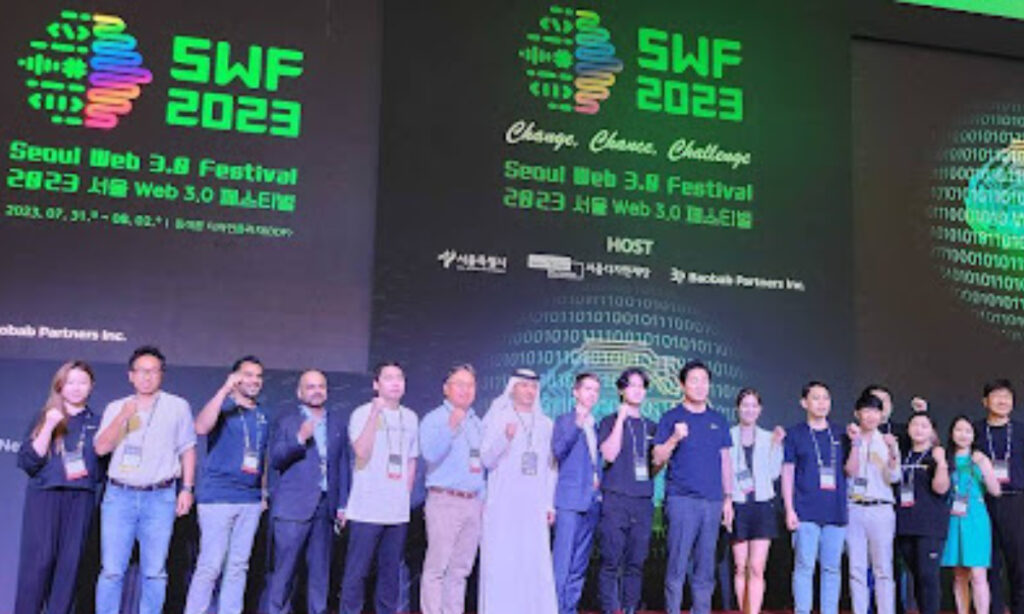
The inaugural edition of the Seoul Web3 Festival, hosted by Seoul City, Baobab Partners, and the Seoul Design Foundation with the support of Cronos Labs, reached a successful conclusion today after 3 days of hackathon, start-up demonstrations and NFT exhibition.
65 teams, representing 245 team members, were selected to participate in the hackathon. They received hands-on mentoring and technical support from Cronos Labs so that they could build Web3 projects on the Cronos blockchain. 10 winning projects were selected by the jury based the innovative nature of their solution, as well as their potential to drive mass adoption of Web3 and their positive impact on underprivileged communities.
Hackathon judges included representatives from Cronos Labs, Crypto.com, Microsoft, Alibaba Cloud and Ledger.
Finalist teams delivered innovative prototypes such as: a tool that leverages AI to remove sensitive biometric data from NFT images uploaded to decentralized storage; a voice identification app based on AI and zero-knowledge proofs to warn users in case of phishing scams; and various DAO protocols which take advantage of the wisdom of the crowd to report natural disasters or safety hazards.
Ken Timsit, Managing Director of Cronos Labs, said: “I am grateful for the opportunity to accompany the City of Seoul for the inaugural edition of the Seoul Web3 Festival. Cronos Labs mobilized some of our most experienced blockchain specialists in order to provide in-person support to hackathon participants. The connections forged with the local developer community are sure to create a strong pipeline of interest for the various Cronos ecosystem development programs such as the Cronos Builders Program, the Ecosystem Grant Program and the Cronos Accelerator Program.”
Cronos Labs views Korea as a top crypto market, and views Korea’s developer ecosystem as a major contributor to the global DeFi and GameFi markets. Cronos’ significant participation in the Seoul Web3 Festival highlights the growing global interest in the Korean crypto and blockchain industry.
About Cronos
Cronos (cronos.org) is the leading EVM-compatible layer 1 blockchain network built on the Cosmos SDK, supported by Crypto.com, Crypto.org and more than 500 app developers and partners. The mission of Cronos is to make it easy and safe for the next billion crypto users to adopt self-custody in Web3, with a focus on DeFi and GameFi.
Cronos has skyrocketed to a top 10 position among all chains and is adopted by >1 million users. The chain is powered by the Cronos ($CRO) cryptocurrency, which supports an ecosystem of more than 80 million users worldwide.
To build on Cronos, application developers can leverage: all the major Ethereum developer tools; Cronos Play, a suite of tools and integrations for Unity, C++ and Unreal games; IBC cross-chain connectivity to Cosmos chains; and a rich ecosystem of composable DeFi and GameFi Dapps.
Cronos Labs is the R&D, ecosystem development, and start-up accelerator arm of the Cronos chain.
Contact
Avishay Litani
[email protected]
Hong Kong, Hong Kong, August 2nd, 2023, Chainwire
Terminal 3, a Hong Kong-based Web3 startup, has successfully raised an oversubscribed pre-seed round to build user data infrastructure for a decentralized future. The company announced today a world-class investor group comprising 500 Global, CMCC Global, Consensys Mesh, Bixin Ventures, BlackPine, DWeb3, Hard Yaka, Bored Room Ventures, Mozaik Capital, and others.
The company aims to replace centralized data storage that deprives users of privacy and saddles enterprises with compliance and security issues and their associated costs. Terminal 3 leverages decentralized storage and zero-knowledge proofs to empower an equitable Web3, where user data is freely composable while remaining fully private and secure.
“The continued growth in blockchain allows us to reimagine digital data ownership and security,” said Gary Liu, CEO of Terminal 3. “We believe that data should flow freely between applications to drive innovation and improve user experience, but not at the expense of personal privacy and control.”
Terminal 3 was co-founded by Gary Liu alongside his partners Malcolm Ong (CPO) and Joey Liu (COO). All three were former entrepreneurs and business leaders who have built, scaled, and transformed some of the world’s leading technology companies. The co-founders previously worked together at the South China Morning Post, where they led the historic newspaper’s successful digital transformation. Gary was the Post’s CEO, while Malcolm and Joey were SVP of Product and Head of Strategy respectively.
Malcolm was also the Co-founder and CTO of Skillshare, the world’s largest online learning community for creativity, while Gary and Joey co-founded Artifact Labs, a Web3 startup backed by Blue Pool Capital and Animoca Brands that is preserving historical assets on the blockchain. Gary is also the Founding Chair of Web3 Harbour, an association in Hong Kong serving Web3 builders, investors, users, and leaders.
“I believe Gary, Malcolm, and Joey are perfectly suited to address data privacy problems that plague the internet,” said Vishal Harnal, Managing Partner at 500 Global. “Their mix of consumer startup success and expertise in enterprise technology could help bridge a critical gap between the old world of centralized data and the new world of decentralized identity.”
Growing Need for Alternative Data Infrastructure
Over the past five years, new regulations on data privacy have created a stringent environment for the storage and use of personal information worldwide. Led by Europe’s General Data Protection Regulation (GDPR) and China’s Personal Information Protection Law (PIPL), global regulators and lawmakers are increasingly holding enterprises accountable for the protection of individual privacy. This trend is set to continue with the approval of the Digital Market Act in Europe and upcoming GDPR-inspired laws in the United States and around the world.
US and UK corporations have spent over US$9 billion on GDPR compliance since 2018, with those investing incurring average costs of US$1 million annually. However, over 40% of companies still lack any budget for such compliance while GDPR fines continue to grow, with Meta alone sustaining over US$2.3 billion in penalties.
Data security is also a costly enterprise concern as data breaches accelerate in frequency. Global spending on data security and risk management products is projected to exceed US$188 billion in 2023. However, in a world where 90% of companies rely on multi-cloud environments, data privacy and security issues will grow regardless of investment.
Blockchain technology is increasingly viewed by corporate executives as a solution for user data privacy and security. In a recent survey of US Fortune 500 companies, Coinbase found that 51% of enterprises that use or plan to use blockchain employ the technology for ‘Data Collection and Management’.
“Terminal 3 is a compelling alternative to the non-compliant and unsecured data infrastructure that enterprises rely on today,” said Shawn Cheng, Partner at Consensys Mesh. “Data regulations and security laws are becoming more stringent around the world, and companies are finally realizing that self-sovereign data is a great solution for both users and enterprises. We are excited to be involved in this important project.”
“Scaling Web3 will require the re-invention of core enterprise technologies,” added Gary Liu. “Terminal 3 is building solutions that serve both corporations and individuals, to enable this critical shift in our digital world.”
About Terminal 3
Terminal 3 is a Hong Kong-based Web3 startup building user data infrastructure for a decentralized future. The company’s solutions are an alternative to centralized data storage that deprives users of privacy and saddles enterprises with compliance and security concerns. Terminal 3 leverages decentralized storage and zero-knowledge proofs to empower an equitable Web3 where user data is freely composable while remaining fully private and secure. The company’s founders are successful corporate executives and entrepreneurs, who have built, scaled, and transformed some of the world’s most important companies. Terminal 3 is also backed by world-class investors including 500 Global, CMCC Global, Consensys Mesh, Bixin Ventures, BlackPine, DWeb3, Hard Yaka, and Bored Room Ventures.
For more information about Terminal 3, please visit Terminal 3’s: Official Website | Twitter | LinkedIn
Contact
Joey Liu
Terminal 3
[email protected]
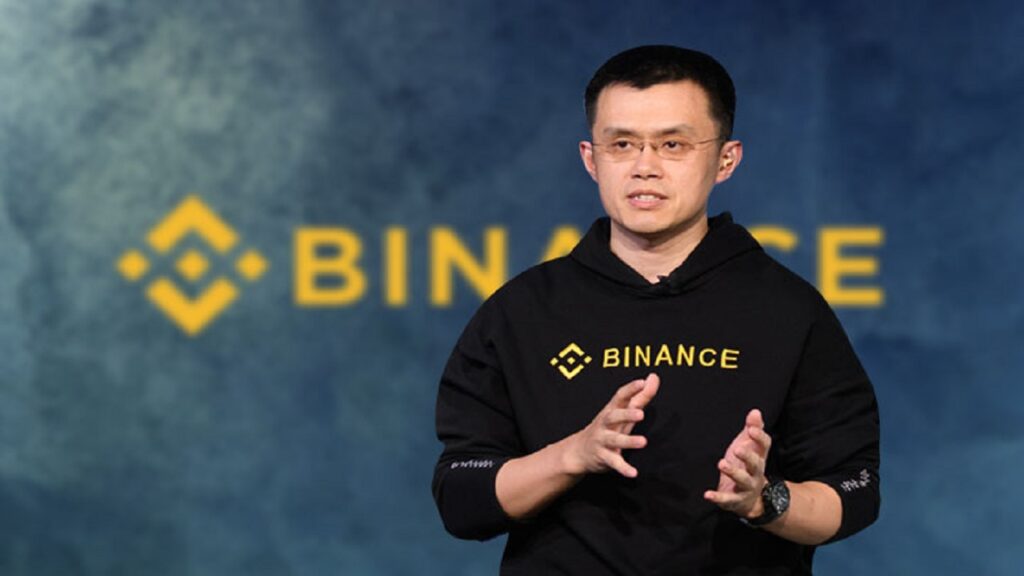
Binance CEO Changpeng “CZ” Zhao is planning to introduce smaller algorithmic stablecoins to provide investors with alternatives to the existing dominant stablecoin giants in the market.
During a recent Twitter “ask me anything” (AMA) session on July 31, CZ expressed concerns about the risks associated with large stablecoins like Tether (USDT) and Binance USD (BUSD).
He highlighted the lack of transparency with Tether, which is the largest stablecoin by market cap, as there have been no audit reports available to verify its reserves.
Even supposedly well-regulated stablecoins like Binance USD come with unforeseeable risks, as evidenced by Paxos Trust Company’s termination of its partnership with Binance and the New York Department of Financial Services’ order to cease minting new BUSD stablecoins.
To mitigate these risks, CZ revealed that Binance is actively working on developing algorithmic stablecoins.
Additionally, the company aims to diversify its stablecoin partnerships to spread potential risk across multiple assets. CZ emphasized the importance of not placing all their bets on a single stablecoin, given the inherent risks involved.
Binance has plans to launch the First Digital USD in Hong Kong and is exploring new stablecoin options in Europe.
First Digital USD is a programmable stablecoin pegged to the U.S. dollar and managed by First Digital Group, licensed in Hong Kong. It was recently listed on the Binance platform.
However, Binance is facing regulatory uncertainty, as evidenced by the $1 billion lawsuit brought against CZ and the company by the Commodities Futures Trading Commission, which CZ seeks to dismiss, alleging overreach of jurisdiction.
READ MORE: SEC Chairman Gary Gensler Raises Alarm Over Widespread Fraud in Crypto Market
Additionally, the U.S. Securities and Exchange Commission filed a lawsuit against Binance, CZ, and affiliated entities on June 5, accusing them of involvement in the sale of unregistered securities, fraud, and conflicts of interest.
In conclusion, CZ’s strategy to introduce smaller algorithmic stablecoins and diversify stablecoin partnerships aims to offer investors more options and reduce potential risks associated with dominant stablecoins in the market.
Despite facing regulatory challenges, Binance is forging ahead with its stablecoin initiatives and expansion plans into different regions.
Other Stories:
Liquid Staking Tokens Poised to Dethrone Ethereum’s Ether (ETH) as Dominant DeFi Asset
Bitcoin’s Reduced Volatility Sparks Anticipation for Exciting Long-Term Bull Signal