
Aragon, a decentralized organization platform, has put defensive measures in place in response to Arca, an investment management firm, acquiring a 51% stake in Aragon’s native token, ANT. This significant ownership puts Aragon at risk of a 51% attack, which could compromise the network’s security and decision-making process.
To protect the platform, Aragon’s management has introduced a series of protective measures. These include the creation of a new token, Aragon Network Token 2 (ANTv2), which will replace the original ANT token. ANT token holders will be able to convert their holdings to ANTv2 at a 1:1 ratio, effectively diluting Arca’s stake and mitigating the threat of a 51% attack.
In addition to introducing the new token, Aragon has also established a multisignature governance mechanism called the Aragon Community Multisig. This mechanism will require multiple signatories to approve decisions, further securing the platform against unilateral control by a single entity.
Arca had initially acquired the ANT stake with the intention of initiating governance proposals to benefit its investors, but Aragon’s preemptive actions have significantly reduced the risk of a 51% attack. Aragon’s commitment to decentralized governance and network security sends a strong message to other organizations in the space, encouraging them to remain vigilant and proactive in addressing potential threats.
As the world of decentralized organizations continues to evolve, it is crucial for platforms like Aragon to stay ahead of potential vulnerabilities and maintain the integrity of their networks. By implementing these protective measures, Aragon has demonstrated its dedication to securing its ecosystem and safeguarding the interests of its community members.
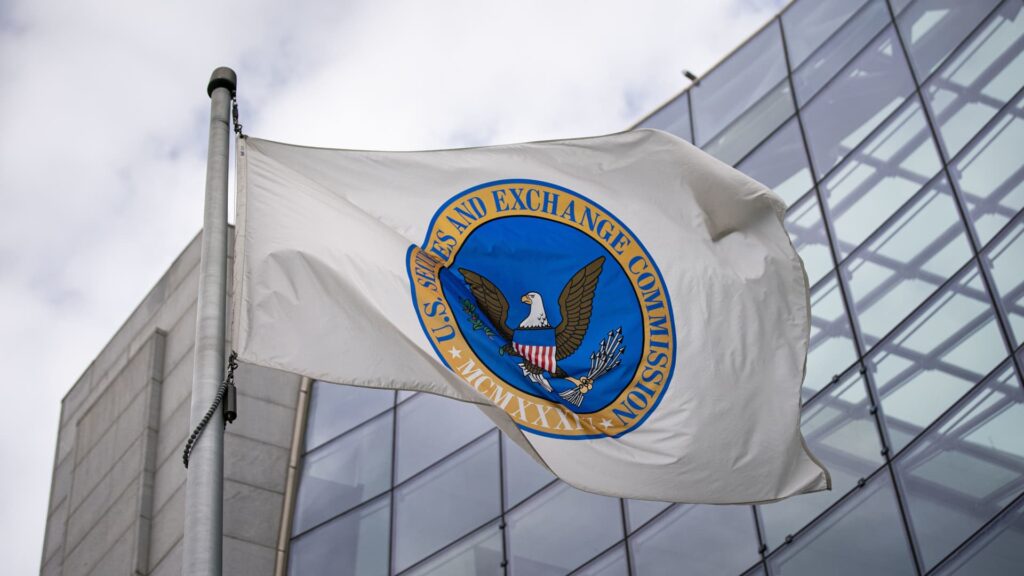
Coinbase’s Chief Legal Officer, Paul Grewal, recently sent an open letter to the U.S. Securities and Exchange Commission (SEC) regarding the rulemaking process for Registered Investment Advisers (RIAs).
In the letter, Grewal emphasizes the need for regulatory clarity and urges the SEC to prioritize providing guidance for RIAs in the digital asset space.
Grewal’s letter highlights the challenges faced by RIAs dealing with digital assets, as the existing regulatory framework does not provide clear instructions on how to approach this emerging asset class.
He emphasizes that the lack of guidance is hindering the growth of the digital asset industry and could potentially harm investors in the long run.
The letter also addresses the importance of understanding the unique characteristics of digital assets and the need for a tailored regulatory approach. Grewal suggests that the SEC should consider the underlying technology and the various use cases of digital assets while formulating rules for RIAs.
Grewal further urges the SEC to collaborate with industry participants, as they can provide valuable insights and expertise to help create a balanced regulatory framework. By engaging with the digital asset industry, the SEC can better understand the technology, its risks, and its benefits, ultimately leading to more effective regulation.
In conclusion, the open letter from Coinbase’s legal chief highlights the pressing need for regulatory clarity in the digital asset space. It calls on the SEC to prioritize providing guidance for RIAs and to engage with industry participants in order to create a comprehensive and balanced regulatory framework that fosters growth and protects investors.
According to a recent report by Goldman Sachs, an increasing number of home offices are investing in digital assets, with 32% now participating in the market. This trend demonstrates the growing interest and adoption of cryptocurrencies and other digital assets by these private wealth management entities.
The report highlights that these investments are driven by a desire to diversify their portfolios and protect their wealth against economic uncertainties. Furthermore, the increasing number of institutional investors entering the market has helped solidify the legitimacy of digital assets as an investment class.
As part of the study, Goldman Sachs surveyed home offices across the globe, including those in the United States, Europe, Asia, and the Middle East. The results showed that while some home offices are still hesitant about the risks associated with digital assets, a significant number are embracing the opportunity to invest in this emerging asset class.
In addition to the 32% of home offices investing in digital assets, the study found that many are also considering investments in blockchain technology and related start-ups. This interest suggests that these investors recognize the potential for digital asset technology to revolutionize various industries and provide significant long-term growth opportunities.
The rising interest in digital assets among home offices indicates a growing level of trust in this asset class, and is a testament to the increasing recognition of cryptocurrencies and blockchain technology as valuable investments for private wealth management.
Amid concerns about a potential denial-of-service (DoS) attack on the Bitcoin network, several prominent Bitcoin maximalists have stepped forward to allay fears, insisting that the network remains secure and robust.
Rumors of a potential DoS attack began circulating when users started noticing delays in Bitcoin transactions. This fueled speculation that malicious actors were attempting to flood the network with low-fee transactions in order to slow it down.
However, Bitcoin maximalists were quick to refute these claims, emphasizing that the network is designed to withstand such attacks. These experts argue that the recent congestion is primarily due to an increase in legitimate trading activities, as well as a higher demand for block space.
Notably, Bitcoin developer Jimmy Song took to Twitter to address the concerns, stating that the network is not under attack and that the delayed transactions are simply a result of increased demand. Song further clarified that Bitcoin’s sophisticated fee system is designed to prevent DoS attacks by prioritizing transactions with higher fees, ensuring that the network remains functional even during periods of high demand.
Other prominent figures in the Bitcoin community, such as Adam Back, CEO of Blockstream, and Jameson Lopp, CTO of Casa, also chimed in to support this stance. They emphasized that the Bitcoin network has demonstrated its resilience over the years and that it is highly unlikely that a DoS attack could be successful in disrupting the network.
While the recent congestion on the Bitcoin network has raised concerns, the reassurances from Bitcoin maximalists have helped to ease fears and reinforce the network’s reputation for security and reliability. Users are encouraged to remain patient during periods of high demand and adjust their transaction fees accordingly to ensure timely processing.
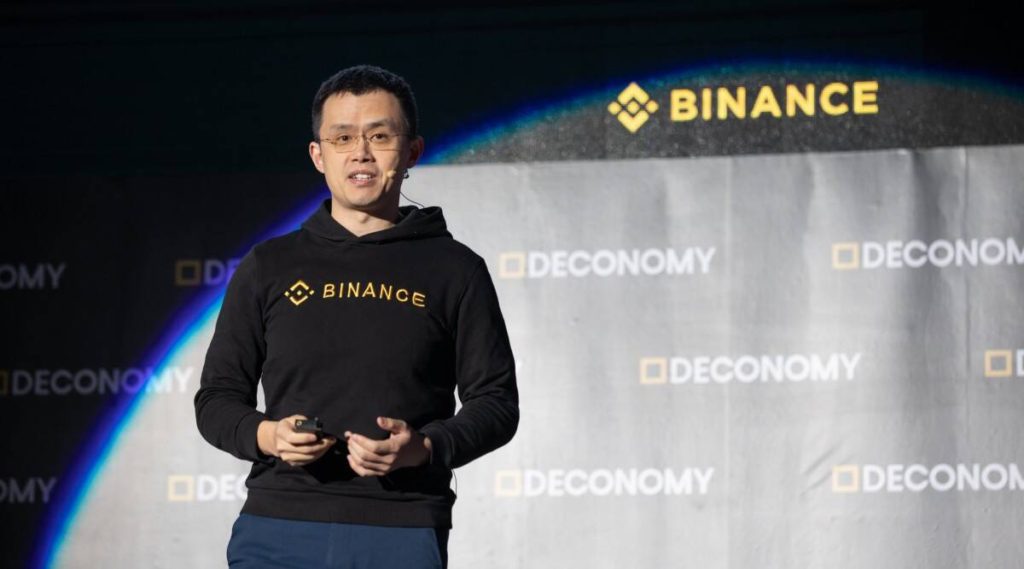
For the second time within a 12-hour timeframe, Binance, the world’s largest cryptocurrency exchange by trading volume, has temporarily halted Bitcoin (BTC) withdrawals. The exchange has assured its users that the suspension is only temporary and is due to network congestion.
On May 7th, Binance first announced that it had suspended Bitcoin withdrawals for a brief period. The exchange cited a “large backlog of outgoing BTC transactions” as the reason for the halt. Within a few hours, the platform resumed its withdrawal services, but only to suspend them again later in the day.
Binance’s CEO, Changpeng Zhao, took to Twitter to address the situation, explaining that the suspensions were necessary to address the congestion and ensure the smooth functioning of the platform. He assured users that their funds were safe and that the situation would be resolved as quickly as possible.
The suspension of Bitcoin withdrawals on Binance has raised concerns among users and the wider cryptocurrency community, with some speculating about the possibility of a security breach or other issues. However, no evidence has been found to support these claims, and Binance has maintained that the issue is purely related to network congestion.
In the past, Binance has experienced similar issues with other cryptocurrencies, such as Ethereum, due to increased trading volumes and congestion on the networks. The exchange has always managed to resolve these issues swiftly, and it is expected that the current situation with Bitcoin withdrawals will be no different.
While the temporary suspension of Bitcoin withdrawals on Binance may cause inconvenience for some users, the platform’s commitment to addressing the issue and ensuring the safety of its users’ funds has been appreciated by the community.
Deus Finance, a decentralized finance (DeFi) platform, has reportedly lost $6 million in a recent stablecoin hack, as reported by CoinTelegraph. The breach exploited the platform’s algorithmic stablecoin mechanism, allowing the attacker to manipulate the price of the stablecoin and drain funds from the liquidity pool.
The attacker managed to exploit a vulnerability in the platform’s smart contract, which enabled them to artificially inflate the value of the stablecoin. As a result, they were able to trade it for other cryptocurrencies at an advantageous rate and then withdraw the proceeds, leading to the $6 million loss for Deus Finance.
Deus Finance confirmed the incident through its official Twitter account and assured users that the team was working to resolve the issue. The platform has temporarily halted all services to prevent further exploitation and is currently investigating the attack.
This security breach highlights the ongoing vulnerabilities in the DeFi sector, as smart contracts and complex financial mechanisms can be susceptible to exploitation by hackers. Despite the potential for high returns in the DeFi space, incidents like this underline the risks associated with these platforms.
Deus Finance is working to address the breach and restore user confidence in the platform. The company has not yet announced any plans for compensating affected users or detailed measures to prevent future hacks. However, it is expected that they will implement additional security measures to strengthen the platform’s defenses against similar attacks in the future.
This incident serves as a reminder for both users and developers within the DeFi ecosystem to remain vigilant in ensuring the security of their platforms and assets. As the sector continues to grow and attract more investment, the need for robust security measures and rigorous testing of smart contracts becomes increasingly critical.

The US Justice Department is reportedly conducting an investigation into Binance, a leading cryptocurrency exchange, over potential violations of Russian sanctions, according to a CoinTelegraph report.
Sources familiar with the matter claim that the Justice Department is looking into whether Binance facilitated transactions for Russian nationals who were subject to US sanctions. These transactions may have enabled sanctioned individuals to bypass restrictions, undermining US efforts to pressure the Russian government over its actions in Ukraine and other areas of concern.
Binance has experienced regulatory scrutiny in various jurisdictions, including the United States, the United Kingdom, and Japan. This investigation is the latest in a series of challenges faced by the company as it navigates the complex global regulatory landscape.
The exchange, founded in 2017, has grown rapidly to become one of the world’s largest by trading volume, offering users access to a wide range of cryptocurrencies and related services. However, the company’s growth has not been without controversy, as it has encountered difficulties with regulators in multiple countries.
The US Justice Department’s probe into Binance’s alleged involvement in violating Russian sanctions highlights the increasing focus on enforcing regulations within the cryptocurrency sector. As digital assets continue to gain mainstream adoption, governments and regulatory bodies are working to ensure compliance with anti-money laundering (AML) and counter-terrorism financing (CTF) rules, among others.
Binance has yet to officially respond to the reports of the ongoing investigation. However, the company has previously expressed its commitment to working with regulators and complying with local laws in the jurisdictions in which it operates.
The outcome of this investigation could have significant implications for Binance and the broader cryptocurrency industry, as it may influence future regulatory actions and measures taken by other governments.
Bitcoin’s price has reached a new high for May, surpassing $29,500, as traders keep a close eye on the potential for a breakout. The leading cryptocurrency has been experiencing significant fluctuations in recent weeks, with both gains and losses seen in the market.
The recent upswing in Bitcoin’s price has been attributed to a combination of factors, including positive market sentiment, increased institutional adoption, and the growing mainstream acceptance of cryptocurrencies. Furthermore, the ongoing discussions around the potential for inflation have led some investors to view Bitcoin as a hedge against inflationary pressures.
As Bitcoin’s price continues its upward trajectory, traders are closely monitoring the market for signs of a breakout, which could potentially push the cryptocurrency to new heights. Some analysts believe that if Bitcoin can maintain its momentum and surpass key resistance levels, it could open the door for substantial gains in the near future.
However, market participants should remain cautious, as the cryptocurrency space is notoriously volatile and can be subject to rapid price fluctuations. While some traders are optimistic about Bitcoin’s prospects, others warn of potential risks and uncertainties that could impact its trajectory.
The recent surge in Bitcoin’s price highlights the growing interest in cryptocurrencies, as well as their potential to play a significant role in the global financial landscape. As traders and investors continue to monitor Bitcoin’s performance, its future trajectory will likely be shaped by ongoing developments in the cryptocurrency ecosystem, regulatory changes, and broader market trends.
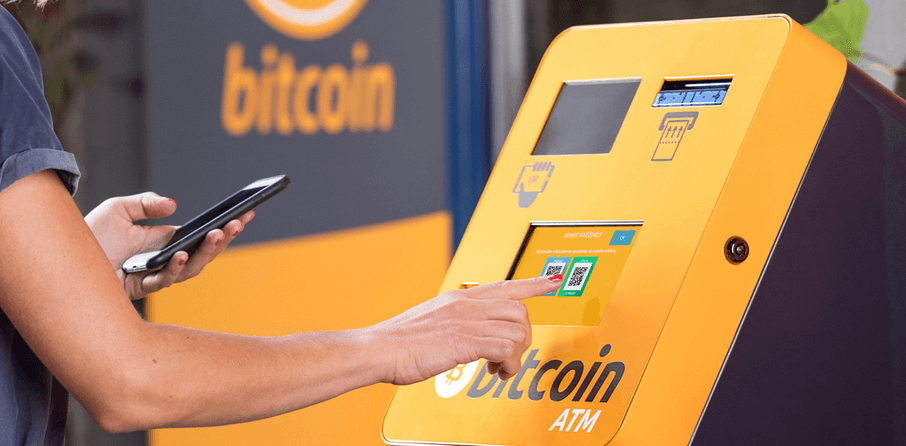
The United Kingdom’s financial watchdog, the Financial Conduct Authority (FCA), has announced plans to inspect locations suspected of operating unregistered cryptocurrency ATMs. The move comes as part of the regulator’s ongoing efforts to combat the illicit use of digital assets and ensure compliance with anti-money laundering (AML) regulations.
The FCA aims to identify and take action against operators of unregistered cryptocurrency ATMs, which are believed to facilitate money laundering and other illegal activities. The regulator’s announcement follows a recent crackdown on unauthorised crypto exchanges and custodian wallet providers, which saw a number of firms shut down or subjected to enforcement action.
In response to the growing prevalence of crypto-related crimes, the FCA has increased its efforts to monitor and regulate the digital asset space. The regulator has also urged consumers to exercise caution when engaging with virtual assets and to report any suspicious activities.
The FCA’s crackdown on illegal crypto ATMs is expected to contribute to a more transparent and secure digital asset environment in the UK. By ensuring that all crypto ATM operators adhere to AML regulations and maintain appropriate registrations, the regulator aims to protect consumers and prevent criminal activities.
As digital currencies become more mainstream, regulatory oversight is becoming increasingly important to prevent fraud and other illegal activities. The FCA’s efforts to clamp down on unregistered crypto ATMs demonstrate its commitment to maintaining a safe and compliant cryptocurrency ecosystem in the UK.

A blockchain security firm recently intervened to freeze $160,000 in assets stolen during a rug pull event involving the Merlin DEX platform. The security company’s prompt action demonstrates the effectiveness of countermeasures against malicious activities in the decentralized finance (DeFi) space.
Merlin DEX, a decentralized exchange, fell victim to a rug pull, a type of scam where project founders or developers withdraw liquidity from a project, leaving investors with worthless tokens. In this incident, bad actors were able to make away with a significant amount of funds before the security firm intervened.
Upon detecting the suspicious activity, the blockchain security company swiftly moved to freeze the stolen assets, effectively preventing the scammers from further accessing or moving the funds. This decisive action underscores the importance of robust security measures in safeguarding investments and maintaining trust within the DeFi ecosystem.
While the DeFi space continues to experience rapid growth and attract new investors, it is also increasingly targeted by scammers and other bad actors. This incident serves as a reminder of the risks associated with decentralized finance and the critical role that security firms play in protecting the industry from fraudulent activities.
As the DeFi landscape evolves, the collaboration between projects, investors, and security firms will be essential to minimize threats and ensure the long-term success of the decentralized finance ecosystem.