

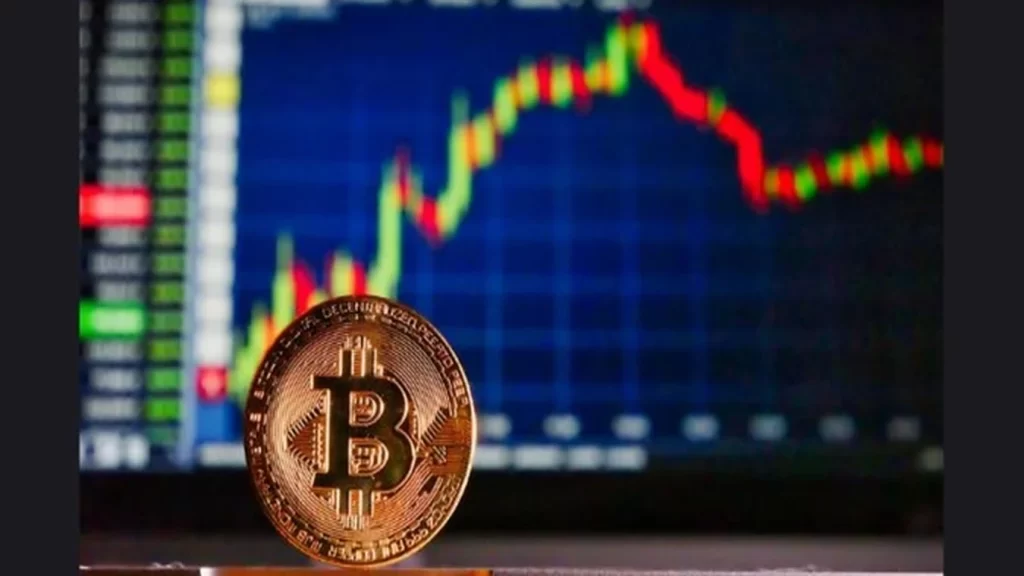
Bitcoin’s price took a hit following the official announcement of the U.S. Strategic Bitcoin Reserve. Initially trading around $90,400, BTC dropped over 6% to $84,979 in the hours after the news broke. The reserve will only include Bitcoin seized in criminal cases, meaning no direct market purchases by the government—an aspect that many investors had hoped for.
This led to a shift in market sentiment, as traders adjusted their expectations for government involvement in Bitcoin markets. Analysts now believe the short-term upside for BTC may be limited, given the lack of fresh institutional demand from this initiative.
Technical Indicators Show Mixed Signals
From a technical standpoint, Bitcoin’s price movement suggests that it may struggle to break above key resistance levels in the near term. Analysts have pointed out a descending triangle pattern forming on the four-hour chart, typically a bearish signal.
For Bitcoin to regain bullish momentum, it would need to break and sustain levels above $93,000. Until then, it remains vulnerable to further pullbacks and sideways trading.
Long-Term Implications for Bitcoin Adoption
Despite the short-term price reaction, some analysts see this announcement as a net positive for Bitcoin’s legitimacy. The fact that a strategic reserve for BTC now exists demonstrates growing institutional and governmental acknowledgment of Bitcoin as an asset class.
One key argument supporting Bitcoin’s long-term value is its role as a non-inflationary asset, particularly in contrast to fiat currency. Some financial strategists believe that while the current market response is underwhelming, this reserve could be a stepping stone toward greater Bitcoin integration into national financial systems.
A memecoin launched under the Trump brand has reportedly generated at least $350 million in revenue since its introduction. The coin, known as TRUMP, saw substantial gains after its release, with sales revenue reaching $314 million, alongside $36 million earned from transaction fees on the Solana blockchain.
The project was marketed as an official crypto asset affiliated with former U.S. President Donald Trump, adding to its appeal among retail traders. Initially, 200 million tokens were made available for trading, with an additional 800 million scheduled for release over the next three years.
Market Performance and Token Holdings
Following its launch, the TRUMP token experienced a rapid surge, peaking at $75 per token on January 19. However, the price has since declined by 82%, a common trend among speculative memecoins.
Despite the decline, Trump-affiliated entities reportedly hold 831 million TRUMP tokens, with an estimated notional value exceeding $10 billion. These holdings suggest a long-term strategy, potentially involving future sales as liquidity needs arise.
Regulatory Concerns and Ethical Questions
The success of TRUMP has sparked debates over potential conflicts of interest and regulatory loopholes. Given Trump’s direct association with the memecoin, some lawmakers are pushing for stricter rules on political figures engaging in financial ventures tied to their name or image.
One proposal currently being discussed would ban government officials and their families from launching or promoting cryptocurrencies while in office. The broader crypto regulatory landscape remains uncertain, as authorities assess whether such digital assets should be subject to securities laws.
The Future of Political Memecoins
The TRUMP token’s rapid rise—and subsequent volatility—highlights the growing intersection between politics and cryptocurrency. Whether this trend continues will depend on regulatory responses, investor sentiment, and future political figures potentially exploring similar ventures.
For now, memecoins remain highly speculative assets, with fortunes being made—and lost—overnight. Investors remain divided on whether this represents a new frontier in digital finance or merely another example of high-risk market euphoria.
Bitcoin (BTC) saw a notable rebound following an initial sell-off triggered by the announcement of a U.S. Strategic Bitcoin Reserve. The reserve, set up under an executive order, will consist of Bitcoin confiscated in criminal cases rather than newly purchased holdings.
The market initially reacted negatively to the news, as some investors had hoped for direct government acquisitions of BTC. This led to a 4% drop, with Bitcoin touching a low of approximately $84,713 before bouncing back toward $88,000.
Investor Sentiment and Price Fluctuations
Market expectations played a key role in the volatility. Many traders had anticipated a more aggressive approach, such as government purchases aimed at bolstering Bitcoin as a strategic asset. Instead, the decision to utilize confiscated BTC left some investors underwhelmed, resulting in a brief sell-the-news event.
Despite the initial disappointment, some analysts argue that the market overreacted. Historical trends suggest that Bitcoin often experiences sharp movements in response to major news but tends to stabilize as sentiment recalibrates.
Analysts’ Perspectives on the Strategic Reserve
Financial experts believe that while the short-term impact may be muted, the long-term significance of a government-backed Bitcoin reserve cannot be overlooked. This move officially recognizes Bitcoin as an asset worthy of government oversight, potentially paving the way for future policy shifts that could be more favorable to digital assets.
A few traders are now watching key technical levels, particularly resistance around $93,000, which could signal further bullish momentum if breached.
What’s Next for Bitcoin?
While this announcement didn’t bring the immediate bullish surge some had hoped for, it adds to Bitcoin’s credibility in the financial world. Traders and investors now turn their attention to upcoming regulatory discussions, particularly the White House Crypto Summit, which may provide more clarity on the administration’s stance on digital assets.
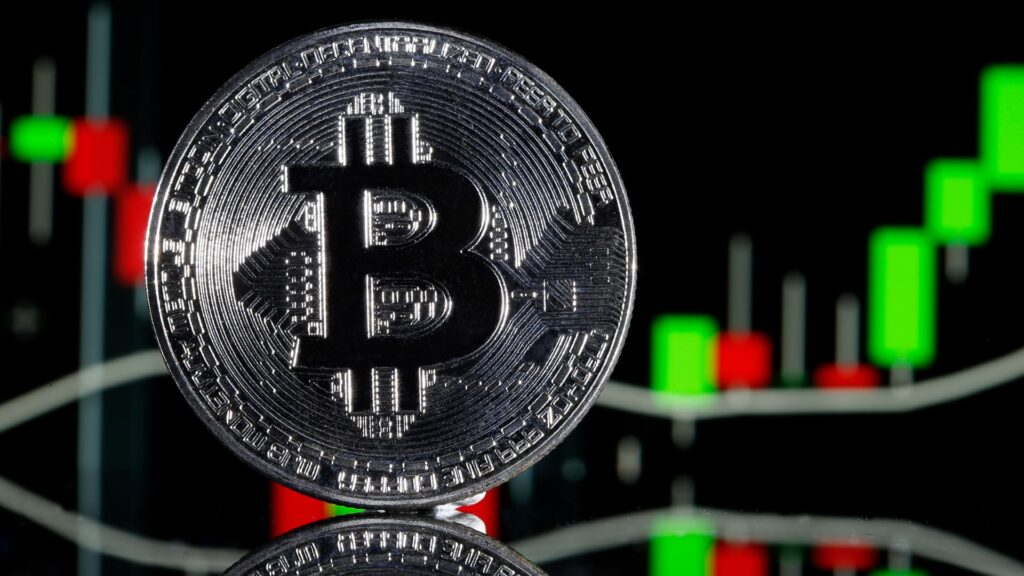
Bitcoin traders and investors are preparing for what could be a significant price movement in the coming weeks, with market analysts pointing to March 25 as a crucial date. The cryptocurrency is showing signs of strength as the U.S. dollar weakens, setting the stage for a potential breakout.
U.S. Dollar’s Decline Fuels Optimism for Bitcoin
The value of the U.S. dollar has been slipping, reaching its lowest point in months. A weaker dollar historically drives investors toward alternative assets, including Bitcoin, which is often viewed as a hedge against traditional financial instability.
Global money supply trends also indicate a surge in liquidity, which could further boost Bitcoin’s momentum. Some analysts believe this expansion in capital flow is creating ideal conditions for a strong market rally.
Bitcoin’s Correlation With Liquidity Expansion
Market observers have noted that when global money supply increases, assets like Bitcoin tend to follow an upward trajectory. Analysts tracking financial trends have suggested that Bitcoin’s price could see a significant boost as liquidity continues to expand.
One prominent market commentator has suggested that March 25 could mark the beginning of an “epic” rally for Bitcoin, as well as for traditional stocks. If this prediction holds true, it could align with broader market cycles that have historically driven significant gains in digital assets.
Influence of U.S. Economic Policies
Recent policy shifts in the U.S. have played a role in shaping investor sentiment. Adjustments to trade policies, as well as ongoing fiscal changes, have contributed to the weakening of the dollar. As a result, many investors are looking toward Bitcoin as a store of value in uncertain economic conditions.
Upcoming Developments and Market Expectations
A key event on the horizon is the upcoming White House crypto summit, which could further influence Bitcoin’s trajectory. Discussions around digital assets and financial policy are expected to take place, with speculation mounting over potential regulatory developments.
The prospect of an official Bitcoin reserve has also contributed to growing optimism in the market. Some industry leaders believe that such a move would signal a major shift in institutional acceptance, reinforcing Bitcoin’s long-term value proposition.
What’s Next for Bitcoin?
While analysts remain optimistic, they also caution that volatility remains a defining feature of the crypto market. External factors, including potential regulatory shifts and macroeconomic trends, could still impact Bitcoin’s price movement.
For now, market participants are closely monitoring developments, with many anticipating that March 25 could serve as a turning point for Bitcoin’s next major rally.

COTI has unveiled the Africa Tokenization Council, an ambitious initiative launched in collaboration with strategic partners to drive blockchain and artificial intelligence (AI) adoption across Africa and the Middle East. This pioneering effort seeks to unite African officials with global leaders in blockchain and tokenization, fostering investment and innovation within the region.
With a rapidly growing technology-focused population and increasing interest in digital assets, African countries are poised to make a significant impact on the global blockchain ecosystem. The Africa Tokenization Council aims to convene leaders, investors, and industry practitioners through symposiums dedicated to regulatory frameworks, partnerships, investment strategies, and the necessary pathways for a thriving tokenization ecosystem.
The initiative will also focus on setting standards and regulatory advancements that support seamless ownership structures, thus creating an environment conducive to international investment in real-world asset (RWA) tokenization.
Unlocking Africa’s Market Potential
The combination of Africa’s burgeoning fintech landscape, regulatory advancements, and a thriving entrepreneurial spirit presents a unique opportunity for blockchain-driven economic transformation. Africa and the Middle East collectively hold a GDP exceeding $5 trillion, with a history of adopting mobile technologies, fintech solutions, and cryptocurrency at an accelerated pace compared to traditional economic environments.
The Africa Tokenization Council, backed by prominent government officials, investors, and practitioners, is well-positioned to facilitate this shift. With strong involvement from Saudi Arabian leadership and COTI’s advanced privacy-focused blockchain technology, the council envisions a future where tokenization becomes an integral part of economic growth and financial inclusion.
Key Figures Leading the Initiative
Several influential figures have joined the Africa Tokenization Council, bringing their expertise in energy, finance, and blockchain:
- Dr. Mansour Almalik holds a Ph.D. in Petroleum Engineering from Texas A&M University and has over two decades of experience in government and academia. He has previously served as a Senior Advisor to the Saudi Arabian Ministry of Petroleum and Mineral Resources and has represented Saudi Arabia in the United Nations’ Science and Technology Committee. As the Chairman of Attwar Group, his interests span energy, fintech, and artificial intelligence.
- Alaa Bishara is a seasoned entrepreneur and crypto investor with a background in traditional real estate. His extensive experience in managing high-net-worth portfolios has positioned him as a key player in the intersection of real estate, fintech, and digital innovation. His commitment to Real World Asset (RWA) tokenization underscores his vision for a financially inclusive future driven by blockchain technology.
- Shahaf Bar-Geffen (CEO of COTI) and Joshua Maddox (Chief Ecosystems and Partnerships Officer of COTI) have also joined the council, reinforcing the company’s commitment to fostering blockchain adoption in Africa.
Global Events and Strategic Collaborations
The Africa Tokenization Council is set to host a series of strategic symposiums and roundtables aimed at connecting African governments with blockchain initiatives, global investors, and industry experts. These events will bring together diverse stakeholders, including:
- Blockchain practitioners dedicated to driving tokenization efforts for economic expansion.
- Government officials and regulatory bodies exploring blockchain’s potential in governance and finance.
- Investors (both local and international) seeking opportunities in Africa’s tokenized asset space.
- Technical developers and blockchain experts who will contribute to the infrastructure supporting tokenization projects.
- Market distribution partners to facilitate the adoption of tokenized assets across various industries.
The insights gained from these events will be critically analyzed and assessed for risks, ensuring that the council’s findings contribute to the development of strategic investment pathways and practical implementations of blockchain-based tokenization initiatives.
COTI’s Role as a Core Infrastructure Provider
COTI, a leading blockchain infrastructure provider, will play a crucial role in the Africa Tokenization Council’s mission by leveraging its expertise in AI and blockchain. As the only provider offering “Privacy on Demand,” COTI ensures that privacy-compliant blockchain solutions are accessible, welcoming participation from other major blockchain providers and partners.
COTI’s technology delivers a fast, scalable, and secure privacy layer for AI-driven and blockchain initiatives. Its permissioned privacy model enables secure on-chain data sharing while ensuring regulatory compliance—a major barrier that has traditionally slowed the adoption of RWAs on the blockchain.
Addressing Privacy Concerns in Tokenization
Tokenization involves moving real-world assets—including infrastructure, natural resources, and financial instruments—onto blockchain networks. Despite its potential, institutions have been hesitant to adopt blockchain without comprehensive privacy protections. Public blockchains’ transparency presents compliance challenges for corporations that must safeguard sensitive user data.
COTI addresses this challenge by providing permissioned privacy, ensuring that relevant authorities can access compliance and reporting data without exposing confidential information. This feature makes blockchain adoption feasible for enterprises and governments seeking to tokenize large-scale assets.
Scaling Tokenization for National Economies
The Africa Tokenization Council aims to facilitate tokenization at the national infrastructure level. By leveraging blockchain’s transparency and efficiency, the council envisions large-scale projects that will drive economic growth across Africa and the Middle East. COTI’s robust infrastructure will serve as a foundational pillar for these initiatives, positioning itself as a key enabler of blockchain-driven economic transformation.

The recent proposal by the U.S. government to establish a strategic crypto reserve has sparked debate, with Solana co-founder Anatoly Yakovenko voicing concerns about the potential risks such a move could pose to decentralization. While the idea of a national reserve consisting of digital assets is seen as a step toward mainstream adoption, many in the crypto community worry about the implications of government control.
Concerns Over Government Influence in Crypto
The proposed reserve is expected to include major digital assets like Bitcoin, Ethereum, XRP, Solana, and Cardano. The initiative aims to bolster the nation’s position in the evolving digital economy. However, Yakovenko has questioned the need for such a reserve, suggesting that its existence could undermine the core principles of decentralization that cryptocurrencies are built upon.
He has argued that government control over a crypto reserve could disrupt the independence of digital assets, warning that “decentralization would fail” under such circumstances. His preference would be for the reserve not to exist at all, rather than risk the influence of centralized authorities over what should be open and permissionless networks.
A State-Level Alternative
If the reserve is inevitable, Yakovenko believes that a better approach would be for individual states to manage their own digital asset holdings. He suggests that this could provide a safeguard against federal mismanagement and maintain a more decentralized structure.
Another potential compromise he put forward involves setting clear, objective criteria for which assets qualify to be part of the reserve. He acknowledges that such standards might initially favor Bitcoin alone but emphasizes that the crypto community, particularly the Solana ecosystem, is adaptable and willing to meet any rational requirements.
Solana’s Role in the Decision
Following speculation that Solana was actively involved in lobbying for its inclusion in the reserve, Yakovenko dismissed the idea. He compared it to suggesting that Bitcoin has a formal representative, emphasizing that no one from Solana had pushed for its selection. This clarification highlights how decentralized networks operate without central authority figures advocating for their adoption.
Reactions from Other Crypto Leaders
Yakovenko is not alone in his concerns. Others in the crypto space, including Cardano’s founder, have also expressed skepticism about the selection process. Some industry figures were caught off guard by the inclusion of their projects and have pointed out that they were not consulted before their assets were named.
This uncertainty raises broader questions about how such decisions are made and whether government involvement in crypto markets could introduce unwanted risks. As the plan moves forward, industry leaders are closely watching to see how the government balances its ambitions with the principles that underpin the crypto industry.
Bitcoin has been testing resistance at $94,000, struggling to break through amid market uncertainty and profit-taking. Analysts believe this level is a critical barrier that must be overcome for Bitcoin to regain strong upward momentum.
Market Movements and Price Trends
Bitcoin’s price has fluctuated between $87,000 and $94,000, attempting multiple breakouts but facing heavy selling pressure. Despite short-lived rallies, traders have remained cautious due to global economic concerns and regulatory uncertainties.
The recent push toward $94,000 came after Trump’s announcement of a potential Bitcoin reserve, which initially boosted optimism. However, profit-taking and hesitancy among institutional investors have prevented Bitcoin from maintaining upward momentum.
Key Resistance and Support Levels
Technical analysts suggest that the $94,000 mark has become a psychological barrier. If Bitcoin fails to sustain a break above this level, it could experience a pullback to $80,000, where strong support is expected.
Conversely, a successful breakout past $94,000 could push Bitcoin toward its next resistance around $98,500, potentially leading to a new all-time high. Market sentiment will play a crucial role in determining the next move.
Investor Sentiment and Market Conditions
The Crypto Fear & Greed Index remains in neutral territory, indicating that traders are uncertain about Bitcoin’s next move. While institutional interest remains high, there is hesitation due to concerns over future regulatory actions and macroeconomic conditions.
Traders are closely watching U.S. economic policies, as any new announcements regarding interest rates or cryptocurrency regulation could influence Bitcoin’s trajectory.
What’s Next for Bitcoin?
If Bitcoin can decisively break above $94,000, a rally toward $100,000 could be in sight. However, a failure to hold this level may result in further corrections and a retest of lower support zones.
For now, the market remains in wait-and-see mode, with short-term volatility expected until a clear breakout occurs.

The memecoin sector has suffered a sharp decline, with its total market capitalization dropping 56% over the past three months. Once a high-flying segment of the crypto space, memecoins now face waning interest and declining prices.
The Rise and Fall of Memecoins
At their peak, memecoins surged in popularity, attracting retail investors looking for quick gains. However, after reaching a market cap of $124 billion, the sector has since fallen to $54 billion, erasing much of its earlier gains.
Several factors have contributed to this decline, including:
- Profit-taking by early investors who capitalized on the memecoin rally
- Declining trading volumes as hype fades
- Lack of utility compared to other crypto assets
- Increased competition from new projects entering the space
Investor Sentiment Shifts Away from Speculation
Market sentiment has shifted as traders focus on fundamentally strong projects instead of speculative tokens. Many investors who initially joined the memecoin frenzy have now moved to Bitcoin, Ethereum, and AI-based tokens, which offer more long-term potential.
This shift is evident in the declining daily trading volumes for major memecoins. Without fresh capital entering the market, prices have continued to fall, leading to further investor exits.
Are Memecoins Dead?
Despite the recent downturn, some industry experts believe that memecoins still have a place in the market, particularly during bull runs. When market conditions are favorable, high-risk, high-reward assets like memecoins often experience renewed interest.
Additionally, community-driven projects continue to hold loyal followings, meaning a resurgence is possible if sentiment improves. However, investors are now more selective, favoring projects with stronger branding and real-world use cases.
What’s Next for Memecoins?
For memecoins to recover, several factors need to align:
- Renewed bullish sentiment in the crypto market
- Potential rebranding efforts by memecoin projects to introduce real utility
- Influencer-driven hype cycles, which have historically played a role in memecoin pumps
Until these conditions emerge, memecoins are likely to remain in a downtrend, with only the most established tokens surviving the current market downturn.
Conclusion
The memecoin market has faced a steep decline, but it is not entirely out of the game. While hype-driven assets are struggling, opportunities may arise in future bull markets. For now, investor caution remains high, with many opting for more stable assets over speculative plays.
The US federal government will only buy Bitcoin as part of its recently announced strategic crypto reserve, a source told Crypto Intelligence News on Tuesday.
Over the weekend, Donald Trump announced via Truth Social that a number of cryptocurrencies, including Bitcoin, Ether, Solana, Cardano and Ripple, would form the US federal government’s crypto reserve.
This attracted criticism from some industry leaders, who believe only Bitcoin – which has been touted as a “digital gold” – should be included in the reserve.
However, a source in Washington has now clarified to Crypto Intelligence News that the federal government will only purchase Bitcoin.
As for the other cryptocurrencies, seized tokens will be added to the reserve, but the government will not actively purchase any XRP, ADA, ETH or SOL, the source explained.
How Market Initially Reacted
The announcement had an immediate impact on the cryptocurrency markets. Bitcoin experienced a surge of over 11%, reaching $94,164, while Ethereum saw a 13% increase, climbing to $2,516. XRP, Solana, and Cardano also reported significant gains, reflecting heightened investor confidence and anticipation of increased institutional adoption.
However, this bullish trend was short-lived. By March 3, 2025, the initial euphoria subsided, leading to a market correction. Bitcoin’s value retraced to approximately $86,000, and similar adjustments were observed across other major cryptocurrencies. This volatility underscores the market’s sensitivity to policy announcements and the inherent fluctuations within the crypto space.
Strategic Implications: Diversifying National Reserves
The creation of the Crypto Strategic Reserve represents a strategic diversification of national assets. Traditionally, reserves have comprised gold, foreign currencies, and other tangible assets. Incorporating cryptocurrencies introduces a new dimension, potentially enhancing the resilience and flexibility of national financial reserves.
Proponents argue that this move could solidify the U.S.’s leadership in digital asset innovation and provide a hedge against traditional market volatilities. Federico Brokate, head of U.S. business at 21Shares, remarked, “This move signals a shift toward active participation in the crypto economy by the U.S. government.”
Criticisms and Concerns
Despite the potential benefits, the initiative has faced criticism from various quarters. Economists like Stephen Cecchetti from Brandeis International Business School have labeled the idea as “absurd,” highlighting the risks associated with the volatility of cryptocurrencies.
There are also concerns about the lack of regulatory oversight in the crypto market, which could pose risks related to financial stability and illicit activities. Critics argue that the reserve might disproportionately benefit existing crypto holders and investors, leading to wealth disparities.
Former U.S. President Donald Trump is preparing to unveil a Bitcoin reserve strategy at an upcoming White House Crypto Summit, signaling a significant shift in the government’s approach to digital assets. The plan aims to integrate Bitcoin into a national reserve, elevating its status in the financial system.
Bitcoin’s Role in the Strategic Reserve
The upcoming summit will provide details on how the proposed Bitcoin reserve will be structured and managed. The plan suggests that Bitcoin will be the primary focus, with other cryptocurrencies potentially playing a role under different classifications.
Commerce Secretary Howard Lutnick today shed light on the administration’s approach, stating, “The President definitely thinks that there’s a Bitcoin strategic reserve.” He further explained that while Bitcoin is central to this initiative, other cryptocurrencies may be treated “differently” but still “favorably”.
“Now there will be the question of, how do we handle the other cryptocurrencies? And I think the model is going to be announced on Friday when we do that.”
Trump’s Vision for Crypto Leadership
Trump has been vocal about his intentions to make the United States a global leader in cryptocurrency. He recently emphasized that previous regulatory actions had hindered the industry, promising that his administration would correct past mistakes and promote crypto-friendly policies.
His statement, “A U.S. Crypto Reserve will elevate this critical industry after years of corrupt attacks by the Biden Administration,” has further fueled speculation about how the reserve will be funded and managed. Trump also declared, “I will make sure the U.S. is the Crypto Capital of the World. We are MAKING AMERICA GREAT AGAIN!”
The White House Crypto Summit: What to Expect
The summit, hosted by key figures in the finance and tech sectors, will focus on cryptocurrency regulation, financial security, and market opportunities. The event will highlight how Bitcoin can play a role in economic stability and long-term investment strategies.
The discussion will likely include plans to encourage institutional investment in Bitcoin, potential tax incentives for crypto holders, and regulatory frameworks that would facilitate its integration into the national economy.
Market Reactions and Future Outlook
The announcement of a Bitcoin reserve strategy has generated enthusiasm in the crypto market, with many investors seeing it as a legitimization of digital assets at the federal level. However, skeptics caution that without clear regulations, the plan could lead to increased volatility or speculative trading.
The summit will determine the extent of the government’s commitment to Bitcoin and what policy changes could emerge from this new approach. If implemented effectively, it could reshape the global perception of cryptocurrency as a government-backed asset.