



The president of the Swiss National Bank (SNB) has stated that Bitcoin does not meet the necessary requirements to be considered a reserve asset, citing concerns over its volatility, liquidity, and security risks. His remarks come amid ongoing discussions about Bitcoin’s potential role in national financial reserves.
Bitcoin’s Volatility and Liquidity Concerns
One of the key reasons cited for dismissing Bitcoin as a reserve asset is its extreme price volatility. Unlike traditional reserve currencies or assets like gold, Bitcoin’s price fluctuations make it unreliable for storing value over long periods. Central banks typically require stability in their reserves to manage national monetary policies effectively, making Bitcoin’s unpredictable nature a major drawback.
Additionally, liquidity concerns play a role in this decision. Reserve assets must be easily converted into cash when needed, and while Bitcoin is highly liquid in the crypto market, its ability to maintain that liquidity during economic downturns remains uncertain.
Security Risks and Technical Challenges
Another concern raised is the security risks associated with Bitcoin. As a digital asset, Bitcoin is dependent on software, which means it can be exposed to vulnerabilities such as coding errors, hacking attempts, and other technical failures. While blockchain technology is considered secure, issues related to private key management and exchange security introduce additional risks that central banks must consider before integrating digital assets into their reserves.
Push for a Bitcoin Reserve Initiative
Despite the SNB’s rejection of Bitcoin as a reserve asset, there are ongoing efforts in Switzerland to push for its adoption. A public campaign is gathering signatures for a proposal that would require the central bank to add Bitcoin to its balance sheet. If enough signatures are collected, the issue will go to a referendum, allowing Swiss citizens to vote on whether Bitcoin should be included in national reserves.
Switzerland’s Broader Role in Crypto Adoption
While the SNB remains skeptical of Bitcoin, Switzerland continues to be a key player in cryptocurrency adoption. The country has established itself as a global blockchain hub, with major financial institutions and crypto startups operating within its regulatory framework. The city of Lugano, for example, has positioned itself as a leading supporter of Bitcoin adoption, hosting major blockchain events and implementing policies to encourage crypto transactions.
As discussions around Bitcoin’s role in financial reserves continue, Switzerland’s approach to balancing innovation with financial stability will be closely watched by both the crypto industry and traditional financial institutions.
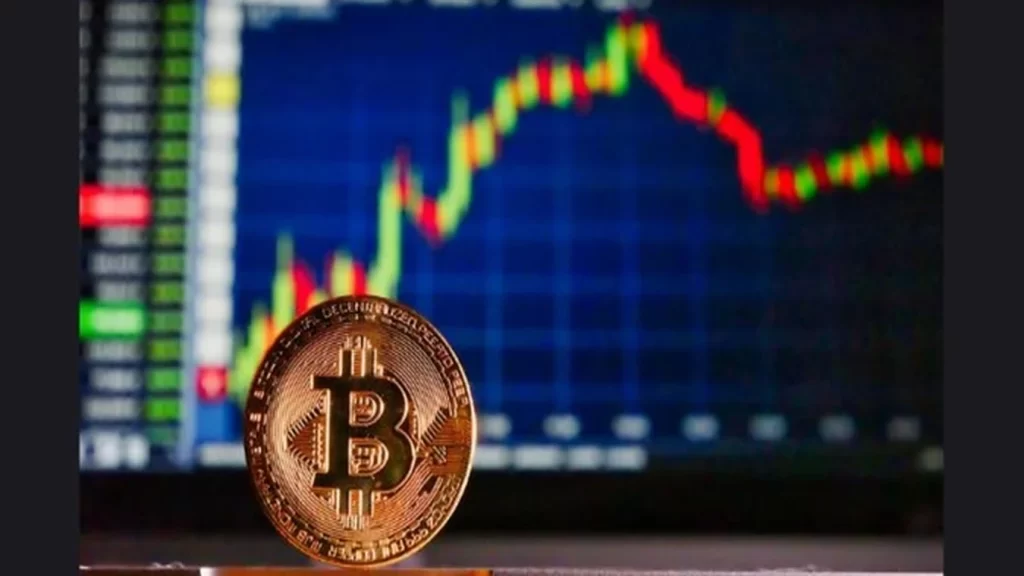
Bitcoin’s price is at risk of falling below its previous all-time highs from March 2024, wiping out gains from what has been referred to as the “Trump pump.” With BTC/USD seeing significant losses, traders and analysts are closely watching for a potential bottom.
BTC Price Fills Key CME Futures Gap
One of the major focus points for analysts is the “gap” in the CME Group’s Bitcoin futures market. This gap was formed during Bitcoin’s ascent past $100,000 and has now become a crucial level to monitor.
The key range in question lies at $78,000, and as of February 28, BTC/USD has nearly completed filling this void.
“Bitcoin is getting closer and closer to filling its CME Gap formed back in November 2024. The CME Gap is between $78,000 and ~$80,700,” trader and analyst Rekt Capital confirmed in a post on X.
While this downside gap is being filled, Rekt Capital also pointed out an upside CME gap at around $92,000, which could become a potential target if Bitcoin experiences a relief bounce.
CME gaps often act as short-term price magnets for Bitcoin, with historical data showing that these gaps tend to be revisited either shortly after their formation or later when macro trends shift.
Long-Term Target of $76,000 Remains in Play
Despite Bitcoin’s rise to record highs near $110,000, some seasoned market participants have maintained a cautious stance on its near-term trajectory.
One such figure is BitQuant, a pseudonymous crypto analyst known for accurately predicting key BTC price movements. Throughout Bitcoin’s climb, BitQuant has consistently warned of a potential major correction.
In December, he dismissed the idea that $90,000 would serve as a reliable support level, stating, “Sorry, but no, $90K was not the dip.”
Now, BitQuant remains firm in his prediction that Bitcoin will dip into the mid-$70,000 range before resuming an “up only” trend.
“Are you panicking again? Panic buying or panic selling?” he asked his followers on X, emphasizing the emotional volatility surrounding Bitcoin’s price movements.
Exchange Liquidity Suggests Strong Interest Between $70,000-$80,000
When it comes to identifying market bottoms, traders often look at exchange order books to gauge buyer interest. However, this approach comes with risks, as large players can manipulate liquidity by adding or removing buy orders at strategic levels.
At present, significant liquidity is forming between the $70,000-$80,000 range, suggesting that buyers are prepared to step in at those levels.
“$BTC ~$1.8 Billion in Bids has appeared on the Binance futures pair. These bids are sitting between $70K-$79K,” trader Daan Crypto Trades noted.
“What happens when bids like these appear is varied. Sometimes price never moves into them, when it does start hitting them, it often fills a lot of them before (shortly) reversing. Keep in mind, these are bids that can just as easily be pulled away. Highlighting this as it’s an insane amount and this is something you rarely ever see.”
While this level of liquidity might indicate strong support, it is also important to consider the risk of price manipulation. Large market participants can add significant buy orders only to remove them before execution, causing traders to misinterpret market trends.
Market Liquidations and the Danger of Catching a Falling Knife
Bitcoin’s price decline has led to a surge in liquidations, particularly among long positions. According to monitoring resource CoinGlass, over $3 billion in long positions have been liquidated in just five days.
Keith Alan, co-founder of trading suite Material Indicators, highlighted the risks of trying to predict the bottom too early, a practice often referred to as “catching a falling knife.”
“This is the Bitcoin correction we’ve been waiting for,” he stated on X, sharing a daily BTC/USD chart.
“I’m looking for a wick to the trend line. More importantly, I’m looking for buyers to come in…as long as they don’t front run me.”
As Bitcoin traders and investors navigate the ongoing correction, the market remains highly volatile. Whether Bitcoin will find support in the $70,000-$80,000 zone or see further declines remains a critical question in the days ahead. One thing is certain: Bitcoin’s price action continues to be shaped by both technical factors and large-scale market movements, making it an unpredictable yet compelling asset to watch.

Leading blockchain ecosystem Cronos has launched a groundbreaking feature that allows users to seamlessly convert their cryptocurrency into fiat and spend it using a personal prepaid card. This innovation, made possible through a strategic partnership with Crypto.com, represents a significant milestone in bridging decentralized finance (DeFi) with traditional financial systems.
Revolutionizing Crypto Off-Ramping
Historically, converting cryptocurrency into spendable fiat currency has been a cumbersome process. Users often need to transfer their digital assets to a centralized exchange, convert them to fiat, and wait for bank transfers to process. This new feature from Cronos eliminates these hurdles by allowing users to off-ramp their crypto holdings almost instantly through a direct connection between their web3 wallet and a Crypto.com prepaid card.
By linking their non-custodial wallet on Cronos EVM or Cronos zkEVM to the Crypto.com prepaid card, users can quickly transfer funds from their Cronos wallet to the Crypto.com Crypto Wallet, and subsequently to the prepaid card with a single click. If the selected token is not directly supported, the platform automatically swaps it into USDC or ETH, ensuring seamless and near-instant access to converted funds for everyday transactions.
Bringing DeFi Closer to Everyday Life
Ken Timsit, Head of Cronos Labs, emphasized the significance of this development, stating, “With this new feature, Cronos users can off-ramp their crypto assets almost instantly and spend them wherever prepaid cards are accepted. In eliminating the wait times and multiple steps usually required when cashing out, Cronos is bringing DeFi closer to everyday life. As a result, users can hold their digital assets for longer in the knowledge that they can easily withdraw funds at any time.”
This new capability aligns with the broader mission of making crypto more accessible and practical for everyday use. By reducing friction in off-ramping, Cronos empowers users to leverage their digital assets without the traditional limitations that often deter mainstream adoption.
A Step Toward Mass Crypto Adoption
The partnership between Cronos and Crypto.com is a testament to both companies’ commitment to accelerating the adoption of blockchain technology. Eric Anziani, President and COO of Crypto.com, highlighted the impact of this collaboration: “This collaboration highlights Crypto.com’s commitment to driving the mass adoption of blockchain services by integrating innovative solutions that simplify the user experiences. We have been a longstanding supporter of Cronos, and to launch this feature together is a testament to our shared vision of bridging further mainstreaming crypto and enhancing its daily utility.”
As the industry continues to evolve, such initiatives play a crucial role in making crypto more practical for everyday financial transactions. By providing a direct bridge between DeFi and real-world spending, Cronos and Crypto.com are paving the way for wider adoption and usability of blockchain-based assets.
Seamless Integration Across Cronos Networks
This feature is available across both Cronos EVM and Cronos zkEVM, a high-performance Layer 2 network powered by zkSync technology. Ethereum users, in particular, stand to benefit from this integration, as Cronos zkEVM offers a direct bridge to Ethereum. This enables users to off-ramp their Ethereum-based assets directly onto the Crypto.com prepaid card, further simplifying the process of converting digital holdings into spendable currency.
Future Enhancements: Automated DeFi Yield Transfers
Looking ahead, Cronos is planning additional enhancements to further integrate DeFi into daily financial activities. Following the feature’s launch in February 2025, the company intends to introduce an automatic transfer system for DeFi yields. This update will allow users to directly route their staking rewards and other DeFi earnings into their Crypto.com prepaid card, making it even easier to utilize crypto-based passive income for real-world expenditures.
This future development underscores Cronos’ ongoing efforts to bridge the gap between decentralized finance and traditional banking, making it easier for users to harness the benefits of crypto without navigating complex withdrawal processes.

Bitcoin’s recent price movements have raised concerns among traders and analysts, with many predicting that the cryptocurrency may experience further declines. Investor sentiment has dropped to levels not seen in three years, increasing the likelihood of a correction toward the $72,000 range.
As market uncertainty grows, many are questioning whether Bitcoin’s current downturn is just a temporary pullback or the beginning of a more prolonged bearish trend.
Bitcoin’s Decline from Recent Highs
Bitcoin has seen a significant drop from its all-time high earlier this year. After reaching a peak of over $109,000 in January, the cryptocurrency has fallen to around $78,000, marking a substantial pullback. This decline has been driven by several factors, including increased market volatility, profit-taking by investors, and concerns about regulatory developments in the cryptocurrency space.
Despite attempts to regain momentum, Bitcoin has struggled to maintain key support levels. Some analysts believe that the next major support zone lies around $72,000, where buying pressure could emerge. However, if this level fails to hold, the market could see even steeper declines in the short term.
Weakening Investor Sentiment
One of the key indicators influencing Bitcoin’s recent price movement is investor sentiment, which has dropped to its lowest level since 2022. The Crypto Fear & Greed Index, a popular metric for measuring market emotions, has fallen to extreme fear levels, suggesting that traders are becoming increasingly cautious.
Several factors have contributed to this negative sentiment. The broader macroeconomic environment remains uncertain, with concerns about inflation, interest rate hikes, and potential economic slowdowns affecting risk assets like Bitcoin. Additionally, fears of increased regulatory scrutiny in major markets have made institutional investors hesitant to commit large amounts of capital to the cryptocurrency sector.
Impact of Market Events and Security Concerns
Security breaches and major hacks have also played a role in dampening investor confidence. The cryptocurrency market has recently witnessed high-profile incidents involving stolen funds, further fueling concerns about exchange security and the vulnerability of digital assets.
The impact of these security issues has extended beyond individual platforms, affecting the overall trust in the market. Many investors have responded by moving their funds to self-custodial wallets or reducing their exposure to riskier assets, contributing to the ongoing price decline.
Potential Scenarios for Bitcoin’s Price Movement
With Bitcoin facing a critical moment, analysts are divided on what comes next. If the $72,000 support level holds, Bitcoin could see a period of consolidation before attempting another rally. Historically, strong corrections have often been followed by significant rebounds, as long-term investors take advantage of lower prices to accumulate more Bitcoin.
On the other hand, if Bitcoin fails to maintain support above $72,000, a deeper correction could occur. Some bearish projections suggest that Bitcoin could test lower levels before finding a new equilibrium.
Long-Term Outlook Remains Positive
Despite the current downturn, many market participants remain optimistic about Bitcoin’s long-term prospects. Historically, periods of extreme fear and price corrections have been followed by strong recoveries, particularly as adoption and institutional interest continue to grow.
As the market navigates this period of uncertainty, traders and investors will be closely watching key technical levels and broader macroeconomic trends to determine Bitcoin’s next move. While short-term volatility may persist, the fundamental case for Bitcoin remains strong, with continued advancements in adoption, infrastructure, and regulatory clarity shaping its long-term trajectory.

XRP has seen a significant price surge, climbing by 8% in a single day as investor confidence grows. This rise follows a period of market downturn, with renewed optimism surrounding Ripple’s ongoing legal battle and large investors accumulating substantial amounts of the cryptocurrency.
Legal Developments Fueling Optimism
The long-standing legal dispute between Ripple and regulators has been a key factor in XRP’s price movements. Since the case was filed, uncertainty surrounding XRP’s status as a security has led to fluctuations in its value. However, recent regulatory shifts have led to speculation that the case could either be dismissed or settled under favorable terms.
With regulators easing enforcement actions against several high-profile firms in the industry, sentiment is shifting towards a potential resolution. This shift has played a significant role in driving XRP’s price higher, as traders anticipate a clearer regulatory framework that could benefit the token’s long-term adoption.
Whale Accumulation Signals Confidence
Large investors, commonly referred to as “whales,” have been actively accumulating XRP during recent price dips. On-chain data suggests that wallets holding between 1 million and 100 million XRP have added hundreds of millions of tokens to their holdings in a short period.
Whale accumulation is often seen as a bullish signal, as these investors typically have a long-term perspective and access to information that may not yet be widely reflected in the market. Their increased holdings suggest they expect a strong recovery and potentially further gains in XRP’s price.
Technical Indicators Suggest Further Upside
From a technical standpoint, XRP is showing signs of a recovery pattern. The price is approaching a critical resistance zone, where multiple moving averages are converging. If the token can break above this level, it could trigger further upward momentum, potentially retesting recent highs.
The Relative Strength Index (RSI) has also rebounded from oversold conditions, indicating growing buying pressure. A continuation of this trend could lead to an extended rally, with price targets set higher if key resistance levels are surpassed.
What’s Next for XRP?
XRP’s recent surge highlights the impact of both regulatory developments and market sentiment on its price. If the legal uncertainty surrounding Ripple is resolved positively, the token could see sustained growth.
However, traders should remain cautious, as broader market conditions and external factors could still influence price movements. While technical indicators support a potential continuation of the uptrend, volatility remains a key factor to watch in the coming weeks.

Bitcoin has rebounded from its recent sell-off, climbing back to the $80,000 range and briefly touching $85,000. This price movement is largely driven by an increase in spot buying and leveraged long positions. Despite the bullish momentum, some analysts warn that further downside risks still exist, and the market may not have found its true bottom yet.
Spot and Margin Longs Drive Price Recovery
One of the key factors behind Bitcoin’s price recovery has been the surge in spot market demand. Large bids have been placed on major exchanges, signaling strong buying interest at these levels.
Additionally, traders using margin and leveraged positions have contributed to the upward movement. This dynamic has resulted in a temporary shift in momentum, giving Bitcoin the support it needed to bounce back from its previous losses.
Caution as Market Conditions Remain Uncertain
Despite the recent gains, some market participants remain cautious. Many traders believe this recovery could be an oversold bounce rather than the beginning of a sustained rally. If buyers fail to maintain control and selling pressure returns, Bitcoin could revisit lower support levels.
Furthermore, macroeconomic factors and regulatory developments continue to influence investor sentiment. Any negative news could trigger another wave of selling, leading to further price corrections.
Technical Indicators and Market Structure
Bitcoin’s technical indicators present a mixed picture. While the recent rebound has pushed prices higher, the overall trend remains uncertain. The market has yet to establish a clear higher high on the daily timeframe, which would be necessary to confirm a bullish reversal.
The Relative Strength Index (RSI) has climbed from oversold levels, suggesting that selling pressure has eased for now. However, if Bitcoin fails to hold above key support zones, another downward move could be on the horizon.
What’s Next for Bitcoin?
While Bitcoin’s price action has improved in the short term, the broader market trend remains uncertain. If buying pressure continues, the cryptocurrency could attempt to consolidate above key levels, paving the way for further gains.
On the other hand, if Bitcoin struggles to maintain its momentum, traders should prepare for potential retests of lower support zones. The coming weeks will be critical in determining whether this recovery is the beginning of a new uptrend or just a temporary relief rally in a broader correction phase.
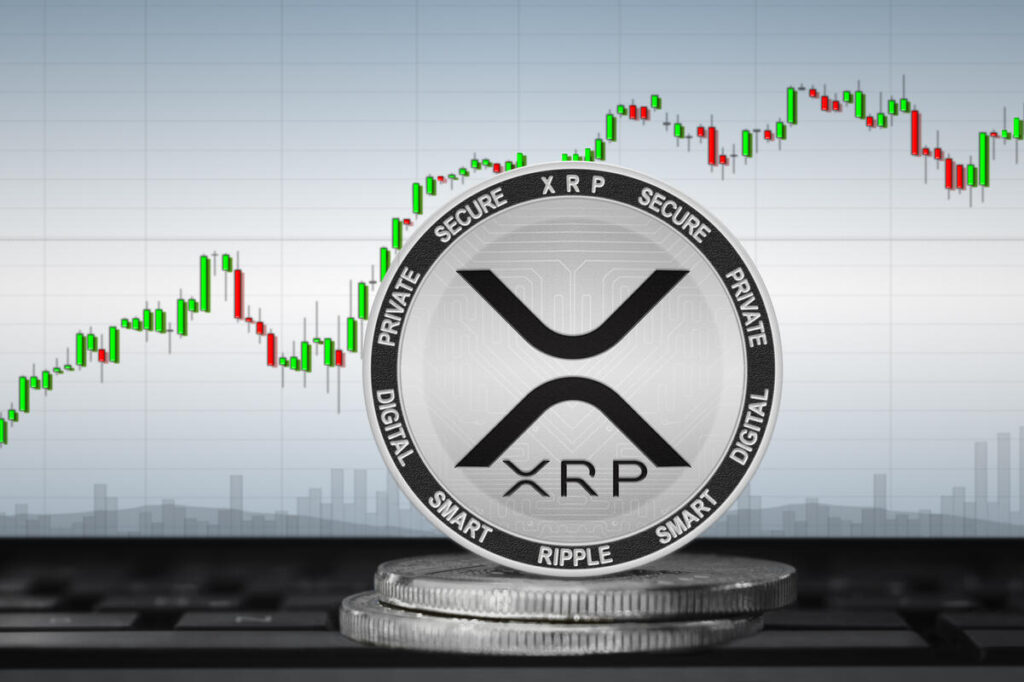
The cryptocurrency market is no stranger to bold predictions, but a recent forecast suggesting that XRP could reach $18,000 per coin has garnered significant attention. This projection, originating from a cryptocurrency research group, raises questions about its feasibility and the assumptions underpinning such a valuation.
The Basis of the $18,000 Prediction
A research paper published by a crypto-focused investment firm outlined multiple valuation models for XRP, with one scenario suggesting a price of $18,036 per token. This valuation was based on a Discounted Cash Flow (DCF) model, assuming that Ripple’s technology would be integrated into a significant portion of global transactions over the next decade.
Key assumptions in the model included:
- Global Transaction Volume: Estimated at $104 trillion
- Economic Growth Rate (2023-2032): Projected at 2%
- Applied Discount Rate: Set at 10%
- Total Transaction Present Value: Calculated at $915 trillion
- XRP Circulating Supply: Approximately 50.7 billion tokens
- Projected Price per XRP: $18,036
This optimistic scenario relies on Ripple’s technology being widely adopted across financial systems, effectively replacing traditional payment networks.
Adoption and Institutional Interest
Despite these projections, major financial institutions have yet to confirm widespread adoption of XRP for cross-border transactions. While RippleNet has been associated with several banking institutions, full-scale integration remains limited. Some banks have expressed interest in exploring blockchain-based payment solutions, but no large-scale implementation of XRP for settlements has been officially documented.
Market Sentiment and Community Reaction
The forecast of XRP reaching five-figure valuations has been met with mixed reactions. Some members of the XRP community remain highly optimistic about its future, while skeptics argue that such projections are unrealistic given current adoption levels and regulatory challenges.
Conclusion
The possibility of XRP reaching $18,000 per token depends on several optimistic assumptions, including widespread global adoption and a major shift in financial infrastructure. While XRP continues to be a key player in blockchain-based payments, its future valuation remains speculative, and investors should consider multiple factors before making investment decisions.
The initial surge in Bitcoin’s price following recent political shifts has subsided, leading traders and investors to refocus on macroeconomic factors. The market is now turning its attention to potential Federal Reserve policy changes, particularly interest rate cuts and monetary expansion.
Bitcoin’s Shift from Political Sentiment to Economic Drivers
During certain political transitions, Bitcoin experienced increased speculation, with investors associating policy changes with favorable conditions for cryptocurrency markets. However, this trend has diminished as broader economic factors take precedence.
The Federal Reserve’s monetary policy decisions, particularly regarding interest rates and liquidity expansion, are now at the forefront of Bitcoin’s market movement. Traders are closely monitoring signals that could indicate shifts in economic conditions that may impact Bitcoin’s trajectory.
Federal Reserve Rate Cuts and Their Impact on Bitcoin
A potential reduction in interest rates could lead to increased capital inflows into risk assets, including Bitcoin. Lower rates typically make borrowing cheaper and encourage investment in alternative assets. Additionally, an expansion of the money supply could drive further demand for Bitcoin as a hedge against inflation.
Liquidity Expansion and Bitcoin’s Market Response
Beyond interest rate policies, the Federal Reserve’s approach to liquidity expansion will also play a role in Bitcoin’s price movement. If the central bank increases liquidity to support economic growth, Bitcoin could see renewed demand from institutional investors looking for alternative stores of value.
Conclusion
As political speculation surrounding Bitcoin fades, macroeconomic factors such as Federal Reserve policies on interest rates and liquidity expansion will become the primary drivers of market sentiment. Investors should pay close attention to these economic developments as they navigate Bitcoin’s evolving landscape.

The idea of governments holding Bitcoin as a strategic reserve has moved from speculation to serious discussion. Some U.S. states are now considering adopting Bitcoin reserves before the federal government takes similar action.
State-Level Bitcoin Adoption
Certain states have taken legislative steps toward establishing Bitcoin reserves. Some are in the final stages of approving bills that would allow state treasuries to hold Bitcoin as part of their reserves. Others have initiated discussions on how integrating Bitcoin into state financial systems could provide a hedge against inflation and economic instability.
However, not all states have embraced the idea. Several have rejected proposals related to Bitcoin reserves, highlighting concerns over volatility and regulatory uncertainty. This divide showcases the varying perspectives on cryptocurrency adoption within the U.S.
Federal Government’s Stance on Bitcoin Reserves
At the federal level, discussions around Bitcoin reserves have been more measured. Recent executive orders have explored the feasibility of a national Bitcoin stockpile, with some officials advocating for a sovereign wealth fund that includes digital assets.
Despite these developments, state governments are likely to move faster than the federal government in adopting Bitcoin reserves. The decentralized nature of state decision-making allows for more rapid policy changes, potentially setting a precedent for broader national adoption in the future.
Implications for Bitcoin Adoption
If states begin incorporating Bitcoin into their reserves, it could have significant implications for the cryptocurrency market. Increased governmental adoption could:
- Strengthen Bitcoin’s legitimacy as a store of value
- Influence future regulatory frameworks
- Encourage institutional investors to increase their exposure to digital assets
Conclusion
As some states lead the charge in integrating Bitcoin into their financial strategies, they may set the stage for broader adoption at the national level. While the federal government remains cautious, the momentum at the state level suggests that Bitcoin’s role in governmental reserves could expand in the near future.

The sudden collapse of cryptocurrency exchange FTX in November 2022 created turmoil in the crypto market. Once valued at $32 billion, FTX’s downfall was attributed to allegations of misusing customer funds to support its affiliated trading firm, Alameda Research. This led to a liquidity crisis, preventing customers from accessing their assets and culminating in a Chapter 11 bankruptcy filing.
Initiation of Creditor Repayments
In February 2025, FTX began its first round of creditor repayments, with a second round scheduled for later in the year. Creditors eligible for the next phase must verify their claims before receiving payments. Under the exchange’s recovery plan, the majority of affected users are expected to receive more than 100% of their claims in cash.
Industry Reactions and Expert Opinions
Industry analysts believe that the two-year repayment timeline, despite initial frustration, should be viewed as a positive outcome. Many had anticipated a much longer legal battle due to the complexities involved, including multiple jurisdictions, regulatory barriers, and legal negotiations.
Challenges in the Repayment Process
FTX’s multinational operations complicated the repayment process, requiring coordination across various legal systems. These jurisdictional challenges added layers of complexity, making the relatively swift resolution surprising to many.
Impact on Creditors and Market Sentiment
The repayment process has offered some relief to creditors and is seen as a step toward restoring confidence in the crypto industry. The ability to distribute funds relatively quickly, despite the scale of the collapse, demonstrates a level of accountability that is often lacking in similar cases.
Lessons Learned and Future Implications
The downfall of FTX has underscored the importance of transparency, regulatory oversight, and proper risk management for cryptocurrency exchanges. These developments could pave the way for stronger industry regulations and increased scrutiny over centralized platforms.
While the collapse was a significant blow, the expedited repayment process is being regarded as a sign that structured recovery efforts can yield positive results in the face of financial disasters.