



Bitcoin has recently surged to $85,000, fueled by a combination of strong spot buying and aggressive margin longs. This upward momentum has given investors renewed confidence in the market. However, analysts caution that despite the rally, market indicators suggest the bottom may not yet be fully established.
The Role of Spot and Margin Buying
A significant portion of Bitcoin’s latest rally has been attributed to strong spot buying, as well as leveraged margin longs. Market participants have shown a growing appetite for risk, pushing prices higher despite broader market uncertainties. The influx of institutional interest has also played a role in the price spike, with large buyers accumulating positions amid market optimism.
Potential Risks of Overleveraging
While the rally has been impressive, there are concerns about overleveraging. High levels of margin trading can lead to sudden liquidations, which may trigger sharp corrections in Bitcoin’s price. If long positions become overextended, a market downturn could wipe out gains and create increased volatility.
Macro Factors and Market Sentiment
External economic factors, including inflation concerns, monetary policy shifts, and global financial uncertainty, continue to play a role in Bitcoin’s price trajectory. Investors are watching central bank policies closely, as changes in interest rates and liquidity conditions could impact risk appetite in the crypto space.
Key Support and Resistance Levels
Analysts point to key technical levels that will determine Bitcoin’s next moves. If the asset fails to sustain momentum above the $85,000 mark, a pullback to lower support levels could be likely. Conversely, a breakout past resistance could pave the way for further gains, potentially pushing Bitcoin to $100,000 and into new all-time highs.
Caution Amid Bullish Momentum
Despite the optimism surrounding Bitcoin’s latest surge, experts urge caution. The market remains highly volatile, and traders should be prepared for potential corrections. While long-term sentiment remains positive, short-term fluctuations are expected, making risk management essential for those looking to capitalize on the current trend.
Final Thoughts
Bitcoin’s rally to $85,000 highlights strong demand and growing institutional participation. However, with leveraged positions rising and external macroeconomic factors at play, the market remains uncertain. Investors should stay vigilant, considering both the bullish momentum and the potential risks that could lead to sudden market reversals.
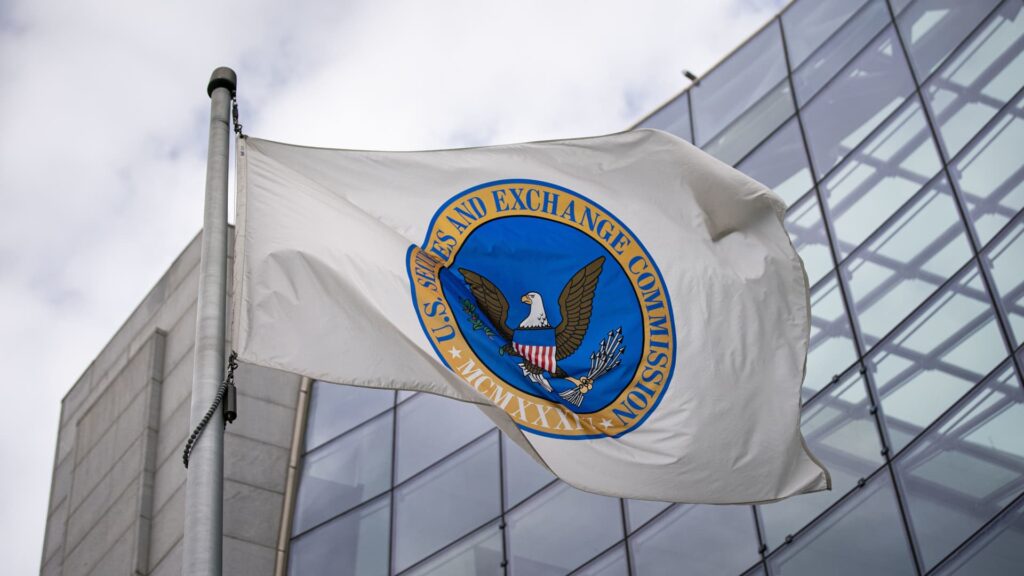
A U.S. federal judge has dismissed the Securities and Exchange Commission’s (SEC) lawsuit against Richard Heart, the founder of the cryptocurrency HEX. The SEC had accused Heart of raising over $1 billion through unregistered cryptocurrency offerings and misusing $12.1 million for personal purchases, including luxury items and rare collectibles.
Jurisdictional Challenges
The dismissal was based on jurisdictional issues, with the judge ruling that Heart’s activities were not specifically directed at U.S. investors. The court noted that the alleged misappropriation occurred through digital wallets and crypto asset platforms that lacked a concrete connection to the United States.
SEC’s Accusations
The SEC had claimed that Heart promoted HEX, PulseChain, and PulseX with exaggerated promises of wealth, including statements suggesting that HEX could provide 38% annual returns. Additionally, the agency alleged that investor funds were used for extravagant purchases, including high-end sports cars, expensive watches, and unique auctioned items.
Court’s Reasoning
The judge ruled that Heart’s online promotional efforts were global rather than targeted specifically at the U.S. market. Furthermore, the SEC was unable to demonstrate that Heart engaged in financial transactions within the U.S. jurisdiction, weakening the foundation of the case.
Heart’s Response
Following the ruling, Heart’s representatives expressed relief, emphasizing that the decision was a step toward protecting legitimate crypto entrepreneurs from overreach by regulatory agencies. Heart himself acknowledged the challenges of winning a securities-related case against the SEC and welcomed the outcome.
SEC’s Position
The SEC has not publicly commented on the dismissal, leaving uncertainty about whether further legal actions will be pursued.
Implications for Cryptocurrency Regulation
The case highlights the difficulties regulators face in enforcing securities laws within the decentralized crypto industry. As digital assets continue to evolve, this ruling may set a precedent for future cases, influencing how regulators approach enforcement in the space.

XRP, the native cryptocurrency of the Ripple network, has experienced a notable downturn, with its price decreasing by 9% in the past 24 hours to approximately $2.05. This decline is part of a broader correction that began on January 16, following a peak of $3.40. Several factors contribute to this downward trend, including ongoing legal challenges, significant liquidations in the derivatives market, and broader market volatility.
Legal Challenges and Market Sentiment
The U.S. Securities and Exchange Commission (SEC) initiated a lawsuit against Ripple in December 2020, alleging unregistered securities sales. In August 2024, a federal judge ruled partially in favor of Ripple, imposing a $125 million fine—substantially less than the SEC’s initial $2 billion demand—and affirming that XRP is not a security for retail sales. Despite this, the SEC appealed the decision in October 2024, prolonging legal uncertainties that continue to impact investor confidence and XRP’s market performance.
Derivatives Market Liquidations
The recent price drop has been accompanied by significant liquidations in the derivatives market. Over the past 24 hours, approximately $25.5 million worth of XRP futures positions were liquidated, with long positions accounting for $22.2 million. This wave of liquidations indicates strong bearish pressure, as leveraged traders are compelled to exit their positions, further intensifying the downward momentum.
Technical Analysis and Support Levels
From a technical perspective, XRP’s price is approaching a critical support level at $2.00. This psychological threshold coincides with the lower boundary of a descending parallel channel. A decisive break below this support could trigger further declines, potentially targeting the recent low of $1.76 observed on February 3, and the $1.50 level, which aligns with the 200-day Simple Moving Average (SMA). Conversely, maintaining support above $2.00 could provide a foundation for a potential recovery, contingent on improved market sentiment and resolution of legal uncertainties.
Broader Market Context
The overall cryptocurrency market has experienced heightened volatility, influenced by macroeconomic factors and regulatory developments. The global crypto market capitalization has decreased by 6.6%, reaching $2.66 trillion. Events such as significant security breaches and geopolitical tensions have contributed to a risk-averse environment, prompting investors to reassess their positions across various digital assets, including XRP.
Conclusion
XRP’s recent price decline is the result of a confluence of factors, including ongoing legal challenges with the SEC, substantial liquidations in the derivatives market, and broader market volatility. The critical support level at $2.00 serves as a pivotal point for traders and investors. A breach below this threshold could lead to further losses, while successful defense may pave the way for stabilization and potential recovery. Market participants are advised to monitor legal developments and market dynamics closely when making investment decisions related to XRP.

Bitcoin (BTC) has recently experienced a significant price decline, falling more than 6.5% in the past 24 hours to a low of $78,197, a level not seen since November 2024. This downturn is largely attributed to escalating trade tensions between the United States and China, following U.S. President Donald Trump’s decision to impose import tariffs. The potential for a trade war has heightened investor concerns, leading to increased market volatility and a reassessment of risk assets, including cryptocurrencies.
Impact of Trade Tensions on Bitcoin
The imposition of tariffs by the U.S. government has introduced uncertainty into global markets. Investors fear that retaliatory measures from China could exacerbate economic instability, prompting a shift away from riskier assets. Bitcoin, often perceived as a hedge against traditional financial systems, has not been immune to these macroeconomic pressures. The correlation between Bitcoin’s price movements and global economic events underscores its sensitivity to broader market dynamics.
Technical Analysis: Key Support Levels
Analysts are closely monitoring Bitcoin’s price action, particularly the critical support level at $75,000. Ryan Lee, chief analyst at Bitget Research, notes that losing this support could open the door to further declines, potentially targeting the $70,000 region. Historical patterns and trader sentiment suggest that maintaining support above $75,000 is crucial for preventing deeper corrections. A breach of this level may trigger additional selling pressure, as traders seek to mitigate potential losses.
Historical Context and Future Projections
Historically, Bitcoin has undergone periods of significant volatility, often influenced by macroeconomic events. The current correction mirrors previous downturns, where external factors prompted sharp sell-offs. Raoul Pal, founder and CEO of Global Macro Investor, previously indicated that Bitcoin could reach a “local top” above $110,000 in January before entering a corrective phase. This projection aligns with the recent price movements, suggesting that Bitcoin’s trajectory is influenced by a combination of technical factors and macroeconomic developments.
Market Sentiment and Investor Behavior
The prevailing market sentiment has shifted towards caution, with investors closely monitoring geopolitical developments and their potential impact on financial markets. The possibility of a prolonged trade dispute between major economies has introduced a risk-off sentiment, leading to reduced exposure to volatile assets like cryptocurrencies. This cautious approach is reflected in trading volumes and the increased demand for traditional safe-haven assets.
Conclusion
Bitcoin’s recent price decline highlights its susceptibility to global economic events, particularly escalating trade tensions between the U.S. and China. The critical support level at $75,000 serves as a focal point for traders and investors. A sustained breach below this threshold could precipitate further declines, while stabilization above it may restore confidence and attract renewed interest. As the situation evolves, market participants are advised to stay informed about geopolitical developments and adjust their strategies accordingly to navigate the inherent volatility of the cryptocurrency market.

The Arizona Senate has recently passed two significant bills aimed at integrating cryptocurrencies into the state’s financial framework. These bills, which propose the establishment of a state cryptocurrency reserve, mark a major step toward incorporating digital assets into state-level financial planning. If enacted, Arizona would become one of the first U.S. states to officially recognize cryptocurrency as part of its financial reserves.
The Proposed Cryptocurrency Reserve
The primary objective of these bills is to enable the Arizona State Treasurer to manage and hold cryptocurrency as part of the state’s financial reserves. This move would allow the government to diversify its financial holdings, potentially leveraging digital assets to enhance the stability and liquidity of state funds.
Under the proposed legislation, the state would be permitted to store a variety of cryptocurrencies, including Bitcoin (BTC), Ethereum (ETH), and other approved digital assets. The bills outline a framework for securely storing and managing these holdings while ensuring compliance with existing financial regulations.
Legislative Progress and Support
The bills, Senate Bill 1235 and Senate Bill 1236, were passed with strong support from lawmakers advocating for Arizona’s leadership in blockchain and cryptocurrency adoption.
State Senator Wendy Rogers, a vocal proponent of the legislation, emphasized the importance of embracing digital assets as part of the financial future. She stated, “Arizona has the opportunity to position itself at the forefront of financial innovation by recognizing the role of cryptocurrencies in our economic system.”
While the bills have cleared the Senate, they must now pass through the House of Representatives before being signed into law by the governor.
Potential Impact on Arizona’s Economy
If the legislation is approved, Arizona could become a key player in the growing cryptocurrency ecosystem. Supporters argue that adopting crypto as part of the state’s reserves could attract blockchain-based businesses and investment, potentially stimulating economic growth.
Moreover, the move aligns with broader trends in digital asset adoption by governments and financial institutions worldwide. Countries such as El Salvador have already incorporated Bitcoin into their financial systems, and several U.S. states are exploring similar policies.
Challenges and Concerns
Despite its potential benefits, the proposal has also faced opposition from some lawmakers and financial experts. Critics argue that cryptocurrencies remain highly volatile and pose risks to state finances. The fluctuating nature of digital asset prices could result in significant financial losses if the market experiences downturns.
Additionally, regulatory uncertainty at the federal level presents another challenge. The U.S. government has yet to establish a clear regulatory framework for state-held cryptocurrencies, and potential changes in federal policy could impact Arizona’s ability to implement its crypto reserve.
The Road Ahead
With the bills now progressing to the House of Representatives, lawmakers will continue debating the potential risks and rewards of a state-managed cryptocurrency reserve. If approved, Arizona could set a precedent for other states considering similar measures.
The move also reflects a broader shift in attitudes toward cryptocurrency at the governmental level. As digital assets become more widely accepted, Arizona’s approach could serve as a model for integrating blockchain technology into public financial systems.
Conclusion
Arizona’s proposed cryptocurrency reserve legislation represents a significant step toward mainstream adoption of digital assets. While the initiative has garnered both support and criticism, its potential impact on the state’s economy and financial strategy cannot be overlooked. As the bills move through the legislative process, all eyes will be on Arizona to see whether it becomes the first U.S. state to hold cryptocurrency as part of its official financial reserves.

Ethereum (ETH), the second-largest cryptocurrency by market capitalization, is teetering on the edge of a significant price threshold. Recently, ETH’s value has declined to approximately $2,229.09, nearing its lowest point since January 2024. This downturn has raised concerns among investors and analysts, particularly regarding the crucial $2,000 support level.
Recent Price Decline and Market Sentiment
Over the past week, Ethereum has experienced a substantial 24.5% decrease in its value, marking one of its most challenging periods since 2022. This sharp decline has led to over $200 million in liquidations within the last 24 hours alone. Market sentiment has been notably bearish, with social metrics indicating a significant drop in investor confidence. Crypto investment manager 0xLouisT observed that Ether’s social sentiment is “at its lowest in the past 12 months.”
Technical Analysis: The Double-Top Pattern
From a technical standpoint, Ethereum’s price chart reveals a concerning double-top pattern that has been forming over the past year. This bearish pattern is characterized by two consecutive peaks at similar price levels, suggesting potential reversal in an asset’s price trend. The neckline of this pattern is situated around the $2,100 mark. A decisive close below this level could validate the pattern, potentially triggering further downward momentum. Analysts warn that if Ethereum’s price falls below the critical $2,000 support, it could pave the way for an additional 28% decline, targeting the next significant support at $1,500.
The Role of the 200-Week Exponential Moving Average (EMA)
Another key indicator in Ethereum’s current price analysis is the 200-week exponential moving average (EMA). Historically, this EMA has acted as a reliable support level for Ethereum, closely aligning with its bottom ranges. Since 2020, ETH/USD has closed below the 200-week EMA only 14.55% of the time, underscoring its significance. Presently, Ethereum is trading below this EMA, which could signal prolonged bearish momentum if the price fails to reclaim this critical level in the near term.
Cost-Basis Distribution and Potential Support Zones
On-chain data provides additional insights into potential support areas for Ethereum. According to Glassnode, the cost-basis distribution price for ETH is approximately $1,890. This metric reflects the price at which a significant portion of ETH last moved on-chain, suggesting a potential support zone if the price continues to decline. Trader Morin highlights a demand zone between $2,100 and $1,900, anticipating that Ethereum’s downward movement might stabilize within this range as selling pressure diminishes.
Investor Behavior Amid Price Volatility
Despite the recent downturn, some data indicates that investors remain cautiously optimistic. Leon Waidmann, head of research at OnchainHq, points out that ETH balances on exchanges are decreasing even as prices fall. This trend suggests that investors might be accumulating ETH, transferring assets to personal wallets in anticipation of a future price recovery. Such behavior often reflects confidence in the asset’s long-term value proposition, despite short-term market volatility.
Conclusion: Navigating the Uncertainty
Ethereum’s approach to the $2,000 support level is a pivotal moment for traders and investors. The interplay of bearish technical patterns, critical support indicators, and on-chain metrics paints a complex picture of the current market landscape. While historical data offers some hope for a rebound, the validation of bearish patterns could lead to further declines. Market participants are advised to exercise caution, closely monitor key support levels, and consider broader market conditions when making investment decisions.

In the wake of a significant cryptocurrency market correction, Binance, the world’s largest cryptocurrency exchange, has found itself at the center of speculation regarding its token holdings. Social media platforms have been abuzz with claims that Binance has been offloading substantial amounts of various cryptocurrencies, including Solana (SOL). These assertions have emerged following notable market movements and large-scale token transfers, leading to widespread concern among investors.
Market Downturn and Emergence of Speculation
The cryptocurrency market recently experienced a sharp downturn, with Bitcoin’s (BTC) price dipping to a low of $78,197, a level not seen since November 2024. This decline has been attributed to a combination of factors, including macroeconomic uncertainties and significant security breaches, such as the $1.4 billion Bybit hack. Amid this volatile environment, rumors began circulating that major exchanges, particularly Binance, were contributing to the sell-off by liquidating large portions of their token reserves.
Binance’s Response to Allegations
In response to these claims, Binance has categorically denied any involvement in mass selling of tokens. A spokesperson for the exchange stated, “Binance hasn’t ‘dumped’ or ‘sold’ large amounts of tokens as some tweets have wrongly claimed.” The spokesperson emphasized that such allegations stem from a fundamental misunderstanding of Binance’s role in the cryptocurrency ecosystem, clarifying, “They are misunderstanding what Binance does as an exchange, which is we simply help users match trades.”
Understanding Exchange Operations and Market Maker Activities
The confusion appears to arise from the misinterpretation of large token movements associated with market makers and liquidity providers. Market makers play a crucial role in ensuring liquidity and smooth trading experiences on exchanges by facilitating buy and sell orders. These entities often move substantial amounts of cryptocurrencies to and from exchanges as part of their regular operations. For instance, data from Arkham Intelligence revealed that Wintermute, a prominent crypto market maker, withdrew over $38.2 million worth of Solana from Binance within a 24-hour period leading up to February 24. Such movements are standard practice for market makers managing liquidity and do not necessarily indicate bearish sentiment or impending sell-offs.

Bitcoin (BTC) has had a strong start to 2025, but according to analysts at Matrixport, the cryptocurrency may be heading for a short-term correction in the coming months. The financial services firm suggests that BTC’s historical patterns indicate a potential price decline in March and April before resuming its upward trajectory.
Bitcoin’s Strong Rally and Potential Pullback
Optimism surrounding the approval of spot Bitcoin ETFs in the United States and renewed institutional interest have contributed to this bullish momentum. However, history suggests that March and April could bring a temporary pause in BTC’s upward movement.
Matrixport analysts point out that Bitcoin has historically shown weakness during these months, often retracing before entering a stronger rally later in the year. “The data suggests that Bitcoin’s performance tends to dip during this period before resuming its bull run,” the firm stated in its latest report.
Historical Trends and Seasonal Weakness
A closer look at Bitcoin’s past price movements reveals that March and April have often been marked by corrections. In previous bull cycles, BTC has experienced temporary pullbacks before setting new highs.
For instance, in 2021, Bitcoin surged to over $60,000 in early March before retracing to around $50,000 by April. A similar trend was observed in 2017 when BTC saw a correction in March before rallying to record highs later that year.
While history does not always repeat itself exactly, analysts believe that these seasonal patterns are worth considering when evaluating Bitcoin’s short-term outlook.
Potential Catalysts for a Correction
Several factors could contribute to a potential pullback in Bitcoin’s price over the next couple of months. One key element is market liquidity, which has been affected by recent regulatory developments and macroeconomic trends.
Additionally, profit-taking by institutional investors could lead to temporary sell-offs. With Bitcoin’s price having climbed significantly in recent months, some investors may look to lock in gains, leading to short-term downward pressure.
Another potential factor is increased scrutiny from regulators, particularly in the U.S. Following the approval of Bitcoin ETFs, regulatory agencies may impose stricter oversight, impacting market sentiment and investor behavior.
Long-Term Outlook Remains Bullish
Despite the potential for a short-term correction, Matrixport remains optimistic about Bitcoin’s long-term prospects. The firm believes that any dip in the coming months could present a buying opportunity for investors looking to enter the market ahead of another major rally.
“We see this as a normal part of Bitcoin’s market cycle,” the report stated. “A correction in March or April could be followed by a renewed surge in the second half of the year, especially as institutional demand continues to grow.”
What Investors Should Watch For
As Bitcoin approaches a potential correction phase, investors should closely monitor key support levels. A drop below $70,000 could signal further downside, while maintaining strength above this level would indicate resilience in the market.
Additionally, traders should keep an eye on macroeconomic factors, including Federal Reserve policy decisions and broader financial market trends. Any significant shifts in interest rates or inflation data could influence Bitcoin’s trajectory.
For long-term holders, a short-term correction may not be a cause for concern. Many analysts see Bitcoin’s long-term trend as bullish, particularly with increasing institutional adoption and the upcoming Bitcoin halving event in 2026.
Conclusion: Temporary Dip or Buying Opportunity?
While Matrixport’s analysis suggests that Bitcoin could face a correction in March and April, the overall outlook for the year remains positive. If historical trends hold true, any dip during this period could be followed by a strong rally in the latter half of 2025.
Investors should remain cautious, stay informed about market developments, and consider long-term strategies rather than reacting to short-term fluctuations. Whether the expected pullback materializes or not, Bitcoin’s fundamental growth story continues to attract attention from retail and institutional investors alike.

Texas Governor Greg Abbott is looking forward to reviewing a bill that would allow the state to create a strategic Bitcoin reserve.
In a statement to Crypto Intelligence News, Andrew Mahaleris, press secretary for Governor Abbott, said: “Already the home of crypto mining, this session Texas should become the crypto capital.
“Governor Abbott looks forward to reviewing any proposal to create a Bitcoin reserve that the Texas Legislature brings forth,” he added.
Texas is one of around two-dozen US states that have proposed legislation that would allow them to invest state funds in Bitcoin.
Senate Bill 21 (SB 21), introduced by State Senator Charles Schwertner, proposes the creation of the Texas Strategic Bitcoin Reserve, aiming to diversify the state’s investment portfolio and hedge against economic volatility.
The bill outlines that the reserve would be managed by the Texas Comptroller of Public Accounts, granting the authority to acquire, sell, and manage Bitcoin and potentially other high-market-cap cryptocurrencies.
Funding for the reserve is proposed to come from legislative appropriations, dedicated revenue sources, private donations, and cryptocurrency holdings accumulated through various means.
On February 27, 2025, SB 21 passed the Texas Senate Banking Committee with a unanimous 9–0 vote, propelling the bill to the Senate floor for further deliberation.
If the bill is passed by the Senate, it would subsequently require Governor Greg Abbott’s signature to become law.
Proponents argue that Bitcoin, often referred to as “digital gold,” could serve as a hedge against inflation and economic downturns, similar to traditional gold reserves.
Texas is well on course to launching its Bitcoin reserve, but some other states, such as Utah, are closer to passing their own respective Bitcoin reserve bill.
As of February 27, 2025, Bitcoin (BTC) has experienced a significant downturn, with its price declining by 10% over the past week and 3% in the last 24 hours. This downward movement has prompted analysts to assess potential support levels and the likelihood of further declines.
The Significance of CME Gaps in Bitcoin’s Price Movement
One focal point in the current analysis is the Chicago Mercantile Exchange (CME) Bitcoin futures market. Unlike the continuous trading in spot markets, CME futures operate during specific hours, leading to “gaps” during closures on weekends and holidays. Historically, these gaps have often been filled, meaning Bitcoin’s price tends to revisit these levels over time.
Currently, there’s an unfilled CME gap between approximately $77,930 and $80,670, resulting from a rapid price movement in November 2024. This gap aligns closely with Bitcoin’s 200-day exponential moving average (EMA) at $79,500, suggesting a strong support zone. Technical analysts posit that Bitcoin may need to revisit this area to establish a foundation for any sustained upward momentum.
Analyst Perspectives on Potential Support Levels
Market analysts have identified several key support levels to monitor:
- $77,000 CME Gap Zone: Filling this gap could serve as an initial support level.
- $72,000 Support Zone: Established during the November 2024 rally, this level could act as a secondary support.
- $65,000 and $58,000-$60,000 Zones: These areas represent deeper support levels, with the latter being a significant demand zone.
Michael van de Poppe, founder of MN Capital, highlighted the importance of these levels, noting that a failure to hold above the CME gap could lead to a retest of the March 2024 highs around $73,000.
Market Sentiment and Future Implications
The current market sentiment reflects caution, with significant liquidity observed in the lower $70,000 range. While historical patterns suggest that filling CME gaps is a common occurrence, it’s essential to consider broader market factors, including macroeconomic conditions and investor sentiment, which can influence price movements.
In conclusion, while Bitcoin’s recent decline has brought critical support levels into focus, traders and investors should conduct thorough research and consider multiple factors before making decisions, as the cryptocurrency market remains inherently volatile.