


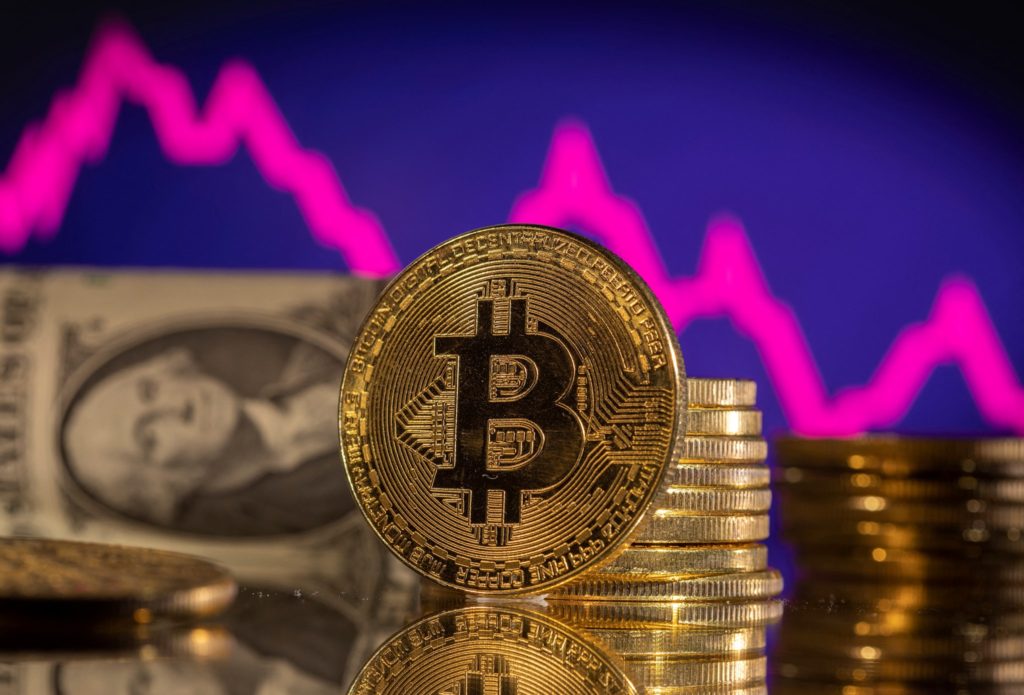
Bitcoin’s recent price movements have left traders uncertain, with some analysts warning that the bottom may not be in yet. Many traders are now eyeing the $74,000 zone as a key level for a potential pullback.
Trump’s EU Tariff Threat Adds to Market Volatility
Global markets, including cryptocurrencies, faced turbulence following Donald Trump’s renewed tariff threats against the European Union. This geopolitical uncertainty has led to increased risk aversion in traditional and digital asset markets.
Crypto trader Jane Smith noted: “Bitcoin remains in a fragile position. If macroeconomic pressures continue, a deeper correction could be on the horizon.”
What’s Next for BTC?
Traders are closely monitoring key support levels, with $74K emerging as a critical area. A breakdown below this level could trigger further downside, while a bounce could reignite bullish momentum.

In a significant move reflecting the evolving landscape of digital finance, Bank of America (BoA) has expressed openness to issuing its own dollar-pegged stablecoin, contingent upon obtaining regulatory approval and the establishment of clear legal frameworks. This development underscores the growing interest of traditional financial institutions in integrating blockchain technology and digital currencies into their services.
Embracing Digital Innovation
BoA’s consideration of a stablecoin aligns with its broader strategy to enhance digital offerings. The bank has been investing heavily in digital tools and technology, aiming to meet the changing needs of its customers. Despite this digital push, BoA emphasizes the continued importance of in-person services for complex financial needs, indicating a balanced approach to modernization.
Regulatory Landscape and Industry Perspectives
The potential launch of a BoA stablecoin comes at a time when regulatory sentiments toward digital currencies are shifting. Federal Reserve Governor Christopher Waller has highlighted the potential of stablecoins to extend the reach of the U.S. dollar, advocating for a clear regulatory framework that would allow both banks and non-banks to issue dollar-pegged digital currencies. Similarly, Federal Reserve Chair Jerome Powell has affirmed the central bank’s support for developing such frameworks, emphasizing the need for clear guidelines to ensure stability and trust in the financial system.
Industry leaders are also weighing in on the discussion. Circle CEO Jeremy Allaire has called for mandatory U.S. registration of all dollar-backed stablecoin issuers, arguing that non-U.S. providers should not be allowed to circumvent American regulations while serving U.S. customers. This perspective highlights the importance of a level playing field and the need for comprehensive regulatory oversight to protect consumers and maintain market integrity.
Implications for the Financial Sector
BoA’s readiness to issue a stablecoin, pending regulatory clarity, signifies a broader trend of traditional banks exploring deeper involvement in cryptocurrency and blockchain technologies. As lawmakers advance stablecoin legislation to strengthen the dollar’s dominance globally, the intersection of blockchain and banking could redefine U.S. financial services. Clear regulations are anticipated to encourage more financial institutions to participate in the digital currency space, potentially leading to increased innovation and competition.
Bank of America’s potential entry into the stablecoin market reflects the dynamic and rapidly evolving nature of the financial industry. As regulatory frameworks develop, the integration of traditional banking services with digital currencies could offer consumers more efficient and secure financial products, while also reinforcing the global position of the U.S. dollar in the digital age.
XRP, the native token of Ripple, is facing increased bearish sentiment as open interest in XRP futures contracts drops to its lowest level in 2025. This decline suggests that traders are pulling away from XRP, signaling reduced confidence in the altcoin’s price trajectory.
Why Is Open Interest Falling?
A decline in open interest often indicates a lack of new capital entering the market, suggesting that traders are hesitant to place bets on XRP’s future price movement. This drop has coincided with a period of low volatility in XRP’s price, which has struggled to gain momentum.
Crypto analyst John Doe commented: “The continued decline in XRP’s open interest suggests traders are reallocating capital elsewhere. Without fresh liquidity, XRP could remain in a stagnant range.”
What’s Next for XRP?
Despite the dip in open interest, XRP remains a widely followed cryptocurrency. However, its ability to attract new traders and regain momentum depends on legal developments surrounding Ripple’s ongoing SEC case and broader market trends.

Crypto exchange Gemini has announced that the United States Securities and Exchange Commission (SEC) has concluded its investigation into the company without taking any enforcement action. This marks a significant development for Gemini, which has been under regulatory scrutiny for various aspects of its operations.
No Enforcement Despite Ongoing Legal Challenges
The SEC had been investigating Gemini’s Earn program, which allowed users to earn interest on their cryptocurrency holdings. While this decision provides some relief for the company, Gemini is still entangled in legal battles, including a lawsuit from the New York Attorney General’s Office related to its dealings with the now-bankrupt Genesis Global Capital.
In a statement, Gemini shared: “We are pleased to announce that the SEC’s investigation into Gemini has been closed without any enforcement action. We have always maintained our commitment to compliance and transparency.”
However, Gemini continues to face regulatory scrutiny due to the Earn program, which led to lawsuits and financial complications when Genesis Global collapsed.
What This Means for Crypto Regulation
This decision by the SEC could indicate a more measured regulatory approach, rather than blanket enforcement actions. The SEC has aggressively targeted crypto firms, including Ripple, Binance, and Coinbase, but this outcome suggests that regulators may be reconsidering their strategies.
For Gemini, the focus will now shift toward legal defenses in other cases and the expansion of its services, including derivatives trading and international offerings.
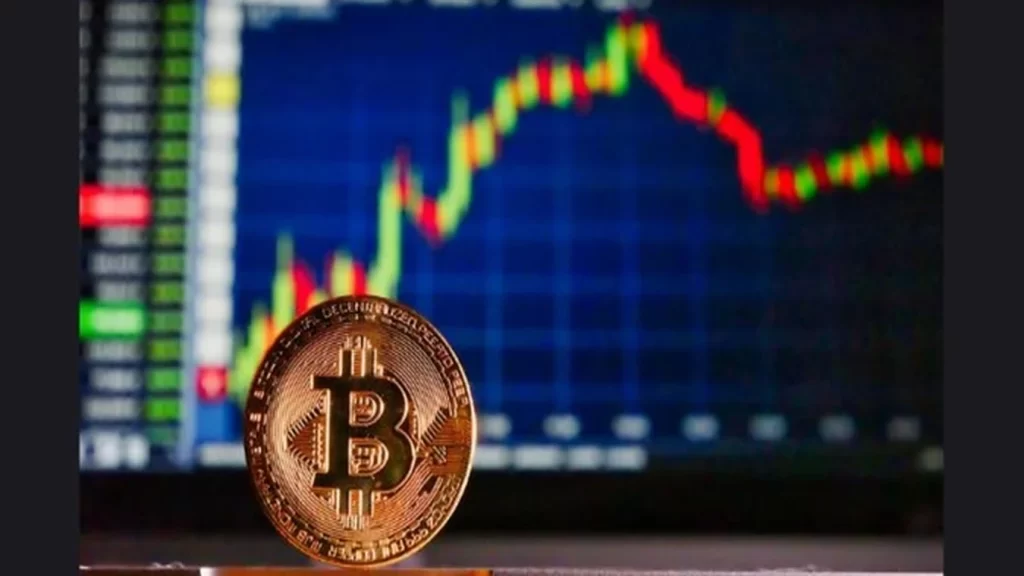
Since spot Bitcoin ETFs were launched in the US in early 2024, they have attracted tens of billions of dollars of inflows, and this institutional demand was the primary driving force for BTC’s rally over the last 12 or so months.
Ether ETFs were also approved by the SEC last year, but their inflows have been relatively limited thus far.
Market experts believe that spot Bitcoin ETFs will continue to be the most popular crypto products available to institutional investors, though other crypto ETFs – including funds made up of a basket of cryptos – are likely to attract significant inflows as the market matures.
Speaking to Crypto Intelligence News, Adrian Fritz, Head of Research at 21Shares, explained that Bitcoin has proven more popular due to its value proposition being more clearly defined, but predicted that demand for non-Bitcoin ETFs is likely to increase.
“This cycle has clearly been centered around Bitcoin. As the most established crypto asset, it is widely seen as the safest choice, with a straightforward value proposition as digital gold, a well-defined regulatory status as a commodity, and strong institutional trust,” Fritz said.
“Naturally, investors—especially institutions—feel more comfortable allocating to BTC over other crypto assets.
“While this trend may persist in the short term, we expect demand for non-Bitcoin products to grow over time.
“As investors become more familiar with the broader crypto ecosystem, they will start exploring opportunities beyond Bitcoin, leading to increased traction and momentum for diversified offerings.”
Roxanna Islam, Head of Sector and Industry Research at VettaFi, echoed this sentiment and noted that Bitcoin is also dominating institutional demand for crypto products outside the US market.
“Bitcoin overall has significantly more demand than other cryptocurrencies–it holds approximately 60% of market share,” Islam told Crypto Intelligence News.
“When packaged into spot ETFs, that dominance is even higher due to retail preference for Bitcoin. While I think there will be demand for other spot crypto ETFs, it will still remain relatively lower than Bitcoin.
“This is similar to markets outside the U.S. where large suites of crypto ETPs are offered, yet Bitcoin ETPs are significantly more popular.”
Islam added that she believes multi-token crypto ETFs “will play a large role in helping investors diversify their crypto holdings, but spot Bitcoin ETFs will likely still dominate in terms of popularity since any mainstream retail investors are satisfied with using just Bitcoin as a crypto play.”
Fritz noted that although Bitcoin ETFs are likely to remain dominant, exchange traded funds made up of numerous cryptocurrencies could eventually become more popular, as seen in the stock market.
“As long as it serves as the primary entry point for institutional investors, single-asset BTC products will likely maintain higher demand in the near term.
“However, as the crypto market matures, investor preferences may shift toward diversified exposure to altcoins beyond Bitcoin—much like in traditional finance, where index funds and sector ETFs are often preferred over single-stock investments.”
With regards to new crypto-based ETF filings, Islam noted that we are already seeing new, non-spot crypto products being developed.
“Filings for new crypto ETFs have extended beyond spot products and are following broader ETF trends including leveraged and buffered ETFs.
“It is likely that these trends will continue to align with the broader ETF market as the crypto ETF ecosystem grows more complex,” she concluded.

The CEO of Robinhood, Vlad Tenev, has highlighted the growing influence of tokenization in private stock markets, emphasizing the potential of blockchain technology to revolutionize traditional finance.
The Impact of Tokenization on Private Markets
Speaking at a recent financial event, Tenev pointed out that tokenizing assets, particularly private stocks, can enhance liquidity, reduce settlement times, and create more accessible investment opportunities. He noted that blockchain-based solutions could streamline processes that are traditionally complex and inefficient in private equity markets.
“Tokenization has the potential to reshape financial markets by making investments more liquid and accessible to a broader range of investors,” Tenev stated.
Growing Institutional Interest in Blockchain-Based Securities
In recent months, major financial institutions have been exploring the integration of tokenized securities into their investment portfolios. Companies such as BlackRock and Fidelity have begun testing blockchain technology for asset management, recognizing its potential to enhance transparency and efficiency in financial markets.
Tenev emphasized that Robinhood is actively monitoring this trend and sees significant growth opportunities in the tokenization of private stocks and other financial instruments. He expressed confidence that regulatory clarity in the coming years will further support innovation in this space.
The Future of Tokenized Finance
With increasing interest from both institutional and retail investors, the tokenization of assets is expected to gain traction in the financial industry. Experts believe that as blockchain technology matures, it will play a crucial role in redefining traditional financial markets.
Tenev concluded by stating that Robinhood is committed to exploring new opportunities in the blockchain space, ensuring that its platform remains at the forefront of financial innovation.
Summary
- Robinhood CEO Vlad Tenev sees tokenization of private stocks as a game-changer for financial markets.
- Blockchain technology can enhance liquidity, improve transparency, and shorten settlement times in private equity markets.
- Major financial institutions like BlackRock and Fidelity are actively exploring tokenization for asset management.
- Tenev stated, “Tokenization has the potential to reshape financial markets by making investments more liquid and accessible.”
- Regulatory uncertainty remains a key challenge, but the industry expects more clarity in the coming years.
- Robinhood is closely monitoring blockchain advancements and exploring opportunities in tokenized finance.
- As blockchain technology matures, experts predict a major shift in traditional financial markets through asset tokenization.
- Tenev reaffirmed Robinhood’s commitment to staying at the forefront of innovation in financial technology.

Dogecoin (DOGE) has remained one of the most talked-about cryptocurrencies despite its origins as a joke. Initially created in 2013 as a parody of Bitcoin, DOGE has since gained real-world adoption, largely thanks to social media hype and support from figures like Elon Musk.
As the crypto market prepares for another potential bull run in 2025, many investors are wondering: Can Dogecoin reach new all-time highs? This article breaks down Dogecoin’s price forecast for 2025 and beyond based on market trends, expert opinions, and potential catalysts.
Current Market Performance
Dogecoin currently trades at around $0.20, fluctuating alongside broader crypto market trends. DOGE saw a massive surge in 2021, reaching an all-time high of $0.73 in May before crashing alongside other cryptocurrencies. Since then, it has remained a favorite among retail investors but has struggled to regain its former highs.
Short-Term Dogecoin Price Prediction (2024-2025)
Many experts believe the crypto market could enter another bullish phase, benefiting Dogecoin. Here’s what analysts predict for DOGE’s price in the short term:
- Moderate Growth Expected: Most forecasts suggest DOGE could reach between $0.30 and $0.65 by the end of 2025 if market conditions remain favorable.
- Elon Musk’s Influence: Tesla and X (formerly Twitter) continue to be potential catalysts. If Musk integrates Dogecoin payments on X, DOGE could see a rapid price increase.
- Increased Utility: More businesses are accepting Dogecoin for payments, which could support steady price appreciation.
Expert Predictions for 2025
- WalletInvestor: Predicts a price range of $0.15 – $0.25 by late 2025.
- Changelly: Estimates DOGE could hit $0.30 – $0.40 if the crypto bull market takes off.
- CryptoNewz: A more optimistic forecast, suggesting DOGE might touch $0.50 if mass adoption increases.
Long-Term Dogecoin Price Prediction (2026-2030)
Long-term predictions for Dogecoin vary widely, depending on factors such as crypto adoption, regulatory policies, and overall market sentiment.
Bullish Scenario
- If Dogecoin continues to gain traction as a medium of exchange, it could potentially reach $1.00 or higher by 2030.
- Partnerships with major brands or integration into X for payments could be a game-changer.
- The broader adoption of Layer-2 scaling solutions on Dogecoin’s network could improve transaction efficiency, driving price growth.
Bearish Scenario
- If interest in Dogecoin declines or newer meme coins surpass it, DOGE could stagnate or drop below $0.05.
- Regulatory crackdowns on meme coins could hinder its adoption and price potential.
- A prolonged bear market in crypto could keep DOGE’s price below $0.20 for years.
Factors Influencing Dogecoin’s Future Price
Several key factors will determine Dogecoin’s price trajectory in the coming years:
1. Elon Musk’s Endorsement
Musk’s continued support for DOGE has been one of its biggest price drivers. If he integrates Dogecoin payments into Tesla or X (Twitter), its value could surge. However, if Musk shifts focus away from DOGE, its hype could decline.
2. Bitcoin Halving & Market Trends
Bitcoin’s 2024 halving is expected to trigger a crypto bull run, which typically benefits altcoins like Dogecoin. If history repeats itself, DOGE could see significant gains in 2025-2026.
3. Real-World Adoption
More merchants, platforms, and companies are accepting DOGE payments. Increased utility could drive long-term price growth and help it transition from a meme coin to a serious digital asset.
4. Competition from Other Meme Coins
Shiba Inu (SHIB) and newer meme tokens could overshadow Dogecoin if they offer better technology, faster transactions, or stronger communities. The meme coin market is highly competitive, making it crucial for DOGE to stay relevant.
5. Regulatory Challenges
The global crypto market faces growing regulatory scrutiny, and meme coins like Dogecoin could be at risk if governments impose strict regulations. Investors should monitor legal developments closely.
Is Dogecoin a Good Investment?
Dogecoin remains a high-risk, high-reward asset. While it has strong community support and brand recognition, its future price depends on market trends, adoption, and continued hype. Investors should consider:
✅ Pros:
- Strong community backing and mainstream recognition.
- Potential integration into X (Twitter) payments.
- Historically follows Bitcoin’s bull cycles.
❌ Cons:
- Extremely volatile with no fixed supply limit.
- Meme coin competition (e.g., Shiba Inu, Floki, PEPE).
- Dependent on speculation and social media influence.
Conclusion: Will Dogecoin Reach $1?
While $1 DOGE is possible, it would require major adoption, Musk’s backing, and a booming crypto market. Most analysts predict DOGE will stay within the $0.20 – $0.50 range in the coming years, with the potential for higher gains in 2026-2030.
For investors, Dogecoin remains an exciting but speculative asset. It may not have the fundamentals of Bitcoin or Ethereum, but its meme-powered community and Elon Musk factor make it a unique play in the crypto space.
The global M2 money supply’s expansion is emerging as a potential catalyst for a significant Bitcoin rally. Analysts are observing this trend closely, though they advise caution against overcommitting based on this single indicator.
Correlation Between Money Supply and Bitcoin’s Trajectory
Pav Hundal, lead analyst at Australian cryptocurrency exchange Swyftx, discussed the implications of the increasing M2 money supply on Bitcoin’s prospects. He noted, “In normal times, global loosening measures are a pretty reliable lead indicator for crypto.”
Hundal emphasized that current data indicates active spot buyers and highlighted the U.S. government’s recent decision to raise its debt ceiling by $4 trillion as a significant factor.
The year-on-year fixed exchange rate for the M2 money supply of the four major central banks reached 3.65% in January, according to MacroMicro data. Historically, an increase in the global M2 money supply has been associated with higher Bitcoin prices, driven by enhanced liquidity and reduced interest rates.
Analysts’ Perspectives on Potential Bitcoin Surge
Economist Lyn Alden has previously identified a strong correlation between global M2 money supply growth and Bitcoin’s price movements, noting that Bitcoin aligns with global M2 trends approximately 83% of the time.
Investment research entity Bravo Research highlighted that the U.S. money supply has doubled over the past decade, suggesting that this liquidity surge could fuel a parabolic rise in Bitcoin’s value.
Summary
- The global M2 money supply is expanding, a trend historically linked to Bitcoin price surges.
- Analysts warn against over-reliance on M2 growth but acknowledge its potential impact on Bitcoin.
- Swyftx lead analyst Pav Hundal notes that liquidity expansion often benefits crypto markets.
- The U.S. debt ceiling increase by $4 trillion is seen as a contributing factor to rising liquidity.
- The year-on-year M2 growth rate reached 3.65% in January, suggesting increased market liquidity.
- Economist Lyn Alden found Bitcoin follows M2 money supply trends 83% of the time.
- Research firm Bravo Research highlights that U.S. money supply has doubled in a decade, potentially fueling Bitcoin’s next rally.
- While bullish sentiment grows, some experts caution that other macroeconomic factors must be considered before predicting a parabolic rise.
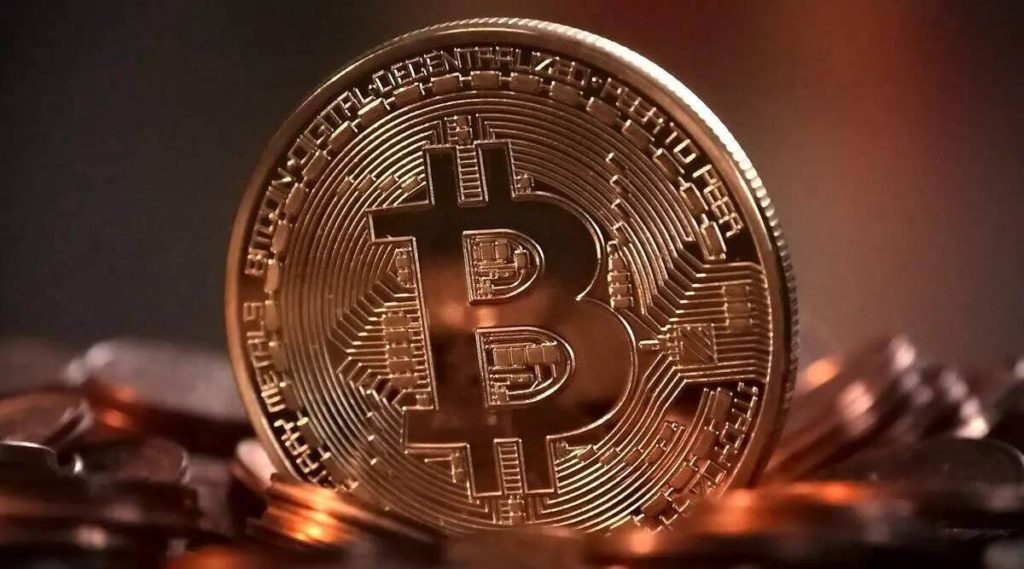
The cryptocurrency market recently faced a downturn following U.S. President Donald Trump’s announcement to proceed with tariffs on Canada and Mexico. Binance CEO Richard Teng addressed this development, characterizing the market’s response as a “short-term tactical retreat” rather than a fundamental reversal.
Market Resilience in the Face of Economic Policies
Teng emphasized that the cryptocurrency market has historically demonstrated resilience in the face of macroeconomic fluctuations. He stated, “It’s important to view this as a tactical retreat, not a reversal. Crypto has been here before and bounced back even stronger.”
The recent market dip saw Bitcoin’s price fall below $90,000 on February 25, a first since November. This decline was triggered by President Trump’s confirmation that a 25% tariff on imports from Canada and Mexico would proceed as scheduled, following a prior 30-day suspension.
Investor Sentiment and Market Indicators
The Crypto Fear & Greed Index, which gauges market sentiment, dropped to 21 out of 100 on February 26, indicating “Extreme Fear.” This represents a significant decline from a “Neutral” score of 29 just two days prior. Similarly, Nansen’s Risk Barometer shifted to a “Risk-off” stance after maintaining a “Neutral” position since mid-November.
Despite these indicators, Teng remains optimistic, noting that the fundamental aspects of the cryptocurrency market continue to strengthen. He highlighted the robust demand for crypto ETFs and the ongoing applications for new launches in the U.S. as positive signs. Since the resignation of former SEC Chair Gary Gensler on January 20, asset managers have filed for ETFs linked to assets such as XRP, Cardano, Solana, and Dogecoin.
Teng concluded, “The fundamental indicators of crypto’s strength are getting stronger,” suggesting confidence in the market’s ability to recover and thrive despite current challenges.
Summary
- Binance CEO Richard Teng describes the recent crypto market decline as a “tactical retreat” rather than a full reversal.
- Bitcoin’s price fell below $90,000 on February 25 after the U.S. announced tariffs on Canada and Mexico.
- Teng emphasized that crypto has recovered from similar downturns before and expects resilience.
- The Crypto Fear & Greed Index dropped to 21 (Extreme Fear), signaling increased investor caution.
- The Nansen Risk Barometer moved to a “Risk-off” position for the first time since mid-November.
- Despite market fear, Teng highlights strong demand for crypto ETFs and increasing institutional interest.
- New ETF applications for XRP, Cardano, Solana, and Dogecoin have emerged after SEC Chair Gensler’s resignation.
- Teng remains confident in crypto’s long-term growth, despite short-term macroeconomic pressures.

In a significant market movement, U.S. spot Bitcoin exchange-traded funds (ETFs) experienced their largest-ever daily net outflows, totaling $937.9 million on February 25. This marked the sixth consecutive trading day of outflows, coinciding with Bitcoin’s price dipping below the $90,000 threshold.
ETF Exodus Amidst Bitcoin Price Decline
The substantial outflows from these ETFs occurred as Bitcoin’s value decreased by 3.4% over the previous day, reaching a 24-hour low of $86,140 from an intraday high exceeding $92,000. Leading the outflows was the Fidelity Wise Origin Bitcoin Fund (FBTC), which saw a record-setting withdrawal of $344.7 million. BlackRock’s iShares Bitcoin Trust (IBIT) followed with an outflow of $164.4 million.
Other notable outflows included $88.3 million from the Bitwise Bitcoin ETF (BITB) and a combined $151.9 million from Grayscale’s Bitcoin Trust (GBTC) and Bitcoin Mini Trust ETF (BTC).
Cumulatively, these 11 Bitcoin funds have experienced over $2.4 billion in net outflows throughout February, with only four days recording net inflows.
Industry Perspectives on the Outflows
Nate Geraci, President of the ETF Store, expressed his astonishment at the traditional financial sector’s aversion to Bitcoin and cryptocurrencies. In a February 26 post on X (formerly Twitter), he remarked, “Still amazed at how much TradFi hates Bitcoin and crypto. Huge victory laps at every downturn. Hate to break it to you, but no matter how big drawdowns are, it’s not going away.”
Analysts such as BitMEX co-founder Arthur Hayes and 10x Research’s head of research, Markus Thielen, suggest that the majority of Bitcoin ETF investors are hedge funds engaging in arbitrage strategies rather than long-term holders.
Hayes predicted on February 24 that Bitcoin’s price could decline to $70,000 due to continued ETF outflows. He explained that many IBIT holders are hedge funds that went long on ETFs while shorting CME futures to earn yields higher than short-term U.S. Treasurys. As these yields diminish alongside Bitcoin’s price, these funds may unwind their positions, impacting the market further.
Thielen’s research indicates that over half of spot Bitcoin ETF investors are involved in arbitrage, selling ETFs while buying Bitcoin futures to maintain a market-neutral stance. This strategy effectively offsets any directional market impact, suggesting that the outflows may not directly correlate with a long-term bearish outlook for Bitcoin.
Summary
- U.S. spot Bitcoin ETFs saw their largest-ever daily net outflows of $937.9 million on February 25.
- This marked six consecutive days of outflows, with Bitcoin’s price dropping below $90,000.The Fidelity Wise Origin Bitcoin Fund (FBTC) led the withdrawals with $344.7 million in outflows.
- Other major funds, including BlackRock’s IBIT and Grayscale’s GBTC, also experienced significant withdrawals.
- Over $2.4 billion in net outflows have been recorded across 11 Bitcoin ETFs in February.
- Analysts believe hedge funds engaging in arbitrage strategies are behind these outflows rather than long-term holders.
- Arthur Hayes predicts Bitcoin could drop to $70,000 due to continued ETF outflows.
- Market sentiment remains cautious, but some experts argue this trend does not indicate a long-term bearish outlook.