



Bitcoin’s price has taken a sharp hit, falling to a multi-month low as broader market uncertainties weigh on investor sentiment. The decline comes amid widespread crypto liquidations and growing concerns over potential tariffs affecting the global financial landscape.
Bitcoin’s Price Decline and Liquidation Wave
Bitcoin dropped below the $90,000 mark, marking one of its steepest declines in recent months. The sell-off triggered a wave of liquidations across the crypto derivatives market, with over $500 million worth of leveraged positions wiped out in a single day.
Analysts attribute the decline to a combination of macroeconomic uncertainty, profit-taking by institutional investors, and technical factors influencing market sentiment.
One trader commented, “Bitcoin’s recent price action suggests a shift in market momentum, with increased selling pressure from large holders contributing to the downside.”
Global Tariff Concerns and Their Impact on Crypto Markets
Another key factor driving Bitcoin’s downturn is the growing uncertainty surrounding global trade policies. Reports of potential new tariffs on technology and financial products have raised fears of economic slowdowns, impacting investor confidence across multiple asset classes.
If global trade tensions escalate, risk assets like Bitcoin could face further downward pressure as investors seek safer alternatives.
Broader Crypto Market Reactions
Bitcoin’s decline also affected the wider cryptocurrency market, with major altcoins experiencing significant losses. Ethereum, Solana, and other top assets fell by 5-10% within the same timeframe, mirroring Bitcoin’s downward trend.
The sudden market correction highlights the volatility of the crypto sector, particularly during periods of macroeconomic uncertainty.
What’s Next for Bitcoin?
Despite the recent downturn, some analysts believe that Bitcoin’s long-term fundamentals remain strong. Institutional adoption, regulatory developments, and ongoing advancements in blockchain technology continue to support the case for Bitcoin as a long-term asset.
However, in the short term, traders remain cautious, closely watching key support levels and market trends to determine whether Bitcoin can stabilize or faces further downside risk.

The native token of the collapsed FTX exchange, FTT, saw a surprising 30% surge in value following a series of tweets from Sam Bankman-Fried (SBF), the embattled former CEO of the exchange. The sudden price movement has reignited discussions about the influence of social media on crypto markets.
SBF’s Tweets and Their Impact on FTT
Despite facing legal challenges related to the collapse of FTX, Bankman-Fried remains active on social media. His recent posts, hinting at potential developments related to FTX’s ongoing bankruptcy proceedings, sparked renewed investor interest in FTT.
While the tweets did not contain specific details about the token’s future, some market participants interpreted them as signs of a possible restructuring or recovery plan. This speculation led to a sharp increase in FTT’s trading volume, causing the price to spike by 30% within hours.
Market Reaction and Volatility Concerns
The price movement highlights how influential figures can still sway crypto markets, even amid controversy. Many traders rushed to buy FTT, hoping to capitalize on short-term price action. However, analysts caution that the surge may be purely speculative, given FTT’s uncertain future.
One market analyst commented, “This rally seems driven by speculation rather than fundamental value. Without a clear plan for FTX’s recovery, FTT remains a highly risky asset.”
FTX Bankruptcy and Ongoing Legal Issues
FTX filed for bankruptcy in November 2022, leaving billions of dollars in customer funds unaccounted for. Since then, its legal team has been working to recover lost assets and distribute funds to creditors.
Meanwhile, Bankman-Fried faces multiple fraud charges related to his role in the exchange’s collapse. Despite his legal troubles, his influence over the crypto community remains evident, as seen in the immediate market reaction to his social media activity.
Future of FTT and Investor Risks
While some traders see potential for further FTT price movements, others warn that the token’s long-term viability is uncertain. If FTX’s bankruptcy proceedings do not lead to a relaunch or structured token redemption plan, FTT’s value could plummet once speculation fades.
As regulatory scrutiny intensifies and the crypto market matures, cases like this continue to raise questions about the role of social media in financial markets and the risks associated with speculative trading.

A group of Ohio lawmakers has introduced a new bill aimed at eliminating taxes on digital asset payments, positioning the state as a potential leader in cryptocurrency adoption.
The proposed legislation, if passed, would ensure that Ohio residents and businesses can transact in digital currencies without facing additional tax burdens.
Details of the Proposed Bill
The bill, introduced by a bipartisan group of legislators, seeks to amend the state’s tax code to exempt digital asset transactions from sales and capital gains taxes. Lawmakers argue that such a measure would encourage the use of cryptocurrencies for everyday transactions, fostering innovation and investment in the state’s digital economy.
Under the proposal, Ohio would become one of the few jurisdictions in the United States to offer tax-free cryptocurrency transactions. This move could attract businesses looking to integrate blockchain-based payment systems while providing financial incentives for individuals to adopt digital currencies.
Motivation Behind the Tax Exemption
Supporters of the bill believe that digital assets should be treated similarly to cash transactions rather than taxable commodities. They argue that imposing taxes on crypto payments discourages mainstream adoption and creates unnecessary complexity for users.
One of the lawmakers backing the bill stated, “By eliminating taxes on digital asset payments, Ohio has the opportunity to establish itself as a leader in the blockchain economy and attract new businesses to the state.”
Additionally, proponents highlight the need for regulatory clarity, arguing that crypto transactions are often subject to conflicting tax treatments across different jurisdictions. A tax-free environment, they claim, would simplify compliance for businesses and individuals alike.
Challenges and Opposition
While the bill has garnered support from crypto enthusiasts and blockchain startups, it faces opposition from policymakers concerned about potential revenue losses. Critics argue that tax exemptions for digital assets could reduce state income and create loopholes for tax avoidance.
Another concern is the federal government’s stance on cryptocurrency taxation. The Internal Revenue Service (IRS) classifies digital assets as property, making them subject to capital gains taxes at the national level. If Ohio moves forward with its bill, it could face legal challenges or require additional legislative coordination at the federal level.
Potential Impact on the Crypto Industry
If passed, the legislation could set a precedent for other states to follow, potentially leading to wider adoption of cryptocurrency-friendly tax policies. Blockchain advocates see this as a crucial step in making crypto transactions more viable for everyday purchases, from coffee shops to online retail.
As lawmakers continue debating the bill, the outcome will be closely watched by the broader crypto community, particularly as states across the U.S. explore ways to regulate and integrate digital assets into their economies.

Dubai is considering new regulations that would require cryptocurrency whales to disclose their identities. This move is part of an effort to enhance financial transparency and prevent market manipulation within the digital asset sector.
Why Dubai Wants Crypto Whales to Reveal Themselves
Dubai’s financial regulators are increasingly concerned about the influence of major digital asset holders on market volatility. Crypto whales—individuals or entities holding significant amounts of cryptocurrency—can dramatically impact market prices with large buy or sell orders.
Authorities fear that these entities could engage in practices such as pump-and-dump schemes, leading to artificial price inflation followed by sharp declines that harm retail investors.
By requiring identity disclosure, regulators aim to introduce more accountability into the crypto sector, reducing the potential for market manipulation and illicit financial activities.
Proposed Regulatory Measures
The proposed regulations would likely mandate that any entity holding more than a certain threshold of digital assets—possibly $10 million or more—must disclose their holdings and identity. The information would be reported to Dubai’s financial authorities, ensuring that large-scale crypto transactions are subject to greater oversight.
Additionally, crypto exchanges operating in Dubai may be required to enforce stricter Know Your Customer (KYC) and Anti-Money Laundering (AML) policies to monitor whale transactions effectively.
Market Reactions and Concerns
While some industry leaders welcome the move as a step toward legitimacy, others argue that forced disclosure could deter institutional investors from operating in Dubai’s crypto market. Privacy advocates also raise concerns, arguing that anonymity is a core principle of cryptocurrency.
However, regulators believe that balancing transparency with investor privacy will help solidify Dubai’s reputation as a global hub for regulated crypto activities.
Future Implications for the Crypto Industry
If Dubai proceeds with these regulations, it could set a precedent for other jurisdictions to follow. Similar measures may be adopted by global financial hubs looking to enhance oversight in the crypto space.
Ultimately, Dubai’s push for transparency is another sign that governments worldwide are moving toward stricter crypto regulations, ensuring that digital assets are integrated into the mainstream financial system responsibly.

GameStop Corp. (GME) has recently received a proposal from Strive Asset Management, urging the gaming retailer to allocate its $4.6 billion cash reserves into Bitcoin (BTC). This suggestion has sparked discussions about the potential impact such a move could have on traditional finance sectors.
Proposal Details
In a letter dated February 24, 2025, Strive CEO Matt Cole recommended that GameStop not only invest its existing cash into Bitcoin but also consider issuing new equity and convertible debt to fund additional BTC acquisitions. Cole emphasized that this strategy could transform GameStop from a “meme stock to market leader,” providing a hedge against inflation and positioning the company at the forefront of financial innovation.
Market Reactions
John Haar, Managing Director at Swan Bitcoin, commented on the potential ramifications of such a strategy: “If GameStop embarks on the LBE (Leveraged Bitcoin Equity) strategy… It will bake the noodles of so many TradFi investors and commentators who think both GME and Bitcoin are a joke.” This statement underscores the disruptive potential of a major retailer integrating Bitcoin into its financial strategy, challenging traditional finance paradigms.
Strategic Implications
Cole’s proposal also suggests that GameStop should streamline operations by closing underperforming stores and enhancing its online presence. This operational shift, combined with a significant Bitcoin investment, could diversify GameStop’s revenue streams and reduce reliance on traditional gaming sales.
However, such a move is not without risks, including potential regulatory scrutiny and the inherent volatility of cryptocurrency markets.

In a landmark legal development, Aux Cayes FinTech Co., the operator behind the prominent cryptocurrency exchange OKX, has admitted to violating U.S. anti-money laundering (AML) regulations. This admission culminates in a substantial financial settlement exceeding $500 million, underscoring the intensifying regulatory scrutiny within the digital asset sector.
Admission of Operating Without Proper Licensing
On February 24, 2025, during proceedings in the U.S. District Court for the Southern District of New York, Aux Cayes FinTech Co., based in Seychelles, conceded to operating an unlicensed money transmitting business.
This plea highlights the company’s acknowledgment of its failure to secure the necessary licenses to facilitate financial transactions within the United States. Judge Katherine Polk Failla presided over the case, emphasizing the gravity of the company’s non-compliance with established financial regulations.
Financial Penalties and Forfeitures
The resolution of this case imposes a dual financial obligation on Aux Cayes FinTech Co.:
- Monetary Fine: The company is required to pay an $84.4 million fine, reflecting the severity of its regulatory breaches.
- Asset Forfeiture: An additional forfeiture of $420.3 million has been mandated, representing profits derived from the unlicensed operations.
Collectively, these financial penalties amount to nearly $505 million, marking one of the most significant settlements in the cryptocurrency industry’s regulatory history.
Circumvention of U.S. User Restrictions
Despite having policies in place to prevent U.S. residents from accessing its platform, OKX reportedly facilitated transactions for American users between 2018 and early 2024. Prosecutors revealed that the platform processed over $5 billion in suspicious transactions during this period.
Alarmingly, internal communications suggest that OKX employees may have actively assisted U.S. customers in bypassing geographical restrictions. One such instance involved an employee advising a user to falsely claim residence in the United Arab Emirates and to provide fabricated identification details.
U.S. Market Engagement and Promotional Activities
In addition to facilitating unauthorized transactions, OKX engaged in promotional activities within the United States. Notably, the company sponsored high-profile events, such as the Tribeca Film Festival in Manhattan, aiming to bolster its brand presence among U.S. audiences. These marketing endeavors occurred concurrently with the platform’s unlicensed operations, further complicating its legal standing.
Commitment to Enhanced Compliance Measures
As part of the plea agreement, Aux Cayes FinTech Co. has committed to strengthening its compliance infrastructure. The company has agreed to retain an external compliance consultant through February 2027. This consultant will oversee the implementation of robust AML protocols, ensuring adherence to both U.S. and international financial regulations. This proactive measure aims to prevent future infractions and to rebuild trust with regulatory bodies and users alike.
Company’s Response and Future Outlook
In an official statement, Aux Cayes FinTech Co. acknowledged the misconduct, attributing it to “legacy compliance gaps.” The company emphasized that U.S. customers constituted a minor segment of its global user base and confirmed that it has ceased offering services to U.S. residents. This acknowledgment signifies the company’s intent to rectify past oversights and to align its operations with global regulatory standards moving forward.
Implications for the Cryptocurrency Industry
This case serves as a pivotal reminder of the imperative for cryptocurrency exchanges to operate within the bounds of regulatory frameworks.
The substantial financial penalties levied against Aux Cayes FinTech Co. highlight the potential repercussions of non-compliance. As the digital asset landscape continues to evolve, exchanges are increasingly expected to implement rigorous compliance measures, ensuring transparency and accountability in their operations.

The U.S. Securities and Exchange Commission (SEC) has officially ended its investigation into Uniswap, the leading decentralized exchange (DEX) on the Ethereum blockchain. This decision marks a significant regulatory victory for the decentralized finance (DeFi) sector, which has faced increasing scrutiny from financial watchdogs.
Uniswap CEO Confirms Closure of the Probe
Uniswap Labs CEO Hayden Adams confirmed the development on February 26, 2025, via X (formerly Twitter), stating, “Just heard that the SEC has closed its investigation into Uniswap. A huge relief and a big win for DeFi.” Adams further emphasized that the decision reinforces the legitimacy of decentralized protocols and their compliance with existing financial regulations.
The SEC’s investigation, initiated in 2021, primarily focused on whether Uniswap Labs was involved in the offering of unregistered securities through its platform. However, with the closure of the case, it appears that regulators did not find sufficient evidence to pursue enforcement action.
Market Reaction and Industry Implications
Following the news, Uniswap’s governance token, UNI, saw a price jump of over 7% within hours, reflecting investor confidence in the platform’s regulatory standing. The broader DeFi market also reacted positively, with major decentralized exchange tokens experiencing modest gains.
Crypto industry experts view this as a precedent-setting decision that could influence future regulatory approaches toward DeFi protocols. “This is a milestone moment for decentralized finance,” said legal analyst Jake Chervinsky. “The SEC backing off suggests they acknowledge the unique structure of these platforms and their compliance efforts.”
Ongoing Regulatory Uncertainty
Despite the SEC dropping its probe into Uniswap, regulatory uncertainty around DeFi remains. The SEC has intensified its enforcement actions against centralized crypto firms and exchanges, leading to legal battles with companies like Coinbase and Binance. Analysts warn that while Uniswap has avoided immediate regulatory repercussions, the broader DeFi space could still face evolving compliance challenges.
Nonetheless, the SEC’s decision signals a potential shift in how regulators perceive decentralized platforms, offering a hopeful outlook for Uniswap and similar projects in the DeFi ecosystem.
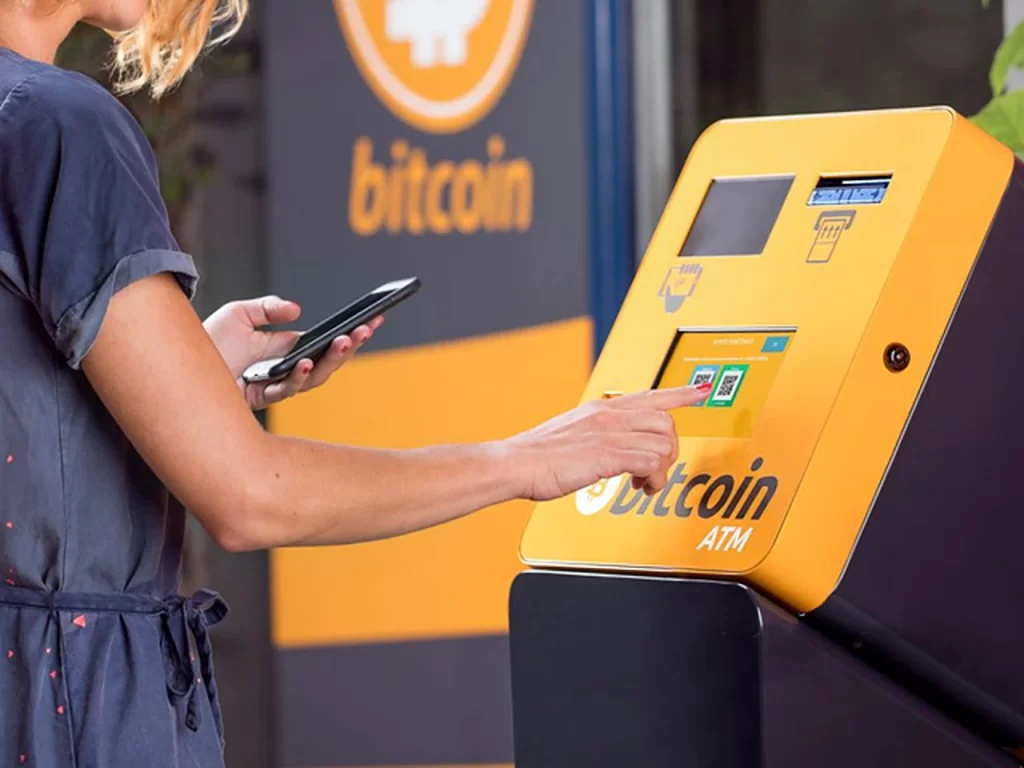
U.S. Senator Dick Durbin has introduced the Crypto ATM Fraud Prevention Act, aiming to address the rising incidents of fraud associated with cryptocurrency ATMs. This legislative move seeks to implement protective measures for consumers, particularly senior citizens, who are often targeted by scammers exploiting these machines.
Motivation Behind the Bill
Senator Durbin highlighted a case where a constituent was defrauded of $15,000 by a scammer posing as a law enforcement official. The fraudster convinced the victim to deposit funds into a crypto ATM to avoid fictitious legal consequences. Such incidents have become increasingly common, prompting the need for regulatory intervention.
Key Provisions
The proposed legislation mandates that crypto ATM operators:
- Display clear warnings about potential scams to inform users.
- Implement measures to detect and prevent fraudulent activities at their machines.
- Impose transaction limits for new users, restricting deposits to $2,000 per day and a total of $10,000 within the initial two weeks.
- Provide full refunds to victims under specific conditions to mitigate financial losses.
These provisions aim to create “common sense guardrails” to protect consumers from falling prey to scams facilitated through crypto ATMs.
Industry Response and Future Outlook
While the bill focuses on consumer protection, it also seeks to equip law enforcement with tools to trace and combat crypto-related fraud. The effectiveness of this legislation will depend on its enforcement and the cooperation of crypto ATM operators. As the bill progresses through Congress, its reception by industry stakeholders and lawmakers will be pivotal in shaping its final form and impact.
Solana (SOL) has recently experienced a significant price decline, reaching a five-month low of $131.90 on February 25, 2025. This downturn led to the liquidation of over $129 million in leveraged long SOL futures positions. Despite a brief recovery to the $140 range, SOL has depreciated by 17% since February 22, while the broader altcoin market saw a 10% decline.
Declining On-Chain Activity
A notable factor contributing to SOL’s underperformance is the reduction in on-chain activity. Decentralized exchange (DEX) volumes on the Solana network have decreased by 30% over the past week, hitting their lowest levels since October 2024.
Platforms such as Meteora and Raydium experienced activity drops of 48% and 28%, respectively. In contrast, Ethereum’s DEX volumes increased by 40% during the same period, indicating a shift in trader preference.
Staking Yields and Inflation Concerns
Solana’s staking yields are also under scrutiny. While the native staking offers a 9.5% yield, an anticipated 10% annualized inflation rate—due to the scheduled unlocking of over 16.1 million SOL tokens between February and May 2024—effectively results in a negative return for stakers during this period. This inflationary pressure may deter potential investors and stakers, further impacting SOL’s price stability.
Weak Demand in Derivatives Market
The derivatives market reflects a diminished demand for leveraged long positions on SOL futures, reaching its lowest levels in over a year. On February 24, SOL futures entered backwardation, indicating increased demand for short positions. The total open interest on SOL futures contracts decreased by 8.5%, from 31.6 million SOL to 28.9 million SOL, suggesting traders’ reduced confidence in a near-term price rebound.
Outlook for SOL Recovery
Given the decline in on-chain activity, inflationary pressures, and weak demand in the derivatives market, Solana’s price recovery may lag behind Bitcoin and other altcoins. Investors are advised to monitor these factors closely, as they play pivotal roles in influencing SOL’s market performance.

Shares of Strategy, formerly known as MicroStrategy, have experienced a 16% decline year-to-date, closely mirroring Bitcoin’s (BTC) recent downward trend. On February 25, Bitcoin’s price fell approximately 4% to around $88,000, intensifying concerns about the sustainability of Strategy’s aggressive Bitcoin acquisition strategy.
Market analysis firm The Kobeissi Letter highlighted that the company’s approach heavily relies on its capacity to raise additional capital backed by its expanding Bitcoin holdings. They cautioned, “In a situation where their liabilities rise significantly higher than their assets, this ability could deteriorate.”
Analysts Maintain Optimism
Despite the recent stock downturn, financial analysts remain optimistic about Strategy’s future. On February 6, Benchmark analysts raised the company’s price target to $650, expressing confidence in Strategy’s continued aggressive capital raising to support its Bitcoin acquisition plans throughout the year.
This positive outlook is rooted in the company’s strategy to generate “Bitcoin yield,” focusing on the ratio of Bitcoin holdings to outstanding shares. Strategy aims for a Bitcoin yield of 15% in 2025, suggesting a robust financial performance linked to its cryptocurrency assets.
Debt-Fueled Bitcoin Purchases
Since 2020, Strategy has invested over $33 billion in Bitcoin, acquiring the cryptocurrency at an average cost of approximately $66,000 per coin. This aggressive acquisition strategy has been financed through a combination of stock issuance and approximately $9.5 billion in convertible debt. Notably, the majority of this debt does not mature until 2027 or later, reducing the immediate risk of a Bitcoin price downturn necessitating the liquidation of holdings. The Kobeissi Letter emphasized that for such a scenario to force liquidation, Bitcoin’s price would need to fall by more than 50% from current levels and remain depressed beyond 2027.
Stock Performance and Market Outlook
On February 25, Bitcoin’s price dipped below the $90,000 threshold for the first time since November 2024, coinciding with sell-offs in U.S. spot Bitcoin exchange-traded funds (ETFs). Consequently, Strategy’s shares dropped over 10% to approximately $245. This marks a significant decline from its all-time high of $473 in November, shortly after the company announced its ambitious goal to acquire $42 billion worth of Bitcoin by 2027. Other companies with similar Bitcoin treasury strategies, such as Semler Scientific, have also experienced comparable stock retracements, with Semler down more than 20% year-to-date.
Despite these challenges, Benchmark analysts remain confident in Strategy’s ability to generate “Bitcoin yield,” viewing the BTC-per-share metric as a key indicator of the company’s financial health. This focus suggests that, while market volatility presents risks, Strategy’s long-term approach to integrating Bitcoin into its corporate treasury may offer substantial returns, provided the cryptocurrency’s value appreciates over time.