


Binance, a prominent cryptocurrency exchange, has unveiled a $5 million reward program to gather information regarding any potentially corrupt staff members following allegations of crypto token listing impropriety stemming from insider leaks.
On February 5th, Binance co-founder Yi He acknowledged that “heated discussions” had arisen within the crypto community following a sudden price drop in Ronin (RON), a gaming-focused blockchain token, shortly after it was listed on the exchange.
Speculations had circulated about potential insider leaks from within Binance, but Yi He countered these claims by stating that users had discovered blockchain data indicating preparations for the token’s listing.
CoinGecko data revealed that RON experienced a remarkable 30% price surge in the week leading up to its Binance listing announcement. However, it suffered an 18% drop within just an hour of the listing, eventually plunging over 26% on the same day.
This incident transpired just two weeks after Coinbase director Conor Grogan raised concerns about the existence of multiple wallets exhibiting a pattern of buying tokens shortly before they were officially listed on Binance, followed by selling them after the listings.
Grogan suggested that these wallets might be associated with a “rogue employee connected to the listings team” or a trader who had access to test trade information.
In response to these concerns, Yi He announced a comprehensive overhaul of Binance’s token listing procedures.
READ MORE: Genesis Global Capital Seeks Court Approval to Liquidate $1.6 Billion in Crypto Trust Shares
This revamp includes the establishment of a $5 million reward for validated information regarding corrupt staff members, exceeding the potential profits from illicit activities.
Team members involved in the token listing process will now be subject to stricter oversight, and any instances of leaked information concerning upcoming listings will lead to warnings for first-time offenders and dismissal for repeat offenders, Yi He asserted.
Additionally, individuals providing information exposing corrupt Binance team members in the token listing process or elsewhere may receive bounties ranging from $10,000 to $5 million.
To further enhance security, Binance will permanently blacklist projects that hire staff members terminated from the exchange due to corruption.
Project owners are urged to reach out to Binance for background checks before engaging with any potentially tainted individuals.
Furthermore, Binance will heighten its external communications security, emphasizing that token listings may be canceled if sensitive information is leaked prematurely.
Technical monitoring improvements are also on the agenda to safeguard against automated scripts reacting to token listing news.
Binance’s proactive measures reflect its commitment to maintaining trust and integrity within the cryptocurrency space while fortifying its reputation as a reliable and secure platform for traders and investors alike.

The Spanish Ministry of Finance, under the leadership of María Jesús Montero, is actively pursuing reforms to enhance its control and oversight of cryptocurrencies within the country.
Their primary objective is to enable the seizure of digital assets as a means to settle outstanding tax debts.
To achieve this goal, the ministry is currently working on legislative amendments to Article 162 of the General Tax Law.
These proposed changes will empower the Spanish Tax Agency to identify and confiscate cryptocurrency assets owned by individuals or entities who have delinquent tax obligations.
One significant development in this regard is the recent implementation of a royal decree, effective from February 1st.
This decree broadens the scope of entities with tax collection authority.
Previously, only banks, savings banks, and credit cooperatives were authorized to report to the Treasury.
This expansion allows the Treasury to strengthen its efforts in pursuing tax evaders and recover unpaid taxes more aggressively.
Furthermore, the Treasury intends to impose stricter reporting requirements on financial institutions, including banks and electronic money institutions.
They will be required to provide detailed information on all card transactions, making it harder for individuals to evade taxes through undisclosed financial activities.
The rapid pace of these regulatory changes reflects Spain’s proactive stance in establishing a comprehensive framework for cryptocurrency governance.
In October 2023, the Spanish Ministry of Economy and Digital Transformation announced plans to adopt the Markets in Crypto-Assets Regulation (MiCA), the first comprehensive European Union crypto framework.
READ MORE: Bitcoin Predicted to Reach New All-Time Highs in 2024 Despite Halving Challenges
This regulation is set to be implemented nationally by December 2025, six months ahead of the official deadline.
Spanish residents who hold cryptocurrency assets on foreign platforms have until the end of the next month to declare them to the tax authorities.
The declaration period began on January 1, 2024, and will conclude on the last day of March.
Individuals and corporations are required to disclose the value of funds held in their foreign crypto accounts as of December 31, 2023.
It’s worth noting that only individuals with crypto assets exceeding the equivalent of 50,000 euros (approximately $54,000) are obligated to declare their foreign holdings.
Those who store their assets in self-custodied wallets must report their holdings using the standard wealth tax Form 714.
These measures underscore Spain’s commitment to ensuring tax compliance and transparency in the rapidly evolving world of cryptocurrencies.

Kyle Davies and Su Zhu’s Open Exchange (OPNX) is set to shutter its operations on February 14, according to an email notification sent to users on February 1, as reported by Cointelegraph.
The cessation of trading activity will commence on February 7, with users still able to withdraw funds until the final closure date.
Intriguingly, a new exchange named OX.Fun has emerged seemingly to fill the void left by OPNX.
OX.Fun employs OPNX’s native token, Open Exchange Token (OX), as collateral for derivative trading.
It has garnered attention within OPNX’s official Telegram channel, although the identity of the individuals or entities running OX.Fun and their connection to OPNX remain unclear.
OPNX, launched in April 2023 by Davies and Zhu, former co-founders of the defunct cryptocurrency hedge fund Three Arrows Capital (3AC), also included Mark Lamb and Sudhu Arumugam, co-founders of the bankrupt crypto exchange CoinFLEX, among its creators.
Initially, OPNX was positioned as a reboot of CoinFLEX. However, subsequent legal disputes with CoinFLEX creditors led OPNX to assert that the two entities were entirely separate.
Zhu’s arrest for violating a committal order related to 3AC’s bankruptcy proceedings, with a similar order issued against Davies, added to the turmoil. Zhu was subsequently released after a three-month detention.
OPNX achieved some level of success in 2023, with daily spot trading volumes peaking at $32,000 and derivatives trading reaching $82 million by November.
However, at the time of its closure announcement, spot trading had dwindled to $23, and derivatives trading to $1.2 million.
Despite the discontinuation of OPNX, its token, OX, continues to be traded on various decentralized and centralized exchanges, maintaining a Telegram community of over 3,000 members.
OX.Fun has been actively promoted to the existing OPNX community, but many users are perplexed about the relationship between the two platforms.
OX.Fun briefly saw impressive trading volumes, with derivatives reaching nearly $39 million on January 30, although it subsequently dropped to $8 million the next day, still surpassing OPNX’s volumes.
READ MORE: FTX Seeks Court Approval to Sell Anthropic Stake Amidst Bankruptcy
The user interface of OX.Fun bears resemblance to decentralized derivatives protocols like GMX, dYdX, and Level Finance, featuring the familiar “Connect wallet” button for linking user wallets to the platform.
However, unlike decentralized protocols, OX.Fun’s deposit page lacks a button for in-wallet transactions, requiring users to manually send funds to an external deposit address.
This setup suggests that OX.Fun operates as a centralized, custodial futures trading platform, where deposits are likely directed to an exchange hot wallet account.
Additionally, OX tokens experience high slippage, exceeding 50%, making it challenging for users who do not hold OX to utilize the platform.
Despite these developments, key information about OX.Fun’s executives and corporate registration remains elusive.
Attempts to reach out to the platform’s team via Telegram and the official website’s customer support yielded no responses.
Users seeking clarity on the connection between OPNX and OX.Fun, as well as information about the project’s leadership and investors, have also encountered unanswered queries.
Despite the lack of transparency surrounding OX.Fun’s operators, the platform continues to process deposits and withdrawals as expected.

ProShares, a prominent issuer of futures-based Bitcoin exchange-traded funds (ETFs), remains unfazed by potential threats associated with the introduction of spot Bitcoin ETFs in the United States, according to a senior executive.
Simeon Hyman, ProShares’ global investment strategist, expressed that the company perceives advantages in the launch of spot Bitcoin ETFs for its futures products, both from operational and commercial perspectives.
In an interview with Cointelegraph on February 2, Hyman noted that their flagship Bitcoin futures ETF, the ProShares Bitcoin Strategy ETF (BITO), has experienced “very efficient” trading volumes since the arrival of spot Bitcoin ETFs.
Hyman conveyed the company’s satisfaction with BITO’s commercial impact, revealing that it currently trades with a mere two basis points deviation (2/100th of a percent) from its underlying value.
In contrast, spot ETFs have displayed an average premium or discount of 36 basis points.
Beyond the commercial realm, ProShares anticipates operational benefits stemming from the increased adoption driven by spot Bitcoin ETFs.
Hyman explained that the presence of spot ETFs is enhancing the futures market, which was already well-functioning and regulated.
The increased activity around Bitcoin is seen as a positive development.
READ MORE: FTX Bankruptcy Raises Questions Over Legal Team’s Lucrative Fees
These statements align with BITO’s recent trading dynamics, except for an abnormal spike in trading volume on January 11, coinciding with the launch of spot Bitcoin ETFs.
On that day, BITO’s trading volumes soared to nearly $2 billion, while its typical volumes ranged between $300 million and $600 million.
However, since the introduction of spot BTC ETFs, BITO has returned to its usual trading figures, reaching as low as $180 million on February 2. Prior to the spot ETFs’ launch, it traded within a similar range, as indicated by Yahoo Finance data.
It is worth noting that the news arrived as major spot Bitcoin ETFs like BlackRock’s iShares Bitcoin Trust (IBIT) and the Grayscale Bitcoin Trust ETF (GBTC) temporarily surpassed BITO in trading volumes, marking a significant shift.
BITO had previously held the title of the world’s largest Bitcoin ETF in terms of trading volumes.
Launched in October 2021, BITO stands as the United States’ first substantial futures Bitcoin ETF.
In contrast to spot Bitcoin ETFs, which track actual Bitcoin holdings, ProShares’ BITO uses futures contracts as its underlying asset.
Despite the changing landscape, ProShares remains optimistic about the future of its futures-based Bitcoin ETF amid the growing interest in the cryptocurrency market.

Vast Bank, which touted itself as the pioneer among U.S. banking institutions in allowing customers to seamlessly manage cryptocurrencies alongside their traditional checking accounts, has made a surprising move by shutting down its mobile crypto banking app and expressing its intention to exit the cryptocurrency industry.
According to an FAQ published on the bank’s website, Vast Bank has decided to disable and remove the Vast Crypto Mobile Banking application from both Google and Apple platforms as of Wednesday, January 31st, 2024.
Consequently, all Vast Crypto Mobile Banking accounts, including any digital assets held in custody, will undergo liquidation and closure, with remaining crypto holdings refunded to account holders.
Vast Bank ventured into the crypto sector back in 2019, forming partnerships with industry giants like Coinbase and SAP to launch their crypto-friendly mobile banking app in 2021.
However, the bank faced regulatory challenges, receiving a consent order from the Office of the Comptroller of the Currency (OCC) in late 2023.
The OCC’s order alleged that Vast Bank had engaged in “unsafe or unsound practices” related to risk management and control, with a particular focus on the institution’s involvement in cryptocurrencies.
READ MORE: Artists Ryder Ripps and Jeremy Cahen Ordered to Pay $9 Million in BAYC NFT Lawsuit
Shortly after the issuance of the OCC order, Vast Bank released a statement in November 2023, indicating a shift in its strategic direction.
The bank expressed its intention to refocus on “traditional banking” and pivot away from the crypto space. Vast Bank highlighted the ever-evolving and unclear regulatory landscape in digital banking, coupled with macroeconomic challenges, as factors contributing to its decision to withdraw from the crypto industry.
While Vast Bank did not explicitly mention regulatory uncertainty as the reason for its exit, it is widely acknowledged that the broader U.S. banking industry has exhibited hesitancy toward fully embracing cryptocurrencies due to regulatory ambiguity.
Some observers have pointed out the opposing stance of pro-crypto government officials who have voiced their concerns over the Securities and Exchange Commission’s inconsistent approach to cryptocurrency regulation.
In light of these developments, Vast Bank’s decision to exit the cryptocurrency space marks a notable shift in the landscape of traditional banking institutions’ engagement with digital assets, emphasizing the ongoing challenges posed by regulatory frameworks in the United States.
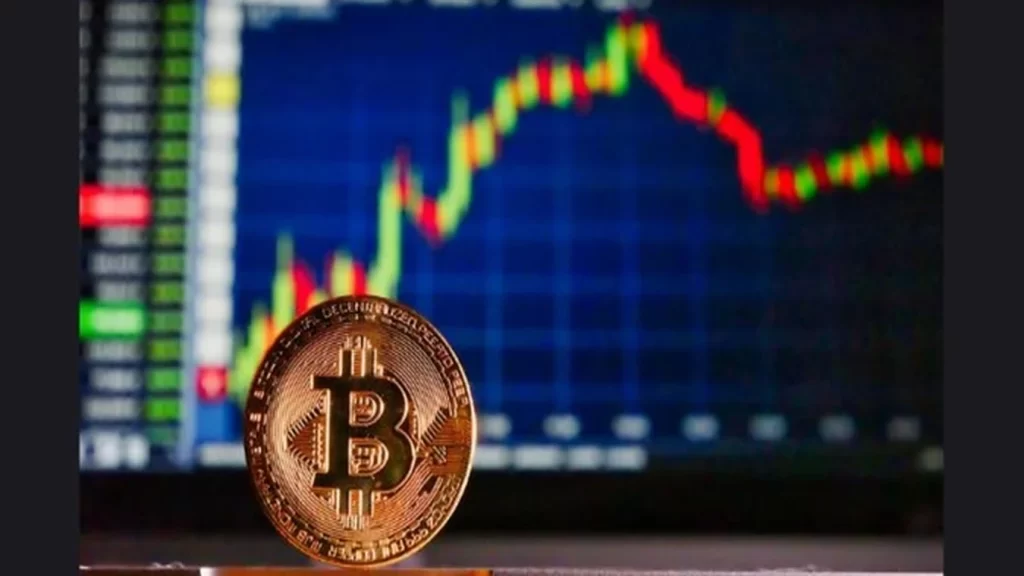
On February 5th, Bitcoin experienced a surge, surpassing the $43,500 mark, coinciding with the opening of Wall Street, as U.S. markets reacted to tumultuous events in the Chinese stock market.
Bitstamp reported local highs of $43,515 for Bitcoin, marking a new record for the cryptocurrency’s price in February.
This price rally was ignited by the abrupt drop of 8% in China’s CSI 1000 index, prompting Chinese authorities to enforce stricter controls on short selling.
Concerns about a potential recession in China began to circulate, with observations of a “disconnect” between large and small-cap stocks, causing China’s market to lose an astounding $7 trillion in value over the past three years.
Bitcoin’s volatility was further fueled by a significant increase in open interest, reaching $775 million, as reported by J. A. Maartunn, a contributor to the on-chain analytics platform CryptoQuant.
Despite the volatile market conditions, outflows from the Grayscale Bitcoin Trust (GBTC) remained relatively low, with approximately 2,600 BTC leaving the trust, continuing a downward trend seen in previous days.
Keith Alan, co-founder of the trading tool Material Indicators, analyzed the order book composition and issued a cautionary note regarding Bitcoin’s price.
He highlighted that there was limited liquidity immediately below the current spot price, making a drop to $42,000 appear quite plausible.
Furthermore, Alan noted that liquidity was more abundant around the $25,000 range, indicating growing sentiment for a potential price dip.
READ MORE: Artists Ryder Ripps and Jeremy Cahen Ordered to Pay $9 Million in BAYC NFT Lawsuit
He emphasized the relationship between liquidity and sentiment, explaining that increased liquidity often reflects prevailing market sentiment.
Alan also pointed out that the ladder of ask liquidity above the current spot price was gradually decreasing, suggesting that a rapid ascent to $45,000 or higher in the short term was unlikely.
In summary, Bitcoin’s price surged to over $43,500 as a response to the turmoil in the Chinese stock market.
This spike was accompanied by increased open interest and relatively low outflows from the Grayscale Bitcoin Trust.
However, caution was advised due to limited liquidity below the current price, with the potential for a dip to $42,000.
Overall, market sentiment remained uncertain, with the possibility of further price fluctuations in the near future.

Genesis Global Capital, a crypto lending firm facing bankruptcy, has sought approval from the United States Bankruptcy Court to liquidate approximately $1.6 billion worth of shares in the Grayscale Bitcoin Trust (GBTC), Grayscale Ethereum Trust (ETHE), and Grayscale Ethereum Classic Trust (ETCG).
In a recent court filing, Genesis emphasized the urgency of this request, highlighting the need to obtain approval to sell these trust assets to preempt any potential fluctuations in the prices of the underlying assets, including Bitcoin (BTC), Ether (ETH), and Ethereum Classic.
Their primary objective is to maximize the available funds for distribution to creditors.
Genesis’s portfolio is predominantly composed of GBTC shares, accounting for approximately 87% of their total holdings, valued at $1.38 billion.
Meanwhile, ETHE makes up around 10% of their holdings, approximately $169 million, and ETHCG represents about 3%, totaling $38 million.
The filing reveals that as of September 2023, GBTC held about 3.2% of all circulating Bitcoin, while in December 2022, ETHE had roughly 2.5% of all circulating Ethereum, and ETCG held approximately 8.5% of all circulating Ethereum Classic.
READ MORE: FTX Seeks Approval to Sell $175 Million Claim Against Genesis Global Capital in Bankruptcy Case
Genesis noted that the recent conversion of GBTC into a spot Bitcoin exchange-traded fund (ETF) allowed for the redemption of shares in cash through its redemption program, following approval from the United States Securities and Exchange Commission on January 10.
However, the Ethereum trusts (ETHE and ETCG) do not have a redemption program, requiring written consent from the sponsor to sell or dispose of the shares. Genesis has requested the waiver of this written approval.
Recent reports have shown a significant sell-off of GBTC shares since its conversion.
On January 22, FTX, a bankrupt cryptocurrency exchange, sold 22 million GBTC shares valued at nearly $1 billion, fully liquidating its holdings.
In contrast, Genesis has expressed its intention to maximize the proceeds from the sale of these crypto assets.
The filing also emphasizes the commitment of both Genesis and Gemini (the sponsor) to make reasonable efforts to maximize the market price of any Trust Assets or Initial GBTC Shares and the proceeds received from their sale or redemption.

Artists Ryder Ripps and Jeremy Cahen find themselves in a legal quagmire as their counterclaims against Bored Ape Yacht Club (BAYC) creator Yuga Labs have been dismissed by the court.
The unfavorable order handed down requires the pair to pay a hefty sum of $9 million in disgorgement and other statutory damages.
The legal battle stems from their actions in May 2022 when Ripps and Cahen unveiled the Ryder Ripps BAYC (RR/BAYC) collection, which bore striking resemblance to the renowned BAYC brand.
In April 2023, a judge ruled in favor of Yuga Labs, asserting that Ripps and Cahen had violated copyright laws by creating unauthorized versions of BAYC nonfungible tokens (NFTs).
This initial ruling compelled the duo to pay $1.57 million in damages to Yuga Labs, in addition to covering the legal fees, seemingly concluding the lawsuit.
However, the latest court filing on February 2nd brought a new twist to the legal saga.
Ripps and Cahen’s counterclaims against the charges were dismissed, and they were now slapped with a staggering $9 million penalty, encompassing lawyer fees, expert witness fees, and disgorgement.
The court further mandated them to dispose of any RR/BAYC NFTs they possessed, either by destroying (“burning”) them or providing them to Yuga Labs for disposal.
In response to the unfavorable ruling, Cahen, known as Pauly to his 174,100 followers on X, announced their intention to appeal the decision in the Ninth Circuit Court of California.
READ MORE: Bitcoin Stumbles as Strong U.S. Job Data Sparks Rate Hike Fears
Ripps and Cahen had initially filed counterclaims against Yuga Labs, accusing them of intentional infliction of emotional distress, negligent infliction of emotional distress, and seeking a declaratory judgment of no defamation.
However, the judge ruled against Yuga Labs’ first and third causes of action, which alleged false designation of origin and cybersquatting (the practice of buying domain names to profit from a trademark), while imposing the substantial multimillion-dollar penalty.
Additionally, the court ordered Ripps and Cahen to surrender all social media accounts associated with RR/BAYC NFTs and the smart contract used in their creation.
The filing emphasized the need for them to destroy any infringing materials, including NFTs, articles, documents, software, promotional items, or advertisements linked to the BAYC Mark, under their possession or control.
As the legal battle continues, the artists find themselves facing not only a significant financial burden but also the prospect of relinquishing their creations in the NFT world.
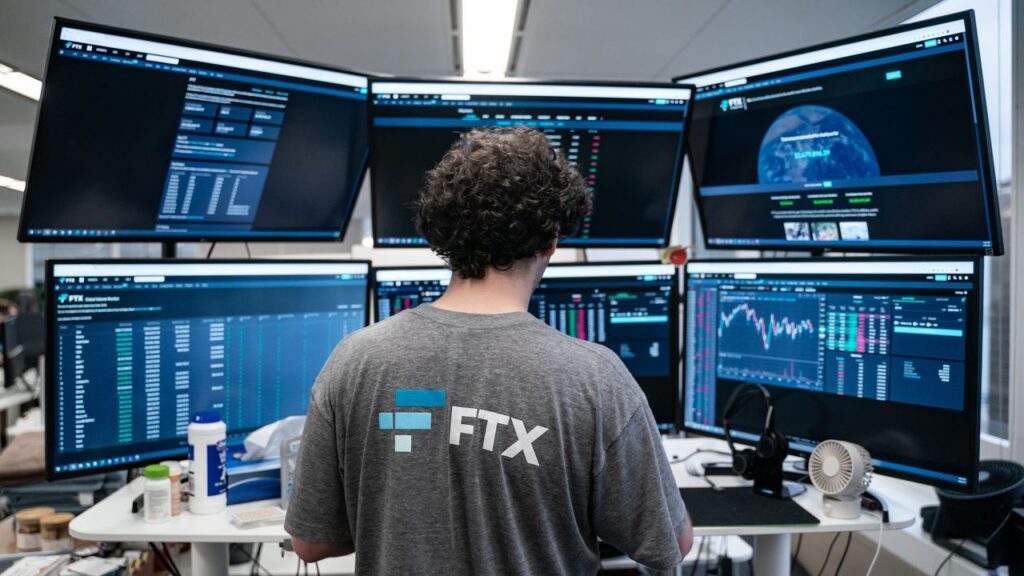
Former United States Securities and Exchange Commission (SEC) official, John Reed Stark, has raised concerns about the FTX restructuring plan, suggesting that it may serve as an opportunity for the exchange’s legal team to profit from the bankruptcy process.
Stark took to a social media platform to express his skepticism, humorously suggesting that all FTX customers should receive a sarcastic “Thank You” note from the exchange’s defunct legal team for the substantial profits they have reportedly made during the bankruptcy proceedings.
He even quipped that each member of the legal team might soon be able to afford a new beach house in 2024.
During a January 31st hearing held in the U.S. Bankruptcy Court for the District of Delaware, FTX’s lawyer, Andy Dietderich of Sullivan & Cromwell, clarified that despite extensive efforts, there were no intentions to relaunch FTX under the Chapter 11 bankruptcy framework, known as FTX 2.0.
Stark had previously expressed doubts about the success of the Chapter 11 FTX reorganization plan, comparing the challenge of restructuring FTX to trying to reorganize a combination of notorious entities such as “Murder Incorporated, The Cali Drug Cartel, and Madoff Investment Advisory Services.”
Legal fees and expenses incurred during the bankruptcy proceedings have drawn attention. Lawyers and the restructuring team managing FTX billed over $200 million between November 2022 and June 2023.
These fees were reviewed and deemed reasonable by the court-appointed fee examiner, Katherine Stadler, who described them as “not wholly unreasonable at the moment” in a report filed on June 20, 2023.
READ MORE: European Union Achieves Landmark Approval of AI Regulation with EU’s AI Act
However, during the quarter ending October 31, 2023, FTX incurred substantial costs, spending approximately $53,000 per hour on legal and advisory fees, according to recent compensation filings.
Documents from December 5 to December 16, 2023, revealed that the bankruptcy legal team billed at least $118.1 million from August 1 to October 31, 2023, averaging $1.3 million per day or $53,300 per hour over the 92-day period.
In a further development, on February 1, FTX submitted a request in a Delaware court to sell its $175 million claim against the bankrupt Genesis Global Capital, with Alameda Research owning the claim.
If approved, FTX would have the flexibility to sell the claim in its entirety or in parts, allowing for optimal timing based on market conditions.
FTX’s troubles began in November 2022 when irregularities were uncovered in its accounts, ultimately leading to its collapse.
Genesis Global Capital had $175 million tied up in FTX accounts at the time, but it asserted that these funds did not impact its market-making activities.
According to a recent analysis by DecenTrader, Bitcoin is expected to reach new all-time highs in 2024, but not without some challenges along the way.
The analysis, released on February 2nd, suggests that Bitcoin’s price behavior will follow a typical pattern during a “halving year.”
DecenTrader predicts that Bitcoin will experience about a month of sideways price movement before the market reacts to the upcoming block subsidy halving.
CEO and co-founder Filbfilb explains that investors should anticipate a surge in buying activity approximately two months before the halving, which is currently estimated to occur on April 18.
However, following this buying surge, there may be another “sell the news event,” similar to what happened when spot Bitcoin exchange-traded funds (ETFs) were launched in January.
Filbfilb points out that there are roughly 75 days remaining until the Bitcoin halving, suggesting that buying interest is likely to start no later than six weeks before the event, or around the second week of March.
This anticipation among speculators could drive Bitcoin’s price to its current two-year high of $49,000 before a sell-off resembling the ETF launch occurs.
Nevertheless, the path ahead appears promising, as price discovery is expected to happen before the end of 2024, similar to the outcome of Bitcoin’s last halving year in 2020.
READ MORE: European Union Achieves Landmark Approval of AI Regulation with EU’s AI Act
Filbfilb advises investors to be aware that Bitcoin tends to front-run the “sell-the-news” phenomenon associated with halving events.
Despite the optimism surrounding Bitcoin’s potential for a new all-time high, the first quarter of 2024 may be challenging for traders.
In addition to Bitcoin-specific factors, macroeconomic and geopolitical uncertainties could contribute to wider risk-asset turbulence.
Concerns include the weakness of the United States banking system, which former BitMEX CEO Arthur Hayes expects to come to a head in March.
Some analysts even believe that Bitcoin may not reach a new all-time high until the end of 2025.
Filbfilb remains cautious and warns against excessive optimism, emphasizing that previous market cycles in Bitcoin have followed a consistent pattern driven by investor emotions.
As Bitcoin traded just under $43,000 into the February 4th weekly close, the cryptocurrency market’s trajectory remains uncertain, with various factors influencing its future performance.