


In a recent development, authorities have seized approximately $1.7 billion worth of Bitcoin as part of an investigation into an alleged money laundering scheme involving a former restaurant worker who attempted to purchase a £30 million mansion in London.
The individual at the center of this case is Jian Wen, a Chinese national who acquired British citizenship in 2018.
According to reports by Sky News on January 30th, Wen was allegedly recruited to assist Zhimin Qian in the process of laundering funds obtained from an investment fraud scheme that took place in China between 2014 and 2017.
Qian had entered the United Kingdom using a false identity and sought Wen’s help in cleaning the ill-gotten gains.
Before her involvement with Qian, Jian Wen had been employed at a Chinese restaurant in southeast London and lived in a room beneath the restaurant.
She introduced Qian as her “boss,” claiming he worked in the international jewelry business.
Prosecutor Gillian Jones clarified that Wen was not directly involved in the fraudulent activities conducted by Qian.
However, Wen stands accused of converting Bitcoin into various assets, including cash, luxury items, and real estate, all on behalf of Qian.
READ MORE: Solana-Based Jupiter Exchange Dominates Trading Charts with $480 Million Volume in 24 Hours
One notable attempt was her endeavor to purchase a seven-bedroom mansion in Hampstead, London, equipped with a swimming pool, valued at £30 million.
Unfortunately, her plans were thwarted as she couldn’t provide a legitimate source for the cryptocurrency assets she intended to use for the acquisition.
Subsequently, authorities conducted a raid on a residence rented by Wen and Qian, where they seized numerous devices containing over 61,000 BTC, amounting to approximately $1.7 billion, based on 2021 valuations.
Initially, Wen claimed that the cryptocurrency she held had been mined.
However, she later altered her statement, asserting that it was a “love present,” substantiating this with a deed indicating that she had received 3,000 BTC from Qian.
Jian Wen is currently on trial at the Southwark Crown Court, facing three counts of money laundering spanning from October 2017 to January 2022.
She vehemently denies all charges against her. Meanwhile, Zhimin Qian has managed to evade authorities and remains at large, adding intrigue to this ongoing case.

On January 30th, tech giants Microsoft and Alphabet, the parent company of Google, disclosed their earnings for the previous quarter, showcasing remarkable developments in artificial intelligence (AI) and cloud computing.
Throughout the past year, AI has dominated the tech industry, culminating in a global market size of $196.6 billion in 2023.
Microsoft and Google emerged as leaders in AI development, both introducing advanced chatbots.
Microsoft’s end-of-year results were marked by a surge in sales, largely attributed to their AI tools. Their revenue climbed 18% year-on-year from September to December, surpassing $60 billion.
Satya Nadella, Microsoft’s Chairman and CEO, emphasized the company’s AI progress, stating, “We’ve moved from talking about AI to applying AI at scale.
By integrating AI throughout our tech stack, we are attracting new customers and enhancing productivity across all sectors.”
These results propelled Microsoft to become the world’s most valuable public company, with a market value of $3 trillion, surpassing Apple.
In addition to AI, Microsoft’s cloud computing service, Azure, reported a 30% year-on-year revenue increase, exceeding industry analysts’ expectations.
The company’s Q4 profits surged by 33% year-on-year, totaling $21.9 billion. Microsoft entered 2024 by launching the pro version of its AI chatbot, Copilot, featuring custom GPT creation and Office integration.
However, the company also faced a significant copyright lawsuit against The New York Times, alongside OpenAI.
Alphabet also attributed its Q4 success to AI integrations.
READ MORE: Robert F. Kennedy Jr. and Donald Trump Unite Against Central Bank Digital Currency
Sundar Pichai, the company’s CEO, expressed satisfaction with the performance of Google Search, YouTube, and Cloud, all benefiting from AI investments and innovation.
Alphabet reported consolidated revenue of $86 billion for Q4, a 13% year-over-year increase.
Ruth Porat, President and Chief Investment Officer, emphasized Alphabet’s commitment to “durably re-engineer our cost base” to support new growth opportunities.
Despite its achievements, Google initiated the year by announcing job cuts to achieve ambitious AI-related goals.
In January 2023, the company unveiled plans to reduce its global workforce by 6%, ultimately laying off 182,381 employees worldwide by September 2023.
Nevertheless, Google’s year began with the launch of Lumiere, a realistic AI text-to-video generator.
Utilizing a time-space diffusion model, Lumiere transforms text and images into lifelike AI-generated videos, offering on-demand editing capabilities.
In summary, Microsoft and Alphabet’s recent earnings reports highlight their significant strides in AI and cloud computing, underscoring their pivotal roles in shaping the tech landscape.

Taki Games, a pioneering social gaming network offering real-money rewards, has made a significant announcement regarding its native $TAKI token. It is now officially listed on Cube Exchange, marking a key development since its last centralized exchange listing back in April 2022 on OKX and Gate.
Taki Games, known as the leading mobile blockchain-based gaming network, has successfully fused captivating gameplay with innovative tokenomics to enhance the overall gaming experience. Gamers now have the opportunity to own in-game assets, earn crypto-based rewards, and engage in digital asset trading via a peer-to-peer marketplace.
At the core of this project is the ambition to rectify the shortcomings of first-generation play-to-earn games, characterized by flawed tokenomics and misaligned incentives. Taki introduces a novel approach known as “Takinomics,” aimed at ensuring the stability of in-game economies, thus delivering greater value to all stakeholders.
In stark contrast to other play-to-earn games that rely on speculative interest, Taki’s Takinomics model incorporates a buy-and-burn mechanism that acquires tokens from the open market. This strategic move incentivizes players to generate revenue for the games while channeling this value back into the in-game economy through a rewards system anchored by the $TAKI token.
Taki’s ultimate goal is to become the Zynga of blockchain gaming, enticing mainstream gamers into the world of Web3, where they not only enjoy their favorite games but also become co-owners while reaping tangible rewards for their gaming efforts. Built on Solana, a prominent blockchain for Web3 gaming, and supported on Polygon, another significant decentralized gaming network, Taki has also partnered with Flowdesk to bring institutional-grade liquidity to its network.
The listing on Cube Exchange represents a pivotal milestone. Cube Exchange distinguishes itself as an innovative cryptocurrency exchange with a focus on Solana tokens. Its unique user-centric approach to asset control combines the convenience and user experience of centralized exchanges with multi-party computation custody, off-chain matching, and on-chain settlement. This collaboration aligns perfectly with Taki’s mission to address tokenomics challenges within Web3 gaming and Cube Exchange’s determination to enhance safety in crypto capital markets.
Weiwei Geng, CEO of Taki Games, expressed excitement about Cube Exchange’s support for $TAKI and emphasized the importance of deepening $TAKI’s liquidity. He commended Cube’s efforts in making crypto markets safer and more transparent, particularly within the thriving Solana ecosystem.
“We’re excited to see Cube Exchange support $TAKI, which powers cross-chain rewards for Taki Games’ network of mobile games,” Geng said.
“We’re building the Zynga of Web3 gaming, and driving value back to players through constant buybacks, so it’s crucial to continue to deepen $TAKI’s liquidity, especially with platforms like Cube. The work Cube is doing to make crypto markets safer and more transparent, especially for retail traders, is commendable, and all the more important given the incredible excitement in the Solana ecosystem right now.”
Taki Games has witnessed remarkable growth in the past year, ranking among the top 100 Web3 gaming ecosystems across all blockchains, as per Dappradar data. In the last month alone, $TAKI’s trading volume surged from an average of $300,000 – $400,000 per day to over $13 million, while the Taki mobile app garnered over 5 million installs on Android devices.
This remarkable growth is particularly promising considering the vast potential of blockchain gaming, with Web3’s gaming ecosystem still relatively small compared to the traditional games industry, boasting approximately one million daily active players.
Bartosz Lipiński, CEO of Cube Group, affirmed the exchange’s commitment to enhancing safety and trust in the crypto industry. He also expressed enthusiasm for projects like Taki Games, which utilize $TAKI to address economic challenges within the Web3 gaming landscape. This commitment, he believes, will not only benefit Cube Exchange users but also contribute to the overall integrity of crypto markets and Web3.

Gate.io, a prominent cryptocurrency exchange and Web3 pioneer, has unveiled a groundbreaking collaboration with D3 Global, an advanced domain name company specializing in interoperable digital identities. Together, they intend to seek and secure the coveted ‘.gate’ Top-Level Domain (TLD) during ICANN’s upcoming application window. This strategic move positions Gate.io as the first cryptocurrency exchange to express interest in acquiring its dedicated TLD.
Top-Level Domains (TLDs) represent the final segment of website addresses, an integral part of the Internet’s Domain Name System (DNS). Well-known TLDs like “.com” and “.org” are seamlessly compatible with standard web browsers. Conversely, decentralized blockchain-based systems employing extensions such as “.eth” and “.crypto” operate independently and do not integrate with the conventional DNS infrastructure.
Web3 naming systems currently in existence suffer from incompatibility issues with traditional Internet infrastructure, leading to significant challenges, including functionality limitations, brand confusion, and security vulnerabilities. D3’s innovative platform, protected by a patent-pending technology, aims to bridge the gap between the traditional Internet and the Web3 ecosystem. Their mission is to provide enhanced utility, security, and universal access, thereby ushering in what they term ‘real Web3 domains.’
If the application for the ‘.gate’ TLD in partnership with D3 is approved, Gate.io users will have the unique ability to establish personalized web addresses that are inherently compatible with both Web2 and Web3 systems. This means a single address can serve as a digital identity across Web2 browsers, email services, as well as blockchain wallets and other Web3 tools.
Through this collaboration, Gate.io solidifies its reputation as an industry innovator. Together with D3, the companies plan to create futureproof, interoperable digital identities that combine the strengths of the existing Internet with the emerging Web3 technologies.
Dr. Lin Han, Founder and CEO of Gate.io, expressed their commitment to innovation, stating, “We are constantly developing innovative new solutions for our growing ecosystem. Our partnership with D3 will allow us to offer exciting identity solutions that enhance their trading experience and opens the Gate.io ecosystem up to billions of Internet users worldwide, while maintaining the safe and secure environment our users have grown accustomed to.”
Fred Hsu, CEO of D3, conveyed his excitement about welcoming Gate.io on their journey to make Web3 more accessible, scalable, and secure with straightforward, interoperable digital identities built on the DNS. He emphasized, “This partnership will enable us to offer our unique identity solutions to over 13 million Gate.io users worldwide, giving them access to innovative solutions that will enhance their journey across Web3.”
Through their collaborative efforts, Gate.io and D3 aspire to provide a groundbreaking solution to the interoperability challenges that currently exist between Web3 and Web2. D3’s pioneering platform, backed by a patent-pending approach, seamlessly integrates traditional Internet and Web3 ecosystems, promising enhanced utility, security, and universal access for millions of users.

Quantstamp, a decentralized finance (DeFi) security startup, has unveiled a list of the top five smart contract protocols that suffered significant losses due to exploits and malicious activities in the month of January.
These incidents collectively resulted in losses amounting to $38.9 million.
Radiant Capital was among the first victims, experiencing a loss of $4.5 million in early January due to a flash loan attack.
The attack was attributed to a “known rounding issue” in the current Compound/Aave codebase, as identified by blockchain security firm PeckShield.
Radiant promptly took action by suspending its USD Coin pool on Arbitrum to address the issue and ensure the security of user funds. Operations resumed after a thorough investigation.
Gamma Strategies faced a similar flash loan attack just hours after Radiant’s incident, resulting in the siphoning of $6.1 million from its public-facing vaults due to a code bug. To mitigate the vulnerability, Gamma temporarily halted deposits and swiftly fixed the issue.
Wise Lending experienced a loss of at least $460,000 on January 12th in a flash loan attack, involving manipulation of the price oracle used by the platform.
Remarkably, this marked the second attack on the protocol within six months, causing the depletion of 170 Ether (ETH).
READ MORE: Solana-Based Jupiter Exchange Dominates Trading Charts with $480 Million Volume in 24 Hours
On January 16th, Socket, a multichain protocol, suffered a security breach due to a vulnerability in user verification input, allowing hackers to steal nearly 2,000 ETH, valued at over $4 million.
However, Socket managed to recover 1,032 ETH (approximately $2.3 million) and reimbursed all affected users as part of its efforts to restore user funds.
Goledo Finance faced a security breach similar to Gamma’s exploit, resulting in the theft of $1.7 million on January 28th.
Negotiations with the perpetrator are ongoing, and Goledo has offered a reward for the return of the stolen funds.
The hacker’s accounts on centralized exchanges have been frozen, and Goledo is evaluating the extent of the loss to formalize a recovery strategy, with local law enforcement briefed on the situation.
Goledo has also outlined its compensation process for user asset recovery, providing a Google form for affected users to submit their claims.
The DeFi space continues to grapple with security challenges, highlighting the importance of ongoing vigilance and improvements to protect user funds.
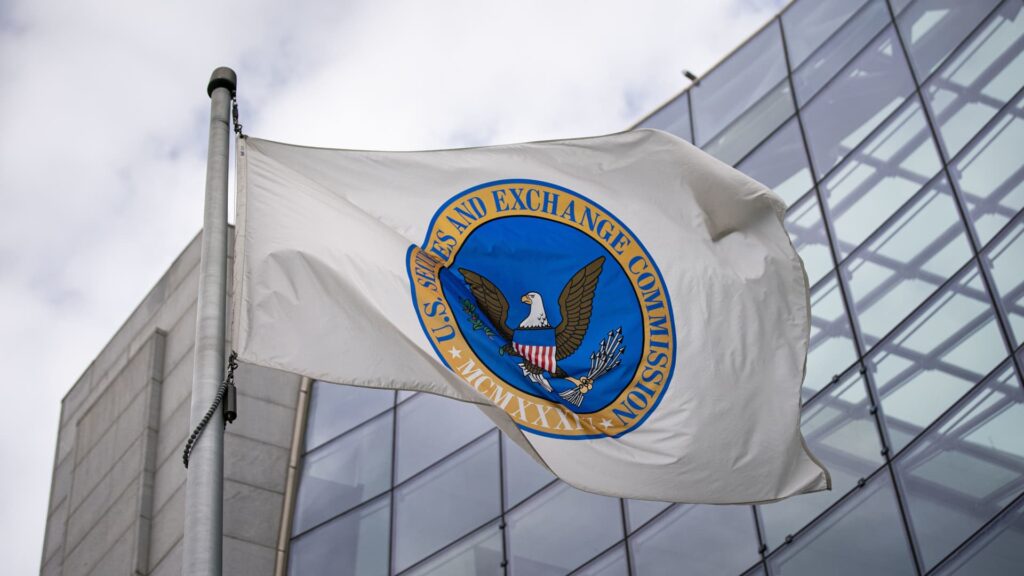
SEC Commissioner Hester Peirce has voiced her strong opposition to the United States Securities and Exchange Commission’s (SEC) long-standing “gag rule,” which prevents defendants from criticizing the agency’s claims in the aftermath of settling enforcement actions.
In her statement issued on January 30, Peirce argued that this policy not only hinders free speech but also erodes regulatory integrity.
The 1972 “gag rule” compels defendants to refrain from making public statements that deny any allegations in the SEC’s complaint or insinuate that the complaint lacks a factual basis.
Peirce asserted that this rule is overly broad and effectively shields the SEC’s allegations from any form of criticism.
She also expressed concern about the clause that requires defendants to prevent others from denying the allegations, as it implies a broader censorship of opinions that challenge the SEC’s judgment.
Furthermore, Peirce emphasized that the “no-deny policy” is an obligatory and non-negotiable component of SEC settlements, which are the most common resolution for enforcement actions. Violating this policy can result in defendants being brought back to court by the SEC.
In 2023, the SEC witnessed a surge in crypto-related enforcement actions, with 46 cases against crypto firms and $281 million collected in penalties from settlements.
READ MORE: Robert F. Kennedy Jr. and Donald Trump Unite Against Central Bank Digital Currency
Peirce argued that the SEC’s justifications for the “gag rule” are unfounded, as prior to its adoption in 1972, the SEC had successfully settled cases for decades without imposing such restrictions.
Other federal agencies, like the Federal Trade Commission, allow settling defendants to deny allegations of wrongdoing.
Peirce contended that settling a lawsuit with the SEC is often the most economical option, given the substantial financial resources required for SEC investigations and the legal complexities of challenging the agency in court.
However, she raised concerns that the policy allows the SEC to avoid proving its claims in court and secures a “permanent silence” from defendants, which it could never achieve through litigation.
Peirce’s stance is grounded in the belief that if the SEC is confident in its investigative work and analysis, it should not require defendants to remain silent and should instead permit them the freedom to express their views after settling enforcement actions.
This, she argues, would ensure a fair and transparent regulatory environment while upholding the principles of free speech and accountability.

Paul Sztorc, a prominent advocate for Bitcoin Drivechain technology, believes that the increasing mainstream acceptance of Bitcoin (BTC) will necessitate greater scalability and enhanced infrastructure functionality.
In an extensive interview with Cointelegraph, Sztorc discussed the pros and cons of the high-profile approval of Bitcoin exchange-traded funds (ETFs) in the United States and the long-term implications of institutional capital pouring into the Bitcoin ecosystem.
According to Sztorc, the emergence of Bitcoin ETFs is a sign of Bitcoin’s health and validation. It signifies that Bitcoin is becoming more widely recognized, and its name is gaining prominence.
Furthermore, it results from certain types of capital flow requirements that necessitate the use of ETFs. Sztorc, co-founder of LayerTwo Labs, considers Bitcoin ETFs as an “inevitable consequence of age.”
He highlights that customers of BTC-backed ETFs differ from everyday retail investors and dedicated Bitcoin enthusiasts.
These ETFs inherently involve custody and regulatory reporting, which aligns with the requirements of certain investors who are unlikely to self-custody Bitcoin.
However, Sztorc acknowledges that the hype surrounding Bitcoin ETFs could serve as an entry point for newcomers to the Bitcoin space.
Still, he cautions that excessive focus on ETFs might divert attention from Bitcoin’s underlying metrics and performance, with an unhealthy obsession with price being a potential downside.
LayerTwo Labs, over the past four years, has been diligently developing Drivechains, which are outlined in Bitcoin Improvement Proposals (BIPs) 300 and 301.
READ MORE: SEC Files Lawsuit Exposing $1.7 Billion Cryptocurrency Fraud Scheme
These BIPs describe how the Bitcoin network can interact with layer-2 blockchains or sidechains, allowing the creation, deletion, and transfer of BTC between them.
Sztorc, the author of BIP-300, champions the functionality that Drivechains can offer and has extensively discussed the intricacies of these proposals at various Bitcoin conferences.
As significant events like the approval of Bitcoin ETFs bring more liquidity into the Bitcoin ecosystem, Sztorc emphasizes that the network may encounter increased transaction volumes.
He cites Satoshi Nakamoto’s prediction that in two decades, there will either be substantial transaction volume or none at all.
Sztorc aligns with this view, stressing that Bitcoin will need to compete effectively to maintain its position.
While the Lightning Network has made strides in enabling low-fee, high-throughput transactions on the Bitcoin network, Sztorc argues that the ecosystem requires additional functionality to address challenges from competing altcoins, hard fork campaigns, and extension block campaigns.
BIP-300, according to Sztorc, introduces competition, fostering innovation among different software developers, and allowing users to participate in various sidechains while those who choose not to remain unaffected.
In summary, Bitcoin ETFs mark a significant milestone for Bitcoin’s mainstream adoption, but they also raise concerns about excessive focus on price.
Sztorc believes that the Bitcoin network’s scalability and functionality will be critical in handling increased transaction volumes resulting from growing adoption.
Drivechains, as proposed in BIPs 300 and 301, offer a solution to this challenge, promoting competition and flexibility in the Bitcoin ecosystem’s development.

Bitget, a prominent player in the cryptocurrency and Web3 sector, has unveiled a comprehensive study centered around the imminent Bitcoin halving slated for April 2024, aiming to shed light on its implications for investment strategies. This in-depth survey, encompassing a diverse global demographic, provides valuable insights into the mindset of crypto investors and their forecasts regarding market dynamics post-halving.
The research project engaged a substantial sample of 9,748 individuals hailing from various regions, including West Europe, East Europe, South East Asia, East Asia, MENA, and Latin America. Employing anonymized data analysis, the study sought to discern how investors perceive the impending Bitcoin halving and how their investment strategies are poised to evolve in response.
Notably, an overwhelming 84% of surveyed investors harbor optimism about the positive repercussions the Bitcoin halving will exert on the crypto market, with widespread belief that it will propel Bitcoin past its all-time high of $69,000. This sentiment is particularly fervent in Latin America, East Asia, and South East Asia, whereas European regions tend to adopt a more cautious outlook.
Expectations regarding Bitcoin’s price during the impending halving in April 2024 span a wide spectrum. While a substantial portion of global investors anticipates a price range between $30,000 and $60,000, around 30% of respondents envision the price soaring beyond $60,000, with heightened enthusiasm in markets like Latin America.
Looking ahead to the post-halving landscape, investors collectively share the belief that Bitcoin will surpass its previous all-time high during the subsequent bull run. This optimism stems from a combination of short-term prudence and long-term confidence, notably prevalent in select European markets.
When it comes to predictions for the all-time high (ATH) price in the next bull market, the majority (55%) foresee Bitcoin stabilizing within the $50,000 to $100,000 range, while a notable segment remains even more bullish, expecting it to surge past $150,000. This bullish sentiment is especially pronounced in West Europe, a region that leaned toward conservatism during the halving period.
The study also unveils intriguing trends in investment intentions for 2024. Approximately 70% of participants from the surveyed regions express a clear intention to augment their crypto investments, signaling a robust confidence in the crypto market’s potential. This trend is particularly robust in MENA and East Europe, where investors exhibit a higher propensity to bolster their investment levels. Conversely, South East Asia and East Asia display a more balanced investment outlook, with a preference for maintaining current investment levels.
Bitget’s Managing Director, Gracy Chen, expressed her thoughts on the study, emphasizing its significance in understanding the evolving cryptocurrency investment landscape. She underscored the varied expectations and investment plans that the findings reflect, highlighting 2024 as a pivotal year for the Bitcoin market.
“The Bitget Study on BTC halving impacts provides valuable insights into the evolving landscape of cryptocurrency investment. The findings reflect a broad spectrum of expectations and investment plans, indicating that 2024 will be a significant year for the Bitcoin market.
“We are pleased to see such positive sentiment emerging as market conditions continue recovering. At Bitget, we firmly believe in Bitcoin’s potential to establish itself as a truly global store of value.
“As a leading exchange, we aim to play our part in contributing to the growth and development of the Bitcoin ecosystem through innovative product offerings, educational resources, and unwavering support of the community. The road ahead remains bright, and we look forward to empowering more investors and institutions alike to participate in Bitcoin’s ongoing success story,” Gracy concluded.

The Bank of Japan (BoJ) recently held its inaugural official meeting with the Japanese government to deliberate the potential development of a central bank digital currency (CBDC).
Reports from local TV channel NHK reveal that on January 26, both the government and the BoJ reached a consensus to address the legal intricacies associated with the issuance of a digital yen, with the goal of resolving these issues in the spring of 2024.
It is important to note that neither the BoJ nor the government has formally confirmed the launch of a digital yen at this point.
A definitive decision will only be made following a “national discussion,” and not before 2026.
In December 2023, the BoJ received a recommendation from an expert panel within the Ministry of Finance to expedite the issuance of a digital yen.
The panel emphasized the importance of the CBDC coexisting alongside physical cash and underscored the need for the BoJ to minimize the storage of personal data.
The BoJ successfully concluded the second phase of CBDC testing in May 2023.
READ MORE: Hong Kong’s Regulator Expedites Approval Process for Spot Bitcoin ETFs Following US SEC’s Approval
This year-long experiment involved 100,000 users and included the participation of five intermediaries, with transaction loads ranging from 500 to 3,000 transactions per second.
Following this achievement, the BoJ initiated its scheduled CBDC pilot project, focusing on evaluating the “end-to-end process flow” and establishing connections with external systems.
Despite Japan’s reputation as a predominantly cash-based society, the country maintains a favorable stance toward CBDCs.
This contrasts with the United States, where lawmakers and presidential candidates have actively opposed CBDC initiatives.
Furthermore, starting in April 2024, Japanese businesses may no longer be subject to taxes on “unrealized gains” from cryptocurrency holdings.
In Asia, there is a growing openness to CBDCs, with China already implementing its digital yuan, while countries such as Hong Kong, Singapore, Malaysia, India, and South Korea are actively researching CBDCs.
Additionally, in early January, the National Bank of Cambodia announced its intentions to introduce a CBDC in the country by the end of 2024.
The bank revealed its ongoing efforts to introduce “Lanka Pay” and “Central Bank Digital Currencies.”

In the picturesque Swiss city of Lugano, a harmonious coexistence of various digital currencies seems increasingly plausible, as local official Paolo Bortolin, the deputy chief financial officer for the city, envisions a future where Bitcoin, central bank digital currencies (CBDCs), and stablecoins can seamlessly operate in tandem.
Bortolin’s optimism stems from the belief that each of these digital assets serves distinct purposes within the evolving financial landscape.
Bitcoin, celebrated for its decentralized nature, stands as a steadfast presence that operates independently. In Bortolin’s view, this flagship cryptocurrency plays a unique role in the digital currency spectrum.
In stark contrast, CBDCs inherently embody centralization both in name and function.
Wholesale CBDCs primarily facilitate transactions among financial institutions, while retail CBDCs aspire to be the standard digital currency for everyday transactions, mirroring the Swiss franc’s traditional usage.
Though Bitcoin and CBDCs appear to coexist without direct conflict, potential friction arises when considering certain state-issued currencies.
Retail CBDCs, intended for widespread use, face uncertain prospects, largely due to concerns about privacy and their competitive impact on traditional banks.
READ MORE: SEC Files Lawsuit Exposing $1.7 Billion Cryptocurrency Fraud Scheme
Stablecoins, exemplified by Tether, also play a pivotal role in Lugano’s digital financial landscape, especially before the widespread adoption of retail CBDCs.
Bortolin posits that if individuals can seamlessly manage their Swiss francs through a central bank-controlled digital wallet and navigate decentralized finance investments via CBDCs, the necessity for conventional banking institutions could dwindle.
Bortolin anticipates stablecoins issued by private entities could vie for dominance, with a leading stablecoin emerging for each currency, similar to Tether’s current dominance with the U.S. dollar.
Switzerland is not oblivious to these developments.
The wholesale CBDC project Helvetia III has been progressing, with Bortolin acknowledging ongoing discussions regarding its implementation. If the Swiss National Bank issues a CBDC, Lugano is prepared to embrace it as part of its financial ecosystem.
In a significant move towards cryptocurrency acceptance, in December 2023, Lugano expanded its support for digital payments, including Bitcoin and USDT, for taxes and community fees.
Additionally, the city welcomes payments in LVGA, a local blockchain-based stablecoin designed for use within Lugano.
Building on the success of the “Plan B” initiative in collaboration with Tether, Lugano has attracted 400 merchants accepting BTC and USDT, along with a user base of 14,000 individuals.
These developments signal Lugano’s commitment to embracing the multifaceted future of digital currencies and establishing itself as a hub for innovation in the evolving financial landscape.