



San Francisco, USA / California, March 7th, 2024, Chainwire
Firewall secures funding from North Island Ventures, Breyer Capital, and Hack VC to bulletproof smart contract networks.
Firewall, a blockchain infrastructure startup, announced its $3.7M pre-seed round, co-led by North Island Ventures, Breyer Capital, and Hack VC. Firewall transforms the usability of smart contract technology through an innovative finality consensus mechanism that eliminates smart contract exploits.
The founders of Firewall, previously the first and sixth employees at Staked—a staking company acquired by Kraken in a landmark crypto deal—have helped breathe life into the eras of proof-of-stake and decentralized finance over the last six years. In that time, the founders served institutional clients with infrastructure that handled billions of dollars, and now building on their experience, are addressing what most perceive as the final major hurdle to a full embrace of digital assets by the traditional financial system.
“Firewall is building the safety rails that enable the everyday person to use the next era of the Internet,” stated Devan Purhar, Co-Founder of Firewall. “Today, billions of dollars are stolen from users, through irreversible transactions that are classifiable as theft. There’s a parallel between the current state of crypto-networks and the early internet, with a similar lack of essential security infrastructure. Our focus is not on marginal improvements; rather, we bring a required paradigm shift in the usability of blockchains. We designed a solution from first principles, and created programmable finality. Fundamentally, we make exploits a concept of the past.”
Akin to a digital version of a traditional network’s firewall, Firewall’s technology introduces “programmable finality”. It extends rollups to use programmable transaction finalization rules, which act as automated checkpoints that block harmful transactions, inserted before later stages when the data is finalized by a DA layer such as EigenDA or Celestia. The founders envision Firewall as a part of every smart contract network, acting as an embedded security system that intelligently guards against threats.
“Firewall uses real-time algorithms to pre-filter exploits from being included in blocks,” shared Sam Mitchell, Firewall Co-Founder. “Then, by using programmable finality we automatically recover from any exploits that bypass the pre-filter checks. Detection at this stage can involve AI models or social consensus, which may take longer.” Mitchell emphasized that institutions, managing trillions in assets, are interested in the benefits of smart contracts but require a secure environment to deploy capital. “Creating comfort for institutional clients to use smart contracts will be the pivotal point for the widespread adoption of digital assets.”
Past the founders, the core team is credited with successfully pioneering AI use in crypto threat detection at OpenZeppelin and Forta, and is set to revolutionize the field with Firewall’s all-encompassing security approach. The startup’s initial focus is on the rollup ecosystem, and prides itself on alignment with building non-custodial and trustless solutions. The funding will help expand the team and create the community to “firewall the EVM”. Longer-term plans include developing coordination mechanisms to integrate the social layer directly into the Firewall.
Travis Scher, Managing Partner at North Island Ventures, said “We believe the primary impediment to crypto’s mainstream adoption is the current security paradigm, in which a single bug can lead to a total loss of user funds. Firewall’s solution can prevent such losses, and we are thrilled to support such an important company from the outset.”
The funding round was co-led by North Island Ventures, Breyer Capital, and Hack VC, with participation from Finality Capital, and angels including Tim Ogilvie of Staked, Kain Warwick and Jordan Momtazi of Synthetix, Nathan McCauley of Anchorage, and Yaoqi Jia of AltLayer.
“Firewall is making blockchains safer for users, developers, and institutions,” said Ted Breyer of Breyer Capital. “We see this catalyzing a new era of smart contract utility, and we’re delighted to support the team.”
With the growing global adoption of crypto and regulatory spotlight, catalyzed by the BTC ETF and anticipated ETH ETF, the time for crypto-networks to become bulletproof is now. Trillions of dollars remain on the sidelines, scared to use smart contracts. Firewall’s “programmable finality” which effectively neutralizes exploits, offers the security assurance needed to unlock these assets, paving the way for crypto to revolutionize the global financial system.
About Firewall
Firewall is dedicated to making smart contract technology safe to use in everyday life, by eliminating smart contract exploits. Their solution is akin to a robust network firewall, applied to the modular blockchain ecosystem.
Contact
Co-Founder
Devan Purhar
Firewall
[email protected]
The U.S. Securities and Exchange Commission (SEC) has voiced concerns regarding Binance.US’s compliance with inquiries into customer asset custody and other fundamental aspects of an ongoing investigation.
According to a joint status report filed to a Washington, D.C. District Court on March 5, Binance.US, operated by BAM Trading Services, has not satisfactorily responded to SEC requests, particularly about the handling of customer assets.
The SEC requested the court’s assistance to expedite the discovery process, indicating a deadlock with Binance.US over crucial inquiries the company has either avoided or failed to address.
The SEC highlighted Binance.US’s reluctance to fulfill basic discovery obligations, including the provision of document attachments, metadata, and written responses.
A significant area of investigation for the SEC is whether Binance’s non-U.S. branches had access to the U.S. customers’ assets, specifically questioning Binance.US’s control over private keys and other access methods.
READ MORE: Hong Kong’s SFC Cracks Down on Fake Crypto Exchange Websites, Blocks Six Domains
In defense, Binance.US refuted the SEC’s allegations in the joint status report, claiming full compliance with the SEC’s extensive demands for information.
The company argued that the SEC’s accusations regarding customer assets were baseless and asserted that it had exceeded its legal responsibilities by submitting extensive documentation on its asset custody practices, including sworn statements, monthly reports, and facilitating inspections of shared custody devices.
This legal conflict follows the SEC’s lawsuit against Binance, its U.S. division, and founder Changpeng “CZ” Zhao in June of the previous year, accusing them of selling unregistered securities and improperly mixing customer funds with a different company owned by Zhao.
Additionally, on November 21, Binance settled with the U.S. Department of Justice for $4.3 billion over charges of breaching anti-money laundering and anti-terrorism financing laws.
As part of this settlement, Zhao admitted to money laundering offenses and awaits a sentencing hearing on April 3, which could result in up to 18 months of imprisonment.

Dubai, UAE, March 7th, 2024, Chainwire
RWA focused blockchain, MANTRA is excited to announce the upcoming launch of the MANTRA Chain Hongbai Testnet, scheduled for. The development marks a significant step in MANTRA’s mission to revolutionize the DeFi ecosystem by integrating it with traditional markets and attracting non-crypto native users and institutions.
Following the success of its first testnet in November, which garnered strong support from 100 active validators, MANTRA aims to build on the momentum with its Hongbai successor. This new phase aims to attract more users and decentralized applications (dApps) to its ecosystem, further solidifying its position as a major player in the tokenized RWA space.
A Layer-1 blockchain focused on Real-World Assets, MANTRA Chain enables regulatory-compliant assets and protocols at the protocol level and leverages the robust infrastructure of the Cosmos SDK. Assuring interoperability through the IBC protocol and compatibility with CosmWasm contracts, MANTRA Chain is at the heart of the platform’s vision to unlock a $16 trillion RWA market by 2030.
The architecture of MANTRA Chain, which is secured by a sovereign Proof of Stake (PoS) validator set and the CometBFT consensus mechanism, is divided into five core layers: staking, interoperability, execution, module and application. These layers are meticulously designed to meet the demands of an RWA-focused blockchain infrastructure, offering decentralization, security, and a set of regulatory-compliant frameworks.
MANTRA’s DAO-approved $OM token offers various governance utilities and rewards for stakers. As well as allocating a total of 1.35x rewards to all stakers, $OM serves as the standalone network token for accessing and performing all on-chain services and activities.
Committed to supporting developers, institutions, and builders looking to create, trade, and manage various RWAs on-chain, MANTRA’s key modules (Guard Module, Token Service Module, Liquidity Module, and Compliance Module) form part of the Composable Module Layer, ensuring adherence to regulatory requirements at the protocol level.
As a fully compliant multi-asset platform, MANTRA represents a useful bridge between the worlds of Traditional Finance (TradFi) and Decentralized Finance (DeFi), paving the way for both institutional and individual retail investors to participate in the latter. While the platform’s execution layer MANTRA Chain generates revenue through a SaaS subscription model for dApps deploying on-chain, its DEX module offers unique tokenized RWAs that are not available for trading or investment on other blockchain networks.
About MANTRA:
MANTRA is a Security first RWA Layer 1 Blockchain, capable of adherence and enforcement of real world regulatory requirements. Built for Institutions and Developers, MANTRA offers a Permissionless Blockchain for Permissioned applications.
Website | X | LinkedIn | Telegram | Medium | Instagram
Contact
Marketing Lead
Christoph Lidman
[email protected]

ChatGPT was one of the hottest tech stories of 2023, reaching 100 million monthly active users after just a few months and spawning endless op-eds about the “age of AI.” Today, OpenAI’s flagship product boasts a user base of 180 million and attracts a billion web visitors each month.
While many commentators marvel at AI’s evolution and cite ChatGPT’s impressive 100 billion daily word output, the scope of chatbots is rather limited. Sure, they can help to produce reports, write emails, generate code scaffolding, and enact customer service interactions. Still, human-like conversation ability, conveyed via words on a screen, is only helpful in certain industries and for very specific tasks.
Large swathes of the labor market have little use for ChatGPT or chatbots generally. But that doesn’t mean they aren’t leveraging AI in other ways.
AI’s Unstoppable Trajectory
AI-powered robots, for example, are already heavily involved in the automotive industry, particularly in the manufacture of new vehicles. AI, of course, is intrinsically linked to the development of autonomous cars.
Elsewhere in industry, AI-powered predictive maintenance systems can prevent equipment failures, while generative AI can optimize product design in a host of different sectors.
Just last week, Microsoft, Nvidia, and OpenAI were among a long list of investors who participated in a funding round for AI robotics firm Figure, with the $675 million raise giving the company a valuation of $2.6 billion. The California-based Figure is currently working on developing general-purpose, human-like robots that can be deployed commercially – including in factories and warehouses.
Between LLMs, whose specialty is words, and other emerging systems and models with more hands-on ability, AI is on a seemingly unstoppable trajectory. Even when the hype around ChatGPT inevitably subsides, the sheer number of practical use cases and major investments (including those made by governments) flowing into AI projects will ensure the momentum continues.
It is not easy to say which verticals will see the most traction but projects operating at the intersection of AI, robotics and spatial computing are likely to be heavily represented. Goldman Sachs analysts expect the AI-powered humanoid robot market to reach $38 billion by 2035. Spatial computing, meanwhile, is predicted to hit $705 billion by 2033.
How Spatial Computing Brings AI Into the World
Spatial computing has received less media attention than AI, but it’s starting to be recognized as a major innovation. This cutting-edge technology enables machines to better understand their environment and allows humans to interact with computers in meatspace rather than through a screen.
By combining a 3D-centric form of computing (VR, AR, XR, etc) with AI and machine learning, projects working in this field effectively help AI systems gain spatial awareness, interact with the corporeal world, and break free from the strictures of the internet.
By way of an example, let’s consider a ubiquitous tool: the smartphone. It may be clever, but it’s not spatially aware: how many people have walked directly into a streetlight or pedestrian while busy texting? If your device were spatially aware, it could warn you when you get too close to a hazard.
Hazard perception will be one of the key metrics by which self-driving cars are judged. If spatial computing does its job, autonomous vehicles will navigate the roads with aplomb.
Spatial computing isn’t just about teaching technology to understand space. It can also be used to create three-dimensional models of environments over which digital items can be laid. One use case is in housebuilding, where architects can map a property and create life-like designs on a virtual simulacrum of bricks and mortar. Another is retail.
One project called the posemesh is already demonstrating how spatial computing can serve as the foundational layer for AI to gain spatial reasoning. The ambitious protocol facilitates various use cases in sectors like retail and logistics and comprises a decentralized network for collaborative spatial computing, as well as a domain service processing spatio-semantic data about physical spaces. There’s also an SDK developers can use to connect custom apps to the posemesh.
The brain trust, Auki Labs, building the posemesh believes an “AI confined to the internet will be perpetually disappointing.” It’s an assertion that speaks to the limitations of artificial intelligence interfacing solely through a screen. For AI to come bounding out of the computer, however, it needs an enormous amount of sensor data (from cameras, scanners, microphones, wearables, etc) and the underlying architecture to process it all.
The posemesh addresses this need by allowing devices scattered around the world to form ad-hoc distributed spatial computers, where data and compute resources can be moved within the cluster to optimally solve for participants’ economic interests. Powered by blockchain, the posemesh distributes rewards to participants based on metrics such as data served, sessions hosted, and response time. Network service operators, meanwhile, can stake the protocol’s native token to establish a reputation that can be slashed if they fail to maintain the protocol’s uptime standards.
Debates often rage about artificial general intelligence (AGI), and they mostly center on whether it’s a goal we should even risk trying to achieve (we’ve all seen Terminator 2). But a more obvious staging post on AI’s revolutionary journey concerns its ability to reason spatially, not intellectually: to understand depth, identify danger and move accordingly.
We aren’t there yet. But projects like the posemesh and others are bringing the future into clearer focus. Now, what would ChatGPT have to say about that?

Gary Gensler, the head of the U.S. Securities and Exchange Commission (SEC), has been vocal about his concerns regarding the cryptocurrency and blockchain industry, indicating a contentious atmosphere between regulatory bodies and the crypto sector in the United States.
This discord is further amplified by some U.S. lawmakers who oppose Gensler’s stance, challenging the SEC’s approach to regulating crypto assets.
This disparity within the government has created an uncertain environment for crypto projects based in the U.S., largely due to the ambiguous and fluctuating criteria used by the SEC to determine what constitutes a security, primarily relying on the outdated Howey test.
The heart of the issue lies in the mechanism of law creation in the U.S., which differs significantly from that in other countries, leaving the cryptocurrency industry in a precarious position.
Two Supreme Court cases, Loper vs. Raimondo and Relentless, Inc. vs the U.S. Dept of Commerce, are poised to potentially redefine federal agencies’ discretion in interpreting laws, a change that could significantly impact the crypto industry’s regulatory landscape.
At the center of this debate is the principle of Chevron deference, established by the 1984 Chevron vs. Natural Resources Defense Council case.
This legal doctrine allows federal agencies considerable leeway in interpreting laws, provided their interpretation is reasonable and Congress has not explicitly legislated on the matter.
Critics argue this deference has allowed agencies like the SEC to overextend their regulatory reach, especially in rapidly evolving sectors like cryptocurrency.
Coinbase CEO Brian Armstrong has been vocal about the detrimental effects of vague regulations on the crypto industry, pushing for clearer legislation.
The ongoing discussion around the Chevron deference and its potential recalibration by the Supreme Court could empower the public and their elected representatives to demand more precise laws governing digital assets.
The Supreme Court’s decision in the cases of Loper vs.
READ MORE: Bitcoin Surges to Record Highs Against the Euro and Multiple Currencies
Raimondo and Relentless, Inc. vs the U.S. Dept of Commerce could narrow the SEC’s interpretative authority, possibly aligning the regulation of cryptocurrencies more closely with Congressional intent.
Attorney Jeremy Hogan, known for his coverage of the Ripple vs. SEC case, highlights the significance of these cases for the crypto industry, suggesting that a ruling against Chevron deference could positively influence major litigation involving digital assets and the SEC.
However, Hogan also notes that the direct impact on the crypto industry might be limited since the SEC primarily relies on the Howey test for regulatory authority over digital assets.
Nonetheless, any mention of cryptocurrencies in the Supreme Court’s ruling could bolster arguments against the SEC’s regulatory overreach.
As the crypto industry continues to evolve, it’s increasingly intersecting with broader regulatory concerns, emphasizing the importance of vigilant and proactive engagement with legal developments.
This dynamic underscores the critical role of legal interpretations and the potential for future cases to shape the regulatory landscape for cryptocurrencies in the U.S.

El Salvador’s venture into Bitcoin has marked a significant milestone, with its holdings now valued over $150 million.
This comes after the country’s bold decision to adopt Bitcoin as legal tender in 2022, a move that has seen its investments grow substantially.
According to BitcoinTreasuries, the value of El Salvador’s Bitcoin stash has surged by $50 million beyond the initial purchase cost, illustrating a remarkable turnaround from previous market downturns to achieving historic financial highs.
Under President Nayib Bukele‘s directive, El Salvador has accumulated around 2,380 BTC, worth approximately $158.5 million, with the value peaking at $164.7 million in March, demonstrating a 53% profit margin from its cost basis of $44,300 per Bitcoin.
President Bukele, freshly reelected in February, has openly critiqued the mainstream media’s portrayal of El Salvador’s Bitcoin strategy on social platforms like X.
He pointed out the stark contrast in media coverage, highlighting the lack of attention now that the nation stands to gain significantly from its Bitcoin investments.
READ MORE: Investiva: Pioneering Excellence in CFD Trading with Innovation and Expertise
Bukele emphasized the enduring value of Bitcoin, irrespective of market fluctuations, while mentioning the success of their citizenship program as a major source of Bitcoin revenue, stating a firm stance against selling the digital currency.
El Salvador’s adoption of the Bitcoin standard sets it apart on the global stage, with no other nation-states yet to follow its lead despite speculation about potential adopters in South America and beyond.
Samson Mow, a prominent figure in the Bitcoin community and head of Jan3, remains optimistic about future nation-state adoption alongside corporate and institutional investments.
During his appearance on The Bitcoin Podcast, Mow identified nation-states, corporations, and institutional investors as crucial players in driving Bitcoin’s value upward, alongside retail investors contributing through smaller purchases, signaling a broad-based confidence in Bitcoin’s long-term trajectory.

The recent surge in Bitcoin’s price past its previous all-time high, surpassing the $69,000 mark, has sent waves of optimism across the industry, with analysts predicting a boom for Algorand, Bitcoin Dogs, and the emerging BlockDAG (BDAG). This Bitcoin surge is not just beneficial for Bitcoin enthusiasts but also heralds a positive outlook for other cryptocurrencies.
With the Algorand price witnessing a significant rally, Bitcoin Dogs presale stirring the market, and BlockDAG’s ongoing presale bull run, investors have a palpable sense of anticipation. Especially as BlockDAG nears the sell-out of its second presale batch, early investors are on the verge of witnessing 5,000x investment returns.
Algorand Price’s Ascending Arc
Algorand has emerged as a formidable player in the crypto market, with its price experiencing a substantial bullish breakout. The surge in Algorand’s price to a peak of $0.266 marked its highest value since February 2023, signifying a solid rally and propelling its market capitalisation to over $2 billion. This rally is a staggering 200% climb from its 2023 lowest point.

Algorand’s rising reflects a resilient ecosystem despite past pressures, notably within the DeFi sector. With its Total Value Locked soaring to over $242 million, Algorand has demonstrated a 50% increase in the past month alone. This growth underscores Algorand’s potential as a safe investment option for its investors.
The Frenzy Around Bitcoin Dogs Presale
Bitcoin Dogs has captivated the crypto community with its presale. This fervour around the presale, powered by its association with the Bitcoin blockchain, anticipates a bullish ripple effect across the crypto market.
As Bitcoin’s price hit its all time high of over $69,000, there is a lot of sentiment around Bitcoin Dogs and its potential to make new records in future. This connection amplifies Bitcoin Dogs’ appeal and solidifies its position as a compelling investment in the changing crypto world.
Amid escalating excitement, BlockDAG has made a notable entrance as a new contender alongside Bitcoin Dogs, as it swiftly draws investors’ interest due to its promising prospects for substantial investment returns.
BlockDAG Coin’s Bullish Presale
BlockDAG has impressively gained over $2.7 million through its ongoing second batch presale. As the second batch nears sell-out, the upcoming third phase is anticipated to witness a significant price increase.
Early investors who participated in the first batch of BlockDAG’s presale have already achieved a substantial return, with the potential for future returns to surpass 10,000x. BlockDAG’s emergence as the ‘Kaspa Killer’ has brought the newest crypto into the spotlight, attracting attention from investors seeking the next ample opportunity.
This new cryptocurrency stands out for its innovative crypto-mining approach and promising return on investments. BlockDAG’s commitment to offering a user-friendly mining experience and the potential for significant returns positions it as a noteworthy contender in the crypto market.
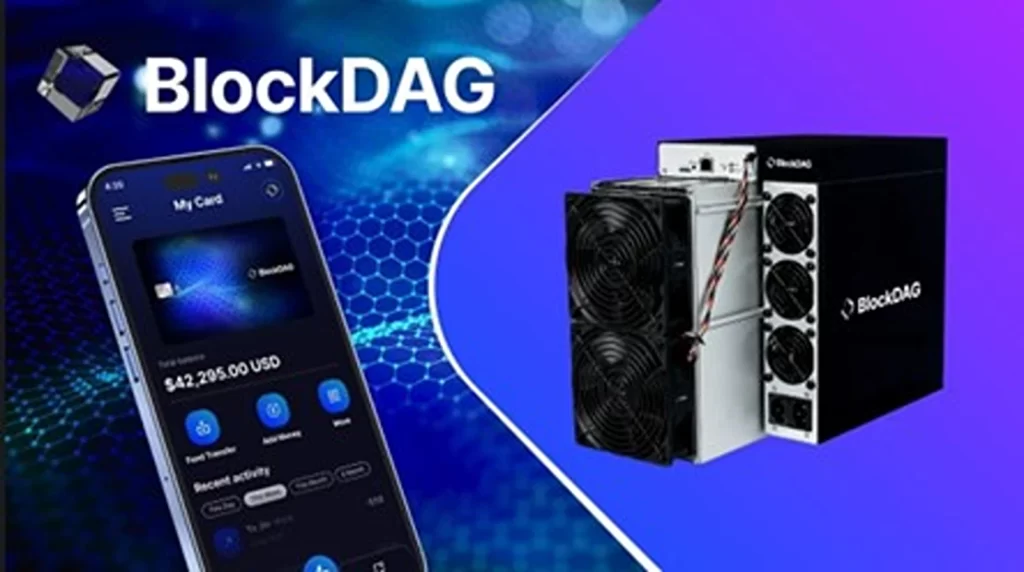
The BlockDAG mobile application and home mining solutions underscore its dedication to inclusivity and efficiency, appealing to a broad audience, including experienced and novice miners. Moreover, analysts predict BlockDAG prices will reach $10 between 2025 and 2030, making it one of the best crypto investments for significant growth.
Final Thought: The Best Crypto Investment
Bitcoin’s impressive ascent has opened up new opportunities for growth for BlockDAG, Bitcoin Dogs and Algorand price. Each offers a unique proposition to the crypto investor – Algorand’s robust market cap growth and significant TVL increase, the Bitcoin Dogs presale success driven by its Bitcoin affiliation, and BlockDAG’s promising presale performance and mining innovations present compelling narratives.

However, BlockDAG’s blend of early investment incentives, practical mining solutions, and the palpable market excitement surrounding its presale batch makes it an ideal choice for investors seeking the best crypto investment. As we navigate the vibrant crypto market, BlockDAG’s potential to mint substantial wealth for its community positions it as a frontrunner in the race for crypto supremacy.
BlockDAG Presale:
Website: https://blockdag.network
Presale: https://purchase.blockdag.network
Telegram: https://t.me/blockDAGnetworkOfficial
Discord: https://discord.gg/Q7BxghMVyu
Disclaimer: This is a sponsored press release that was not produced by Crypto Intelligence’s editorial team.
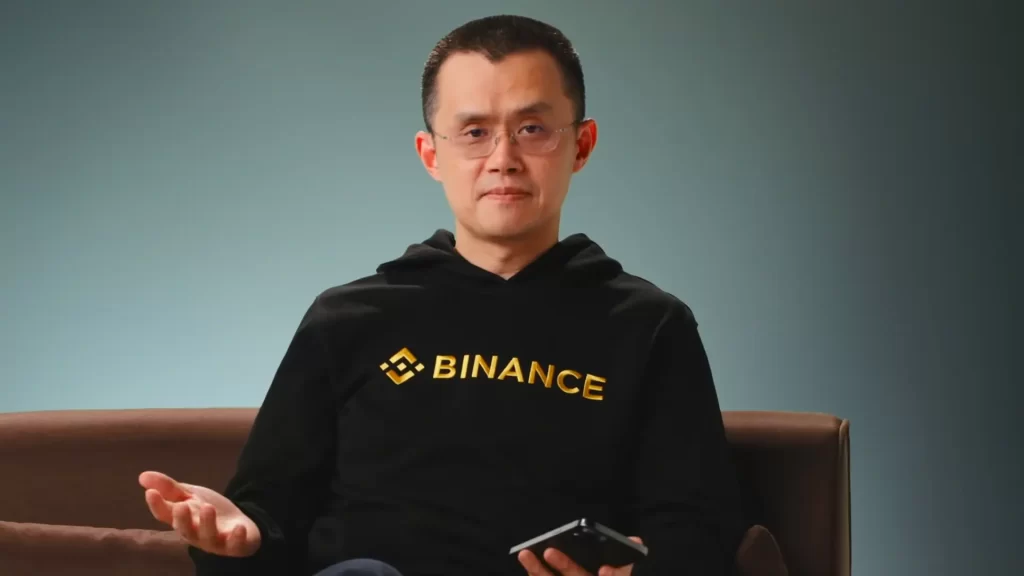
Bayo Onanuga, a special adviser to the Nigerian president on information and strategy, has clarified reports surrounding the alleged imposition of a $10 billion fine on the cryptocurrency exchange Binance.
Contrary to earlier reports by the BBC, Onanuga stressed that the claims were a result of misquotation and misunderstanding.
He emphasized that there has been no finalized decision to levy such a fine against Binance and that his previous statements had been misrepresented.
Specifically, Onanuga mentioned that he had only discussed the possibility of a fine, indicating that nothing is set in stone as of now.
This development comes amidst increasing regulatory scrutiny of cryptocurrency exchanges in Nigeria, a move aimed at protecting the integrity of the Nigerian naira.
Binance, in response to the growing pressure, has discontinued the use of the naira in its peer-to-peer (P2P) trading services as of February 28.
The P2P platform, popular among Nigerian users since 2021, facilitates direct transactions between buyers and sellers without the need for an intermediary.
This service gained popularity following the Nigerian government’s ban on the crypto industry during the tenure of former President Muhammadu Buhari.
READ MORE: Bitcoin Trader Recovers $13,000 Mistaken NFT Purchase Thanks to Seller’s Generosity
The situation is compounded by the Central Bank of Nigeria’s (CBN) concerns over “suspicious flows” of funds through Binance’s Nigerian operations.
CBN Governor Olayemi Cardoso reported that in 2023 alone, $26 billion had been transacted through Binance from unverified sources and users, raising alarms over potential financial risks and the need for stringent oversight.
Further actions by the Nigerian government include the detention of two senior Binance officials in Abuja by the National Security Adviser’s office, highlighting the government’s intent to closely monitor and possibly regulate cryptocurrency exchanges to prevent undue speculation on the naira.
Despite these challenges, the CBN made a significant policy shift in December 2023 by lifting a two-year ban on banks’ involvement in crypto transactions.
This was accompanied by the issuance of guidelines for regulating virtual asset service providers.
Nigeria, having launched a central bank digital currency in 2022 and the naira-pegged cNGN stablecoin through the Africa Stablecoin Consortium in a regulatory sandbox in February, demonstrates a complex and evolving stance towards digital currencies.
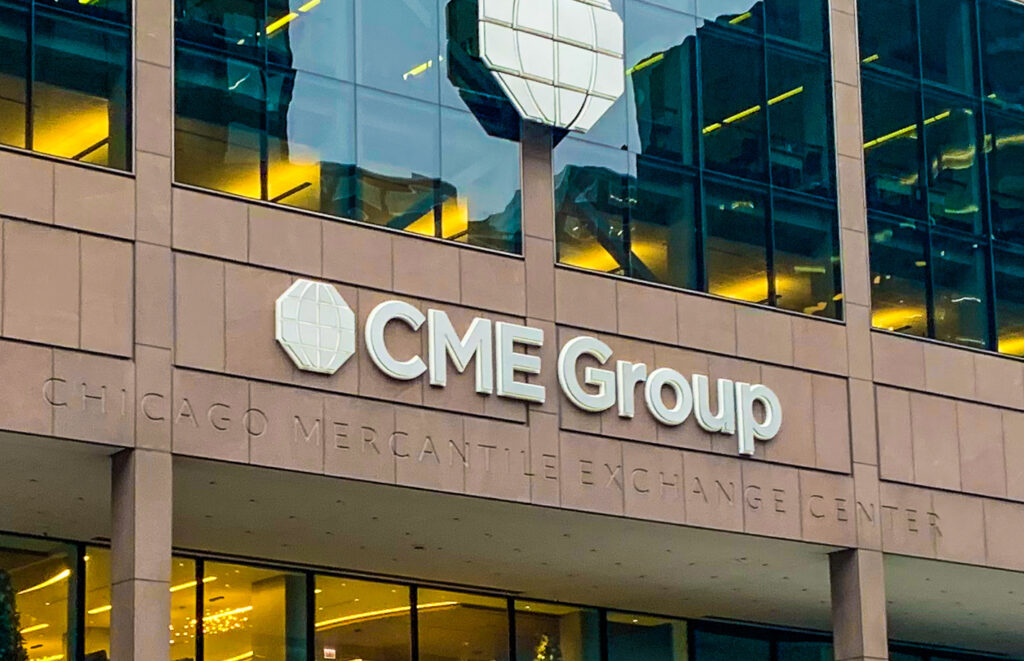
The introduction of euro-denominated Bitcoin and Ether futures by CME Group is poised to significantly influence institutional cryptocurrency adoption within the eurozone.
Giovanni Vicioso, executive director at CME Group, shared insights with Cointelegraph, emphasizing the potential for broadening participation in the cryptocurrency markets.
According to Vicioso, the existing U.S. dollar-denominated cryptocurrency products have attracted a diverse group of participants, including traditional proprietary trading firms.
He expects these firms to also engage with the new euro-based products.
Vicioso revealed that the forthcoming euro-denominated futures have already sparked interest among various investors, including macro hedge funds, small asset managers, and dedicated crypto investors.
This move by CME, the leading derivatives marketplace comprising four exchanges, to introduce Micro Bitcoin and Micro Ether futures in euros, scheduled for March 18, marks a significant expansion in its cryptocurrency derivatives offerings.
The euro-denominated futures are anticipated to essentially function as a foreign exchange (FX) contract, attracting additional market participants.
Vicioso explained the mechanics, noting that investors could long the U.S. dollar contract while shorting the euro version, or vice versa, effectively creating an FX contract with Bitcoin and Ether.
The launch of Bitcoin-based exchange-traded products (ETPs) and the approval of the first spot Bitcoin ETFs in the U.S. on January 11 have already generated significant interest.
READ MORE: Crypto Whale Swaps PEPE for SHIB, Signalling Massive Bullish Momentum for Shiba Inu Token
This interest was underscored by the over $2 billion in combined daily volume recorded by the new spot Bitcoin ETFs, excluding the Grayscale Bitcoin Trust ETF conversion.
Vicioso pointed out that the anticipation and regulatory approval of U.S.-based spot Bitcoin ETFs have fueled an uptick in institutional interest in Bitcoin.
He highlighted the increase in Euro-denominated Bitcoin and Ether volumes since September and mentioned the growing customer interest in euro-denominated cryptocurrency products.
Furthermore, CME has seen a substantial increase in its average daily Bitcoin trading volume, which has nearly doubled from $1.6 billion in 2023 to over $3 billion in 2024.
Despite these advancements, Bitcoin’s price saw a slight decline of 0.62% in the 24 hours leading up to 1:15 pm UTC, trading at $62,383.
However, it has shown a significant increase of 22.50% on the weekly chart, indicating the cryptocurrency’s enduring appeal and volatility.

Bitcoin has recently achieved a significant milestone, setting a new record high against the euro, with its value surging to an unprecedented $65,000.
This remarkable achievement marks a new multi-year high for the cryptocurrency, highlighting its growing strength in the financial market.
On March 4, Bitcoin surpassed the 60,000-euro mark, a historical event as it reached this level against the euro for the first time.
TradingView data shows that Bitcoin hit 60,393 euros at 8:30 am UTC, witnessing a roughly 5% increase from its intraday low of 57,521 EUR.
Currently, Bitcoin’s value stands at 59,981 euros, boasting a significant 56% increase since the beginning of the year.
Before this achievement, Bitcoin had already been setting records, breaking the 53,000-euro mark on February 28, a record previously set in late September 2021.
This year, Bitcoin has been on a record-breaking spree against various fiat currencies, including the Chinese yuan (CNY), which is the largest fiat currency by market capitalization globally.
Late February saw Bitcoin surpass its previous all-time high against the CNY, reaching 467,506 CNY from an earlier high of around 414,000 CNY, as per Xe.com.
Balaji Srinivasan, a prominent angel investor and former Coinbase CFO, noted that as of February 28, Bitcoin had surpassed all-time highs in over 30 countries, including major economies like China, India, Japan, South Korea, and Argentina.
READ MORE: Massive Transfer of 3 Trillion Shiba Inu Tokens to Robinhood Wallet Sparks Crypto Frenzy
Despite these achievements, Bitcoin has yet to set new records against several major currencies, such as the U.S. dollar, British pound, Swiss franc, Brazilian real, and Mexican peso.
As it stands, Bitcoin is trading at $65,000, approximately 6% below its all-time high of $69,000 recorded on Coinbase in November 2021.
Sam Wouters, River Intelligence marketing head, identifies the Mexican peso as a particularly challenging target for Bitcoin, noting its current value at 1.1 million pesos, a 24% decrease from its peak of about 1.4 million pesos in November 2021.
The cryptocurrency’s recent success can be attributed to increased exposure following the launch of spot Bitcoin exchange-traded funds (ETFs) in the U.S. on January 11, 2024.
Since the launch, ETF issuers have acquired at least 340,000 BTC by March 1, not including significant sales by the Grayscale Bitcoin Trust ETF, further cementing Bitcoin’s growing influence in the global financial landscape.