


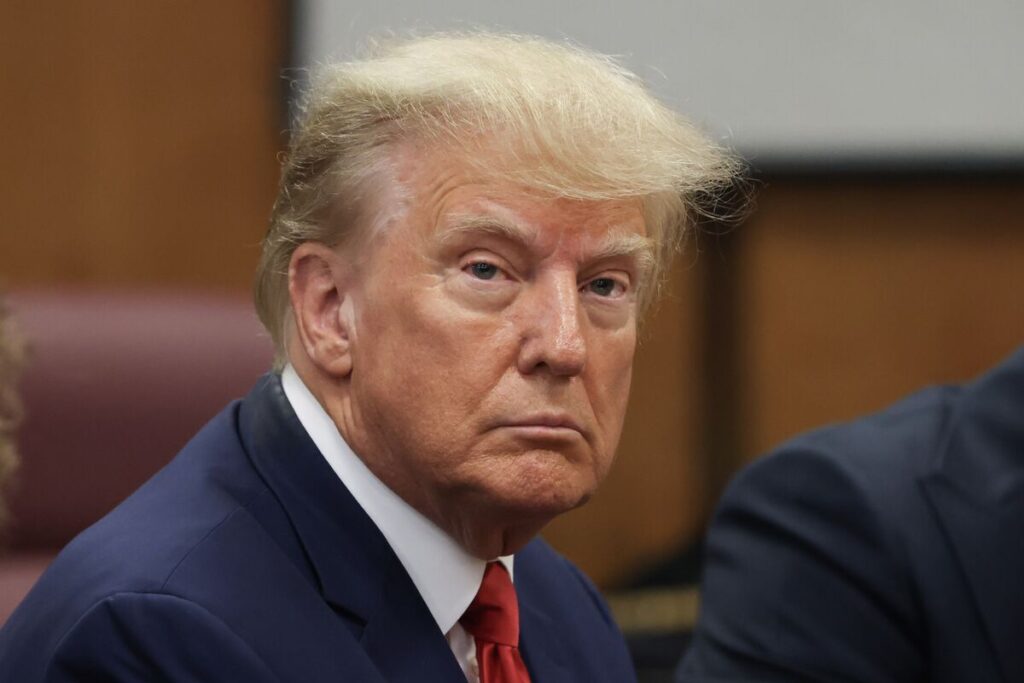
Former President of the United States and current presidential candidate, Donald Trump, recently revisited the contentious topic of central bank digital currencies (CBDCs), attributing the resurgence of the discussion to Vivek Ramaswamy, a former Republican presidential candidate who withdrew from the race following disappointing results.
At a rally held in Laconia, New Hampshire, on January 22, Trump acknowledged Ramaswamy as the catalyst for rekindling the CBDC debate.
Notably, Ramaswamy was the sole presidential candidate who had included a crypto framework in his campaign platform.
Trump, somewhat humorously, confessed to his initial dislike for Ramaswamy until defeating him in the race. He then reiterated his firm stance against the implementation of a CBDC in the United States.
This was not the first time that Trump had voiced his opposition to CBDCs. During a campaign speech in Portsmouth, New Hampshire, on January 17, he unequivocally stated, “I will never allow the creation of a central bank digital currency.”
Trump underscored his concerns by emphasizing that such a digital currency would grant the federal government “absolute control” over citizens’ financial transactions.
Trump’s stance on cryptocurrency had not been particularly nuanced in the past, apart from a few negative comments about Bitcoin during his presidency.
However, the issue gained prominence in the presidential campaigns of Vivek Ramaswamy and Florida Governor Ron DeSantis, both of whom have since suspended their campaigns.
Ramaswamy withdrew from the race on January 16 and threw his support behind Trump.
Similarly, DeSantis officially ended his presidential bid on January 21, after facing a substantial defeat to Trump in the Iowa caucuses.
READ MORE: Elon Musk’s xAI Disputes $500 Million Investment Claim Amidst Valuation Talks
He also endorsed Trump’s candidacy, despite being the subject of ridicule from the former president in recent months.
On January 19, U.S. Representative Tom Emmer joined the chorus of support for Trump’s commitment to opposing CBDCs.
Emmer emphasized his eagerness to collaborate with Trump in combatting what he referred to as the “expanding government surveillance state.”
Emmer has consistently advocated for digital assets and has a history of pushing back against the regulatory approach pursued by the U.S. Securities and Exchange Commission (SEC) and its Chair, Gary Gensler.
In summary, Trump’s resolute rejection of CBDCs has resurfaced thanks to the encouragement of Vivek Ramaswamy, a former presidential contender, and has garnered support from individuals like Tom Emmer who share concerns about the implications of a government-controlled digital currency.
The debate surrounding CBDCs continues to evolve within the context of American politics and cryptocurrency regulation.

For over two years, Pablo Moncada, the co-founder of MoonDAO and his decentralized autonomous organization (DAO), have been diligently working towards a remarkable objective – establishing a self-sustaining colony on the moon.
Their audacious timeline for this endeavor? Just under seven years from now. This formidable goal has been set by Moncada and the 5,000-member-strong MoonDAO, founded in 2021.
Moncada perceives DAOs as a solution to the longstanding issue of space exploration being inaccessible to the general populace.
He believes that his model could revolutionize space travel and interstellar exploration, potentially leading to human habitation on the moon by 2030.
While he acknowledges the inherent challenges and uncertainties, he remains undeterred in his pursuit.
Space exploration has historically been dominated by government space programs and well-funded private companies.
MoonDAO, often referred to as “the internet’s space program,” aims to democratize space research and travel by enabling everyday people to contribute to these endeavors.
While MoonDAO hasn’t yet achieved the monumental feat of sending humans to the moon, it has already achieved a significant milestone.
In November of the previous year, MoonDAO conducted a historic vote, sending Coby Cotton, a member of the YouTube channel Dude Perfect, into space aboard one of Jeff Bezos’ Blue Origin spaceships.
This marked the first time a DAO had sent someone into space, symbolizing a groundbreaking moment for space exploration and decentralized funding.
In Moncada’s perspective, MoonDAO’s greatest contribution lies in its novel approach to capital raising for space research and exploration.
Historically, governments relied on taxes and national budgets to fund space research.
More recently, private companies like SpaceX and Blue Origin have attracted private investors while still receiving substantial government contracts.
READ MORE: Bitcoin Inches Closer to $42,000 Amidst Uncertain Market Sentiment
MoonDAO, however, leverages the power of coordination among people worldwide who share a passion for space exploration.
Moncada draws a historical parallel, citing the 1500s when joint stock corporations were invented to finance voyages to explore new territories.
He believes that, similarly, we will witness the emergence of new tools, such as DAOs, to fund future space missions.
MoonDAO co-founder Moncada is no stranger to ambitious goals, having previously worked on ConstitutionDAO, which aimed to raise $49 million to purchase the only physical copy of the United States Constitution.
Even though many DAOs, including ConstitutionDAO, may fall short of their lofty objectives, Moncada believes that striving for audacious goals is more rewarding than not trying at all.
While DAOs are praised for their innovative potential, they also face challenges stemming from differences in opinions and backgrounds among members.
Moncada humorously refers to DAOs as “dudes arguing online” in acknowledgment of these challenges.
As for the grand vision of establishing a self-sustaining moon colony by 2030, Moncada emphasizes the value of setting ambitious goals, comparing it to the audacity of Kennedy’s call to land on the moon in 1961 when space exploration was in its infancy.
He believes that as the DAO ecosystem continues to grow, access to capital may rival that of governments, paving the way for a new era in space exploration funding.

London, United Kingdom, January 24th, 2024, Chainwire
Algotech (ALGT) is revolutionizing cryptocurrency trading with its advanced decentralized algorithmic trading platform, disrupting traditional manual trading methods. By utilizing cutting-edge algorithms and blockchain technology, Algotech ensures transparency, immutability, and security, overcoming the limitations of manual trading. Its platform is tailored for the dynamic realm of cryptocurrency trading, executing precise investment strategies.
In the world of algorithmic trading, Algotech (ALGT) stands out by leveraging data-driven analysis, complex algorithms, and automation, mitigating the impact of human intuition and emotions. This shift towards algorithmic trading, powered by machine learning and artificial intelligence, positions Algotech (ALGT) to capitalize on opportunities in rapidly growing markets, especially in cryptocurrencies.
The Algotech platform brings a myriad of benefits, ushering in a new era of trading efficiency. Algotech’s (ALGT) automation eliminates manual execution, reducing human biases and timing-related risks. With a strong emphasis on risk management and an advanced technical infrastructure, Algotech (ALGT) ensures a seamless and reliable trading experience for its users and investors.
Distinguishing itself with decentralized operations and advanced technologies, Algotech (ALGT) continuously improves its strategies. Offering a diverse range of algorithmic trading strategies tailored to various market conditions, Algotech allows users to align strategies with their risk tolerance and preferences. The platform’s robust technical infrastructure handles high trading volumes, delivering exceptional execution speed and minimizing downtime.
Emphasizing risk management, Algotech (ALGT) prioritizes the protection of users’ capital through careful risk assessment, position sizing, and portfolio diversification. By addressing challenges in traditional manual trading, Algotech’s algorithmic strategies provide advantages in data-driven decision-making, rapid execution, and scalability.
Algotech’s innovative approach to algorithmic trading represents a significant leap forward in the cryptocurrency trading space. By democratizing advanced trading capabilities and emphasizing efficiency, objectivity, and risk management, Algotech positions itself as one of the top DeFi projects and a leader in revolutionizing how traders engage in cryptocurrency markets.
ALGT Token: The ERC-20 Standard Token of Algotech
The ERC-20 token known as ALGT, resides on Algotech’s decentralized algorithmic crypto trading platform. Those who invest in ALGT early receive secure voting governance rights, partial ownership of the software, and a share in profits through dividends.
The ALGT token proceeds drive research and development in strategies such as hedging and mean reversion. Accompanied by a 30% performance fee from users benefiting from Algotech’s algorithms. ALGT investors will be eligible for passive and residual income opportunities through Algotech’s advanced technology.
Algotech (ALGT) Presale Details
The journey of Algotech’s (ALGT) public presale begins with an ALGT token priced at $0.04 in Stage 1. This presale came following the private seed sale, which saw Algotech raise $1.1 million in just two days of sale and over 55 million ALGT tokens sold.
With over 43.75 million ALGT tokens to be sold, Algotech kickstarted its public presale, opening the floor for investors to purchase the ALGT token on the Ethereum network (ERC-20).
About Algotech:
Algotech is a cutting-edge decentralized algorithmic trading platform designed specifically for the fast-paced world of trading. With its advanced algorithms and machine learning capabilities, Algotech empowers traders to navigate the complex markets with efficiency, precision, and accuracy.
Contact
Mr
Algotech
Algotech Solutions
[email protected]
+447765968246

The United States House Financial Services Committee is increasing pressure on Meta to reveal its intentions regarding blockchain and cryptocurrency.
This scrutiny stems from the existence of five cryptocurrency and blockchain-related trademark applications that have remained active since 2022.
In a letter dated January 22, Maxine Waters, the ranking member of the committee, addressed Meta’s founder and CEO, Mark Zuckerberg, as well as operating chief Javier Olivan.
Waters pointed out that these trademark applications, all filed on March 18, 2022, “appear to represent a continued intention to expand the company’s involvement in the digital assets ecosystem.”
This assertion contradicts Meta’s previous statement to Democratic Financial Services Committee staff on October 12, 2023, in which they claimed that there was no ongoing work related to digital assets within the company.
It’s worth noting that Meta had abandoned its plans for the Diem cryptocurrency stablecoin (formerly known as Libra) back in mid-2019 due to pressure from lawmakers.
READ MORE: Elon Musk’s xAI Disputes $500 Million Investment Claim Amidst Valuation Talks
They eventually sold Diem to the now-defunct Silvergate Bank for $200 million in January 2022.
Additionally, Meta’s plan to launch a digital wallet called Novi (formerly Calibra) by 2020 has also faltered, with no indication of a new release date.
The trademark filings encompass a range of services related to cryptocurrency and blockchain assets, including trading, exchange, payments, transfers, wallets, and the associated hardware and software infrastructure.
Meta has received a Notice of Allowance (NOA) for each of these filings, indicating that the applications meet registration requirements.
Within six months, Meta must either file a statement confirming its intention to use the trademark or request a six-month extension to file the statement.
Meta’s deadline to respond to the first NOA, sent on August 15, 2023, is February 15. The latest NOA, sent on January 16, grants Meta until July 16 to respond.
Waters has posed several critical questions to Meta, including how the company plans to address the NOAs, whether it is pursuing projects related to Web3, cryptocurrency, or digital wallets, and if it intends to launch a cryptocurrency payments platform.
She also inquired about Meta’s research on stablecoins and potential partnerships with stablecoin projects, its interest in adopting distributed ledger technology (DLT), and how its technology might enable crypto-related functions within its metaverse.
As of now, Meta has not responded to requests for comment on these matters.
The trustee overseeing the recovery of the hacked cryptocurrency exchange, Mt. Gox, has taken significant steps toward repaying creditors in Bitcoin (BTC) and Bitcoin Cash (BCH).
Recent reports indicate that Mt. Gox creditors have been contacted to confirm their identities and the existence of their exchange accounts, a crucial step in the reimbursement process.
Numerous Mt. Gox creditors have received emails from the trustee, notifying them of the successful completion of identity verification for their crypto exchange accounts.
These accounts will be utilized to facilitate the repayment of BTC and BCH. In a notification posted on Mt. Gox’s insolvency hub on Reddit on January 22nd, it was revealed that a crypto exchange mentioned in a user’s rehabilitation claim had confirmed the ownership of the account with the trustee.
Consequently, the exchange is now poised to accept the user’s subscription to the agency receipt for receiving repayment in BTC or BCH.
However, the email also issued a cautionary note, stating that users might face difficulties in receiving repayment if their accounts are disabled or frozen in the future.
Numerous Reddit users have confirmed receipt of such emails from the Mt. Gox trustee, with the majority of confirmations originating from the Bitstamp exchange.
Some Kraken users also reported receiving confirmation emails, while others have not yet received any communication from the trustee.
Interestingly, certain exchanges involved in the repayment process have informed their users that they will continue serving Mt. Gox-related customers in specific countries, despite their withdrawal from those jurisdictions.
Bitstamp, for instance, which ceased operations in Canada on January 4, 2024, announced that it would continue servicing local accounts engaged in the Mt. Gox settlement.
However, these accounts will have limited functionality, restricted to withdrawals only, with deposits and trading no longer available.
These developments coincide with the trustee’s progress in facilitating bank account repayments. Reports of the first Mt. Gox repayments surfaced in late December 2023, and some creditors even received double payments during this phase.
Founded in 2010, Mt. Gox was once the world’s largest Bitcoin exchange, handling approximately 70% of all BTC transactions.
However, it suffered a massive security breach in 2014, resulting in the loss of 850,000 BTC and making it one of the largest crypto bankruptcies in history.
Mt. Gox is now on track to repay its creditors a total of 142,000 Bitcoin and 143,000 Bitcoin Cash, along with 69 billion Japanese yen (approximately $510 million) by October 2024.

The latest stealth tax news is positive for taxpayers in the UK, but some remain concerned.
In the labyrinthine world of taxation, “stealth tax” has become a buzzword that often raises eyebrows among both the public and experts in the United Kingdom (UK). Stealth taxes refer to indirect or obscured forms of taxation, which are not immediately apparent to the average taxpayer. These elusive levies can have far-reaching implications, often operating in the shadows of the UK’s tax landscape. This article delves into the concept of stealth taxes in the UK, unraveling their origins, examining their consequences, and analyzing the ongoing debate surrounding them.
The Genesis of Stealth Taxes
Stealth taxes find their origins in the complexity of the UK’s tax system. Unlike explicit taxes, such as income tax or value-added tax (VAT), which are straightforward and transparent, stealth taxes are designed to fly under the radar. They often emerge as subtle modifications to existing policies, regulations, or fees, making them less visible and easily overlooked. The concept gained prominence during the late 1990s and early 2000s when the Labour government, led by Prime Minister Tony Blair and Chancellor Gordon Brown, introduced various forms of concealed taxation.
One notable stealth tax introduced during this era was the freezing of income tax thresholds. While this measure might not have appeared to be a tax hike at first glance, it effectively increased the tax burden on millions of low and middle-income earners as inflation eroded the real value of these thresholds. Another example was the hike in National Insurance contributions, ostensibly to fund the National Health Service (NHS), which in practice amounted to a stealthy tax increase on both employees and employers.
Implications of Stealth Taxes
The utilization of stealth taxes carries several significant implications, impacting both individuals and the broader economy:
1. Lack of Transparency
Stealth taxes erode the transparency of the tax system. When citizens are unaware of the true extent of their tax obligations, it becomes challenging to hold policymakers accountable for their fiscal decisions. This lack of transparency can undermine trust in the government and its commitment to financial responsibility.
2. Regressive Impact
Many stealth taxes disproportionately affect low and middle-income individuals and families. These hidden taxes often target essential goods and services, making them regressive in nature and exacerbating income inequality. Vulnerable populations are particularly susceptible to the regressive effects of stealth taxation.
3. Economic Uncertainty
Businesses are not immune to the effects of stealth taxes. As these hidden levies can lead to unexpected increases in operating costs, they create uncertainty for businesses, affecting their planning and investment decisions. This uncertainty can ultimately hinder economic growth and stability.
READ: Santander UK News – Stance on Crypto Payments
4. Trust in Government
The use of stealth taxes can erode trust in the government. When citizens perceive that they are subjected to covert tax increases, they may become more skeptical of the government’s motives and its ability to manage public finances responsibly. This erosion of trust can have far-reaching consequences for governance and public perception.
Illustrative Examples of Stealth Taxes
To shed light on the nature and impact of stealth taxes, here are a few prominent examples:
Fuel Duty
One of the most recognized stealth taxes in the UK is fuel duty. Despite common misconceptions that fuel prices are primarily influenced by global oil market dynamics, a significant portion of the cost at the pump results from taxes imposed by the government. These taxes are often increased quietly, leading to higher fuel prices for consumers, which can have cascading effects on the cost of living and transportation costs for businesses.
Insurance Premium Tax (IPT)
IPT is levied on various insurance policies, including home, car, and health insurance. It operates as an indirect tax that insurers pass on to policyholders. Over the years, the rate of IPT has steadily increased, adding to the financial burden of individuals and families while flying largely under the public’s radar.
Sugar Tax
In an effort to combat obesity and promote healthier lifestyles, the government introduced a sugar tax on sugary drinks. While this policy has public health benefits, it also represents a stealth tax on consumers who purchase these beverages. The tax is applied at the manufacturing level but can ultimately lead to higher prices for consumers.
Council Tax
Although council tax is a well-established form of local taxation, its complexity and frequent adjustments can make it a stealthy source of financial strain for homeowners. Property revaluations can result in higher council tax bills, often catching residents by surprise and leading to local discontent.
The Ongoing Debate
Stealth taxes in the UK have ignited a continuous debate among politicians, economists, and the public. Proponents argue that stealth taxes provide a necessary source of revenue for essential public services, such as healthcare and education, without placing excessive burdens on income or business profits. They contend that stealth taxes can also be employed to incentivize socially responsible and environmentally friendly behavior, as evidenced by the sugar tax.
Conversely, critics emphasize that stealth taxes lack transparency and accountability, making it difficult for citizens to understand how their contributions are utilized. They argue that these covert levies disproportionately impact vulnerable groups and contribute to income inequality. Additionally, the regressive nature of many stealth taxes means that low-income individuals and families bear a heavier burden.
Critics also warn that stealth taxes can have unintended consequences. For example, an increase in fuel duty may lead to higher transportation costs for businesses, potentially resulting in increased prices for goods and services, which ultimately affect consumers.
Addressing Stealth Taxes
To address the concerns surrounding stealth taxes, several proposed solutions and policy changes have been suggested:
1. Transparency Measures
Policymakers can enhance transparency by clearly communicating the tax implications of policy changes to the public. This includes providing comprehensive information on how alterations in taxation will affect individuals and businesses. Transparent communication helps build trust between the government and citizens.
2. Progressive Taxation
To mitigate the regressive nature of stealth taxes, governments can consider implementing progressive tax policies. Such policies would place a heavier tax burden on higher-income individuals and corporations through reforms to income tax, capital gains tax, and corporate tax. Progressive taxation ensures a fairer distribution of the tax burden.
3. Regular Review and Accountability
Regular reviews of tax policies and their impacts can help ensure that stealth taxes do not go unnoticed or unchallenged. Independent bodies can conduct assessments of tax changes, offering transparency and accountability in the decision-making process. These reviews can serve as a check on the government’s fiscal actions.
4. Exploration of Alternative Revenue Sources
Governments should explore alternative revenue sources, such as environmentally friendly taxes or wealth taxes, to reduce their reliance on stealth taxes. Diversifying revenue streams can provide financial stability while mitigating the regressive effects of hidden taxes.
Conclusion
Stealth taxes in the UK represent a complex and contentious issue within the realm of public finance. While they can serve as a source of revenue for essential public services, their lack of transparency and regressive nature raise valid concerns. As the debate surrounding stealth taxes continues, achieving a balance between fiscal responsibility and fairness remains a critical challenge for policymakers. The key to addressing stealth taxes lies in transparent communication, progressive taxation, and careful consideration of their impact on citizens and the economy as a whole.

The fee war in the Bitcoin exchange-traded fund (ETF) arena has now crossed the Atlantic to Europe. This development follows the recent approval by the United States Securities and Exchange Commission (SEC) of Bitcoin ETFs in the United States, marking a significant shift in the financial landscape.
In the lead-up to the SEC’s approval on January 10th, many applicants in the U.S. continually adjusted their S-1 filings to reduce their ETF fees. Now, a similar trend is emerging in Europe among listed exchange-traded products (ETPs).
Two prominent asset management firms, Invesco and WisdomTree, have taken a bold step by slashing fees on their European-listed ETPs by over 60%.
Invesco’s $137 million Physical Bitcoin ETP will see its fee drop from 0.99% to a mere 0.39%, while WisdomTree’s $325 million Physical Bitcoin ETP will see its cost decrease from 0.95% to 0.35%.
It’s worth noting that in Europe, digital asset exchange-traded products are structured as exchange-traded notes (ETNs), a distinction from funds.
ETN investors hold debt securities, while ETF shareholders have a stake in the fund’s underlying assets.
READ MORE: Terraform Labs, Behind Defunct TerraUSD, Files for Bankruptcy Amid Ongoing Legal Battle
The significant fee reductions can be attributed to increased competition and the proliferation of multiple ETFs in the U.S., a leading global financial market.
Previously, U.S.-based investors had to look to Canadian and European-based ETPs for investment opportunities.
However, with the SEC’s green light for 11 spot Bitcoin ETFs in the U.S., the demand for European ETPs from U.S. investors has markedly diminished.
Gary Buxton, Invesco’s Head of ETFs for Europe, explained in an interview with the Financial Times that the multitude of ETFs in the U.S. adjusted their fees to establish a “new equilibrium between supply and demand.” This led to considerably lower prices compared to existing ETPs in Europe.
U.S.-based Bitcoin ETFs have an advantage over their European counterparts in terms of liquidity and accessibility.
They are available on a single exchange platform, making them more convenient for European investors.
The recently launched spot Bitcoin ETFs in the U.S. have witnessed massive trading volumes from day one and continue to trade billions of dollars in daily volume, further strengthening their appeal to investors on both sides of the Atlantic.
This fee war signals a shifting landscape in the world of digital asset investment, with investors benefiting from reduced costs and increased options as competition heats up in both the U.S. and Europe.
The Ethereum ecosystem is making significant strides toward reducing gas fees and enhancing transaction speeds for layer-2 rollups with the introduction of the Dencun upgrade on the network’s testnets in early 2024.
The Dencun network upgrade was activated on the Goerli testnet on January 17, bringing forth several Ethereum Improvement Proposals (EIPs).
Among these, EIP-4844 is particularly noteworthy, as it enables proto-danksharding, a highly anticipated improvement aimed at lowering L2 transaction fees.
However, the deployment of Dencun to Goerli initially encountered a four-hour delay due to a bug in Ethereum’s proof-of-stake client, Prysm.
Nebojsa Urosevic, co-founder of Ethereum development platform Tenderly, explained that network synchronization delays are common but also serve as an essential part of identifying and resolving such bugs.
The bug, as revealed by Ethereum Foundation protocol lead Tim Beiko, was linked to Prysm incorrectly setting the historical roots value to 0, preventing the Goerli testnet from finalizing the Dencun upgrade.
Dencun incorporates nine different EIPs, with proto-danksharding and blob transactions being the most eagerly anticipated.
Proto-danksharding offers improved scalability through the use of blob-carrying transactions, which are more efficient and cost-effective than traditional calldata, potentially reducing costs by 80%–90%.
Following its successful implementation on Goerli, the Sepolia and Holesky testnets are next in line to undergo the Dencun upgrade.
All three testnets must demonstrate successful deployment before considering an upgrade to Ethereum’s mainnet.
READ MORE: US Rep. Tom Emmer and Former President Trump Unite in Opposition to CBDCs
One of the significant impacts of the Dencun upgrade is storage efficiency. Ethereum sidechain Gnosis’ infrastructure director, Philippe Schommers, explained that Dencun will offer more block space and lower costs to layer-2 solutions.
Data previously stored indefinitely on-chain will now be discarded after two weeks, improving efficiency and reducing costs.
As a result, Dencun promises lower gas fees and faster transactions, paving the way for more complex applications on layer-2 solutions.
Rollups, in particular, stand to benefit greatly from reduced operational costs and improved scalability.
Anurag Arjun, co-founder of data availability blockchain Avail, highlighted the growing demand for block space from rollups and suggested that protocols like Avail could help address these demands.
Recent benchmarks of Avail’s zero-knowledge Ethereum Virtual Machine Validium have demonstrated a 90% reduction in transaction fees while providing decentralized and secure data availability guarantees.
In summary, the Dencun upgrade marks a significant step toward addressing scalability issues on the Ethereum mainnet, offering greater storage efficiency, lower gas fees, and an improved development experience.
Rollups and complementary protocols are set to play a crucial role in further enhancing Ethereum’s ecosystem.
The crypto world has been abuzz with discussions of Solana (SOL) and Avalanche (AVAX). Interestingly, while Avalanche has seen its value decline, Solana has been on an impressive upward trajectory. This article explains the factors driving these contrasting market movements.
Additionally, we’ll introduce BlockDAG (BDAG), an emerging cryptocurrency with great potential for making a significant impact in 2024. Our analysis aims to provide a deeper understanding of these trends and the prospects of BlockDAG in the ever-evolving landscape of digital currencies.
AVAX: A Price Drop Of 14% In 30 Days
Over the past month, AVAX, the cryptocurrency associated with the Avalanche platform, has undergone a substantial 14.36% decline, marking a distinct departure from its remarkable 2023 performance. Analysts attribute this downturn to profit-taking following an impressive 292% surge over 90 days.

The crucial question now looms – how protracted will this downward trend persist? Scrutinising the 4-hour AVAX/USD chart reveals a diminishing demand, painting a decidedly bearish outlook. Positioned below both the 20 EMA (blue) and 50 EMA (yellow), AVAX’s current negative sentiment is further underscored by the emergence of a death cross, with the 50 EMA surpassing the 20 EMA.
The 0.786 Fibonacci retracement level also hints at a potential pullback to around $35.07 before witnessing any substantial demand resurgence. A note of caution is sounded for short positions targeting less than $35, given the Liquidation Heatmap’s indication of possible large-scale liquidations within the price range of $34.46 and $34.97. This warns of potential sudden price fluctuations triggering position closures due to inadequate funds to cover margin balances. Investors must navigate these precarious waters with circumspection.
Solana Price Surges After Pullback
Solana, a prominent cryptocurrency, is thriving while AVAX faces a downturn. In the last month alone, Solana’s price soared by an impressive 40.50%, catching the eye of eager investors and traders seeking to capitalise on this upward trend. The success of Solana can be attributed to several factors, notably its cutting-edge technological advancements.
Operating on a next-gen blockchain, it seamlessly integrates the best aspects of existing technologies, delivering unparalleled speed, flexibility, and innovation. This has drawn in developers and users and spurred increased adoption and cryptocurrency demand. Furthermore, Solana’s robust ecosystem, featuring diverse, decentralised finance (DeFi) protocols and applications, has created abundant opportunities, fueling the cryptocurrency’s upward trajectory.

Can BlockDAG Network Achieve $600 Million In 2024?
While AVAX and Solana’s prices have been making headlines, another cryptocurrency holds great potential: BlockDAG crypto. It aims to revolutionise crypto mining by making it accessible to all. One of the key features of BlockDAG is its commitment to making mobile mining simple and rewarding for everyone.
With the BlockDAG app, users can easily engage in the mining process from anywhere, leveraging the power of their mobile devices. This accessibility opens up new opportunities for individuals from all walks of life to participate in crypto mining. By securing BlockDAG during its presale batch, investors are strategically positioning themselves to benefit from the potential growth of the coin.

BlockDAG’s innovative approach to crypto mining, combined with its commitment to accessibility and operational agility, sets it apart from other crypto networks. With its advanced hybrid consensus mechanism, BlockDAG aims to validate transactions faster while maintaining high security. This technological advantage could attract many users and contribute to the coin’s growth.
The early signs indicate that BlockDAG has the potential to impact the crypto market significantly. By blending groundbreaking speed, flexibility, and innovation, BlockDAG has positioned itself as a promising cryptocurrency to watch in the coming years.
Final Thought
While AVAX’s price has experienced a decline, Solana’s price has been on a remarkable surge. These market trends reflect the dynamic nature of the crypto landscape. Additionally, the introduction of BlockDAG brings a new dimension to crypto mining, making it accessible and rewarding for all. With its ambitious goals and innovative approach, BlockDAG has the potential to achieve significant success in the crypto market.
Join BlockDAG Presale Now:
Presale: https://purchase.blockdag.network
Website: https://blockdag.network
Telegram: https://t.me/blockDAGnetwork
Discord: https://discord.gg/Q7BxghMVyu
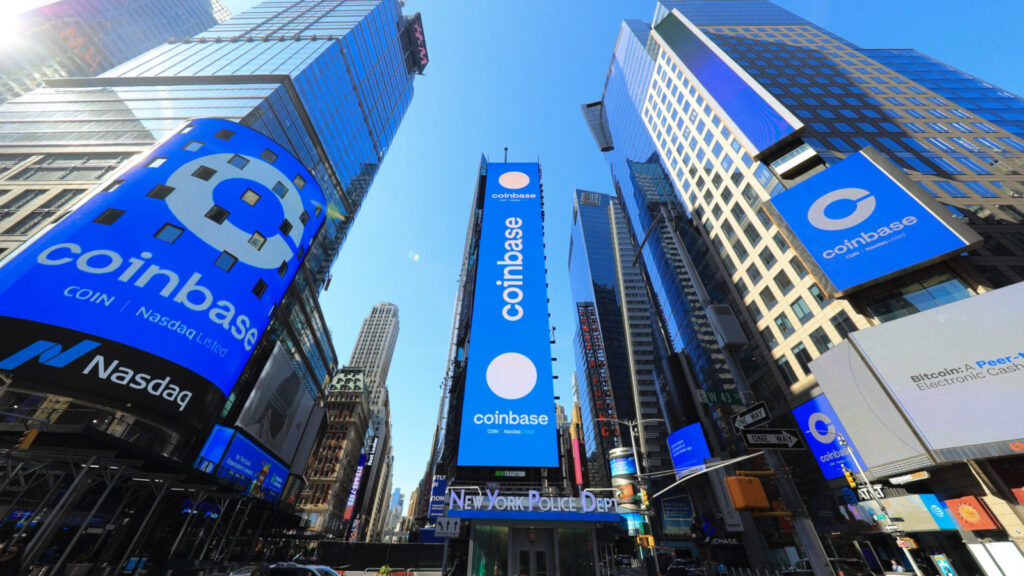
Coinbase’s Chief Legal Officer, Paul Grewal, has criticized the United States Government Accountability Office (GAO) for its recent report on cryptocurrency use in evading sanctions.
In a post on X (formerly Twitter) on January 22, Grewal expressed his disapproval, accusing the GAO of failing to conduct a meaningful comparative analysis and instead targeting an industry that invests heavily in complying with the law.
He pointed out that buried within the report were admissions that digital assets are not an effective way to circumvent sanctions.
The GAO report in question was released on December 13, 2023, and the federal response was published on January 16.
The report claimed that some foreign states facing U.S. sanctions had utilized cryptocurrencies like Bitcoin to evade these sanctions.
However, it also acknowledged that digital assets have inherent limitations, such as their decentralized nature and public ledger, which can be used by U.S. agencies and analytics firms to trace transactions and identify illicit actors.
Furthermore, the report conceded that the use of digital assets for payments is limited, and implementing global standards could enhance compliance with Anti-Money Laundering (AML) regulations.
READ MORE: Bitcoin ETFs: Game Changer or Threat to Crypto’s Core Principles?
Despite these findings, Senator Elizabeth Warren seized upon the report to voice concerns about the crypto industry and push for stricter AML regulations.
Critics were quick to point out that the report only cited one instance of cryptocurrency use to evade sanctions, involving a Chinese party.
Moreover, major regulatory bodies and policymakers worldwide have been implementing frameworks to align cryptocurrency with AML guidelines, including the Markets in Crypto-Assets Regulation in Europe and similar regulations in Asian countries like Hong Kong, Japan, and Singapore.
A crucial point often overlooked is that the proportion of cryptocurrency used for illicit activities is less than 1% of the total circulating supply, significantly lower than that of fiat currencies like the U.S. dollar.
Instances of stolen or hacked crypto funds taking years to move due to the public ledger system are rare, and crypto exchanges often identify and block them.
In contrast, the United States has yet to finalize its crypto regulations, despite persistent calls from policymakers.
Nevertheless, specific regulatory policies are already in place to govern crypto service providers, helping to maintain compliance and prevent illicit activities within the industry.