


The United States Securities and Exchange Commission (SEC) has issued a renewed warning to investors regarding the perils of FOMO (Fear of Missing Out) crypto investing.
This caution comes just days before the expected approval of spot Bitcoin exchange-traded funds (ETFs).
In a recent post on X, formerly known as Twitter, the SEC’s Office of Investor Education emphasized the risks associated with digital assets, encompassing meme stocks, cryptocurrencies, and nonfungible tokens (NFTs).
The “Say no go to FOMO” blog post initially surfaced on January 23, 2021, during a bullish period for both the crypto and equities markets, with Bitcoin, Ether, and numerous altcoins reaching record highs by November 2021.
A similar warning was reiterated around March 2022 when market temperatures were cooling.
Social media speculations have arisen, suggesting that this warning might foreshadow the SEC’s impending approval of one or more spot Bitcoin ETFs currently awaiting a decision before the looming January 10 deadline.
The SEC’s advisory cautioned against making investment decisions solely based on endorsements from celebrities and athletes.
It cited the temptation to follow popular figures promoting investment opportunities and the importance of conducting thorough due diligence.
READ MORE: Nonfiction Authors Sue OpenAI and Microsoft for Copyright Infringement in Latest Legal Battle
The regulatory body has previously imposed fines and penalties on celebrities for their involvement in endorsing specific cryptocurrencies.
An example includes Kim Kardashian, who, on October 3, 2023, agreed to pay a $1.26 million settlement to the SEC.
She was charged with failing to disclose a $250,000 payment she received for promoting a dubious token called Ethereum Max (EMAX) to her 360 million Instagram followers.
Furthermore, the report warned investors about the potential volatility inherent in assets influenced by trends and influencers.
While initially attractive, such investments can incur substantial losses as market dynamics evolve rapidly.
The cryptocurrency industry is closely monitoring developments in the Bitcoin ETF arena.
Senior Bloomberg ETF analyst Eric Balchunas anticipates that most applicants meeting the regulator’s prerequisites before December 29 will gain approval in the coming week.
This development adds an element of anticipation to the crypto market, as the potential approval of these ETFs could further legitimize and mainstream the cryptocurrency space.
However, the SEC’s latest warning serves as a reminder to investors to exercise caution and not succumb to FOMO-driven decisions.
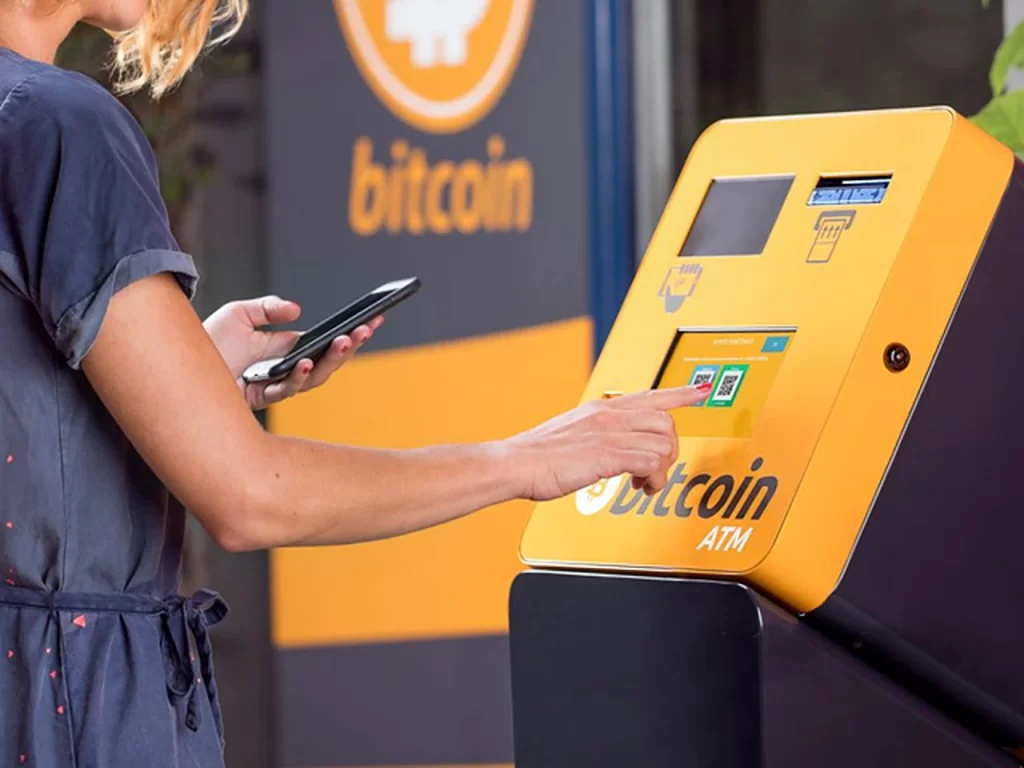
In 2023, there was a significant surge in the global acceptance of Bitcoin as a mode of payment, with the number of merchants embracing this digital currency nearly tripling, as reported by BTC Map, a prominent Bitcoin merchant mapping provider.
According to their latest data, the tally of restaurants, bars, shops, and various services that were open to accepting Bitcoin reached a remarkable 6,126 by the close of the year.
This was a substantial increase from a mere 2,207 merchants that supported Bitcoin payments at the outset of 2023.
However, it’s worth noting that this figure did experience a slight dip from its pinnacle in late September when it peaked at 6,590 Bitcoin-friendly establishments.
BTC Map operates by utilizing open-source mapping data from OpenStreetMap, enabling both businesses and users to tag locations where Bitcoin is accepted.
This could suggest that the increase may partly be attributed to users diligently adding more businesses to the database, contributing to the growing numbers.
REAX MORE: Bitcoin Prepares for Volatility as U.S. Spot ETF Decision Looms in 2024
A closer look at the map provided by BTC Map reveals noticeable concentrations of Bitcoin-accepting merchants in Central and South America, while there are fewer such businesses across Africa and Asia.
Notably, the United States and Europe also showed higher counts of merchants willing to embrace cryptocurrency as a means of payment.
In Southeast Asia, the Philippines emerged as the leader in the number of Bitcoin-accepting merchants, while countries like China, India, and Russia had virtually none, as indicated on the map.
It is interesting to note that in November, Cointelegraph reported that many of the merchants accepting cryptocurrencies often chose to sell their digital assets back to the markets once they received them.
This practice highlights the volatility and speculative nature of cryptocurrencies as a store of value, even as they gain wider acceptance in the global marketplace.
As Bitcoin and other cryptocurrencies continue to evolve, the global merchant landscape will likely witness further shifts in acceptance and utilization patterns, with potential implications for the broader financial ecosystem.

On January 5th, Cathie Wood’s ARK Invest made another significant move by selling 133,823 shares of the cryptocurrency exchange Coinbase.
The trading day began with Coinbase stock at $152.67 and concluded at $153.98.
ARK Invest publicly disclosed its trading activities for January 5th on January 8th through its official platform, X (formerly Twitter).
This disclosure included the sale of 107,151 Coinbase shares from its ARK Innovation ETF (ARKK), 15,892 shares from its ARK Next Generation Internet ETF (ARKW), and 10,780 shares from its ARK Fintech Innovation ETF (ARKF).
The total value of the recent Coinbase share divestment amounted to approximately $20.6 million, with the stock price hovering around $153.98.
In addition to selling Coinbase shares, ARK Invest also made changes to its portfolio by reducing its holdings in Stratasys and acquiring shares of Palantir Technologies and Iridium Communications.
Notably, this isn’t the first time ARK Invest has reduced its Coinbase holdings.
On January 3rd, ARK sold 166,000 Coinbase shares worth approximately $25 million, following a previous sell-off of 237,000 shares on December 5, 2023.
These divestments in December and January have yielded ARK Invest around $78 million.
READ MORE: Bitcoin Prepares for Volatility as U.S. Spot ETF Decision Looms in 2024
Despite these ongoing reductions in Coinbase shares, ARK still maintains a significant position in the exchange.
Coinbase remains the largest asset in the ARKK ETF, representing 10.04% of the portfolio, as well as being the largest asset in the ARKW ETF at 10.37% and the ARKF ETF at 13.41%.
These divestments come at a crucial time in the cryptocurrency world as the community eagerly awaits the decision of the United States Securities and Exchange Commission (SEC) regarding the approval or denial of the first spot Bitcoin exchange-traded fund (ETF) available to U.S. investors.
Cathie Wood’s ARK Invest is one of the 14 companies that have submitted applications for a spot Bitcoin ETF with the SEC.
Their ETF, known as ARK 21Shares, was developed in partnership with Swiss firm 21Shares, which specializes in cryptocurrency exchange-traded products.
Notably, ARK and 21Shares were the first to submit updates to their spot Bitcoin ETF application before the SEC’s December 29th deadline.
On January 4th, the ARK 21Shares Bitcoin ETF officially filed a registration notice with the SEC.
The SEC has until January 10th to make a decision on the ETF application, a decision that will be closely watched by the cryptocurrency and investment communities.
Less than two years after embracing Bitcoin as an official currency, Próspera, a special economic zone located in Roatan, Honduras, has taken a bold step by officially recognizing Bitcoin as a unit of account.
This means that Bitcoin can now be used as a measure of the market value of goods and services within the zone.
The driving force behind this significant development is Jorge Colindres, who serves as the acting manager and tax commissioner of Próspera Zone for Employment and Economic Development (ZEDE).
On January 5th, Colindres spearheaded the initiative, marking a groundbreaking moment for the economic zone.
In a post on January 7th, shared on a platform similar to Twitter, Colindres explained the motive behind this move, stating, “At @ProsperaZEDE we believe in the right to financial freedom and monetary freedom.
People should be free to carry out transactions, do their accounting, and report taxes in the currency of their free choice.”
This recognition allows Bitcoin to serve as a monetary unit for assessing the market value of various goods and services within the Próspera zone.
However, Colindres acknowledged certain limitations preventing the immediate implementation of the “Final BTC Tax Payment Procedure.”
READ MORE: Mysterious Bitcoin Transaction: $64,000 Spent on Enigmatic 9MB Data Inscription
These limitations include technological constraints within the eGovernance system and external regulatory issues.
For the time being, entities opting to pay taxes in Bitcoin will calculate their tax liabilities internally in BTC but report them to Próspera ZEDE in United States dollars or the Honduran lempira.
Once these issues are resolved, these entities will have the opportunity to report and pay their tax liabilities directly in Bitcoin.
To utilize Bitcoin as their unit of account, interested parties must submit a notice to Próspera’s tax commission within 30 days of the relevant tax period, and this notice should reference an approved cryptocurrency exchange, such as Coinbase or Kraken.
Próspera ZEDE was launched in May 2020 on the northern island of Roatan and took a significant step by making Bitcoin legal tender in April 2022.
This decision followed in the footsteps of El Salvador, which made Bitcoin legal tender nationwide in September 2021.
Colindres proudly described Próspera ZEDE as one of the “most competitive special regimes” in Latin America, highlighting its impressive track record of attracting over $100 million in investments and creating over 3,000 jobs across the country during its three-year tenure.

United States Securities and Exchange Commission (SEC) Chair Gary Gensler recently took to social media platform X, formerly known as Twitter, to address crypto investors and asset managers eagerly awaiting the verdict on their spot Bitcoin exchange-traded fund (ETF) applications.
In his January 8th post on X, Gensler urged crypto investors to exercise caution without explicitly mentioning the spot Bitcoin ETF.
He emphasized that asset managers might not be in compliance with federal securities laws when offering crypto investment products.
Gensler also highlighted the inherent risks and volatility associated with cryptocurrencies.
He warned about fraudulent activities targeting retail investors, such as bogus coin offerings, Ponzi and pyramid schemes, and outright theft where project promoters disappear with investors’ funds.
Gensler’s remarks, posted at 3:40 pm UTC, coincided with several spot Bitcoin ETF issuers submitting amended S-1 applications to the SEC.
This step represents one of the final stages in potentially gaining approval for these investment vehicles in the United States.
READ MORE: Nebraska Legislature Proposes Bill to Establish Crypto Standards
The outcome remains uncertain at the time of writing, as multiple applications have been submitted by entities including Valkyrie, WisdomTree, BlackRock, VanEck, Invesco, Galaxy, Grayscale, ARK Invest, 21Shares, Fidelity, Bitwise, and Franklin Templeton.
Critics have voiced their discontent with Gensler over the SEC’s failure to approve a spot crypto ETF despite years of applications from various asset managers.
In contrast, Canadian regulators permitted firms to list spot Bitcoin ETFs on exchanges starting in 2021.
The S-1 filings on January 8th were anticipated, stemming from a deadline set by the SEC following a series of 19b-4 filings on January 5th.
While these actions indicate progress toward allowing crypto ETF listings on U.S. exchanges, they do not guarantee approval.
The commission still holds the option to deny applications, but any such denial would likely require different grounds than those previously used for other ETFs.
In August, a federal judge ordered the SEC to reconsider its rejection of Grayscale’s spot BTC ETF application, citing that the commission’s decision was “arbitrary and capricious.”
This ongoing debate highlights the complex and evolving regulatory landscape surrounding cryptocurrencies and ETFs in the United States.

Nebraska’s legislative landscape witnessed a significant development on January 5th as State Senator Eliot Bostar introduced Bill 911, aimed at implementing the Blockchain Basics Act within the state.
This legislative proposal has a fundamental objective: to establish a framework for safe and legally compliant cryptocurrency activities, encompassing mining, holding, and trading, all in the best interests of Nebraska’s residents.
The Blockchain Basics Act, as envisioned in Bill 911, takes a balanced approach. It allows individuals to set up blockchain nodes and engage in crypto mining on residential properties without the necessity of obtaining licenses.
However, there’s a crucial caveat: all operators must adhere to local noise ordinances, ensuring that the tranquility of neighborhoods is maintained.
In contrast, crypto-related businesses will be restricted to operating exclusively from designated industrial zones.
Moreover, the legislation places constraints on political subdivisions, preventing them from altering existing noise pollution limits, imposing new requirements that do not pertain to data centers, or altering zoning regulations.
Additionally, the Blockchain Basics Act distinguishes staking services from securities within the context of Nebraska’s regulatory framework.
Notably, the bill goes beyond promoting crypto activities; it also emphasizes the protection of investor rights.
It guarantees the right to self-custody for every investor and seeks to shield them from onerous cryptocurrency taxes within the state.
Senator Bostar’s commitment to fostering a level playing field for crypto enthusiasts mirrors efforts in other states, such as California.
READ MORE: BlackRock Plans Workforce Reduction Ahead of Potential Bitcoin ETF Approval
Coincidentally, on January 4th, California State Senator Steve Padilla introduced two bills with the overarching goal of establishing a “safe and ethical framework” for artificial intelligence (AI) service providers operating within the state.
Senate Bill 892 envisions the California Department of Technology setting standards for safety, privacy, and non-discrimination in AI services.
Meanwhile, Senate Bill 893 seeks to establish an AI research hub involving the Government Operations Agency, the Governor’s Office of Business and Economic Development, and the Department of Technology.
Senator Padilla underscored the importance of these initiatives in ensuring that AI benefits the entire society, rather than being monopolized by a select few companies.
He emphasized the need for public investments to prevent a future where a handful of billionaires dictate the trajectory of AI technology.
In summary, Nebraska’s introduction of Bill 911 and California’s initiatives led by Senator Padilla exemplify the ongoing efforts at both state and local levels to regulate emerging technologies like blockchain and AI, while safeguarding the interests of the public.
These legislative moves reflect the states’ commitment to fostering innovation within a structured and ethical framework.
An anonymous individual recently made an astonishing move in the world of Bitcoin, spending approximately $64,000 in transaction fees to engrave nearly 9 megabytes of raw binary data onto the Bitcoin blockchain.
The event took place on January 6th, around 11:20 am UTC, and it involved the use of over 1 Bitcoin to create a total of 332 inscriptions.
The peculiar aspect of this event is the enigmatic nature of the data.
Despite the extensive use of resources, no one has been able to decipher or discern the meaning behind this raw binary data. Even attempts to employ advanced AI systems like OpenAI’s ChatGPT yielded no meaningful insights.
Speculations have arisen suggesting that the data may be encrypted, making it potentially impossible or extremely difficult to decrypt.
Leonidas, the host of The Ordinal Show, acknowledged this possibility in a post on January 7th.
In addition to the enigma surrounding the data itself, questions have arisen about the identity of the individual responsible for these inscriptions.
READ MORE: Grayscale Rebalances Crypto Portfolios, Adds Avalanche and XRP While Removing MATIC
The Bitcoin address associated with this mysterious endeavor, “bc1pnp…zwd0th,” is labeled as “Unnamed” on Ord.io, adding another layer of intrigue.
Interestingly, among the 332 inscriptions, two of them are adorned with a symbol depicting a digital pepperoni pizza.
Ord.io explained that this symbol signifies that these inscriptions contain satoshis originating from the famous 10,000 BTC transaction used to purchase two Papa John’s pepperoni pizzas on May 22, 2010, by early Bitcoin contributor Laszlo Hanyecz.
This event comes on the heels of another Bitcoin-related mystery. Just one day prior, on January 5th, a substantial sum of 26.9 BTC, equivalent to $1.17 million, was sent to Bitcoin’s Genesis wallet, the first-ever Bitcoin wallet created. This event sparked a flurry of theories within the cryptocurrency community.
Conor Grogan, a director at Coinbase, pondered whether this sudden transfer was an awakening of Satoshi Nakamoto or if someone had intentionally “burned” a million dollars.
Jeremy Hogan, a prominent pro-XRP lawyer, speculated that it could be an attempt to expose the anonymous Bitcoin creator, as reporting such a large sum to the United States Internal Revenue Service might be legally mandated.
However, it’s important to note that such a theory would only be applicable if Satoshi Nakamoto were indeed subject to U.S. tax laws, adding another layer of complexity to the ongoing Bitcoin mysteries.

Numerous applicants vying for a coveted spot in the Bitcoin exchange-traded fund (ETF) arena have hastened to submit their final Form S-1 amendments to the United States Securities and Exchange Commission (SEC) on Monday, January 8, as anticipated.
Leading the charge, asset manager Valkyrie was among the initial companies to file its ultimate S-1 amendment just ahead of the January 10 deadline, widely anticipated as the approval date for the inaugural spot Bitcoin ETFs in the United States.
Following Valkyrie’s lead, a flurry of filings ensued from notable players in the financial industry, including WisdomTree, BlackRock, VanEck, Invesco, Galaxy, Grayscale (utilizing an S-3 filing), ARK Invest, 21Shares, Fidelity, Bitwise, and Franklin Templeton.
These new submissions herald the commencement of a potentially historic week for Bitcoin, as these hopeful issuers are anticipated to complete their Form S-1 amendments on this very day.
These amendments contain crucial information pertaining to fees and the identities of potential ETF market makers.
Several filers have significantly slashed trading fees for their prospective spot Bitcoin ETF products.
Notably, ARK and 21Shares, in their latest S-1 filing, announced their intention to waive the 0.25% fee for the first $1 billion in assets under management (AUM) for a six-month period post-listing.
BlackRock’s Bitcoin ETF, on the other hand, will impose a 0.3% fee following an initial 0.2% fee for the first 12 months or until reaching $5 billion in AUM.
Eric Balchunas, an ETF analyst at Bloomberg, believes that the ongoing fee competition among potential spot Bitcoin ETFs may not have a substantial impact on the market’s competition dynamics, stating that long-term investors primarily focus on regular fees.
READ MORE: Bitcoin Prepares for Volatility as U.S. Spot ETF Decision Looms in 2024
Aside from fees, some filers, including BlackRock, have disclosed details about seeding their spot Bitcoin ETFs.
BlackRock revealed that its trust acquired 227.9 BTC worth $10 million on January 5, 2024, using the proceeds from seed creation baskets.
As of the prospectus date, these 400,000 shares represent the total outstanding shares of the trust.
Meanwhile, ARK and 21Shares intend to purchase the initial seed creation baskets for $437,000 “on or about” January 8, with plans to acquire Bitcoin “at or prior” to listing shares on the Cboe BZX Exchange.
In contrast to S-1 filers, Grayscale Investments opted for an updated S-3 form registration statement, proposing a 1.5% spot Bitcoin ETF fee.
The firm also listed designated liquidity providers such as Jane Street, Virtu, Flow Traders, and Flowdesk, as well as authorized participants like Jane Street, Virtu, Macquarie, and ABN Amro.
At the time of reporting, 10 potential issuers have submitted updated S-1s, positioning them as the frontrunners to potentially become the first spot Bitcoin ETFs in the United States, as noted by Fox Business’ Eleanor Terrett.
Additionally, there is still a possibility that Hashdex could join this initial wave of ETFs if it submits a last-minute filing today.

OpenAI and Microsoft are facing yet another copyright infringement lawsuit, as nonfiction authors Nicholas Basbanes and Nicholas Gage have taken legal action against the tech giants, claiming that they used their copyrighted works to develop their artificial intelligence (AI) system.
The lawsuit, filed on January 5th in a Manhattan federal court, closely follows a similar lawsuit brought by The New York Times against Microsoft and OpenAI a week earlier.
The NYT’s complaint alleges that the companies used the newspaper’s content to train AI chatbots and seeks “billions of dollars” in damages.
OpenAI had previously acknowledged the importance of compensating copyright owners for the use of their work.
In response to the ongoing legal battles, OpenAI stated that they respect the rights of content creators and are committed to collaborating with them to ensure they benefit from AI technology and new revenue models.
The Basbanes and Gage lawsuit, however, specifically seeks damages of up to $150,000 for each instance of copyright infringement.
This latest legal challenge adds to a growing list of lawsuits against OpenAI and Microsoft.
READ MORE: Grayscale in Talks with JPMorgan and Goldman Sachs for Proposed Spot Bitcoin ETF Partnership
In September, a professional organization for published writers, including renowned authors like George R.R. Martin, John Grisham, Jodi Picoult, George Saunders, and Jonathan Franzen, joined a proposed class-action lawsuit against OpenAI.
Additionally, author Julian Sancton has filed a lawsuit against OpenAI and Microsoft, alleging unauthorized use of his work to train AI models.
OpenAI is also grappling with another class-action lawsuit in California, filed by Clarkson Law Firm in June 2023. This lawsuit accuses OpenAI of scraping private user information from the internet to train their popular chatbot, ChatGPT.
The suit contends that OpenAI collected data from millions of social media comments, blog posts, Wikipedia articles, and family recipes without the consent of the respective users.
These lawsuits collectively raise concerns about the protection of intellectual property rights in the rapidly evolving field of AI, highlighting the legal challenges faced by tech companies that use copyrighted materials to develop their AI systems.
The outcomes of these cases will likely have significant implications for the future use of copyrighted content in AI development and the potential financial repercussions for the companies involved.
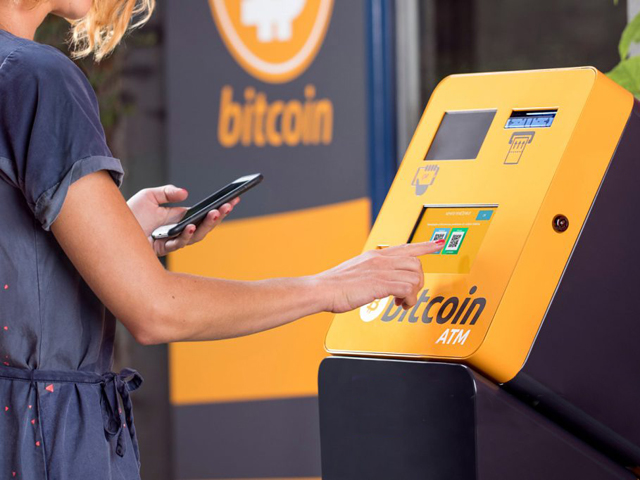
Mercari, one of Japan’s largest e-commerce platforms, is set to introduce Bitcoin as a payment option for its flea market app-listed products starting in June.
This exciting development comes as the platform seeks to tap into the growing popularity of cryptocurrencies in the country.
According to a report from Nikkei, Mercari will facilitate Bitcoin transactions through its Tokyo-based crypto exchange subsidiary, Melcoin.
While the prices of products listed on the flea market app will be displayed in Japanese yen, users will have the option to pay with Bitcoin.
Interestingly, the vendors and sellers on the platform will still receive their payment in the local fiat currency, as Mercari plans to convert the Bitcoin to yen in real-time through its exchange partner.
Mercari has established itself as one of Japan’s premier consumer-to-consumer e-commerce marketplaces, boasting an impressive user base of 22 million monthly users.
Launched in 2013, it quickly became the country’s leading community-based e-commerce platform, with a staggering 94% usage rate.
In the third quarter of 2023, the platform reported a profit of 2.8 billion yen (approximately $19.4 million).
READ MORE: Bitcoin ETFs Emerge as a Solution to Unit Bias Psychology in Cryptocurrency Investment
The decision to incorporate Bitcoin as a payment option is expected to further encourage the adoption of cryptocurrencies among the tech-savvy population of Japan.
This move is not the first foray into the world of cryptocurrencies for Mercari.
The company recently introduced the Mercari Bitcoin crypto trading service, enabling users to buy and sell Bitcoin using the proceeds from their sales on the platform.
Furthermore, Mercari’s loyalty program is cryptocurrency-centric, allowing users to exchange their loyalty points for cryptocurrencies, further integrating digital assets into their ecosystem.
Japan has been known for its supportive regulatory environment for cryptocurrencies, which has paved the way for businesses to embrace digital currencies and offer cryptocurrency-related services to their customers.
Mercari is not alone in this endeavor, as other prominent e-commerce platforms like Rakuten have also been actively engaged in the crypto space.
Rakuten allows users to convert their loyalty points into cryptocurrencies and has even developed its native nonfungible token platform, demonstrating the country’s growing interest in digital assets.
As Mercari ventures into the world of Bitcoin payments, it marks another significant step towards the mainstream adoption of cryptocurrencies in Japan’s thriving tech landscape.