


In a recent development, a U.S. appeals court has successfully completed the legal proceedings required to officially seize 69,370 Bitcoins and various other cryptocurrencies linked to the now-defunct dark web marketplace, Silk Road.
In a court filing dated December 20th, the U.S. District Court of Appeals for the Ninth Circuit has affirmed the transfer of these seized Bitcoins into federal custody.
This decision builds upon a previous ruling that recognized the government’s rightful claim to the digital assets connected to Silk Road’s illegal activities.
Aside from Bitcoin, the confiscated cryptocurrency holdings also encompassed Bitcoin Gold (BTG), Bitcoin SV (BSV), and Bitcoin Cash (BCH).
This marks a significant development in the ongoing legal battle surrounding Silk Road’s ill-gotten digital wealth.
The legal saga began in earnest when the U.S. court issued its initial judgment on Silk Road’s Bitcoin holdings back in August.
This followed the U.S. Justice Department’s actions in 2020 when it seized the cryptocurrency and sought its official forfeiture.
At the time, the total value of the seized Bitcoin exceeded an astonishing $1 billion.
READ MORE: FTX Bankruptcy Drains $53,000 per Hour on Legal Fees and Advisors, Totaling $350 Million
The initial complaint filed in 2020 detailed how the U.S. government had gained control of the cryptocurrency, which was initially surrendered by an individual known as “Individual X.”
This individual had successfully hacked into Silk Road and taken control of its financial assets.
Previous reports from Cointelegraph have identified the Silk Road hacker as James Zhong, who is now 32 years old and was sentenced to a year in federal prison in April.
On July 12th, a cryptocurrency wallet linked to the United States Department of Justice (DOJ) carried out several transactions, moving approximately 9,825.25 Bitcoins valued at around $299 million, all tied to Silk Road.
The crypto community closely monitored these transactions, as speculations swirled about the potential impact of any substantial sale by the U.S. government on Bitcoin’s price.
Silk Road, established and operated by Ross Ulbricht from 2011 to 2013, was notorious for facilitating the sale of illegal drugs and weapons.
Following Ulbricht’s arrest in late 2013, the FBI shut down the platform.
In a surprising turn of events in 2022, Ulbricht agreed to use $3 billion worth of stolen Bitcoins to settle his debt to the U.S. government and also waived his claim to the 69,470 Bitcoins in question.
The approval of a Bitcoin exchange-traded fund (ETF) by January 10, 2024, is now almost certain, according to analysts at K33 Research.
In a report released on December 19, K33’s Head of Research, Anders Helseth, and Senior Analyst, Vetle Lunde, emphasized that recent developments surrounding ETFs, including filings by BlackRock and ARK Invest, adopting a cash-creation setup for their funds, have greatly increased the likelihood of approval in January.
The report also highlighted the robust performance of Bitcoin over the past week. Analysts observed that the trading volumes for spot Bitcoin had surged significantly compared to previous months.
This increase in volume was attributed to the strong rally of Bitcoin, which attracted new buyers and motivated profit-taking by sellers, resulting in price consolidation with elevated trading activity.
Despite the surge in spot Bitcoin trading, the report noted that open interest in BTC perpetual contracts had reached new yearly lows, indicating a lack of retail speculation.
In contrast, institutional investors on the Chicago Mercantile Exchange (CME) displayed an increasing appetite for Bitcoin-related risk, with CME open interest growing by 3,100 BTC in the past week.
However, analysts anticipated that this trend might change following the approval of spot ETFs.
READ MORE: Tether Takes Proactive Measures to Combat Illicit Use, Aids Law Enforcement
Once spot ETFs receive approval, the analysts predicted a “significant rotation” out of futures-based ETFs on the CME.
Additionally, active traders were likely to realize profits on their current long positions, collectively reducing the dominance of CME in the Bitcoin derivatives market.
The report also drew attention to the notable performance of certain altcoins, such as Solana Ordinals (ORDI) and Bonk (BONK), which experienced substantial gains in the last 20 days, rising by 22%, 114%, and 338%, respectively.
While such altcoin enthusiasm is often considered a sign of a market top, the analysts explained that this could be advantageous for Bitcoin.
The analysts suggested that the surge in altcoin enthusiasm helps release speculative pressure from Bitcoin, potentially reducing the risk of liquidation cascades.
Altcoins, in this context, serve as a positive pressure valve for those seeking excitement in the market while allowing for healthier leverage conditions in Bitcoin.
Consequently, Bitcoin may benefit from the diversification of speculative interest into altcoins.

The surge in demand for creating inscriptions on non-Bitcoin-based blockchain networks has propelled several prominent networks, such as Arbitrum and BNB Chain, to achieve unprecedented levels of throughput.
According to data analysis by the pseudonymous researcher known as “hildobby,” who works with the crypto venture fund Dragonfly, various blockchain networks have experienced their highest daily peak transactions per second (TPS) in December.
Among these networks are Goerli, zkSync, Arbitrum, Gnosis, and the BNB Chain, with inscriptions accounting for a substantial portion of their transaction activity, ranging from 83% to 97%.
Furthermore, Fantom, Celo, Avalanche, and Polygon also set new daily TPS records in November.
The surge in inscription activity has not only impacted daily TPS but also hourly records.
Optimism reached an hourly TPS record of 87,960 on December 19, while Avalanche achieved an hourly TPS record of 289,285 on December 18, as reported by an analyst’s Dune Analytics dashboard.
This inscription frenzy has caused a significant uptick in transaction counts across leading blockchain networks over the past two years. Additionally, the amount spent on gas fees for minting new inscriptions has reached all-time highs.
READ MORE: NFT Trader Hit by Security Breach, Millions in NFTs Stolen by Hackers
Similar to the concept of Bitcoin Oracles, users have discovered that they can create inscriptions using transaction call data on Ethereum Virtual Machine (EVM)-based chains.
This capability enables them to mint various items, from meme coins to social media profile pictures, increasing the demand for blockchain space.
Ava Labs co-founder Kevin Sekniqi highlighted that on December 19, the Avalanche C-Chain (contract chain) reached a remarkable 977 TPS, with many EVM chains experiencing unprecedented loads due to inscriptions.
He emphasized that the inscription trend has served as a rigorous stress test for existing blockchain infrastructure, underscoring the necessity for subnets to handle the heightened demand.
However, the inscription gold rush has not been without challenges.
It has led to full and partial network outages on several platforms, including Arbitrum, zkSync, Cronos, and Celestia, as reported by Cointelegraph on December 19.
These issues reflect the need for robust and scalable solutions to accommodate the growing interest in inscription activities across blockchain ecosystems.
Several prominent applicants seeking approval for a Bitcoin exchange-traded fund (ETF) in the United States are revising their applications to conform to the cash redemption model mandated by securities regulators.
Investment management giant BlackRock and ARK Invest, led by Cathie Wood, have both made updates to their S-1 registration statements for a proposed spot Bitcoin ETF, which have been submitted to the U.S. Securities and Exchange Commission (SEC).
These amendments, filed on December 18, primarily pertain to the creation and redemption process for proposed spot Bitcoin ETFs.
Both BlackRock and ARK have chosen to embrace the cash redemption system, as opposed to in-kind redemptions, which involve non-monetary assets like Bitcoin.
ARK’s registration statement hinted that its ARK 21Shares Bitcoin ETF would exclusively facilitate cash creations and redemptions.
The document did, however, mention the possibility of authorized participants being able to engage in in-kind transactions for creating and redeeming shares, pending regulatory approval.
Similarly, BlackRock filed a comparable update, emphasizing that in-kind transactions could occur, but only if approved by regulators.
READ MORE: Bitcoin Transaction Fees Surge, Sparking Debate on Future Solutions
These transactions would still involve cash exchanges, but may also involve Bitcoin if approved by the Nasdaq Stock Market.
Eric Balchunas, an ETF analyst at Bloomberg, suggested that ARK and its ETF partner, 21Shares, initially sought alternatives to cash creations and had creative solutions for in-kind redemptions.
However, their shift to cash redemption indicates the SEC’s inflexibility on this matter, potentially indicating a resolution to the ongoing debate and a favorable outlook for approval in January.
The SEC’s insistence on a “cash-only” requirement implies that authorized participants will only be able to acquire additional ETF shares by providing the corresponding amount of cash, as noted by investor and consultant Vance Harwood.
Harwood further explained that the SEC’s stance is understandable, as it ensures transparency regarding the source of the ETF’s underlying Bitcoin holdings, which are expected to be purchased from reputable exchanges.
WisdomTree, a global ETF provider, also submitted an S-1 amendment for its spot Bitcoin ETF, the WisdomTree Bitcoin ETF, on December 18.
Notably, WisdomTree has opted to retain the option of in-kind creation and redemption.
In summary, several key players in the race for a U.S. Bitcoin ETF are adjusting their applications to comply with the SEC’s cash redemption model, indicating a potential resolution to regulatory hurdles and increasing the likelihood of approval in the near future.
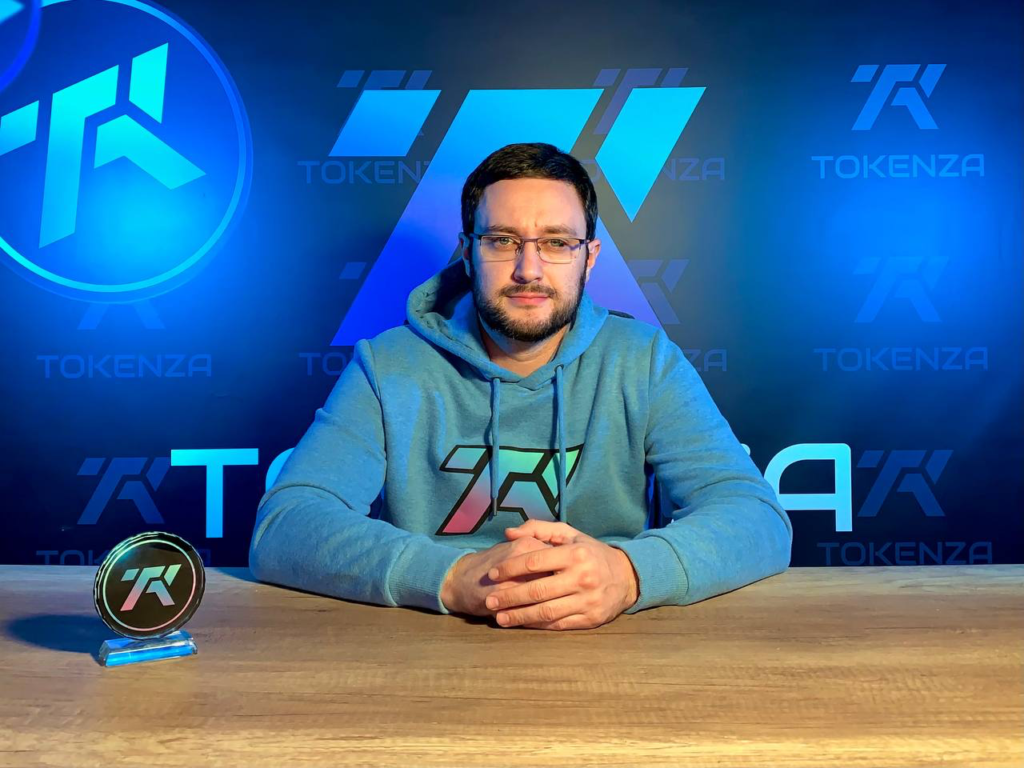
This is an exclusive interview with Yan Calman, the visionary CEO of Tokenza, a groundbreaking platform in the world of tokenization and decentralized finance. Here, we delve into the exciting advancements brought by Tokenza to the market, the optimization of the tokenization process, the significance of decentralized autonomous organization (DAO) communities, and the role of artificial intelligence (AI) in assisting investors.
We also explore how these innovations are driving the mass adoption of cryptocurrencies. Yan Calman shares his insights, expertise, and forward-thinking vision for the future of the industry. Join us as we uncover the transformative potential of Tokenza and the innovative trends shaping the crypto landscape.
Yan, what is your overall vision for the future of cryptocurrency, and what problems does Tokenza aim to solve?
Tokenza aims to create a financial landscape that is more inclusive, secure, and efficient. We believe that cryptocurrency has the potential to revolutionize traditional financial systems and empower individuals worldwide. One of the key problems we want to solve is the lack of accessibility to financial services for a significant portion of the global population. Cryptocurrency has the ability to provide banking services to the unbanked and underbanked, allowing them to participate in the digital economy and access financial tools and services previously unavailable to them.
Another challenge we seek to address is the issue of trust and security in financial transactions. By leveraging blockchain technology and advanced crypto techniques, we aim to build a secure and transparent ecosystem that instills trust in users. This will help to mitigate risks related to fraud, data breaches, and identity theft, providing individuals and businesses with a safer environment to transact and store their assets.
Furthermore, we aim to streamline cross-border transactions and eliminate the inefficiencies associated with traditional banking systems. Cryptocurrency has the potential to facilitate fast, low-cost, and borderless transactions, enabling businesses and individuals to transact globally without the need for intermediaries or excessive fees.
Lastly, we recognize the importance of regulatory compliance and strive to work within legal frameworks to ensure the sustainable growth of the cryptocurrency industry. By collaborating with regulators and policymakers, we aim to establish clear guidelines and regulations that foster innovation while safeguarding the interests of users and investors.
How does Tokenza contribute to the decentralization of the cryptocurrency industry?
Tokenza is a platform that is actively contributing to decentralization. We use blockchain technology to remove the reliance on a centralized authority, allowing for peer-to-peer transactions and eliminating single points of failure. Tokenza also enables the tokenization of assets through smart contracts, allowing for fractional ownership, increased liquidity, and broader participation in investment opportunities.
This decentralized approach democratizes access to traditionally illiquid assets and empowers individuals to diversify their portfolios. Tokenza supports the interoperability of different blockchain networks, facilitating interaction and collaboration across decentralized networks. It also actively contributes to the open-source community, collaborating with developers and researchers to advance technological advancements that drive decentralization.
Why is a DAO community important, and how does Tokenza prioritize community involvement?
DAO (Decentralized Autonomous Organization) community is important for us because it empowers individuals and stakeholders to actively participate in the decision-making processes of a platform. It allows for decentralized governance, ensuring that the interests and perspectives of the community are represented and considered.
At Tokenza, we highly value community involvement and believe that it is crucial for the success and sustainability of our platform. Our community members participate in voting and governance processes, allowing token holders to have a say in important decisions like platform upgrades and policy changes. We maintain open and transparent communication channels with our community, fostering trust and allowing people to actively participate in shaping the platform’s future.
Tokenza also supports community development through educational resources, webinars, and community events, empowering community members with the necessary tools and knowledge. Bounty programs and rewards incentivize community participation, offering opportunities to contribute to the platform’s development, such as bug bounties or content creation.
Overall, we aim to create a vibrant and inclusive ecosystem by enabling participation, transparency, and collaboration. By harnessing the collective wisdom and expertise of the community, Tokenza can drive the success and innovation, shaping the future of the broader cryptocurrency industry. By prioritizing community involvement, we aim to create a vibrant and inclusive ecosystem.
In what ways does artificial intelligence play a role in Tokenza’s operations?
AI plays a significant role in enhancing various aspects of Tokenza’s operations. AI enables real-time market analysis, identifying trends and potential trading opportunities. It also assists in risk management by continuously monitoring market conditions and identifying potential risks. AI-powered algorithms can execute trades automatically, eliminating the need for manual trading and allowing for efficient execution of trading strategies.
AI also assists users in managing their crypto portfolios, providing personalized recommendations, asset allocation strategies, and risk assessment insights based on user preferences and market conditions. Natural Language Processing (NLP) capabilities enable Tokenza AI to analyze and extract valuable insights from news articles, social media sentiment, and other textual data sources. This helps users stay updated on market trends and events that may impact their investment decisions.
Lastly, AI-powered chatbots provide instant and personalized customer support, addressing common inquiries and providing assistance 24/7. By leveraging AI technology, Tokenza aims to enhance efficiency, accuracy, and user experience within the platform, with the potential to revolutionize the cryptocurrency industry by providing valuable insights, automation, and improved decision-making capabilities.
What advantages does Tokenza AI offer in terms of flexibility and adaptability to different market conditions?
Tokenza AI is a market-driven investment platform that uses real-time data processing to analyze market data, enabling it to make timely decisions based on the latest information. It uses machine learning and AI algorithms to identify patterns and trends, allowing it to adjust its investment strategies to different market conditions. With AI, we incorporate risk management techniques, allowing it to adjust risk parameters based on market volatility or asset characteristics. AI can also analyze and manage portfolios across multiple asset classes and markets, reducing the impact of market fluctuations and enhancing overall portfolio stability. Overall, Tokenza AI provides a flexible and adaptable solution for investors.
Can you tell us about your team of developers?
Our dev team is composed of highly talented and experienced professionals who bring a wealth of knowledge and expertise to the table. Tokenza devs are skilled professionals with a deep understanding of blockchain tech, smart contract development, and DApps. They have extensive experience in various programming languages, frameworks, and tools relevant to the crypto industry.
The team’s collaborative approach is at the core, fostering a positive and productive work environment. We excel in teamwork, sharing ideas, and leveraging each other’s strengths. The analytical and problem-solving skills enable our team members to identify challenges and find innovative solutions. Attention to detail ensures that every aspect of the development process is executed with precision and meets the highest standards of quality.
How does Tokenza ensure security and trust in the tokenization process?
We prioritize security and trust in the tokenization process through a combination of robust technical measures and best practices. We maintain it through advanced cryptographic techniques, decentralized storage, smart contract audits, compliance with security standards, transparent and immutable blockchain, multi-factor authentication (MFA), continuous monitoring and incident response, and user education and awareness. Advanced cryptographic techniques, such as encryption, hashing algorithms, and secure key management practices, protect user data and assets.
Decentralized storage reduces the risk of a single point of failure or data compromise, while smart contract audits identify and mitigate potential vulnerabilities. Compliance with industry-recognized security standards includes following established protocols, regularly updating software, and conducting internal security assessments. The decentralized nature of the blockchain ensures transactions and tokenization processes are recorded transparently, enhancing trust in the system. Multi-factor authentication ensures only authorized individuals can access sensitive accounts and perform critical actions.
We also employ continuous monitoring and incident response to detect and respond to potential security incidents. User education and awareness are prioritized, empowering users with knowledge about potential risks and mitigation strategies. These measures ensure Tokenza maintains a secure and trusted environment for the tokenization process.
Could you provide more details about the Tokenza Wallet and its features?
Tokenza Wallet is a cool crypto wallet we launched in 2023. It’s non-custodial, meaning you have full control over your assets. With Tokenza Wallet, you can access different blockchains, digital assets, and in-app exchanges. The wallet has a native governance token called TKZ, which enables owners to participate in governance votes. It’s the official decentralized wallet of Tokenza, so you can trust it for reliability and security.
Here are some of Tokenza Wallet’s awesome features:
- All-in-One Solution: Instead of juggling multiple exchanges and DApps, Tokenza Wallet brings everything together in one place. It’s super convenient for managing your digital assets hassle-free.
- Swap with Ease: You can swap assets between different networks using Tokenza Wallet’s built-in crosschain swap feature. It’s powered by Tokenza DEX, making asset trading seamless.
- DApp Browser on the Go: Tokenza Wallet has a Web3 DApp browser right in the mobile app. No need for a computer — you can directly interact with popular DApps like OpenSea, PancakeSwap, 1inch, Uniswap, and TokenzaSwap.
- Trusted DApp Marketplace: For added security, Tokenza Wallet offers a marketplace with vetted DApps that meet strict quality and security standards. These DApps are optimized for mobile, so you can manage your crypto and DApps securely from your phone.
- Stake and Earn: Tokenza Wallet lets you stake various coins. The actual rewards depend on validators and staking capabilities, and we’re planning to add more options in the future.
What is your vision of Tokenza’s future over the next five years?
We’re here to bring mass adoption to crypto space. Overall, our vision is to create a future where cryptocurrency becomes an integral part of everyday life, providing individuals with greater financial freedom, security, and opportunities for economic growth.
A solution for mass adoption should be as user-friendly and simple as possible. This is exactly the kind of solution we are building. And my subjective vision is that very soon Tokenza Wallet will be on every smartphone, bringing users all the great opportunities and freedom that cryptocurrency offers. I think it won’t even take five years, everything will happen much sooner. I think three years will be enough.
Visit tokenza.io to learn more about Tokenza and their products.
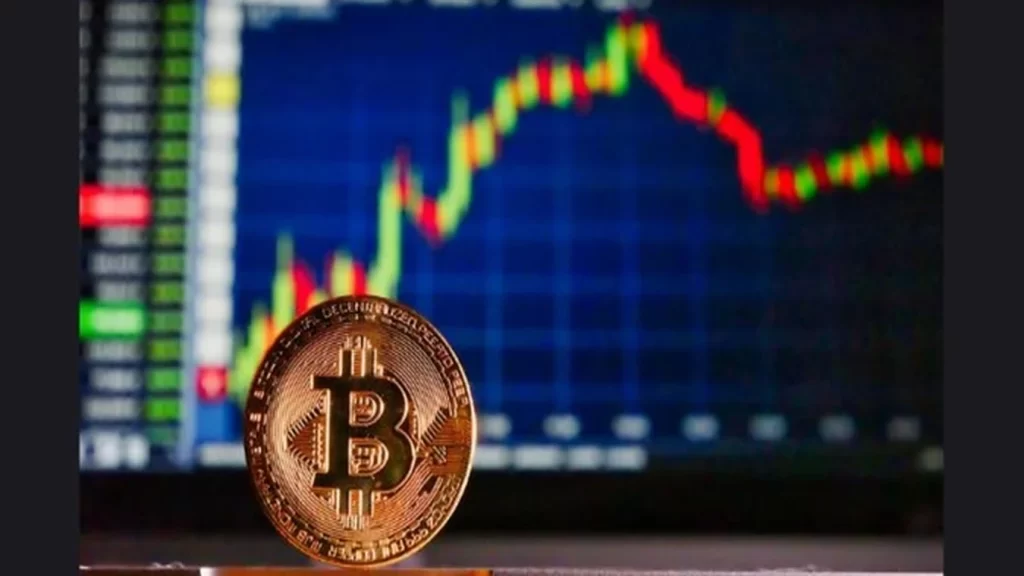
On December 19, Bitcoin made a triumphant return, surging above the $43,000 mark, driven by fresh developments surrounding the prospective launch of the United States’ inaugural spot Bitcoin exchange-traded fund (ETF).
Data sourced from Cointelegraph Markets Pro and TradingView illustrated a remarkable recovery in Bitcoin’s price, propelling it to local highs of $43,456 following the daily close.
After an initially uncertain start to the week, BTC/USD rapidly gained momentum, with the December 18th candle closing more than 5% above the day’s lowest point.
Subsequently, news emerged that asset management giant BlackRock, a contender seeking approval for the first-ever U.S. spot Bitcoin ETF, had revised its redemption policy to include Bitcoin as an option.
According to the latest version of BlackRock’s S1 filing with the U.S. Securities and Exchange Commission (SEC), the redemption of a shareholder’s shares for the underlying Bitcoin generally would not trigger a taxable event.
The document also outlined new regulations regarding the exchange of baskets of shares for cash instead of Bitcoin, with the latter contingent upon regulatory approval.
The SEC is scheduled to commence its final deliberations on spot ETFs in early January 2024, making the upcoming month a critical juncture for Bitcoin enthusiasts.
READ MORE: Grayscale Assesses Tax Implications for Spot Bitcoin ETFs Amid Regulatory Scrutiny
Multiple Bitcoin price predictions are contingent on the successful approval of the ETF, which is now perceived as highly probable after years of delays and rejections.
Bob Loukas, a trader and investor, expressed confidence in the approval process, remarking that “the level of SEC engagement and back-and-forth on the Bitcoin ETF tells us this is a 99.9% done deal.”
Meanwhile, the SEC delayed its final decision on several Ether ETFs until May.
In the interim, Bitcoin faces significant events, including the annual candle close and the release of various macroeconomic data, potentially contributing to holiday season volatility.
Traders are closely monitoring price levels, with the possibility of Bitcoin dipping below $40,000 still looming.
Crypto Ed, the founder of trading group CryptoTA, suggested this scenario might unfold before a final upward surge, potentially driving BTC/USD to $50,000 by the end of 2023.
Additionally, popular trader and analyst Matthew Hyland expressed optimism about further upside, citing a bullish divergence in Bitcoin’s relative strength index (RSI) versus its price on daily timeframes.
At the time of writing, the daily RSI stood at 60.45, having cooled off from the elevated levels when Bitcoin reached its recent 19-month high above $44,000.
The Solana memecoin frenzy is showing no signs of slowing down, as one daring trader managed to turn a mere $226,000 investment into an astonishing $1.6 million windfall, all thanks to a token featuring a beanie-wearing dog as its mascot.
Between December 13 and 15, this intrepid crypto enthusiast decided to dive headfirst into the world of memecoins by purchasing over 19 million Dogwifhat (WIF) tokens.
These tokens, with their endearing dog-themed branding, made their debut on the Solana network’s trading platforms.
Remarkably, the trader acquired these tokens at an average price of just $0.01137 each.
As of the latest data, the total value of these tokens now stands at approximately $1.69 million, delivering the trader a staggering profit of approximately $1.47 million within a mere five days.
This remarkable success story mirrors a broader trend that is currently sweeping through the Solana ecosystem.
Memecoins built on the Solana network have been posting extraordinary gains, capturing the attention of the crypto community.
Notably, on December 8, a dog-themed memecoin known as Bonk (BONK) achieved a significant milestone by becoming the third-largest memecoin in terms of market capitalization.
READ MORE: Palau Launches Phase Two of PSC Program with Ripple Partnership for Digital Currency Expansion
This achievement placed Bonk alongside the likes of fellow dog-themed memecoins such as Shiba Inu and Dogecoin, surpassing even Pepecoin, the frog-themed memecoin.
In the 30 days leading up to December 11, the price of Bonk experienced a staggering surge of 370%, soaring from $0.0000028 to its current price of $0.00002.
This impressive growth outpaced other prominent dog memecoins like SHIB and DOGE, which saw comparatively modest increases of 20% and 35% during the same period.
Interestingly, the fervor surrounding Bonk had a ripple effect on sales of Solana’s Saga mobile phone. Following its launch, owners of the Solana Saga phone received an unexpected airdrop of 30 million Bonk tokens.
Capitalizing on the rising token price, users seized the opportunity to turn a profit by purchasing the phone and subsequently selling the tokens they received.
In summary, the Solana memecoin craze continues to captivate the crypto world, with traders reaping substantial rewards in a matter of days.
The soaring popularity of memecoins within the Solana network, exemplified by the success of Bonk, demonstrates the ongoing appetite for speculative and meme-driven cryptocurrencies.

On December 18, metaverse technology company Improbable made an important announcement, revealing the sale of its gaming venture, The Multiplayer Group (MPG), to Keywords Studios for a staggering £76.5 million ($97.1 million).
Improbable’s CEO, Herman Narula, described Keywords as a “like-minded business partner” and expressed his excitement for MPG’s new journey.
Keywords Studios is well-known in the gaming industry for its collaborations with major players like Activision Blizzard, Bethesda, Zenimax, Epic Games, and 2K.
This strategic move aligns with Improbable’s venture strategy for 2024, marking a significant shift from their initial acquisition of MPG for approximately £30 million back in 2019.
The company also unveiled its 2024 predictions, emphasizing the enduring significance of the metaverse and Web3 technologies.
Narula confidently asserted that the metaverse, fueled by the convergence of gaming, VR/XR, and Web3, will be a growth hotspot in 2024, shaping the future of virtual events.
Narula’s insights highlight a shift in business interests toward decentralized metaverse platforms, emphasizing brands’ desire for autonomy and the right business model.
Improbable anticipates a proliferation of experiences within decentralized environments as businesses graduate from platform experimentation.
READ MORE: Taiwanese Authorities Issue Warning Against Cryptocurrency Betting on Upcoming Presidential Election
Improbable, a Softbank-backed metaverse developer, foresees increased consolidation and streamlining across the gaming, Web3, and crypto sectors in 2024, leading to a more robust and interconnected startup ecosystem.
In 2023, Improbable collaborated with Major League Baseball to create a virtual baseball stadium, providing fans with immersive digital reality experiences.
The company envisions further integration of physical-digital crossovers within the gaming world and anticipates the growing utilization of generative artificial intelligence (AI) for content creation and business applications.
Peter Lipka, Improbable’s co-founder and chief operating officer, predicts the emergence of AI-generated 3D interactive objects as a significant trend in 2024.
Improbable’s optimism about the future of Web3 and gaming echoes sentiments from other industry experts.
Executives Yat Siu and Johnson Yeh from the GameFi sector anticipate more users entering Web3 through blockchain games in the coming year.
As the metaverse continues to evolve, Improbable and its contemporaries are poised to play a pivotal role in shaping the digital landscape of the future.

Cryptocurrencies have taken the financial world by storm, offering unique opportunities for investors and enthusiasts alike. Among the multitude of digital assets, Crypto.com Coin (CRO) has garnered significant attention. In this article, we’ll embark on a comprehensive price analysis journey to explore the possibility of CRO reaching the coveted $1,000 mark.
Note: It’s essential to emphasize that price predictions in the cryptocurrency market are speculative and subject to a multitude of factors. The purpose of this analysis is to provide an overview of key considerations that could impact CRO’s price trajectory.
Understanding Crypto.com Coin (CRO)
Before delving into the price analysis, let’s briefly understand Crypto.com Coin (CRO). CRO is the native cryptocurrency of the Crypto.com ecosystem, which offers a wide range of services, including a cryptocurrency exchange, wallet, card payment solutions, and DeFi (Decentralized Finance) features. CRO plays a pivotal role within this ecosystem, facilitating various activities such as staking, transaction processing, and providing utility within the Crypto.com ecosystem.
Historical Performance
To assess the potential for CRO to reach $1,000, it’s crucial to review its historical performance. As of my last knowledge update in January 2022, CRO had experienced notable fluctuations in its price. The cryptocurrency market is renowned for its volatility, and CRO is no exception. Price movements can be influenced by market sentiment, news events, and broader trends in the crypto space.
READ: Investor Warning: Is the Ethereum Code a Scam?
Analyzing CRO’s historical data, we can observe periods of rapid price increases followed by corrections. These fluctuations are typical in the cryptocurrency market and can be driven by factors like adoption, partnerships, and market sentiment.
Market Capitalization
Market capitalization, often referred to as “market cap,” is a fundamental metric for assessing a cryptocurrency’s value. It is calculated by multiplying the current price per coin by the circulating supply. As of my last knowledge update, CRO’s market cap was in the billions, which positioned it as one of the prominent cryptocurrencies.
To reach a price of $1,000, CRO would need to achieve a significantly higher market cap. This would require substantial adoption, increased utility, and sustained demand. Market capitalization is an important consideration when discussing the potential for a cryptocurrency to reach higher price levels.
Utility and Adoption
The utility and adoption of a cryptocurrency are key drivers of its value. CRO is used within the Crypto.com ecosystem for various purposes, including staking, transaction processing, and accessing DeFi services. Its utility has contributed to its relevance within the crypto space.
To reach $1,000, CRO would likely need to see expanded adoption and use cases beyond its current ecosystem. This could involve partnerships with other projects, integration into additional platforms, or the development of innovative features that attract a broader user base.
Market Sentiment
Market sentiment plays a vital role in cryptocurrency price movements. Positive news, partnerships, and developments can boost sentiment and drive prices higher, while negative news or regulatory challenges can have the opposite effect.
Traders and investors closely monitor sentiment indicators, social media discussions, and news outlets to gauge the overall mood in the market. For CRO to reach $1,000, sustained positive sentiment and a supportive community could be critical factors.
Regulatory Environment
The regulatory environment surrounding cryptocurrencies is continually evolving. Changes in regulations can impact market dynamics and investor confidence. To reach a higher price point, CRO would need to navigate regulatory challenges effectively and remain compliant with relevant laws.
It’s essential for the Crypto.com ecosystem, where CRO plays a central role, to stay attuned to regulatory developments and adapt its operations accordingly.
Partnerships and Developments
Partnerships and technological advancements can have a significant impact on a cryptocurrency’s price. For CRO to reach $1,000, it would benefit from strategic partnerships that enhance its utility and adoption.
Additionally, ongoing developments within the Crypto.com ecosystem, such as the introduction of new DeFi services or improvements in scalability and security, could contribute to CRO’s long-term growth potential.
Long-Term Viability
A crucial aspect of any cryptocurrency’s journey to higher price levels is its long-term viability. To reach $1,000, CRO would need to demonstrate its ability to solve real-world problems and offer unique solutions in the crypto space.
Investors and users often assess the project’s team, technology, and roadmap to gauge its long-term prospects. Transparency, innovation, and a clear vision are essential components of a cryptocurrency’s long-term viability.
Can CRO Reach $1,000?
While fundamental factors are critical, some traders and investors use technical analysis to make short-term price predictions. Common technical indicators include moving averages, Relative Strength Index (RSI), and Moving Average Convergence Divergence (MACD).
Technical analysis can provide insights into potential price trends and entry/exit points for traders. However, it should be complemented with a thorough understanding of fundamental factors for a comprehensive price analysis.
Conclusion
In conclusion, the journey of Crypto.com Coin (CRO) to reach $1,000 is a complex and multifaceted one. It would require a combination of factors, including increased adoption, expanded utility, positive market sentiment, regulatory compliance, strategic partnerships, and ongoing technological developments.
While reaching $1,000 is a significant milestone, it’s essential to approach such price predictions with caution. Cryptocurrency markets are highly speculative and can be influenced by unpredictable events. Investing in cryptocurrencies carries inherent risks, and it’s crucial to conduct thorough research and consider your risk tolerance before making investment decisions.
As the cryptocurrency landscape evolves, CRO’s potential to reach higher price levels will be shaped by its ability to adapt, innovate, and meet the ever-changing demands of the market. Staying informed and remaining vigilant are key principles for anyone interested in the cryptocurrency space.
The world of cryptocurrency has been nothing short of a rollercoaster ride in recent years, with digital assets like Bitcoin and Ethereum garnering immense attention from investors and traders worldwide. As the interest in cryptocurrencies continues to grow, so do the scams and fraudulent schemes seeking to exploit the unsuspecting.
One such scheme that has raised alarms in the crypto community is the Ethereum Code. In this article, we will delve into the Ethereum Code scam, exposing its deceptive tactics and providing you with the knowledge to safeguard your investments.
Understanding Ethereum Code
Ethereum Code is a trading platform that claims to offer automated trading services for Ethereum and other cryptocurrencies. The allure of automated trading is undeniable, as it promises to help investors make profits without having to actively manage their trades. The Ethereum Code website, with its flashy graphics and promises of quick riches, seems too good to be true from the outset. And as the saying goes, if it seems too good to be true, it probably is.
Red Flags and Deceptive Tactics
1. Unrealistic Promises
The first red flag when it comes to Ethereum Code is the unrealistic promises it makes. The website claims that users can make thousands of dollars within a few hours of signing up, with minimal effort required. Such extravagant claims should immediately raise suspicion, as the cryptocurrency market is highly volatile and risky, and no trading platform can guarantee such returns.
2. Lack of Transparency
A legitimate trading platform would provide transparent information about its team, technology, and trading strategies. However, Ethereum Code fails to offer any information about the people behind the platform or the algorithms it uses for trading. This lack of transparency makes it difficult for investors to assess the legitimacy of the service.
3. Fake Testimonials
The Ethereum Code website is filled with glowing testimonials from supposed users who claim to have made substantial profits. However, these testimonials are likely fabricated, with stock photos and generic names used to create the illusion of satisfied customers. Legitimate trading platforms typically have verifiable reviews and feedback from real users.
4. Pressure Tactics
Another common tactic employed by scams like Ethereum Code is to create a sense of urgency. The website often displays messages like “limited spots available” or “join now before it’s too late” to pressure users into signing up quickly without conducting proper due diligence.
5. Unregulated Operations
Ethereum Code is often not registered with any regulatory authority, which is a significant concern. Legitimate trading platforms are required to comply with financial regulations in the regions they operate, providing an added layer of security for investors. The absence of regulatory oversight means there is no recourse if something goes wrong.
6. Initial Deposit Requirement
To start trading on Ethereum Code, users are required to make an initial deposit, usually through a cryptocurrency wallet or credit card. Once the deposit is made, it becomes exceedingly difficult to withdraw funds, and many users report losing their investments entirely.
Real-Life Experiences
To shed further light on the Ethereum Code scam, let’s take a look at some real-life experiences of individuals who fell victim to this fraudulent platform.
1. John’s Story
John, a cryptocurrency enthusiast, stumbled upon Ethereum Code while searching for ways to automate his trading. Lured by the promise of quick profits, he decided to give it a try and deposited $500 into his Ethereum Code account. However, when he tried to withdraw his earnings, he encountered numerous obstacles. Customer support was unresponsive, and his withdrawal requests were continually denied. Eventually, John realized that he had fallen victim to a scam and lost his entire investment.
2. Sarah’s Experience
Sarah, a novice investor, was enticed by the Ethereum Code website’s testimonials and promises of financial freedom. She decided to invest her savings of $1,000 in the platform. Initially, she saw some small profits, but when she tried to withdraw them, she faced endless delays and excuses from the Ethereum Code team. Eventually, her account was locked, and she lost her entire investment.
Protecting Yourself from Ethereum Code and Similar Scams
Now that we’ve explored the Ethereum Code scam in detail, it’s essential to understand how to protect yourself from falling victim to similar fraudulent schemes.
1. Do Your Research
Before investing in any cryptocurrency trading platform, conduct thorough research. Look for reviews, user feedback, and independent assessments of the platform’s legitimacy. Be skeptical of overly positive reviews and testimonials on the platform’s website, as they are often fabricated.
2. Verify Regulatory Compliance
Check if the platform is registered and regulated by a recognized financial authority in your region. Regulatory oversight provides a level of protection for investors and ensures that the platform operates within legal boundaries.
3. Be Cautious of Unrealistic Promises
If a trading platform promises guaranteed profits with little to no risk, it’s a clear warning sign. Remember that cryptocurrency markets are volatile, and there are no guarantees in trading.
4. Avoid Pressure Tactics
Scams often use pressure tactics to rush you into making a decision. Take your time to evaluate the platform and seek advice from trusted financial experts if needed.
5. Use Trusted Exchanges
When trading cryptocurrencies, use well-established and reputable cryptocurrency exchanges. These platforms have a track record of security and provide legitimate trading opportunities.
6. Secure Your Private Keys
If you hold cryptocurrencies in a wallet, make sure to keep your private keys secure. Never share them with anyone, and be cautious of phishing attempts and fraudulent wallet services.
Conclusion
Ethereum Code is just one of many cryptocurrency scams that have preyed on unsuspecting investors seeking financial gain in the digital asset space. While the promise of automated trading and quick profits can be enticing, it’s crucial to exercise caution, conduct due diligence, and avoid platforms that display red flags. The cryptocurrency market is already volatile and risky, and falling victim to a scam can make matters even worse.
To protect your investments, prioritize transparency, regulatory compliance, and verifiable user reviews when considering any trading platform. Remember that legitimate opportunities in the cryptocurrency market exist, but they require careful research and a realistic understanding of the risks involved. Stay informed and vigilant to navigate the crypto landscape safely.