


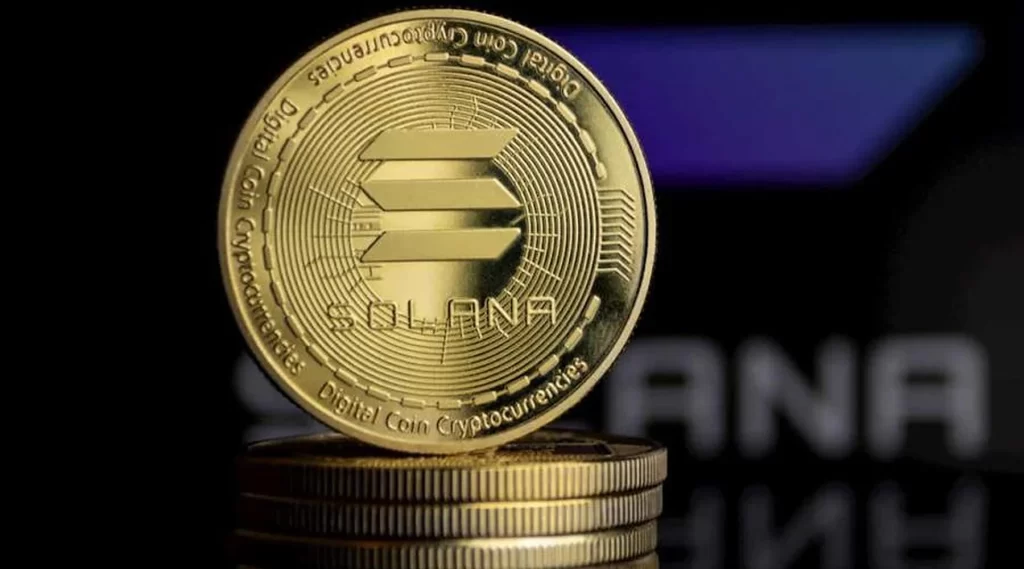
Solana’s price has experienced a remarkable surge, rising by an impressive 40% within the past week, reaching a new high for the year 2023, with a value of approximately $58.
This performance marks Solana’s strongest weekly showing since January of the same year.
Several factors have contributed to these gains, driven in part by a broader uptrend in the cryptocurrency market, fueled by the excitement surrounding Bitcoin ETFs and an increasing appetite for risk among investors.
Interestingly, Solana’s recent ascent coincides with a daily selling of 250,000 to 750,000 SOL tokens by the FTX bankruptcy estate over the last two weeks.
This selling activity follows the approval by the Delaware Bankruptcy Court in September 2023 to sell 55.75 million SOL tokens.
Concerns initially surrounded these sales, but their limited impact, thanks to some tokens being vested or locked, along with a weekly sale limit of $100 million, have shifted investor sentiment from fear to enthusiasm.
The positive momentum in Solana has also been reflected in Solana-focused funds, which serve as an indicator of institutional interest in the SOL market.
These funds have seen inflows totaling $10.80 million during the week ending on November 3, according to CoinShares.
READ MORE: High Court Orders Liquidation of Crypto Lender Amid Frozen User Funds
The overall bullish trend in cryptocurrency prices, driven by Bitcoin’s ascent toward $38,000, has been further amplified by Solana’s exceptional performance over the past 30 days.
Solana’s futures open interest has also surged to approximately $772 million on November 11, the highest level since November 2021 when SOL reached its all-time high of $260.
This rise in open interest signals a heightened level of interest and potentially increased liquidity in the market.
Moreover, Solana’s rising open interest coincides with an uptick in funding rates, indicating a preference for leveraged long positions among investors.
The funding rate for SOL recently reached 0.035% per eight hours, equating to a weekly cost of 0.735% for leveraged longs, reflecting a strong bullish sentiment in the market.
In summary, Solana’s recent price gains are part of a larger bullish breakout movement.
Notably, SOL broke above the horizontal trendline resistance of its ascending triangle channel two weeks ago.
If this bullish pattern continues to play out, Solana’s price could target approximately $90 by the end of the year, representing a 50% increase from its current levels.
However, it’s important to note that the relative strength indicator (RSI) has reached its most overbought level since September 2021, suggesting a potential correction in the market, with a possible correction target near the triangle’s upper trendline around $30.
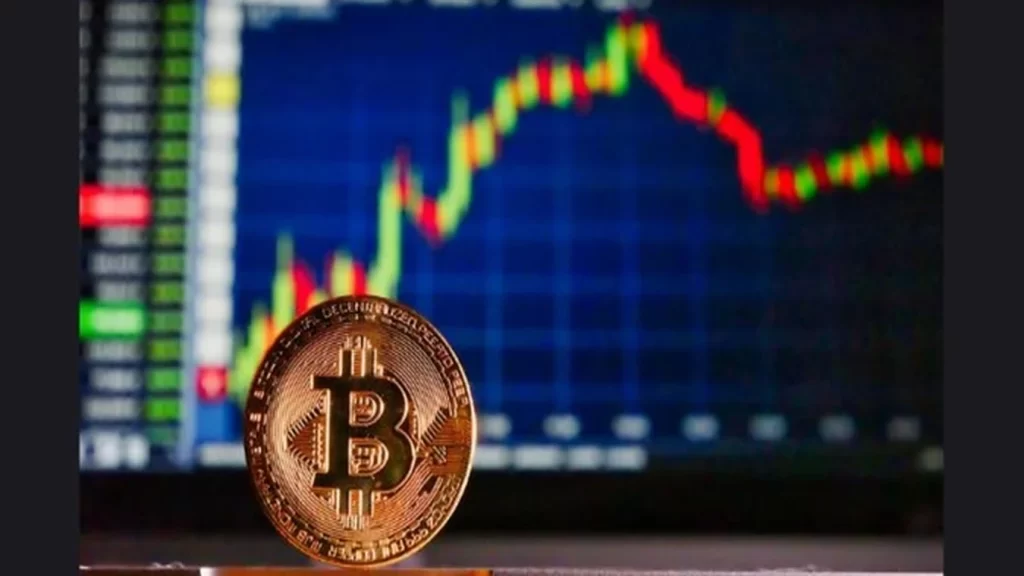
Bitcoin Argentina, a non-governmental organization, has unveiled a draft bill aimed at regulating the cryptocurrency market in a manner that upholds decentralization and bolsters public trust.
This significant shift in stance was presented by Bitcoin Argentina’s president, Ricardo Mihura, during LABITCONF 2023 in Buenos Aires on November 10.
Notably, Bitcoin Argentina had previously resisted the idea of regulating the cryptocurrency industry.
However, the organization now contends that regulation is imperative not only to safeguard the blockchain but also to hold malicious actors accountable under the full extent of the law.
Ricardo Mihura emphasized their new approach, stating, “We have always rejected attempts to regulate the crypto economy, but this time we set ourselves the goal of giving a positive response, with only two purposes: preserving decentralization and protecting savings and public trust.”
He further expressed concern over dishonest actors and projects operating under the blockchain banner.
The proposed legal framework primarily revolves around categorizing cryptocurrency platforms and service providers into three distinct groups based on property rights: decentralized, locally centralized or willing to cooperate with authorities, and globally centralized.
Under this framework, platforms falling into the two centralized categories would be permitted to operate freely, but their customers would be afforded robust legal protection, ensuring the right to seek compensation in the event of a company’s collapse.
READ MORE: Attorney Makes Strong Case Against $770 Million Disgorgement in Ripple vs. SEC Legal Battle
Importantly, Argentina’s judiciary would not intervene in cases involving failures of decentralized platforms. The determination of a platform’s decentralization status would be made by courts when addressing claims made by purportedly affected customers.
Mihura argued against an outright ban on cryptocurrencies, emphasizing that such bans are ineffective due to the global nature of blockchain technology.
He stated, “Not even the United States can effectively prohibit the operation of the unlicensed cryptoeconomy…Argentina has no possibility of prohibiting its residents from operating in global environments.”
Therefore, instead of pursuing a top-down ban, the proposed bill seeks to offer the best possible legal protection to citizens, holding responsible parties and those profiting from fraudulent schemes accountable, up to the final victim.
This move by Bitcoin Argentina comes at a crucial time, just one week before Argentina’s presidential runoff election between Sergio Massa, the country’s economy minister, and Javier Milei, an economist-turned-politician advocating for the abandonment of Argentina’s central bank in favor of adopting the United States dollar.
Argentina faces a pressing inflation crisis, with a staggering annual inflation rate of 121.7% over the past 12 months, ranking as the fourth highest in the world.
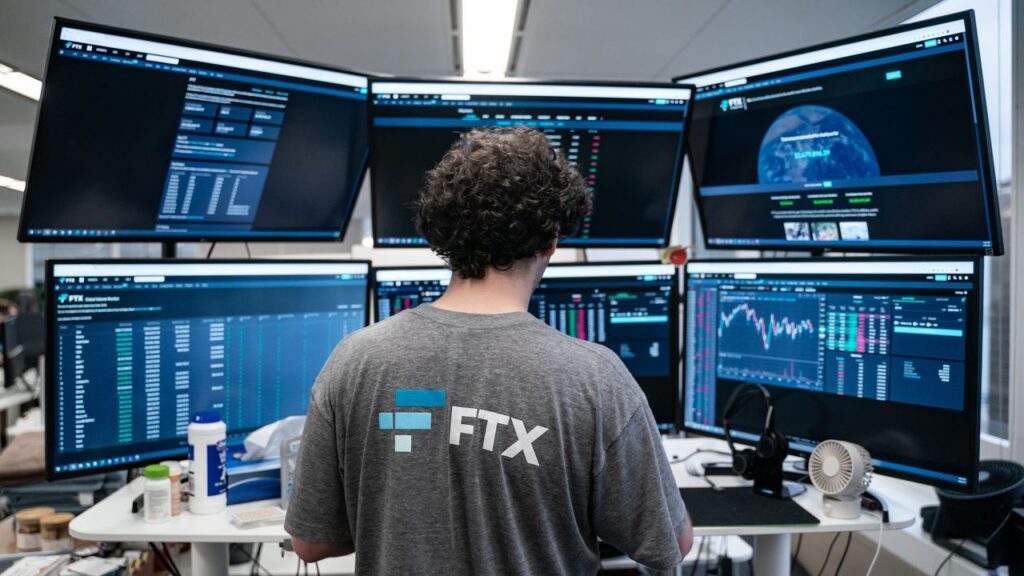
A group of former FTX executives has come together to establish a new cryptocurrency exchange in Dubai, aiming to address a critical issue that plagued their previous employer—securing customer funds.
Leading this initiative is Can Sun, a former FTX lawyer, who heads up Trek Labs, a startup based in Dubai.
Trek Labs secured a license in late October to provide cryptocurrency services in the region, operating under the name “Backpack Exchange.”
Supporting Can Sun is Armani Ferrante, an ex-FTX employee who serves as the CEO of Trek’s holding company located in the British Virgin Islands.
Ferrante also oversees Backpack, a cryptocurrency wallet integrated into the Backpack Exchange platform.
Claire Zhang, Sun’s former legal deputy at FTX (and Ferrante’s wife), also holds a position on Trek’s executive team.
However, once the company completes an investment round, Zhang plans to step away, having contributed her efforts pro bono to help bootstrap the exchange.
The key focus of Trek Labs and Backpack Exchange is to prevent the types of issues related to customer fund security that plagued FTX in the past.
READ MORE: BlackRock Challenges SEC’s Treatment of Spot-Crypto and Crypto-Futures ETFs
Backpack’s technology offers a self-custody solution, utilizing multiparty computation (MPC) techniques to ensure the utmost security for users’ funds.
MPC involves multiple parties approving a transaction before any funds are moved, enhancing security.
In addition to enhanced security measures, Backpack Exchange aims to provide transparency and trust to its customers, which the founders believe is essential in the post-FTX landscape.
Users will have the ability to verify their funds at any time.
Currently, Backpack Exchange is in beta testing, with a broader launch scheduled for later this month.
Can Sun made headlines as a witness in the recent fraud trial of Sam Bankman-Fried, the former CEO of FTX. Sun revealed that Bankman-Fried had sought legal justification from him for the use of FTX’s funds by Alameda Research.
Bankman-Fried was subsequently convicted on all seven fraud-related charges.
Sun’s decision to depart from his role as FTX’s general counsel came after Bankman-Fried disclosed the use of customer funds for purposes that contradicted Sun’s principles and understanding of the company’s operations.
Bankman-Fried’s actions resulted in the commingling of billions of dollars of customer funds through Alameda Research, leading to the disappearance of approximately $9 billion in customer funds.
The FTX bankruptcy estate, under the leadership of CEO John J. Ray III, has initiated a legal battle against ByBit, its investment arm Mirana, and several key executives in an attempt to recover assets and digital funds amounting to nearly $1 billion.
This move comes as FTX aims to reclaim what it alleges ByBit unlawfully withdrew just before FTX’s financial downfall.
The lawsuit alleges that ByBit leveraged its “VIP” privileges and close connections with FTX staff to execute substantial cash and digital asset withdrawals from Mirana, as well as Time Research, another entity associated with ByBit, and certain executives shortly before FTX’s collapse in November 2022.
During the challenging withdrawal period faced by FTX, employees meticulously tracked the withdrawal requests of VIP clients using a spreadsheet titled “VIP Request – Prioritize (Settlement).”
The lawsuit contends that FTX’s settlement team went to great lengths to prioritize Mirana’s substantial withdrawals, resulting in transfers amounting to over $327 million to Mirana.
This adds up to the approximate $1 billion in assets that ByBit and its executives have reportedly withdrawn from FTX.
The legal action further claims that ByBit has imposed restrictions on the FTX estate, preventing withdrawals exceeding $125 million on the ByBit exchange.
These limitations are allegedly being used as leverage by ByBit to recover a remaining balance of $20 million that it was unable to withdraw from FTX prior to its collapse.
READ MORE: High Court Orders Liquidation of Crypto Lender Amid Frozen User Funds
In an intriguing twist, the lawsuit asserts that in October 2021, a ByBit executive privately disclosed to FTX that the company effectively controlled BitDAO, which is now known as Mantle.
This revelation came despite ByBit initially presenting BitDAO as a decentralized organization run by community members. Subsequently, in May 2023, ByBit approached the FTX bankruptcy estate with a proposal to reverse the transaction.
However, the value of BIT tokens, approximately $50 million at the time, significantly exceeded the value of FTT tokens, which were valued at approximately $4 million. FTX rejected this seemingly illogical proposition.
Following FTX’s rejection, BitDAO swiftly rebranded itself as Mantle and introduced MNT tokens for BIT holders to convert at a 1:1 ratio.
During FTX’s conversion process, BitDAO allegedly disabled it and held a “community vote” to decide on restricting FTX from converting its tokens. FTX argued that this action violated the automatic stay in Chapter 11 bankruptcy.
Nevertheless, the “community vote” passed, with votes seemingly linked to ByBit executives, notably including a significant vote from the wallet “dtoh.eth,” identified as Mirana Ventures, a Mirana subsidiary led by David Toh.
The legal action seeks both “compensatory and punitive damages” from ByBit, concerning the token scheme and the assets held on its platform.
The countdown has begun for the activation of the “fixReducedOffersV1” amendment in the XRP Ledger (XRPL), with over 80% of validators giving their approval.
This amendment represents a significant upgrade for XRPL and is set to introduce additional features in the coming weeks.
Users who rely on rippled v1.11.0 or earlier versions are strongly advised to update their systems to stay in line with this crucial development.
Achieving an update consensus of over 80% within 14 days is necessary for the implementation of fixReducedOffersV1, which addresses critical issues with decentralized exchange (DEX) offerings.
Among the amendments introduced in the XRPL v1.12.0 update, fixReducedOffersV1 stands out as the only one that has secured an 80% consensus, triggering a two-week activation countdown.
The primary goal of fixReducedOffersV1 is to reduce the prevalence of order books that are obscured by reduced offers, ultimately enhancing the overall functionality of the XRPL.
READ MORE: Attorney Makes Strong Case Against $770 Million Disgorgement in Ripple vs. SEC Legal Battle
This amendment allows for protocol modifications supported by over 80% of validators within a two-week period.
This recent development underscores the importance of upgrading to the latest XRPL version for continued engagement, whether as a node provider or in other specified protocol functions.
From the perspective of takers on XRPL’s decentralized exchanges (DEXs), fixReducedOffersV1 can round the exchange rate of a reduced offer, making it more favorable than the original offer.
In such cases, other offers matching the original may consume the reduced offer.
Conversely, the absence of these amendments would result in reduced offers with significantly unfavorable exchange rates after rounding, compared to their original value.
Over time, this could hinder the acceptance of more favorable requests, posing significant challenges for decentralized brokerage platforms operating on the XRPL.
In September, XRPL introduced version 1.12.

Bitcoin is poised for a significant price correction, according to gold advocate Peter Schiff, just ahead of a crucial moment for institutional investors. Schiff, a long-time critic of Bitcoin, has expressed concerns about the recent price surge of BTC.
Schiff, the chief economist and global strategist at Europac, has consistently argued that Bitcoin’s value will ultimately drop to zero, contrasting it with gold, which he considers a reliable store of value.
He believes that most people only hold Bitcoin with the intention of selling it at a higher price later.
Now, as the BTC/USD pair hovers around 18-month highs, Schiff has turned his attention to what some consider a pivotal moment for cryptocurrency: the launch of the first Bitcoin spot price exchange-traded fund (ETF) in the United States.
This ETF is expected to gain approval in early 2024, and rumors of a possible approval in November have fueled last week’s price surge, pushing Bitcoin past $37,000.
While some anticipate a “sell the news” event, where investors reduce their exposure once the ETF is approved,
Schiff believes that a Bitcoin price correction may not even wait for that. In a recent survey conducted on November 9, Schiff presented two scenarios for a potential Bitcoin crash: one before the ETF launch and one after.
However, the majority of respondents chose the option to “Buy and HODL till the moon,” indicating their belief in Bitcoin’s long-term potential.
READ MORE: Michael Saylor Predicts Explosive 10x Growth in Bitcoin Demand by 2024
Despite the survey results, Schiff remains steadfast in his view, stating, “Based on the results, my guess is that Bitcoin crashes before the ETF launch.
That’s why the people who bought the rumor won’t actually profit if they wait for the fact to sell.”
Institutional sentiment regarding Bitcoin appears to be improving as the ETF debate leans in favor of Bitcoin.
Some analysts, like AllianceBernstein, have even predicted a peak price of $150,000 in the next cycle.
They anticipate that ETF flows could start slowly and gradually build up, leading to a cycle peak in 2025 rather than 2024.
This recent breakout in Bitcoin’s price is seen as a gradual pricing in of the positive ETF approval news, with market participants closely monitoring initial outflows and potential short-term disappointments.
As a disclaimer, it’s important to note that this article does not provide investment advice or recommendations.
All investment and trading decisions carry risks, and readers should conduct their own research before making any investment decisions.

Hodlnaut, a crypto lending platform based in Singapore, faces an uncertain future as the High Court of Singapore recently ordered its liquidation, marking the end of its judicial management period.
This decision, which came in response to an application filed by the company, has left users’ funds frozen since August 2022.
Former interim judicial managers (IJMs) of Hodlnaut, Aaron Loh Cheng Lee and Ee Meng Yen Angela, have been discharged from their positions and appointed as liquidators, according to a letter dated November 10th posted on the EY website.
The exact details of the court’s decision remain sealed.
The troubles for Hodlnaut began in August 2022 when the company suspended deposits and withdrawals, simultaneously withdrawing its licensing application from the Monetary Authority of Singapore.
The reason cited was the impact of “recent market conditions.” With approximately 17,000 users, Hodlnaut’s creditors included prominent entities such as Samtrade Custodian, S.A.M. Fintech, and the Algorand Foundation.
Hodlnaut’s struggles were exacerbated by the broader industry turmoil, including the collapse of the Terra ecosystem and Three Arrows Capital (3AC).
Although Hodlnaut was not directly exposed to 3AC, it held around $150 million in Terra’s stablecoin, later renamed TerraUSD Classic (USTC). Another blow came with the collapse of FTX.
READ MORE: Bitwise Asset Management Disassociates Itself from Troubled Firm Amidst SEC Charges
To avoid forced liquidation, Hodlnaut sought court-appointed IJMs, which led to creditor protection and an 80% reduction in staff.
Additionally, the company faced a police investigation regarding delays in reporting its USTC holdings.
In earlier attempts to salvage the situation, creditors rejected a restructuring plan in January and voted overwhelmingly for liquidation in April.
In August 2023, OPNX, founded by former 3AC figures Su Zhu and Kyle Davies, offered $30 million worth of its FLEX token in exchange for a 75% share in Hodlnaut.
Unfortunately, the offer was declined by the IJMs in the following month, as the value of FLEX plummeted by 90%.
This development stands in contrast to a recent U.S. court decision that approved the bankruptcy plan of another crypto lender, Celsius, on November 9th.
Hodlnaut’s fate remains uncertain as it moves forward with the liquidation process, leaving users and creditors waiting for resolution in the wake of this challenging chapter in the world of cryptocurrency lending.
BlackRock, a leading global investment management firm, has raised concerns about the treatment of spot-crypto and crypto-futures exchange-traded fund (ETF) applications by the U.S. Securities and Exchange Commission (SEC).
BlackRock recently confirmed its plan to launch a spot-Ether (ETH) ETF called the “iShares Ethereum Trust.”
The firm’s application, submitted by Nasdaq on November 9 through the 19b-4 form, questions the SEC’s handling of spot crypto ETFs, arguing that the agency’s reasons for consistently denying these applications are based on incorrect regulatory distinctions between futures and spot ETFs.
The SEC has not yet approved any spot-crypto ETF applications but has granted approval to several crypto futures ETFs.
The SEC has cited the supposedly superior regulation and consumer protections provided under the 1940 Act for crypto futures ETFs, in contrast to the 1933 Act that covers spot-crypto ETFs.
The agency also appears to favor regulatory and surveillance-sharing agreements with the Chicago Mercantile Exchange’s (CME) digital asset futures market.
READ MORE: Nigeria and Raspberry Pi Foundation Collaborate to Launch Code Clubs
BlackRock disputes the relevance of the SEC’s preference for the 1940 Act, arguing that it places restrictions on ETFs and ETF sponsors rather than on the underlying assets of the ETFs.
The firm contends that the distinction between the registration of ETH futures ETFs under the 1940 Act and spot ETH ETPs under the 1933 Act is essentially meaningless in the context of ETH-based ETP proposals.
BlackRock emphasizes that since the SEC has approved crypto futures ETFs via the CME, it has effectively acknowledged the CME’s ability to detect spot-market fraud that could impact spot ETPs.
Therefore, BlackRock believes that the SEC lacks a justifiable reason to reject its spot-Ether ETF application under its current regulatory framework.
Many crypto and ETF analysts anticipate that the first SEC approval of a spot crypto ETF, possibly related to Bitcoin, is imminent.
Bloomberg ETF analysts James Seyffart and Eric Balchunas even predict a 90% chance of approval before January 10 of the following year, signaling the potential expansion of the crypto ETF market.
Attorney John Deaton, who represents XRP holders in the ongoing legal battle between Ripple and the U.S. Securities and Exchange Commission (SEC), has presented a compelling argument suggesting that the expected $770 million disgorgement penalty against Ripple is highly unlikely.
Deaton’s case is built on several key factors that could influence the court’s decision in favor of Ripple.
A critical point in Deaton’s argument is the Supreme Court’s Morrison ruling, which restricts the SEC’s jurisdiction to sales conducted within the United States.
This is particularly significant as Ripple’s XRP sales in various international markets, including the United Kingdom, Japan, and Switzerland, are currently under scrutiny. Importantly, the legal status of XRP in these foreign jurisdictions supports Ripple’s position.
For instance, regulatory authorities such as the Financial Conduct Authority (FCA) in the United Kingdom and the Financial Services Agency (FSA) in Japan have not classified XRP as a security.
This classification is crucial because it allows for the legal continuation of XRP sales in these regions, presenting a significant challenge to the SEC’s pursuit of disgorgement for global transactions.
Furthermore, Deaton emphasizes that the legal action against Ripple is primarily a regulatory dispute rather than a fraud case.
READ MORE: SafeMoon CEO’s Bail Release on Hold Amid Flight Risk Concerns
This distinction is essential as it shifts the focus away from punitive measures towards regulatory compliance.
Since a substantial portion of XRP sales occurs outside the United States and involves accredited investors, the potential for disgorgement decreases significantly.
By excluding non-U.S. sales, which may account for more than 90% of total sales and sales to accredited investors, Deaton predicts a substantial reduction in the potential disgorgement amount.
Additionally, Deaton points out that most institutional XRP sales have not resulted in investor losses, as the current XRP price surpasses the levels during those sales.
This suggests that investors have not suffered harm. Deaton also highlights the rapid nature of On-Demand Liquidity (ODL) transactions involving XRP, which occur within seconds, further reducing the potential for investor harm.
Interestingly, accusations of harm are more directed towards the SEC than Ripple, especially among the 75,000 XRP holders involved in the legal action.
In conclusion, Attorney John Deaton’s argument underscores the complexities of the Ripple vs. SEC case, highlighting legal precedents, international regulatory differences, and the nature of XRP transactions.
His persuasive case raises doubts about the likelihood of the SEC securing the anticipated $770 million disgorgement penalty against Ripple, potentially reshaping the outcome of this legal saga.
Galaxy Digital founder Mike Novogratz has delivered a promising outlook for the year 2024, forecasting a pivotal moment marked by the institutional adoption of cryptocurrencies.
He shared this vision during Galaxy Digital’s third-quarter earnings call on November 9, emphasizing that the approval of several cryptocurrency exchange-traded funds (ETFs) is no longer a matter of “if” but “when.”
In collaboration with Invesco, the fund manager filed applications for spot Bitcoin and Ether ETFs with the United States Securities and Exchange Commission (SEC) in the third quarter of 2023.
In November 2023, investor sentiment took a bullish turn, with prominent ETF research analysts predicting that the SEC would approve 12 significant Bitcoin spot ETF applications by January 2024.
Novogratz stated that 2024 would witness a surge in institutional adoption, primarily starting with the Bitcoin ETF, followed by an Ethereum ETF.
As institutions gain confidence and the government potentially endorses Bitcoin, Novogratz anticipates a broader shift toward other cryptocurrencies.
He predicts that capital will flow into the crypto space, leading to increased investments in tokenization and wallets, potentially reaching a climax in 2025.
He also stressed the importance of maintaining dollar-backed stablecoins as a central component of the broader cryptocurrency ecosystem, ensuring their alignment with American values.
READ MORE: Bitwise Asset Management Disassociates Itself from Troubled Firm Amidst SEC Charges
Novogratz believes that a Bitcoin ETF will instill institutional confidence and inject a significant amount of capital into the crypto space, breathing life into the ecosystem.
However, he emphasizes that the long-term plan for crypto remains on track.
The possibility of an Ether spot ETF was also discussed during the investor call. Novogratz acknowledged that its approval might not receive the same level of enthusiasm as a Bitcoin ETF due to the unique staking model of Ethereum.
He pointed out that unless an ETF can incorporate staking rewards effectively, it may not be as attractive as owning Ethereum directly and staking it through platforms like Galaxy Digital.
This technical distinction becomes significant when considering staking yields ranging from 4% to 7%. Novogratz emphasized that blockchain projects must have a clear purpose and offer practical applications to maintain long-term value.
In conclusion, Mike Novogratz’s optimistic outlook for 2024 centers on the institutional adoption of cryptocurrencies, with the approval of Bitcoin ETFs as a pivotal catalyst.
He anticipates a ripple effect, with capital flowing into the crypto space and an eventual focus on tokenization, wallets, and stablecoins, setting the stage for a transformative period in the world of digital assets.