


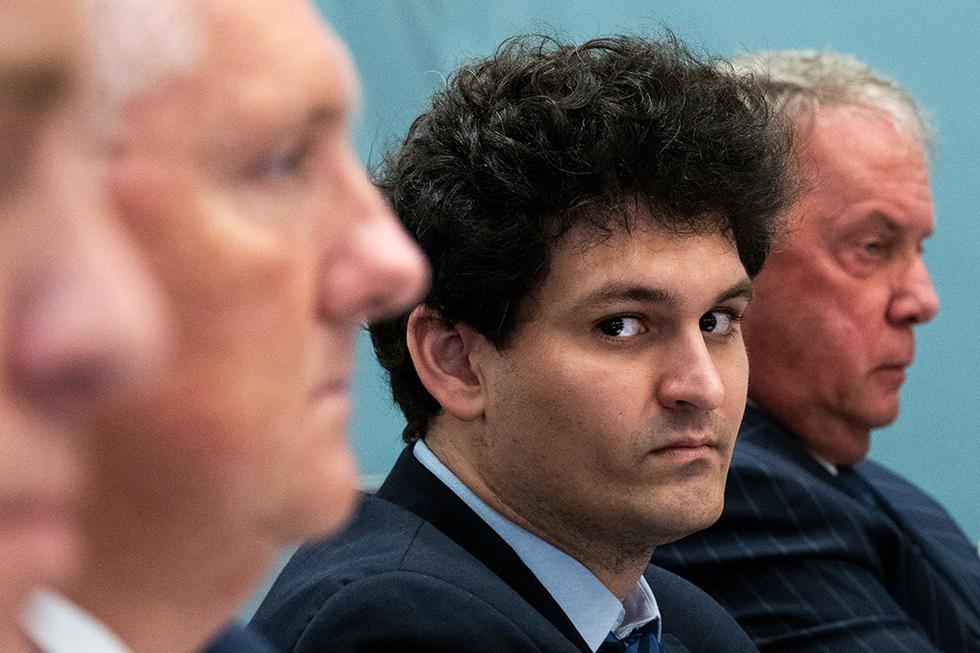
Former FTX CEO Sam Bankman-Fried has been found guilty of all seven charges against him by a New York jury, following approximately four hours of deliberation.
The charges include two counts of wire fraud, two counts of wire fraud conspiracy, one count of securities fraud, one count of commodities fraud conspiracy, and one count of money laundering conspiracy.
On March 28, 2024, Bankman-Fried is scheduled to return to court for sentencing, to be determined by New York District Judge Lewis Kaplan.
While government prosecutors will provide a sentencing recommendation, Judge Kaplan will have the final authority in this matter.
These charges carry severe penalties, ranging from five to 20 years in prison. In particular, wire fraud, wire fraud conspiracy, and money laundering conspiracy could result in a maximum sentence of 20 years behind bars.
During a press conference outside the courtroom, New York Southern District U.S. Attorney Damian Williams characterized Bankman-Fried’s actions as part of a “multibillion-dollar scheme designed to make him the king of crypto.”
He labeled it one of the most significant financial frauds in American history.
Bankman-Fried’s attorney, Mark Cohen, expressed respect for the jury’s decision but also disappointment with the outcome.
Cohen maintained that Bankman-Fried asserts his innocence and will vigorously continue to fight the charges against him.
Notably, other key FTX executives, including former Alameda CEO Caroline Ellison, FTX co-founder Gary Wang, and former FTX engineering head Nishad Singh, have pleaded guilty to various charges and collaborated with the government to testify against Bankman-Fried during the five-week trial.
Throughout the trial, Bankman-Fried consistently pleaded not guilty to all charges.
He also took the stand to assert his innocence and described FTX’s collapse in November 2022 as “a series of significant errors.”
Bankman-Fried distanced himself from pivotal decisions, attributing blame to Wang for creating a function that allowed Alameda to trade funds it didn’t possess.
Regarding Alameda’s ballooning line of credit during the 2022 crypto market downturn, he claimed to be uncertain about the details.
Bankman-Fried also shifted responsibility onto Ellison for neglecting risk management and denied defrauding FTX customers, characterizing the situation as Alameda borrowing funds from the exchange, rather than outright deception of customers.
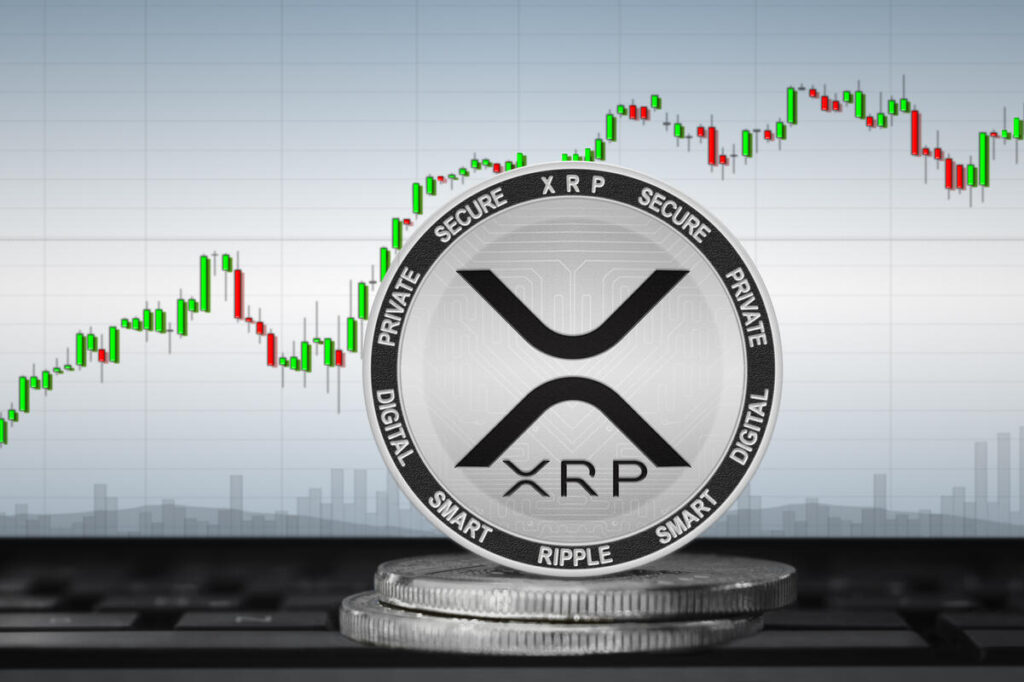
On November 2, the Dubai Financial Services Authority (DFSA) made significant strides in the realm of digital assets by officially recognizing two additional tokens, XRP and Toncoin.
These tokens have now joined the ranks of Bitcoin, Ether, and Litecoin as officially recognized digital currencies within the Dubai International Financial Centre (DIFC).
This recognition brings with it the significant implication that financial institutions operating within the DIFC will be permitted to conduct transactions involving these newly recognized tokens.
The DIFC, a bustling special economic zone, is currently home to over 4,000 companies, making it a pivotal hub for financial activities in the region.
In 2020, Ripple, the company behind XRP, established its MENA headquarters within the DIFC, highlighting the strategic importance of this location.
Ripple, which boasts approximately 20% of its customer base in the MENA region, expressed its enthusiasm for this development.
Ripple’s CEO, Brad Garlinghouse, emphasized the importance of the DFSA’s decision in advancing Dubai’s status as a global financial services hub, fostering foreign investment, and propelling economic growth.
READ MORE: 3 Best Crypto & Blockchain PR Agencies
The DFSA, responsible for regulating the DIFC exclusively, initiated cryptocurrency regulations in October 2021 and further enhanced them in November 2022.
In late September, the DIFC introduced a proposed Digital Assets Law, which also included plans to repeal the existing 2005 Law of Security and the Financial Collateral Regulations.
Instead, the DIFC intends to introduce an updated Law of Security that encompasses collateral regulations in a more comprehensive manner.
This proposed digital assets law outlines the legal attributes of digital assets, their proprietary nature, as well as the protocols for their control, transfer, and handling by relevant parties.
These legal developments are currently undergoing a consultation period, set to conclude on November 5.
These advancements in digital asset regulation come shortly after the Abu Dhabi Global Market’s enactment of the Distributed Ledger Technology (DLT) Foundations Regulations, which became effective on November 1.
Meanwhile, in Dubai itself, the Dubai Virtual Asset Regulatory Authority was established in March 2022, acquiring jurisdiction over the entire emirate and its free trade zones, excluding the DIFC.
This move was accompanied by the introduction of a virtual assets law, signaling Dubai’s commitment to staying at the forefront of the evolving digital asset landscape.

The Securities and Futures Commission (SFC) of Hong Kong has taken significant steps to regulate the burgeoning field of digital asset tokenization.
In this regard, the SFC has issued two important circulars that provide comprehensive guidelines and directives for intermediaries involved in tokenized securities activities.
These circulars also outline the specific criteria that must be met when tokenizing investment products that are authorized by the SFC.
The SFC has firmly established its stance on tokenized securities, considering them to be equivalent to traditional securities but with an added layer of tokenization.
As a result, the legal and regulatory requirements that traditionally apply to securities markets also extend to tokenized securities.
To maintain regulatory compliance, the SFC has specified that tokenized securities offerings must adhere to the Companies Ordinance’s Prospectus Regime and the Securities and Futures Ordinance pertaining to offers of investment.
Furthermore, intermediaries engaged in activities such as providing advice on tokenized securities, managing tokenized funds, and facilitating secondary market trading on virtual asset trading platforms must adhere to the existing conduct requirements applicable to securities-related activities.
The issuance of these regulatory guidelines comes at a time when Hong Kong is actively exploring tokenization opportunities.
In February, the Hong Kong Monetary Authority made history by launching the world’s first tokenized green bond, successfully raising approximately $100 million.
The SFC’s circulars also address the security concerns associated with tokenized securities trading platforms.
READ MORE: Football Club Scores Big with Bitcoin Adoption
Trading platforms with licenses are required to establish SFC-approved compensation arrangements to safeguard against potential security token losses.
These protective measures can include transfer restrictions and whitelisting protocols, ensuring the security of tokenized securities.
The recent surge in discussions about tokenization has not gone unnoticed by the SFC.
The regulatory body has observed a heightened interest from financial institutions in tokenizing traditional financial instruments within the global financial markets.
In response, the SFC has been actively reviewing various proposals related to the tokenization of investment products, encompassing both primary offerings and secondary trading on SFC-licensed virtual asset trading platforms.
In conclusion, the SFC acknowledges the significant potential benefits of tokenization for financial markets, including increased efficiency, enhanced transparency, reduced settlement times, and lowered costs for traditional finance.
However, the regulatory body remains vigilant about the new risks associated with this technology and is committed to balancing innovation with safeguarding the integrity of financial markets.
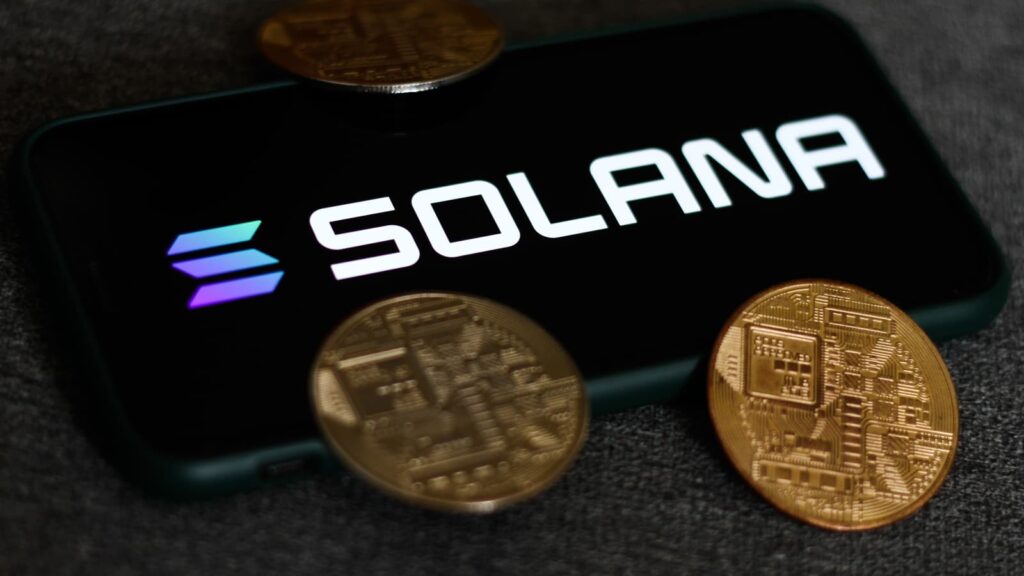
Former BitMEX CEO Arthur Hayes has openly acknowledged his recent purchase of Solana’s SOL cryptocurrency, despite its possible local peak in value.
Hayes remains bullish on the cryptocurrency’s future prospects. This move came after SOL had already experienced a remarkable 500% rebound from its December 2022 low of around $8.
Hayes’ purchase coincided with a prediction by VanEck, an asset management firm overseeing $76.4 billion in assets, forecasting a staggering 10,600% price increase for SOL by 2030.
This prediction was based on Solana’s potential to capture market share from its top competitor, Ethereum.
Furthermore, an analyst from FieryTrading suggested that SOL could see a 150% increase once it breaches the resistance level at $38.
In October 2023, SOL witnessed an impressive 80% price surge, reaching a 14-month high of approximately $46.75.
It appears that Hayes acquired SOL around this same price point, displaying confidence in its continued upward trajectory, possibly influenced by Solana’s ongoing scalability efforts.
READ MORE: Invesco and Galaxy’s BTCO Bitcoin ETF Moves Forward with DTCC Listing
However, caution is warranted as technical and fundamental indicators are signaling the possibility of a 30% price decline in November.
The daily relative strength index (RSI), a momentum indicator, has reached its most overbought levels since January 2023. Historically, such overbought RSI readings have preceded 35% to 50% price corrections throughout 2023.
In the event of a correction, the next support level to watch is near $30.25, which corresponds to the June-November 2022 support level and represents a 30% drop from current prices.
Notably, this level aligns with SOL’s 200-3D exponential moving average (200-3D EMA), denoted by the blue wave in the chart.
A break below this level could lead to a test of SOL’s ascending trendline support, situated near $26, marking a 37.50% decrease from current price levels.
Arthur Hayes’ bullish outlook on Solana remains intact, but the cryptocurrency market’s inherent volatility suggests the possibility of a significant correction in the near future.
SOL investors should monitor these technical and fundamental indicators closely to make informed decisions about their holdings.

Invesco and Galaxy’s spot Bitcoin exchange-traded fund (ETF), BTCO, has reached a notable milestone in its application process.
The ETF’s ticker, BTCO, has recently made its appearance on the Depository Trust and Clearing Corporation’s (DTCC) website, a development observed within the past six days. Comparatively, there was no record of BTCO listed on October 25.
However, it is essential to emphasize that the inclusion of a ticker in the “ETF Products” section of the DTCC’s site does not guarantee the eventual approval of the product.
A spokesperson from DTCC clarified that it is a customary practice for the organization to add securities to the NSCC (National Securities Clearing Corporation) security eligibility file “in preparation for the launch of a new ETF to the market.”
The spokesperson further noted that being listed does not serve as an indicator of the outcome of any pending regulatory or approval processes.
The application for the joint spot Bitcoin ETF, managed collaboratively by the global investment firm Invesco and the crypto asset fund Galaxy Digital, was reactivated on June 21.
This decision to renew the application occurred amidst a surge of similar filings for spot Bitcoin ETF products, a trend set in motion by the prominent investment firm BlackRock, which submitted its groundbreaking application for a spot Bitcoin ETF on June 15.
As the BTCO ticker finds its place on the DTCC’s website, it signifies a step forward in the application process, but the final outcome remains uncertain.
The ETF landscape continues to evolve, influenced by a wave of applications and regulatory developments, with industry players eagerly awaiting clarity on the future of these financial instruments.

Payment giant PayPal has been served with a subpoena by the United States Securities and Exchange Commission (SEC) concerning its U.S. dollar-pegged stablecoin, according to the firm’s official disclosure in its Q3 financial report filed with the SEC on November 2.
The SEC’s Enforcement division issued the subpoena to PayPal on November 1, requesting specific documents.
PayPal stated that it is fully cooperating with the SEC’s request.
This development comes approximately three months after PayPal introduced its PYUSD stablecoin in early August.
PYUSD is backed by U.S. dollar deposits, short-term Treasurys, and similar cash equivalents, with Paxos Trust acting as its issuer. The stablecoin operates on the Ethereum blockchain and is designed for digital payments and Web3 applications.
Paxos, the issuer, reported that PYUSD has enjoyed a successful launch, achieving a market capitalization of $150 million within two months of its introduction.
As of now, the market capitalization of PYUSD stands at approximately $159 million, with a daily trading volume of nearly $2.7 million, as reported by CoinGecko.
PayPal has not yet responded to requests for comment from Cointelegraph.
The rapid adoption of PayPal USD was driven in part by its listing on major exchanges such as Coinbase, Crypto.com, Bitstamp, and Kraken shortly after its launch.
READ MORE: Terraform Labs Co-Founder Do Kwon Challenges SEC Lawsuit
In September, PayPal announced plans to integrate PYUSD into its Venmo mobile payment service, allowing users to buy and send PYUSD to friends and family.
PayPal has been actively expanding its crypto-related initiatives not only in the United States but also internationally.
In late October, it received a license from the United Kingdom Financial Conduct Authority, allowing it to offer crypto services in the UK.
This recent action by the SEC against PayPal further highlights the challenging regulatory environment for crypto companies in the United States.
The SEC has initiated lawsuits against several prominent domestic crypto firms, including its ongoing lawsuit against Coinbase.
In a notable development in October 2023, the SEC moved to dismiss its three-year lawsuit against Ripple, the company behind the XRP token, one of the largest cryptocurrencies by market capitalization.
In April 2023, Circle CEO Jeremy Allaire attributed the declining market capitalization of Circle’s USD Coin stablecoin to increased regulatory scrutiny and a crackdown on cryptocurrencies by U.S. regulators.
Georgetown, Cayman Islands, November 3rd, 2023, Chainwire
Injective, a Cosmos Layer-1 blockchain designed to power next-generation DeFi applications, has selected the Kava Chain’s Native USDT for their Perps trading. The Kava Chain is a secure, lightning-fast Layer-1 blockchain that combines the developer power of Ethereum with the speed and interoperability of Cosmos.
This collaboration is poised to bring significant benefits to users of both platforms, signaling that this transformative partnership is set to reshape the world of DeFi. The integration of Kava Chain’s capabilities with Injective’s revolutionary DeFi technology is set to offer a host of advantages for both platforms, including Enhanced Trading Opportunities, Improved Liquidity, and Cross-Chain Flexibility.
“The introduction of stable asset interoperability is a major boon for the Injective ecosystem. USDT stands as a cornerstone within the broader crypto industry, and the extension of Kava’s USDT offering will serve as a major milestone for the community,” said Eric Chen, Co-Founder and CEO of Injective Labs.
The choice of Kava Chain’s native USDT for Perps Trading exemplifies the mutual benefits that this partnership brings, offering users the best of both worlds and enriching the DeFi experience for traders, investors, and developers alike. Together, they are poised to reshape the possibilities within the decentralized finance sector.
“We are thrilled that Injective has chosen the Kava Chains native USDt for perps trading. This partnership with Injective is a testament to our commitment to fostering innovation and access within DeFi. We are excited to offer our users the powerful tools and capabilities that Injective brings to the table,” said Scott Stuart, Co-Founder and CEO of Kava Labs.
Tether’s decision to integrate USDt natively on Cosmos in July 2023, using the Kava Chain as a hub, has since brought accessibility and financial stability to users and developers within the Cosmos ecosystem. After Osmosis, Injective is the 2nd tier-1 Cosmos protocol that is adopting Kava’s natively issued USDt, therefore simplifying the process, and offers a streamlined, efficient mechanism for stablecoin liquidity provision and transfer between the Cosmos and Ethereum ecosystems.
For more information about Injective and Kava Chain and its benefits, please visit their respective websites.
For more updates, follow Kava Chain on X (fka Twitter).
About Kava
Kava Chain is a secure, lightning-fast Layer-1 blockchain that combines the developer power of Ethereum with the speed and interoperability of Cosmos in a single, scalable network. Committed to fostering innovation and growth, Kava Chain is a trusted choice for developers and users worldwide.
About Injective
Injective is a lightning-fast interoperable Layer-1 blockchain optimized for building the premier Web3 finance applications. Injective provides developers with powerful plug-and-play modules for creating unmatched dApps. INJ is the native asset that powers Injective and its rapidly growing ecosystem. Injective is incubated by Binance and is backed by prominent investors such as Jump Crypto, Pantera, and Mark Cuban.
Contact
Media Manager
Guillermo Carandini
Kava
[email protected]

Amir Elmaani, the 31-year-old founder of the now-defunct cryptocurrency scheme Oyster Protocol, has received the maximum penalty of four years in prison for his involvement in tax evasion.
The United States Attorney’s Office announced the sentencing on October 31, following Elmaani’s guilty plea on April 6.
In his confession, he admitted to secretly creating and selling Pearl tokens without paying income tax on the substantial profits generated by the project, resulting in tax losses exceeding $5.5 million.
U.S. District Attorney Damian Williams expressed his stance on the matter, stating, “Amir Elmaani violated the duty he owed to pay taxes on millions of dollars of cryptocurrency profits, and he also violated the trust of investors in the cryptocurrency he founded.”
Elmaani’s deceptive actions unfolded between September and October 2017 when he promoted a cryptocurrency named Pearl (PRL) as an investment opportunity tied to the blockchain-based data storage platform, Oyster Protocol.
Unknown to the Oyster Protocol team and investors, Elmaani covertly generated a large quantity of new PRL tokens and introduced them into the market for his personal gain in October 2018.
READ MORE: Dubai Grants VASP License to Crypto Wallet
In his plea agreement, Elmaani admitted, “I was aware that the counterparties who were buying these newly-minted PRL likely were not aware of my reopening of the smart contract and did not know that I had just substantially increased the total supply of PRL.”
Despite amassing millions of dollars from this illicit scheme, Elmaani falsely reported his income in his tax returns, claiming he had earned a mere $15,000 from a patent design business in 2017 and declared zero income in 2018.
Court investigations revealed that in 2018, Elmaani spent over $10 million on multiple yachts, $1.6 million at a carbon-fiber composite company, hundreds of thousands of dollars at home improvement stores, and more than $700,000 on two homes.
One of these homes was acquired through a shell company, while the other was registered in the names of two of Elmaani’s associates.
Additionally, he engaged extensively in precious metals trading and stored gold bars in a safe on one of his yachts.
Prosecutors uncovered that Elmaani utilized friends and family as intermediaries to receive cryptocurrency proceeds and subsequently transfer them to his accounts.
In addition to his four-year prison term, Elmaani has been sentenced to one year of supervised release and has been ordered to pay $5.5 million in restitution.
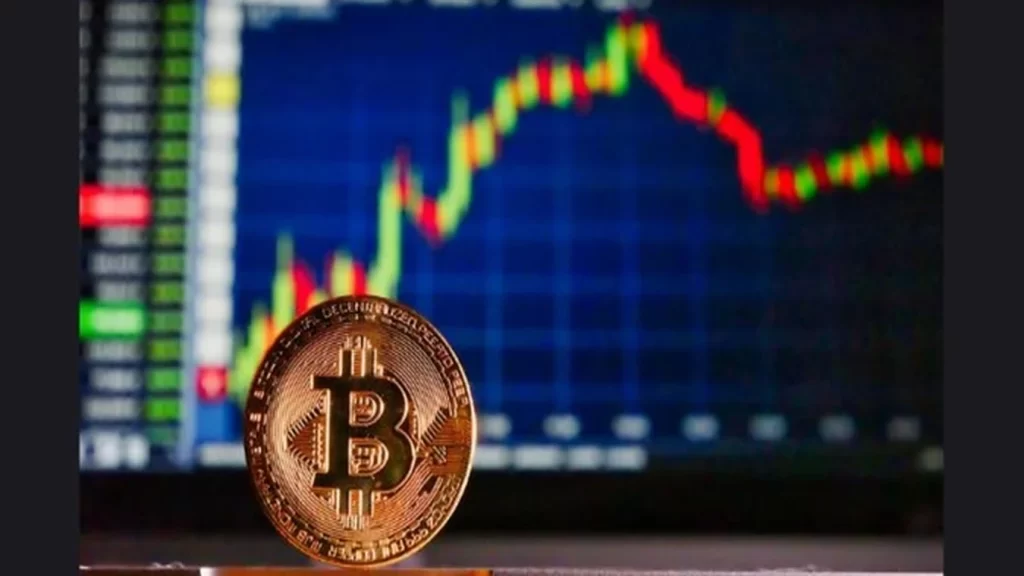
In October 2023, Bitcoin achieved its highest monthly closing price since May 2022, experiencing a remarkable uptrend throughout the month. Data from Cointelegraph Markets Pro and TradingView verified that Bitcoin bulls successfully maintained their upward momentum into November 1st.
This surge in the cryptocurrency’s value was reminiscent of October’s initial breakout, and it marked the second-best performing month of 2023, with Bitcoin gaining an impressive 28.5%.
This performance only trailed behind January, which had a 39.6% increase.
Renowned trader Bluntz cautioned against underestimating the significance of the current bullish trend, drawing parallels to similar occurrences in October 2020 and April 2019, where Bitcoin entered extended bullish phases.
Moustache, another prominent figure in the crypto trading community, pointed to the TK Crossover indicator, which signaled a rare bull market trigger.
This indicator, derived from the Ichimoku Cloud and involving Tenkan-sen and Kijun-sen trendlines, produced a bull flag at the monthly close, indicating a potential sustained upward trend.
However, on-chain monitoring resource Material Indicators offered a slightly more conservative view, suggesting that while bullish momentum still persisted, it appeared to be weakening compared to the previous month.
READ MORE: Crypto Platform Expands Institutional Crypto Custody Services Amid Surging Demand
They anticipated a possible retest of the $33,000 level, though it might not occur until after an attempt at $36,000.
Market participants remained vigilant, as a significant macroeconomic event was on the horizon. The United States Federal Reserve was set to announce its interest rate policy in the context of a challenging inflation environment.
Federal Reserve Chair Jerome Powell was also scheduled to deliver a speech and hold a press conference.
Market expectations were leaning toward the Federal Open Market Committee (FOMC) maintaining the current elevated interest rates, with a probability of nearly 98% according to CME Group’s FedWatch Tool.
Prominent trader Crypto Tony weighed in on the potential impact of this announcement on Bitcoin’s price action, predicting increased volatility and market movements as the Fed’s decisions and data were released.
He personally anticipated a pause in interest rate hikes and a subsequent rise in Bitcoin’s price, possibly reaching the $36,000 mark after an initial temporary downturn.
In summary, Bitcoin’s performance in October 2023 was exceptional, with significant gains and indications of a potential sustained bullish trend.
However, the market remained watchful of the upcoming Federal Reserve announcement, which could introduce further volatility and shape the cryptocurrency’s future movements.

While the Bank of Spain explores the potential adoption of a digital euro, it appears that the country’s populace may not share the same level of enthusiasm for the European Central Bank’s digital currency project.
The Bank of Spain recently conducted a survey titled “Study on the habits in use of cash,” in collaboration with Ipsos, which involved 1,600 respondents from two groups: the general public and representatives of small businesses.
The survey also included questions about the digital euro, a proposed pan-European central bank digital currency (CBDC).
The survey findings revealed that only 20% of the general public were aware of the concept of a “digital euro.” A similar percentage, around 23%, among small business owners were aware of it.
However, it’s worth noting that these questions were posed in 2022.
In 2023, only 20% of respondents confirmed their intention to use the digital euro alongside their existing payment methods, while a significant 65% expressed their reluctance to do so.
This marks a shift from the previous year when the numbers were more favorable to the CBDC, with only 58% responding negatively in 2022.
READ MORE: Crypto Platform Expands Institutional Crypto Custody Services Amid Surging Demand
The survey also highlighted varying levels of interest in the digital euro based on age groups. The youth demographic (18–24) displayed the most enthusiasm, with 36% indicating their willingness to use the digital currency.
However, this enthusiasm gradually waned with age, with 31% of those aged 25–34, 24% of those aged 35–44, 18% of those aged 55–64, and a mere 7% of individuals over 65 expressing interest in the digital euro.
The Bank of Spain has been proactive in promoting the digital euro’s potential benefits. In October, they released a document explaining the nature and applications of the digital euro.
The bank emphasized that physical cash limitations hinder the full exploitation of the advantages offered by the growing digitalization of the economy and society.
They believe that the digital euro will play a vital role in making electronic payments an integral part of the financial system.
It’s worth noting that Spain has demonstrated a strong commitment to the European Union’s digital economy initiatives, having decided to implement the Markets in Crypto-Assets (MiCA), a pan-European crypto framework, six months ahead of the general deadline.
Despite the current hesitancy, the future of the digital euro in Spain may evolve as awareness and understanding of the concept increase.