


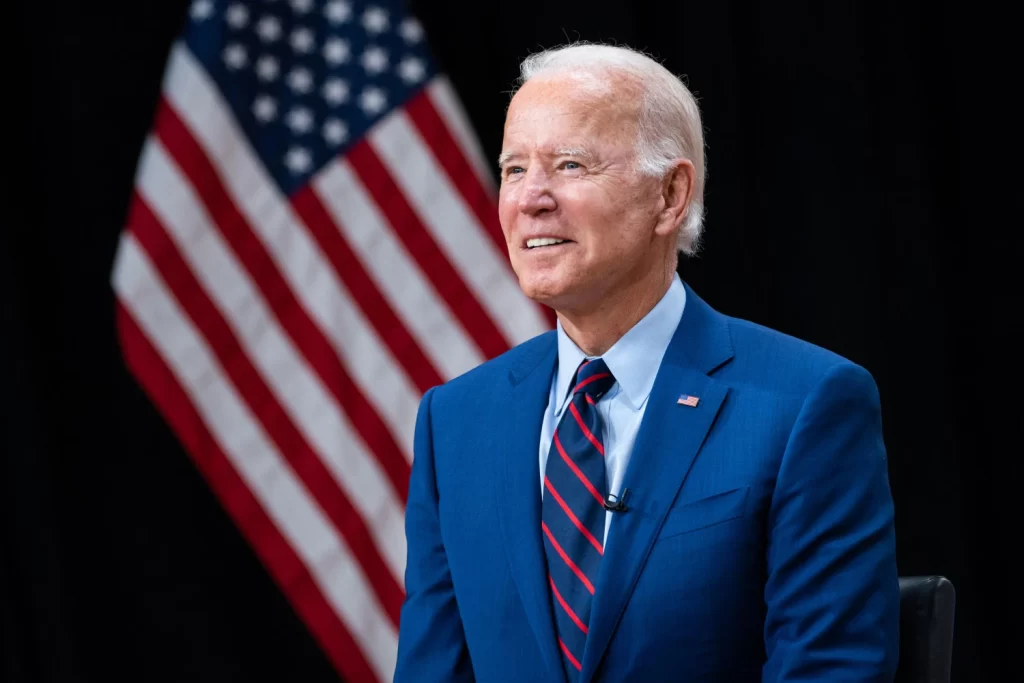
On October 6th, two senior Republicans from the U.S. House of Representatives called on the Biden administration to enhance export control measures concerning advanced semiconductors to China.
The plea came in the form of a letter to National Security Adviser Jake Sullivan, penned by Representative Michael McCaul, the chairman of the House Foreign Affairs Committee, and Representative Mike Gallagher, who chairs the House Select Committee on China.
The duo’s concerns stem from recent technological strides made by China’s premier semiconductor manufacturer, emphasizing that the regulations introduced in 2022 require an overhaul.
They pinpoint certain deficiencies or “loopholes” in the current system.
Their concerns were accentuated by the recent launch of Huawei Technologies’ Mate 60 Pro smartphone.
READ MORE: Binance Market Dominance Dips Amid Regulatory Hurdles and Fee Changes
This device features cutting-edge chips produced by China’s Semiconductor Manufacturing International Corporation (SMIC), a move seemingly sidestepping U.S. sanctions.
In their correspondence, McCaul and Gallagher commented on the system’s lack of responsiveness.
They noted, “The rules set out in 2022 and SMIC’s growing capabilities indicate a bureaucratic system that’s out of touch with China’s industrial ambitions and military goals.
There seems to be a shortfall in technological understanding and a hesitancy to act decisively.”
In light of these concerns, the legislators are pushing for the Biden administration to revamp the regulations quickly, specifically in response to Huawei and SMIC.
Their recommendations extend to curbing Chinese companies’ access to powerful AI chips available through cloud computing.
Furthermore, McCaul and Gallagher underlined the criticality of adhering to existing regulations, especially those that limit Chinese corporations and restrict U.S. officials from ensuring adherence to American export rules.
Other Stories:
Crypto CEO’s Ex-Roommate Testifies About $8-Billion FTX Deficit Amid Fraud Allegations
Bitcoin Stabilizes Near $28,000: Whales, Resistance Levels, and Exchange Dynamics in Play
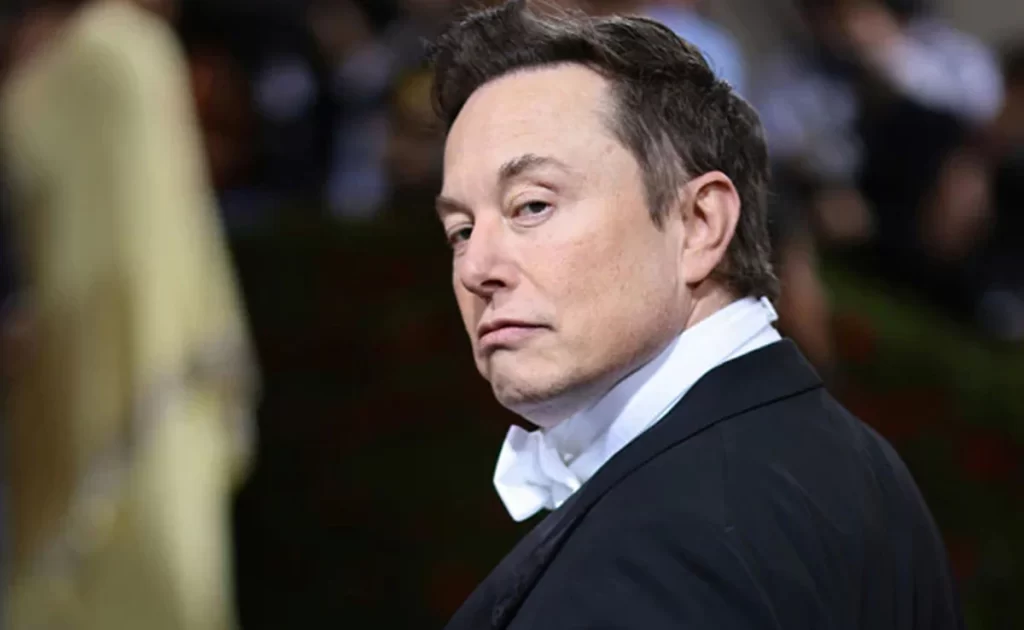
Elon Musk, previously associated with Twitter and currently executive chair and CTO of X, has come under scrutiny for the suspension of an XRP-focused account.
The account, named Digital Asset Investor.XRP, was notably active in promoting discussions related to XRP, a cryptocurrency embroiled in controversies, including a lawsuit by the SEC labeling it as an unregistered security.
Crypto Eri, a prominent figure in the cryptocurrency realm, took to X to ask Musk if the account’s suspension was accidental.
The Digital Asset Investor.XRP account was not only a hub for XRP advocates but also a platform where enthusiasts could share insights and engage in crypto discussions.
While some argue that the account suspension might be a proactive step against potential scammers, the silence from X’s end has fueled further speculation.
Reacting to a suggestion that the move was anti-scam, Crypto Eri expressed her dismay, stating, “I consistently stick to the facts, even if labeled as the ‘crypto police’ or part of ‘cancel culture’. It’s heartbreaking, especially when he’s built his entire channel on the X platform.”
Prominent personalities, including pro-XRP lawyer John Deaton, are now questioning if this suspension is an isolated event or indicative of a broader censorship trend within the X platform.
In another development, recent findings revealed that the SEC is probing Musk over potential violations of federal securities rules.
This investigation delves into Musk’s actions related to stock purchases and subsequent declarations about X’s acquisition.
Other Stories:
Binance Market Dominance Dips Amid Regulatory Hurdles and Fee Changes
Bitcoin Stabilizes Near $28,000: Whales, Resistance Levels, and Exchange Dynamics in Play
Crypto CEO’s Ex-Roommate Testifies About $8-Billion FTX Deficit Amid Fraud Allegations
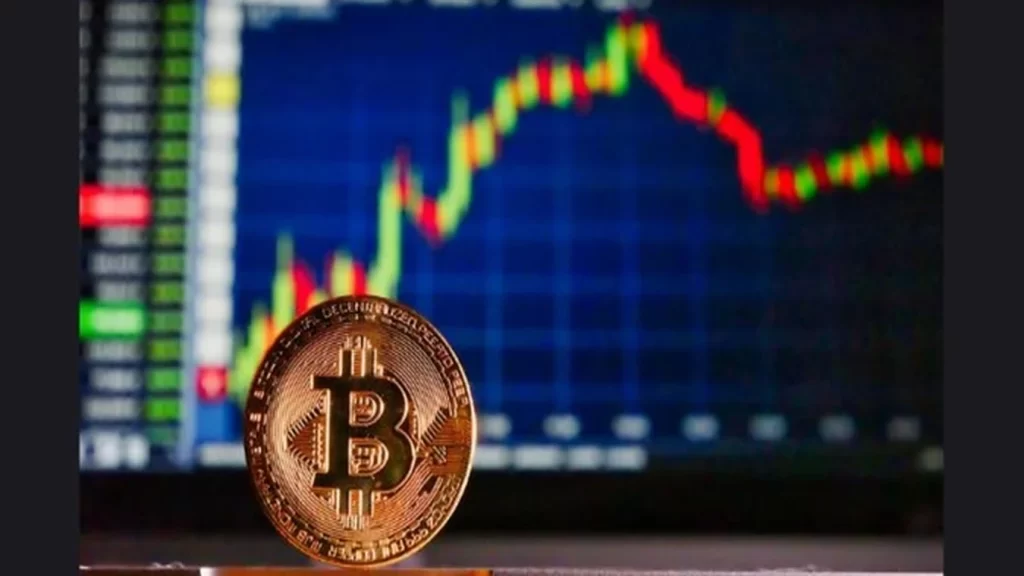
Bitcoin witnessed reduced volatility on October 6th, with market participants preparing for a potential price drop.
Over the last 24 hours, the BTC/USD price stabilized after a failed attempt to breach the $28,000 mark.
Although the cryptocurrency approached this price level again prior to Wall Street’s opening, there were concerns about potential forthcoming losses.
Prominent trader, Daan Crypto Trades, observed a conflict between two major daily moving averages. He predicted that the outcome of this struggle would dictate Bitcoin’s trend for the rest of October.
He highlighted the ongoing contest between the $27,000 and $28,000 price points.
Additionally, he noted the increasing open interest across exchanges, indicating a potential sequence of short squeezes followed by long squeezes. Daan emphasized the importance of monitoring this price range.
READ MORE: DOJ Asserts Lack of Crypto Regulations Doesn’t Bar Charges Against Former FTX CEO
CoinGlass data indicated minor liquidations in both long and short Bitcoin positions on October 6th. Meanwhile, Material Indicators analyzed the trading patterns of “whales,” or large-volume traders.
The study segmented these traders and found that while some were actively buying and selling, leading to a net increase of $13.8 million in market orders on Binance over a week, others sold assets worth nearly $60 million during the same period.
Material Indicators speculated on the possibility of these sales being linked to the potential liquidation of assets from the now-defunct FTX exchange.
The major takeaway was the surprise not in the price’s failure to increase, but its resilience in not dipping further.
Another trading analyst, Exitpump, postulated a potential liquidity trap below the $27,400 mark, suggesting that Bitcoin’s price often retests resistance levels multiple times before establishing a peak.
In essence, as Bitcoin approached the $28,000 mark, market indicators and expert opinions seemed mixed, with some seeing potential for growth and others predicting setbacks.
Other Stories:
Kazakhstan’s Crypto Mining Industry on the Brink of Collapse as Energy Prices Soar
Bitcoin Holds Steady at $27,500 Amidst US Yield Surges and Dollar Volatility

On October 4th, Bitcoin (BTC) remained relatively stable at the $27,500 mark, with investors closely monitoring the soaring yields in the United States.
Despite the calmness in BTC price action, the U.S. dollar exhibited considerable volatility, seizing the attention of market participants.
After a week of turbulent trading, Bitcoin was once again searching for direction, prompting market analysts to identify critical price levels.
Skew, a prominent trader, pointed out that market participants were selling towards the $27,600 level, emphasizing the significance of reclaiming this price level.
He suggested that a substantial upward movement could follow once this level is regained.
Another trader known as Crypto Tony identified $27,000 as a crucial support level. Mark Cullen, in line with this sentiment, stressed the importance of Bitcoin holding the $27,000 area, particularly given the challenging conditions in traditional financial markets.
He observed that Bitcoin had exhibited a reaction at his designated zone and the breakout trendline. Cullen underscored the significance of BTC maintaining the $27,000 level, especially until other markets stabilized.
In contrast to Bitcoin’s relative stability, legacy markets on October 4th were notably less secure, primarily due to a surge in U.S. 30-year bond yields, reaching levels not seen in 16 years.
This development raised concerns among commentators about a potential market meltdown.
READ MORE: The Best on the Market: Betfury Gives $1500 for Each Invited Friend
Skew suggested that the unease surrounding the macroeconomic forces at play was a contributing factor to the lack of substantial BTC trading volume.
The market appeared to be cautiously testing the waters, with most participants being perpetual contract buyers.
Many investors were opting to hold cash amid market distress, reflecting the uncertainty surrounding risk parameters and exposure.
Before the Wall Street open, the U.S. dollar itself experienced significant fluctuations, with the U.S. Dollar Index (DXY) rapidly falling from levels not observed since the fourth quarter of the previous year.
Despite these shifts, BTC/USD continued to demonstrate resilience against abrupt movements in the DXY.
Sven Henrich, the founder of NorthmanTrader, noted that the long-term performance of the DXY chart was following expected trends.
He emphasized the importance of the U.S. dollar’s behavior, particularly in the context of the broader market, as it was likely to be a key driver for the remainder of the year.
Amidst the chaos and volatility, the DXY adhered to channel trendlines, signaling potential market dynamics that could unfold in the coming months.
Other Stories:
Former FTX CEO Wanted to Offer Donald Trump $5 Billion Not to Run for President
$332 Million Lost in September 2023, Q3 Losses Near $890 Million
Q3 2023 Records $700 Million in Digital Asset Losses, CertiK Report Reveals
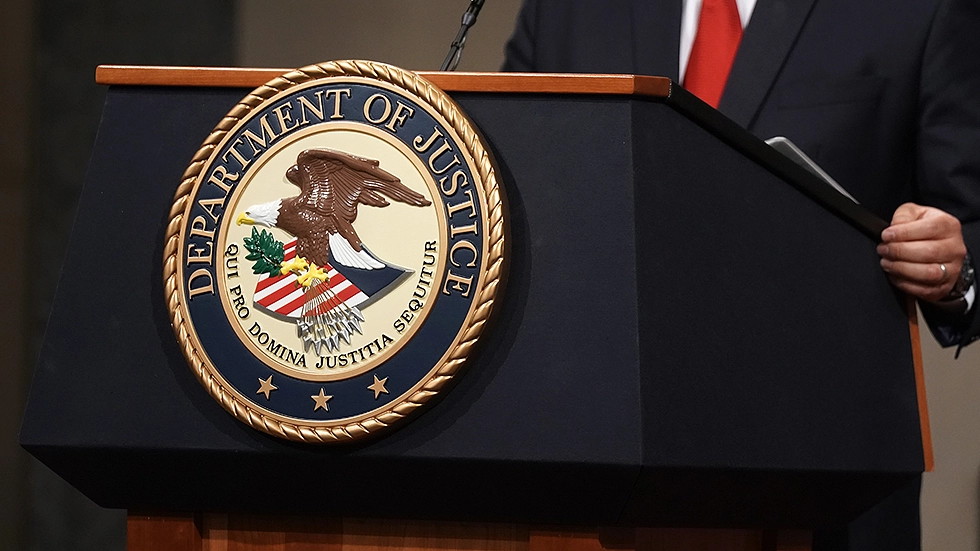
The United States Department of Justice (DOJ) has taken a firm stance in the ongoing legal battle against former FTX CEO Sam “SBF” Bankman-Fried.
On October 4th, the DOJ filed a motion in court, asserting that the absence of cryptocurrency regulations in the United States should not hinder the criminal charges brought against SBF.
This move by the DOJ was prompted by SBF’s request for clarity and reconsideration of charges related to alleged fund misappropriation within FTX.
SBF’s defense team had argued that their client was innocent because FTX operated without U.S. regulation, asserting that he had adhered to the applicable rules concerning FTX US.
In response, the DOJ declared this argument irrelevant, contending that the absence of specific legislation does not absolve SBF of alleged financial misconduct.
The DOJ emphasized that the existence of regulations may be necessary to establish legal obligations but does not alter the fact that the defendant’s victims entrusted him with their money.
The department also pointed out that the defendant’s claim regarding a lack of regulations pertaining to customer funds usage is untrue, as there are existing rules prohibiting such actions.
Furthermore, the DOJ maintained that existing laws already prohibit companies from misappropriating customer assets, and SBF has been charged accordingly.
READ MORE:Q3 2023 Records $700 Million in Digital Asset Losses, CertiK Report Reveals
It was asserted that SBF had engaged in substantial misrepresentations to customers and had allegedly stolen their funds. T
he presence or absence of clear regulations, the DOJ argued, should not diminish the gravity of these actions.
SBF currently faces multiple charges, including wire fraud and misappropriation of customer funds, and he is currently incarcerated for violating his bail conditions and attempting to influence potential witnesses. Despite multiple appeals for pre-trial release, SBF remains in custody.
His legal team cited difficulties related to internet connectivity hindering his defense preparations and a lack of vegan meal options as reasons for their requests.
SBF’s trial began on October 3rd, with indications that it could extend for up to six weeks.
The DOJ’s recent motion underscores its determination to pursue the charges against SBF, irrespective of the regulatory landscape surrounding cryptocurrencies in the United States.
Other Stories:
The Best on the Market: Betfury Gives $1500 for Each Invited Friend
Former FTX CEO Wanted to Offer Donald Trump $5 Billion Not to Run for President
$332 Million Lost in September 2023, Q3 Losses Near $890 Million

The Lazarus Group, a North Korean hacking collective, has employed a new and highly sophisticated malware variant known as LightlessCan in its fraudulent employment schemes, which poses a significant challenge to detection compared to its predecessor.
ESET’s senior malware researcher, Peter Kálnai, revealed these findings in a post on September 29, following an analysis of a fake job attack targeting a Spanish aerospace firm.
Lazarus Group’s typical modus operandi involves luring victims with enticing employment offers at reputable companies and tricking them into downloading malicious payloads disguised as documents.
However, LightlessCan represents a notable advancement over its precursor, BlindingCan. Kálnai explained that LightlessCan can mimic various native Windows commands, enabling discreet execution within the Remote Access Trojan (RAT) itself, minimizing noisy console executions.
This enhanced stealthiness makes it challenging for real-time monitoring solutions like EDRs and postmortem digital forensic tools to detect.
READ MORE:Venture Capital Firm Paradigm Criticizes SEC’s Unconventional Approach in Binance Case
Furthermore, the new malware incorporates “execution guardrails” to ensure that only the intended victim’s machine can decrypt the payload, preventing unintended decryption by security researchers.
One known case involving this new malware targeted a Spanish aerospace firm when an employee received a message from a fake Meta recruiter named Steve Dawson in 2022. Subsequently, the hackers sent two coding challenges embedded with the malware.
Lazarus Group’s primary motive for the attack on the Spanish aerospace firm was cyberespionage.
Notably, North Korean hackers have been responsible for stealing an estimated $3.5 billion from cryptocurrency projects since 2016, as reported by blockchain forensics firm Chainalysis on September 14.
In September 2022, cybersecurity firm SentinelOne issued a warning about a fake job scam on LinkedIn, part of a campaign known as “Operation Dream Job,” offering potential victims positions at Crypto.com.
Simultaneously, the United Nations has been actively working to curb North Korea’s cybercrime tactics on an international scale, as it is believed that the stolen funds are being used to support North Korea’s nuclear missile program.
This ongoing effort underscores the global impact and consequences of cyberattacks orchestrated by groups like Lazarus.
Other Stories:
SEC Delays Decision on Spot Bitcoin ETF Proposals Amid Looming Government Shutdown
Venture Capital Firm Paradigm Criticizes SEC’s Unconventional Approach in Binance Case
Space and Time Integrates Its Proof of SQL Verifier Into Chainlink Nodes

Visa, the global payment giant, is doubling down on its commitment to artificial intelligence (AI) in the realm of commerce and settlements.
They’ve unveiled a fresh initiative, committing a substantial $100 million to fund generative AI ventures.
The primary focus of this initiative is to support companies dedicated to advancing generative AI technologies and their applications in the fields of commerce and payments.
This investment endeavor will be spearheaded by Visa’s global corporate investment arm, Visa Ventures, which has been a driving force behind fostering innovation in the payments and commerce sectors since 2007.
Generative AI stands out as a remarkable AI technology capable of creating diverse content types such as text, imagery, audio, and synthetic data.
Prominent AI chatbots like OpenAI’s ChatGPT and Google’s Bard exemplify the immense potential of generative AI by comprehending and generating human-like written content.
Visa’s Chief Product and Strategy Officer, Jack Forestell, envisions a bright future for generative AI in the financial domain.
He believes that this technology will not only reshape our lifestyles and professional landscapes but also significantly transform commerce in unprecedented ways.
READ MORE: Q3 2023 Records $700 Million in Digital Asset Losses, CertiK Report Reveals
Visa’s latest foray into generative AI builds upon their substantial efforts to integrate AI technology into their ecosystem. Back in 1993, Visa was among the pioneers in adopting AI for payment systems, particularly for risk and fraud management.
In 2022, their real-time payment fraud monitoring solution, Visa Advanced Authorization, played a pivotal role in thwarting an estimated $27 billion in fraudulent transactions.
In 2021, Visa introduced VisaNet +AI, a comprehensive suite of AI-based services dedicated to streamlining account balance management and resolving everyday settlement issues for financial institutions.
This suite includes innovative features such as Smarter Stand-In Processing, which enhances payment experiences during outages by replicating issuer approval decisions, and Smarter Posting, which expedites consumer payments while reducing the complications associated with posting delays.
In addition to their significant investments in AI, Visa has exhibited a strong interest in leveraging cryptocurrency technology for payments.
In April 2021, the company unveiled plans for a new crypto product aimed at popularizing the adoption of public blockchain networks and stablecoin payments within the mainstream financial landscape.
This demonstrates Visa’s commitment to staying at the forefront of technological innovation in the payments industry.
Other Stories:
Bitwise Asset Management Launches Ethereum Futures ETFs Amid Regulatory Uncertainty
Friend.tech’s Decentralized Social Media Platform Surges in Revenue and User Growth
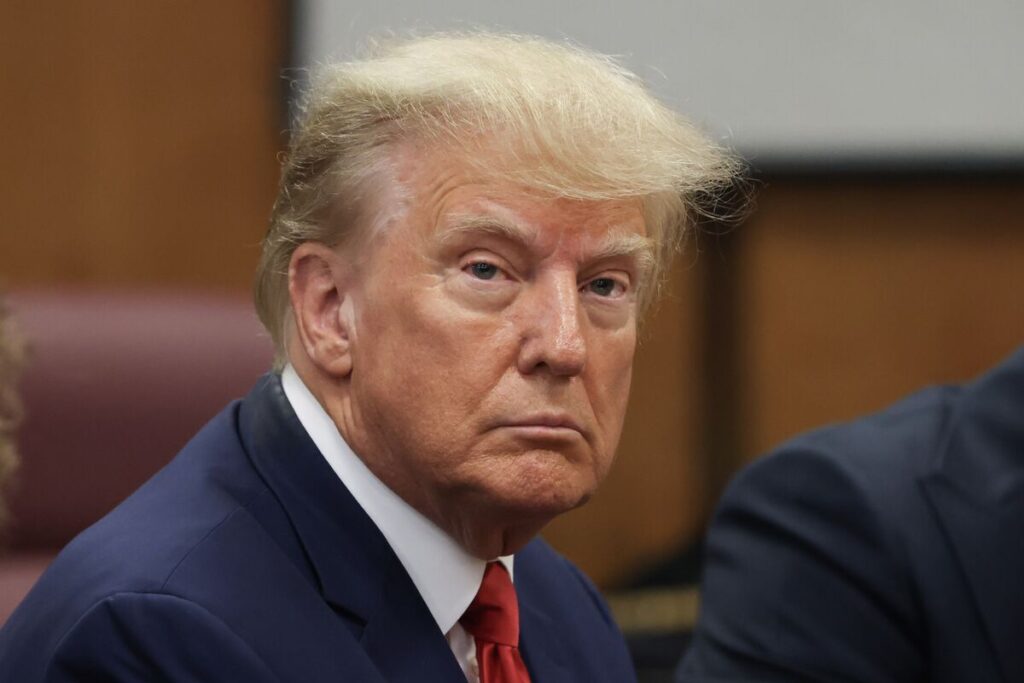
Former FTX CEO, Sam “SBF” Bankman-Fried, once explored the idea of paying Donald Trump not to run for the United States presidency, as revealed by Michael Lewis, the author of the book “Going Infinite: The Rise and Fall of a New Tycoon.”
In an interview on October 1st, Michael Lewis shed light on the enigmatic journey of the former crypto billionaire and FTX founder.
One of the most astonishing revelations from the book was SBF’s contemplation of offering a hefty sum to dissuade Donald Trump from pursuing another presidential campaign.
Lewis commented on this by saying, “That only shocks you if you don’t know Sam,” hinting at SBF’s unconventional thinking.
The proposed sum to deter Trump from running was a staggering $5 billion, although it remained uncertain whether this figure came directly from Donald Trump.
Additionally, SBF sought to determine the legality of such an arrangement.
However, this plan never came to fruition because Bankman-Fried no longer possessed the required $5 billion.
READ MORE: Venture Capital Firm Paradigm Criticizes SEC’s Unconventional Approach in Binance Case
Lewis pointed out that SBF viewed Trump as a potential threat to American democracy, considering him an “existential risk” to the nation.
Lewis spent over 70 days in the Bahamas during various trips in 2022 to closely observe SBF’s life and character, allowing him unique insights into the former CEO’s world.
Discussing the aftermath of FTX’s collapse in November 2022, Lewis vividly described it as reminiscent of Pompeii, with abandoned clothes and belongings, as employees rushed to the airport, leaving company cars with keys inside.
When contacted for comment, legal representatives for Bankman-Fried and Trump remained tight-lipped. Mark Botnick, handling communications for SBF’s case, indicated that there was no official statement from SBF’s legal team.
The high-profile trial of Sam Bankman-Fried is scheduled to commence on October 3rd with jury selection, followed by the trial proceedings beginning on October 4th.
The trial encompasses seven fraud cases against SBF, including two substantive charges where the prosecution must prove Bankman-Fried’s guilt and five other conspiracy charges.
Other Stories:
Space and Time Integrates Its Proof of SQL Verifier Into Chainlink Nodes
Google Cloud Joins Polygon Network as Validator, Boosting Blockchain Security
SEC Delays Decision on Spot Bitcoin ETF Proposals Amid Looming Government Shutdown

It’s unfortunate to hear about the significant losses in the cryptocurrency space during September and the third quarter of 2023. Here’s a breakdown of the key information from your provided text:
- September 2023: It was a particularly bad month for crypto-related exploits, with approximately $332 million lost due to various incidents, including the Mixin Network attack, CoinEx exchange attack, Stake.com attack, exit scams, flash loan attacks, and phishing attacks. The Mixin Network attack alone accounted for $200 million in losses.
- Lazarus Group Involvement: The Lazarus Group, a North Korean hacking collective, was implicated in the attacks on both CoinEx and Stake.com, and they were reported to hold approximately $45.6 million in stolen crypto assets.
- Yearly Total: The total losses in 2023 to exploits, scams, and hacks amounted to $1.34 billion, with September being the worst month.
- Q3 2023: According to Beosin, the losses from hacks, phishing scams, and exit scams in the third quarter of 2023 were nearly $890 million, surpassing the combined losses of the first two quarters, which were $330 million in Q1 and $333 million in Q2.
It’s crucial for anyone involved in the cryptocurrency space to exercise caution, use secure practices, and stay informed about security threats and best practices to protect their assets.
Cryptocurrency markets can be vulnerable to various forms of exploitation, and security remains a top concern.
Other Stories:
Venture Capital Firm Paradigm Criticizes SEC’s Unconventional Approach in Binance Case
SEC Delays Decision on Spot Bitcoin ETF Proposals Amid Looming Government Shutdown
Google Cloud Joins Polygon Network as Validator, Boosting Blockchain Security
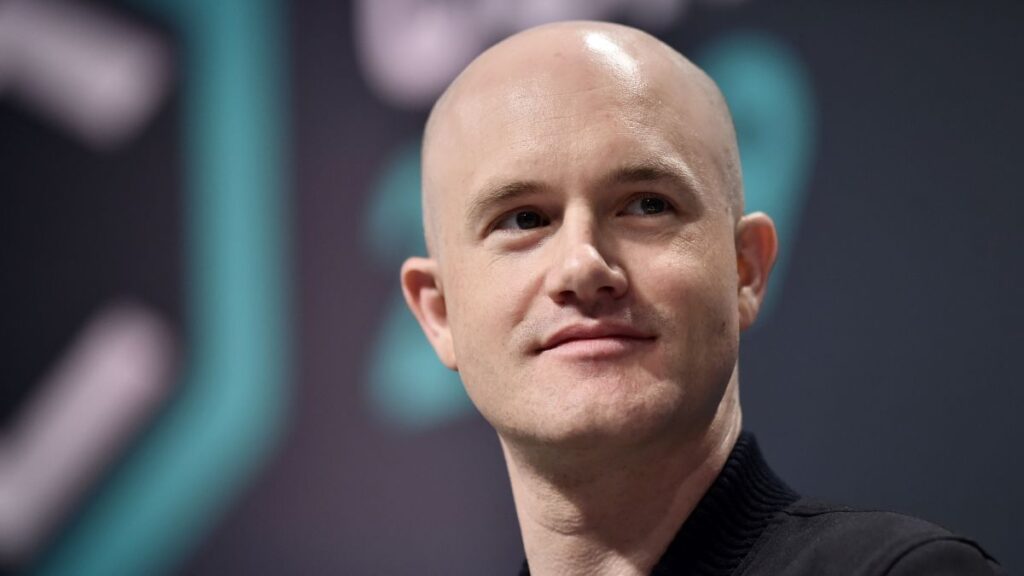
Coinbase, a prominent United States-based cryptocurrency exchange, is expanding its operations in Singapore following significant regulatory approval from the country’s central bank.
On October 1st, Coinbase announced that it had secured a Major Payment Institution (MPI) license from the Monetary Authority of Singapore (MAS).
This milestone comes one year after Coinbase initially received in-principle approval in Singapore, granting the company the authority to extend its digital payment token services to individuals and institutions within the nation.
The MPI license allows approved firms to conduct payment services without being bound by transaction limits, specifically the 3 million Singapore dollars ($2.2 million) cap for any payment service and the 6 million SG$ ($4.4 million) monthly transaction limit for two or more payment services, excluding e-money account issuance and money-changing services, as outlined by MAS.
Coinbase views this newly acquired license as a validation of its operations and as a commitment to the burgeoning crypto and Web3 community in Singapore.
The company has been actively developing products tailored for the Singaporean market, such as the launch of PayNow and FAST bank transfers in March 2023.
Furthermore, Coinbase has integrated Singapore’s digital identity service, SingPass, to streamline onboarding procedures.
Additionally, the exchange has collaborated with prominent local blockchain companies like Nansen.ai, Blockdaemon, and Infura to expand its product offerings, including Base blockchain and wallet-as-a-service.
READ MORE:Venture Capital Firm Paradigm Criticizes SEC’s Unconventional Approach in Binance Case
The exchange expressed its commitment to Singapore as a pivotal market, citing its recent survey that revealed over 30% of Singaporeans have been current or past owners of cryptocurrencies. Coinbase also highlighted Singapore’s significance in the crypto and Web3 economy, with more than 700 Web3 companies calling the city-state home.
It’s worth noting that Coinbase has not provided a response to Cointelegraph’s request for comment at this time.
This development aligns with a broader trend, as major global cryptocurrency firms increasingly seek to obtain Singapore’s MPI license.
In August 2023, Blockchain.com, a crypto data and wallet provider, became the 12th firm to secure this license. Prior to that, in June 2023, Circle, the issuer of the USD Coin (USDC) stablecoin, also received the MPI license, following in the footsteps of crypto exchange Crypto.com.
Singapore’s regulatory framework is becoming increasingly attractive to cryptocurrency companies, positioning the nation as a significant hub for the crypto and Web3 industries.
Other Stories:
Space and Time Integrates Its Proof of SQL Verifier Into Chainlink Nodes
Google Cloud Joins Polygon Network as Validator, Boosting Blockchain Security
SEC Delays Decision on Spot Bitcoin ETF Proposals Amid Looming Government Shutdown