


London, England, September 28th, 2023, Chainwire
Decentralized ledger platform Radix Publishing has celebrated the successful completion of its long-anticipated Babylon mainnet upgrade. The Babylon upgrade represents the end of the Olympia era and has been hailed by Radix as a game-changing moment for Web3 and the wider DeFi space.
The Babylon mainnet upgrade has been described as a “substantial update” to the Radix Network mainnet, enabling the deployment of Scrypto-based smart contracts and a wide swathe of new technologies and features, most notably, the Radix Mobile Wallet.
“With the Radix Babylon Upgrade complete, the Full Stack for DeFi has come together for the first time, ushering in a new beginning for both existing users, as well as those who were hesitant to embrace DeFi and Web3. A new ecosystem awaits – an ecosystem where builders can intuitively build and launch powerful and secure dApps, and where our friends, family, and colleagues can confidently use them” said Piers Ridyard, CEO, RDX Works.
Among the refinements supported by Babylon are the Radix Engine v2 virtual machine, DeFi transaction previews that are human readable, a decentralized royalty system for developers and smart account components, as well as an on-ledger catalog of Scrypto-based blueprints.
The Babylon upgrade brings with it five new products, The Radix Mobile Wallet, which provides a secure way to manage accounts and hold any kind of asset, such as tokens or NFTs on Radix. Radix Connect, which allows users to connect their Radix Wallet to dApps on desktop browsers using a secure peer-to-peer connection with the Radix browser extension. The Radix Dashboard, a comprehensive explorer for the Radix Network and functionalities to stake, unstake, and claim XRD from validators and the Developer Console, which provides functionalities that will be useful for developers to deploy packages to the network, ensuring a streamlined integration of new software components. And lastly, the dApp Sandbox, a developer tool that makes it easy for a developer to experiment with the kinds of requests that a dApp frontend can make to the Radix Wallet, and see the results in the wallet and format of responses.
It is believed the arrival of the Babylon mainnet upgrade will enhance user experience for web3 developers, many of whom have already become acquainted with the incoming features through their use of the Betanet and RCnet testnets. Babylon represents an open, self-incentivizing DeFi dApp ecosystem where developers can build and deploy impactful decentralized applications at scale.
About Radix
Radix is the only full-stack, layer-1 smart contract platform that offers a radically better experience both for users and developers. With Radix, users can confidently use Web3 and DeFi to manage their assets and identities; and for developers, Scrypto and Radix Engine provide a powerful and secure asset-oriented programming paradigm that allows builders to intuitively go from idea to production-ready dApps that their users will love.
For more information, please visit: https://radixdlt.com and https://www.radixdlt.com/full-stack/
Radix Publishing is responsible for the code security and publication of code associated with the Radix platform.
Contact
Avishay Litani
[email protected]
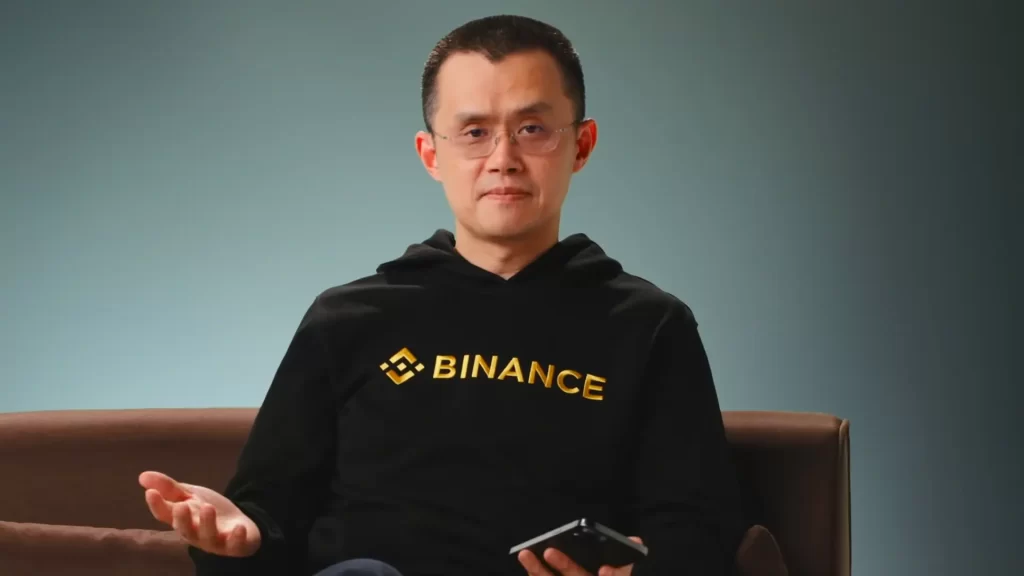
Binance, the prominent cryptocurrency exchange, has officially announced its complete withdrawal from the Russian market by selling its operations to a newly established crypto exchange known as CommEX.
In a statement to Cointelegraph on September 27, Binance disclosed its agreement to transfer its entire Russian business to CommEX, though the financial specifics of the deal were not disclosed.
To ensure a seamless transition for existing Russian users, the off-boarding process is expected to span a year, with Binance assuring that all assets of its Russian user base remain safe and secure.
Noah Perlman, Binance’s Chief Compliance Officer, acknowledged that Russia was no longer compatible with Binance’s compliance strategy, expressing confidence in the continued growth of the global Web3 industry.
Binance has vowed to collaborate with CommEX to facilitate the migration of user assets, offering guidance on how to transfer them to the new exchange.
Russian users who have completed Know Your Customer checks will be the first to transition to CommEX, while Binance will gradually phase out its platform in Russia over the coming months, prioritizing a smooth user experience throughout the transition.
Furthermore, Binance CEO Changpeng Zhao assured Binance Coin (BNB) holders that they will retain their 25% trading discount on CommEX.
READ MORE: Digital Transformation Revolutionizes Traditional Industries
In a notable departure from standard business practices, Binance clarified that it would sever all ties with Russia and not retain any ongoing revenue share or the option to repurchase shares in CommEX.
This development coincides with CommEX’s launch on September 26, as it aspires to provide a range of cryptocurrency trading services, encompassing spot, futures, and peer-to-peer trading.
Initially targeting Russian users, the platform is currently available in Russian and English only.
Binance had been contemplating its exit from the Russian market for some time, primarily due to mounting regulatory challenges associated with adhering to Western sanctions against Russia.
Despite this regulatory pressure, as of August 2023, Binance was still promoting its services to Russian users.
However, by early September, the exchange’s top Russian executives had departed.
It is worth noting that Russia was a significant market for Binance, accounting for 6.9% of total visits to the Binance.com website, according to SimilarWeb data, underscoring the significance of this strategic withdrawal from the Russian market for the exchange.
Other Stories:
MicroStrategy Bolsters Bullish Stance on Bitcoin with $147.3 Million BTC Purchase
Mixin Network Loses $200 Million in Devastating Crypto Hack
Crypto Exchanges Collaborate to Investigate $8 Million HTX Hack

Hypothekarbank Lenzburg, a regional Swiss bank boasting assets exceeding $7 billion, has recently made headlines by becoming the sixth Swiss financial institution to join the Six Digital Exchange (SDX), according to a press release issued on September 27.
This strategic move aligns Hypothekarbank Lenzburg with other prominent Swiss banks, including Berner Kantonalbank, Credit Suisse, Kaiser Partner Privatbank, UBS, and Zürcher Kantonalbank, all of which are based in Switzerland. The parent company, Six Group, is headquartered in Zurich.
The key feature of this collaboration is Hypothekarbank Lenzburg’s integration into SDX’s central securities depository, granting the bank access to a revolutionary blockchain-based platform.
This platform enables the trading of various digital securities, encompassing digital bonds and digital equities.
READ MORE: Digital Transformation Revolutionizes Traditional Industries
Marianne Wildi, the CEO of Hypothekarbank Lenzburg, expressed her enthusiasm for this development, stating, “The SDX membership marks a significant step in advancing our bank’s presence in digital assets.
Beyond token issuance and custody, our offering should include the possibility of listing digital value rights on a trusted trading venue.”
Switzerland has emerged as a global leader in cryptocurrency adoption, largely driven by its supportive regulatory environment.
In April, PostBank, a retail bank owned entirely by the Swiss government, formed a strategic partnership with the digital asset bank Sygnum, offering customers a comprehensive range of regulated digital asset banking services.
Furthermore, in May, Swiss Post introduced an innovative crypto stamp iteration, integrating physical and non-fungible token versions with cutting-edge artificial intelligence technology.
In sum, Hypothekarbank Lenzburg’s decision to join SDX underscores Switzerland’s commitment to fostering innovation in the digital asset space.
With the nation’s proactive regulatory framework and a growing ecosystem of blockchain-related initiatives, Switzerland is cementing its position as a global hub for the future of finance, poised to drive further adoption of digital assets and blockchain technology.
Other Stories:
Crypto Exchanges Collaborate to Investigate $8 Million HTX Hack
Mixin Network Loses $200 Million in Devastating Crypto Hack
MicroStrategy Bolsters Bullish Stance on Bitcoin with $147.3 Million BTC Purchase

Several cryptocurrency platforms, featured on CoinMarketCap as conducting billions of dollars in daily trades, have come under scrutiny for allegedly misleading their customers about possessing certain crypto licenses. An investigation conducted by Cointelegraph has uncovered these discrepancies.
Bitspay, a cryptocurrency exchange with a reported daily trading volume of $1.4 billion on CoinMarketCap, had claimed to hold a license in Estonia and operate under Estonian regulations.
However, upon questioning by Cointelegraph regarding this license, Bitspay promptly removed the allegedly fake license data.
As of now, Bitspay ranks as the fourth-largest crypto exchange by daily trading volume on CoinMarketCap, trailing behind platforms like Binance, BitForex, and Topcredit International.
Bitspay, according to its CoinMarketCap page, identifies itself as a centralized exchange (CEX) located in Estonia, having been launched in 2020. It purports to be regulated under Estonia’s “Anti Money Laundering Counter-Terrorism Financing Act 2019,” which is likely a reference to the country’s Money Laundering and Terrorist Financing Prevention Act.
Bitspay also claimed to be licensed and regulated by Estonia’s Financial Intelligence Unit (FIU). However, Estonia’s FIU revealed that Bitspay did not possess a valid license in Estonia.
The spokesperson for the FIU disclosed that the license number previously announced by Bitspay belonged to another Estonian company, Globe Assets OÜ, and was valid for less than a year, from March 2019 to January 2020.
Bitspay continued to display information about the license until at least September 18, 2023. Subsequently, on September 21, the company rebranded its website from Bitspay.io to Bitspay.global, removing all references to being registered or regulated in Estonia.
The new website does not provide any information regarding its registration or license status.
READ MORE: Digital Transformation Revolutionizes Traditional Industries
Kelly Nova, claimed to be the founder and CEO of Bitspay, mentioned that the exchange is in the process of obtaining licenses in both Estonia and the United Kingdom, citing copyright issues as the reason for closing the Bitspay.io domain.
However, no further information was provided about the founders or why the company previously claimed to have an Estonian license.
Bitspay is not the only platform on CoinMarketCap reporting massive trading volumes while providing limited information about its licenses, founders, or background. Other exchanges, including Topcredit and Bika, also report substantial daily trading volumes but have been unwilling to share details about their history or founders.
CoinMarketCap, acknowledging the potential issues with self-reported data, stated that APIs are their primary source for data collection.
They also highlighted their website’s scoring system, which rates platforms like Bitspay, Topcredit, or Bika lower than major exchanges like Binance, which has owned CoinMarketCap since April 2020.
CoinMarketCap encouraged users to conduct their own due diligence and emphasized their role as an objective information aggregator rather than a regulator.
The controversy surrounding platforms like Bitspay raises questions about the reliability of exchange trading volumes reported on websites like CoinMarketCap, with past investigations suggesting that a significant portion of these volumes may be fake or non-economic wash trading.
CoinGecko, a competitor to CoinMarketCap, has not listed Bitspay, Topcredit, or Bika, but boasts a more extensive list of spot exchanges. This situation underscores the ongoing challenge of accurately assessing trading volumes in the cryptocurrency market.
Other Stories:
Crypto Exchanges Collaborate to Investigate $8 Million HTX Hack
Mixin Network Loses $200 Million in Devastating Crypto Hack
MicroStrategy Bolsters Bullish Stance on Bitcoin with $147.3 Million BTC Purchase

U.S. District Judge Lewis Kaplan has issued a significant ruling allowing prosecutors from the United States Department of Justice (DOJ) to present evidence related to Sam Bankman-Fried’s political donations in his upcoming fraud trial.
The decision, part of a 16-page pretrial order issued on September 26, sheds light on what evidence will be admissible during the trial, slated to commence on October 3.
Initially, federal prosecutors had charged Bankman-Fried with various offenses, including conspiring to violate U.S. campaign finance laws, alongside seven other fraud and conspiracy charges.
However, these campaign finance charges were dropped as part of an extradition agreement with the Bahamas.
Judge Kaplan justified the inclusion of evidence pertaining to Bankman-Fried’s political contributions by stating, “Evidence that the defendant spent FTX customer funds on political contributions is direct evidence of the wire fraud scheme because it is relevant to establishing the defendant’s motive and allegedly fraudulent intent.”
Furthermore, the judge granted the prosecution’s request to introduce evidence detailing Bankman-Fried’s alleged involvement in creating the FTX Token and his purported instructions to manipulate the token’s price through Alameda Research, then led by CEO Caroline Ellison.
READ MORE: Crypto Exchanges Collaborate to Investigate $8 Million HTX Hack
Kaplan reasoned that the alleged manipulation of cryptocurrency tokens, impacting Alameda’s financials, was an integral part of the alleged conspiracy, making it admissible.
Kaplan emphasized that Bankman-Fried’s alleged instructions to Ms. Ellison were indicative of a “relationship of mutual trust” and that the evidentiary value outweighed concerns of unfair prejudice.
Notably, while allowing certain evidence for the DOJ, Kaplan also permitted Bankman-Fried’s defense team to question government witnesses, including Ellison, former FTX engineer Nishad Singh, and FTX co-founder Gary Wang, about their recreational drug use, provided they informed the court in advance.
Kaplan rejected DOJ motions to restrict the defense’s cross-examination of witnesses on privileged matters and ruled against Bankman-Fried discussing details of his pre-trial detention, family background, wealth, or age before the jury.
In this complex legal battle, the admissibility of evidence surrounding political donations and cryptocurrency manipulation adds a new dimension to the forthcoming trial of Sam Bankman-Fried, a high-profile figure in the cryptocurrency industry.
Other Stories:
MicroStrategy Bolsters Bullish Stance on Bitcoin with $147.3 Million BTC Purchase
Mixin Network Loses $200 Million in Devastating Crypto Hack
Digital Transformation Revolutionizes Traditional Industries

London, United Kingdom, September 27th, 2023, Chainwire
In the ever-evolving world of cryptocurrency and online gambling, CryptoCasinos.Casino emerges as a game-changer, providing a comprehensive platform for crypto casino enthusiasts to make informed decisions. The team is thrilled to announce the launch of CryptoCasinos.Casino, a website dedicated to reviewing and comparing the best crypto casinos in the market.
Cryptocurrency has disrupted traditional finance, and its influence extends to the iGaming industry, where crypto casinos have gained immense popularity. However, with a plethora of options available, it can be challenging for players to navigate the landscape and choose a reliable platform. CryptoCasinos.Casino was born out of the need for transparency and accuracy in this rapidly growing sector.
Key Features of CryptoCasinos.Casino:
- Unbiased Reviews: A team of experts meticulously evaluates crypto casinos based on a wide range of factors, including security, game variety, bonuses, customer support, and more. The reviews are unbiased and transparent, ensuring that players can trust the information provided.
- Detailed Comparisons: CryptoCasinos.Casino allows users to compare different crypto casinos side by side. Using CryptoCasino’s user-friendly comparison tool, players can easily find the platform that best suits their preferences.
- Comprehensive Guides: The company understands that not everyone is well-versed in cryptocurrency or online gambling. That’s why the platform offers comprehensive guides and articles to help newcomers understand the world of crypto casinos, from setting up a crypto wallet to understanding provably fair gaming.
- Latest News and Updates: Users can keep stay up-to-date with the latest news and trends in the crypto casino industry. The news section provides insights into new casinos, promotions, and regulatory changes.
- Community Interaction: CryptoCasinos.Casino fosters a sense of community among crypto casino enthusiasts. Users can share their experiences, ask questions, and engage with like-minded individuals through our forums and social media channels.
- Mobile-Friendly: Users can access the platform from any desktop or mobile device, ensuring a seamless experience regardless of your preferred device.
Kay Bowers, the founder of CryptoCasinos.Casino, expressed her excitement about the launch: “Our goal is to become the go-to resource for anyone interested in crypto casinos. We aim to empower players with the knowledge they need to make informed decisions and have a safe and enjoyable gaming experience.”
About CryptoCasinos.Casino:
CryptoCasinos.Casino is a dedicated platform for reviewing and comparing crypto casinos. Our mission is to provide players with unbiased information and resources to help them navigate the world of crypto gambling. With detailed reviews, comprehensive comparisons, guides, and community engagement, CryptoCasinos.Casino is the ultimate destination for crypto casino enthusiasts.
Contact
Editor
Helen Gansted
Crypto Casinos
[email protected]
02075 874 115

Zurich, Switzerland, September 27th, 2023, Chainwire
Pioneering the Future of Travel and Hospitality
In celebration of World Tourism Day, Sleap.io is thrilled to announce the launch of its groundbreaking Web3 hotel booking platform. Taking a leap into the future of travel, Sleap.io seamlessly incorporates cutting edge decentralized technology and cryptocurrency to deliver an unparalleled game changing user experience.
User-Focused Booking Simplified
Sleap.io, users can effortlessly connect their cryptocurrency wallets with popular options like Metamask and Coinbase Wallet to access exclusive user rates. When users initiate a search for accommodation, the platform goes a step beyond the conventional booking process by minting the request into a unique non fungible token (NFT). Every completed booking is also minted into its own unique NFT, offering not just a confirmation but the promise of future transferability and additional layers of utility. This innovative approach allows hotels and partners to respond with personalized real time offers to Sleap.io users.
Web3 in Travel: Just the Tip of the Iceberg
The integration of Web3 technology into the travel industry is still in its early stages, but recent initiatives by major airlines like Lufthansa and Etihad signify that a larger transformation is underway. With specialized blockchains like Camino Network focusing solely on travel, it’s evident that we’re only at the beginning of this monumental shift.
Michael Ros, the Founder of Sleap.io, shares his thoughts, stating, “Being the pioneering hotel booking platform operating on the blockchain fills me with immense pride. However, it’s not merely about being the first; it’s about our commitment to excelling in this emerging Web3 era. The adoption of Web3 is rapidly gaining momentum, and we are enthusiastic about leading the way in this industry-wide evolution.”
Industry Recognition and Financial Backing
In July, Sleap.io successfully closed an investment round featuring prominent investors such as Falkensteiner Ventures, Next Floor, Ralf Usbeck, and Tectris.vc. Alongside this financial backing, the platform has been honored with several accolades, including winning the Epic Web3 Awards in June. Sleap.io is also in the running for Europe’s Top Web3 Startups at European Blockchain Convention in Barcelona and has been nominated for the Travolution Award, further solidifying its standing in both the Web3 and travel industries.
Strategic Partnerships: A New Milestone for Web3
An influx of high profile partnership announcements in Q4 of 2023. Sleap.io is not just forming alliances but is strategically embedding itself within the larger Web3 ecosystem. The platform is partnering with some of the largest Web3 companies and communities, creating building blocks for a robust, interconnected Web3 network.
Blockchain’s Role in Disrupting Costs
By harnessing blockchain technology, Sleap.io substantially reduces transactional fees and commissions, traditionally as high as 15-30% of the average booking value. The platform is built on the Camino Network blockchain, which is tailored for the travel industry and offers high cost-effectiveness. Thanks to the decentralized nature of cryptocurrency, the need for traditional banking systems is eliminated, resulting in significant cost savings for travelers. This financial innovation underscores Sleap.io’s commitment to providing a more affordable and transparent booking experience.
Advanced Personalization Through AI
Set for a Q1 2024 release, Sleap.io will introduce an AI driven feature that provides travelers with highly personalized hotel recommendations based on user preferences. Dynamic photo sorting will enrich the visual journey, with continuous learning algorithms refining the user booking experience over time.
Unveiling Market Potential
As the global hospitality market reached nearly 4.7 trillion U.S. dollars in 2023 and is forecast to grow to 5.8 trillion U.S. dollars by 2027, the opportunities for Sleap.io are monumental. With projections indicating that the number of crypto wallet users will reach 1 billion by 2025, Sleap.io is ideally situated to cater to a high spending, tech savvy demographic.
Conclusion
Sleap.io is not just offering a new way to book hotels; it’s revolutionizing the entire experience of travel. By creating a user centric, efficient, and hyper personalized ecosystem, Sleap.io is at the forefront of redefining how the world engages with travel and hospitality.
About Sleap.io
Sleap.io is the start of a new travel era with the world’s first web3 hotel booking platform. Through cryptocurrency wallet integration and NFT booking, Sleap.io provides exclusive user rates and personalized offers. Backed by prominent investors and industry recognition, Sleap.io is strategically partnering within the Web3 ecosystem. Built on the Camino Network, Sleap.io aims to reduce middlemen elevating the high costs imposed on hotels and customers, enhance personalization with AI, and capitalize on a growing market to redefine travel for the tech-savvy user.
Website:
Social media links:
Twitter: www.twitter.com/sleap_io
Linkedin: www.linkedin.com/company/sleap-io
About Camino Network
Camino Network is the travel industry blockchain and is backed by more than 150 industry supporters and CHF 10 million in funding. Camino Network is fueled by the Camino token, it provides the global travel industry with a versatile network to expand current business models and to create new touristic products that will delight travelers and business partners.
Contact
CEO
Michael Ros
Sleap.io
[email protected]

In anticipation of Taiwan’s forthcoming crypto regulation framework scheduled for release in September, the nation’s digital asset platforms have joined forces to establish an industry association.
The Taiwan Virtual Asset Platform and Transaction Business Association, comprising its founding members MaiCoin Group, BitoGroup, and Ace Exchange, emerged from a preparatory group formed in early September.
Legally, the initiative is set to take effect in October, pending the government’s issuance of the crypto framework.
The preparatory group currently boasts representation from nine crypto exchanges.
Alongside the aforementioned trio, it includes BitstreetX, Hoya Bit, Bitgin, Rybit, Xrex, and Shangbito, showcasing a collective effort to shape Taiwan’s crypto landscape.
The primary objective of the association is to champion the interests of the crypto industry. It aims to serve as a representative body for various entities, including exchanges, peer-to-peer trading platforms, financial investment platforms, wallet hosting companies, and other crypto-related businesses.
Wang Chenhuan, President of Ace Exchange, emphasized the association’s role, stating, “The association is a family and a beacon.
READ MORE: Coinbase’s Layer-2 Network Base Surpasses Solana with $397.32 Million TVL Surge
“It guides us in the direction, collects information, sets standards, builds consensus, speaks on our behalf, and leads us to further progress.”
In early September, the Financial Supervisory Commission of Taiwan crafted a draft featuring ten guiding principles for the regulation of digital currencies within the country.
While the document had yet to be made public, local media sources indicated that one of the principles revolves around the prohibition of foreign virtual asset service providers from engaging in illegal solicitation of business activities within Taiwan.
Interestingly, in August, Binance, the world’s leading crypto exchange by trading volume, submitted an application for registration in Taiwan.
The exchange had already been conducting operations in the country through a local entity known as Binance International Limited Taiwan Branch (Seychelles), demonstrating the growing interest of major players in Taiwan’s evolving crypto landscape.
Other Stories:
Bitcoin Holds Steady at $26,500 as Accumulation Continues Amid Market Stability
Couple Faces Trial Over $10.5 Million Mistakenly Sent to Them
Terra Classic Community Votes to Halt USTC Minting for Stable Peg Restoration

Optimism’s native OP token is currently facing a significant decline in value, ranking among the top 50 cryptocurrencies with a staggering 10% loss over the past week.
This drop comes just ahead of a substantial token unlock event scheduled to take place on September 30th, where 24.16 million OP tokens, equivalent to approximately 3% of the total circulating supply, will be released into the market.
Based on current market prices, this token unlock is poised to inject slightly over $30 million worth of OP tokens into circulation.
Of this sum, $15.49 million will be allocated to core contributors, while $14.26 million is set aside for investors.
Token unlocking events are a fundamental aspect of many prominent cryptocurrency projects, allowing teams to gradually introduce tokens to the market rather than releasing them all at once.
However, these events often exert downward pressure on token prices as new supplies become available for sale, a concern that investors typically factor into their strategies.
As of now, the OP token is trading at $1.26, exhibiting a relatively stable performance for the day.
However, it did experience a brief 3% rally over the past five hours, as indicated by price data from CoinGecko.
READ MORE: Couple Faces Trial Over $10.5 Million Mistakenly Sent to Them
In a recent development, Optimism disclosed its intention to conduct a private sale of OP tokens, valued at $160 million, on September 21st.
This strategic move was part of their planned financial activities to strengthen the project’s ecosystem.
Furthermore, on September 19th, Optimism announced its third airdrop initiative.
In this campaign, a substantial allocation of 19.4 million OP tokens was distributed to more than 31,000 addresses that had actively participated in delegation activities associated with Optimism Collective, the network’s decentralized autonomous organization.
This airdrop not only encouraged community engagement but also played a role in increasing token distribution and adoption within the Optimism ecosystem.
In conclusion, the OP token faces a challenging period with its price dipping ahead of a significant token unlock event.
Despite this, Optimism continues to implement strategic initiatives, including private sales and airdrops, to strengthen its community and expand its reach in the blockchain space.
The cryptocurrency market remains dynamic, and investors are closely monitoring how these developments will impact the OP token’s future performance.
Other Stories:
Bitcoin Holds Steady at $26,500 as Accumulation Continues Amid Market Stability
Terra Classic Community Votes to Halt USTC Minting for Stable Peg Restoration
Coinbase’s Layer-2 Network Base Surpasses Solana with $397.32 Million TVL Surge

On September 22, the Dollar Strength Index (DXY) reached its highest point in nearly a decade, signaling a growing favor for the United States dollar compared to other fiat currencies like the British pound, euro, Japanese yen, and Swiss franc.
This surge in demand, however, has left investors pondering its potential impact on Bitcoin and cryptocurrencies, although the connections between the two remain somewhat tenuous.
The DXY made headlines by confirming a golden cross pattern, where the 50-day moving average surpassed the longer 200-day moving average.
This technical signal is often interpreted as a precursor to a bullish market.
Remarkably, the U.S. dollar exhibited strength in September despite concerns about inflation and economic growth in the world’s largest economy.
Expectations for U.S. GDP growth in 2024 sit at a modest 1.3%, significantly lower than the four-year average of 2.4%. This slowdown is attributed to factors such as tighter monetary policy, rising interest rates, and diminishing fiscal stimulus.
However, not all increases in the DXY reflect unwavering confidence in the U.S. Federal Reserve’s economic policies.
When investors opt to sell U.S. Treasurys and hold onto cash, it suggests potential recession or heightened inflation.
The current 3.7% inflation rate has dampened the appeal of a 4.4% yield, driving investors to demand a 4.62% annual return on five-year U.S. Treasurys as of September 19, marking a 12-year high.
Surprisingly, investors are choosing cash over government bonds, a counterintuitive move that aligns with the strategy of waiting for more favorable entry points.
They anticipate the Fed’s continued interest rate hikes to secure higher future yields.
READ MORE: Coinbase’s Layer-2 Network Base Surpasses Solana with $397.32 Million TVL Surge
The relationship between a stronger DXY and reduced demand for Bitcoin may not be straightforward.
While there’s a decreased appetite for risk-on assets, exemplified by the S&P 500’s 4.3% September decline, investors are aware that hoarding cash doesn’t guarantee stable purchasing power.
The government’s ongoing debt ceiling increases risk dilution, diminishing nominal returns due to the expanding money supply.
This explains why assets like Bitcoin and select tech companies might thrive during an economic slowdown.
If the S&P 500’s downtrend persists, investors may initially flee risk markets, potentially affecting Bitcoin negatively.
However, this analysis overlooks the fact that inflation and recession pressures are likely to increase the money supply, favoring Bitcoin as investors seek refuge against “stagflation” – stagnant growth amid rampant inflation.
In conclusion, the DXY’s golden cross may not necessarily spell doom for Bitcoin, especially when considering longer timeframes.
The cryptocurrency could continue to serve as a hedge against economic turbulence, even as traditional markets experience fluctuations.
Other Stories:
Couple Faces Trial Over $10.5 Million Mistakenly Sent to Them
Terra Classic Community Votes to Halt USTC Minting for Stable Peg Restoration
Bitcoin Holds Steady at $26,500 as Accumulation Continues Amid Market Stability