


The Terra Classic community has taken a significant step towards restoring stability to its ecosystem by voting to halt all minting and reminting activities associated with TerraUSD Classic (USTC).
This strategic move is aimed at reestablishing a solid peg between USTC and the United States dollar, with the community overwhelmingly supporting this decision.
In a recent proposal, the Terra Classic community voted decisively, with 59% in favor of discontinuing the minting of USTC, while approximately 40% opposed the change.
The primary objective behind this decision is to protect the interests of both the community members and external investors.
By reducing the supply of USTC, the community aims to facilitate the process of repegging USTC to the U.S. dollar.
This action follows a tumultuous period in Terra’s history when, in May 2022, USTC decoupled from the U.S. dollar.
This decoupling event triggered a catastrophic collapse, with Luna Classic (LUNC), closely intertwined with USTC, witnessing a nearly 100% drop in its value.
READ MORE: South Korean City Aims to Become a Leading Blockchain Hub with $75 Million Investment
This precipitated a broader downturn in the cryptocurrency markets, resulting in a staggering loss of approximately $40 billion in total market capitalization.
The proposal also emphasized that this decision would compel major cryptocurrency exchanges to initiate the burning of USTC.
“Most importantly, this proposal opens the door for institutions like Binance to start burning USTC knowing that the minting and reminting is over,” the statement noted.
These developments occur against the backdrop of concerns within the Terra Classic community regarding an increase in spam activities following the decline in LUNC prices.
On September 10, Cointelegraph reported that the community was actively voting on multiple proposals, one of which aimed to raise the minimum deposit requirement from 1 million LUNC to 5 million LUNC.
The proposal regarding the minimum deposit requirement concluded on September 16, with an overwhelming 93.22% of the community members in favor of the proposed increase.
This decision reflects the community’s determination to implement measures that will strengthen the Terra Classic ecosystem and restore confidence in its stability.
Other Stories:
CBDC Anti-Surveillance State Act Clears Hurdle, Advances to Congressional Vote
IRM Report Highlights Bitcoin’s Potential as a Driver of Global Energy Transition
Alchemy Pay Secures Key U.S. Money Transmitter License, Expanding Crypto-to-Fiat Services
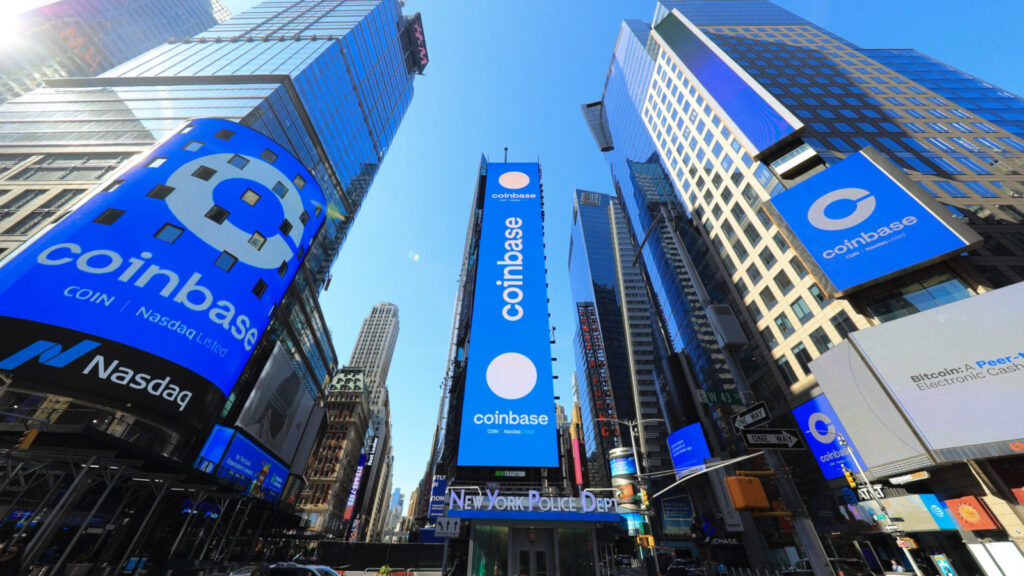
Coinbase’s layer-2 network Base has witnessed a remarkable surge in its Total Value Locked (TVL), soaring to $397.32 million since its launch in August.
This accomplishment now places Base ahead of the Solana network, which has a TVL of $358.96 million as of the current date.
The past month has proven to be a game-changer for Base, as data from DefiLlama indicates a staggering 97.21% increase in the network’s TVL over this period.
In stark contrast, Solana has experienced a decline of 9.64% in its TVL during the same timeframe.
Within the Base ecosystem, two native projects stand out as the dominant contributors to its TVL.
The decentralized exchange Aerodrome Finance leads the pack with an impressive TVL of $97.83 million. Following closely behind is the decentralized social media app Friend.tech, boasting a TVL of $36.53 million.
Aerodrome Finance was launched on August 28, allowing users to deposit liquidity and earn its native AERO tokens, among other features.
While it initially struggled to attract significant deposits, Aerodrome’s TVL skyrocketed on August 31, with a staggering $150 million pouring in on that day alone.
However, it has since experienced a cooling-off period, with the TVL decreasing by approximately 51% from its peak.
Friend.tech made its debut on August 11, offering a platform for users to tokenize their social networks through the buying and selling of “Keys.”
Despite facing challenges and being declared “dead” in late August due to declining user activity and fees, the platform saw a remarkable resurgence in September.
READ MORE: Creators Embrace Decentralized Platforms as Web3 Reshapes Adult Content Industry
DefiLlama reported a 540% increase in Friend.tech’s TVL over the past month, primarily driven by a pump that began on September 9, coinciding with a resurgence in daily trading volume.
Further down the list, Base’s TVL is mainly attributed to multi-network decentralized finance platforms such as Compound, Curve, and Uniswap.
Additionally, Base achieved a new peak in daily transactions, reaching 1.88 million on September 14, according to data from BaseScan.
This accomplishment positioned it well ahead of competing chains like Optimism and Arbitrum, which collectively recorded nearly 880,000 transactions on the same day.
While daily transactions have dipped to approximately 908,000 as of September 22, Base’s all-time high remains unscathed.
In summary, Coinbase’s Base network has experienced a meteoric rise in TVL, surpassing Solana in a short span.
This growth can be attributed to the success of native projects like Aerodrome Finance and Friend.tech, as well as a surge in daily transactions, solidifying Base’s position in the rapidly evolving world of blockchain and decentralized finance.
Other Stories:
ASIC Launches Legal Action Against Kraken’s Australian Operator Bit Trade
South Korea’s Cryptocurrency Holdings Surpass $98 Million, Dominating Overseas Assets
Bitcoin Holds Steady at $27,000 as Crypto Community Awaits Fed’s Decision
Dubai-based cryptocurrency exchange Bybit has revealed its decision to halt operations in the United Kingdom in response to impending regulations set forth by the country’s Financial Conduct Authority (FCA).
The exchange made this announcement on September 22, outlining a phased approach to suspending services for UK residents, commencing on October 1.
Beginning on October 1, Bybit will cease accepting new account applications from UK residents.
This initial step will be followed by further restrictions on October 8, which include suspending new deposits, prohibiting the creation of new contracts, and preventing changes to existing positions for their current user base.
The company’s decision to suspend services in the UK stems from the FCA’s introduction of new regulations governing marketing and communication practices within the cryptocurrency industry.
Bybit is opting to proactively embrace these regulations and temporarily halt operations in the UK market.
By doing so, Bybit aims to ensure compliance with the FCA’s rules, which are designed to establish clear, fair, and non-misleading marketing standards for crypto businesses.
Bybit’s timeline for winding down its services coincides with the FCA’s deadline for crypto asset firms marketing to UK users to fully comply with the specified rules.
The FCA initially unveiled these regulations in June and, on September 21, issued a reminder of the October 8 deadline while emphasizing the potential legal consequences for non-compliant firms.
READ MORE: Creators Embrace Decentralized Platforms as Web3 Reshapes Adult Content Industry
Bybit has expressed that the suspension of services in the UK will enable the company to direct its efforts and resources toward aligning with future UK regulatory requirements.
Notably, the FCA has suggested that certain firms may have until January 2024 to achieve compliance with the marketing rules, subject to prior approval from the regulator.
Earlier in May, Bybit undertook a similar winding-down process for its services in Canada, citing “recent regulatory developments” as the driving force behind the decision.
However, the company has also embarked on expansion efforts in various other regions.
Notably, it secured in-principle approval to operate as a cryptocurrency custody service provider in Kazakhstan in May, demonstrating its commitment to evolving in compliance with regulatory landscapes worldwide.
Other Stories:
Bitcoin Holds Steady at $27,000 as Crypto Community Awaits Fed’s Decision
South Korea’s Cryptocurrency Holdings Surpass $98 Million, Dominating Overseas AssetsASIC Launches
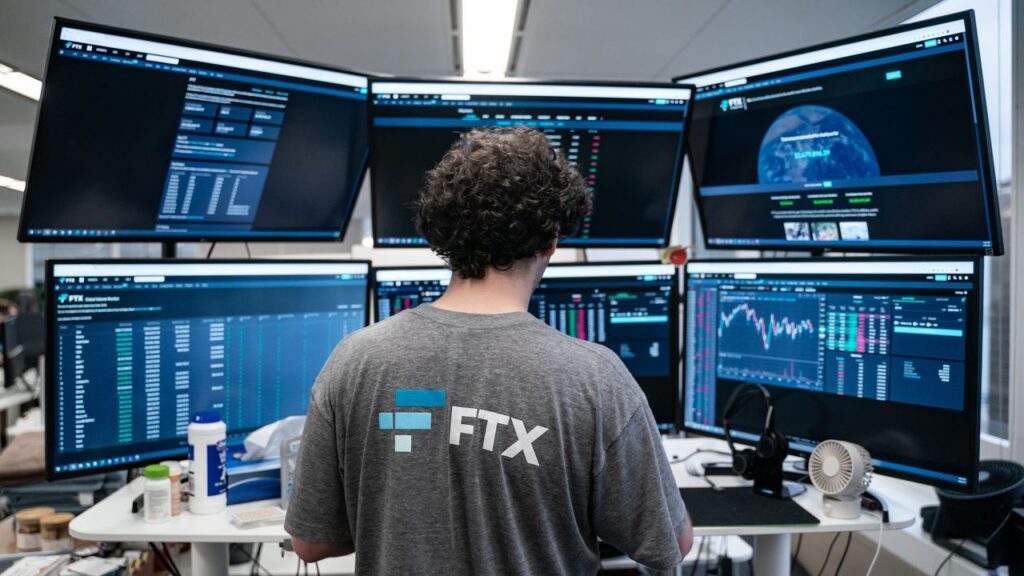
Architect Financial Technologies, a startup founded by former FTX US president Brett Harrison, is set to revolutionize the world of financial derivatives.
The National Futures Association (NFA) has granted approval to Architect Financial Derivatives, a subsidiary of Architect Financial Technologies, to operate as an independent introducing broker.
This milestone paves the way for Architect to provide derivatives brokerage services, targeting both the cryptocurrency derivatives and traditional markets, as stated by Harrison himself.
An introducing broker, per NFA guidelines, facilitates the solicitation and acceptance of orders for various financial instruments, such as futures contracts, commodity options, retail off-exchange forex contracts, and swaps. However, it does not handle customer funds directly.
Architect, in essence, is a software provider, with its focus firmly set on building regulated businesses within the exchange-traded derivatives landscape, encompassing not only crypto derivatives but derivatives on a broader scale.
The Architect trading platform is poised to offer a diverse range of derivatives trading options on exchanges regulated by the United States Commodity Futures Trading Commission (CFTC). Clearing services will be provided through trusted, regulated partners.
Moreover, qualified customers will gain access to more than 20 internationally recognized and regulated exchanges through the platform.
READ MORE: Bitcoin Holds Steady at $27,000 as Crypto Community Awaits Fed’s Decision
Brett Harrison initiated Architect Financial Technologies in January, securing $5 million in investment from notable backers, including Coinbase Ventures and Circle Ventures.
The company’s primary mission is to provide sophisticated trading software tailored for institutional investors.
Harrison’s track record in the financial industry is notable. As the former president of FTX US from May 2021 to September 2022, he led the company through significant milestones.
During his tenure, FTX US successfully completed a substantial $400-million funding round and unveiled plans to establish a stock trading platform.
His background, shared with former FTX CEO Sam Bankman-Fried, traces back to Jane Street Capital, highlighting a strong foundation in the financial sector.
In summary, Architect Financial Technologies, under the guidance of Brett Harrison, is gearing up to reshape the derivatives trading landscape.
With regulatory approvals in place and a commitment to offering cutting-edge solutions, the company is poised to serve both cryptocurrency and traditional markets, ushering in a new era of financial innovation.
Other Stories:
South Korea’s Cryptocurrency Holdings Surpass $98 Million, Dominating Overseas Assets
Creators Embrace Decentralized Platforms as Web3 Reshapes Adult Content Industry
ASIC Launches Legal Action Against Kraken’s Australian Operator Bit Trade
The forthcoming crypto bull run is poised to diverge significantly from its predecessor, and investors should exercise restraint in their anticipations of an imminent surge in cryptocurrency prices, according to Lars Seier Christensen, the founder of enterprise blockchain company Concordium, in a recent interview with Cointelegraph.
Despite the prevailing optimism in the crypto market surrounding the multitude of proposed spot Bitcoin (BTC) exchange-traded funds (ETFs), Christensen remains skeptical about their immediate impact on crypto markets.
He emphasizes that even if a Bitcoin rally does materialize, it does not guarantee a simultaneous surge in all crypto assets.
Christensen suggests that older altcoins like Ethereum may not experience a similar rally, contrary to expectations.
While digital asset prices have experienced a slump over the past 18 months, there remains an unwavering corporate interest in blockchain technology.
Consequently, Christensen envisions the next phase of industry growth to be marked by gradual, steady progress rather than the explosive price surges seen in 2021.
He notes that corporate entities require cryptocurrencies primarily for executing activities on specific blockchains, rather than solely for speculative gains.
However, not everyone shares Christensen’s perspective.
Ben Simpson, the founder of crypto education platform Collective Shift, argues that various data and indicators suggest the early stages of a Bitcoin bull market.
He points to metrics like the drawdown from the all-time high chart and market-value-to-realized-value ratio, which often precede bull markets.
Simpson identifies Bitcoin, Ether (ETH), and application-specific tokens, particularly those related to gaming, as assets poised for significant growth.
He also mentions DeFi tokens as offering substantial upside potential.
READ MORE: Bybit Unveils Automated Risk Management Tool ‘Perp Protect’
The crypto industry has faced challenges in recent years, including a more hawkish Federal Reserve and the high-profile collapses of platforms like FTX and Celsius Network, resulting in decreased investments and falling crypto asset prices.
However, eToro Markets analyst Josh Gilbert is optimistic, anticipating a resurgence in the crypto market as central banks worldwide consider lowering interest rates.
Looking ahead, 2024 appears promising for Bitcoin and the broader crypto market, driven in part by the Bitcoin halving event.
Still, market analyst Tina Teng from CMC Markets advises caution, emphasizing the need for a conducive macroeconomic environment and central banks’ willingness to provide liquidity to markets for a true bull market to emerge.
Teng points out that the previous crypto market boom coincided with the Fed’s rate cut cycle rather than a rate hike cycle.
She underscores the significance of Bitcoin breaking through the 50-day moving average for a new bull market thesis to gain validation.
Teng concludes by highlighting ongoing concerns related to government bond yields and inverted bond yields, signaling economic uncertainty.
Other Stories:
Binance.US Faces Record-Low Trading Activity Amid Mounting Regulatory and Internal Challenges
US House Financial Services Committee Advances Bills to Regulate Central Bank Digital Currency
SEC Faces Setback as Judge Denies Immediate Access to Binance.US Software
Toronto, Canada, September 25th, 2023, Chainwire
TYRION, an innovative force in the realm of decentralized digital advertising, proudly announces the launch of its revolutionary blockchain advertising technology. This launch marks a radical shift in an aging industry that has seen little innovation in the past decade–and that is currently centralized and dominated by two tech behemoths.
In the age of digital marketing, and certainly in the world of crypto and blockchain, challenges such as lack of transparency, data privacy concerns, ever-declining ROI, and fraud have been pervasive. Tyrion aims to revolutionize this space by offering a decentralized solution that addresses these challenges head-on, fostering an ecosystem of trust, transparency, user empowerment, and user reward.
At the core of this platform lies the $TYRION token, designed to seamlessly integrate and support every facet of the platform’s operations. $TYRION is not just another crypto token, it is the lifeblood of the new digital marketing paradigm–and serves as the primary mode of transaction while incentivizing active participation, ad moderation, and establishing credibility within the ecosystem.
Tyrion not only aims to disrupt the digital advertising industry, but looks to improve upon the virality potential of advertising campaigns. Tyrion allows anyone, on any platform to be an advertiser–in essence, transforming the entire digital world into a potential billboard.
Key Features of TYRION
Social Platform Integration: Tyrion integrates with platforms like YouTube, Twitter, Discord and Telegram, bridging the gap between decentralized advertising and the heart of modern digital communities.
Staking & Moderation: Token holders can stake with Ad Publishers and actively participate in ad moderation, ensuring quality and integrity.
Analytics: Robust analytics tools for advertisers and Ad Publishers to track performance metrics.
Integrated Secure Payment System: Advertisers and Ad Publishers can transact using the TYRION token, ensuring a consistent value flow within the ecosystem, as well as security of all transactions.
Empowered Governance: TYRION token holders can participate in the platform’s decision-making processes, ensuring it remains community-driven.
Referral System & Virality: A reward-based referral system to drive platform adoption and amplify its user base.
Deflationary Mechanism: 2% of all ad revenue is burned, making $TYRION a deflationary token, which, coupled with increasing demand, fosters economic stability.
The Tyrion team itself boasts a leadership that has been in the crypto space for over half a decade, which is an eternity in the blockchain industry. Tyrion’s executives are a who’s who of prominent entrepreneurs, innovators, and communications specialists–with accomplishments ranging from working on a data server for a Lunar mission, building a social media network alongside Intel Capital, and producing television content for major global networks.
The team is not only bolstered by a vision but also by strategic partnerships with major marketing firms and leading web3 platforms. These alliances ensure that the Tyrion platform remains at the cutting edge of both advertising strategies and blockchain technology.
“For too long, the digital advertising industry has been dominated by centralized entities that prioritize profits over transparency and user experience. With Tyrion, we’re taking the power back and putting it into the hands of the community. Our platform stands as a testament to what’s achievable when technology and vision converge,” says Patrick Gajda, CEO of Tyrion.
In the lead-up to this launch, TYRION has been making waves in the crypto community. The platform’s roadmap showcases a series of advancements, with many more promising developments to come.
As decentralized platforms become the standard in the advertising world, TYRION is set to be recognized as a pioneer driving this transformative shift. With its focus on trust, transparency, and community empowerment, Tyrion isn’t just heralding the future of advertising; it’s shaping it.
Crypto news outlets and enthusiasts are encouraged to keep a close watch on Tyrion as it disrupts the digital marketing paradigm and offers a glimpse into the future of decentralized advertising.
About TYRION
TYRION is a cutting-edge decentralized advertising platform that leverages the power of blockchain technology to bring transparency, trust, and efficiency to digital marketing. With its native $TYRION token, the platform offers a plethora of features tailored to the needs of advertisers, publishers, and users.
For more information: Website | Twitter (X) | $TYRION Token
Contact
VP of Communications
Cale Tompkins
TYRION
[email protected]
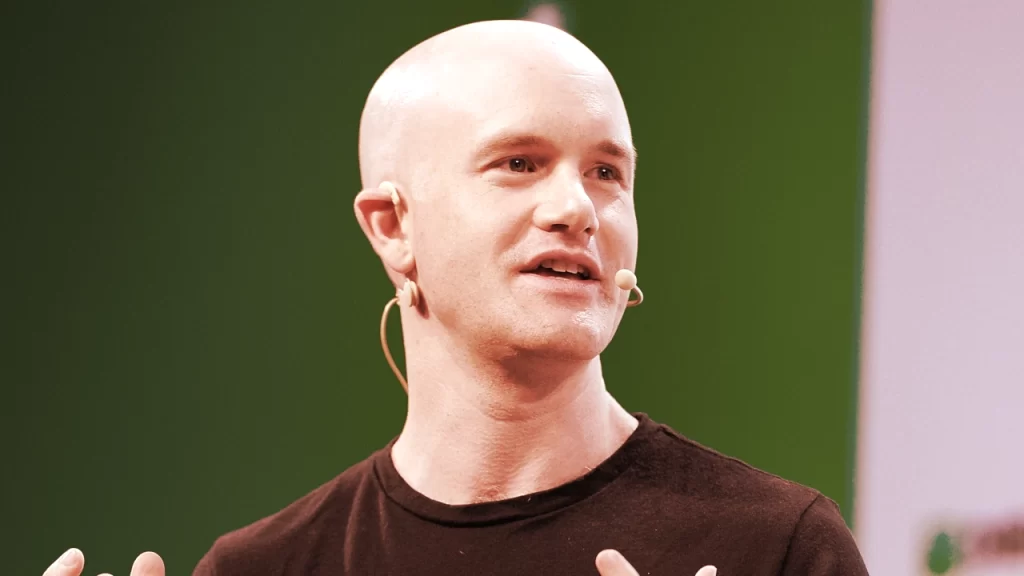
Coinbase, a leading cryptocurrency exchange, has achieved a significant milestone in its European expansion by securing Anti-Money Laundering (AML) compliance registration from the Bank of Spain.
This development, announced on September 22, paves the way for Spanish users to securely manage their crypto assets on the platform while conducting cryptocurrency transactions in euros.
With this registration, Coinbase can now offer its full range of services to both retail and institutional users in Spain while adhering to the country’s legal framework.
The move comes as a response to the growing interest in digital assets among Spanish citizens, with a noteworthy 29% of adults believing that cryptocurrencies represent the future of finance.
In an intriguing revelation, cryptocurrency has emerged as the second-most-preferred payment method in Spain, surpassing traditional bank transfers.
This underscores the increasing adoption and trust in cryptocurrencies as a means of conducting financial transactions.
Nana Murugesan, Coinbase’s Vice President of International and Business Development, emphasized the exchange’s commitment to regulatory compliance worldwide.
Coinbase has been actively pursuing regulatory approvals and compliance measures in various countries, including Italy, Ireland, the Netherlands, Singapore, Brazil, and Canada.
READ MORE: IRM Report Highlights Bitcoin’s Potential as a Driver of Global Energy Transition
Coinbase’s achievement in Spain closely follows Crypto.com’s regulatory approval in the country, highlighting the continued growth of the cryptocurrency industry in the region.
The Bank of Spain had previously issued guidelines in October 2021 outlining the steps that crypto service providers should take to ensure AML compliance, reinforcing its commitment to combating illicit activities within the crypto space.
In line with its European expansion efforts, Coinbase made two attempts to acquire the defunct crypto exchange FTX Europe in November 2022 and September 2023.
This strategic move aligns with the European Parliamentary Research Service’s call for stricter oversight of the global crypto market by non-European regulators.
As the Markets in Crypto-Assets Regulation (MiCA) Act approaches its implementation deadline in December 2024, the EPRS emphasizes the need for a robust regulatory framework in non-EU jurisdictions to safeguard the EU’s financial system and autonomy.
Coinbase’s successful registration with the Bank of Spain marks another significant step in the cryptocurrency exchange’s global journey, solidifying its presence in Europe while complying with evolving regulatory standards in the crypto industry.
Other Stories:
Alchemy Pay Secures Key U.S. Money Transmitter License, Expanding Crypto-to-Fiat Services
South Korean City Aims to Become a Leading Blockchain Hub with $75 Million Investment
CBDC Anti-Surveillance State Act Clears Hurdle, Advances to Congressional Vote

The European Parliamentary Research Service (EPRS) has emphasized the critical importance of enhanced oversight from non-European Union (EU) regulators in order to foster greater stability and growth within the global cryptocurrency market.
With the Markets in Crypto-Assets Regulation (MiCA) Act on track for implementation by December 2024, a recent EPRS report underscores the necessity of establishing a more robust regulatory framework in non-EU jurisdictions.
The report underlines that the EU’s financial system and autonomy remain vulnerable to policy actions taken by non-EU countries, particularly in areas where MiCA is applicable.
The report raises significant concerns regarding potential repercussions on financial stability, the diminished attractiveness of the crypto market, and the mainstream adoption of stablecoins. These concerns underscore the urgency of addressing regulatory disparities on a global scale.
One of the key observations made in the report pertains to the United States, where a fragmented regulatory landscape prevails.
The presence of various state-level and federal stakeholders creates a complex web of regulations, indirectly impacting legal clarity and regulatory certainty within the crypto industry.
This fragmentation has the potential to hinder the growth and development of the sector.
The report also sheds light on the United Kingdom’s Financial Services and Markets Act, which, according to a study conducted for the European Parliament, is anticipated to diverge significantly from EU regulations concerning crypto-assets in the coming years.
READ MORE: Bybit Unveils Automated Risk Management Tool ‘Perp Protect’
This divergence could introduce additional challenges for market participants operating in both the UK and the EU.
Highlighting the global scope of regulatory adaptation, the Malta Financial Services Authority (MFSA) initiated a public consultation on September 18th to align its crypto regulations with the forthcoming MiCA regulations.
The proposed revisions aim to harmonize rules governing exchanges, custodians, and portfolio managers with the EU’s MiCA regulations, reflecting the evolving international regulatory landscape.
In conclusion, the EPRS report underscores the critical need for international collaboration and alignment in cryptocurrency regulation.
As the EU moves forward with MiCA implementation, it becomes increasingly vital for non-EU jurisdictions to adopt compatible regulatory frameworks to ensure a stable, secure, and globally accessible cryptocurrency market.
The report serves as a timely reminder of the interconnected nature of the crypto industry and the importance of consistent regulatory standards to support its continued growth and maturation.
Other Stories:
SEC Faces Setback as Judge Denies Immediate Access to Binance.US Software
US House Financial Services Committee Advances Bills to Regulate Central Bank Digital Currency
Binance.US Faces Record-Low Trading Activity Amid Mounting Regulatory and Internal Challenges
The market for bankruptcy claims has displayed a robust appetite for the debts of the defunct cryptocurrency exchange, FTX, with major credit investors rushing to acquire FTX debts.
As reported by Bloomberg on September 21, 2023, investors such as Silver Point Capital, Diameter Capital Partners, and Attestor Capital have collectively purchased over $250 million worth of FTX debts this year, based on an in-house analysis of public court filings.
Notably, FTX’s debt has attracted interest from investors like Hudson Bay Capital Management, which acquired a $23 million FTX claim and subsequently sold approximately 50% of it to Diameter.
This growing demand has led to a surge in the prices of some FTX claims throughout the year. Certain lower-ranking FTX claims have seen a remarkable 191% increase, climbing from $0.12 in early 2023 to approximately $0.35 in recent weeks, according to data from the crypto debt broker Claims Market.
The historical indicative prices of “bid” and “ask” for larger FTX claims have also experienced an upward trend this year, as reported by Claims Market’s charts.
Investors are accumulating FTX claims with the expectation that the firm’s bankruptcy proceedings will unlock additional value when resolved.
However, it’s worth noting that major bankruptcies can take years to unravel, making it challenging to assess the final worth of a collapsed company, especially in the volatile world of cryptocurrency.
Some bankruptcy claim investors believe that the total value of all traded FTX claims may exceed the $250 million reported in public court records.
READ MORE: SEC Faces Setback as Judge Denies Immediate Access to Binance.US Software
Thomas Braziel, a bankruptcy claims investor, suggested that buyers and sellers often delay filing paperwork for debt trades.
He mentioned being aware of individual FTX claims surpassing $100 million, likening FTX to historical financial collapses like Lehman and Madoff.
In addition to debt claims, many investors are acquiring the rights to FTX crypto accounts that still hold assets trapped on the platform since FTX suspended withdrawals in November 2022.
Debt investment firm Contrarian Capital Management, for instance, acquired an FTX account containing a substantial amount of Bitcoin and Ether, alongside $430,000 in cash.
The phenomenon of protracted crypto bankruptcies is not unique to FTX; for instance, Mt. Gox, a major crypto exchange hacked in 2014, has once again extended the deadline for returning Bitcoin holdings to investors by another year. At the time of writing,
Bitcoin’s value has surged over 3,000% since the Mt. Gox hack, underlining the long-lasting repercussions of such incidents.
The backdrop of these developments is FTX’s ongoing restructuring efforts, with executives urging investors to complete the claims process via the FTX Customer Claims Portal by the September 29, 2023 deadline.
Other Stories:
Binance.US Faces Record-Low Trading Activity Amid Mounting Regulatory and Internal Challenges
US House Financial Services Committee Advances Bills to Regulate Central Bank Digital Currency

Amsterdam, Netherlands, September 25th, 2023, Chainwire
New crypto project ‘Meme Kombat’ has announced the presale of its native token is now live, in a September 21st tweet from its official X account @Meme_Kombat.
$MK token is able to be purchased at memekombat.io priced at $1.667, using ETH, USDT or BNB. Presale investors can use a range of wallets including MetaMask, Trust Wallet, Coinbase Wallet, OKX wallet, Ledger Live, Rainbow Wallet and a number of other WalletConnect options.

What Is Meme Kombat?
According to the project’s whitepaper, Meme Kombat is a gaming platform that ‘brings together the exciting world of memes and the competitive thrill of battle arenas. By leveraging cutting-edge technology and the decentralized power of the Ethereum network, Meme Kombat aims to create a unique and engaging gaming experience.’

Within the Meme Kombat ecosystem and its in-game arena, players engage in battle with characters represented by popular internet memes – from Pepe the Frog to Wojak – all brought to life by AI and powered by its core currency $MK.
Wagering & Staking (Live Now)
Combatants can then stake and wager tokens on the outcomes of those battles, adding a play to earn dynamic as well as opportunities to yield farm for passive income.
During the presale buyers can already stake their tokens, for an APY of 112% at present time, September 25th, 2013.
The new cryptocurrency’s high APY and P2E utility are already seeing it gain traction across crypto news media and the Web3 space – including on Cointelegraph, CryptoPotato and other outlets – and approximately $60,000 has already been raised.

Tokenomics
$MK has a capped maximum supply of 12,000,000 tokens, with 50% allocated to the presale, 30% to staking and battle rewards, 10% to additional community rewards, and 10% to locked DEX liquidity.
The Meme Kombat presale has set a $1 million soft cap target and a $10 million hard cap.
Team
Unlike many new cryptocurrency projects in the meme coin sector, the core team behind Meme Kombat are public and transparent – connect with project founder Matt Whiteman via LinkedIn.
Matt was formerly the CEO at Phat Loot DeFi and COO at North Technologies B.V.
Links
- Website – https://www.memekombat.io/
- Telegram – https://t.me/MemeKombatToken
- Twitter – https://twitter.com/Meme_Kombat/
Contact
Meme Kombat
[email protected]