


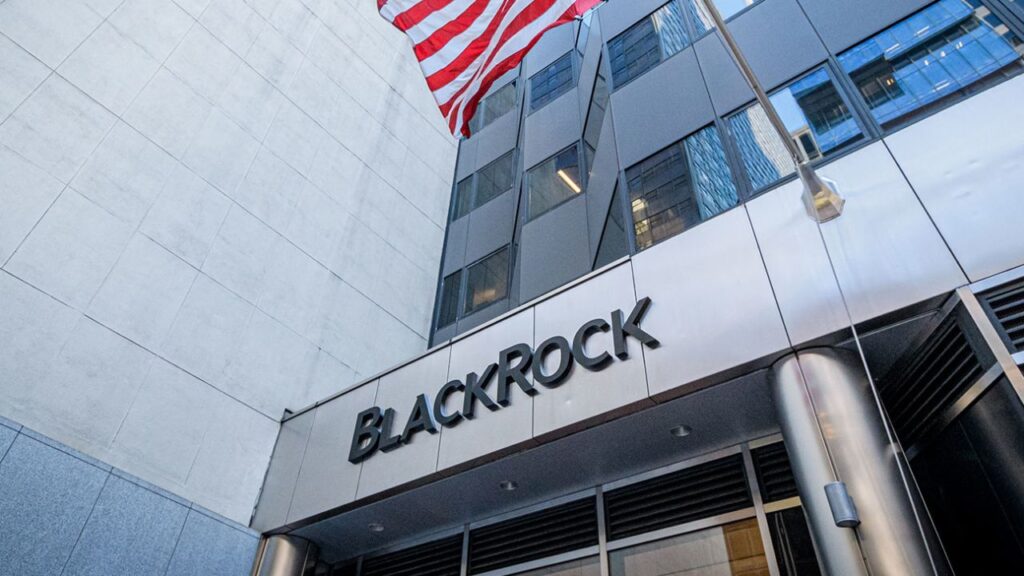
As of February 27, 2025, BlackRock’s iShares Bitcoin Trust (IBIT) has experienced unprecedented investor withdrawals, with $420 million exiting the fund in a single day. This significant outflow coincides with Bitcoin’s price reaching yearly lows, intensifying concerns within the cryptocurrency investment community.
Record-Breaking Single-Day Withdrawal
On February 26, IBIT saw an outflow of 5,000 BTC, marking its largest single-day withdrawal since its inception in 2024. This event surpassed the previous record set on January 2, when $332 million was withdrawn. The recent outflow is part of a seven-day streak, during which nearly $3 billion has been pulled from cryptocurrency investment products.
Industry-Wide Impact
The trend isn’t isolated to BlackRock. Fidelity’s Wise Origin Bitcoin Fund (FBTC) also reported a seven-day outflow streak, with an additional $145.7 million withdrawn on February 26. Other major funds, including those managed by Bitwise, Ark 21Shares, Invesco, Franklin, WisdomTree, and Grayscale, have experienced outflows ranging from $10 million to $60 million.
Market Analysts’ Perspectives
Despite the substantial withdrawals, some industry experts view this as a temporary fluctuation. Nate Geraci, President of ETF Store, described the event as a “shorter-term blip.” Similarly, CryptoQuant’s CEO, Ki Young Ju, cautioned against panic selling, emphasizing that a 30% correction is typical in a Bitcoin bull cycle, referencing a 53% drop in 2021 followed by a recovery to an all-time high.
Hedge Funds and Arbitrage Opportunities
Analysts such as BitMEX co-founder Arthur Hayes and 10x Research’s head of research Markus Thielen suggest that the majority of Bitcoin ETF investors are hedge funds seeking arbitrage opportunities rather than long-term holdings. As these opportunities diminish, these funds are unwinding their positions, contributing to the current outflow trend.
Bitcoin’s Price Performance
The cryptocurrency market has been under pressure, with total capitalization falling by 5.6% in a single day to $2.9 trillion. Bitcoin’s price dropped to a low of $82,455 on February 26, marking a 25% correction since its all-time high on December 17. As of now, Bitcoin is trading at $86,467, reflecting a 2.46% decrease from the previous close.
Investor Sentiment and Future Outlook
While the recent outflows and price declines have raised concerns, seasoned investors recognize that such volatility is inherent in the cryptocurrency market. Historical patterns indicate that significant corrections can precede substantial gains. As the market continues to evolve, investors are advised to stay informed and consider long-term trends over short-term fluctuations.
In summary, BlackRock’s iShares Bitcoin Trust has faced record-setting outflows amid a broader market downturn. While some analysts view this as a temporary adjustment, the situation underscores the importance of understanding market dynamics and maintaining a long-term perspective in cryptocurrency investments.
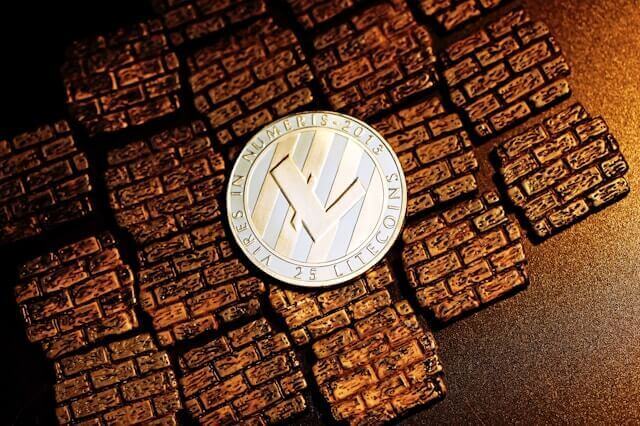
As of February 27, 2025, Litecoin (LTC) has demonstrated remarkable resilience, with its price climbing over 9% in the past 24 hours to reach $127.85. This surge stands in contrast to the broader cryptocurrency market, which has seen a 3% decline during the same period. Several key developments have contributed to Litecoin’s recent upward trajectory.
Introduction of the “.ltc” Domain Extension
A significant catalyst for Litecoin’s price appreciation is the launch of its official domain extension, “.ltc,” in collaboration with Unstoppable Domains. Announced on February 25, 2025, this initiative aims to enhance user experience by allowing personalized blockchain-based addresses, thereby simplifying transactions and reducing errors associated with traditional alphanumeric wallet addresses.
This move mirrors Ethereum’s successful “.eth” domains, which have become integral to Web3 identity solutions. Since the announcement, Litecoin’s price has risen approximately 22%, reflecting renewed investor optimism.
Strengthening Performance Against Bitcoin
Litecoin has also exhibited strength relative to Bitcoin (BTC), the leading cryptocurrency by market capitalization. The LTC/BTC trading pair has appreciated by about 40% year-to-date, outperforming major altcoins such as Ethereum (ETH) and Solana (SOL), which have experienced declines of over 24% and 20%, respectively, against Bitcoin. This robust performance indicates growing confidence in Litecoin’s market position and potential.
Anticipation of a Litecoin Exchange-Traded Fund (ETF)
Market sentiment has been further bolstered by speculation surrounding the potential approval of a Litecoin-based exchange-traded fund (ETF). Eric Balchunas, a senior ETF analyst at Bloomberg, recently estimated a 90% probability of a Litecoin spot ETF being approved in 2025. Additionally, the U.S. Securities and Exchange Commission (SEC) acknowledged CoinShares’ filing for a spot Litecoin ETF on February 19, bringing the prospect closer to reality. Historically, the anticipation of ETF approvals has led to increased buying activity, as seen with Bitcoin and Ethereum prior to their ETF launches in 2024.
Enhanced Network Fundamentals
Beyond market speculation, Litecoin’s network fundamentals have shown significant improvement. The network’s hashrate reached an all-time high of 2.25 petahashes per second (PH/s), indicating increased security and miner confidence. On-chain data reveals that miners have been accumulating LTC, reducing selling pressure and potentially leading to a supply squeeze. This accumulation suggests a positive outlook among miners regarding Litecoin’s future value.
Technical Analysis and Future Projections
From a technical standpoint, Litecoin’s price action suggests the potential for further gains. The formation of an inverse head and shoulders pattern, a classic bullish reversal indicator, points toward a possible rally to $160 by March 2025. This pattern, combined with increasing trading volumes and positive momentum indicators, supports the case for continued upward movement. However, traders should remain cautious, as failure to sustain levels above key support areas could lead to retests of lower price points.
Conclusion
Litecoin’s recent price surge can be attributed to a confluence of factors, including the introduction of the “.ltc” domain extension, strong performance against Bitcoin, anticipation of a spot ETF approval, and strengthening network fundamentals. While these developments paint a positive picture, investors are advised to conduct thorough research and consider market volatility before making investment decisions.

ARK Invest, led by prominent investor Cathie Wood, has made significant adjustments to its cryptocurrency-related portfolio amid the recent downturn in the crypto market. The firm has purchased $8.7 million worth of Coinbase (COIN) shares, while simultaneously selling $8.6 million of its Bitcoin ETF holdings. This move highlights ARK’s strategic positioning in response to the fluctuating digital asset landscape.
ARK’s Shift in Crypto Investments
According to recent trading data, ARK Invest purchased 133,991 Coinbase shares, worth approximately $8.7 million, across its three funds:
- ARK Innovation ETF (ARKK)
- ARK Next Generation Internet ETF (ARKW)
- ARK Fintech Innovation ETF (ARKF)
At the same time, the firm offloaded approximately 270,273 shares of its ARK 21Shares Bitcoin ETF (ARKB), amounting to $8.6 million. The decision to reduce Bitcoin ETF exposure while increasing Coinbase holdings indicates a recalibration of ARK’s crypto-related strategy, possibly influenced by market trends, regulatory factors, and broader macroeconomic conditions.
Coinbase as a Preferred Crypto Investment
ARK’s continued investment in Coinbase suggests a long-term bullish stance on the exchange despite ongoing regulatory scrutiny from the U.S. Securities and Exchange Commission (SEC). Coinbase has remained a key player in the cryptocurrency ecosystem, benefiting from its established position as a regulated and publicly traded exchange in the U.S.
Coinbase’s stock price has experienced volatility, largely mirroring the broader crypto market. However, Cathie Wood and her firm have consistently viewed it as a strong infrastructure play, betting on the platform’s ability to grow despite regulatory hurdles.
Why Sell Bitcoin ETF Holdings?
The decision to trim ARKB’s Bitcoin holdings could be attributed to a number of factors:
- Short-Term Market Correction: Bitcoin prices have recently experienced downward pressure, prompting some investors to reduce exposure in the short term.
- Profit-Taking Strategy: Given the strong performance of Bitcoin ETFs earlier in the year, ARK may be securing gains while reallocating capital to stocks like Coinbase.
- Regulatory Considerations: The evolving regulatory landscape surrounding Bitcoin ETFs could also play a role in the decision, as investors weigh potential future developments in U.S. policy.
The Broader Market Context
ARK’s trading activity comes amid a broader crypto market correction, with Bitcoin and other digital assets facing declines due to a combination of macroeconomic concerns, regulatory developments, and investor sentiment shifts. The recent crypto sell-off has seen Bitcoin struggling to maintain key support levels, affecting related stocks and funds.
Despite these short-term fluctuations, Cathie Wood has remained a strong advocate for Bitcoin and blockchain technology, often predicting long-term bullish scenarios for the sector. Her firm’s investment strategy reflects a careful balancing act between maintaining exposure to Bitcoin and supporting companies like Coinbase that facilitate the crypto economy.
What’s Next for ARK and Crypto Investments?
Moving forward, ARK Invest’s strategy will likely continue evolving in response to market conditions. If Bitcoin’s price stabilizes, the firm may revisit its Bitcoin ETF holdings. Meanwhile, Coinbase’s performance—especially in light of regulatory battles and market adoption—will be closely watched.
For now, ARK’s latest trades highlight a calculated approach to crypto investment, emphasizing infrastructure over direct exposure while navigating market turbulence. Whether this shift proves to be a profitable strategy will depend on how both Coinbase and Bitcoin’s price action unfold in the coming months.
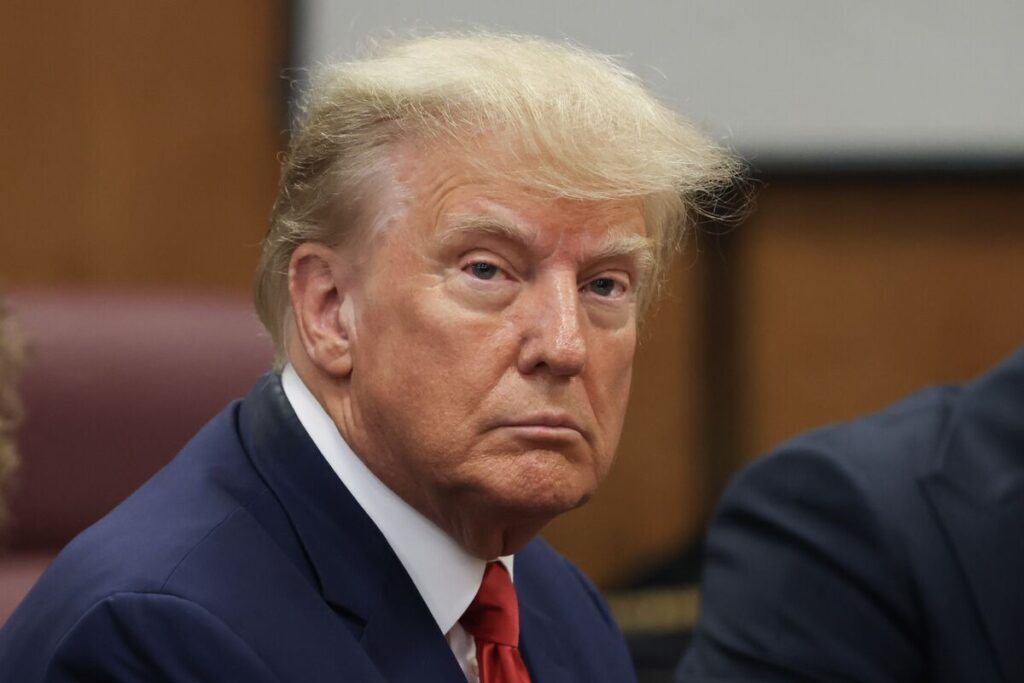
Bitcoin is poised to rebound sharply in March and could potentially reclaim the $105,000 level, as Donald Trump has decided that tariffs will be delayed until a report is released on 1 April.
In a recent interview with CNBC, White House economic adviser Kevin Hassett announced that President Donald Trump will finalize decisions on tariff policies for all countries, including Mexico and Canada, following the release of a study on April 1.
Hassett stated, “The schedule is that there’s a study coming out on April 1 and after that the president is going to decide what to do about tariff policies for all countries.”
This announcement has introduced uncertainty into global markets, particularly affecting the cryptocurrency sector. Bitcoin, the world’s largest cryptocurrency, has experienced a significant decline, dropping over 20% from its January peak of $109,225 to trade below $85,000 as of February 27, 2025.
This downturn is attributed to concerns over potential tariffs and broader economic instability.
Analysts have noted that the combination of unmet expectations regarding pro-crypto policies under the Trump administration and recent macroeconomic uncertainties, such as trade tensions and inflation fears, have contributed to this decline. Additionally, a recent $1.5 billion hack of the Bybit exchange has further eroded investor confidence in the cryptocurrency market.
The impending decision on tariffs has also impacted traditional financial markets. U.S. Treasury yields have fluctuated, with the two-year yield rising to 4.09% after hitting a low of 4.065% in the prior session, and the 10-year yield climbing to 4.2772% from a 2.5-month trough of 4.245%. These movements reflect investor caution amid the uncertainty surrounding trade policies.
As the April 1 deadline approaches, markets worldwide are closely monitoring the situation. The potential implementation of tariffs could have far-reaching implications for global trade and economic stability, influencing both traditional and digital asset markets.

In a significant show of support for privacy-focused development, the Ethereum Foundation (EF) has pledged $1.25 million to the legal defense of Alexey Pertsev, a key developer behind the cryptocurrency-mixing service Tornado Cash. This donation reflects the ongoing debate surrounding the legal accountability of open-source developers and the broader implications for the cryptocurrency industry.
The Case Against Alexey Pertsev
Alexey Pertsev was arrested in August 2022 in the Netherlands due to his involvement with Tornado Cash, a privacy-enhancing tool built on Ethereum. Authorities have alleged that the platform facilitated illicit transactions, including money laundering activities.
Tornado Cash operates by breaking the link between sender and receiver addresses on Ethereum, enhancing transaction privacy. While privacy advocates argue that such technology is essential for financial autonomy, regulators claim that it can be used to obscure the origins of illicit funds.
His arrest sparked industry-wide outrage, as many believe that prosecuting developers for creating open-source tools sets a dangerous precedent. The case has been viewed as a litmus test for the future of privacy-focused blockchain applications and the responsibilities of developers in decentralized finance (DeFi).
Ethereum Foundation’s Stance on Developer Rights
By donating $1.25 million, the Ethereum Foundation is reinforcing its position in favor of open-source development and privacy protections. The foundation, which supports the growth of the Ethereum ecosystem, has long been an advocate for decentralized technologies and their potential to revolutionize global finance.
This donation signifies that EF is willing to take a firm stand against what many see as overreach by regulatory authorities. It also sends a strong message that developers should not be held personally liable for how their tools are used by the public.
Industry and Community Reactions
The cryptocurrency community has largely rallied behind Pertsev, with numerous developers and privacy advocates calling for greater legal protections for those working on decentralized technologies. Many argue that criminalizing code—especially when it is open-source—could stifle innovation and discourage the creation of privacy-preserving financial tools.
Ethereum co-founder Vitalik Buterin has previously spoken about the importance of privacy in blockchain technology, emphasizing that financial anonymity is a fundamental right. Many within the Ethereum ecosystem believe that developers should not be treated as criminal facilitators simply for creating software.
The Broader Implications for Crypto Development
The outcome of Pertsev’s case could have far-reaching consequences for the future of blockchain development. If courts rule against him, it could establish a legal precedent that developers can be held responsible for how their technology is used, even if they had no control over its deployment.
Such a ruling could lead to stricter regulations on privacy-focused projects and discourage the creation of open-source blockchain tools. On the other hand, if the case results in a favorable outcome for Pertsev, it may strengthen the argument that developers should not be prosecuted for writing code.
A Defining Moment for Crypto Privacy
The Ethereum Foundation’s financial backing for Pertsev’s legal defense underscores how pivotal this case is for the crypto industry. As governments worldwide push for increased oversight of cryptocurrency transactions, the battle between financial privacy and regulatory enforcement continues to intensify.
Regardless of the outcome, this case will likely shape how privacy tools are developed, regulated, and defended in the future. For now, the Ethereum Foundation’s support sends a clear signal: the crypto industry is willing to fight for the rights of developers and the principles of decentralization.

While Bitcoin and other major cryptocurrencies have struggled in recent days, Litecoin (LTC) has seen a surprising rally. The altcoin has managed to outperform the market, gaining momentum despite broader bearish sentiment.
Why Is Litecoin Surging?
The unexpected price jump has been attributed to:
- Network activity growth, with increasing LTC transactions.
- Speculation on upcoming developments within the Litecoin ecosystem.
- Hedge against Bitcoin’s downturn, as some traders rotate capital into LTC.
Market analyst Tom Brown remarked: “Litecoin’s resilience in the face of a broader market correction is impressive. It remains one of the most undervalued assets.”
Can LTC Sustain This Rally?
While Litecoin’s rally is notable, sustaining its upward momentum will depend on whether Bitcoin’s decline stabilizes or accelerates further.

Chromia is set to launch its Mimir Upgrade on March 25, unveiling one of the world’s first decentralized vector databases. This breakthrough will provide blockchain-based AI applications with a viable alternative to centralized storage solutions.
Artificial intelligence models like GPT and DeepSeek have driven significant public interest and investment. Despite this, a critical aspect of AI infrastructure—the vector database—often remains overlooked. These databases enhance AI’s ability to handle language efficiently by enabling essential functions such as similarity searches, long-term memory, and text retrieval.
Typically, vector databases rely on cloud-based storage, raising concerns about centralization and transparency. Chromia aims to disrupt this norm with the Mimir Upgrade, allowing blockchain and AI projects to store and retrieve vector embeddings directly on-chain.
“In most cases, using a vector database means relying on centralized infrastructure,” said Johnson Lai, Chromia’s Head of Data and AI. “We’re going to change that. With the Mimir Upgrade, projects operating at the intersection of blockchain and AI will be able to store and access their vectorized data directly on Chromia.”
This innovation is powered by Chromia’s relational blockchain architecture, which is optimized for managing large datasets. Its structure enables efficient data storage, search, and modification, making the integration of a vectorized layer possible—something traditional blockchains struggle to support.
The Mimir Upgrade is part of Chromia’s broader mission to enhance blockchain-enabled AI. The initiative builds on previous developments, including the launch of a $20 million Data and AI Ecosystem Fund and the integration of Python, a widely used programming language for AI. Earlier this year, Chromia introduced EVAL Engine via Virtuals Protocol, a tool designed to assess AI agent interactions and monitor performance degradation.
Following this upgrade, Chromia plans to further expand its decentralized AI capabilities, strengthening collaborations across both Web2 and Web3. For more details, visit www.chromia.com.

Bitcoin’s recent price movements have left traders uncertain, with some analysts warning that the bottom may not be in yet. Many traders are now eyeing the $74,000 zone as a key level for a potential pullback.
Trump’s EU Tariff Threat Adds to Market Volatility
Global markets, including cryptocurrencies, faced turbulence following Donald Trump’s renewed tariff threats against the European Union. This geopolitical uncertainty has led to increased risk aversion in traditional and digital asset markets.
Crypto trader Jane Smith noted: “Bitcoin remains in a fragile position. If macroeconomic pressures continue, a deeper correction could be on the horizon.”
What’s Next for BTC?
Traders are closely monitoring key support levels, with $74K emerging as a critical area. A breakdown below this level could trigger further downside, while a bounce could reignite bullish momentum.
In a significant move reflecting the evolving landscape of digital finance, Bank of America (BoA) has expressed openness to issuing its own dollar-pegged stablecoin, contingent upon obtaining regulatory approval and the establishment of clear legal frameworks. This development underscores the growing interest of traditional financial institutions in integrating blockchain technology and digital currencies into their services.
Embracing Digital Innovation
BoA’s consideration of a stablecoin aligns with its broader strategy to enhance digital offerings. The bank has been investing heavily in digital tools and technology, aiming to meet the changing needs of its customers. Despite this digital push, BoA emphasizes the continued importance of in-person services for complex financial needs, indicating a balanced approach to modernization.
Regulatory Landscape and Industry Perspectives
The potential launch of a BoA stablecoin comes at a time when regulatory sentiments toward digital currencies are shifting. Federal Reserve Governor Christopher Waller has highlighted the potential of stablecoins to extend the reach of the U.S. dollar, advocating for a clear regulatory framework that would allow both banks and non-banks to issue dollar-pegged digital currencies. Similarly, Federal Reserve Chair Jerome Powell has affirmed the central bank’s support for developing such frameworks, emphasizing the need for clear guidelines to ensure stability and trust in the financial system.
Industry leaders are also weighing in on the discussion. Circle CEO Jeremy Allaire has called for mandatory U.S. registration of all dollar-backed stablecoin issuers, arguing that non-U.S. providers should not be allowed to circumvent American regulations while serving U.S. customers. This perspective highlights the importance of a level playing field and the need for comprehensive regulatory oversight to protect consumers and maintain market integrity.
Implications for the Financial Sector
BoA’s readiness to issue a stablecoin, pending regulatory clarity, signifies a broader trend of traditional banks exploring deeper involvement in cryptocurrency and blockchain technologies. As lawmakers advance stablecoin legislation to strengthen the dollar’s dominance globally, the intersection of blockchain and banking could redefine U.S. financial services. Clear regulations are anticipated to encourage more financial institutions to participate in the digital currency space, potentially leading to increased innovation and competition.
Bank of America’s potential entry into the stablecoin market reflects the dynamic and rapidly evolving nature of the financial industry. As regulatory frameworks develop, the integration of traditional banking services with digital currencies could offer consumers more efficient and secure financial products, while also reinforcing the global position of the U.S. dollar in the digital age.

Since spot Bitcoin ETFs were launched in the US in early 2024, they have attracted tens of billions of dollars of inflows, and this institutional demand was the primary driving force for BTC’s rally over the last 12 or so months.
Ether ETFs were also approved by the SEC last year, but their inflows have been relatively limited thus far.
Market experts believe that spot Bitcoin ETFs will continue to be the most popular crypto products available to institutional investors, though other crypto ETFs – including funds made up of a basket of cryptos – are likely to attract significant inflows as the market matures.
Speaking to Crypto Intelligence News, Adrian Fritz, Head of Research at 21Shares, explained that Bitcoin has proven more popular due to its value proposition being more clearly defined, but predicted that demand for non-Bitcoin ETFs is likely to increase.
“This cycle has clearly been centered around Bitcoin. As the most established crypto asset, it is widely seen as the safest choice, with a straightforward value proposition as digital gold, a well-defined regulatory status as a commodity, and strong institutional trust,” Fritz said.
“Naturally, investors—especially institutions—feel more comfortable allocating to BTC over other crypto assets.
“While this trend may persist in the short term, we expect demand for non-Bitcoin products to grow over time.
“As investors become more familiar with the broader crypto ecosystem, they will start exploring opportunities beyond Bitcoin, leading to increased traction and momentum for diversified offerings.”
Roxanna Islam, Head of Sector and Industry Research at VettaFi, echoed this sentiment and noted that Bitcoin is also dominating institutional demand for crypto products outside the US market.
“Bitcoin overall has significantly more demand than other cryptocurrencies–it holds approximately 60% of market share,” Islam told Crypto Intelligence News.
“When packaged into spot ETFs, that dominance is even higher due to retail preference for Bitcoin. While I think there will be demand for other spot crypto ETFs, it will still remain relatively lower than Bitcoin.
“This is similar to markets outside the U.S. where large suites of crypto ETPs are offered, yet Bitcoin ETPs are significantly more popular.”
Islam added that she believes multi-token crypto ETFs “will play a large role in helping investors diversify their crypto holdings, but spot Bitcoin ETFs will likely still dominate in terms of popularity since any mainstream retail investors are satisfied with using just Bitcoin as a crypto play.”
Fritz noted that although Bitcoin ETFs are likely to remain dominant, exchange traded funds made up of numerous cryptocurrencies could eventually become more popular, as seen in the stock market.
“As long as it serves as the primary entry point for institutional investors, single-asset BTC products will likely maintain higher demand in the near term.
“However, as the crypto market matures, investor preferences may shift toward diversified exposure to altcoins beyond Bitcoin—much like in traditional finance, where index funds and sector ETFs are often preferred over single-stock investments.”
With regards to new crypto-based ETF filings, Islam noted that we are already seeing new, non-spot crypto products being developed.
“Filings for new crypto ETFs have extended beyond spot products and are following broader ETF trends including leveraged and buffered ETFs.
“It is likely that these trends will continue to align with the broader ETF market as the crypto ETF ecosystem grows more complex,” she concluded.