

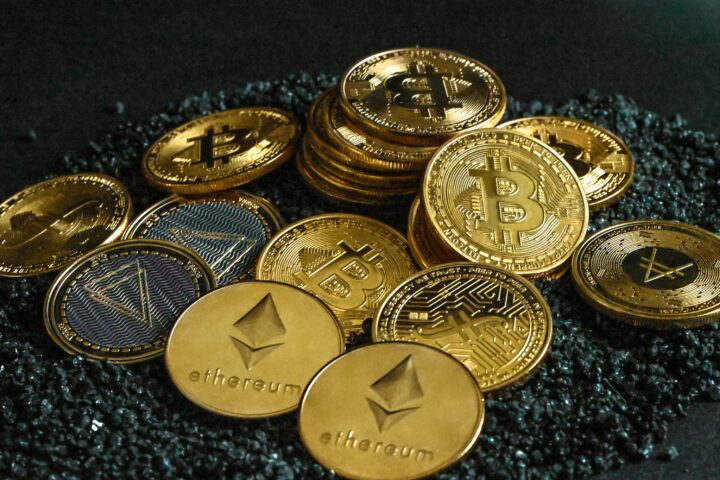


As digitalization and globalization continue to influence our lives, new and innovative technologies emerge to revolutionize the way we handle everyday activities, particularly in finance.
Cryptocurrencies, non-fungible tokens (NFTs), and decentralized finance (DeFi) platforms have all grown in popularity, demonstrating a paradigm shift in the world’s financial systems.
Flasko (FLSK), a cryptocurrency protocol, rides this wave of innovation, intending to be the first NFT whiskey, wine, and champagne investment platform.
Understanding Flasko
Launched to democratize access to the alternative investments market for cryptocurrency users, Flasko has an ambitious vision. It aims to open doors for investors interested in premium whiskeys, wines, and champagnes – asset classes that have seen significant growth over the years. With alternative investments gaining ground globally, expanding from 6% to 12% of the market share in 15 years, Flasko’s innovative approach could not have come at a more opportune time.
The protocol operates by allowing investments in rare and high-growth spirits and wines, resulting in an NFT being minted. These NFTs can be fractionalized, democratizing access to these assets and enabling more users to participate in this exclusive market. Every investor will then have the opportunity to benefit from the growth of the alternative investments market, specifically the premium beverage sector.
Platform Details
The Flasko platform is designed to provide users with an easy-to-use interface to invest and trade their NFTs. It plans to partner with high-end beverage start-ups through its launchpad and community, providing a supportive ecosystem for these companies while offering unique investment opportunities to its users. Flasko is uniquely positioned to bring the world of luxury beverage alternative investors to the cryptocurrency market.
One of the major benefits of investing through the Flasko platform is the chance to earn an average of 28% per annum on investments. Additionally, token stakers will earn revenue from the Flasko platform, making it a highly attractive investment option.
READ: Bored Ape Yacht Club (BAYC) utility – Why are investors buying up these NFTs?
All beverages bought through the platform will be stored in insured, licensed, and bonded warehouses, providing assurance of the physical product’s safety. Flasko ensures that each NFT and its relevant fractions are tradable via its platform. Additionally, investors can choose to purchase either a fraction or 100% of an NFT and have the physical product delivered to their designated address at no cost.
Tokenomics and Future Prospects
The Flasko token, FLSK, has a total supply of 1 billion. The token is allocated across several areas, including presale (35%), exchange listings (12.5%), marketing (17.5%), partnerships (5%), community investments (15%), development (14%), and charity (1%).
Flasko’s roadmap includes listing on Uniswap and popular listing platforms such as CoinGecko and CoinMarketCap. Furthermore, Flasko plans to launch its private membership club, develop its NFT marketplace for premium beverages, and design mobile applications for both iOS and Android.
Investment Tiers
Flasko offers two exclusive investment tiers: the Wine Tier and the Champagne Tier. The Wine Tier, open to investors of $30,000 or more, offers premium vintage wine, a personal account manager, access to exclusive NFTs and wine tasting events, and priority access to new start-ups. The Champagne Tier, open to investors of $60,000 or more, offers premium vintage champagne, additional NFTs, access to whiskey and wine start-ups, two annual trips to the Champagne region in France, and more.
Flasko Price Prediction By 2030
Given the detailed roadmap, promising features, and niche market Flasko plans to address, it is quite plausible to expect substantial growth for the FLSK token by 2030. The concept of fractional ownership of luxury beverages through NFTs, combined with the steady growth of the alternative investment market, creates a unique value proposition that is likely to draw in a significant number of investors.
However, predicting a specific price for the FLSK token would be challenging without access to essential data, including the project’s overall adoption rate, its market cap, and the broader cryptocurrency market’s state. As with any investment, potential investors should carefully assess the risks and rewards, do their research, and possibly consult with a financial advisor before deciding to invest.
Having said that, some analysts have predicted Flasko’s price to reach over $5 by 2030.
Conclusion
In a world where finance is rapidly changing and alternative investments are increasingly coming to the fore, Flasko’s innovative fusion of premium beverage investing with the dynamic world of crypto assets presents a unique and promising opportunity.
The platform’s potential to reshape and democratize the world of luxury beverage investing, while bringing it to the fingertips of the everyday investor, makes it a project to watch in the coming years.

Inclave Casino stands as a shining beacon of modern gambling entertainment, nestled within the hustle and bustle of the contemporary urban scene. As a symbol of a vibrant gaming culture, this establishment strikes a perfect balance between the classic essence of casino gaming and the innovation of digital age technology.
Stepping into Inclave Casino, one is greeted by an atmosphere that perfectly combines luxury and excitement. The beautifully decorated interior captures the spirit of elegance, with opulent chandeliers illuminating the space, intricate gold detailing along the walls, and plush, comfortable seating. Yet, amid this lavish setting, the thrill of the gamble pulses through the air, creating an exhilarating environment that invites visitors to engage in their favorite games.
The casino’s gaming floor is an awe-inspiring sight, presenting a grand assortment of traditional and modern games. Row upon row of slot machines fill the air with their playful, chiming melodies. Each machine offers a unique theme, from classic fruit designs to more adventurous concepts, ensuring that there’s something for everyone.
Table games are plentiful at Inclave, with numerous variations of poker, blackjack, baccarat, and roulette available. High-quality felt tables, impeccably maintained, and attended by professional dealers lend credibility and sophistication to the gaming experience. Whether a novice or a seasoned pro, the games are accessible to all, fostering an inclusive gaming community.
Poker at Inclave Casino
The Inclave Casino also boasts a world-class poker room, offering high-stakes games for the more serious players. These rooms have become a popular hub for both local and international poker enthusiasts, hosting a multitude of tournaments throughout the year.
What sets Inclave Casino apart is its innovative incorporation of technology. Reflecting the digital era, the casino has integrated modern tech solutions to enhance the gaming experience. Biometric identity verification ensures secure transactions, while digital game variants offer an alternative for tech-savvy players. Inclave has even introduced a digital currency system, allowing players to easily manage their gaming funds electronically. This symbiosis of tradition and innovation sets the benchmark for the future of the gambling industry.
Inclave Casino also offers an impressive array of dining options. Visitors can savor a wide range of cuisines at the establishment’s premium restaurants, from gourmet meals to comfort food. The casino’s cocktail bars offer an assortment of expertly crafted drinks, perfect for unwinding after a thrilling session on the gaming floor.
Entertainment
In terms of entertainment, Inclave Casino pulls out all the stops. Regular live music performances, comedy shows, and other events offer a rounded entertainment experience, providing visitors with more than just gaming. The casino’s dedication to providing diverse entertainment options helps to create an environment that caters to a broad audience.
Moreover, the casino prides itself on responsible gaming, promoting a healthy balance between gambling for entertainment and maintaining financial control. Inclave Casino has made it its mission to provide a safe and responsible environment for all players, with staff trained to identify and help manage problem gambling behavior. This commitment to responsible gaming reflects the casino’s values and adds another layer of trustworthiness to its brand.
In terms of customer service, Inclave Casino leads by example. With a highly trained staff always ready to assist, the casino ensures that all visitors receive a first-class experience. Be it a question about the games, help with reservations, or simply a need for recommendations, the staff handles all queries with the utmost professionalism.
Inclave Casino is more than a gambling establishment; it’s an institution that upholds the heritage of traditional gaming while forging a path for future innovations. It brings together diverse groups of people, all united by their love for gaming, in an environment that is luxurious, inclusive, and progressive.
Does Inclave Casino accept crypto?
Inclave Casino does not currently accept wagers in cryptocurrencies. If you’d like to gamble in crypto, you should use an online crypto casino, such as Wolf Bet.
Summary
In summary, Inclave Casino isn’t just about winning or losing; it’s about the experience of the game, the thrill of the gamble, and the joy of shared entertainment. It’s a shining example of how the classic and the modern can coexist, creating a rich and vibrant tapestry that satisfies all senses. It’s not just a casino; it’s a destination – a place where people come for the games but stay for the atmosphere, the service, and the total experience.

Atomic Wallet, a decentralized and noncustodial crypto wallet, is under scrutiny following reports of significant losses from users on Twitter. Being a noncustodial platform, users bear the responsibility for the security of their assets.
In response to the reported attacks, Atomic’s team posted on Twitter on June 3, stating: “We are aware of compromised wallets. We’re making every effort to investigate and understand the situation, and we’ll share updates as we learn more.” Some users responding to this post allege that their funds have been entirely wiped out from the application.
ZachBTX, an on-chain investigator known for tracing stolen funds, has joined the investigation. Despite these efforts, the specifics of the attack remain unclear. Atomic Wallet boasts a user base of over 5 million.
Several Twitter users shared past experiences of having their funds stolen on Atomic Wallet. One user claimed, “I lost my BTC to Atomic 6 months ago. Despite my complaints, they merely reiterated password and seed phrase protection. I told them it wasn’t feasible! I’ve decided to stop using Atomic after this experience.”
This incident adds to a burgeoning list of weekly crypto hacks. Jimbos Protocol, a decentralized finance (DeFi) application, fell victim to an attack on May 28, losing 4,000 Ether valued at about $7.5 million. Additionally, Tornado Cash, a decentralized crypto mixer, was recently compromised when an attacker manipulated the protocol’s governance system.
A 2022 report from Chainalysis estimated crypto thefts totaling $3.8 billion, primarily from DeFi protocols and North Korea-affiliated attackers. TRM Labs’ analysis for Q1 2023 showed a decrease in the average size of hacks to $10.5 million, down from nearly $30 million in Q1 2022. However, TRM Labs warns this dip might be temporary and large-scale attacks could again raise the average.
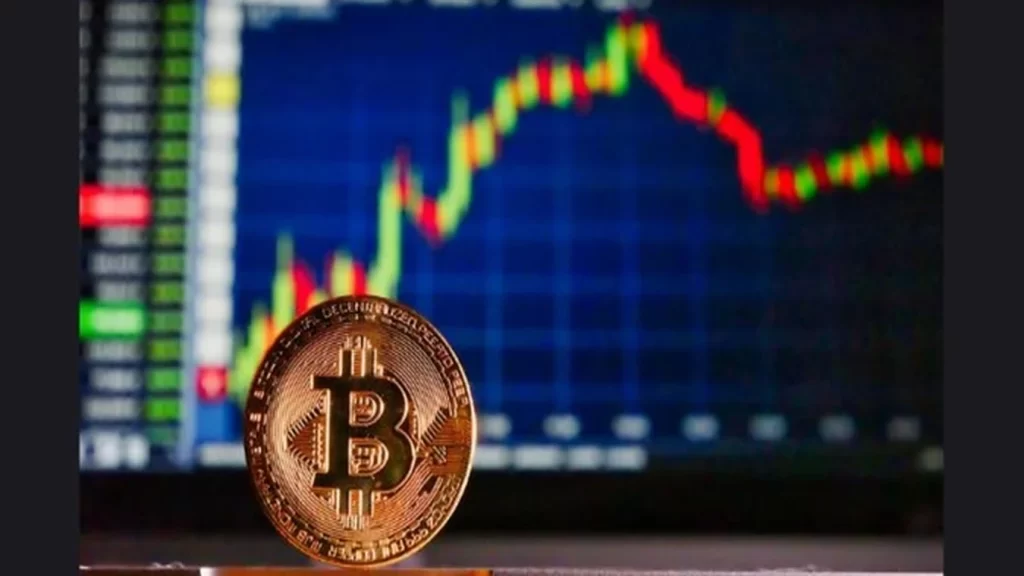
As cryptocurrencies continue to reshape the landscape of global finance, a steadily increasing number of people are seeking ways to tap into this burgeoning digital economy. For UK-based investors, understanding which exchanges are most suitable is paramount to success.
With the plethora of options available, this article aims to highlight the three best crypto exchanges in the UK, detailing their standout features, security protocols, and suitability for various types of investors.
1. Binance
Arguably the most popular cryptocurrency exchange worldwide, Binance has also established a substantial user base in the UK. Its comprehensive platform offers an array of features that caters to both novices and seasoned traders.
Breadth and Depth of Market: Binance offers over 500 cryptocurrencies for trading, including Bitcoin, Ethereum, and Binance Coin (BNB), its native cryptocurrency. It also provides a plethora of trading options, including spot trading, futures contracts, and leveraged tokens.
User-friendly Interface: With its intuitive user interface, Binance caters well to beginners. For more experienced traders, its advanced charting tools offer an opportunity to conduct sophisticated technical analyses.
Security: Binance employs state-of-the-art security measures, including multi-factor authentication and an advanced risk control system. It also operates an insurance fund named SAFU (Secure Asset Fund for Users), providing an extra layer of protection.
Educational Resources: For beginners, Binance offers an extensive learning platform, Binance Academy, packed with articles, videos, and quizzes covering the basics of blockchain and cryptocurrencies.
2. Kraken
Since its inception in 2011, Kraken has become one of the most reliable and secure digital currency exchanges globally. Its top-tier liquidity and extensive range of cryptocurrencies make it an excellent choice for UK investors.
Trading Options and Currency Pairs: Kraken provides over 50 cryptocurrencies for trading and several fiat currency pairings, including GBP. It supports various trading types, such as spot, futures, and margin trading.
Security: Known for its emphasis on security, Kraken has never been breached since it started operations. It deploys robust security protocols such as two-factor authentication, encryption, and cold storage for funds.
Transparency: A distinguishing feature of Kraken is its commitment to transparency. It was one of the first exchanges to provide proof-of-reserves audits, ensuring customer deposits are properly backed.
User Support: Kraken offers excellent customer support, including live chat and a comprehensive FAQ section. It also features a beginner-friendly guide on its platform.
3. eToro
eToro’s unique proposition lies in its fusion of traditional financial trading and the cryptocurrency market. This social trading platform allows UK investors to trade cryptocurrencies while leveraging the insights and strategies of other successful traders.
Social Trading: Users can mimic trades made by experienced traders through eToro’s “CopyTrading” feature. This function is particularly useful for beginners looking to learn from seasoned investors.
Selection of Cryptocurrencies: While eToro doesn’t offer the vast number of cryptocurrencies like Binance or Kraken, it does provide a selection of the most popular ones, such as Bitcoin, Ethereum, and Litecoin.
Ease of Use: eToro’s user interface is clean and simple to navigate, making it ideal for novice traders. The platform also allows trading in stocks and commodities, offering users a gateway to more traditional markets.
Regulated Platform: eToro is regulated by the Financial Conduct Authority (FCA) in the UK, which enhances its credibility and reliability for users.
Summary
In conclusion, while Binance, Kraken, and eToro all offer strong features, the best choice when it comes to crypto exchanges in the United Kingdom depends on individual needs. If you’re a beginner, the comprehensive educational resources and user-friendly interface of Binance, or the social trading aspect of eToro, might appeal to you.
For seasoned traders, the advanced features and depth of cryptocurrencies offered by Binance and Kraken are likely more attractive. Remember, in the world of cryptocurrencies, due diligence and research are your best allies.

AI has been dominating tech and business headlines in recent months, with ChatGPT in particular creating an unprecedented amount of buzz surrounding artificial intelligence.
Paul Farhi, the founder of Solidus AI Tech, recently shared his insight on the advent of blockchain-based artificial intelligence, highlighting its practical differences to more conventional AI.
Speaking exclusively to Crypto Intelligence News, Farhi highlighted the security benefits of blockchain-based AI.
“Blockchain-based systems are more resilient and less exposed to cyber vulnerabilities. They offer enterprise level traceability and a native blockchain revenue stream,” he told this publication.
“They offer a stronger level of encryption, more autonomy and more resilience.”
Solidus AI Tech is yet to launch its AI-related services – which will have applications in chat bots, sales and marketing automation, medical software, and autonomous vehicles – but they are scheduled to go live at some point in 2023.
“Our engineering team has already developed software modules to cover each vertical and we have a continuous research and development activity to sustain the demand,” Farhi added.
“We will also have an Artificial Intelligence market place where freelance developers or startups can publish their work into our platform under a revenue share business model.”
Asked about the risk of AI disrupting the labour market and causing mass redundancies, Farhi noted that certain jobs are at a greater risk of being made obsolete than others.
“AI has the potential to automate certain tasks and roles traditionally performed by humans, leading to changes in the job market,” he said.
“Routine and repetitive jobs are more susceptible to automation, while tasks requiring complex decision-making, creativity, and social interaction are less likely to be fully automated in the near future.”
Farhi stressed that AI will also create new employment opportunities and suggested that the mass adoption of AI-based solutions won’t necessarily result in a net loss of jobs.
“While AI may lead to job displacement in some areas, it can also create new job opportunities and change the nature of work.
“It has the potential to augment human capabilities, improve productivity, and unlock new industries and innovations.
“The overall impact of AI on the labor market will depend on various factors, including the pace of technological advancement, the ability of individuals and organizations to adapt, and the policies and regulations in place to address the challenges and opportunities presented by AI,” Farhi concluded.

Hong Kong law enforcement authorities have arrested employees from Trust Reserve, the payment company responsible for the CNHC and HKDC stablecoins tied to the Hong Kong dollar and RMB. A notification displayed on the company’s office door confirmed the judicial seizure on May 29, 2023. The nature of the charges leading to the arrests remains undisclosed.
Trust Reserve, known for its cross-border payment business, employs stablecoins—digital currencies whose value is tethered to traditional fiat currencies—but has not heavily publicized these.
Notable examples of stablecoins are Circle’s USDC and Tether’s USDT, both linked to the US dollar’s value. Recently, Trust Reserve secured $10 million in a funding round spearheaded by KuCoin Investments, Circle, and IDG Capital. This followed their relocation of headquarters from the Cayman Islands to Hong Kong.
The specifics surrounding the arrests remain murky. It’s speculated that Chinese authorities are reinforcing control over digital transactions, particularly those not utilizing its e-CNY central bank digital currency. The e-CNY has reportedly amassed 260 million wallets and expanded its footprint across 25 cities.
China maintains a firm ban on crypto trading and mining activities. Some analysts believe these recent arrests may signal the state’s intent to decrease reliance on the US dollar for cross-border transactions, shifting instead towards the RMB. This shift is evidenced by the interest expressed by nations like Saudi Arabia, Bangladesh, and India in utilizing the digital yuan for trading purposes.
Post-2008 financial crisis, China fortified its cross-border payments infrastructure with bilateral currency swap agreements and the Cross-Border Interbank Payment System. Recently, a broadcast on Chinese Central Television hinted at a potential change in China’s stance on cryptocurrency, prompting speculation about the lifting of its crypto ban. However, the broadcast was subsequently removed without further clarification or updates.

The U.S. Government is on the brink of suspending its $31.4 trillion debt ceiling, ending months of intense bipartisan negotiations. This news was met with a positive response from Bitcoin and the larger cryptocurrency market. House Speaker Kevin McCarthy stated on May 27 that he and President Biden reached a preliminary agreement he believed merited the approval of the American people.
The main point of contention during negotiations was non-defense domestic spending. Republicans argued for reduced spending to slow U.S. debt accumulation, while Democrats pushed for increased taxes on the wealthy and corporations to shrink the debt. President Biden, presenting the deal as a compromise, underscored its significance in trimming expenditure while preserving vital programs aimed at boosting the economy and supporting the working class.
The standoff over the debt ceiling was feared to potentially trigger a U.S. default, which could result in dire economic consequences. President Biden shared these concerns, warning that such a default could precipitate an economic recession, cause substantial damage to retirement accounts, and lead to significant job losses. The Treasury Department had also cautioned that without this deal, the federal government could potentially default on its obligations by June 5.
The new agreement will suspend the debt limit until January 2025 and limit spending in the 2024 and 2025 budgets. It includes measures to recoup unused COVID funds and introduces additional work requirements for food aid programs, as reported by Reuters.
While the proposed deal has been agreed upon in principle, it must still pass through Congress, requiring cross-party support. As traditional markets were closed, the initial market response was discernible in the cryptocurrency sphere, which witnessed a 1.3% increase.
Bitcoin surged past the $27,000 mark during early trading hours, and other leading digital currencies, including Ethereum, Cardano, BNB, and Dogecoin, also reported gains.
Decentralized Finance, commonly referred to as DeFi, is an overarching term representing a variety of financial applications that are built on blockchain networks, most notably Ethereum.
DeFi is reshaping the world of finance by displacing traditional intermediaries, such as banks and brokerages, with peer-to-peer networks that allow market participants to interact directly with each other. This transformation opens the door to a more open and inclusive financial ecosystem.
What falls under DeFi?
DeFi platforms can encompass everything from lending and borrowing platforms, to decentralized exchanges (DEXs), to asset tokenization, to yield farming, and much more. These platforms operate via smart contracts – self-executing contracts with the terms of the agreement directly written into code, without any intermediaries involved.
The basis of the DeFi revolution lies in the democratic ideals that are intrinsic to its design. Traditional financial systems have barriers that prevent many from accessing basic financial services. DeFi aims to remove these barriers and offer financial services to all, regardless of location, wealth, or status.
In traditional finance, central authorities like banks, governments, or corporations control the financial systems and their rules. In DeFi, control is decentralized and rests in the hands of the people who use, build, and invest in the system. This is achieved through the use of blockchain technology and cryptography.
One of the main attractions of DeFi is its permissionless nature. This means that anyone, anywhere, can access financial services without needing to meet any prerequisites or go through a vetting process. DeFi applications are typically open-source, which means their code is public and can be audited by anyone. This transparency allows users to directly verify the functionality and security of applications.
Lending and borrowing are central aspects of any financial system, and DeFi is no exception. Through DeFi platforms, users can lend their assets and earn interest from borrowers. For borrowers, DeFi offers over-collateralized and under-collateralized loans. Unlike traditional systems, these loans are decentralized and do not require a credit check, only collateral. Interest rates are typically determined by supply and demand dynamics, making the system more competitive than traditional lending institutions.
DeFi has also ushered in a new era of financial instruments and trading platforms. Decentralized exchanges, or DEXs, allow users to trade digital assets directly from their wallets, removing the need for a centralized exchange as a middleman. In addition, synthetic assets, which are blockchain-based assets that mimic the value of real-world assets, have also become popular. These allow users to gain exposure to a variety of assets without actually owning them.
Yield farming
One of the most innovative and lucrative aspects of DeFi is yield farming. It is a practice that allows cryptocurrency holders to earn rewards for staking their coins in a DeFi protocol. In essence, yield farming protocols incentivize liquidity providers (LPs) to stake or lock up their crypto assets in a smart contract-based liquidity pool. These rewards can come from transaction fees, interest from lenders, or even new tokens.
However, DeFi is not without its risks. As a nascent industry, DeFi has faced several growing pains, including vulnerabilities in smart contracts leading to hacks, the potential for high volatility, and a steep learning curve that can leave less technically inclined users at a disadvantage. Despite these risks, many believe the potential benefits and revolutionary potential of DeFi make it worth exploring.
Regulation is another critical challenge for DeFi. While the lack of regulation is part of what makes DeFi attractive to many users, it also means less consumer protection. Regulatory bodies across the world are grappling with how to approach DeFi, striving to balance the need for consumer protection and fraud prevention with the desire not to stifle innovation.
Moreover, the environmental impact of DeFi, as part of the broader blockchain and crypto industry, is another concern due to the energy-intensive process of mining digital currencies and executing smart contracts.
Despite these challenges, the promise of DeFi is immense. If the sector can manage these risks effectively, DeFi has the potential to revolutionize the global financial system, making it more inclusive, efficient, and transparent. It represents a radical reimagining of financial systems that have been in place for centuries, offering the tantalizing prospect of a more equitable distribution of wealth and resources.
Examples of DeFi companies
Some examples of DeFi companies include decentralized exchanges, such as UniSwap and Pancake Swap, and other companies that operate within the decentralized finance space in any capacity.
Summary
In conclusion, DeFi is a fascinating development within the financial and technology sectors, offering a blend of opportunity, innovation, and risk.
Its potential to disrupt traditional finance is already being felt and will likely continue to cause ripple effects throughout the global financial ecosystem for years to come. It is clear that DeFi represents a significant step towards the democratization of finance, pushing us closer to a world where financial services are truly accessible to all.

From traditional mining to innovative cloud offerings and tokenized mining, the market is brimming with options. While some claim that mining is a thing of the past, the recent correction in the bitcoin market has sparked renewed interest. Could it be the perfect moment to explore the realm of free mining projects and discover hidden opportunities?
To Mine or Not to Mine?
Bitcoin mining has become incredibly challenging due to various factors. The competition within the mining industry has intensified, resulting in a substantial rise in the computational power needed to mine new bitcoins. Additionally, mining difficulty has increased over time, requiring more sophisticated and powerful equipment to stay profitable. Acquiring and maintaining this infrastructure can be costly, with exorbitant expenses for electricity consumption and equipment upkeep. The financial investment and ongoing operational costs pose significant hurdles for miners looking to enter or sustain their presence in the mining ecosystem. This has made it increasingly difficult for individual miners and opened up opportunities to other offers.
Trust We Seek
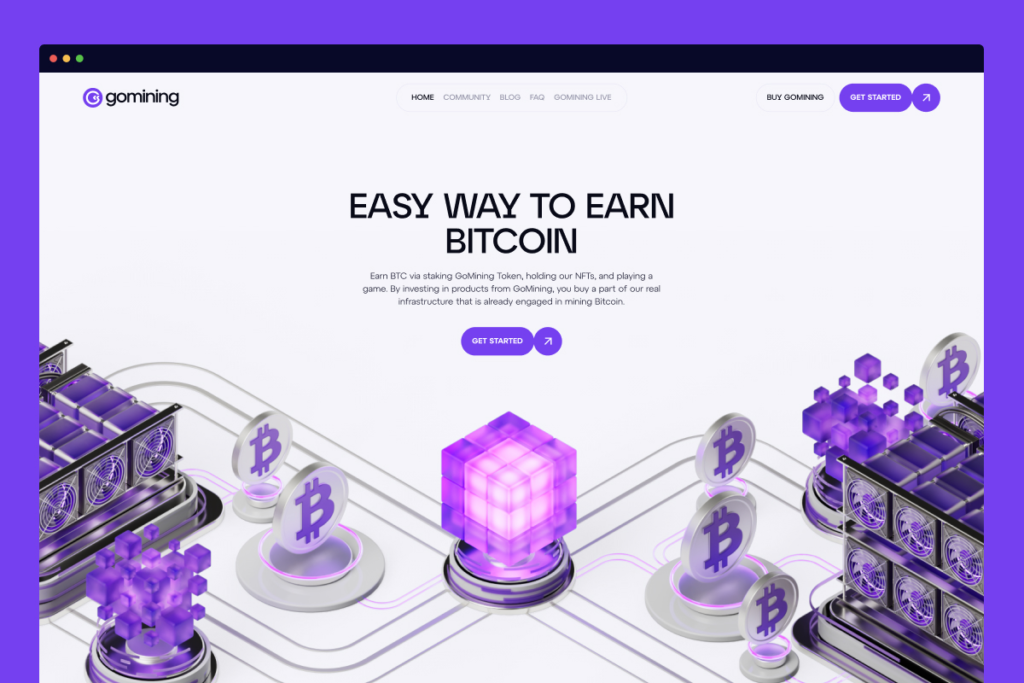
Amidst the multitude of projects offering easier entry into bitcoin mining, including cloud mining and tokenized offers, the main concern lies in their trustworthiness and ability to address the challenges. One such project that has gained attention is GoMining, a young but experienced venture. GoMining provides reliable and hassle-free mining infrastructure, offering a solution to the complexities and uncertainties surrounding bitcoin mining, while prioritizing transparency and trust within the blockchain industry.
Mining NFT
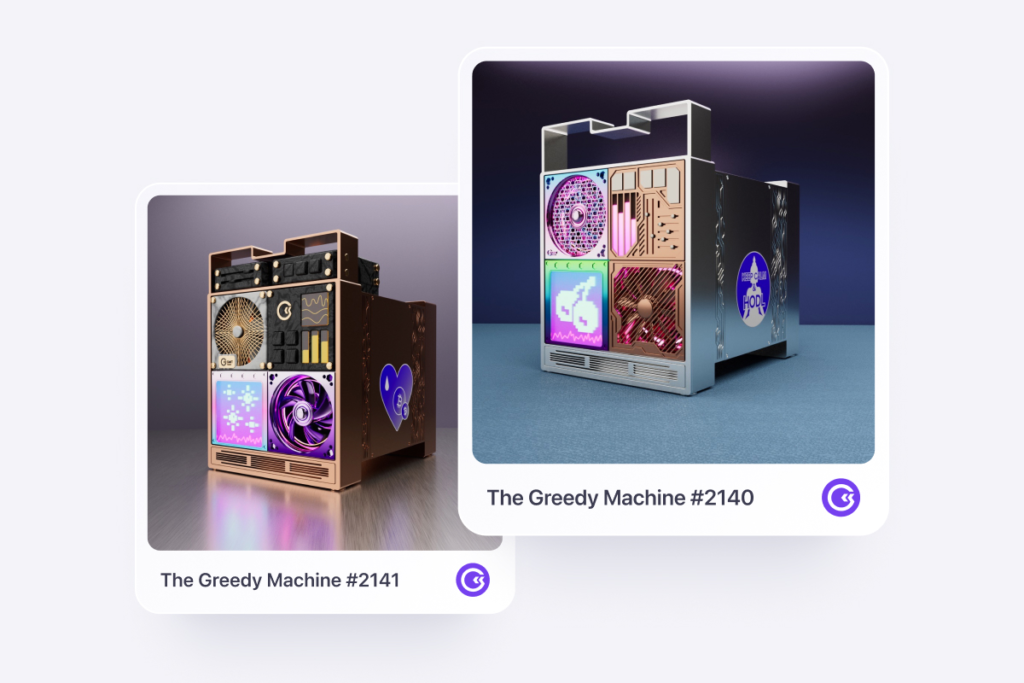
What sets GoMining apart is its experienced team with six years of expertise, already delivering bitcoin rewards to its holders for two years and continuing to expand its infrastructure. At the heart of GoMining’s offering are their NFTs and tokens, which bring together the exciting worlds of mining and blockchain technology. GoMining NFTs offer unique mining rig images supported by real computing power, putting them heads and shoulders above other NFT collections. This innovative approach allows users to enjoy the benefits of mining, such as earning bitcoin rewards, without the usual hassles of purchasing expensive equipment or dealing with high electricity bills. The NFTs provide a seamless and headache-free mining experience, allowing users to participate in the digital gold rush from anywhere in the world.
Decentralized Staking
Complementing the NFTs is the GoMining Token, which serves as the core offering of the project. The token provides users with decentralized staking options, including fixed and flexible staking, allowing them to earn rewards in Bitcoin or GoMining tokens. Fixed staking allows users to freeze their tokens for 3 months at a 20% annual percentage rate (APR) and earn rewards in native tokens. It provides predictability and the ability to withdraw or relock tokens. Flexible staking involves blocking tokens for 3 months and receiving daily bitcoin rewards at a floating percentage, offering potential rewards based on market conditions.
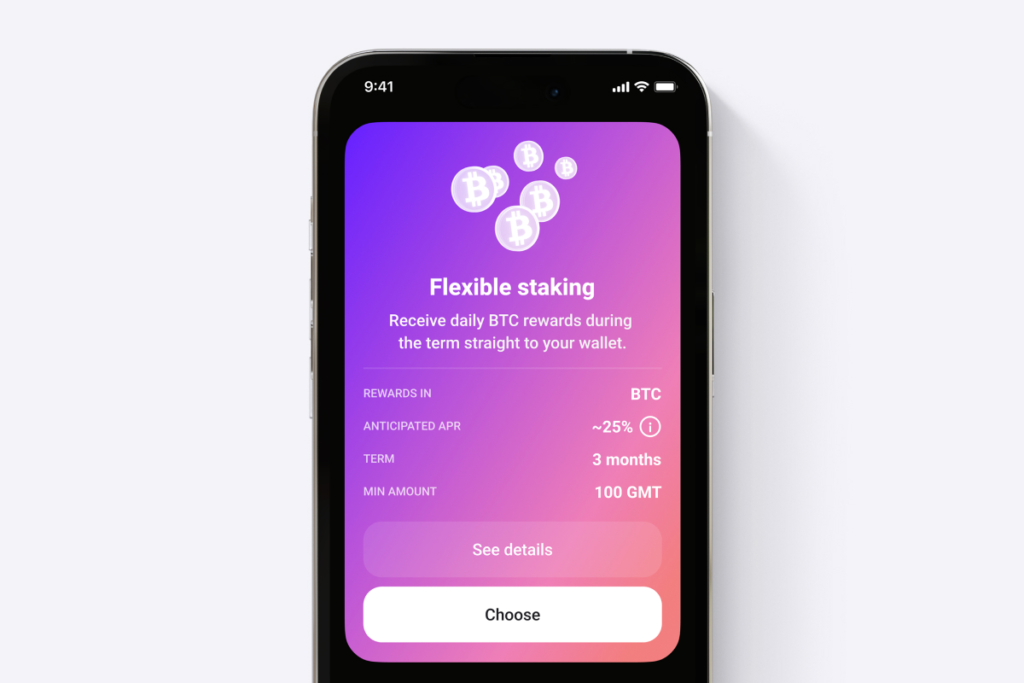
By staking their tokens, users can secure and lock their assets while also contributing to the project’s mining infrastructure. Behind its token and NFT offerings lies real mining computing power. With ASICs located in various parts of the globe like the UAE, Norway, and Kazakhstan.
Celebrity Collaboration
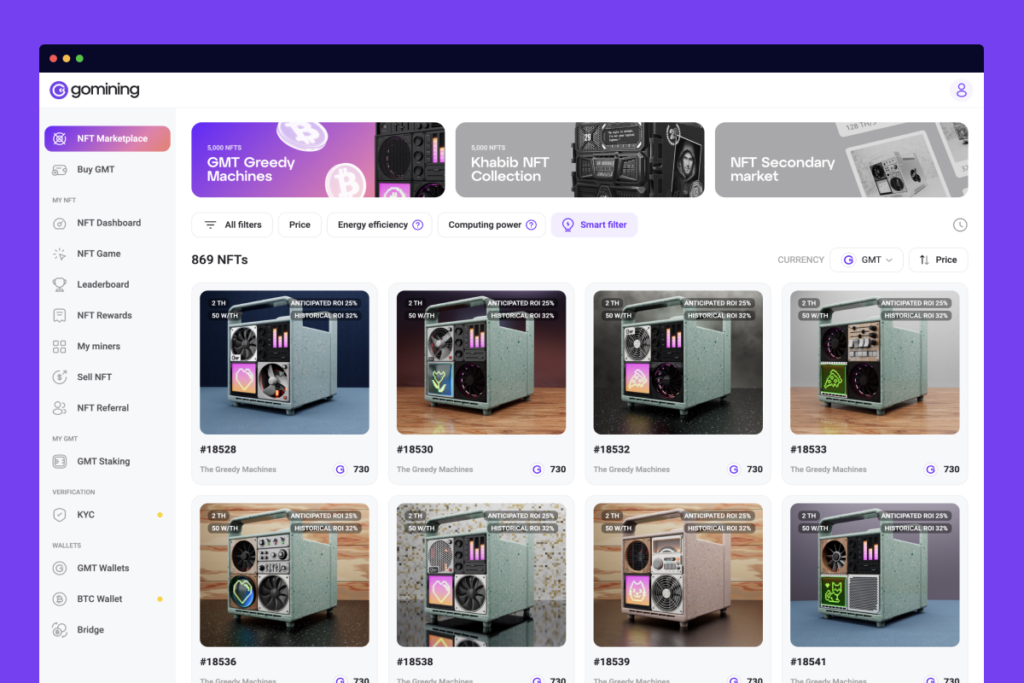
Adding to the appeal of GoMining is its collaboration with notable public figure Khabib Nurmagomedov, the undefeated MMA star. The project has partnered with Khabib to create a special series of NFTs called the Khabib Collection. These NFTs feature unique designs inspired by Khabib’s career, including quotes and other elements associated with the legendary fighter. Each NFT in the Khabib Collection is backed by a symbolic 29 TH/s, representing the number of victories Khabib achieved during his illustrious MMA career.
The partnership with Khabib brings an added layer of authenticity and trust to GoMining, making it an attractive proposition for those seeking both innovative NFT opportunities and a reputable project backed by a respected public persona.
Conclusion
GoMining’s recent rebranding efforts have been driven by a commitment to transparency within the blockchain industry. Given their new website, the company recognizes the importance of providing clear and honest communication to its users and stakeholders. This focus on transparency not only enhances user trust, but also sets a standard for openness in the industry, ensuring that customers have a clear understanding of GoMining’s operations and offerings.
While exploring the GoMining app and website, you’ll find comprehensive details about how their ecosystem operates. The team takes pride in openly sharing information about the accrual system and promptly updating users if any changes occur. However, it’s always wise to conduct your own research and thoroughly investigate any project before diving in.
According to a statement by the company’s CEO Mark Zalan in their press release, GoMining has “a proven track record of providing top-notch services to our clients and we’ll continue to use our experience to build trust among our users.” And the company aims to develop its infrastructure making mining and blockchain more transparent, accessible, and easy.
As per its white paper and media publications, GoMining has experienced significant growth and achievements. The initial issue of 100 million tokens has seen a nearly five-fold increase, with plans to reach an impressive 10 trillion tokens. The company has also paid out a substantial amount of 1,610 BTC to its token holders, demonstrating its commitment to rewarding their community. GoMining has issued 10,000 NFTs, increased its overall hash power, growing from 100,000 TH/s to an impressive 1,252,467.37 TH/s.
Amidst a crowded marketplace, GoMining shines as a beacon of reliability and transparency. With its experienced team, two years of steady payouts, and a user-friendly interface, it stands apart from the rest. In a rapidly evolving mining landscape, GoMining offers a promising option for those looking for a straightforward and trustworthy mining experience.

Centralized crypto platforms have taken a lot of flack in recent months due to the shenanigans of a few bad actors. The main concern for users is the need to trust a third-party intermediary to manage their funds. But despite this, there are still many reasons to want to use a CEX.
The biggest advantage of CEXs is that they’re often much easier to use, with easy-to-understand user interfaces that enable beginners to get started trading in a matter of minutes. What’s more, CEX platforms can generally offer much deeper liquidity than even the most popular DEX platforms, making them the only suitable choice for professional, high volume traders.
So while DEX platforms might be gaining in popularity, there will always be a sizable audience for CEX platforms. With that in mind, we’ve chosen three DEX platforms that we feel are the best around, in terms of trading functionality, ease of use and low costs.
StormGain: Best CEX For Trading Options
Founded by Alex Althausen, StormGain has emerged as one of the top crypto exchange platforms for European traders thanks to its development of multiple features designed to make trading more lucrative and rewarding.
StormGain enables experienced traders to get the most out of the market with an array of different trading options and order types. For instance, it offers a basic options spot trading market that enables traders to buy and sell assets at the established market price instantaneously.
Spot trading is the most popular market for crypto traders and involves buying and selling tokens at the listed price. When a user initiates a trade, it will be entered into StormGain’s order book, which will rapidly search for a matching bid. Once the seller has been matched with a suitable buyer, the trade is executed immediately, making for lightning-fast transactions.
StormGain also allows futures trading, where traders can hedge against market price movements. With futures contracts, traders are essentially speculating that the price of an asset will move up or down over a set period of time. The user buys a contract that enables them to buy an asset at a given price at the time it expires. The trader will either profit on the deal or lose, based on whether or not the asset’s price appreciates or depreciates at the time of expiry.
A third kind of trading option on StormGain is leveraged trading, in which the user is able to borrow funds from the exchange in order to increase their stake. Looking deeper at its trading options, we find that StormGain also offers novel markets such as crypto indices and tokenized assets, as well as a cloud mining program that provides rewards to users.
Added to these trading options, StormGain is also unique among CEXs in that it operates its own, fully decentralized trading platform. StormGain DEX allows traders to maintain self-custody of their assets in their own wallet, which is simply linked to the platform. Users trade with one another via smart contracts. However, uniquely among DEXs, StormGain DEX is able to tap into the liquidity of its CEX platform to ensure traders can buy and sell at their desired price, without suffering from slippage. Very few CEX platforms can compete with StormGain’s trading options, hence it’s our favorite choice for experienced traders.
Coinbase: Best CEX For Beginners
Coinbase is one of the most user-friendly exchanges around thanks to its simple interface, robust security and its extensive library of educational content.
No doubt you have already heard of Coinbase, which is probably the best-known exchange in the U.S. Not only is it one of the most reputable platforms, but it excels at lowering the barrier for entry to new cryptocurrency users. It begins with a seamless onboarding process and a step-by-step guide to executing your first trade.
Coinbase is also home to a comprehensive portal of educational materials, with guides to things like the basics of blockchain, an explanation of crypto terminology, and a deep dive into hundreds of popular cryptocurrencies. What’s more, users can actually get paid in crypto for reading this stuff thanks to its novel Coinbase Earn program, which pays small rewards to users who participate in its learning modules.
We should also mention its security, which is as good as any in the industry. Notably, Coinbase offers two-factor authentication on its desktop and mobile platforms, and it stores 98% of its funds offline in so-called cold wallets. It also has an insurance policy with the U.S. FDIC that covers deposits of up to $250,000. It provides a level of reassurance that few other exchanges can match, making it an excellent choice for novices and cautious investors alike.
Bitstamp: Best Exchange For Low Fees
For some traders, especially those who trade in smaller amounts, one of the most important considerations is that they don’t get stung by high trading costs. Hence, Bitstamp is well worth a look thanks to its extremely competitive maker and taker fees and zero-cost withdrawals.
Low fees are offered by many CEXs as a way to entice new users to try out their platforms, but what they don’t say is that they will make up for this with expensive costs associated with coin transfers and bank withdrawals. So, you might purchase Bitcoin on its platform for minimal fees, but the moment you transfer that BTC to your own wallet, the exchange will take a sizable cut. That doesn’t happen with Bitstamp, which is notable for minimal costs on all transactions.
Bitstamp’s exact fees depend on the specific cryptocurrency, but they’re as low as you’ll find anywhere. Maker fees range from 0.3% to 0%, while taker fees average between 0.4% and 0.3%, making it one of the lowest cost exchange platforms around. Even better yet, traders whose 30-day trading volume is less than $1,000 won’t have to pay any fees at all, which is ideal for those who only want to buy crypto now and again. Furthermore, Bitstamp’s withdrawal fees are also very low, with ACH transfers being entirely free to users.
As one of the longest-established crypto platforms around, Bitstamp has a long history of secure and transparent operations. It notably became the first platform of its kind to secure an EU Payment Institution license, and it has also been granted a BitLicense by New York’s financial services department, NYDFS. Bitstamp did suffer a hack many years ago in 2015, losing more than $5 million worth of funds, but to its credit it was able to fully reimburse all users without delay.
Conclusion
There are literally hundreds of CEX trading platforms to choose from, but we think the above platforms are among the best all-rounders in the business. When it comes to multiple trading options, few platforms can compete with StormGain. For user-friendliness, Coinbase is hard to beat, and for low cost trading, Bitstamp is always a solid choice.