




Cryptocurrency-linked payment cards are rapidly gaining traction in Europe, particularly for small purchases typically dominated by cash.
According to a new report from CEX.IO, 45% of crypto card transactions fall under the 10-euro mark, reflecting a shift in consumer behaviour and highlighting crypto’s growing role in day-to-day payments.
The report, shared with Cointelegraph, noted a 15% year-on-year increase in newly issued CEX.IO crypto cards across the continent in 2025.
This trend indicates a broader acceptance of digital assets as a means for routine purchases and suggests that crypto cardholders are now mirroring traditional banking habits, especially when it comes to online spending.
Online Spending Nearly Doubles Traditional Usage Rates
While the European Central Bank (ECB) reports that 21% of card payments in the eurozone are made online, CEX.IO data shows that 40% of crypto card transactions occur via the internet.
This figure nearly doubles the regional average, showcasing the comfort crypto users have with digital platforms.
“What we’re seeing in Europe is that crypto card users aren’t just experimenting with new tech — they’re showing us what everyday spending might look like in a truly cashless future,” said Alexandr Kerya, Vice President of Product Management at CEX.IO.
He also revealed that average payment volumes have jumped 24% in the past month alone.
Crypto Spending Patterns Mirror Traditional Banking
The data further illustrates how crypto cardholders are incorporating digital currencies into their daily routines.
Groceries represent 59% of crypto card purchases, which is close to the ECB’s 54% average for traditional bank cards.
Spending at restaurants and bars accounts for 19% — a higher figure than typical bank card usage in that category.
The average crypto card transaction stands at €23.70, lower than the €33.60 average for traditional bank card payments, based on Mastercard’s Q1 2025 data.
Stablecoins Lead Transactions as Other Cryptos Gain Ground
Stablecoins play a dominant role in these transactions, powering 73% of all crypto card activity.
Nevertheless, other leading digital assets such as Bitcoin, Ether, Litecoin, and Solana are also being used for essentials like groceries, dining, and transport.
This mirrors broader usage trends across the crypto sector.
For example, platforms like Oobit and Crypto.com are also reporting strong transaction volumes related to everyday spending and online shopping across their European user base.
Institutional Pushbacks Continue Despite Adoption Gains
However, not all financial institutions are welcoming this trend.
Barclays has announced that it will block crypto purchases on its Barclaycard credit cards.
The bank cited concerns over the volatility of digital assets and the lack of consumer protections available through traditional financial mechanisms.
Barclays emphasized that crypto transactions are not covered by the Financial Ombudsman Service or the Financial Services Compensation Scheme, leaving users exposed in case of disputes or losses.
Despite such institutional caution, the momentum behind crypto card usage continues to grow, reflecting an evolving financial landscape that is increasingly embracing digital innovation.

Bitcoin experienced significant volatility at the start of the week, leading to a dramatic shakeout in the derivatives market and underscoring a growing phase of market uncertainty.
On-chain analytics firm Glassnode reported that within 24 hours, long positions worth $28.6 million and short positions worth $25.2 million were liquidated.
This rare two-sided flush left many leveraged traders caught off guard and highlighted the fragility of current sentiment.
Speculative Leverage Clears as Open Interest Falls
The volatility also led to a 7% decline in BTC-denominated open interest, which dropped from 360,000 BTC to around 334,000 BTC.
This decline indicates a reset in speculative leverage, potentially paving the way for a more stable market structure.
Bitcoin’s price remained within the $100,000 to $110,000 range, with reduced on-chain activity hinting at a consolidation period rather than the beginning of a new rally.
Glassnode noted that both profitability metrics and user participation are currently subdued.
Technical Indicators Point to Key Support Levels
From a technical viewpoint, Bitcoin’s failure to surpass external liquidity near $109,000 triggered a gradual decline in the short-term trend.
On the 4-hour chart, BTC remains trapped within a descending channel, with a key support zone identified between $103,400 and $104,600.
This area coincides with a daily fair value gap (FVG) and is backed by the 200-day exponential moving average (EMA), raising the likelihood of a short-term bounce if momentum returns.
Market Awaits Breakout as Bullish Momentum Stalls
If BTC can collect internal liquidity within this critical zone, a bullish breakout above the descending channel remains plausible.
However, the current lack of trading momentum and subdued on-chain activity suggests that the market could remain range-bound until stronger demand emerges.
Inflation Concerns Weigh on Sentiment
Adding to the uncertainty are macroeconomic headwinds.
The latest Personal Consumption Expenditures (PCE) inflation data, the Federal Reserve’s preferred gauge, showed an increase to 2.3%, matching expectations.
However, Core PCE rose to 2.7%, slightly above forecasts.
This marked the first increase in core inflation since February 2025, reinforcing the Fed’s cautious stance.
As a result, expectations of an imminent interest rate cut have been tempered.
Tight Financial Conditions Create Pressure for Bitcoin
With inflation proving sticky, the Fed is unlikely to lower interest rates soon, keeping financial conditions tight.
This environment is generally unfavorable for risk assets like Bitcoin.
Glassnode’s quarterly data further highlights the tepid sentiment, with spot trading volume rising only slightly by $7.7 billion in Q2, while transfer volumes declined 36% earlier in the quarter.
This combination of macroeconomic pressure and market consolidation suggests that Bitcoin’s next move remains uncertain.

Cryptocurrencies have rapidly gained popularity over the past decade, evolving from a niche concept to a global phenomenon. As digital assets like Bitcoin and Ethereum become increasingly mainstream, more people are looking to participate in this exciting market. At the heart of this participation are crypto exchanges—platforms that serve as gateways for buying, selling, and trading digital currencies. Whether you’re interested in investing, trading, or simply exploring the world of crypto, understanding these exchanges is crucial. This guide is designed to help beginners navigate the complexities of crypto exchanges, providing a clear and straightforward explanation of what they are, how they work, and what features to look for when choosing the right platform. By the end of this guide, you’ll have the foundational knowledge needed to confidently engage with the cryptocurrency market.
What is a Crypto Exchange?
A crypto exchange is an online platform that facilitates the buying, selling, and trading of cryptocurrencies like Bitcoin, Ethereum, and others. These exchanges act as intermediaries, matching buyers with sellers and enabling transactions in various digital currencies. Unlike traditional financial exchanges, which deal with stocks, bonds, or commodities, crypto exchanges exclusively handle digital assets. They offer users the ability to convert fiat currency (like USD or EUR) into cryptocurrency and vice versa, as well as trade one cryptocurrency for another. This makes them essential tools for anyone looking to participate in the cryptocurrency market.
Types of Crypto Exchanges
Crypto exchanges come in various forms, each offering unique features and catering to different user needs. Understanding the types of crypto exchanges is essential for choosing the right platform for your trading or investment goals.
Centralized Exchanges (CEX)
Centralized exchanges (CEX) are the most common type of crypto exchange, operated by a central authority or company. These platforms, such as Binance and Coinbase, act as intermediaries between buyers and sellers, providing a user-friendly interface and robust security features. Users trust the exchange to manage their funds, which often includes fiat-to-crypto conversions and advanced trading tools. While CEX platforms are known for their ease of use and high liquidity, they come with drawbacks such as potential security risks due to centralization and the need to comply with regulatory requirements, which may limit privacy.
Decentralized Exchanges (DEX)
In contrast, decentralized exchanges (DEX) operate without a central authority, relying on blockchain technology to facilitate peer-to-peecr transactions. Platforms like Uniswap and PancakeSwap allow users to trade directly from their wallets, ensuring greater privacy and control over their assets. DEX platforms eliminate the need for intermediaries, reducing the risk of hacks and censorship. However, they often lack the liquidity and user-friendliness of centralized exchanges, making them more challenging for beginners to navigate.
Hybrid Exchanges
Bridging the gap between CEX and DEX platforms, hybrid exchanges combine the benefits of both. These exchanges offer the security and decentralization of DEX platforms while maintaining the liquidity and user experience of CEX platforms. By integrating the strengths of both types, hybrid exchanges provide a balanced approach, catering to users seeking a secure yet accessible trading environment.
Understanding these types of exchanges helps you choose the one that aligns best with your needs and trading preferences.
How Crypto Exchanges Work
Understanding how crypto exchanges operate is crucial for effectively navigating the platform and making informed decisions.
Account Registration
To start using a crypto exchange, the first step is account registration. This typically involves providing personal information, creating login credentials, and setting up security features like two-factor authentication (2FA). Most exchanges require compliance with KYC (Know Your Customer) and AML (Anti-Money Laundering) regulations to prevent fraud and ensure legal compliance, meaning users must verify their identity before trading.
Deposits and Withdrawals
Once registered, users can deposit funds into their exchange account. This can be done using fiat currency or transferring cryptocurrency from an external crypto wallet. Understanding wallet addresses is key—these are unique identifiers used to send and receive crypto securely. When withdrawing funds, it’s important to double-check these addresses to avoid errors. Additionally, enabling security features, such as 2FA, is essential to safeguard your assets.
Trading on a Crypto Exchange
With funds in your account, you can start trading. Crypto exchanges offer various types of trading, including:
- spot trading;
- margin trading;
- futures.
Spot trading involves buying or selling cryptocurrencies for immediate delivery, while margin trading allows users to trade with borrowed funds, increasing potential profits but also risks. Futures trading involves contracts to buy or sell assets at a future date. Understanding trading pairs—like BTC and ETH—and how to execute different orders, such as market orders, limit orders, and stop-loss orders, is crucial for managing your trades effectively.
Key Features to Look for in a Crypto Exchange
Choosing the right crypto exchange involves evaluating several key features that can significantly impact your trading experience.
Security Measures
Security is paramount when selecting a crypto exchange. Essential features include two-factor authentication (2FA), cold storage for storing assets offline, and encryption to protect sensitive data. These measures help safeguard your funds and personal information from potential threats.
User Interface and Experience
A user-friendly interface is crucial, especially for beginners. A well-designed platform should be intuitive, easy to navigate, and provide clear access to trading tools and account management features. This ensures a smooth and efficient trading experience.
Fees and Charges
Understanding the fee structure of an exchange is vital. This includes trading fees, withdrawal fees, and deposit fees. Fees can vary widely between exchanges, so it’s important to compare them to find the most cost-effective option for your needs.
Liquidity
Liquidity refers to how easily an asset can be bought or sold without affecting its price. High liquidity on an exchange means quicker transactions and more stable prices, which is essential for active traders.
Customer Support
Reliable customer support can make a significant difference, particularly in resolving issues quickly. Look for exchanges that offer responsive and helpful support through multiple channels, such as live chat, email, or phone.
Supported Cryptocurrencies
Before choosing an exchange, check the list of supported cryptocurrencies to ensure it offers the assets you want to trade. Additionally, consider emerging new crypto exchanges that may provide unique or niche cryptocurrencies not available on more established platforms.
Pros and Cons of Using Crypto Exchanges
Using crypto exchanges offers numerous benefits, but it also comes with potential risks. Here’s a breakdown of the main advantages and disadvantages:
Advantages
- Accessibility and Convenience: Crypto exchanges provide a user-friendly platform for trading digital assets, making it easy for users to buy, sell, and manage their cryptocurrencies from anywhere.
- Wide Range of Cryptocurrencies and Trading Options: Exchanges offer access to a diverse selection of cryptocurrencies and various trading pairs, catering to different investment strategies and preferences.
- Potential for Profit: Engaging in crypto trading can offer significant profit opportunities, especially with price fluctuations and market trends.
- AI-Powered Cryptocurrencies: Advanced AI-powered cryptocurrencies can enhance trading strategies by utilizing predictive analytics and automated decision-making, offering more sophisticated trading opportunities.
Disadvantages
- Security Risks: Centralized exchanges are susceptible to security breaches and hacks, which can lead to significant financial losses and compromised personal information.
- High Volatility: The cryptocurrency market is highly volatile, which can result in substantial financial losses due to sudden price swings.
- Regulatory Concerns: Regulatory issues can impact exchanges and users, including potential legal implications and compliance requirements that vary by jurisdiction.
How to Choose the Right Crypto Exchange for You
Assessing Your Trading Needs
Before selecting an exchange, consider your investment goals. Determine whether you’re interested in long-term investment strategies or more active trading. Your objectives will influence which exchange features are most important to you.
Researching Exchange Reputation
Thoroughly investigate the reputation of potential exchanges. Read user reviews and consider industry recognition. Pay attention to factors such as security history, customer support quality, and overall user satisfaction. A well-regarded exchange is crucial for a positive trading experience.
Testing the Platform
Once you’ve narrowed down your options, test the exchange with a small investment. This allows you to evaluate the platform’s functionality, user interface, and trading process without significant financial risk. Use this opportunity to ensure the exchange meets your needs before committing larger sums.
Conclusion
Crypto exchanges are essential platforms for anyone venturing into the world of digital assets. By understanding the types of exchanges, their features, and the pros and cons of using them, you can make an informed decision that aligns with your trading goals and risk tolerance.
As you begin your cryptocurrency journey, remember to prioritize security, research thoroughly, and start small. The crypto market offers exciting opportunities but comes with risks. Approach it with knowledge and caution, and stay informed about new developments like AI-powered cryptocurrencies.
Choosing the right exchange is a crucial step in your crypto journey. With the right platform and a clear strategy, you’ll be well-equipped to navigate this dynamic and potentially rewarding financial landscape.

World, the blockchain initiative formerly known as Worldcoin, has officially launched “Priority Blockspace for Humans” (PBH) on the mainnet of its World Chain network. The innovation aims to strengthen the platform’s mission of building a decentralized system anchored in human identity, with 13 million verified users now benefiting from this rollout.
PBH is an infrastructure layer that elevates transactions from verified individuals above others during periods of network congestion. Rather than relying on high gas fees to prioritize activity, PBH ensures a portion of every block is reserved exclusively for Orb-verified users—those who have authenticated their identity through World’s unique biometric verification system.
This design guarantees timely access to essential network functions, such as identity verifications, decentralized applications (Mini Apps), and grant systems, without additional financial barriers.
“Priority Blockspace for Humans effectively makes World Chain fairer and more efficient,” said Steven Smith, vice president of Engineering and Protocol at Tools for Humanity, one of World’s main contributors. “We believe this reflects a step forward in creating systems where humans and AI thrive together.”
PBH has been extensively tested on an incentivized testnet, with input from teams like Flashbots and Alchemy. It’s fully open-source and integrates with Rollup Boost, a customizable tool built on OP Stack that allows for flexible transaction sequencing. Both components have undergone independent audits conducted by Nethermind.
World Chain is a Layer-2 solution secured by Ethereum and designed for global accessibility. Tied to the Worldcoin protocol and powered by the World ID, it supports everyday use cases such as stablecoin payments and remittances, all accessible via supported wallets like World App.

The U.S. Federal Housing Finance Agency (FHFA) has instructed Fannie Mae and Freddie Mac to develop proposals for including cryptocurrencies in their mortgage risk assessments.
This move could allow potential homebuyers to use crypto holdings as reserves when applying for a loan—without needing to convert those digital assets into U.S. dollars.
FHFA Director William J. Pulte issued the directive via letter on Wednesday, asking both government-sponsored enterprises (GSEs) to explore how digital currencies might be treated as part of single-family mortgage loan assessments.
The letter calls on Fannie Mae and Freddie Mac to “prepare a proposal for consideration of cryptocurrency as an asset for reserves in their respective single-family mortgage loan risk assessments, without conversion of said cryptocurrency to U.S. dollars.”
Historic Shift in Mortgage Criteria
This order marks a significant departure from traditional mortgage qualification standards, where crypto assets have typically been excluded unless liquidated into fiat currency.
The FHFA has overseen Fannie Mae and Freddie Mac since the 2008 financial crisis, when both entities were placed under federal conservatorship.
Since then, the two have provided vital liquidity and stability in the housing market by purchasing loans from lenders, allowing banks to issue more credit.
By considering crypto as part of a borrower’s financial profile, the FHFA aims to modernize underwriting practices in line with broader digital asset adoption.
Aligning with Pro-Crypto Policy Goals
In a post on X, formerly Twitter, Pulte emphasized that this decision was made “after significant studying” and aligns with former President Donald Trump’s ambition to establish the U.S. as the “crypto capital of the world.”
The directive also includes a condition: only cryptocurrencies that are “evidenced and stored on a U.S.-regulated centralized exchange subject to all applicable laws” will be eligible for consideration.
This restriction is designed to ensure compliance and reduce risks associated with unregulated crypto markets.
Broader Acceptance of Crypto in Finance
The FHFA’s order reflects a broader trend of digital assets becoming more integrated into mainstream financial practices in the United States.
Recent reports from Cointelegraph note that JPMorgan plans to allow select wealth management clients to use crypto-backed products, such as Bitcoin ETFs, as collateral for financing.
In another development, Circle’s USDC stablecoin will soon be eligible collateral for futures trading, through a collaboration between Coinbase Derivatives and Nodal Clear.
Crypto-backed mortgage lending, though still niche, has already begun to emerge.
Mauricio Di Bartolomeo, co-founder of Bitcoin lending platform Ledn, told Cointelegraph that many Bitcoin holders are using digital assets to secure real estate loans without selling their crypto.
“Bitcoin holders have used their digital assets as collateral to purchase real estate,” he said.
As digital finance continues to evolve, this latest FHFA move signals a shift in how traditional financial institutions might assess and interact with cryptocurrencies going forward.
Americans are returning to Bitcoin in force this year, as indicated by the Coinbase Premium reaching its highest level since February.
This metric, showing the price gap between Coinbase’s BTC/USD and Binance’s BTC/USDT quotes, is a popular proxy for gauging U.S. retail buyer appetite.
On Friday, the Coinbase Premium touched $109.55—its largest spread since February 3.
Earlier this week, CryptoQuant contributor “Crypto Dan” in a Quicktake update described the pattern as characteristic of early-cycle recovery after correction, without signs of overheating.
This suggested continued bullish momentum into the second half of 2025.
Simultaneously, institutional interest appears to be rebounding. U.S. spot Bitcoin ETFs, especially BlackRock’s iShares Bitcoin Trust (IBIT), are drawing significant inflows and currently lead in assets under management.
CryptoQuant also highlighted a notable decline in on‑chain BTC reserves on exchanges. Since July 2024, over 500,000 coins have exited spot exchange holdings.
Baykuş, another CryptoQuant contributor, noted this trend is no accident.
“People aren’t selling—they’re holding. They’re not day trading, they’re holding for the long term.”
He framed this movement as a hidden foundation supporting the current rally toward $110,000.
Taken together, increasing retail premiums on Coinbase, strengthening institutional inflows into ETFs, and dwindling exchange supply paint a bullish outlook for Bitcoin’s price.
If these trends persist, analysts predict sustained momentum through mid‑2025 and possibly beyond.
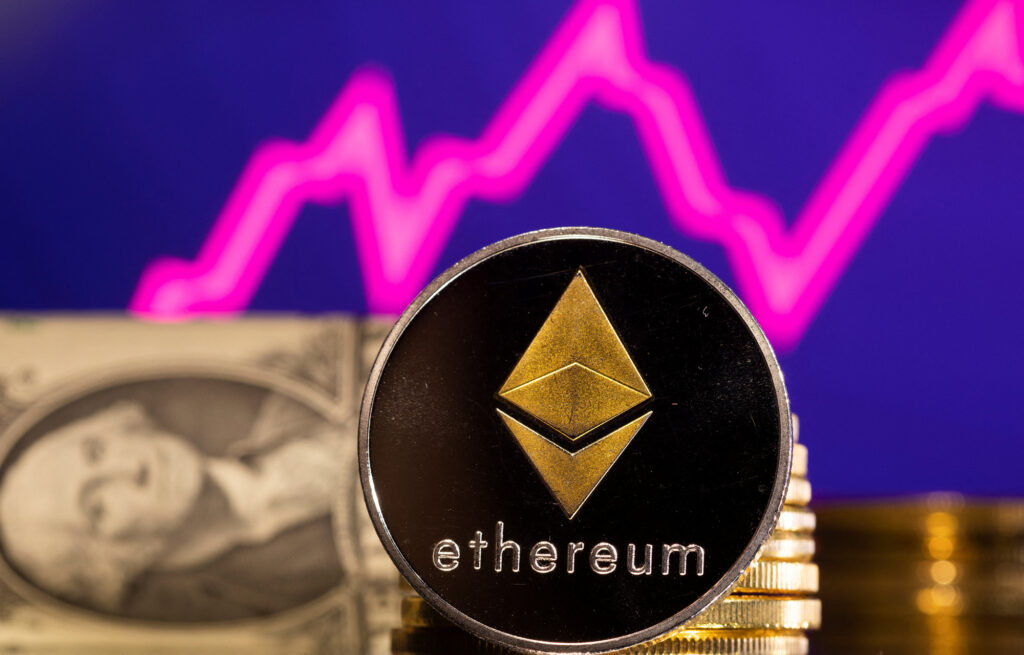
Spot Ether exchange-traded funds (ETFs) in the U.S. have now posted 15 consecutive days of inflows, bringing them closer to a $1 billion milestone.
On June 6, ETFs tied to Ether attracted another $25.3 million in inflows, according to data from Farside.
This marked the third straight week of uninterrupted gains.
Momentum Builds Since Mid-May
The inflow streak began on May 16 and has now totaled $837.5 million.
That figure accounts for about 25% of the $3.32 billion in net inflows since Ether ETFs launched in July 2024.
If current momentum continues, another $162.5 million in inflows would push the streak past the $1 billion mark.
By contrast, Bitcoin ETFs saw their own streak broken on May 29, when they recorded outflows totaling $346.8 million.
Bitcoin ETF flows have since been mixed, showing both inflow and outflow days.
Ether, meanwhile, has enjoyed strong price performance.
Its price rose more than 31% over the last 30 days, currently trading around $2,490, according to CoinMarketCap.
Technical Signals Point to $6K Potential
Analysts remain optimistic about Ether’s long-term trajectory.
Crypto Eagles, a well-followed technical analyst, suggested on June 3 that Ether’s current cycle mirrors past price patterns, possibly setting the stage for a rally toward $6,000.
Ether last hit its all-time high of $4,878 in November 2021, per CoinGecko.
Some market watchers believe that incorporating staking into spot Ether ETFs could be the next major development.
This enhancement could significantly boost their competitiveness and investor appeal.
Staking ETFs May Be on the Horizon
Recent developments suggest staking options could soon arrive in the U.S. market.
ETF provider REX Shares has filed to launch both Ethereum and Solana staking ETFs.
James Seyffart, an ETF analyst, noted that REX used regulatory workarounds in an effort to bring these products to market.
While no official launch date has been set, expectations are building.
As Ether’s price strengthens and institutional interest grows, ETFs appear poised to become a dominant force in the asset’s adoption.

Bitcoin rebounded toward $106,000 on June 3 following a turbulent start to the trading day.
After briefly slipping below its previous all-time highs from late 2024, the cryptocurrency managed to steady itself, resisting a feared test of the $100,000 support level.
Market watchers noted an emerging bullish sentiment, fueled by renewed interest in key liquidity zones.
Data from Cointelegraph Markets Pro and TradingView highlighted the recovery of BTC/USD, showing the pair reversing its earlier drop after the Wall Street open.
Traders Eye High-Stakes Liquidity Zones
Popular trader Daan Crypto Trades suggested that both bulls and bears had positions clustered around the current price range, hinting at the potential for volatile moves.
“There are still a lot of positions built up on both sides,” he stated on X.
“Major liquidity zones above $110K and below $103K.”
This tension between upward and downward liquidity could trigger sudden price swings, with analysts watching closely for a breakout.
CoinGlass data showed that upside liquidity was already within range, raising the possibility of a short-term rally designed to flush out positions.
Support Builds, but Momentum Still Lacking
Material Indicators, a trading analytics platform, pointed out key areas of support that could come into play if prices dip again.
“FireCharts shows ~$263M in BTC bid liquidity laddered down to $97,750, and an additional block of plunge protection just above the Yearly Open,” the firm stated.
This strong bid interest may serve to buffer Bitcoin against further declines and keep the broader uptrend intact.
Still, Material Indicators remained cautious about expectations for new all-time highs in the near term.
“The trend undoubtedly is still up, but there has been no strong continuation above $100K+ this year just yet,” Daan Crypto Trades remarked the day before.
Profit-Taking Begins but Euphoria Still Absent
According to on-chain analytics firm Glassnode, Bitcoin holders have started realizing profits, though not at the scale seen during past bull market peaks.
“The recent Bitcoin ATH breakout has led to a notable uptick in profits locked in, with the average coin capturing a +16% profit,” the firm said in its latest edition of “The Week Onchain.”
Only 8% of all trading days have yielded higher profits for investors, signaling that a wave of profit-taking may be underway.
Glassnode also emphasized that the market hasn’t yet entered a “euphoric” phase typically associated with cycle tops.
Instead, traders appear cautiously optimistic, with many still waiting for a strong catalyst to push Bitcoin decisively past the $110,000 mark.
Large Bitcoin holders have spent the week adding to their stacks even as spot prices hover just below April’s all-time peak.
On-chain dashboards from Material Indicators reveal a steady uptick in buy orders sized over $1 million, a pattern analysts read as “whales locking in exposure before the next leg.”
At the same time, BTC has traded in a narrow $5,000 channel around $105,000, suggesting a bout of consolidation rather than capitulation.
“BTC is consolidating above $100k and whales are accumulating,” noted Material Indicators co-founder Keith Alan, pointing to a heat-map of rising bid liquidity clustered at six-figure levels.
Analysts flag $94K as first major support
Alan’s models place the 21-week moving average—currently near $94,000—as the most likely bounce zone should sellers gain the upper hand.
“If a correction comes, I expect support to hold at the trend line which currently has confluence with the 21-Week Moving Average.”
That view aligns with historical patterns: previous bull-market pauses have typically retraced to the 21-week curve before resuming their advance.
Bull market context tempers correction fears
Despite the possibility of a pullback, market structure remains decisively bullish.
Bitcoin has printed seven consecutive green weekly candles, a streak rarely seen outside primary uptrends.
Funding rates on perpetual futures have cooled, implying less overheated leverage and healthier foundations for another breakout attempt.
High-profile trades stir social-media drama
Hyperliquid trader James Wynn has amplified volatility by live-tweeting every blockbuster position.
“They FORCED the $BTC price DOWN to $108,700,” he wrote after claiming rivals attempted to liquidate a 40x long.
Blockchain monitors show Wynn’s latest leveraged bet sitting on an unrealized $3.4 million loss, a reminder that whale theatrics can swing intraday sentiment.
Macro signals still favor upside
The dollar index slipped this week, and gold’s rally lost steam, pushing some macro funds to rotate back into digital assets.
Spot Bitcoin ETFs recorded their strongest three-day inflow since early May, according to BitTrends data.
Meanwhile, Glassnode metrics show dormant supply at a record high, indicating long-term holders remain reluctant to sell into strength.
Risk factors traders are tracking
CME futures now price a 45 % chance of a Federal Reserve rate cut in September, and any hawkish surprise could drain risk-asset appetite.
Regulatory headlines also lurk: the Securities and Exchange Commission has yet to publish final guidance on crypto staking, and a restrictive ruling could sap retail momentum.
Even so, the broader market mood leans optimistic, with several analysts setting year-end targets between $135,000 and $155,000—levels that imply a fresh wave of FOMO if $112,000 resistance breaks.
Outlook
For now, eyes remain on whether whales keep stepping in on minor dips and whether the 21-week average indeed acts as a floor.
A clean bounce near $94,000 would fit the script of a classic mid-cycle correction inside a powerful bull trend.
Conversely, a decisive close below that line could open the door to a deeper retracement toward the $80,000 handle.
As ever in crypto, sentiment can flip quickly, but whale behavior continues to suggest the path of least resistance points higher—after a potential shakeout to test conviction.

Coinbase Global has been hit with yet another proposed class-action lawsuit, this time from shareholders who say a recent data breach wiped hundreds of millions of dollars off the exchange’s market value.
The complaint, filed 22 May in federal court in Pennsylvania, adds to at least six user-led cases that have piled up since Coinbase revealed the intrusion earlier this month.
Plaintiff Brady Nessler is seeking damages for all investors who purchased Coinbase shares between 14 April 2021 and 14 May 2025.
Extortion Attempt Exposed
On 15 May Coinbase disclosed that several customer-support agents had been bribed four days earlier to compromise internal systems and pull limited account data.
The attackers demanded a $20 million payoff, prompting Coinbase to notify regulators and warn that remediation expenses could reach $400 million.
Shares dropped 7.2% to close at $244 when the news broke before rebounding 9% the following day, highlighting the volatility that now hangs over the stock.
Alleged Disclosure Failures
Nessler argues the cyberattack merely exposed a deeper transparency problem, alleging that Coinbase routinely withholds material information that could influence investors.
He points to language in the lawsuit describing a “precipitous decline in the market value of the Company’s common shares,” which he claims was exacerbated by selective reporting.
FCA Agreement at Issue
Central to the case is Coinbase’s July 2024 fine of £3.8 million ($4.5 million) from the U.K. Financial Conduct Authority for onboarding 13,416 high-risk customers despite an earlier pledge not to do so.
Nessler contends the exchange breached the 2020 voluntary agreement and failed to reveal that fact in its prospectus ahead of the April 2021 Nasdaq direct listing.
Had the violation been public, he says, investors would have questioned compliance controls and priced the shares accordingly.
Stock Performance Under Scrutiny
After the FCA penalty became public last July, Coinbase’s stock slid more than 5% to close at $231.52, an episode the suit cites as proof of the firm’s sensitivity to regulatory setbacks.
The latest breach-related disclosure pushed the price lower again on 23 May, with the stock finishing down over 3% at $263 before slipping further after hours.
Despite those swings, Coinbase remains up roughly 6% year-to-date, reflecting broader optimism about crypto markets and the firm’s diversified revenue streams.
Class-Action Landscape Expands
The Nessler filing is at least the seventh lawsuit tied to the incident, but it is the first to link damages expressly to the share-price drop rather than to customer losses.
It names Coinbase Chief Executive Brian Armstrong and Chief Financial Officer Alesia Haas as defendants, alleging they had direct knowledge of both the UK fine and the breach impact.
The suit seeks a jury trial and unspecified monetary relief, potentially adding millions more to the exchange’s burgeoning legal bill.
Coinbase declined to comment on the new action, citing its policy on pending litigation.
Regulatory Backdrop
The company is already fighting a high-profile enforcement case brought by the U.S. Securities and Exchange Commission, which alleges the platform operates as an unregistered securities exchange.
Legal scholars say the overlapping battles could shape industry standards on disclosure and cyber-risk management.
Some believe the shareholder suit might be consolidated with other cases, streamlining discovery but raising the potential settlement size.
Investor Considerations
Analysts at Mizuho Securities noted that while the breach itself appears limited, the incident highlights ongoing operational challenges as Coinbase scales support amid renewed bull-market interest.
They warned that management faces a delicate balance between growth and risk, especially as fraudsters increasingly target crypto firms.
Outlook
If the plaintiffs succeed, Coinbase could face higher compliance costs and tighter scrutiny from both investors and regulators.
Failure to address disclosure concerns promptly may also complicate efforts to expand internationally, where licenses often hinge on proven governance.
Still, bulls argue the exchange’s liquidity profile and first-mover advantage position it to withstand litigation shocks.
The case will test whether investors view the latest breach as a one-off operational lapse or evidence of systemic weaknesses.
A preliminary hearing is expected later this summer, setting the stage for a protracted legal battle that could influence disclosure standards across the crypto sector.