



Bitcoin is currently trading well below its intrinsic value, according to Charles Edwards, founder of Capriole Investments. Edwards claims that Bitcoin’s energy value, calculated based on mining costs and energy consumption, is approximately $130,000. This indicates that despite its current market price, Bitcoin is undervalued relative to its underlying energy consumption.
Institutional Buying and Exchange Outflows
On April 24, more than 8,756 BTC (around $830 million) were withdrawn from Coinbase, which could indicate institutional buying or ETF-related purchases. This aligns with recent Bitcoin ETF inflows, with Bloomberg’s ETF analyst Eric Balchunas noting that institutions have engaged in a $3 billion Bitcoin buying spree in recent days.
Binance also saw a significant outflow of 27,750 BTC on April 25, marking the third-largest outflow in the exchange’s history. While such outflows often indicate bullish sentiment, analyst Joao Wedson cautioned that these large withdrawals do not automatically guarantee a continued rally. He pointed out that in 2021, massive outflows did not prevent a market downturn following China’s crypto ban. However, continuous outflows, like during the FTX collapse, often signal a market bottom and potential recovery.
Bitcoin’s Fractal Patterns and the $100,000 Target
Bitcoin’s performance over the past week mirrors similar patterns from Q4 2024, when the cryptocurrency saw a series of significant price increases. As seen in the 1-day chart, Bitcoin has risen by 11% between April 21-25, and analysts suggest that a further 7-10% increase could push Bitcoin above the $100,000 mark in the near future.
While fractal patterns can offer insight into potential price movements, they are not always reliable. Unlike Q4 2024, when Bitcoin rallied without major resistance, the current overhead resistance level at $96,100 could prevent a breakout. However, if Bitcoin can break through this level, a surge above $100,000 could be within reach.
Conclusion
Bitcoin’s recent performance and bullish forecasts suggest it may continue to rise, with potential price targets ranging from $130,000 to $200,000 by the end of 2025. Factors like Bitcoin’s energy value, institutional buying, and the relationship between Bitcoin and gold all play a role in shaping its market dynamics. With strong outflows from exchanges and a weakening US Dollar, Bitcoin appears to be in a favorable position for further growth. However, key resistance levels and market conditions will determine how quickly it can reach new highs.
Bitcoin’s Intrinsic Value and Market Movements in Focus
Bitcoin (BTC) has been trading at a notable 40% discount to its intrinsic value, according to Charles Edwards, the founder of Capriole Investments. Edwards argues that Bitcoin’s true value, based on energy consumption and mining costs, stands at $130,000, significantly higher than its current market price.
Bitcoin’s Energy Value and Discounted Price
Edwards recently shared insights on X, explaining that since Bitcoin’s April 2024 halving event, which reduced block rewards to 3.125 BTC, the cryptocurrency’s energy value has remained significantly above its market price. This suggests that Bitcoin is undervalued, offering potential for substantial price appreciation in the future.
Coinbase, one of the largest cryptocurrency exchanges, experienced a substantial outflow of Bitcoin on April 24, with more than 8,756 BTC (around $830 million) being withdrawn. This negative netflow may signal growing institutional interest or the purchase of Bitcoin via exchange-traded funds (ETFs), which reflect a strong underlying demand for the asset.
Institutional Interest and ETF Activity
The outflows from Coinbase align with recent spot Bitcoin ETF inflows, which have garnered attention from institutional investors. Bloomberg’s ETF analyst Eric Balchunas noted that institutions have been on a $3 billion Bitcoin buying spree, suggesting that large investors are increasingly confident in Bitcoin’s future prospects.
Binance also saw significant Bitcoin outflows on April 25, with 27,750 BTC withdrawn. This marks the third-largest outflow in Binance’s history. While such withdrawals often indicate bullish sentiment, analyst Joao Wedson warned that large outflows do not always lead to sustained price increases. He pointed out that in 2021, significant outflows did not prevent a market decline triggered by China’s crypto ban. However, he also noted that continued outflows over several days, similar to the FTX collapse, could indicate a market bottom and a potential recovery.
Bitcoin’s Fractal Patterns and Price Predictions
Bitcoin’s recent performance mirrors the behavior seen in late 2024, particularly in November, when the cryptocurrency posted significant gains. Bitcoin’s price increased by 11% from April 21 to 25, showing similar buying pressure to previous rallies. If the price maintains this momentum, Bitcoin could see a 7-10% rise over the coming days, potentially pushing the cryptocurrency above the $100,000 mark.
However, analysts caution that fractal patterns, while insightful, are not always reliable. Unlike Q4 2024, when Bitcoin rallied without resistance, Bitcoin currently faces overhead resistance at $96,100. If Bitcoin can overcome this resistance level, a breakout above $100,000 could follow.
The Role of the US Dollar in Bitcoin’s Rally
Bitcoin’s rally is also being influenced by the weakening US Dollar. On April 21, the DXY (US Dollar Index) dropped to a three-year low, which has historically been a bullish indicator for Bitcoin. The DXY’s decline could signal a shift in market conditions that benefits risk assets like Bitcoin. As crypto analyst ‘Venture Founder’ explained:
“Traditionally, DXY going down is very bullish for $BTC, we now have a massive bearish divergence for DXY, which may suggest it goes to 90. The last 2 times this happened triggered a Bitcoin parabolic bull run in the final phase of the bull market (lasting 12 months).”
Conclusion: Bitcoin’s Bullish Prospects
Bitcoin’s recent price activity, its intrinsic value based on energy consumption, and institutional interest through ETF inflows all suggest a bullish outlook for the cryptocurrency. While significant outflows from exchanges like Coinbase and Binance are encouraging, the market faces key resistance levels that could impact Bitcoin’s near-term performance. However, the broader market dynamics, including the weakening US Dollar, indicate that Bitcoin is well-positioned for continued growth. With the potential for Bitcoin to reach $100,000 or beyond, the outlook for 2025 remains optimistic.
Healthcare technology firm Semler Scientific has further deepened its Bitcoin investment, acquiring approximately $10 million worth of the digital asset since February 14, according to a statement released on April 25.
The company confirmed the purchase of 111 Bitcoin at an average price of around $90,000 per coin. Overall, Semler now holds more than 3,300 Bitcoin, valuing its total crypto treasury at about $300 million.
Measuring Bitcoin Yield Performance
Semler highlighted that its Bitcoin acquisitions have contributed to a Bitcoin yield of 23.5% for shareholders so far this year. The Bitcoin yield metric compares the company’s Bitcoin holdings to its number of outstanding shares, helping to demonstrate how Bitcoin exposure per share has grown.
“Semler Scientific uses BTC Yield as a [key performance indicator] to help assess the performance of its strategy of acquiring bitcoin in a manner Semler Scientific believes is accretive to stockholders,” the company explained.
Since initiating this strategy in February, Semler has been aggressively building its Bitcoin position.
Financing the Bitcoin Strategy
The company stated it purchased its Bitcoin treasury for an average price close to $89,000 per coin. With Bitcoin currently trading at around $95,000, Semler’s investment has seen early gains.
To support its Bitcoin acquisitions, Semler has financed the purchases by issuing roughly $125 million in new stock. Additionally, in January, the firm announced plans to raise another $75 million through a private offering of convertible senior notes.
Semler Scientific primarily operates in the healthcare sector, developing diagnostic products that help detect chronic diseases.
Corporate Bitcoin Holdings on the Rise
Semler’s move follows a broader trend among corporations accumulating Bitcoin for their treasuries. Data shows public companies collectively hold approximately $71 billion worth of Bitcoin as of April 25.
Leading the pack is Michael Saylor’s Strategy (formerly MicroStrategy), which boasts a treasury valued at over $50 billion. During the week of April 14 alone, Strategy acquired an additional 6,556 Bitcoin at an average price of $84,785 per coin.
Despite corporations building significant Bitcoin reserves, they still trail behind Bitcoin holdings managed by exchange-traded funds (ETFs), which control about $110 billion in Bitcoin.
Semler’s aggressive Bitcoin strategy mirrors the growing institutional appetite for digital assets, signaling a continuing shift in corporate finance strategies.
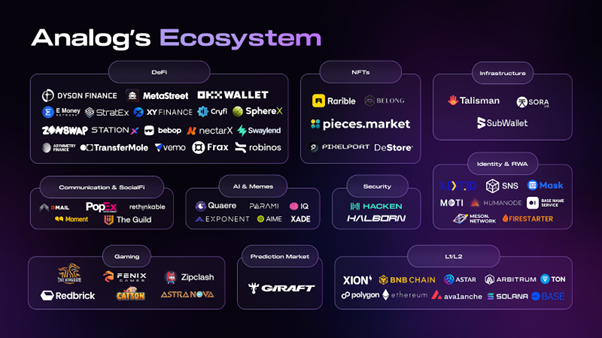
Analog, a leader in blockchain interoperability, has secured a $15 million strategic funding commitment from Bolts Capital, further boosting its capital raise to a total of $36 million. This new commitment comes in the form of a significant token purchase, deepening Bolts Capital’s role in Analog’s mission to unify liquidity across the decentralized Web3 landscape.
Fueling Infrastructure for Unified Liquidity
“This $15 million in a strategic funding commitment from Bolts Capital is a major step forward for Analog as we continue building the infrastructure layer for unified liquidity in Web3,” said Victor Young, Founder of Analog.
Analog aims to become the ultimate liquidity hub by enabling frictionless asset movement across chains. The newly secured capital will support the development of innovative tools like the Omnichain Analog Token Standard (OATS), Firestarter, and Zenswap. “With this capital, we’re accelerating the development of groundbreaking solutions like OATS, Firestarter, and Zenswap, which will drive scalable RWA adoption, optimize liquidity, and unlock deeper markets for DeFi applications,” Young added.
A Track Record of Momentum
Before this latest funding, Analog had already raised $21 million from leading investors such as Tribe Capital, Wintermute, NGC Ventures, and the NEAR Foundation. The February 2025 launch of its mainnet and $ANLOG token marked major milestones, with listings now live on platforms including Bitget, Gate.io, KuCoin, MEXC, and Kraken. Stakers are currently enjoying an APY of 82.7%, showcasing high yield opportunities within the ecosystem.
Ecosystem Growth and Cross-Chain Adoption
Analog’s ecosystem now features over 60 partners across DeFi, RWA, gaming, and AI. Key collaborators include OKX Wallet, Frax, MetaStreet, and Rarible. On the testnet side, more than 384,000 users have participated, and over 121,000 have already claimed airdrop rewards.
The platform’s expansion is also reflected in community apps like Pixelport, which has brought in nearly 58,000 users. To date, 14,980 NFTs have been bridged across different blockchains, highlighting early interest in omnichain asset utility.
What’s Next
Analog’s product roadmap features several new launches, led by OATS for seamless cross-chain asset transfers. Firestarter, backed by Black Label Ventures, will introduce real-world asset tokenization, while Zenswap—developed with Soramitsu—will enable cross-chain swaps via a single transaction.
“We see Analog as one of the few teams truly solving for interoperability at scale. As more use cases emerge across chains, especially in RWAs, there’s a real need for foundational infrastructure like what Analog is building,” said Managing Director of Bolts Capital. “And we’re excited to support their vision and growth with this $15 million strategic commitment.”
Bitcoin has once again cemented its place in the global financial hierarchy, reaching a market capitalization exceeding $1.8 trillion. This surge propels it ahead of some of the world’s most recognized corporations and commodities, placing it as the fifth largest asset by value.
Outpacing Corporate and Commodity Giants
Recent data from CompaniesMarketCap reveals that Bitcoin’s current market cap puts it just above Alphabet, Google’s parent company, by around $12 billion. The cryptocurrency also now surpasses Amazon, which holds a market valuation of $1.837 trillion, and has edged out silver, a historically significant precious metal, valued at $1.856 trillion.
Now, the next target for Bitcoin is Nvidia, which currently sits in fourth place with a market cap of approximately $2.4 trillion. However, to dethrone gold—the world’s top asset—Bitcoin would need an astronomical rally of over 1,000%.
Price Momentum Builds Amid Economic Shifts
The digital currency has witnessed an impressive 12% jump in value this week alone, now trading above the $93,500 mark. During the Asian trading session on Wednesday, Bitcoin even briefly pushed past $94,000. This rise follows easing global tensions and supportive remarks from President Trump, which calmed market nerves and encouraged investor optimism.
“Digital Gold” Narrative Strengthens
Bitcoin’s trajectory appears to be diverging further from traditional equity markets, enhancing its reputation as a hedge against macroeconomic uncertainty. This trend has been a key factor in reinforcing the asset’s “digital gold” status, especially as investors seek alternatives amid global instability.
Institutional Interest Fuels Momentum
There’s also been a significant uptick in institutional interest. On Tuesday, U.S.-listed spot Bitcoin ETFs recorded their largest single-day net inflow since mid-January, with nearly $913 million pouring in. These funds have now enjoyed three straight days of net inflows, signaling strong investor confidence.
Bitwise CIO Matt Hougan underscored this sentiment, stating, “Bitcoin is rallying because they broke the economy. And the way they’ll ‘fix’ the economy will make Bitcoin rally harder.”
Long-Term Optimism Remains High
Bitcoin developer Adam Back expressed a bullish long-term view, declaring that Bitcoin prices under $100,000 are still “cheap.” This kind of commentary highlights the enduring confidence among industry veterans in Bitcoin’s continued rise.
Gold and Bitcoin surged in early Asian markets after Donald Trump posted a cryptic but impactful message on social media, reinforcing the symbolic link between wealth and power. This latest boost for the two assets came amid broader economic jitters and renewed global uncertainty.
Trump’s post on Truth Social read:
“THE GOLDEN RULE OF NEGOTIATING AND SUCCESS: HE WHO HAS THE GOLD MAKES THE RULES.”
This message, which alludes to gold as a tool of influence, triggered immediate market reactions. Gold soared to a record high of $3,385, climbing nearly 2% in just 24 hours. Bitcoin, following close behind, jumped roughly 3% to reach $87,500, adding to a 4.5% gain over the previous week.
Analysts Point to Broader Global Concerns
While Trump’s comment added a flashpoint, market analysts suggest the underlying momentum for both assets stems from escalating US-China tensions and fears surrounding the strength of the US economy. These concerns appear to be fueling investor interest in assets traditionally seen as safe havens.
The Kobeissi Letter offered a broader interpretation of the situation:
“Gold has hit its 55th all-time high in 12 months, and Bitcoin is officially joining the run, now above $87,000. The narrative in both Gold and Bitcoin is aligning for the first time in years: Gold and Bitcoin are telling us that a weaker US Dollar and more uncertainty are on the way.”
These synchronized movements suggest growing skepticism about the US dollar’s stability, potentially signaling a broader economic shift.
Dollar Woes Amplify the Trend
Monday trading saw the US dollar index plummet to a three-year low, compounding the sense of uncertainty. The decline followed remarks from National Economic Council Director Kevin Hassett, who revealed that President Trump is still exploring options to remove Fed Chair Jerome Powell.
This revelation rattled markets, sparking fears that Trump may seek increased control over the Federal Reserve. Traders responded swiftly, selling off the dollar as confidence in monetary policy independence took a hit.
Bitcoin Defies Its Typical Patterns
Interestingly, Bitcoin’s climb during this dollar slump represents a notable deviation from past behavior. Typically, a weakening dollar sees Bitcoin decline or remain stagnant, given that both are viewed as alternative stores of value.
However, this time, Bitcoin surged, with some analysts calling it a potential “regime shift.” The move suggests that Bitcoin may be evolving beyond its classification as just another risky asset, hinting at a maturing role in financial markets.
Still, some remain cautious. While this divergence could indicate a new chapter for Bitcoin, analysts are not ready to conclude that the cryptocurrency has decoupled completely from other risk-sensitive investments.
Gold vs. Tech: Bitcoin’s True Alignment
Despite its reputation as “digital gold,” Bitcoin has historically been more closely correlated with tech stocks than with precious metals. According to Franklin Templeton Digital Assets, the correlation coefficient between Bitcoin and gold has rarely topped 0.3, indicating weak alignment.
In contrast, Bitcoin’s connection with the tech sector has been far more robust. Over the past three years, its correlation with tech equities has reached as high as 0.7—suggesting that market movements in Bitcoin often mirror those in technology stocks.
As uncertainty builds and safe-haven narratives evolve, investors appear to be re-evaluating where Bitcoin fits in the larger financial ecosystem.
One year after Bitcoin’s 2024 halving event, market observers are applauding BTC’s strength in the face of economic headwinds. The halving, which reduced block rewards from 6.25 BTC to 3.125 BTC, appears to have triggered not only scarcity-driven optimism but also speculation around a faster market cycle.
Bitcoin Holds Strong Despite Global Tensions
Since the May 2024 halving, Bitcoin has surged over 33%, even as fears surrounding a global trade war between the U.S. and China have escalated.
“So, even though Bitcoin’s showing resilience, I think the mix of past experiences, economic uncertainty, and this selling pressure is keeping investors on the sidelines, waiting for a stronger green light before they jump in,” said Enmanuel Cardozo, market analyst at Brickken.
Cardozo believes institutional players could influence the timing of this cycle. “For the 2024 halving in May, that puts the bottom around Q3 this year and a peak mid-2026, but I think we might see things move a bit sooner because the market’s more mature now with more liquidity.”
Monetary Policy Could Shape BTC’s Next Leg Up
Cardozo also pointed to potential monetary policy moves as a catalyst. A U.S. Federal Reserve rate cut, possibly in May or June, could inject additional liquidity into markets and help push Bitcoin higher.
The halving mechanism itself is a built-in feature of Bitcoin’s monetary policy, designed to reduce supply and maintain scarcity. This supply shock, when paired with heightened demand, has historically preceded bull runs.
Institutional Demand and ETFs Alter the Playing Field
Another analyst, Vugar Usi Zade of Bitget, suggested the market cycle might be accelerating due to institutional adoption and ETF activity.
“With growing scarcity triggered by the halving, Bitcoin will likely retest its all-time high if it breaches the $90,000 mark in the coming weeks,” he explained. “While the halving offers a good basis for growth based on demand and scarcity, the timeline for impact on price can vary over time.”
Zade emphasized that Bitcoin’s growth remains closely tied to broader financial markets and investor sentiment.
New All-Time High Came Quicker Than Previous Cycles
Recent price action supports the idea of a compressed cycle. According to data from trader Jelle, Bitcoin reached a new all-time high above $109,000 on January 20—just 273 days after the 2024 halving.
That’s a significant acceleration compared to previous cycles: the 2021 halving took 546 days to peak, and the 2017 cycle needed 518 days.
As the ecosystem matures with institutional players, ETFs, and evolving market dynamics, many analysts believe Bitcoin may no longer follow its traditional four-year pattern. Instead, the cryptocurrency could be entering a new era of accelerated, liquidity-driven growth.
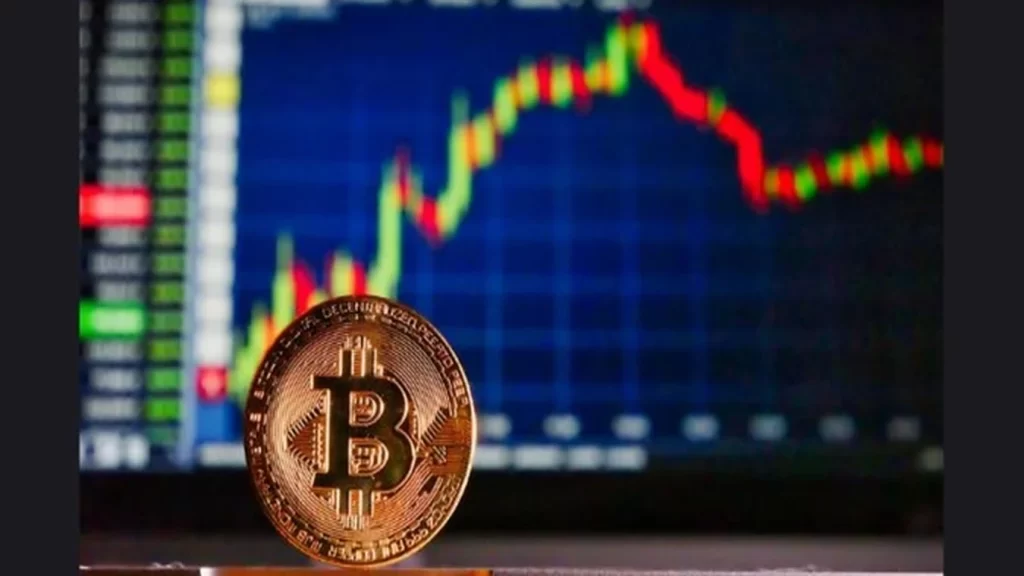
Bitcoin’s price may be heading for new highs in the coming months, according to recent research by economist Timothy Peterson. His analysis suggests that Bitcoin could reach as high as $138,000 within 90 days — provided current macroeconomic trends hold.
Statistical Edge for Bitcoin Bulls
Peterson’s latest forecast is rooted in a data-driven look at the U.S. High Yield Index Effective Yield, which is currently above 8%. Based on historical data, this level of yield has coincided with positive Bitcoin performance more often than not.
“This has happened 38 times since 2010 (monthly data),” he explained. “3 months later: Bitcoin was up 71% of the time. The median gain was +31%. If it went lower, the worst loss was -16%.”
With these odds favoring the bulls, Peterson outlined a potential BTC price range between $75,000 and $138,000 over the next three months.
Strong Floor, Bullish Ceiling
Peterson’s models, including his proprietary “Lowest Price Forward” tool, continue to suggest solid support for Bitcoin even in the face of market volatility. Earlier this year, he gave 95% odds that Bitcoin would not fall below $69,000 in March.
For Bitcoin to hit the upper end of his new forecast, it would require a 62% rally from current levels. While ambitious, the projection is not out of reach if the macroeconomic environment remains favorable.
Unusual Correlation With the U.S. Dollar
In a notable shift, Bitcoin has shown a rare positive correlation with the U.S. Dollar Index (DXY), diverging from its historical pattern. Peterson attributes this anomaly to shared responses to broader economic stressors.
“This level of BTC-USD correlation is unprecedented. The relationship is not causal, but reflective of underlying conditions affecting both,” he said.
He further explained that in 2024, Bitcoin and the dollar began reacting similarly to factors like tightening liquidity, elevated real interest rates, and global risk aversion. However, he believes this alignment is temporary.
“BTC will decouple and rise when real yields drop + liquidity returns,” Peterson predicted.
Dollar Weakness Could Fuel the Next Rally
Recent data shows the DXY holding below the critical 100 threshold — one of its weakest points in the last three years. This decline in dollar strength may offer Bitcoin a tailwind, mirroring conditions during the early 2023 bull run.
While macroeconomic uncertainty continues, analysts like Peterson remain optimistic that Bitcoin could capitalize on the current environment, potentially ushering in a new phase of growth.
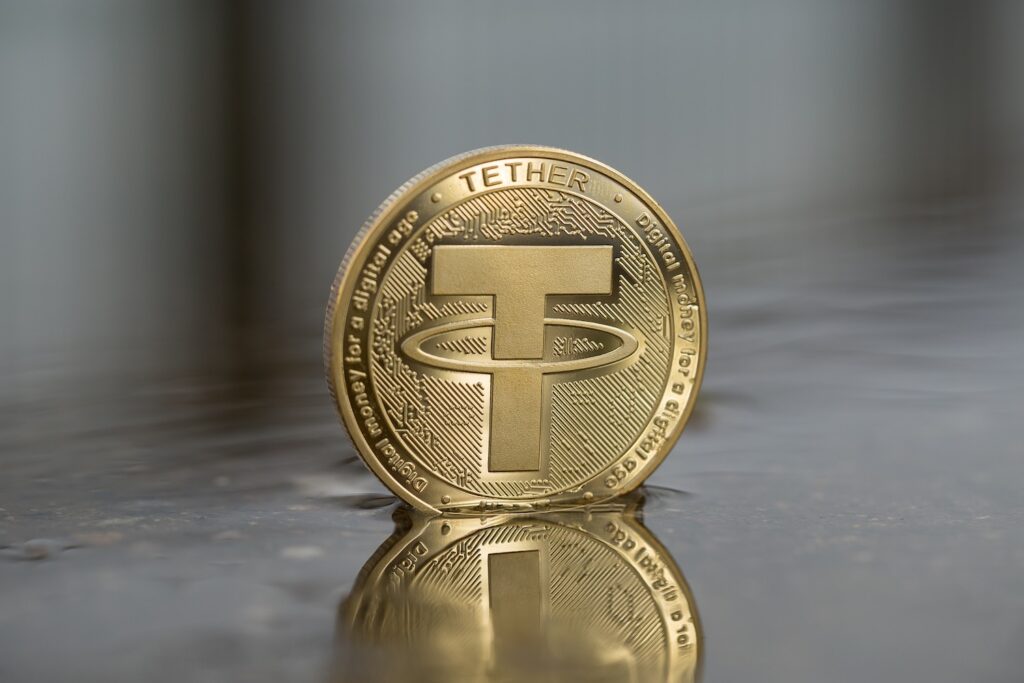
A senior Russian Finance Ministry official has called for the development of local stablecoins in the wake of U.S. and European action targeting digital wallets tied to Russian interests. Osman Kabaloev, deputy director of the ministry’s financial policy department, made the remarks after wallets holding Tether’s USDT were blocked last month.
Push for Non-USD Stablecoins Grows
The sanctions have forced Russian officials to consider creating stablecoins similar in function to USDT but pegged to currencies other than the U.S. dollar. The motivation stems from the disruption caused by the freezing of Russian-linked digital assets and increasing difficulty in accessing Western financial systems.
Garantex Sanctions Trigger Crypto Clampdown
In February, the European Union sanctioned Garantex, a major Russian crypto exchange, citing its associations with blacklisted financial institutions such as Sberbank, T-Bank, and Alfa-Bank. The EU accused the platform of helping these banks evade restrictions.
Following the EU action, Tether blocked Garantex-linked wallets that held over 2.5 billion rubles (approximately $30 million). This move forced the exchange to halt operations temporarily, suspending crypto withdrawals and leading to broader implications for Russia’s crypto landscape.
The platform’s infrastructure was subsequently seized by U.S. and European authorities, escalating enforcement efforts. The U.S. Department of Justice later unsealed indictments against several key Garantex figures, alleging the platform processed $96 billion in illicit transactions linked to cybercrime and money laundering.
Crypto Payments in International Trade
Despite official resistance to crypto for domestic use, Russia has been experimenting with its application in cross-border payments. Bank of Russia Governor Elvira Nabiullina reiterated her opposition to crypto for internal transactions but confirmed international crypto payments were being tested.
These tests come at a time when Russia is searching for alternative methods to bypass Western sanctions. In March, reports surfaced that the country had utilized cryptocurrencies, including Bitcoin and USDT, for oil trades with China and India.
Stablecoins and Digital Ruble in Focus
Moscow has been exploring a variety of financial workarounds since the onset of sanctions, including launching its own central bank digital currency (CBDC), the digital ruble. Alongside this, there is growing interest in non-dollar stablecoins to provide payment flexibility and geopolitical resilience.
While these strategies are seen as innovative ways to circumvent restrictions, progress has been slow. The adoption of a digital ruble remains in its infancy, and stablecoin projects are still conceptual, highlighting the significant hurdles ahead for Russia’s financial evolution in a sanction-heavy environment.

Michael Saylor’s company, Strategy, has continued its aggressive Bitcoin accumulation, announcing the purchase of 3,459 BTC between April 7 and April 13. Acquired at an average price of $82,618 per Bitcoin, this latest investment pushes the firm’s total BTC holdings to an astonishing 531,644 coins—valued at nearly $45 billion based on current market prices.
Funding the Buy with Equity Sales
According to a recent SEC filing, the purchase was funded through the sale of company shares. Strategy sold 959,712 shares of MSTR stock within the same timeframe, generating approximately $286 million in net proceeds. The transaction was part of its ongoing Common ATM equity offering program.
Even after this share sale, Strategy maintains substantial capacity for future funding. The company still holds over $2.08 billion in MSTR shares and approximately $21 billion in STRK shares that can be issued and sold down the line.
Holding Steady Despite Market Turbulence
The purchase comes on the heels of a one-week pause in acquisitions, during which the firm disclosed an unrealized loss of nearly $6 billion due to Bitcoin’s price drop. However, Saylor has shown no signs of changing course. On Sunday, he posted the company’s portfolio tracker on X (formerly Twitter)—a move that has historically signaled a pending buy.
Despite the recent volatility, Strategy’s Bitcoin stash still shows approximately $9 billion in unrealized profits, with Bitcoin trading above $84,500 at the time of the announcement.
Leading the Corporate Bitcoin Charge
Strategy remains the largest corporate holder of Bitcoin, owning around 2.5% of the total circulating supply. Other firms such as MARA Holdings, Riot Platforms, and Galaxy Digital Holdings trail behind.
Saylor’s firm continues to be a driving force in corporate Bitcoin adoption, frequently making large-scale purchases that reflect his unwavering belief in the cryptocurrency as a long-term store of value.
Metaplanet Ramps Up Bitcoin Investment
Meanwhile, in Asia, another Bitcoin-centric company is following a similar path. Metaplanet, often dubbed “Asia’s Strategy,” revealed its latest Bitcoin purchase on Monday. The Tokyo-based investment firm acquired $26 million worth of BTC, bringing its total to 4,525 coins.
Despite the price swings triggered by political developments—including proposed tariff policies from former President Donald Trump—Metaplanet remains committed to reaching its goal of holding 10,000 BTC by the end of 2025. It currently ranks as the ninth-largest public company globally in terms of Bitcoin holdings and holds the top spot in Asia.
While global financial markets have been rattled by U.S. President Donald Trump’s erratic tariff policy announcements, the cryptocurrency space has demonstrated surprising resilience. According to an April 11 note from Greg Cipolaro, global head of research at New York Digital Investment Group (NYDIG), digital assets have remained relatively calm amidst the broader market chaos.
Stability Amid Traditional Market Declines
Trump’s unexpected move on April 2 to impose sweeping global tariffs—only to partially backtrack a week later—sent shockwaves through stocks, bonds, and foreign exchange markets. Yet, Cipolaro noted, “Despite the carnage in traditional financial markets, the crypto markets have been relatively orderly.”
The crypto analyst highlighted how, in previous periods of market-wide risk aversion, digital assets usually saw heightened volatility. However, that pattern hasn’t played out this time, at least not to the same degree. He added that crypto perpetual futures funding rates “have been persistently positive,” despite a short-lived liquidation surge following the initial tariff announcement.
Limited Impact on Stablecoins and Liquidations
When Trump first unveiled the tariffs on April 2, they affected nearly all global partners but were paused just days after taking effect on April 9—leaving China subject to tariffs as high as 145%. This about-face did little to clarify the administration’s stance and further destabilized investor confidence.
Still, Cipolaro pointed out that the liquidations seen in crypto markets on April 6 and 7 totaled just $480 million, which he described as “well below other notable liquidation events.” Even Tether (USDT), the stablecoin often viewed as a barometer for crypto confidence, dipped slightly below $1 without triggering a mass sell-off.
Bitcoin Proving Its Worth as a Store of Value
Bitcoin (BTC), which currently trades at around $84,730 according to CoinGecko, hasn’t been entirely immune to volatility. Since its peak of over $108,000 in mid-January, it has declined by 22.5%. However, Cipolaro emphasized that “at current prices [it] has fared far better than many other asset classes.”
He believes Bitcoin’s muted volatility in the face of such geopolitical shocks is turning heads. “Perhaps investors are increasingly searching for stores of value not tied to sovereign countries and thus not affected by the trade turmoil.”
Attractive to Risk-Parity Investors
One of the key dynamics Cipolaro identified is Bitcoin’s appeal to funds that use risk-parity strategies. These portfolios seek to balance risk rather than capital, and the narrowing volatility gap between Bitcoin and traditional assets may make it a more attractive addition.
“Risk parity funds allocating to Bitcoin can help dampen its volatility — making the asset more attractive and potentially reinforcing a virtuous cycle of increased adoption and stability,” Cipolaro explained.
Caution From Technical Indicators
Despite the optimism from NYDIG, not everyone is convinced the crypto market is out of the woods. Ruslan Lienkha, chief of markets at YouHodler, noted that a bearish technical pattern could be forming.
In a note dated April 12, Lienkha warned of a potential “death cross,” where the 50-day moving average falls below the 200-day moving average. He described this as “generally considered a bearish signal for the medium term, suggesting that markets may struggle to sustain upward momentum without a clear catalyst or a stream of positive macroeconomic developments.”