
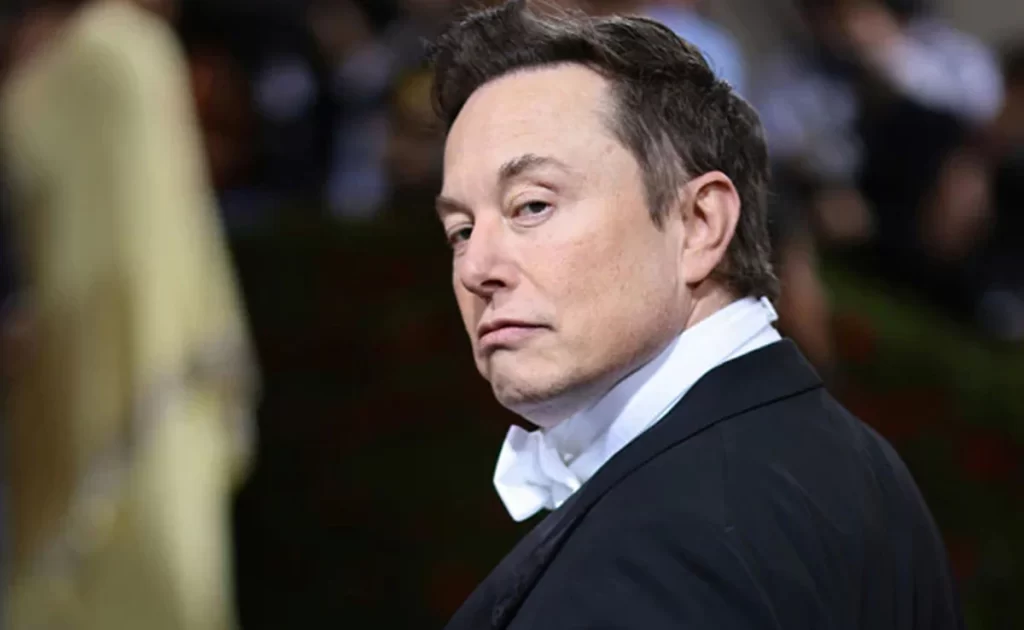
Elon Musk has vehemently refuted claims made in a report suggesting that his artificial intelligence (AI) firm, xAI, has already secured $500 million out of a targeted $1 billion investment from various stakeholders.
Musk took to X (formerly known as Twitter) to dismiss the accuracy of a Bloomberg article, firmly stating, “This is not accurate.”
Bloomberg, relying on undisclosed sources, reported that xAI is presently engaged in discussions that could potentially lead to a valuation between $15 billion and $20 billion, subject to potential adjustments in the coming weeks.
In the midst of these developments, Musk and prospective investors are said to be actively negotiating terms that may extend beyond the conventional equity shares in xAI, possibly including considerations related to computing power.
Notably, in November 2023, Elon Musk disclosed that equity investors in X, the entity he founded as an alternative to OpenAI due to philosophical disagreements, would be entitled to a 25% ownership stake in xAI.
This arrangement implies that these investors are encouraged to allocate at least 25% of their X investment into xAI, according to reports.
For instance, if an investor committed $10 billion to X, they would be encouraged to invest $2.5 billion or more in xAI, according to Bloomberg’s analysis.
READ MORE: SEC Acknowledges Nasdaq and Cboe Proposals for Bitcoin ETF Options Trading
xAI, founded by Musk in 2023, was introduced as a departure from OpenAI, and its chatbot, Grok, relies on social media content originating from X.
Adding to the intrigue, it was revealed that xAI had successfully secured a deal for a private sale totaling $865.3 million in unregistered equity securities.
This development came to light through a filing submitted to the United States Securities and Exchange Commission on December 5, 2023.
The filing, known as xAI Form D, stipulated that these securities would be offered exclusively to accredited investors, subject to resale restrictions under Rule 506(b).
Remarkably, $134.7 million worth of these securities had already been sold, with the initial sale taking place on November 29, 2023.
As the negotiations and discussions surrounding xAI’s financial future continue to unfold, it remains to be seen how Elon Musk’s vision for the company will align with the investment interests of prospective stakeholders.

Palo Alto, USA, January 23rd, 2024, Chainwire
Inaugural Sui ecosystem event comes to Paris April 10-11, 2024
Today, Sui Foundation and Mysten Labs announced Sui Basecamp, the first global conference dedicated to the Sui ecosystem, and a celebration of the builders and entrepreneurs building on Sui, the Layer 1 blockchain and smart contract platform the initial contributors of which are the technology team that emerged from Diem, Meta’s blockchain project. A premier event for the broader web3 ecosystem, Sui Basecamp will take place in Paris on Wednesday, April 10th and Thursday, April 11th 2024, and will feature builders and partners from all over the world as the web3 community descends on the city of lights for Paris Blockchain Week.
Both days will feature well-known speakers inside and outside Sui, to be announced in the upcoming weeks, and subjects of conversation will range widely from macro commentary on the industry as a whole, economics, cryptography, regulation, and the Move programming language. Attendees can expect insightful keynote speakers, interactive workshops, networking opportunities, and immersive activations designed to engage and entertain as they connect with like-minded individuals shaping the future of decentralized technologies like DeFi, NFTs, and more.
Evan Cheng, Co-Founder and Chief Executive Officer of Mysten Labs, original contributor to Sui said: “Almost a year after our Mainnet launch, Basecamp will be a celebration of all the ways Sui’s ecosystem and partners have grown and prospered. We look forward to seeing partners, builders, enthusiasts, developers, and industry leaders in Paris for the first global Sui conference to celebrate achievements to date and to be inspired by the future possibilities.”
Early bird tickets, at the discounted prices of $99 USD, are available today through March 1. Ticket prices remain discounted, at $149 USD, from March 2 through 31, then increase to the full price of $299 from April 1 until the event.
Registrations are now open, at https://sui.io/basecamp. Nous avons hâte de vous voir !
About Sui
Sui is a first-of-its-kind Layer 1 blockchain and smart contract platform designed from the bottom up to make digital asset ownership fast, private, secure, and accessible to everyone. Its object-centric model, based on the Move programming language, enables parallel execution, sub-second finality, and rich on-chain assets. With horizontally scalable processing and storage, Sui supports a wide range of applications with unrivaled speed at low cost. Sui is a step-function advancement in blockchain and a platform on which creators and developers can build amazing, user-friendly experiences. Learn more: https://sui.io
About Mysten Labs
Mysten Labs is a team of leading distributed systems, programming languages, and cryptography experts whose founders were senior executives and lead architects of pioneering blockchain projects. The mission of Mysten Labs is to create foundational infrastructure for web3. Learn more: https://mystenlabs.com
About Sui Foundation:
The Sui Foundation is an independent organization that is dedicated to the advancement and adoption of Sui. The Sui Foundation supports the Sui community and its projects that enable individuals and creators to have unprecedented ownership over their data and content.
Contact
Global Communications Manager
Lexi Wangler
Mysten Labs
[email protected]

Bloomberg’s senior litigation analyst, Elliott Stein, has expressed confidence in cryptocurrency exchange Coinbase’s chances of success in its ongoing lawsuit against the United States Securities and Exchange Commission (SEC).
Stein has estimated a 70% probability that Coinbase will secure a complete dismissal of the lawsuit.
In a recent post on Jan. 19, shared on a platform formerly known as Twitter, Stein initially believed that Coinbase would likely be able to challenge certain SEC claims but might struggle with allegations related to its staking rewards program and overall operational structure.
However, after a five-hour hearing, his perspective shifted dramatically:
“When I entered the SEC v. Coinbase hearing, I thought that COIN would probably succeed in dismissing SEC’s primary claims regarding trading, but perhaps not those related to staking and broker claims. After leaving the hearing,
I was convinced that COIN would achieve a full dismissal.”
The SEC’s accusations revolve around Coinbase’s practice of staking customer assets, earning rewards on their behalf, and returning them.
The SEC argues that this constitutes offering and selling investment contracts, subjecting Coinbase to SEC regulations.
Additionally, the SEC alleges that Coinbase was functioning as an unregistered broker, a claim vehemently denied by the exchange, which argued that there is no straightforward process for crypto exchanges to obtain licenses.
READ MORE: U.S. Regulators Investigate Debiex Exchange for Alleged Romance-Driven Crypto Swindle
Stein highlighted a pivotal moment when Coinbase provided a more precise definition of an “investment contract” than the SEC:
“I found Coinbase’s definition more convincing, requiring an investment in a business rather than merely an ecosystem, accompanied by an enforceable obligation.”
Stein also drew parallels to the SEC vs. Ripple case, where Ripple achieved a partial victory in July 2023.
The judge ruled that XRP is not considered a security when it comes to retail sales on cryptocurrency exchanges. Stein suggested that this ruling could have a ripple effect on Coinbase’s lawsuit:
“As the Ripple ruling in July suggested, digital asset sales on public exchanges do not neatly align with the Howey test for determining investment contracts.”
On Jan. 17, U.S. District Judge Katherine Polk Failla heard arguments from both the SEC and Coinbase during a lengthy five-hour session.
Notably, Judge Failla questioned SEC attorneys about why a digital token issuance would satisfy the Howey test, implying that the case’s scope might be too broad.
The SEC initiated the lawsuit against Coinbase on June 6, 2023, alleging that the exchange had violated federal securities laws by listing 13 tokens as securities, including Solana (SOL), Cardano (ADA), Polygon (MATIC), Filecoin (FIL),
The Sandbox (SAND), Axie Infinity (AXS), Chiliz (CHZ), Flow (FLOW), Internet Computer (ICP), Near (NEAR), Voyager (VGX), Dash (DASH), and Nexo (NEXO).
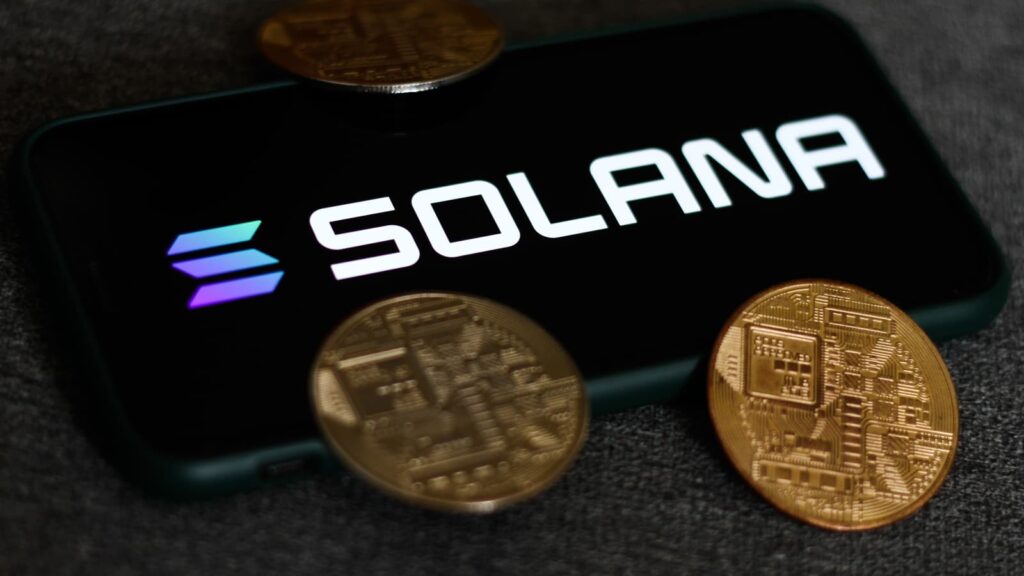
Stablecoin transfers on the Solana blockchain have surged to new heights in January, according to data from blockchain analytics platform Artemis.
The total volume of stablecoin transfers on Solana exceeded a staggering $300 billion, surpassing the previous record set in December 2023, which stood at $297 billion.
The remarkable growth in stablecoin activity on Solana becomes even more evident when compared to the same period a year ago.
In January 2023, the transfer volume for stablecoins on Solana was just $11.56 billion, making the current figure an astonishing 2,520% increase.
Solana’s market share in the stablecoin space has also experienced a meteoric rise, climbing from a mere 1.2% a year ago to nearly 32% today.
This rapid increase in popularity for Solana’s blockchain has been ongoing since October 2023, with a consistent growth rate of 650%.
While Ethereum maintains its position as the industry leader in stablecoin transfer volume, boasting $317 billion this month and a market share of over 33%, Solana is rapidly narrowing the gap.
Tron stands as the third-largest blockchain for stablecoin transfers, with a monthly volume of $240 billion.
Artemis reported that weekly stablecoin volumes across all networks hit a yearly high, attributing this growth to the surge in USD Coin (USDC) transfer volumes on Solana.
During the week of January 8th, stablecoin transfer volume surpassed an impressive $367 billion.
READ MORE: SEC Acknowledges Nasdaq and Cboe Proposals for Bitcoin ETF Options Trading
Paxos further cemented Solana’s standing in the stablecoin ecosystem by announcing the launch of its regulated stablecoin, USDP, on the Solana blockchain on January 18.
Over the past year, the total volume of stablecoin transfers across all blockchains has exceeded an astonishing $1.18 trillion.
In addition to the surge in stablecoin volumes, decentralized finance (DeFi) activity on Solana has surged, leading to a total value locked in the protocol reaching $1.36 billion.
This marks the highest level since September 2022, according to DefiLlama.
However, amidst this growth, Solana’s native cryptocurrency, SOL, has faced a period of retreat, with a 2% drop over the weekend, bringing its current trading price to $93.
This represents a 25% decline from its December 2023 high of $123 and a substantial 64% decrease from its all-time high of $260 recorded in November 2021.
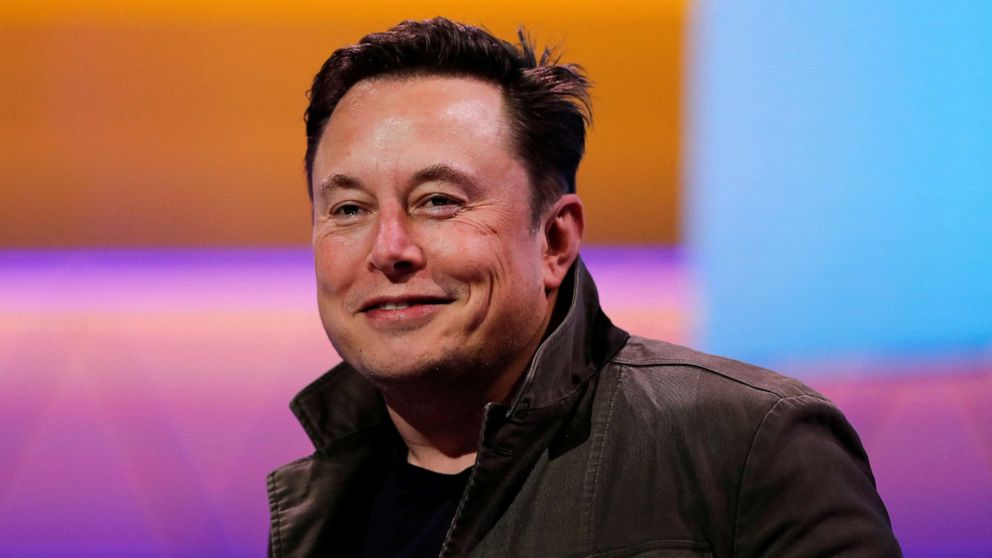
Elon Musk’s innovative “everything app,” formerly known as Twitter but now rebranded as X, has recently established a dedicated account for its upcoming payment feature, sparking intense speculation within the crypto community regarding the potential inclusion of cryptocurrencies.
The X app is expected to introduce in-app payment services by mid-2024, although it remains uncertain whether these services will extend beyond conventional fiat currencies.
While this dedicated X account has yet to make any posts, it proudly displays a gold badge, signifying its status as a verified organization.
Furthermore, it proudly carries the X badge, indicating its affiliation with the X platform.
Crypto researcher Mason Versluis, with a substantial following of 169,000 users, expressed his enthusiasm for the possibility of witnessing cryptocurrencies starting with the letter “X” on the app, such as XRP, Stellar (XLM), and XDC (XDC).
Elon Musk, known for his fascination with cryptocurrencies, has previously integrated Dogecoin as a payment option for Tesla’s merchandise store and has occasionally mentioned it on social media.
Many in the crypto community speculate that Dogecoin is the most likely cryptocurrency to be featured on X if any were to be included.
Over time, both Musk and X have dropped subtle hints suggesting a potential interest in DOGE for upcoming projects.
READ MORE: U.S. Regulators Investigate Debiex Exchange for Alleged Romance-Driven Crypto Swindle
In October 2023, X posted a meme featuring a dog answering a phone call, prompting the Dogecoin community to decode its significance.
However, some crypto researchers, like Tokenicer, believe that X has shifted its focus away from crypto-friendly content.
In 2023, X introduced a revenue-sharing system for ads, enabling content creators to monetize their content within the app.
Tokenicer remarked, “Feels like X has cut the payments for crypto content lately,” noting a significant decrease in his earnings from the platform.
It’s important to note that the payout system is based on the total impressions that content creators accumulate, so earnings may fluctuate over time.
Since Elon Musk acquired Twitter in April 2022, speculation has been rife regarding the platform’s evolution into a completely new entity and its potential integration of cryptocurrencies, given Musk’s longstanding interest in the space.
Musk himself has indicated that he envisions X eventually offering individuals the “ability to conduct your entire financial world,” as reported by Cointelegraph in July 2023.
As the crypto community eagerly awaits further developments from X, it remains to be seen how the app will shape the future of cryptocurrency integration and online payments.
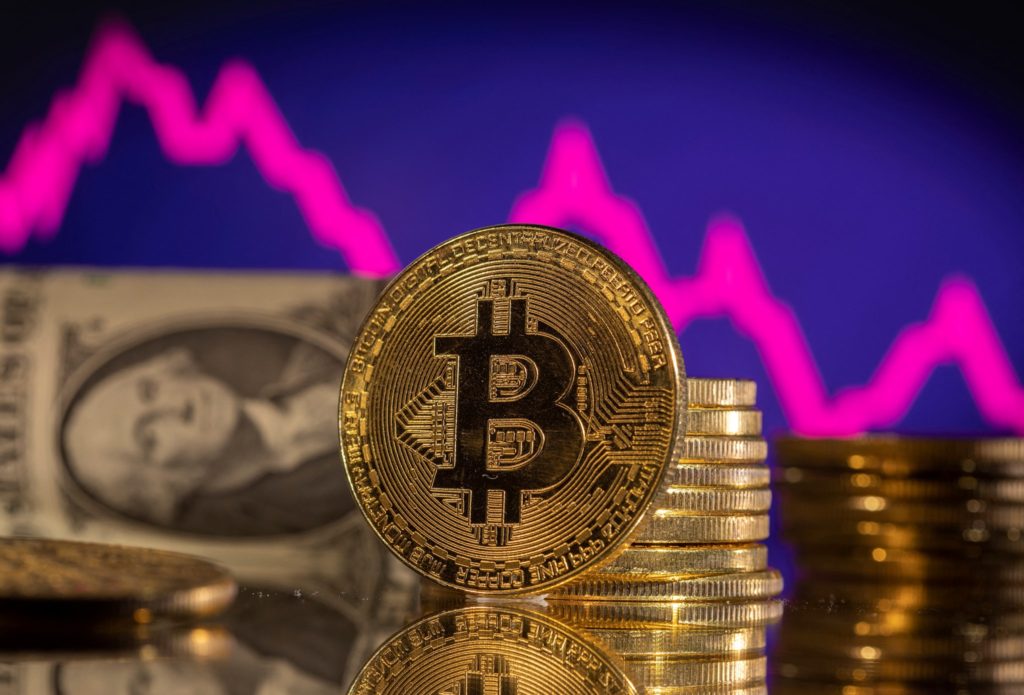
In the inaugural week of trading for United States spot Bitcoin exchange-traded funds (ETFs), an astonishing influx of capital surged into these new investment vehicles.
However, amidst their remarkable popularity, voices from the crypto world are raising concerns, contending that these ETFs might contradict the core principles upon which cryptocurrencies were founded.
On January 10, the U.S. Securities and Exchange Commission granted approval to multiple spot Bitcoin ETFs, marking a historic milestone.
Subsequently, on January 11, these ETFs commenced trading, and the demand for them became glaringly evident, with trading volumes surging to $10 billion within the first week.
Furthermore, the Bitcoin ETF market witnessed an impressive influx of over $782 million in just the initial two days of trading.
Nonetheless, despite their undeniable popularity, some crypto executives are sounding alarms, suggesting that ETFs could result in increased centralization within the crypto industry and may eventually become obsolete.
Andy Bromberg, the CEO of wallet developer Eco, expressed concerns about the potential for traditional financial institutions to gain excessive influence through Bitcoin ETFs.
He argued that when investors buy into these ETFs, they essentially provide Wall Street with funds to purchase Bitcoin, while they themselves only own a share on paper.
He lamented that this deviates from the original ideals of Bitcoin, emphasizing that it may lead to Wall Street institutions controlling a significant portion of the circulating Bitcoin supply.
Bromberg criticized ETFs as a stripped-down version of Bitcoin, removing the technology’s intrinsic features and focusing solely on its price.
However, he did acknowledge the importance of ETF approval, as it allows Americans to express their opinions on Bitcoin within the financial markets.
READ MORE: U.S. Regulators Investigate Debiex Exchange for Alleged Romance-Driven Crypto Swindle
Still, he stressed that the crypto community faces a critical test in guiding new investors toward self-custodying their assets to prevent Wall Street dominance.
Bromberg suggested that developers should create user-friendly products that provide asset custody while maintaining the core promises of crypto.
Lucas Henning, CTO for the Suku wallet development team, shared Bromberg’s reservations about Bitcoin ETFs.
He argued that ETFs may not sustain public interest for long, particularly as the SEC’s approval of other cryptocurrencies for ETFs remains uncertain.
He highlighted that most crypto yields might not be accessible through traditional brokerage accounts.
Henning also pointed out the increasing ease of self-custodying crypto assets, particularly within the Ethereum ecosystem, due to developments like Ethereum Improvement Proposal 7212.
This proposal would allow on-chain signatures using facial recognition technology, simplifying the process for users to sign transactions securely, reducing the need for ETFs to manage their assets.
In conclusion, while Bitcoin ETFs have garnered significant attention and investment, there are concerns within the crypto community that they might compromise the core principles of decentralization.
Some experts believe that as self-custodying options improve, the appeal of ETFs may wane, ultimately shaping the future of crypto investment.
Since its launch in 2018, Bitget has emerged as one of the world’s leading cryptocurrency exchanges, with the platform specially showcasing an immense amount of growth this past year. This article delves into the key factors contributing to its 2023 success, focusing on the impressive performance of its native token (BGB), the robustness of its user protection fund, and its use of various transparency-rooted practices.
A Closer Look at BGB’s Monumental Rise
The Bitget Token (BGB), which drives the exchange’s internal operations and is used by traders for staking, social trading, profit sharing or receiving discounts on trading fees, played a pivotal role in forging the platform’s impressive 2023 growth narrative. Registering an astounding 291% profit and peaking at an all-time high value of $0.66 on Dec 22, BGB emerged as a symbol of user confidence and market validation of Bitget’s wide array of services.
Several factors contributed to this success, including the introduction of new features such as staking for zero withdrawal fees and eligibility for new coin airdrops for holders. In fact, by the end of the year, the number of BGB holders surged by 83%, with its trading volume witnessing a 110% increase, reaching an impressive total of $5.15 billion.
Fostering Market Stability, One Step at a Time
In addition to BGB’s success, Bitget’s ‘Protection Fund’ which serves as a critical component of its security infrastructure, also achieved a remarkable high of $424 million (during Q4 2023). By encompassing a diversified portfolio, including cryptocurrencies like Bitcoin (BTC), Tether USD (USDT), and USD Coin (USDC), the fund continues to ensure a high degree of financial stability and adaptability during periods of market volatility.
On a technical note, it bears mentioning that the protection fund operates with a high degree of autonomy, allowing for prompt/efficient asset coverage when needed — thereby circumventing external dependencies as well as any bureaucratic delays. Such a high degree of agility is crucial when it comes to addressing and mitigating risks arising from hacks and extreme market conditions.
An Expanding User Base and Surging Operational Growth
Bitget’s client base witnessed a remarkable expansion during 2023, growing from 8 million to an impressive 20 million users. To accommodate this surge, Bitget increased its staff count from 1100 to 1500 employees. Additionally, the platform experienced a significant boost in its engagement levels, with its website recording 10.4 million average monthly visits (peaking at 13.6 million during May).
Furthermore, Bitget’s proactive approach to expanding its offerings was evidenced by its spot trading numbers. Over the course of the year, the platform added 355 new listings, resulting in an extensive selection of over 600 tokens and 700 spot trading pairs.
Surplus Reserves and Other Positive Financial Data
Bitget’s commitment to transparency and financial stability came to the forefront in 2023 after the exchange released a comprehensive Proof of Reserves (PoR) report, revealing a robust reserve ratio of 175%. The ratio — which stands significantly above the standard 100% mark — indicates excess reserves in comparison to its liabilities, ensuring that user funds are fully backed and readily accessible at all times.
Delving deeper into the PoR data, Bitget’s reserve status included holdings of substantial digital assets like BTC, ETH, USDT, and USDC, collectively exceeding $1.7 billion. This financial prudence was paralleled by Bitget’s trading volume, which reached an astounding $3.14 trillion last year. The platform also witnessed a significant surge in spot trading volume, which climbed to $81.6 billion, marking a remarkable 94% increase from the previous year.
Investments and Strategic Initiatives
Bitget’s strategic foresight was further highlighted by its significant investments and initiatives. A notable move was the $30 million investment in BitKeep — a crypto custody platform that has since been rebranded as Bitget Wallet — marking a decisive step in integrating decentralized and centralized finance solutions.
Additionally, Bitget demonstrated its commitment to supporting innovation and growth within the crypto sector by establishing two major funds, namely the EmpowerX Fund and the Web3 Fund, each capped at an impressive $100 million. The funds seek to nurture promising projects and partnerships within the digital asset arena.
Lastly, aligning with the ever-evolving needs of the crypto market, Bitget underwent a strategic rebranding in 2023. The platform’s new motto, ‘Trade smarter,’ reflects the firm’s focus on empowering users with more intuitive and intelligent trading tools. The change was not just meant to be a cosmetic one but a reaffirmation of Bitget’s over-arching mission to provide a sophisticated and user-friendly trading experience, especially for those new to the crypto world.
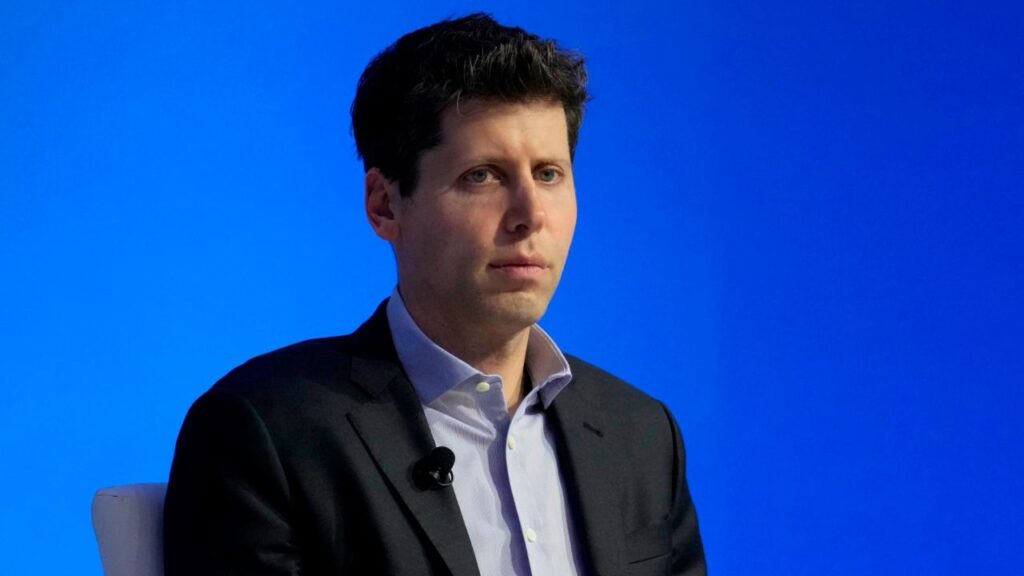
OpenAI’s CEO, Sam Altman, has ambitious plans to leverage the funds acquired from a chip venture to establish a series of semiconductor manufacturing facilities, commonly referred to as fabs, according to sources familiar with the matter.
Bloomberg reported on January 19th that Altman is engaged in discussions with various significant potential investors to secure the necessary funding for this expansive initiative, which would involve collaborating with leading chip producers on a global scale.
Among the potential investors, Abu Dhabi-based G42 and Japan’s SoftBank Group are in early talks with OpenAI, although a comprehensive list of partners and funders has not yet been finalized.
Since October 2023, OpenAI has been in discussions with G42 with the goal of raising an impressive $8 billion to $10 billion for the project.
While the current status of these discussions remains uncertain, the report mentions that Intel, Taiwan Semiconductor Manufacturing Company (TSMC), and Samsung Electronics are among the potential collaborators OpenAI is considering.
READ MORE: TrueUSD Implements Daily Attestations Amid Dollar Peg Struggles
Interestingly, OpenAI is not the only tech giant looking to invest in semiconductor chips.
Meta’s CEO, Mark Zuckerberg, announced on January 18th that the company intends to make substantial investments in specialized computer chips to develop and deliver new generative artificial intelligence (AI) models and products.
Meta plans to bolster its technology infrastructure, aiming to acquire approximately 350,000 H100 graphics processing units from chip designer Nvidia by the end of 2024.
Sam Altman’s renewed focus on securing funding for global semiconductor chip manufacturing comes after his unexpected and brief ouster from OpenAI in November 2023.
Upon his return, he resumed efforts to realize this ambitious project, even discussing the plan with Microsoft, which has reportedly shown interest.
Beyond his involvement in semiconductor chips, Altman holds a belief that the future of AI could hinge on a bold yet uncertain form of energy that does not currently exist—a vision that adds further intrigue to OpenAI’s future endeavors.
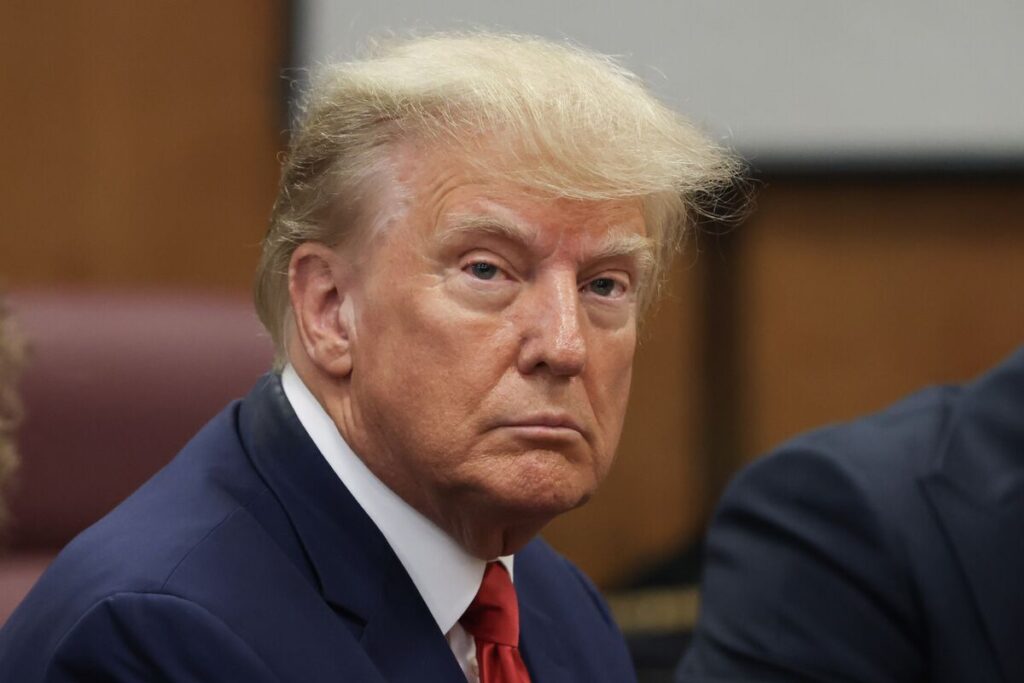
United States Representative Tom Emmer, the majority whip of the U.S. House of Representatives, has echoed former President Donald Trump’s concerns about central bank digital currencies (CBDCs) as a potential threat to financial privacy.
Emmer shared his apprehensions on Jan. 19 via a post on X (formerly Twitter), aligning himself with Trump’s stance against CBDCs.
Trump had pledged on Jan. 17, during a campaign speech in New Hampshire, that if reelected as president, he would prevent the U.S. Federal Reserve from introducing a CBDC in the United States.
Trump’s strong opposition to CBDCs stems from his worries about de-banking and the possibility of political actors misusing the digital currency.
Emmer emphasized his commitment to collaborating with Trump in opposing what they perceive as an expansion of government surveillance.
He referred to his CBDC Anti-Surveillance State Act, which boasts support from 75 co-sponsors.
If passed, this legislation would serve as a critical safeguard, curbing government surveillance of individuals’ financial transactions.
READ MORE: Reddit Gears Up for March IPO, Anticipating Major Market Impact
Despite Trump’s prior disapproval of Bitcoin and other cryptocurrencies during his presidential term, he has recently ventured into the crypto space by launching three nonfungible token (NFT) collections since leaving office. Trump has already earned 1,075 Ether from these NFT collections.
His latest collection featured his infamous mugshot, taken when he turned himself in to Georgia authorities in August 2023.
In various states such as Utah, South Carolina, South Dakota, and Tennessee, bills have been introduced against categorizing a CBDC as money.
These bills seek to exclude CBDCs from the definition of money and could potentially create significant obstacles to their development in the United States.
The growing concern over CBDCs and their impact on financial privacy is evident in the actions and statements of influential figures like Tom Emmer and Donald Trump, as well as the legislative efforts being made at the state level.
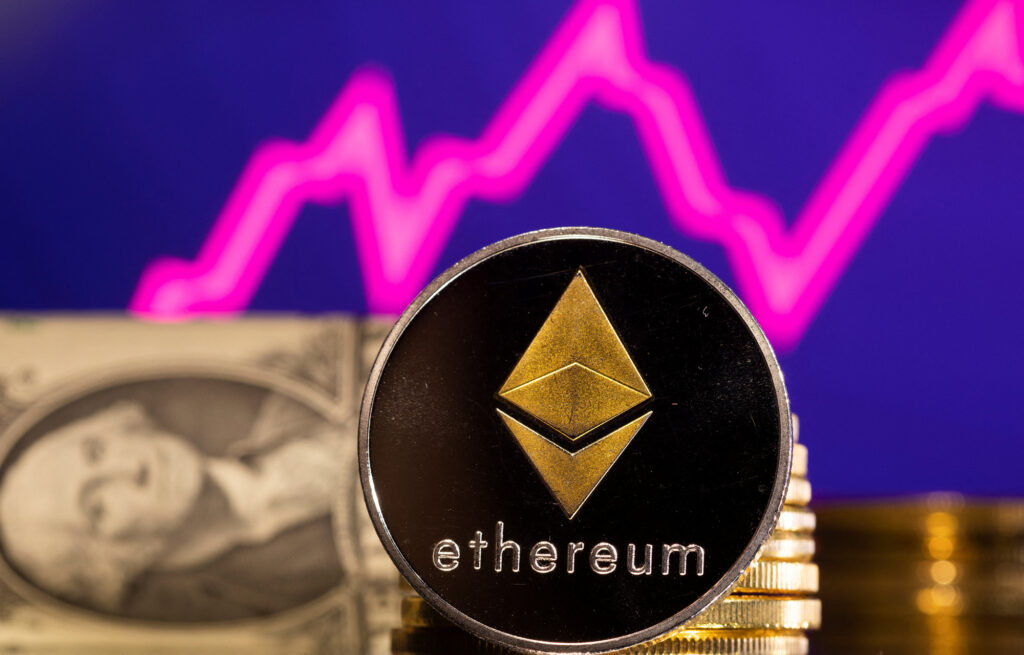
Bitcoin struggled to maintain its position near monthly lows as it approached the Wall Street opening on January 20th, while Ether encountered significant resistance in its upward journey.
Bitcoin faced substantial sell-side pressure, with its price hovering around $40,600 overnight, marking its lowest point since December 18th. Bulls repeatedly failed to regain lost ground, creating a tense atmosphere in the market.
Michaël van de Poppe, the founder and CEO of MN Trading, suggested that a potential price floor for Bitcoin might be in the mid-$30,000 range, although he believed further testing of lower levels might occur before a reversal.
He expressed personal interest in accumulating Bitcoin between $36,000 and $40,000.
Rekt Capital, a popular trader and analyst, supported the idea that Bitcoin was following patterns typically observed before block subsidy halvings.
This pattern could indicate a retreat in the coming month before the halving event scheduled for April.
Additionally, a significant number of Bitcoin sales occurred during the recent dip, with approximately 59,000 BTC moving on-chain for the first time in three to six months.
These coins were originally acquired at an average cost of $26,000, resulting in a realized profit of nearly $900 million.
READ MORE: ProShares Sets Sights on Bitcoin ETFs with Indirect Exposure Amidst Growing Market Demand
Earlier research had attributed the drop from $49,000 the previous week to large-scale whale selling.
In the world of altcoins, attention shifted to ETH/BTC, which had been on a downward trendline for an extended period.
Ether had made notable gains against Bitcoin in the past week, surpassing the 0.06 BTC mark before consolidating at that level, its highest since April 2022.
This consolidation was occurring at a resistance trendline and above the 200-day moving average cloud, according to Caleb Franzen, a senior analyst at Cubic Analytics.
Franzen’s analysis referenced data indicating that ETH/USD was likely to outperform BTC/USD in the future.
In summary, Bitcoin faced significant sell-side pressure and hovered near monthly lows, with experts suggesting potential price floors.
Meanwhile, Ether encountered resistance against Bitcoin and consolidated near a crucial resistance trendline, indicating potential strength in the ETH/USD pair going forward.