



Turkey’s Minister of Treasury and Finance, Mehmet Şimşek, has unveiled crucial details about the impending cryptocurrency regulations set to govern the Turkish market.
The government is actively working on legally defining vital cryptocurrency concepts, instituting licensing requirements for trading platforms, and adhering to the international standards outlined by the Financial Action Task Force (FATF).
In a recent interview with the Anadolu Agency on January 10, Şimşek confirmed that the framework for regulating cryptocurrencies in Turkey is nearing its finalization, with ongoing assessments of its technical implementation.
One of the central goals of these regulations is to minimize the risks associated with cryptocurrency trading for everyday investors, aligning Turkey’s practices with international norms. Şimşek emphasized,
“Therefore, we are taking steps to reduce the risks of parties trading with crypto assets in our country, similar to international practices.
This is also within the scope of FATF to get out of the gray list.”
The forthcoming guidelines will mandate that cryptocurrency platforms operating in Turkey acquire licenses from the country’s Capital Markets Board (CMB).
READ MORE: Nebraska Legislature Proposes Bill to Establish Crypto Standards
Moreover, these regulations will provide precise legal definitions for key terms such as “crypto assets,” “crypto wallets,” “crypto asset service providers,” “crypto asset custody service,” and “crypto asset buying and selling platforms.”
As an example, Şimşek clarified the definition of crypto assets as “intangible assets that can be created and stored electronically using distributed ledger technology or a similar technology, distributed over digital networks, and capable of expressing value or rights.”
However, it’s worth noting that the regulations will not encompass the specific tax treatment of virtual assets.
Turkey has been contemplating cryptocurrency regulations for a considerable period, with a primary focus on licensing and taxation measures aimed at removing the country from FATF’s “grey list.”
Notably, according to data from the blockchain analytics firm Chainalysis, Turkey ranked fourth globally in raw cryptocurrency transaction volumes between July 2022 and June 2023, with approximately $170 billion in crypto activity, trailing only the United States, India, and the United Kingdom in this regard.
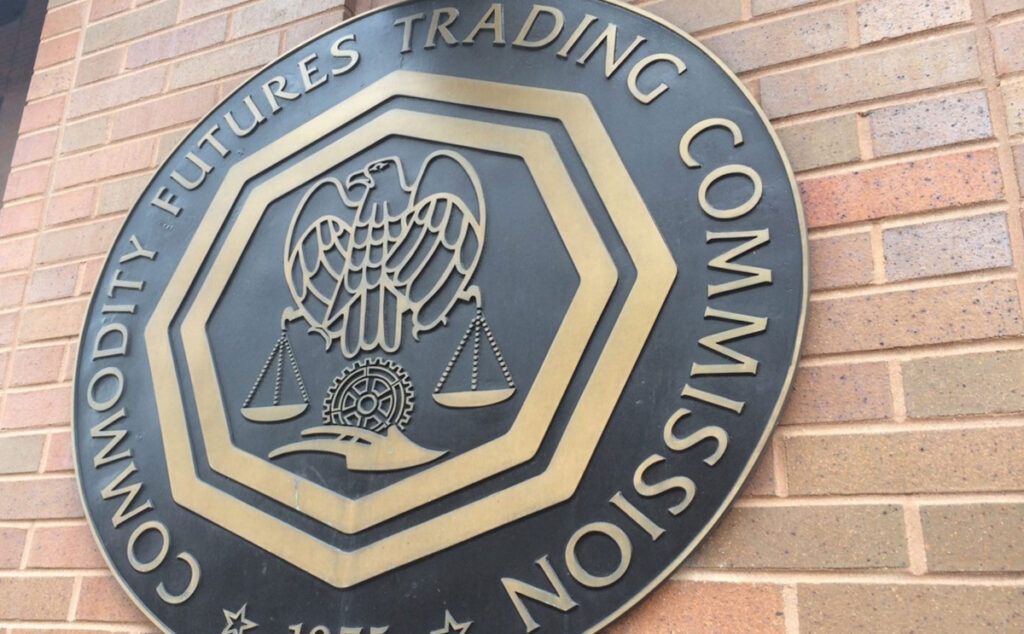
The United States Commodity Futures Trading Commission (CFTC), responsible for overseeing U.S. derivatives markets, has released a comprehensive report aimed at addressing the risks associated with decentralized finance (DeFi).
In the report, the CFTC’s Digital Assets and Blockchain Technology Subcommittee acknowledges that DeFi offers promising opportunities, but also highlights the complexity and substantial risks it poses to the U.S. financial system, consumers, and national security.
To tackle these risks, the CFTC outlines a series of recommendations for policymakers and industry stakeholders.
One crucial aspect is the enhancement of technical capabilities and understanding of DeFi.
Additionally, the report suggests a thorough assessment of the existing regulatory boundaries, identification of potential risks and vulnerabilities, and the evaluation of policy responses to mitigate these risks.
Furthermore, the report emphasizes the importance of determining the most suitable targets and forms of regulatory intervention.
Policymakers are advised to carefully consider where intervention is likely to incur the lowest costs and result in the fewest unintended consequences, effectively balancing the costs and benefits of regulatory measures.
READ MORE: Bitcoin ETF Race Heats Up as Leading Players File Final Amendments with SEC
The CFTC also underscores the need for increased engagement and collaboration between regulatory bodies, DeFi developers, and international standard-setting organizations to create a more effective regulatory framework.
In a public statement on January 8th, CFTC Commissioner Christy Goldsmith Romero emphasized the urgency of studying digital asset-related issues to prevent unforeseen negative consequences.
She stated, “From the time that I arrived at the CFTC, I have played a steady drumbeat that we need to study emerging issues related to digital assets or we could risk harmful unintended consequences.”
Romero hopes that the report can serve as an initial step in initiating a dialogue between policymakers and industry participants, given that DeFi remains at the forefront of concerns related to illicit financial activities, cyberattacks, and theft.
In conclusion, the CFTC’s report underscores the potential benefits and significant risks associated with DeFi in the U.S. financial system.
It provides a roadmap for addressing these challenges, emphasizing the importance of collaboration, understanding, and careful regulatory intervention to strike a balance between safeguarding the system and fostering innovation in the rapidly evolving world of DeFi.

Prominent lawyers and senators in the United States are urging Congress to launch an inquiry into the U.S. Securities and Exchange Commission (SEC) following a reported compromise of their Twitter account, previously known as X, which disseminated false news regarding the approval of spot Bitcoin exchange-traded funds (ETFs).
Senator Bill Hagerty expressed his dismay over the incident, drawing a parallel between the SEC’s accountability and that of public companies in case of a significant market-moving error.
Hagerty insisted that Congress should seek answers, deeming the situation unacceptable. Senator Cynthia Lummis also called for greater transparency from the SEC regarding the events leading to the erroneous post.
Charles Gasparino from Fox Business revealed that securities lawyers had informed him that the SEC would need to investigate itself for potential market manipulation. U.S. Representative Ann Wagner described the incident as “clear market manipulation” that adversely affected millions of investors, vowing to obtain more information from SEC Chair Gary Gensler.
Bloomberg ETF analyst James Seyffart speculated that Gensler would be displeased with the staff member responsible for the alleged security breach, foreseeing consequences for the individual involved.
Investment manager Timothy Peterson criticized the SEC, arguing that its security breach amounted to a potential market manipulation event, a violation of the commission’s core mission of safeguarding investors.
READ MORE: Mysterious Bitcoin Transaction: $64,000 Spent on Enigmatic 9MB Data Inscription
The incident in question, labeled as market manipulation, involved the SEC’s Twitter account, which falsely claimed the approval of spot Bitcoin ETFs.
X Safety, an account under the control of X, confirmed that the SEC’s account had been compromised due to an unidentified individual gaining control over a phone number linked to the SEC account through a third party.
Notably, the SEC’s X account lacked two-factor authentication at the time of the breach.
Layah Heilpern, a Bitcoin advocate, highlighted that the false post remained online for 20 minutes and garnered at least 4.4 million views during that period.
Heilpern asserted that this amounted to clear market manipulation.
The SEC has not provided detailed information on how their Twitter account was compromised but has denied the involvement of its staff in publishing the unauthorized tweet.
Despite the controversy, Bloomberg ETF analyst Eric Balchunas remains optimistic about the official approval of spot Bitcoin ETFs, expecting an announcement sometime between 4:00 pm to 5:00 pm Eastern Time on January 10.

Circle Internet Financial, the company behind the USD Coin (USDC), the second-largest stablecoin globally, has reportedly filed for an initial public offering (IPO) in the United States, according to a report by Reuters on January 11.
This move signifies Circle’s intention to transition into a publicly traded company, though specific details regarding the IPO, such as the proposed price range and the number of shares to be sold, remain undisclosed.
The completion of the IPO is contingent on the U.S. Securities and Exchange Commission (SEC) completing its review and prevailing market conditions.
The notion of Circle going public first surfaced in 2021 when the stablecoin issuer announced its intention to merge with Concord Acquisition Corp, a blank-check company initially valued at $4.5 billion. Subsequently, the valuation swelled to $9 billion in 2022, but the merger was ultimately abandoned.
In 2023, the prospect of Circle’s IPO resurfaced following a Bloomberg report that relied on anonymous sources.
READ MORE: Cathie Wood’s ARK Invest Continues to Trim Coinbase Holdings
The report indicated that Circle had been engaged in discussions with its advisers and was preparing for a potential IPO.
At that time, a Circle representative acknowledged that becoming publicly listed in the U.S. had been a longstanding strategic objective but refrained from confirming the rumors.
Circle is renowned for issuing the USDC stablecoin, which is pegged to the value of the U.S. dollar.
USDC has consistently ranked among the world’s largest stablecoins, boasting a substantial market capitalization of $25 billion.
The decision to go public underscores Circle’s commitment to further establishing itself within the digital currency landscape and reflects the growing prominence of stablecoins within the broader financial ecosystem.
By pursuing an IPO, Circle aims to capitalize on the surging interest in digital assets while also adhering to the regulatory framework imposed by the SEC.
As the IPO process unfolds, industry observers and potential investors will keenly monitor developments surrounding Circle, as the stablecoin issuer navigates the regulatory landscape and charts its course as a publicly traded company.

Christmas came early last December for one lucky slot player, who won a record-breaking $42,100,000 USDT mega jackpot on the popular online sportsbook and casino site, Sportsbet.io. The player’s tale of holiday luck unfolded on December 20, 2023, as he was placing $50 USDT bets on Alchemy Gaming’s ‘Wheel of Wishes’ slot game.
Better Than Winning the Lottery
Although unconscionably lucky, the total jackpot was significantly buoyed by the structure of Games Global’s WowPot!™ jackpots. WowPot!™ takes a progressive percentage of every player’s bet and adds it to the total, giving players a chance to win amounts that can even exceed a national lottery win. In fact, the record-breaking $42 million USDT jackpot won on Sportsbet.io exceeded the average jackpot of the popular EuroMillions average jackpot of December, 2023 by around $7 million.
Anonymous Player Mulls New Future
Choosing to remain anonymous, the Sportsbet.io player initially could not believe his eyes, and is still unsure of what life will look like following the record breaking win. The unnamed player is not making any big decisions and is still overwhelmed by the whole experience but extremely grateful that he continued to use Sporstbet.io over the years.
“Not in a million years did I think that relaxing with a few spins on my favorite sportsbook and casino would change everything. I’ve been playing with Sportsbet.io for years, and it has proven to be the best decision I’ve ever made.”
Sportsbet.io Director Alex Haig Congratulates Winner
In honor of the record-breaking jackpot win, Sportsbet.io’s Director, Alex Haig, personally commended the winner, revealing the triumph as the largest-ever prize bestowed by a single spin in the realm of online slot gaming. Mr Haig emphasized the seamless withdrawal process, highlighting that despite the size of the sum, the fortunate player secured their funds in less than 90 seconds
Celebrating with the Team
As if clinching the record for the biggest online slots jackpot wasn’t euphoric enough, the winner is also set for an unforgettable celebration to follow. A ticket to Sportsbet.io’s headquarters in London awaits, promising an exclusive dining experience with the team. The fortunate player is also set to enjoy an experience of watching a Premier League football game from the VIP box at Newcastle United FC, where Sportsbet.io is an official club partner.

Bitcoin is unlikely to experience an immediate bullish surge in response to the United States Securities and Exchange Commission’s (SEC) potential approval of a spot Bitcoin exchange-traded fund (ETF), according to an analysis by trading firm QCP Capital.
Despite recent developments, Bitcoin’s price has displayed limited upside volatility.
The recent turmoil in the Bitcoin market was triggered by a hacker who falsely claimed on the SEC’s X (formerly Twitter) account that the first U.S. spot Bitcoin ETF had received official approval.
This incident was later revealed to be the result of a SIM swap attack, facilitated by the lack of two-factor authentication on the compromised account.
During this period of confusion and the subsequent correction by the SEC, the price of Bitcoin briefly approached $48,000 but failed to surpass that level.
QCP Capital interprets these events as a warning sign that even if the SEC grants official approval, it may not ignite the substantial rally that Bitcoin enthusiasts are anticipating.
READ MORE: Nebraska Legislature Proposes Bill to Establish Crypto Standards
The trading firm stated that the initial response to the fake “approval” was subdued, with Bitcoin unable to break free from its resistance level.
There remains a glimmer of hope for investors, as the deadline for approving one ETF application, submitted by ARK Invest, falls on January 10th.
Historically, the SEC has approved all ETFs simultaneously, so an announcement may be imminent.
$48,000 has become a pivotal price level for Bitcoin traders, with many considering it to be a local peak.
The future direction of Bitcoin’s price remains a topic of debate, with some foreseeing continued sideways movement, while more pessimistic predictions anticipate a substantial correction to as low as $35,000 or even $12,000.
At the time of writing, BTC/USD was trading near $45,600 ahead of the Wall Street opening on January 10th.
As the crypto market eagerly awaits the SEC’s decision, the uncertainty surrounding Bitcoin’s immediate future prevails.

Two U.S. Senators, J.D. Vance and Thom Tillis, have urged the United States Securities and Exchange Commission (SEC) to provide a comprehensive report to Congress regarding the security breach that occurred on January 9 involving the SEC’s X Twitter account.
In a letter addressed to SEC Chair Gary Gensler on the same day as the incident, the senators expressed their grave concerns about the breach and its implications for the SEC’s internal cybersecurity protocols.
The senators emphasized that the breach was not only a matter of cybersecurity but also ran contrary to the SEC’s fundamental mission, which includes safeguarding investors, ensuring fair and efficient markets, and promoting capital formation.
They were particularly troubled by the “widespread confusion” caused by the hack, which prompted their request for a detailed report from the SEC to Congress.
The letter set a deadline of January 23 for the SEC to submit the report, drawing attention to an existing mandate that compels businesses to disclose the impact of any cybersecurity incident within four days.
The senators specifically asked whether the SEC could provide Congress with a report within this mandated timeframe if the breach was indeed a result of a cybersecurity attack, seeking an explanation if such a deadline couldn’t be met.
The breach, which occurred on January 9, involved the SEC’s X Twitter account posting a false tweet claiming that spot Bitcoin exchange-traded funds (ETFs) had received approval in the United States.
READ MORE: SEC Chair Warns of Crypto Risks Amid Spot Bitcoin ETF Decision
The ensuing confusion in the cryptocurrency community was short-lived as Gensler later confirmed that the SEC’s X account had been compromised and the tweet unauthorized.
Critics, including investors and market participants, criticized the SEC for its lack of preparedness against cyberattacks and online threats.
An internal investigation by X, formerly Twitter, revealed that the SEC account did not have two-factor authentication enabled at the time of the breach.
The report from X also indicated that the breach occurred because an unidentified individual gained control over a phone number linked to the @SECGov account through a third party.
Several other prominent government officials, including Senators Cynthia Lummis and Bill Hagerty, as well as Representative Ann Wagner, echoed the concerns of their congressional colleagues.
Hagerty demanded full transparency regarding the incident, while Lummis emphasized the risks associated with fraudulent announcements that can manipulate financial markets, calling for clarity on such incidents.
These collective concerns highlight the urgent need for a comprehensive report from the SEC to address the security breach and its broader implications.

In a blog post published on January 8, OpenAI responded to a lawsuit brought forth by The New York Times (NYT), categorically dismissing the allegations as “without merit.”
The post also highlighted OpenAI’s ongoing collaborative efforts with various news organizations.
OpenAI revealed that prior to the lawsuit, they were engaged in what appeared to be “progressing constructively” discussions with the NYT.
The lawsuit, filed by the NYT against OpenAI and Microsoft, centers on claims of unauthorized use of NYT content for training AI chatbots.
OpenAI firmly refutes these claims and views this as an opportunity to clarify their business practices, intent, and technological development.
The blog post outlined four key claims upon which OpenAI bases its arguments.
Firstly, OpenAI stressed its active collaboration with news organizations, emphasizing the creation of new opportunities for news dissemination.
Secondly, they asserted that their content usage falls under “fair use,” but they have introduced an “opt-out” option as a goodwill measure.
Additionally, OpenAI acknowledged and committed to addressing the issue of content “regurgitation” as a rare bug in their technology.
READ MORE: Mysterious Bitcoin Transaction: $64,000 Spent on Enigmatic 9MB Data Inscription
Lastly, they implied that the NYT’s perspective might not represent the full story.
OpenAI also listed several media industry partnerships, including a recent integration with German media giant Axel Springer, aimed at addressing AI-related challenges.
The News/Media Alliance was mentioned as an organization with which OpenAI collaborates to explore opportunities, discuss concerns, and provide solutions.
However, it’s worth noting that the News/Media Alliance had previously published a 77-page paper in October and submitted it to the United States Copyright Office, raising concerns about AI models being trained on datasets primarily consisting of content from news publishers.
OpenAI highlighted its “opt-out process” for publishers, which prevents its tools from accessing the websites of publishers who have chosen to employ this feature.
Notably, The New York Times itself adopted this opt-out process in August 2023.
The central argument in the NYT’s case against OpenAI and Microsoft revolves around the claim that “www.nytimes.com” is among the most frequently used proprietary sources, ranking only behind Wikipedia and a U.S. patent database.
The NYT asserted that they had contacted OpenAI and Microsoft in April 2023 to express concerns regarding intellectual property but received no satisfactory resolution.
Despite OpenAI’s firm rebuttal, legal experts have regarded the NYT’s case as the most substantial thus far, alleging copyright infringement by generative AI.
OpenAI concluded their blog post by stating that any misuse of content claimed by the NYT is not representative of typical user activity and their content is not intended to serve as a substitute for The New York Times.
They expressed hope for a constructive partnership with the NYT, acknowledging and respecting the newspaper’s long history and influence in the media industry.

Bitcoin is on the verge of a potentially historic week, with the crypto market anxiously awaiting the approval of a spot Bitcoin exchange-traded fund (ETF) in the United States.
The belief is that such approval could trigger the next crypto bull market and drive widespread crypto adoption.
Several companies hoping to launch spot Bitcoin ETFs have submitted their latest Form S-1 amendments on January 8, increasing the anticipation.
Analysts and observers are predicting that the U.S. Securities and Exchange Commission (SEC) may grant approval for the first spot Bitcoin ETF around January 9 or 10.
Bloomberg’s Senior ETF analyst, Eric Balchunas, is notably confident that there is a 90% chance of approval.
Regardless of the outcome, the crypto markets are expected to experience significant turbulence.
The entry of giants like BlackRock and Fidelity, with trillions of dollars in assets under management, into the Bitcoin ETF market may alter the dynamics of companies like Coinbase and MicroStrategy.
MicroStrategy, in particular, could face challenges as a spot Bitcoin ETF could open doors for traditional investors to enter the crypto market, potentially affecting Bitcoin proxies like MSTR.
MicroStrategy has been accumulating Bitcoin as a hedge against inflation and currently holds a substantial amount, making it a popular choice for investors looking to indirectly invest in Bitcoin through the stock market.
However, with the approval of a spot Bitcoin ETF, MicroStrategy may lose its status as the go-to Bitcoin proxy for traditional investors.
READ MORE: Nonfiction Authors Sue OpenAI and Microsoft for Copyright Infringement in Latest Legal Battle
Spencer Bogart, a fundamental analyst, suggests that while the ETF approval could raise MicroStrategy’s stock price due to its Bitcoin exposure, it might also impact the stock’s premium compared to the actual value of Bitcoin it holds.
A spot Bitcoin ETF has the potential to drive crypto adoption by providing a bridge between traditional and crypto markets, attracting Wall Street capital.
This influx of capital could also benefit MicroStrategy by creating buying pressure on its stock.
Investors considering MicroStrategy over a Bitcoin ETF should weigh the fact that they won’t need to pay a management fee, unlike ETFs.
Additionally, MicroStrategy is a thriving business with a diverse portfolio and a strong financial position related to its Bitcoin investments.
Coinbase, on the other hand, has positioned itself as a custodian for various Bitcoin ETFs, including those from BlackRock, VanEck, and Grayscale.
This move could significantly boost Coinbase’s revenue and attract more traditional investment sector players to use its custodial services.
However, there are potential challenges for Coinbase, including a pending SEC case related to its staking-as-a-service program, which could impact its stock price.
In the midst of all this, Bitcoin’s price remains highly sensitive to the SEC’s decision regarding the spot Bitcoin ETF.
The recent 7% price drop on January 3, following hints of a potential SEC rejection, underscores the volatility of the cryptocurrency and the market’s dependence on regulatory decisions.

Core Scientific, a Bitcoin mining company, has successfully closed a $55-million equity financing round, marking a significant milestone in its journey back to financial stability.
The announcement, made on January 8th, revealed that the equity offering, which had expired the previous week, was met with overwhelming demand, resulting in oversubscription.
Core Scientific’s CEO, Adam Sullivan, expressed his satisfaction with the outcome, stating that this successful funding round, combined with the full repayment of previously drawn amounts from their debtor-in-possession (DIP) financing, positions the company to exit Chapter 11 bankruptcy in January with strengthened liquidity and a robust foundation for future growth.
As of its most recent financial statement dated November 2023, Core Scientific reported $2.3 billion in assets and $559 million in liabilities, culminating in total equity of $1.8 billion.
The company has outlined its intention to relist on the Nasdaq exchange once the bankruptcy proceedings have been fully resolved.
On January 4th, Core Scientific took a significant step towards recovery by announcing the complete repayment of its outstanding DIP balance, which had been provided by its lender, B. Riley Financial.
READ MORE: Nebraska Legislature Proposes Bill to Establish Crypto Standards
Importantly, the company still retains access to the remaining $35 million in funding under the DIP agreement.
Core Scientific’s journey to solvency was prompted by various challenges, including the crypto market downturn, escalating energy costs, heightened mining difficulty, and the burden of bad debt stemming from loans to crypto firm Celsius.
Under its restructuring plan, the company is set to emerge from bankruptcy with $709 million in net debt and $791 million in shareholder equity.
Core Scientific’s shareholders are slated to receive new shares, offered at a ratio of 25:1, effectively providing them with $1.08 per pre-exchange share.
Notably, noteholders will also benefit from the restructuring, receiving $1.628 for each $1 face value of convertible notes due in April and $1.201 per $1 face value for notes with an August due date.
This successful equity financing round and debt repayment demonstrate Core Scientific’s commitment to its recovery strategy, positioning it for a strong comeback in the cryptocurrency mining industry.