


Zipmex, a prominent cryptocurrency exchange, has recently taken decisive action to comply with regulatory requirements in Thailand.
In an official statement released on November 25, the exchange announced the suspension of all digital asset trading activities in the country.

This move comes as part of Zipmex’s commitment to aligning itself with the regulations set forth by the Securities and Exchange Commission (SEC) of Thailand.
The statement from Zipmex read, “To ensure that the business operations of Zipmex Company Limited (‘Company’) are appropriate and compliant with the criteria set by the SEC Thailand, the company is required to temporarily suspend the trading and depositing of all types of assets, effective from November 25, 2023, at 1:00 PM onwards.”
It further emphasized that customers seeking to withdraw their funds or assets should directly contact the exchange.
Additionally, the statement highlighted a crucial deadline for customers: “After January 31, 2024, when the company suspends withdrawals through the website and mobile application, customers are required to contact Customer Support for withdrawals.”
READ MORE: Ethereum’s Resilience: Price Holds Above $2,000 Amidst Binance’s Regulatory Challenges
This proactive approach aims to ensure that customers can access their assets smoothly during this transitional period.
This decision to suspend operations follows a series of challenges that Zipmex has faced in recent times.
Back in April, the exchange made headlines when it delayed payments to its customers in an effort to maximize returns.
Furthermore, Zipmex sought an extension to extend the moratorium on its debt in Singapore due to liquidity issues.
The SEC of Thailand had also been closely scrutinizing Zipmex. In January, the exchange became the subject of an SEC probe for alleged breaches of local regulations.
The SEC gave Zipmex a one-day ultimatum to admit or deny operating as a digital asset fund manager without proper authorization.
This investigation had been ongoing, with the SEC filing a police report in September 2022, accusing Zipmex and its co-founder, Akalarp Yimwilai, of noncompliance with local laws.
One of the specific concerns raised by the SEC was Zipmex’s failure to provide information on digital wallets and crypto transactions in accordance with Thailand’s Digital Assets Act. Zipmex’s decision to temporarily suspend trading and align with regulatory requirements in Thailand represents a significant step towards addressing these concerns and ensuring compliance with local laws.
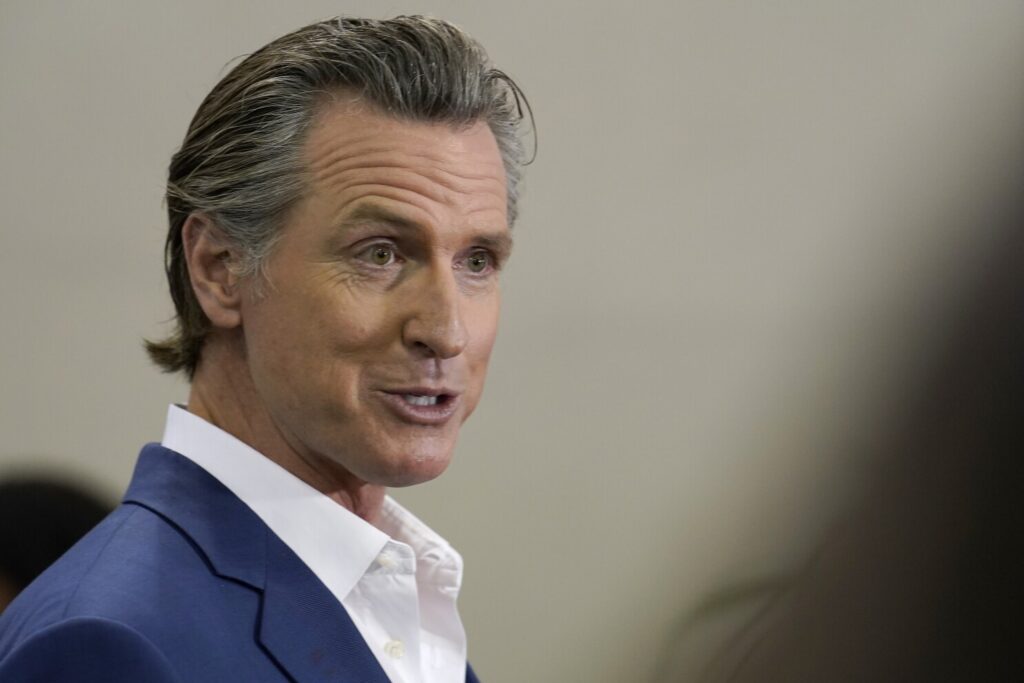
California Governor Gavin Newsom is emphasizing the need for individuals to stay at the forefront of the rapidly advancing field of generative artificial intelligence (GenAI) by acquiring new skills and familiarizing themselves with this emerging technology.
A recent report has underscored the importance of providing Californians with access to educational and training opportunities related to GenAI.
The report recommends that residents of California should be offered educational and training resources in GenAI to support the state’s government workforce and prepare for the evolving skills required in the GenAI-driven economy.
It envisions state agencies providing training programs for government employees to harness state-approved GenAI tools to achieve equitable outcomes.
This move is seen as essential in response to the significant employment impact predicted by recent reports on GenAI.
The report cites Goldman Sachs’ forecast, which suggests that GenAI could affect up to 300 million jobs worldwide, even though it holds the potential for substantial productivity gains.
In light of this, the state of California aims to take the lead in training and supporting its workforce, enabling them to actively participate in the AI economy and fostering demand for businesses to establish themselves and hire within the state.
READ MORE: Australian Tax Regulator’s Cryptocurrency Tax Guidance Leaves DeFi Users in the Dark
The report also emphasizes the importance of initiating GenAI education initiatives at higher education institutions and vocational schools.
By integrating GenAI education into these institutions, California aims to equip its workforce with the skills necessary to excel in this technology-driven landscape.
Recent reports have consistently highlighted the potential impact of AI on jobs in the global economy.
The Organisation for Economic Co-operation and Development (OECD) released a report on July 12, which identified the jobs most vulnerable to AI. According to the research, “high-skill, white-collar jobs” are particularly exposed to AI-driven automation.
Moreover, industries that demonstrate the most significant advancements in AI often involve “non-routine, cognitive tasks such as information organization, memorization, and perceptual speed.”
In conclusion, California, under Governor Gavin Newsom’s leadership, is taking proactive steps to prepare its workforce for the challenges and opportunities presented by GenAI.
By offering education and training programs and positioning itself as a hub for GenAI innovation, California aims to remain at the forefront of the AI revolution while ensuring equitable access to these emerging technologies.
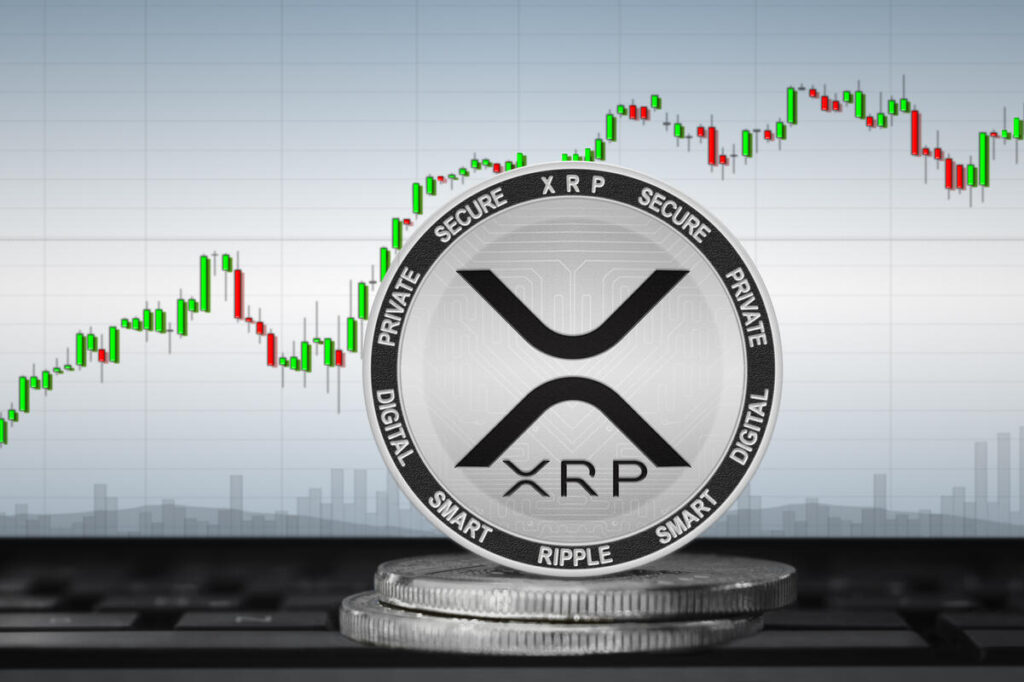
XRP’s price is gearing up for a potential rally of more than 20% in the upcoming weeks, thanks to a classic bullish continuation pattern known as the bull flag.
This pattern typically emerges after a strong uptrend and is characterized by a period of consolidation within a parallel channel.
The breakout from the bull flag occurs when the price convincingly breaches the upper trendline and surges by a magnitude similar to the previous uptrend.
As of November 26, XRP was trading above the upper trendline of its bull flag, although with weaker trading volumes.
This suggests that there might be some uncertainty among traders regarding the sustainability of XRP’s bullish trend.
Consequently, there is a possibility that XRP’s price could test the flag’s upper trendline as a support, potentially leading to a decline towards the $0.59 level.
This level aligns with historical support and the 50-day exponential moving average (50-day EMA).
Additionally, this $0.59 level coincides with XRP’s downside target on the weekly timeframe chart.
However, if the bull flag scenario remains intact and is accompanied by a substantial increase in trading volume from the upper trendline, XRP could see a resurgence, climbing to around $0.75 in December, representing a gain of more than 20% from its current levels.
READ MORE: Hong Kong’s Hospital Authority Harnesses AI to Tackle Rising Superbug Threat
Conversely, a break below the bull flag’s upper trendline could postpone the bullish continuation setup, potentially bringing the lower trendline near $0.54 into play.
This level corresponds to the 200-day EMA (the blue wave) and would serve as the next downside target.
On-chain data for XRP indicates a bullish sentiment, primarily due to significant accumulation by its wealthiest addresses.
Whales, defined as addresses holding between 100,000 and 10 million XRP tokens, have acquired approximately $6.82 million worth of XRP tokens over the past week.
This accumulation by influential players suggests a strong belief in an impending price increase in December, aligning with the anticipated bull flag pattern.
However, it’s essential to consider that the outcome of the ongoing legal battle between Ripple and the United States Securities and Exchange Commission (SEC) could significantly impact XRP’s future price movements.
While XRP has surged nearly 85% in 2023, driven by Ripple’s partial win against the SEC, the court is yet to rule on whether Ripple’s XRP sales to institutional investors violated U.S. securities laws.
The trial is set to resume on April 23, 2024, with many legal experts anticipating a potential settlement.
A settlement below $20 million, according to crypto attorney John Deaton, would be considered a significant victory for Ripple, with a high likelihood of such an outcome.

Indexed Finance, an Ethereum-based project that faced a devastating $16 million hack in 2021, has emerged victorious in thwarting two recent hijacking attempts, paving the way for the return of control over the project’s decentralized autonomous organization (DAO) to its founders.
Their noble intention is to allocate the remaining treasury to those who fell victim to the 2021 breach.
Former core contributor Laurence Day took to X (formerly Twitter) to provide a comprehensive account of the valiant efforts made by the Indexed community in fending off these two hijacking endeavors, which targeted the DAO’s treasury containing approximately $120,000 worth of digital assets in NDX tokens.
The first hijacker, in a rather clandestine move, submitted a proposal without a title or description in an apparent attempt to evade detection.
However, Day and the vigilant community members rallied the Indexed DAO for votes against this nefarious proposal.
Although the attacker’s proposal came perilously close to approval within an hour, a sufficient number of “No” votes were cast to prevent its passage.
Recognizing the need to stay one step ahead, the Indexed DAO, fearing a potential copycat attack, swiftly approved a “poison pill” proposal.
This measure granted the DAO the authority to burn the remaining treasury funds if deemed necessary as a deterrent against future attackers.
READ MORE: Ethereum’s Resilience: Price Holds Above $2,000 Amidst Binance’s Regulatory Challenges
In the face of the impending second attack, the assailant initially sought to negotiate for a 50% share of the remaining treasury, as revealed in on-chain messages.
Indexed founder Dillon Kellar responded by proposing $10,000 worth of Dai while warning of the possibility of burning the entire treasury if the attacker persisted in their malevolent intentions.
As the clock ticked down with only four hours remaining until Kellar’s ultimatum, and despite an attempt by the attacker to counter-negotiate for $17,000, they ultimately acquiesced to the original offer and withdrew their malicious proposal.
Consequently, authority over the DAO will be reinstated to a multisig controlled by Day, Kellar, and the pseudonymous co-founder PR0.
Their immediate objective is to utilize the remaining treasury funds to compensate the victims of the harrowing 2021 hack.
Indexed Finance’s triumphant defense against these hijacking attempts not only preserves the integrity of the project but also stands as a testament to the resilience and dedication of its community and founders in ensuring justice for those affected by the past breach.
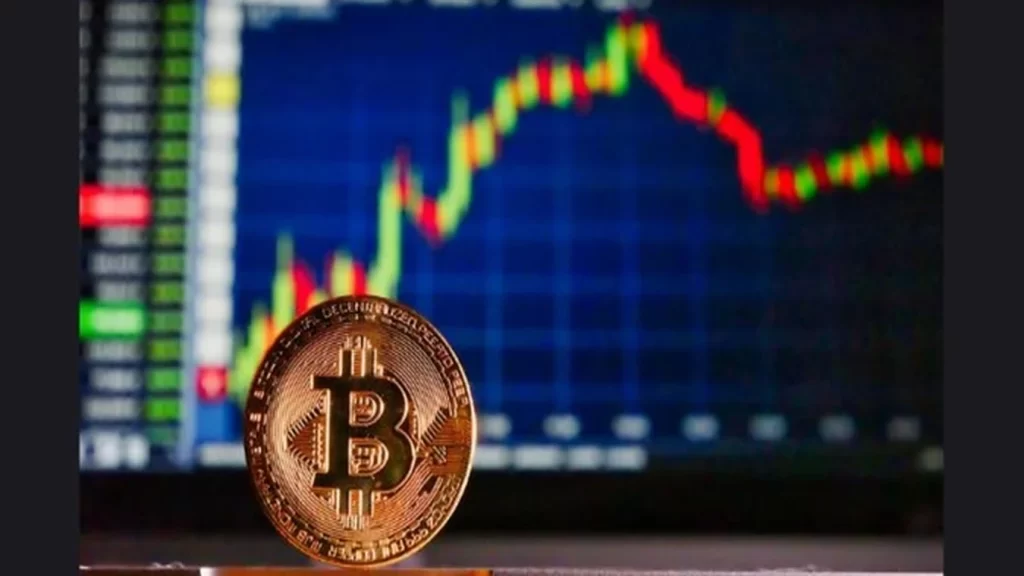
Bitcoin remained steady at around $38,000 as the week came to a close on November 26, bolstering the confidence of traders in the cryptocurrency’s price prospects.
Throughout the weekend, Bitcoin displayed its characteristic stability, with notable price fluctuations yet to materialize.
In recent days, Bitcoin had reached new heights not seen in 18 months, signaling positive indications for a potential upward trajectory.
Prominent trader and analyst Credible Crypto was among those who observed buyers effectively absorbing any selling pressure near the local price peaks.
With open interest in derivative markets staying relatively low and consistent demand for Bitcoin in the spot market, conditions appeared ripe for a potential upward movement.
Credible Crypto noted the potential for shallow dips in Bitcoin’s price due to the lack of open interest capable of triggering liquidation events, coupled with the evident demand at these price levels.
READ MORE: Montenegro Court Approves Extradition of Terraform Labs Co-Founder Do Kwon
Credible Crypto even suggested that his earlier prediction of a return to $36,900, a mere 2.1% drop from the current spot price, might not materialize as anticipated.
Another market analyst, Titan of Crypto, expressed optimism about Bitcoin’s immediate future. Using the Ichimoku Cloud indicator, Titan of Crypto identified a notable breakout in its key components, a rare occurrence in Bitcoin’s weekly chart.
The lagging span of Ichimoku, known as Chikou, which measures data from 26 weeks prior, was positioned above the price and at the top of the Kumo Cloud.
Furthermore, both Tenkan-sen and Kijun-sen exhibited a renewed uptrend, painting a highly promising picture for Bitcoin’s potential upward trajectory, according to Titan of Crypto.
Commenting on the price action, Titan of Crypto pointed out that recent weekly candles indicated resistance from bullish forces, as evidenced by the candle wicks pushing back against potential downward movement.
Overall, Bitcoin’s stability around the $38,000 mark, coupled with positive sentiment from prominent traders and analysts, suggested that the cryptocurrency market was poised for potential upward movement in the near future.
However, the actual direction of Bitcoin’s price remained dependent on factors such as market demand and open interest in derivative markets.

The governing body of the Cosmos Hub has approved a proposal to reduce the maximum inflation rate of its native token, Cosmos (ATOM), from 14% to 10%.
This decision aims to address concerns about the high inflation rate and its impact on the network’s security and token price.
As per the proposal, this adjustment would result in a decrease in ATOM’s annualized staking yield from approximately 19% to around 13.4%.
The Cosmos Hub serves as the primary blockchain within the Cosmos network, a interconnected system of blockchains.
ATOM tokens play a vital role in staking, governance, and covering transaction fees within the network.
The proposal faced a close vote, with 41.1% of votes in favor and 38.5% against.
Initially, it seemed likely to fail, but a last-minute surge in votes, along with some validators changing their positions, tipped the balance in favor of the proposal.
The proposal argued that the high inflation rate had led to overspending on security within the Cosmos Hub. It also contended that validators could still maintain profitability with a reduced inflation rate of 10%.
READ MORE: Australian Tax Regulator’s Cryptocurrency Tax Guidance Leaves DeFi Users in the Dark
The entity with the highest number of votes in favor of the proposal, Zero Knowledge Validator, took to X (formerly Twitter) to explain its support.
They stated that double-digit inflation was unnecessary for security and could undermine the long-term value of ATOM.
Moreover, it could discourage the use of ATOM in decentralized finance (DeFi) and other applications within the Atom Economic Zone.
On the opposing side, AllNodes, a validator, voiced its concerns on X.
They argued that the proposed change might negatively impact small validators and described it as “an abrupt, short-sighted, and ill-researched idea” that could disrupt retail and businesses engaged in building, trading, and validating ATOM.
Notably, the Cosmos Hub recently underwent an upgrade to introduce a liquid staking module.
This enhancement allows users to avoid the previous 21-day unbonding period when unstaking ATOM tokens.
Prior to this upgrade, ATOM holders had to wait 21 days before moving their funds after unstaking.
With the new module, staked ATOM can be utilized in the Cosmos decentralized finance ecosystem without compromising staking rewards, offering greater flexibility to token holders.
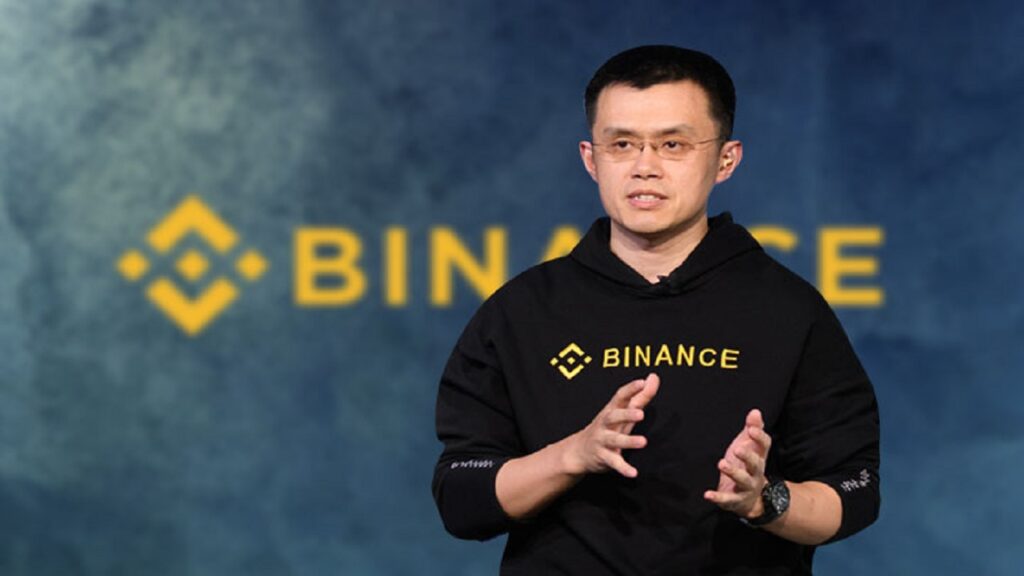
Recent events centering around the cryptocurrency exchange Binance have ignited a contentious debate regarding the United States’ approach to regulating crypto firms.
Omid Malekan, an accomplished author and adjunct professor at Columbia Business School, has voiced his perspective on the matter, emphasizing the stark differences between how the U.S. Department of Justice (DOJ) handles crypto cases compared to traditional finance.
Malekan contended that those who perceive cryptocurrency as a unique tool for facilitating illicit activities fail to grasp the intricacies of the broader financial system.
He pointed out that even companies adhering to Anti-Money Laundering (AML) best practices often process substantial sums of illicit funds, all deemed acceptable as long as the necessary paperwork is filed.
He further asserted that if Wall Street faced the same scrutiny as Binance, numerous managing directors would be incarcerated, resulting in reduced funds for shareholder buybacks and lobbying efforts.
Malekan opined that these financiers wisely refrained from questioning the existing system.
Nevertheless, Malekan did not absolve Binance of wrongdoing, emphasizing that the exchange was at fault for deceiving its customers and failing to comply with regulations.
Recently, Binance and its co-founder, Changpeng “CZ” Zhao, reached a multibillion-dollar settlement with the U.S. government.
READ MORE: Hong Kong’s Hospital Authority Harnesses AI to Tackle Rising Superbug Threat
They were accused of enabling individuals involved in illicit activities to transfer “stolen funds” through the exchange, prompting CZ to step down as CEO as part of the settlement.
In a surprising twist, Malekan also commended Binance for its role in promoting financial inclusion over the past few years.
He acknowledged that the exchange had successfully onboarded tens of millions of economically disadvantaged individuals, including those who are marginalized or underserved, into the financial system—a feat that compliant financial institutions worldwide have chronically struggled to achieve.
Shifting focus to a broader context, the International Consortium of Investigative Journalists (ICIJ) conducted an extensive investigation into global money laundering.
Leaked documents revealed that some of the world’s largest banks had allowed trillions of dollars to be laundered by criminals.
The investigation, disclosed in September 2020, scrutinized more than 2,100 suspicious activity reports spanning transactions worth over $2 trillion from 1999 to 2017, flagged as potential money laundering or criminal activity by the banks’ internal compliance officers.
Among the implicated financial institutions were major players such as the Bank of New York Mellon, Deutsche Bank, and HSBC.
To probe these alleged money laundering activities, the ICIJ enlisted over 400 journalists from 110 news organizations in 88 countries, highlighting the gravity of the issue.

Investment managers in the United Kingdom are receiving regulatory backing to embrace blockchain technology for fund tokenization, a departure from traditional record-keeping practices.
A recent report from the Investment Association underscores the potential benefits of fund tokenization, involving the issuance of tokenized units or shares using distributed ledger technology (DLT).
This innovation is anticipated to usher in a more efficient and transparent financial industry.
Fund tokenization would introduce a real-time record-keeping system shared among all parties involved in servicing the fund.
This would result in reduced fund administration costs, simplified reconciliation processes, and faster settlement times.
Sarah Pritchard, the executive director of markets and international at the Financial Conduct Authority (FCA), emphasized the regulator’s openness to exploring innovative avenues while acknowledging the need to address potential risks.
She stated, “This is an exciting milestone and paves the way for exploring more transformative use cases in the future.
“We want to support firms to implement technological solutions which enhance and strengthen the UK’s asset management industry, while addressing risks and potential harms.”
The report also outlines key principles for the implementation of tokenized funds.
READ MORE: Ethereum’s Resilience: Price Holds Above $2,000 Amidst Binance’s Regulatory Challenges
These principles stress the importance of catering to both domestic and international investors, avoiding a narrow focus on the investment asset manager industry, and providing opportunities to a wide range of firms in the sector.
Additionally, the report calls for the creation of a delivery roadmap and a focus on enhancing competitiveness and efficiency within the sector.
It specifies that tokenized funds must be established in the UK, FCA authorized, and compliant with traditional financial industry standards, with no change in existing legal and regulatory rules.
The UK government has expressed its support for this blueprint model, signaling its commitment to fostering innovative approaches within the country’s asset management industry.
The government views this development as a positive step toward advancing technology’s role in asset management and as a testament to the UK’s openness to innovation.
This regulatory support coincides with recent reports of investment firms in the UK strengthening their digital asset divisions.
A significant number of asset managers and hedge funds in the US, UK, and Europe have hired senior executives to oversee digital asset strategies.
According to a survey, 24% of asset management firms have already adopted digital asset strategies, while an additional 13% plan to do so in the next two years, reflecting the industry’s growing interest in digital assets and blockchain technology.
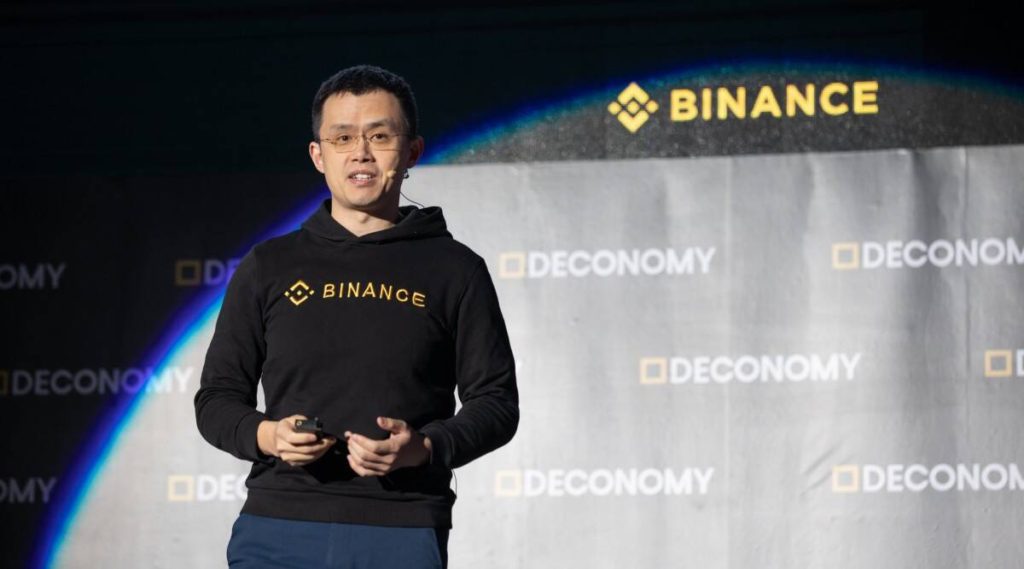
Former Binance CEO, Changpeng “CZ” Zhao, is opposing the United States government’s attempt to prevent his return to the United Arab Emirates (UAE), where he wishes to be with his family while awaiting sentencing after pleading guilty to charges.
In a recent court filing dated November 23, Zhao’s legal team strongly urged a U.S. district judge to reject proposed changes to his bail conditions suggested by the U.S. Department of Justice (DOJ).
Zhao’s lawyers emphasized that he should be allowed to leave the United States and return to the UAE until his sentencing, scheduled for February 2024.
They made it clear that despite the potential 18-month prison sentence, Zhao has no intention of evading his sentencing in the UAE.
They cited Judge Tsuchida’s previous findings, which indicated that Zhao poses no flight risk and should be permitted to reside with his family in the UAE.
Furthermore, Zhao’s legal team argued that his actions, such as traveling from the UAE to the United States, demonstrate his intent to resolve the case and appear for sentencing.
They consider it illogical for him to take these steps if he planned to evade his responsibilities.
READ MORE: Hong Kong’s Hospital Authority Harnesses AI to Tackle Rising Superbug Threat
On November 22, U.S. prosecutors filed a court document suggesting that Zhao should not be allowed to leave the United States due to concerns about his potential flight risk.
The DOJ expressed concerns about the difficulty of ensuring Zhao’s return if he chose not to come back from the UAE for his sentencing.
However, a bond document submitted to the court on November 21 revealed that Zhao had posted a substantial $175 million release bond and committed to returning to the U.S. at least 14 days before his scheduled sentencing on February 23, 2024.
This development comes after Zhao’s agreement to step down as the CEO of Binance as part of his guilty plea to multiple charges brought by the DOJ.
While he will retain his majority stake in Binance, he is prohibited from holding an executive position within the crypto exchange.
It’s important to note that this agreement does not impact the ongoing litigation between Binance and the U.S. Securities and Exchange Commission, but it is expected to resolve the company’s issues with the Commodities Futures Trading Commission.
The Nigeria Police Force (NPF) has reported the arrest of a prominent politician, Wilfred Bonse, in connection with the theft of more than 200 million naira (equivalent to $246,153) from Patricia Technologies’ cryptocurrency wallet.
The revelation came from Olumuyiwa Adejobi, the spokesperson for the police force, who issued an official statement on Friday.
It is alleged that Bonse played a pivotal role in aiding hackers in the laundering of 50 million naira (about $61,538) from the pilfered funds.
According to Adejobi, the NPF, working in collaboration with its National Cybercrime Center, has made significant strides in the investigation of the Patricia Technologies case.
The case involves a range of criminal activities, including conspiracy, unauthorized alterations to computer systems and network data, and the illicit diversion of funds exceeding 200 million naira (approximately $246,153).
These allegations were presented in a petition submitted to the Inspector General of Police.
The police spokesperson’s statement went on to specify that Bonse has been apprehended for his alleged involvement in the theft, the conversion of cryptocurrency wallets, and the unauthorized diversion of funds from Patricia Technologies.
The statement also outlined the purported participation of several individuals, some of whom are still at large.
READ MORE: Montenegro Court Approves Extradition of Terraform Labs Co-Founder Do Kwon
Bonse stands accused of conspiring to launder 50 million naira resulting from the fraudulent diversion of 607 million naira (equivalent to $747,076) from Patricia Technology’s account to his bank account via a cryptocurrency wallet. The investigation into this matter remains ongoing.
The arrest of Bonse in connection with the Patricia Technologies heist potentially brings some relief to the cryptocurrency trading company, which faced substantial scrutiny following a hacking incident in May, resulting in a significant loss of customer funds.
In response to customer concerns, Patricia converted the value of customer assets into its native Patricia Token (PTK), guaranteeing future repayment.
Patricia reiterated its commitment to maintaining integrity and customer trust, introducing PTK as an internal customer holding.
Patricia has undertaken to reimburse holders with 1 Tether token for each Patricia Token, ensuring the recovery of assets following the security breach.
It is important to note that PTK operates as an internal token representing debt and is managed by the company, rather than being on a public blockchain.
In an effort to address client anxieties, Patricia revealed in October that it had enlisted DLM Trust as an escrow agent for the distribution of customer repayments.
However, DLM Trust subsequently withdrew due to disagreements with the company. Patricia intends to proceed with the repayment schedule later this month.