



Lawyers representing the individual responsible for the $116 million Mango Markets exploitation have successfully obtained a delay in his fraud trial, pushing the start date to April 8, 2023.
Originally scheduled for December 4, Avraham Eisenberg’s fraud trial faced delays due to various factors, as explained by his legal team.
They presented a motion for a continuance to district court Judge Arun Subramanian on November 2, which was granted.
In a court filing on November 3, Judge Subramanian confirmed the trial’s rescheduled commencement date.
Despite opposition from United States prosecutors, who contested the motion for continuance, the judge ruled in favor of the defense.
Subramanian additionally instructed both the U.S. prosecutors and Eisenberg’s legal team to submit an updated schedule for pretrial motions and submissions by November 7.
Eisenberg, who admitted involvement in the Mango Markets exploit, pleaded not guilty to three criminal counts related to commodities fraud, commodity manipulation, and wire fraud in June.
Eisenberg’s lawyers cited the need for more time to review extensive discovery materials provided by U.S. prosecutors as a primary reason for the delay.
READ MORE: SEC Seeks Summary Judgment Amidst Controversy Over Terraform Labs’ Alleged Violations
They mentioned that the government had been continuously sharing voluminous discovery materials, requiring ongoing analysis and discussions with their client.
Complicating matters further, Eisenberg’s sudden transfer to the Metropolitan Detention Center (MDC) in Brooklyn on October 26 disrupted their preparations.
Due to the move, Eisenberg was unable to take the annotated discovery materials and other relevant legal documents with him.
The attorneys expressed concerns about the hindrance to their access to Eisenberg caused by his relocation to the MDC.
This prison is notable for being where former FTX CEO Sam Bankman-Fried returned after being convicted on seven fraud-related charges on November 2.
In addition to his upcoming fraud trial, Eisenberg faces charges filed by the Securities and Exchange Commission on January 20, accusing him of manipulating the Mango Markets governance token, MNGO.
The allegations involve Eisenberg taking out substantial loans against inflated collateral, depleting Mango’s treasury of approximately $116 million. His arrest in Puerto Rico on December 27 preceded these charges.
Eisenberg publicly confessed to the exploit on October 15, 2022, asserting that his actions were legally sound.
Initially, he returned $67 million to Mango Markets’ decentralized autonomous organization as part of a bounty deal. However, the Mango Markets team subsequently filed a lawsuit against Eisenberg, seeking $47 million in damages, plus interest.
The trial of Avraham Eisenberg, the individual accused of exploiting Mango Markets and siphoning off $116 million, has been postponed until April 8, 2023, following a successful motion by his legal representatives. Originally scheduled for December 4, the trial was delayed due to various factors affecting Eisenberg’s trial preparations.
The motion for a continuance was presented to District Court Judge Arun Subramanian on November 2 and was granted, as confirmed in a court filing on November 3.
United States prosecutors opposed the motion for continuance, but their efforts were unsuccessful.
READ MORE: 3 Best Crypto & Blockchain PR Agencies
In addition to granting the continuance, Judge Subramanian instructed both U.S. prosecutors and Eisenberg’s legal team to submit a revised schedule for pretrial motions and submissions by November 7.
Eisenberg, who had previously confessed to his involvement in the Mango Markets exploit, pleaded not guilty to three criminal counts related to commodities fraud, commodity manipulation, and wire fraud in June.
In their motion, Eisenberg’s attorneys cited the need for additional time to review the extensive discovery materials provided by U.S. prosecutors.
They explained that the government had been continually delivering substantial evidence, which they were still in the process of analyzing and discussing with their client.
READ MORE: Solana Ecosystem Bounces Back Stronger After FTX Collapse
Furthermore, the legal team faced an unexpected setback when Eisenberg was transferred to the Metropolitan Detention Center (MDC) in Brooklyn on October 26.
This move prevented him from accessing the discovery materials and other legal documents pertinent to his trial.
The attorneys argued that the relocation would significantly impede their ability to consult with Eisenberg.
It’s noteworthy that the MDC was also the prison where former FTX CEO Sam Bankman-Fried returned after being convicted on all seven fraud-related charges on November 2.
Additionally, the Securities and Exchange Commission had charged Eisenberg on January 20, alleging that he manipulated Mango Markets’ governance token, MNGO, by securing substantial loans against inflated collateral, leading to the depletion of Mango’s treasury.
Eisenberg was arrested in Puerto Rico on December 27, three weeks prior to the SEC’s charges.
Eisenberg publicly admitted to the exploit on October 15, 2022, contending that his actions were legally justified.
Initially, he returned $67 million to Mango Markets’ decentralized autonomous organization as part of a bounty arrangement.
Nevertheless, the Mango Markets team subsequently filed a lawsuit against Eisenberg, seeking $47 million in damages plus interest.
The United States Commodity Futures Trading Commission (CFTC) is taking a closer look at how companies handle customer assets, particularly in the context of futures commission merchants (FCMs) and derivative clearing organizations (DCOs).
The CFTC has recently proposed amendments to the rules governing these entities, with a specific focus on enhancing the protection of customer funds.
Presently, these companies are required to invest customer funds in highly liquid assets, but these rules don’t adequately address the unique operational model of LedgerX.
LedgerX operates as a DCO, but it stands out by establishing direct connections with clients, departing from the traditional intermediary role played by FCMs.
This unique approach has caught the attention of CFTC Commissioner Kristin Johnson, who has expressed concerns that the current regulatory framework is falling behind the rapidly evolving industry.
Previously affiliated with FTX and now a part of Miami International Holdings, LedgerX operates in a distinct sector by providing direct client access, a departure from established industry conventions.
What distinguishes LedgerX further is its effort to settle cryptocurrency transactions directly for clients, rather than involving intermediaries.
READ MORE: SEC Seeks Summary Judgment Amidst Controversy Over Terraform Labs’ Alleged Violations
The company has obtained several CFTC registrations and implemented enhanced consumer safeguards, including asset segregation.
Commissioner Johnson is advocating for a revised regulatory framework that would ensure uniform protection for retail clients, whether they trade through intermediaries or directly with non-intermediated DCOs like LedgerX.
This call for action coincides with a 75-day window for public feedback on the CFTC proposal.
This period of open dialogue holds the potential to guide the CFTC in addressing the regulatory deficiencies highlighted by Commissioner Johnson.
It is incumbent upon the CFTC to ensure that regulatory measures remain in sync with the constantly changing derivatives market.
This is vital not only to protect the interests of retail customers but also to maintain a level and equitable playing field for all market participants.
In an industry marked by innovation and evolution, regulatory adaptation is essential to safeguard the integrity and stability of financial markets.
The United States Supreme Court is currently addressing a critical legal dispute involving cryptocurrency exchange Coinbase and its users.
The core issue at hand revolves around a procedural matter: determining whether a judge or an arbitrator should have the authority to decide which contractual agreement governs disputes between Coinbase and its clients.
The source of this dispute arises from conflicting agreements that Coinbase has with its users. One agreement advocates for dispute resolution through arbitration, while another supports traditional courtroom litigation.
The complexity emerged when Coinbase introduced a sweepstakes agreement directing dispute resolution to California courts, which clashed with the previously established arbitration clauses.
The genesis of this legal tussle can be traced back to allegations of deceptive advertising, which prompted customers to initiate a class-action lawsuit against Coinbase, challenging the company’s customary arbitration process.
In response, Coinbase sought to have the dispute moved to arbitration, but it faced resistance in the lower courts.
A federal judge in California, supported by the U.S. Court of Appeals for the Ninth Circuit, upheld the sweepstakes agreement’s preference for courtroom resolution.
Consequently, Coinbase’s request to transfer the dispute to arbitration was denied.
READ MORE:Marathon Digital Pioneers Green Bitcoin Mining with Landfill Methane Power
This judicial reluctance contrasts with a recent Supreme Court decision that narrowly favored Coinbase in a related matter.
In that case, the court ruled 5-4 in favor of allowing Coinbase to pause customer lawsuits while it sought to move disputes into arbitration.
Throughout this legal battle, Coinbase has continued to expand its services, introducing new trading options for its users.
Notably, eligible retail customers now have the opportunity to engage in cryptocurrency futures trading, with contracts that are more accessible and represent a fraction of the value of Bitcoin and Ether.
The Supreme Court’s decision to take up this case signifies a significant development for companies employing arbitration clauses in their user agreements.
It underscores the court’s ongoing role in shaping the boundaries between arbitration and traditional legal proceedings.
The ultimate verdict is expected to have a substantial impact on the formulation and enforcement of user agreements, especially in the dynamic realm of digital currency trading.
This case could set a precedent for similar disputes in the future, making it a matter of great importance for the cryptocurrency industry and beyond.
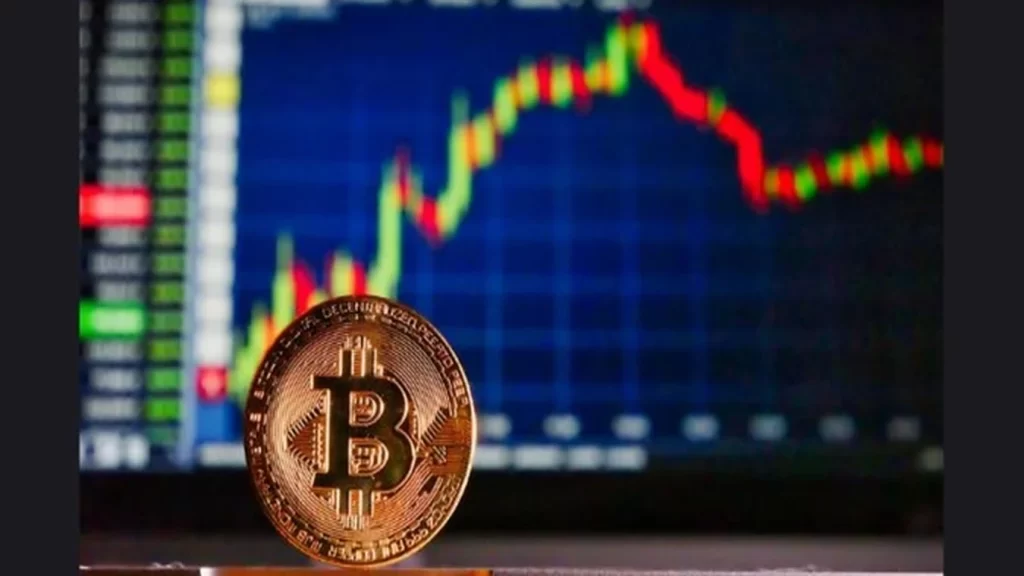
On November 4th, Bitcoin was on a quest to surpass the $35,000 mark as weekend trading activities continued to exhibit upward consolidation trends.
Market data from Cointelegraph Markets Pro and TradingView indicated that BTC’s price support remained resilient even after the closure of Wall Street trading.
Despite experiencing intraday lows the previous day, Bitcoin managed to maintain its short-term price floor at $34,000, effectively passing the test.
This performance had traders eagerly anticipating potential upward movements, making Bitcoin a preferred choice among investors.
In a recent video update, the well-known trader Credible Crypto highlighted the likelihood of Bitcoin surpassing the $35,000 threshold as the next logical step.
Credible Crypto employed Elliott Wave analysis and identified three crucial price levels to monitor: $34,314, $34,714, and $35,119, representing the lower limit, midrange point, and upper limit of the expected range.
Credible Crypto emphasized the importance of successfully reclaiming the midrange level, indicating a shift from a recovery based on range lows to one based on midrange levels.
READ MORE NIST and Department of Commerce Launch AI Safety Institute Consortium
This approach was bolstered by robust trading volume, which Credible Crypto described as a “significant event,” along with a general reluctance to sell at the current price levels.
As traders contemplated the weekend and the upcoming weekly close, Daan Crypto Trades drew attention to the proximity of the CME Bitcoin futures closing price on November 3rd.
CME futures “gaps” had historically been closed in line with BTC’s spot price, with a notable exception near $20,000. This anomaly contributed to bearish predictions of a potential return to that price level in the months ahead.
Additionally, another trader named Jelle highlighted the significance of the 200-period exponential moving average (EMA) as a critical support line on 1-hour timeframes.
Crypto Tony, on the other hand, shared his strategy with subscribers, indicating that he would consider a hedge short position if Bitcoin dropped below $34,100, while still maintaining his long position as long as Bitcoin held above $33,000.
In summary, Bitcoin was aiming to surpass the $35,000 mark, with traders closely monitoring key price levels and indicators to determine the cryptocurrency’s future trajectory amidst the ongoing market consolidation.

The United States National Institute of Standards and Technology (NIST) and the Department of Commerce are actively seeking participants for their newly-established Artificial Intelligence (AI) Safety Institute Consortium.
This consortium aims to enhance the safety and reliability of AI systems and invites interested parties to join in this critical endeavor.
In a recent announcement made on November 2nd, NIST unveiled the formation of the AI consortium through a publication in the Federal Registry.
The announcement also officially solicited applications from individuals and organizations possessing the necessary qualifications.
According to the NIST document, this initiative represents the initial phase of NIST’s collaboration with non-profit organizations, universities, government agencies, and technology companies to address the challenges associated with AI development and deployment.
The primary objective of this collaboration is to formulate and implement precise policies and metrics that prioritize a human-centered approach to AI safety and governance.
READ MORE: SEC Issues Subpoena to PayPal Over PYUSD Stablecoin
Participating members of the consortium will be tasked with a range of responsibilities, including the development of measurement tools, benchmarking systems, policy recommendations, red-teaming exercises, psychoanalysis, and environmental assessments, all geared towards enhancing AI safety.
These efforts have been spurred by a recent executive order issued by U.S. President Joseph Biden.
The executive order established six new standards for AI safety and security, although it appears that none of these standards have yet been formally enacted into law.
While European and Asian nations have taken proactive steps in implementing policies governing AI development with a focus on user and citizen privacy, security, and potential unintended consequences, the United States has lagged behind in this regard.
President Biden’s executive order represents a positive stride towards the formulation of specific policies governing AI within the U.S., and the establishment of the Safety Institute Consortium underscores this commitment to AI safety.
However, there is still a lack of clarity regarding the timeline for the implementation of comprehensive AI development and deployment laws in the U.S., beyond existing regulations applicable to businesses and technology.
Many experts believe that these existing laws are inadequate when applied to the rapidly evolving AI sector.
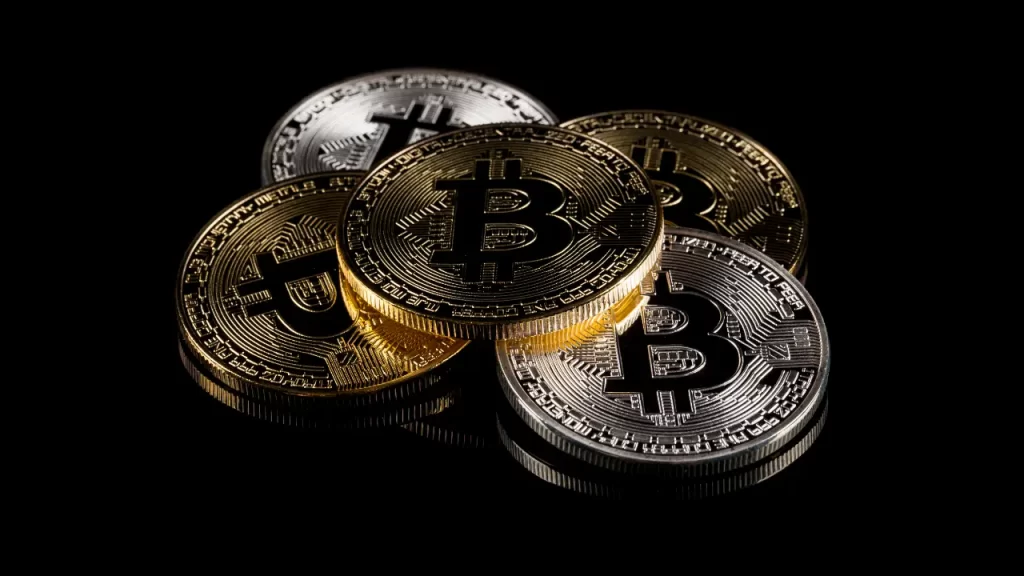
Marathon Digital has embarked on a groundbreaking initiative to mine Bitcoin using eco-friendly power generated from methane gas harvested from a landfill site.
This off-grid pilot project, boasting a 280-kilowatt (kW) capacity, is currently operational in the state of Utah.
Collaborating closely with Nodal Power, a company established in November 2022, Marathon has taken the lead in harnessing energy from landfill gas across the southeastern United States and Texas.
Notably, Nodal Power successfully secured $13 million in funding during an August seed round to manage two prominent sites, one of which houses a cutting-edge data center.
Marathon’s visionary mission extends beyond this pioneering project, as the company aims to validate its ability to capture methane emissions from landfills, convert these emissions into electricity, and subsequently employ this electricity to power Bitcoin mining operations.
Marathon’s CEO, Fred Thiel, expressed his optimism regarding the venture, stating, “Should the results of the pilot project meet our expectations, we look forward to expanding our footprint in this area and helping landfill operators and others meet their environmental targets.”
This endeavor aligns with a growing trend in the Bitcoin mining industry, where green energy solutions are highly sought after.
READ MORE: Turkey Takes Aim at Crypto Regulation to Escape FATF Grey List
For instance, Genesis Digital Assets Limited established an 8-megawatt facility in Sweden in August that relies on hydropower, further highlighting the industry’s commitment to sustainability.
Marathon’s commitment to sustainability doesn’t stop at landfill projects. In late October, the company inaugurated a state-of-the-art 200-MW immersion-cooled facility in Masdar City, Abu Dhabi, a model of sustainable living.
Additionally, a report released by Marathon in the same month emphasized the practicality and advantages of crypto mining at landfill sites, not only for miners and landfill owners but also for the environment.
This initiative gains significant importance considering that methane emissions, as per the United Nations, have a far more detrimental impact on the environment than carbon dioxide emissions.
Despite reporting second-quarter earnings that fell short of expectations, Marathon achieved a milestone by mining a record 2,926 Bitcoins in the same period.
Their Q2 revenue also surged, with a year-on-year increase of 228% to reach $132.8 million.
Marathon Digital’s commitment to sustainable and environmentally conscious Bitcoin mining marks a promising step towards a greener and more responsible future for the cryptocurrency industry.
The United States Securities and Exchange Commission (SEC) has rejected the jury’s verdict on Terraform Labs’ alleged violations and is now seeking a summary judgment on all the claims.
The SEC’s stance was made evident in a court filing dated October 27, where they expressed dissatisfaction with the jury’s leniency towards Do Kwon’s alleged involvement in the fraudulent activities that ultimately led to the collapse of the Terra ecosystem.
The court filing, submitted in the U.S. District Court for the Southern District of New York, emphasized the SEC’s belief that Kwon should be held accountable for Terraform’s violations of Exchange Act Section 10(b) and Rule 10b-5 under Exchange Act Section 20(a).
According to the SEC, the evidence they have presented indicates Kwon’s role in misleading cryptocurrency investors by promoting Terra and its in-house Terra LUNA tokens as securities.
On the same day, Do Kwon and Terraform Labs requested that the judge dismiss the SEC’s lawsuit, arguing that Terra Classic (LUNC), TerraClassicUSD (USTC), Mirror Protocol (MIR), and its mirrored assets (mAssets) should not be considered securities as the SEC had alleged.
READ MORE: SEC Issues Subpoena to PayPal Over PYUSD Stablecoin
Nevertheless, the SEC maintains that Kwon and Terraform Labs not only offered and sold securities but also conducted unregistered transactions involving LUNA and MIR, engaged in transactions with mAssets, and committed fraud.
While Terra’s co-founder, Daniel Shin’s lawyer, attributed the collapse of the Terra ecosystem to the “unreasonable operation of the Anchor Protocol and external attacks carried out by Do-hyung Kwon,” the company recently shifted blame onto market maker Citadel Securities.
Terra accused Citadel Securities of participating in an alleged “concerted, intentional effort” to cause the depeg of its TerraUSD (UST) stablecoin in 2022.
In response, Citadel Securities issued a statement to Cointelegraph, calling Terra’s motion “frivolous” and asserting that it was based on false social media posts.
Citadel Securities also emphasized that they had already provided information confirming their lack of involvement in the matter.
In summary, the SEC has challenged the jury’s decision regarding Terraform Labs’ alleged violations, and both parties continue to engage in legal battles over whether Terra’s assets should be classified as securities, while the blame for the Terra ecosystem’s collapse is shifting between internal and external factors.
In 2022, the cryptocurrency world experienced a seismic event when FTX, a prominent exchange, suffered a catastrophic collapse, sending shockwaves throughout the industry.
Among those hit hardest by this turmoil was the Solana ecosystem, a layer-1 smart contract blockchain protocol.
Anatoly Yakovenko, the co-founder and CEO of Solana, shared his concerns during an exclusive interview with Cointelegraph at the Solana Breakpoint conference in Amsterdam.
Yakovenko expressed his worries about the numerous projects that had been building on Solana.
The aftermath of FTX’s bankruptcy saw Solana’s native token, SOL, plummet in value from $36 in early November 2022 to as low as $12 in the days following the exchange’s collapse.
Solana’s leadership and investors took immediate action, reaching out to hundreds of teams working on products, services, and decentralized applications within the ecosystem to assess the extent of the damage.
Approximately 20% of Solana-based projects had received investments from FTX or Alameda Research, and just 5% of ecosystem startups had funds tied up in the now-defunct exchange.
This loss of funding severely impacted many startups’ ability to continue their work, causing their runway to evaporate.
READ MORE: Turkey Takes Aim at Crypto Regulation to Escape FATF Grey List
One notable case was Armani Ferrante, who had secured around $20 million to develop Coral, a Solana-based cryptocurrency infrastructure company.
Ferrante estimated a loss of approximately $14.5 million due to the FTX collapse.
Despite such setbacks, founders like Ferrante displayed resilience, using the failure as motivation to rebuild their companies from the ground up.
While SOL’s price drop was distressing, Yakovenko emphasized that the real tragedy was the harm done to ecosystem projects.
He expressed relief that the majority of teams managed to survive despite the challenging circumstances.
As the one-year anniversary of FTX’s collapse approaches, some positive developments have emerged.
Sam Bankman-Fried, the former CEO of FTX, faced a high-profile criminal trial and was found guilty on all seven charges on November 3, with sentencing scheduled for March 2024.
There is a silver lining for the Solana ecosystem, as investors have recognized that FTX’s influence had hindered the growth of the new generation smart contract layer 1.
Ethereum venture capital investor Chris Burniske played a crucial role in highlighting the value proposition of Solana, encouraging people to explore the platform as a viable alternative.
This influence has contributed significantly to the ecosystem’s recovery and resurgence, demonstrating its resilience in the face of adversity.
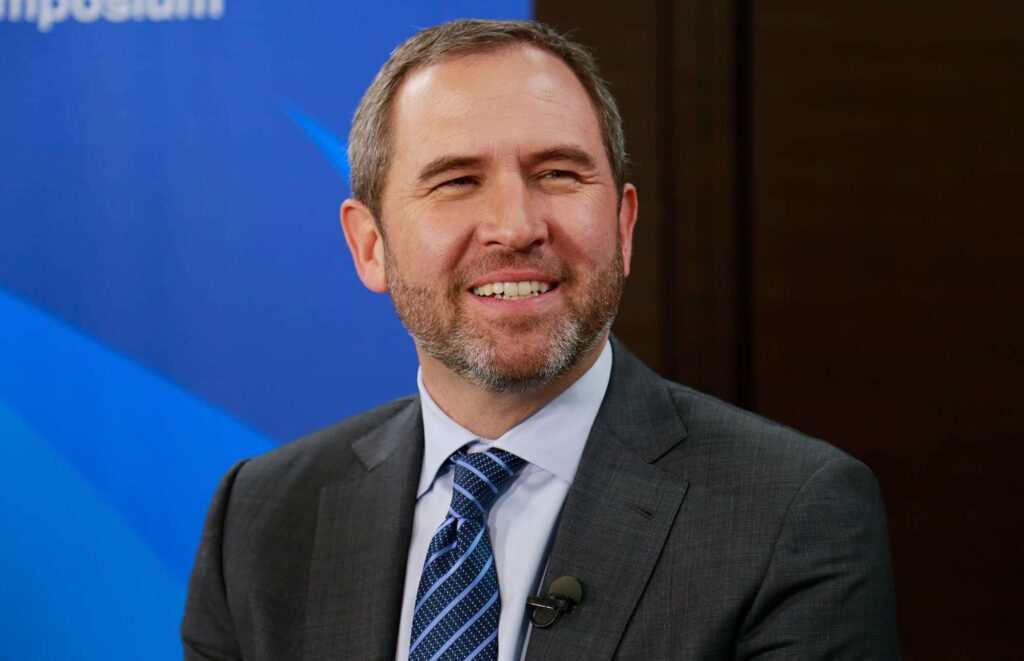
The National Bank of Georgia (NBG) has chosen Ripple Labs, a blockchain payments network, as its official technology partner to spearhead the development of the digital lari, Georgia’s central bank digital currency (CBDC) initiative.
Ripple announced this strategic partnership, highlighting that it will encompass the deployment of the digital lari pilot program through the Ripple CBDC Platform.
This collaboration will enable the NBG to explore potential use cases for the digital lari, assessing its benefits for the government, businesses, and individual consumers.
Before earning the designation as the NBG’s technology partner, Ripple underwent a rigorous and comprehensive selection process.
In September, the NBG had revealed its plans to advance its CBDC project by introducing a limited-access live pilot environment.
In the initial phase of this process, the NBG identified nine companies renowned for their technological expertise, maturity, capability, relevant background, and eagerness to engage in practical assessments.
Ripple stood out among the selected partners, alongside Augentic, Bitt Inc., Broxus, Currency Network, DCM Corp, and others.
The selection committee meticulously evaluated several factors, including the partner firms’ understanding of the project’s objectives, their potential applications, and their unwavering commitment to the project’s success, as per the NBG’s announcement.
READ MORE: Bitcoin Soars to Highest Monthly Close Since May 2022 with 30% Gains in ‘Uptober’
Ripple’s dedication to advancing digital currencies and fostering innovation in the field of CBDCs has garnered recognition.
In July, the company received accolades from Currency Research for its contributions to digital currency advancement and its notable sustainability initiative.
Ripple’s role in supporting CBDC exploration and implementation was particularly lauded.
Prior to partnering with the NBG on the digital lari project, Ripple had already established collaborative relationships with organizations interested in exploring CBDC implementations.
Notably, Ripple had previously teamed up with Banco de la República, Colombia’s central bank, to explore the applications of blockchain technology in its digital peso pilot, leveraging the Ripple CBDC Platform.
The selection of Ripple as the technology partner for Georgia’s digital lari project underscores the growing importance of blockchain technology and CBDCs in modernizing financial systems and fostering innovation in the global economy.
This partnership marks a significant step forward in the development and adoption of digital currencies by central banks worldwide.