



Huobi Global’s cryptocurrency exchange, HTX, has successfully recovered funds stolen by a hacker in September and subsequently issued a bounty of 250 Ether as a part of the resolution.
On September 25th, a hot wallet belonging to HTX was compromised, resulting in a loss of 5,000 ETH, which was approximately valued at $8 million. However, the firm swiftly engaged the hacker, asserting they knew the perpetrator’s identity.
In an attempt to recuperate the stolen assets, HTX proposed a deal: the hacker would receive a 5% bounty, equivalent to roughly $400,000, in exchange for returning 95% of the stolen funds by October 2nd.
This offer came with the added incentive that HTX would abstain from pursuing any legal action against the hacker.
By October 7th, the situation was resolved. Justin Sun, an investor in Huobi Global and adviser to HTX, conveyed his gratitude via an X (previously known as Twitter) post, thanking the broader industry for its assistance.
He emphasized, “Strengthening blockchain security and safeguarding user assets is an immense challenge.
READ MORE: Elon Musk Faces Scrutiny Over Suspension of XRP Account Amidst SEC Investigation
Our constant endeavor is to ensure complete security for user assets, and we’re grateful for the unwavering support from our users and the community.”
2023 has seen a significant uptick in cyberattacks on crypto platforms.
A study by blockchain security company Immunefi revealed that there were 76 breaches on cryptocurrency and Web3 platforms in Q3 2023, a sharp rise from 30 hacks in Q3 2022.
In a similar incident during the same week, the decentralized protocol, Mixin Network, suffered a massive $200 million hack due to a vulnerability in a third-party cloud service.
In response, Mixin Network has announced a $20 million bug bounty for the return of the stolen assets, but recovery seems uncertain.
Adding to the complexity of these hacks, on October 6th, Anne Neuberger, the US deputy national security adviser for cyber and emerging technology, suggested to Bloomberg that North Korean hackers might be responsible for the Mixin Network breach.
Neuberger commented on the familiarity of the techniques employed, noting they were reminiscent of previous attacks attributed to North Korea.
Other Stories:
Senior Republicans Push Biden Administration to Enhance Semiconductor Export Rules to China
FTX Co-Founder Testifies: Former CEO’s Alleged Misuse of User Funds
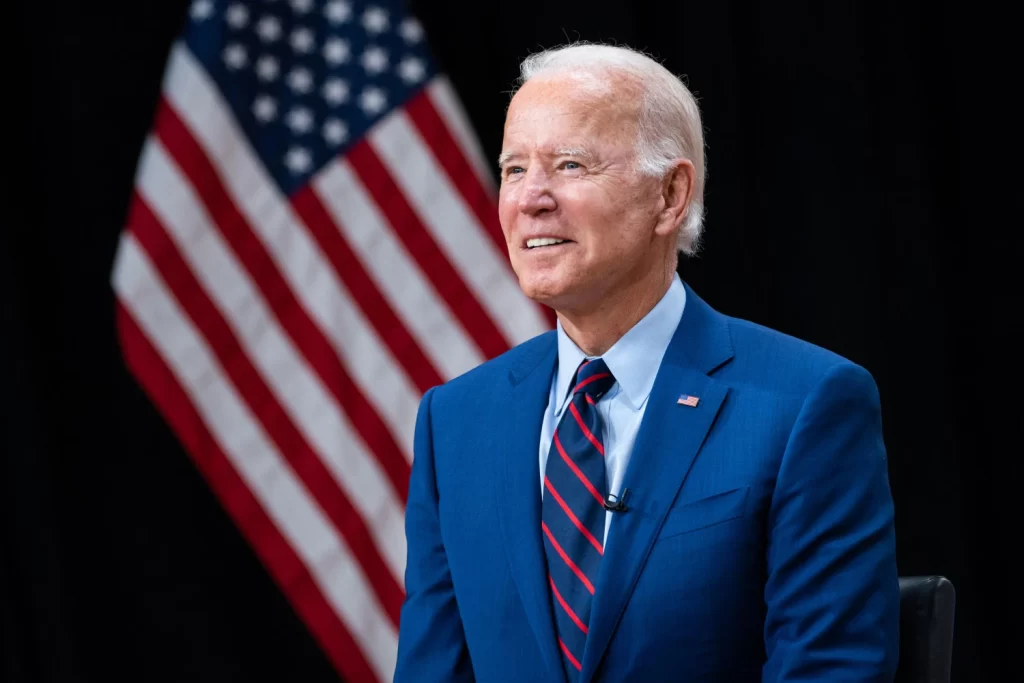
On October 6th, two senior Republicans from the U.S. House of Representatives called on the Biden administration to enhance export control measures concerning advanced semiconductors to China.
The plea came in the form of a letter to National Security Adviser Jake Sullivan, penned by Representative Michael McCaul, the chairman of the House Foreign Affairs Committee, and Representative Mike Gallagher, who chairs the House Select Committee on China.
The duo’s concerns stem from recent technological strides made by China’s premier semiconductor manufacturer, emphasizing that the regulations introduced in 2022 require an overhaul.
They pinpoint certain deficiencies or “loopholes” in the current system.
Their concerns were accentuated by the recent launch of Huawei Technologies’ Mate 60 Pro smartphone.
READ MORE: Binance Market Dominance Dips Amid Regulatory Hurdles and Fee Changes
This device features cutting-edge chips produced by China’s Semiconductor Manufacturing International Corporation (SMIC), a move seemingly sidestepping U.S. sanctions.
In their correspondence, McCaul and Gallagher commented on the system’s lack of responsiveness.
They noted, “The rules set out in 2022 and SMIC’s growing capabilities indicate a bureaucratic system that’s out of touch with China’s industrial ambitions and military goals.
There seems to be a shortfall in technological understanding and a hesitancy to act decisively.”
In light of these concerns, the legislators are pushing for the Biden administration to revamp the regulations quickly, specifically in response to Huawei and SMIC.
Their recommendations extend to curbing Chinese companies’ access to powerful AI chips available through cloud computing.
Furthermore, McCaul and Gallagher underlined the criticality of adhering to existing regulations, especially those that limit Chinese corporations and restrict U.S. officials from ensuring adherence to American export rules.
Other Stories:
Crypto CEO’s Ex-Roommate Testifies About $8-Billion FTX Deficit Amid Fraud Allegations
Bitcoin Stabilizes Near $28,000: Whales, Resistance Levels, and Exchange Dynamics in Play
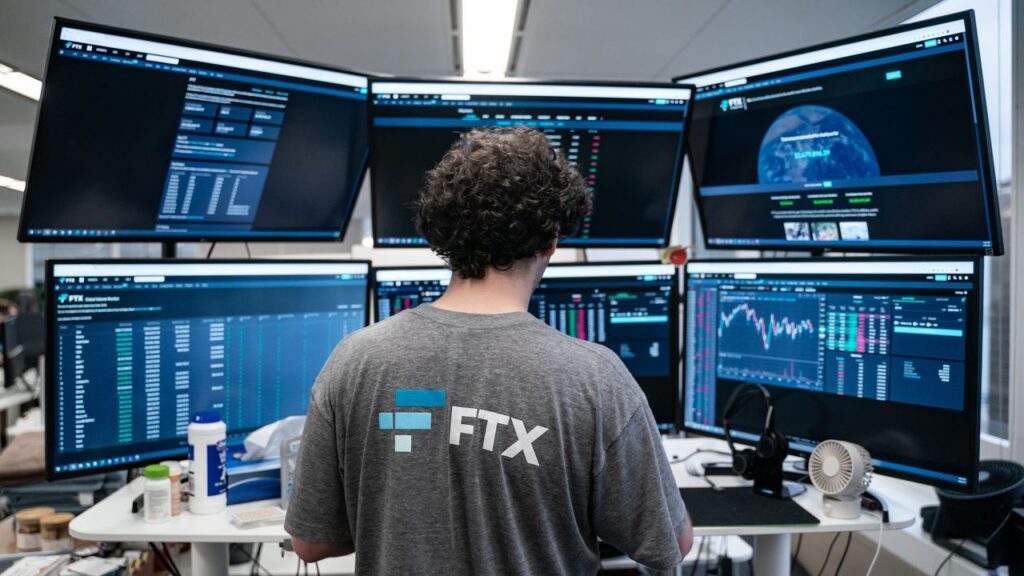
Gary Wang, ex-chief technology officer of FTX, has testified in the ongoing trial of former FTX CEO Sam “SBF” Bankman-Fried.
The trial revolves around Bankman-Fried’s alleged misuse of FTX user funds in collaboration with Alameda Research, without obtaining users’ consent.
Wang, who appeared in a New York court on October 6, stated that Alameda’s account on FTX was the sole account permitted to trade beyond its available funds through an “allow negative” feature.
This feature, integrated in 2019, was reportedly on the directive of Bankman-Fried. Wang testified that the feature enabled Alameda to have a negative balance surpassing FTX’s 2020 revenue – $200 million compared to $150 million.
Wang revealed that despite Bankman-Fried’s public claims on the two entities’ relationship, he had granted Alameda a $65-billion credit line.
Further, Wang mentioned a meeting in the Bahamas office, where after highlighting Alameda’s skewed balances, Bankman-Fried instructed Alameda to return the borrowed amounts.
According to Wang’s testimony, the “special privileges” Alameda enjoyed on FTX were tied to the exchange’s FTX Token (FTT), which the company used for trades when its balance was negative.
Alameda also allegedly had the capability to directly withdraw funds from FTX.
On October 5, Wang confessed to his criminal involvement with Bankman-Fried and Caroline Ellison, the former Alameda CEO. He had previously admitted guilt in a fraud case in December 2022.
The CEO of the Crypto Council for Innovation, Sheila Warren, drew a parallel with the Elizabeth Holmes trial, suggesting the core issue isn’t about cryptocurrency but the alleged personal misdeeds of Bankman-Fried.
She commented on the ex-CEO’s downfall, anticipating further revelations of his self-interest.
Bankman-Fried’s trial is slated to continue until November, with both Ellison and Nishad Singh, ex-FTX engineering director, expected to testify against him.
Bankman-Fried remains incarcerated following a bail revocation by Judge Lewis Kaplan in August. His intention to testify remains uncertain.
Other Stories:
Binance Market Dominance Dips Amid Regulatory Hurdles and Fee Changes
Bitcoin Stabilizes Near $28,000: Whales, Resistance Levels, and Exchange Dynamics in Play
Crypto CEO’s Ex-Roommate Testifies About $8-Billion FTX Deficit Amid Fraud Allegations

People worldwide are increasingly interested in crypto and its possibilities in the casino industry. BetFury has built a strong bridge between these areas and has been rewarded with the trust of over one and a half million people. Where do these huge numbers come from, and what makes BetFury unique?
Casino and Crypto Combination
Earning people’s trust is quite difficult. Casinos often resort to various offers for new users and retain their audience. Although, most often, this is not enough. Many experienced players know they are dealing with luck and are looking for ways to make extra money. They are starting to play with cryptocurrency and taking advantage of new lucrative opportunities.
Since crypto technologies are developing, and casinos have long become high-quality entertainment, many people combine them. They select platforms like BetFury due to some basic criteria. Special offers, a variety of games, fair algorithms, and the presence of many currencies – these things attract users the most. For example, BetFury has gathered 1.6 million players and investors under its wing thanks to unique features, the BFG token, and the excellent gaming side of the platform. More than 250,000 people are subscribed and active on BetFury’s social networks, which only confirms the trust of the entire community.
BetFury Casino and Fairness
BetFury has over 8,000 Slots from top providers such as Pragmatic Play, Evoplay, Spinomenal, NetGaming, etc. The most popular Slots are Fury Pharaoh, Aztec Magic Bonanza by BGaming, Gates of Olympus, and Sweet Bonanza by Pragmatic Play. BetFury offers more than 16 Original games with one of the highest RTP on the market (up to 99.02%). The most popular Original games are Fury Pharaoh, Fury Wild, and Space Dice. In addition, the platform has over 80 types of Sports with coefficients higher than the market average.
The result of each bet is random, which can be easily proven. BetFury has a Fairness page where every user can verify the independence of the outcome. This greatly increased confidence in the platform – if bets are honest, no one will hide the iGaming algorithms!
Cryptocurrency and Investing
Firstly, the platform provides more than 50+ cryptocurrencies for gaming. Secondly, coins and tokens can be obtained from Jackpots, Daily Tasks, and free Crypto Boxes. You can also win up to 1 BTC in Fury Wheel. Finally, the main source of income is the BFG token – the native holy grail of the platform.
Today, more than 55,000 people are BFG holders – large market participants who can influence the exchange rate. Holders can direct a vector of the whole project because they have about 51% of all BFG tokens. Regarding the total BFG emission, it reached 5 billion tokens after the end of BFG Mining. It created a fundament for value rising, and the resource received strong potential. Over 45 Monthly Burnings also affected this, which totaled more than 1,600,000,000 BFG. They help maintain the stability of the tokeconomy and the balance between holders and developers. Besides, BetFury holds grand events, which attract new users and create a competitive spirit. The most popular were Xmas Party for $1,200,000, BetFury Birthday 2022 for $1,000,000, and Crypto Rush for $800,000.
BFG has several utilities that lure many experienced investors. The most popular is BetFury Staking – passive income for holding currency. Staking is implemented on the platform with up to 50% APY and possible daily withdrawals. Having 100 BFG on your balance, you receive income in BFG or five top currencies (USDT, ETH, BTC, BNB, and TRX). You earn even more if you choose to get the Staking reward in BFG. BetFury also offers an online staking calculator to calculate your income.
About BetFury
BetFury is an ecosystem of crypto products for entertainment and additional income. In addition to a huge number of games and events, the platform offers profitable bonuses. Depending on the Rank, the user receives up to 25% Cashback, 10% Rakeback, and 2x FuryCharge. BetFury also offers a Referral and Affiliate program of up to 60% RevShare for influencers and users with a wide audience.
Moreover, the platform has an elite VIP club for loyal users from Rank 10. All VIP club members receive additional privileges, early access to new games, and a personal VIP manager. If you are a VIP on another platform, you can instantly transfer your status to BetFury using the VIP Transfer Program.
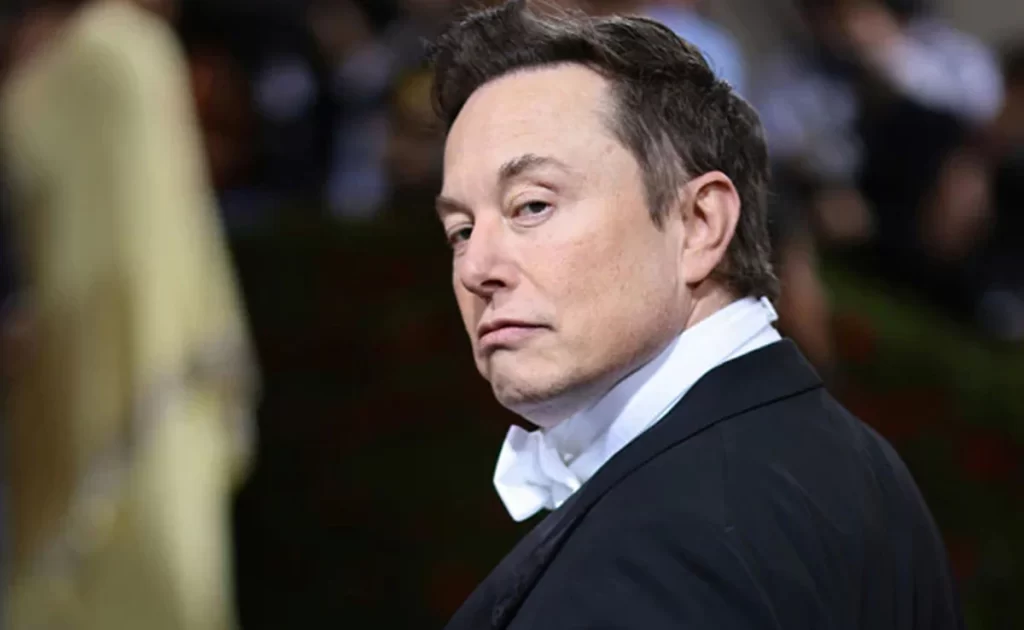
Elon Musk, previously associated with Twitter and currently executive chair and CTO of X, has come under scrutiny for the suspension of an XRP-focused account.
The account, named Digital Asset Investor.XRP, was notably active in promoting discussions related to XRP, a cryptocurrency embroiled in controversies, including a lawsuit by the SEC labeling it as an unregistered security.
Crypto Eri, a prominent figure in the cryptocurrency realm, took to X to ask Musk if the account’s suspension was accidental.
The Digital Asset Investor.XRP account was not only a hub for XRP advocates but also a platform where enthusiasts could share insights and engage in crypto discussions.
While some argue that the account suspension might be a proactive step against potential scammers, the silence from X’s end has fueled further speculation.
Reacting to a suggestion that the move was anti-scam, Crypto Eri expressed her dismay, stating, “I consistently stick to the facts, even if labeled as the ‘crypto police’ or part of ‘cancel culture’. It’s heartbreaking, especially when he’s built his entire channel on the X platform.”
Prominent personalities, including pro-XRP lawyer John Deaton, are now questioning if this suspension is an isolated event or indicative of a broader censorship trend within the X platform.
In another development, recent findings revealed that the SEC is probing Musk over potential violations of federal securities rules.
This investigation delves into Musk’s actions related to stock purchases and subsequent declarations about X’s acquisition.
Other Stories:
Binance Market Dominance Dips Amid Regulatory Hurdles and Fee Changes
Bitcoin Stabilizes Near $28,000: Whales, Resistance Levels, and Exchange Dynamics in Play
Crypto CEO’s Ex-Roommate Testifies About $8-Billion FTX Deficit Amid Fraud Allegations

Global cryptocurrency heavyweight, Binance, has seen a consistent drop in its market dominance, particularly over the past seven months.
Recent reports highlight that regulatory issues in the U.S. and changes in their trading promotions may be influencing this decline.
Bloomberg, drawing from insights provided by cryptocurrency data specialist CCData, noted on October 5th that Binance’s spot market share dipped from 38.5% in August to 34.3% in September 2023.
To put this in perspective, in January 2023, the exchange commanded a notable 55.2% of the spot market.
This isn’t limited to the spot market alone. Binance’s presence in the derivatives market is also dwindling.
Data suggests that their market share in this space has reduced from 53.5% in August to 51.5% in September. Earlier in January, Binance held a significant 62% dominance in the derivatives market.
Jacob Joseph, a research analyst from CCData, posits that while the U.S. regulatory challenges are a significant factor, they aren’t the sole reason for Binance’s shrinking market share.
Another contributing element, he suggests, is Binance’s recent decision to stop its zero-fee trading promotion for several major trading pairs.
In tandem with these challenges, Binance has been pulling back from certain global markets.
A significant move in September saw Binance making a complete exit from the Russian market.
The exchange sold its entire Russian business to a new player, CommEx exchange. This was a substantial move as Russian users made up almost 7% of Binance’s traffic.
Additionally, Binance revamped its trading fee structure in early September. They reintroduced a standard taker fee, which is determined by the user’s VIP level.
One example of this change is the 0.1% taker fee on spot and margin trades for regular users.
Competing exchanges have been quick to capitalize on this shift. Binance’s spot trading volume appears to be migrating to platforms like HTX, Bybit, and DigiFinex.
Moreover, exchanges such as OKX, Bybit, and Bitget are seeing upticks in their derivatives market shares.
Other Stories:
DOJ Asserts Lack of Crypto Regulations Doesn’t Bar Charges Against Former FTX CEO
Kazakhstan’s Crypto Mining Industry on the Brink of Collapse as Energy Prices Soar
Bitcoin Holds Steady at $27,500 Amidst US Yield Surges and Dollar Volatility
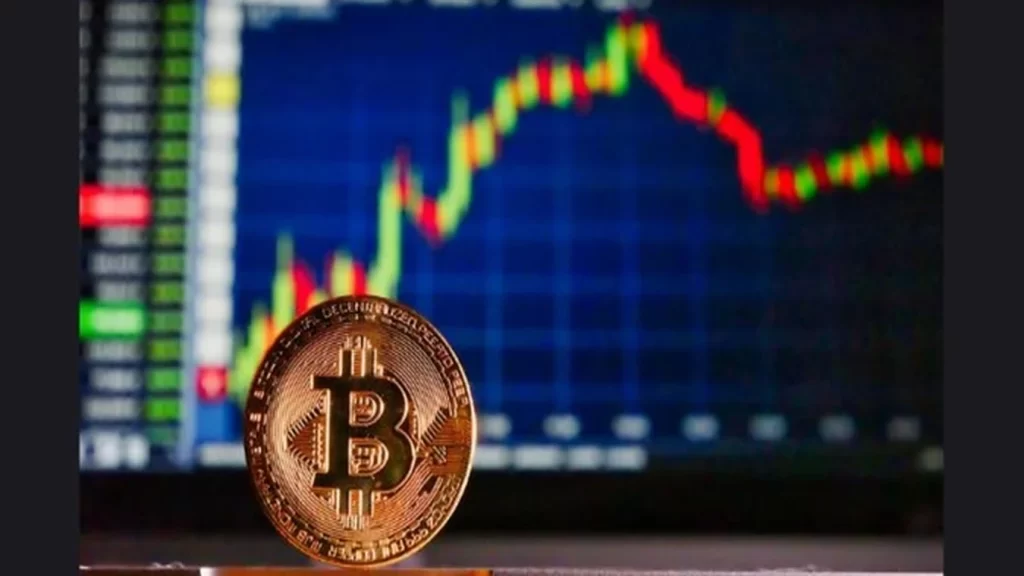
Bitcoin witnessed reduced volatility on October 6th, with market participants preparing for a potential price drop.
Over the last 24 hours, the BTC/USD price stabilized after a failed attempt to breach the $28,000 mark.
Although the cryptocurrency approached this price level again prior to Wall Street’s opening, there were concerns about potential forthcoming losses.
Prominent trader, Daan Crypto Trades, observed a conflict between two major daily moving averages. He predicted that the outcome of this struggle would dictate Bitcoin’s trend for the rest of October.
He highlighted the ongoing contest between the $27,000 and $28,000 price points.
Additionally, he noted the increasing open interest across exchanges, indicating a potential sequence of short squeezes followed by long squeezes. Daan emphasized the importance of monitoring this price range.
READ MORE: DOJ Asserts Lack of Crypto Regulations Doesn’t Bar Charges Against Former FTX CEO
CoinGlass data indicated minor liquidations in both long and short Bitcoin positions on October 6th. Meanwhile, Material Indicators analyzed the trading patterns of “whales,” or large-volume traders.
The study segmented these traders and found that while some were actively buying and selling, leading to a net increase of $13.8 million in market orders on Binance over a week, others sold assets worth nearly $60 million during the same period.
Material Indicators speculated on the possibility of these sales being linked to the potential liquidation of assets from the now-defunct FTX exchange.
The major takeaway was the surprise not in the price’s failure to increase, but its resilience in not dipping further.
Another trading analyst, Exitpump, postulated a potential liquidity trap below the $27,400 mark, suggesting that Bitcoin’s price often retests resistance levels multiple times before establishing a peak.
In essence, as Bitcoin approached the $28,000 mark, market indicators and expert opinions seemed mixed, with some seeing potential for growth and others predicting setbacks.
Other Stories:
Kazakhstan’s Crypto Mining Industry on the Brink of Collapse as Energy Prices Soar
Bitcoin Holds Steady at $27,500 Amidst US Yield Surges and Dollar Volatility
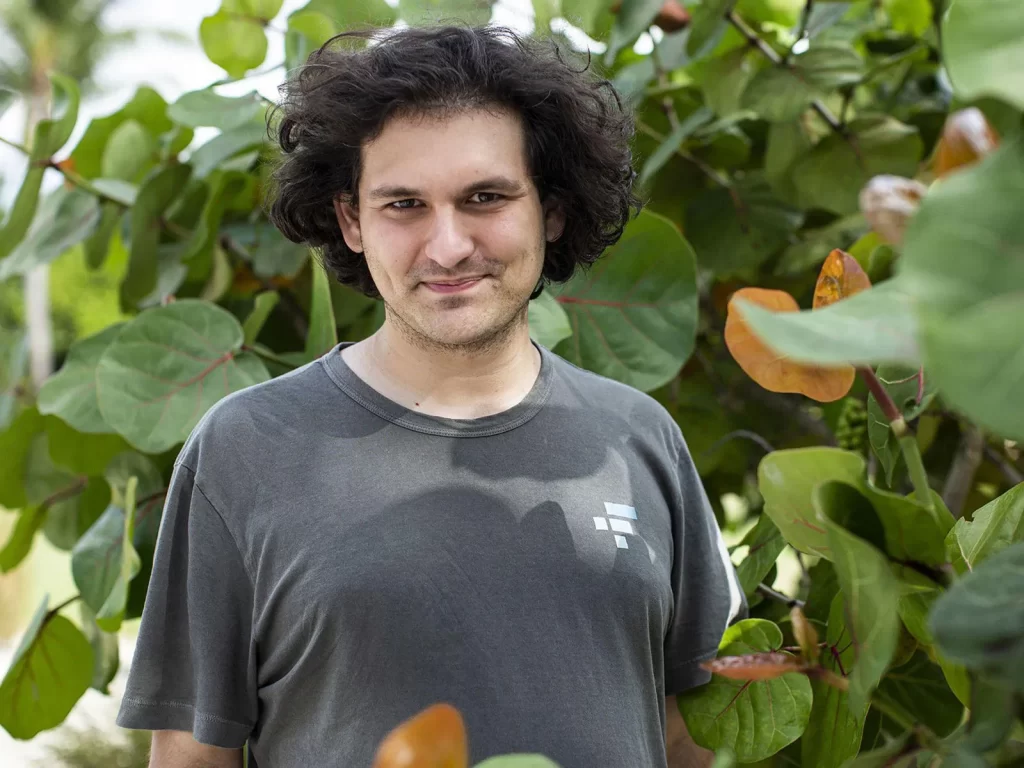
The criminal trial of Sam “SBF” Bankman-Fried entered its third day with Adam Yedidia, FTX developer and Bankman-Fried’s former MIT roommate, testifying about the $8-billion deficit FTX disclosed before its bankruptcy.
On October 5, at the United States District Court for the Southern District of New York, Yedidia discussed the association between the cryptocurrency exchange, FTX, and Alameda Research.
This connection is crucial in allegations of fraud against SBF. Yedidia revealed a bug in FTX’s code that made Alameda’s liabilities stay constant, causing an approximately $8 billion miscalculation.
When Yedidia asked SBF about rectifying the issue, the latter estimated it would take “six months to three years.”
Under Assistant U.S. Attorney Danielle Sassoon’s interrogation, Yedidia shared that he left FTX after discovering Alameda had misused customer funds to settle its loans.
READ MORE: DOJ Asserts Lack of Crypto Regulations Doesn’t Bar Charges Against Former FTX CEO
He also noted that Bankman-Fried had instructed him to discuss FTX’s code issues using the encrypted messaging app, Signal.
The app, which has an auto-delete feature, was promoted by SBF to the entire company.
Yedidia quoted SBF emphasizing the risks of retaining messages, especially if regulators unearthed unfavorable information.
Another significant revelation was Yedidia’s confrontation with SBF in the Bahamas concerning the $8-billion discrepancy.
The ex-CEO allegedly tried to provide assurances then. Furthermore, Sassoon’s queries probed Yedidia about Bankman-Fried’s intimacy with ex-Alameda Research CEO, Caroline Ellison.
Yedidia shared an awkward conversation where SBF confessed to their physical relationship and pondered dating her, to which Yedidia responded negatively.
Ellison will reportedly testify against Bankman-Fried, based on her plea deal.
The trial saw a twist in August when Judge Lewis Kaplan canceled SBF’s bail, convinced by the prosecution’s claims that he attempted to intimidate witnesses, including Ellison, by disclosing some of her personal diaries to journalists.
Starting with jury selection on October 3, the trial is set to continue till November.
Key witnesses, including Gary Wang, an FTX co-founder, might take the stand post-Yedidia.
The prosecution might also summon ex-FTX officials like Nishad Singh and Constance Wang.
Other Stories:
Kazakhstan’s Crypto Mining Industry on the Brink of Collapse as Energy Prices Soar
Bitcoin Holds Steady at $27,500 Amidst US Yield Surges and Dollar Volatility

Blockchain data analysts at Nansen have delved into the events leading up to the collapse of FTX, particularly focusing on the transfer of $4.1 billion worth of FTT tokens between FTX and Alameda Research, two companies founded by Sam Bankman-Fried.
This analysis comes as the former FTX CEO faces a barrage of charges in relation to the exchange’s downfall.
The demise of FTX was primarily triggered by initial reports highlighting that a substantial 40% chunk of Alameda’s $14.6 billion in assets was held in FTT tokens in September 2022.
However, Nansen’s findings reveal intriguing on-chain interactions between FTX and Alameda before these reports surfaced.
Between September 28 and November 1, Alameda transferred $4.1 billion worth of FTT tokens to FTX, along with numerous transactions involving US dollar-pegged stablecoins totaling $388 million.
Blockchain data further indicated that FTX possessed approximately 280 million FTT tokens, which accounted for 80% of the total FTT supply of 350 million tokens.
The data also revealed substantial FTT trading volume, amounting to billions of dollars, moving between various FTX and Alameda wallets.
READ MORE:The Best on the Market: Betfury Gives $1500 for Each Invited Friend
Nansen’s report highlighted that the majority of the FTT token supply, comprising company tokens and unsold non-company tokens, was locked in a three-year vesting contract controlled by an Alameda-owned wallet.
Considering that both companies controlled around 90% of the FTT token supply, Nansen suggests that they may have mutually supported each other’s balance sheets.
The report also proposes that Alameda likely sold FTT tokens over-the-counter and used them as collateral for loans from cryptocurrency lending firms, supported by historical on-chain data showing substantial inflows and outflows between FTX, Alameda, and Genesis Trading wallets, with transfer volumes reaching $1.7 billion in December 2021.
The collapse of the Terra ecosystem and the subsequent bankruptcy of Three Arrows Capital (3AC) seemingly led to liquidity problems for Alameda due to the drop in FTT’s value. This resulted in a concealed $4 billion FTT-backed loan from FTX.
Nansen’s on-chain data aligns with this theory, showing that around June 2022, Alameda sent approximately 163 million FTT tokens to FTX wallets, valued at roughly $4 billion at the time—a figure consistent with statements made by Bankman-Fried’s associates in an interview with Reuters.
Lastly, blockchain data indicates that Alameda was unable to fulfill an offer to purchase FTT tokens from Binance at $22 on November 6, following negative reports about Alameda’s financial health, as announced by Binance CEO Changpeng Zhao.
Other Stories:
Q3 2023 Records $700 Million in Digital Asset Losses, CertiK Report Reveals
$332 Million Lost in September 2023, Q3 Losses Near $890 Million
Former FTX CEO Wanted to Offer Donald Trump $5 Billion Not to Run for President

Kazakhstan, the world’s third-largest Bitcoin mining hub in terms of hash rate, is facing a crisis in its crypto mining industry due to soaring energy costs.
This predicament has prompted eight prominent cryptocurrency mining firms, including BCD Company, TT TECH Limited, KZ Systems, AI Solutions, Green Power Solution, VerCom, and Kinur Invest, to compose an open letter addressed to President Kassym-Jomart Tokayev.
In their letter, these mining industry leaders highlight the severe distress faced by the Kazakh crypto mining sector due to exorbitant energy prices.
They reveal that all major players within the industry have already suspended their operations and are contemplating a complete withdrawal from Kazakhstan by year-end if the situation remains unchanged.
The executives express concerns that these high energy prices hinder the government’s efforts to regulate the broader cryptocurrency industry, particularly mining.
They attribute the problem to the government’s decision to impose taxes on energy consumption by crypto miners.
READ MORE:Friend.tech’s Decentralized Social Media Platform Surges in Revenue and User Growth
This decision has led Kazakhstan to lose its competitive edge among crypto mining giants such as the United States, Russia, and China, pushing the industry to the brink of extinction.
The letter underscores the urgent need for government intervention, warning that without swift action, the digital mining industry in Kazakhstan will vanish.
The taxation regime for digital mining was introduced on January 1, 2022, primarily targeting the electricity usage of mining entities.
Even at the highest tax rate, one kilowatt-hour of electricity in Kazakhstan costs miners approximately $0.067, significantly lower than the average of $0.12 per kWh in the United States.
According to government data, Kazakhstan collected approximately 3.07 billion tenges ($7 million) in tax revenues from crypto mining entities in 2022.
However, this revenue has come at the cost of pushing the industry to the brink of collapse.
In conclusion, Kazakhstan’s crypto mining industry, a global leader in hash rate, is teetering on the edge due to skyrocketing energy prices driven by tax policies.
Urgent government intervention is needed to ensure the survival of this vital sector, which has been a significant contributor to the country’s economy.
Other Stories:
Q3 2023 Records $700 Million in Digital Asset Losses, CertiK Report Reveals
Bitwise Asset Management Launches Ethereum Futures ETFs Amid Regulatory Uncertainty