


A celebrated nonfungible token (NFT) artist, Trevor Jones, hailing from the picturesque landscapes of Scotland, has emerged as a beacon of hope for the cause of cancer treatment.
His recent efforts at an art event in the enchanting city of Edinburgh, Scotland, have managed to raise an impressive sum of nearly $140,000, equivalent to 114,000 British pounds.
This substantial contribution is intended to bolster the noble mission of Maggie’s Edinburgh, an institution wholeheartedly dedicated to providing free cancer treatment.
Trevor Jones, known for his prowess in the world of crypto art, orchestrated a charity exhibition and auction at the annual Web3 Castle Party, a vibrant gathering situated near the enchanting city of Paris.
This remarkable endeavor culminated in the remarkable donation of 114,000 pounds to Maggie’s Edinburgh, marking an unprecedented milestone in the institution’s 27-year history.
A spokesperson representing Maggie’s Edinburgh gratefully attributed this resounding success to the unwavering support and enthusiasm of the NFT art community.
The substantial funds collected through Trevor Jones’s charitable efforts are poised to be a lifeline for over 4,000 individuals grappling with the dire effects of cancer and for the local communities in need of critical support.
The exhibition, hosted within the enchanting confines of Château de Vallery near Paris, brought together a consortium of 30 gifted artists, all uniting for a common cause.
In heartfelt words, Trevor Jones shared his sentiments regarding the event, stating, “The funds raised from NFT artists will make a huge difference and will go to support services for those affected by a cancer diagnosis — patients and their families.
READ MORE: Crypto Trader’s Cross-Country Journey Ends in Seattle: A Bitter Twist of Fate
This is certainly a wonderful way to remember such a beloved artist, also taken by this disease.”
The world of NFTs catapulted into mainstream consciousness in 2021, ushering in a sub-ecosystem that has played a pivotal role in numerous philanthropic endeavors.
From bolstering mental health initiatives to aiding war victims and supporting the United Nations Children’s Fund (UNICEF), NFT and cryptocurrency enthusiasts have consistently contributed to the betterment of global society.
Notably, the United States Federal Election Commission granted approval for the utilization of NFTs as a campaign fundraising incentive last year, underlining the growing acceptance and significance of these digital assets.
Major corporate entities like Coca-Cola, humanitarian organizations such as the Singapore Red Cross, and government bodies have also embraced NFTs and cryptocurrency donations as a means to fuel various philanthropic initiatives.
This fusion of technology and charity exemplifies the potential for positive change when innovation meets compassion.
Other Stories:
Binance Completes Exit from Russian Market, Sells Operations to CommEX
Hypothekarbank Lenzburg Joins SDX: Swiss Bank Expands Digital Asset Presence
Major Cryptocurrency Exchange Bitspay Faces Scrutiny Over Alleged Fake License Claims

A new legislative proposal has surfaced in the United States that seeks to enhance oversight and transparency within the cryptocurrency industry. U.S.
Representative Don Beyer unveiled the “Off-Chain Digital Commodity Transaction Reporting Act” on September 28.
This groundbreaking legislation mandates that cryptocurrency service providers report all blockchain transactions to a government-designated repository registered with the Commodity Futures Trading Commission (CFTC).
The primary objective of this legislation is to safeguard cryptocurrency investors from potential disputes, manipulation, or fraudulent activities arising from transactions conducted off-chain or beyond the purview of the blockchain network.
Unlike on-chain transactions that are instantaneously recorded on the blockchain, off-chain cryptocurrency transactions traverse secondary layers, making tracking and monitoring more challenging.
This issue has gained prominence due to the proliferation of trading platforms that aim to expedite transaction processing times while reducing costs.
Thousands of transactions now occur “off-chain,” eluding public visibility on the blockchain.
Representative Beyer emphasized the discrepancies in internal record-keeping among these private entities, underscoring the vulnerability of investors and consumers to fraudulent practices.
READ MORE: Binance Completes Exit from Russian Market, Sells Operations to CommEX
In his statement, Representative Beyer articulated the legislation’s purpose: “This bill is a common-sense measure to restore some transparency and confidence to the digital asset market.”
According to the bill’s provisions, cryptocurrency service providers will be obliged to report all off-chain transactions within a 24-hour window to a CFTC-registered trade repository.
Notably, these requirements parallel the rules governing “virtually all securities and swaps transactions.”
This legislative move reflects a broader trend of U.S. lawmakers actively addressing cryptocurrency regulations.
In mid-September, nine U.S. senators threw their support behind Senator Elizabeth Warren’s Digital Asset Anti-Money Laundering Act, which was reintroduced in July 2023.
The bill seeks to clamp down on noncustodial digital wallets and extend the responsibilities outlined in the Bank Secrecy Act to tackle the illicit use of digital currencies.
These collective efforts underscore the growing recognition of the need for robust regulatory frameworks to govern the cryptocurrency space and protect the interests of investors and consumers alike.
Other Stories:
Hypothekarbank Lenzburg Joins SDX: Swiss Bank Expands Digital Asset Presence
Major Cryptocurrency Exchange Bitspay Faces Scrutiny Over Alleged Fake License Claims
Crypto Trader’s Cross-Country Journey Ends in Seattle: A Bitter Twist of Fate
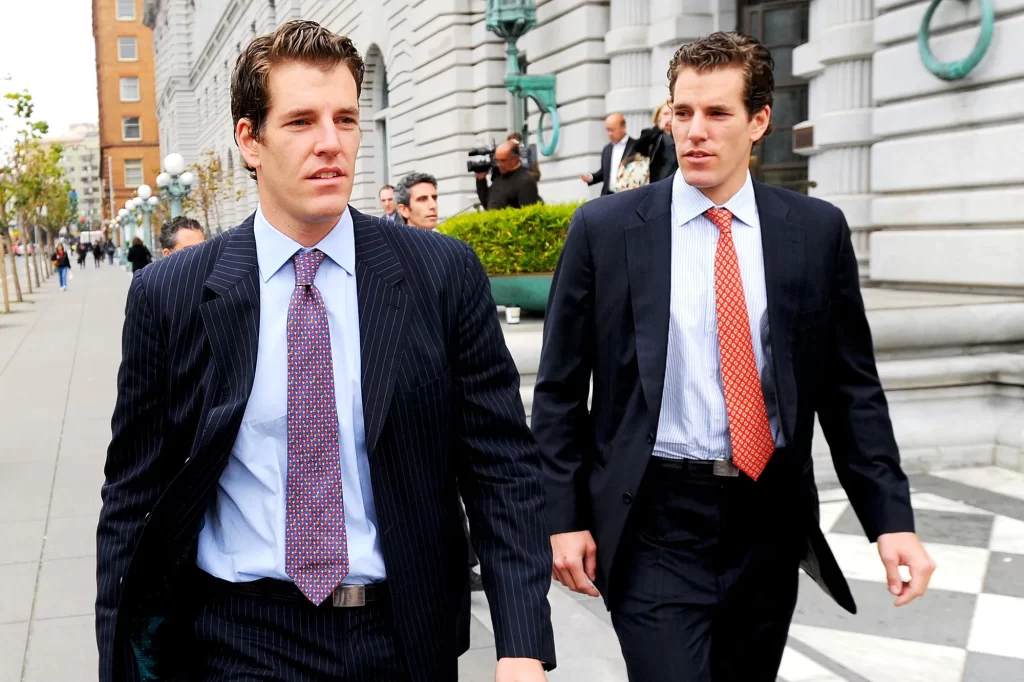
Gemini, the New York-based cryptocurrency exchange, has announced its departure from the Dutch market, following the footsteps of crypto behemoth Binance.
The move is attributed to Gemini’s inability to meet the regulatory requirements imposed by the De Nederlandsche Bank (DNB).
However, the company has assured its Dutch users of its intention to re-enter the market once it achieves full compliance with the new regulations.
In a letter addressed to its Dutch clientele on September 26, Gemini urged users to take action before November 17, 2023, when the platform will suspend its operations in the Netherlands due to the stringent DNB requirements.
The letter emphasized the need to empty Gemini accounts completely by that date.
The company’s decision underscores the evolving regulatory landscape within the cryptocurrency space, with authorities worldwide increasing their scrutiny of exchanges and digital assets.
Gemini has recommended that its users transfer their cryptocurrency holdings to Bitvavo, a local cryptocurrency exchange fully registered with the DNB.
Bitvavo, founded in 2018 and headquartered in Amsterdam, is a member of the Dutch Association of Bitcoin Companies.
This recommendation aims to facilitate a seamless transition for Gemini’s Dutch user base and ensure continued access to cryptocurrency services.
READ MORE: Hypothekarbank Lenzburg Joins SDX: Swiss Bank Expands Digital Asset Presence
The cryptocurrency exchange has expressed its commitment to re-entering the Dutch market as soon as it achieves full compliance with the Markets in Crypto-Assets regulations (MiCA).
These regulations, set to unify crypto-related requirements across the European Union, will play a pivotal role in determining the re-entry of crypto exchanges into the Dutch market.
Gemini’s decision aligns with its dedication to operating within a framework that ensures both user protection and regulatory adherence.
Gemini’s move mirrors a similar decision made by Binance during the summer of 2023 when it ceased operations in the Netherlands due to its failure to obtain approval from the DNB.
The DNB’s press officer, Tobias Oudejans, suggested that compliance with MiCA could pave the way for Binance’s return, emphasizing the potential for a different legal landscape for cryptocurrency companies in the Netherlands.
Presently, the DNB has registered 37 virtual asset providers, including well-known platforms like eToro, Coinbase, Crypto.com, and BitPay.
These providers operate within the evolving regulatory framework, adapting to the changing landscape of cryptocurrency regulation in the Netherlands and the broader European Union.
Other Stories:
Binance Completes Exit from Russian Market, Sells Operations to CommEX
Crypto Trader’s Cross-Country Journey Ends in Seattle: A Bitter Twist of Fate
Major Cryptocurrency Exchange Bitspay Faces Scrutiny Over Alleged Fake License Claims
Circle, the entity responsible for the popular USD Coin (USDC) stablecoin, has entered the fray concerning the ongoing legal battle between the United States Securities and Exchange Commission (SEC) and the crypto exchange giant, Binance.
In a recent court filing, Circle has taken a stance, contending that stablecoins should not be classified as securities under the law.
The crux of Circle’s argument hinges on the nature of stablecoins like Binance USD (BUSD) and USDC, which are explicitly pegged to the U.S. dollar.
Circle asserts that these assets do not exhibit the characteristics typically associated with securities, primarily because individuals purchasing these stablecoins do not harbor any profit expectations stemming from their acquisition.
In other words, payment-oriented stablecoins do not inherently possess the attributes of an investment contract.
This legal skirmish had its origins in the SEC’s move on June 5, when the regulatory body filed a lawsuit against Binance, leveling a total of 13 charges against the cryptocurrency exchange.
Among these allegations, the SEC contended that the sale of Binance’s native BNB tokens and BUSD tokens amounted to unregistered security sales.
READ MORE: Hypothekarbank Lenzburg Joins SDX: Swiss Bank Expands Digital Asset Presence
Additionally, the SEC accused Binance of failing to register as a broker-dealer clearing agency and conducting unauthorized operations within the United States.
Responding to these charges, Binance and its CEO, Changpeng Zhao, sought a dismissal of the SEC’s lawsuit on September 22.
Their legal team argued that the SEC had exceeded its jurisdiction in pursuing the case against them. Binance and Zhao contended that the SEC had failed to provide clear regulatory guidelines for the cryptocurrency sector before initiating legal action, essentially retroactively asserting authority over the industry.
Beyond the realm of cryptocurrencies and exchanges, the SEC has also taken a keen interest in nonfungible tokens (NFTs), deeming them securities as well.
Notably, on August 28, the SEC filed charges against Impact Theory, an entertainment company, in connection with the sale of its NFT collection, asserting that the NFTs constituted unregistered securities.
Further underscoring its stance, on September 13, the SEC brought charges against the entity behind the Stoner Cats NFT collection, alleging that it facilitated the sale of unregistered securities when offering NFTs to the public.
As the legal landscape surrounding cryptocurrencies, stablecoins, and NFTs continues to evolve, these cases serve as critical battlegrounds, with significant implications for how these digital assets are regulated in the United States.
Other Stories:
Crypto Trader’s Cross-Country Journey Ends in Seattle: A Bitter Twist of Fate
Major Cryptocurrency Exchange Bitspay Faces Scrutiny Over Alleged Fake License Claims
Binance Completes Exit from Russian Market, Sells Operations to CommEX

Epic Games, renowned as the force behind the massively popular Fortnite, has taken a significant step by reducing its workforce by 16%, which translates to roughly 830 employees.
This substantial reduction comes as a response to the company’s overly optimistic projections regarding revenue derived from the metaverse concept, leading to excessive spending that outweighed earnings.
In a memo sent to Epic Games’ staff on September 29, CEO Tim Sweeney acknowledged the necessity of these layoffs to restore financial stability.
Sweeney, while reflecting on his initial optimism about weathering the transition without job cuts, admitted, “I had long been optimistic that we could power through this transition without layoffs, but in retrospect, I see that this was unrealistic.”
Epic Games attributed its recent growth to the Fortnite Creator program, allowing players to create and sell in-game content while retaining a 40% share of the profits.
However, this shift has come at the cost of reduced profit margins.
READ MORE: Binance Completes Exit from Russian Market, Sells Operations to CommEX
Sweeney commented, “Success with the creator ecosystem is a great achievement, but it means a major structural change to our economics.”
In addition to the layoffs, Epic Games also announced that 250 more employees would be parting ways with the company.
This decision accompanies the sale of the recently acquired music website Bandcamp and the spin-off of SuperAwesome, a child-safety tech firm that joined Epic in 2020.
Notably, Epic Games intends to provide some support for departing employees. Those leaving the company will receive six months of pay, with employees residing in the United States, Canada, and Brazil also receiving six months of paid healthcare.
Besides its flagship title, Fortnite, which boasts an impressive 400 million registered users, Epic Games is also renowned for the Unreal Engine, a video game development suite powering titles like God of War and PlayerUnknown’s Battlegrounds.
While this decision is undoubtedly challenging for affected employees, Epic Games aims to provide some support during this transition.
In conclusion, Epic Games’ decision to reduce its workforce by 16% reflects the company’s need to rectify its financial situation, which suffered due to unrealistic revenue expectations related to the metaverse concept.
Other Stories:
Hypothekarbank Lenzburg Joins SDX: Swiss Bank Expands Digital Asset Presence
Major Cryptocurrency Exchange Bitspay Faces Scrutiny Over Alleged Fake License Claims
Crypto Trader’s Cross-Country Journey Ends in Seattle: A Bitter Twist of Fat

An individual in China, whose identity remains undisclosed, has been slapped with a fine of 1.06 million yuan ($144,907) for utilizing a Virtual Private Network (VPN) to gain access to sites barred in the nation while remotely working for an overseas employer.
Local media insights reveal that the individual, serving as a consultant from 2019 to 2022, accessed restricted platforms like GitHub to scrutinize source code, responded to customer service inquiries, convened teleconferences through Zoom, and created multiple threads on Twitter, all facilitated by a VPN.
The adjudication, declaring the consultant engaged in utilizing electronic devices “without authorization for non-legal international networking,” was reported by China Digital Times.
Chengde Police documents indicate that the earnings accumulated through the utilization of a VPN were categorized as “proceeds of crime,” leading to a hefty penalty equivalent to the individual’s three years’ salary, amounting to $144,097.
The legal framework in China strictly forbids the employment of VPNs to navigate through the country’s “Great Firewall,” which obstructs access to renowned websites such as Google, Wikipedia, and Facebook.
This recent enactment has instigated a wave of anxiety among professionals in China’s IT and Web3 sectors, who frequently depend on VPNs to perform analogous tasks related to remote work.
READ MORE: Crypto Trader’s Cross-Country Journey Ends in Seattle: A Bitter Twist of Fate
This unprecedented penalty underscores China’s relentless enforcement of its stringent internet norms, triggering a ripple of concern among tech professionals, consultants, and those engaging in international collaborations.
The decision reflects the broader context of government control and supervision, aiming to monitor online content meticulously and maintain hegemony over the nation’s digital interactions.
The ramifications of this ruling extend beyond legal repercussions, shining a light on the extensive and pervasive nature of digital governance in China.
It creates a milieu of uncertainty and apprehension around digital communications and remote collaborations, particularly those with international counterparts, emphasizing the tightening constraints on digital freedoms and interactivity.
This stern regulatory stance and subsequent legal actions serve as a glaring reminder for professionals to be acutely aware and compliant with the existing cyber laws, emphasizing the increasing limitations and the potential risks associated with unauthorized internet usage and access to international web platforms in China’s progressively restrictive digital environment.
Other Stories:
Binance Completes Exit from Russian Market, Sells Operations to CommEX
Hypothekarbank Lenzburg Joins SDX: Swiss Bank Expands Digital Asset Presence
Major Cryptocurrency Exchange Bitspay Faces Scrutiny Over Alleged Fake License Claims
Marathon Digital, a prominent Bitcoin mining company, has acknowledged its involvement in mining an invalid Bitcoin block as part of an operational optimization experiment.
In a statement posted on September 27th, Marathon clarified that only a small portion of its hash rate was dedicated to such experiments, explicitly emphasizing that their intentions did not involve any alteration of the Bitcoin network.
Marathon was quick to assure the public that their experiment was never intended to tamper with Bitcoin Core, the primary software for connecting to the Bitcoin network and running nodes. Instead, the issue stemmed from an internal development environment within the company.
The incident took place on September 26th at 9:42 pm UTC, specifically on block 809,478, as reported by Mempool.space.
Various Bitcoin developers and BitMEX Research identified the root cause as a “transaction ordering issue.”
A Bitcoin developer known as “mononaut” suggested that Marathon’s mistake arose from reordering transactions based on ascending absolute fees.
READ MORE: Judge Allows Evidence of Political Donations in Sam Bankman-Fried’s Fraud Trial
Notably, Bitcoin analyst Dylan LeClair pointed out that Marathon should have conducted such experiments on a testnet before venturing onto Bitcoin’s mainnet to prevent such mishaps.
Marathon expressed gratitude that Bitcoin, despite the unintended incident, continued to function as designed.
The Bitcoin network promptly rejected the invalid block and rectified the anomaly, demonstrating the robust security inherent to the Bitcoin ecosystem.
Cointelegraph sought comment from Marathon regarding the incident but had not received an immediate response at the time of reporting.
Following the incident, Marathon’s (MARA) share price experienced a 2.91% decline, opening at $8.01 on September 27th, according to Google Finance.
In summary, Marathon Digital’s experiment resulted in the mining of an invalid Bitcoin block, a situation they promptly rectified.
The incident highlighted the Bitcoin network’s resilience and security, emphasizing the importance of caution and testing in the ever-evolving world of cryptocurrency.
Other Stories:
Binance and Mitsubishi UFJ Trust Collaborate on Japanese Stablecoin Initiative
EOS Is Becoming a Climate Positive Network That Will Offset Its Energy Consumption by 3x
‘BitBoy’ Arrested During Livestream Outside Former Associate’s Home Over Lamborghini Dispute

Terraform Labs co-founder Do Kwon’s legal team has filed a request with a federal court to deny the United States Securities and Exchange Commission’s (SEC) request for his interrogation in the United States regarding the Terra ecosystem’s collapse.
In a filing dated September 27, Kwon’s legal representatives argued that the SEC’s demand for questioning in the U.S. before October 13 was unfeasible due to Kwon’s current detention in Montenegro, where there is no established release or extradition timeline.
Moreover, Kwon’s defense asserted that providing written testimony to address the SEC’s inquiries would violate his right to due process under U.S. law, stating that “an order mandating something that is impossible serves no practical purpose and risks undermining judicial authority.”
Notably, Kwon’s legal team clarified that Kwon did not outright oppose a deposition but suggested that it should be conducted in Montenegro, where the Terra founder is currently out on bail.
The filing highlighted that the cut-off date for discovery in the SEC’s case against Kwon and Terraform Labs is October 13.
READ MORE: Binance and Mitsubishi UFJ Trust Collaborate on Japanese Stablecoin Initiative
Kwon’s lawyers also noted that a Montenegrin court had “informally” indicated the possibility of holding a hearing on October 13 or October 26, during which Kwon would be asked the SEC’s questions.
However, the SEC indicated that it might consider this process as “inadequate” and could pursue another deposition of Kwon after the discovery cut-off date.
The SEC had filed a lawsuit against Terraform Labs and Kwon on February 16, alleging their involvement in a “multi-billion dollar crypto asset securities fraud.”
According to the SEC, Terraform and Kwon promoted their Anchor Protocol, which at one point promised a 20% interest rate on TerraUSD (UST) deposits, while also misleading investors about Terra’s stablecoin’s stability.
Kwon and Terraform Labs’ chief financial officer, Han Chang-Joon, were arrested in Montenegro in March 2023 for allegedly using false travel documents while attempting to leave the country.
Their original passports had been confiscated in South Korea in October 2022.
Other Stories:
‘BitBoy’ Arrested During Livestream Outside Former Associate’s Home Over Lamborghini Dispute
EOS Is Becoming a Climate Positive Network That Will Offset Its Energy Consumption by 3x
Judge Allows Evidence of Political Donations in Sam Bankman-Fried’s Fraud Trial
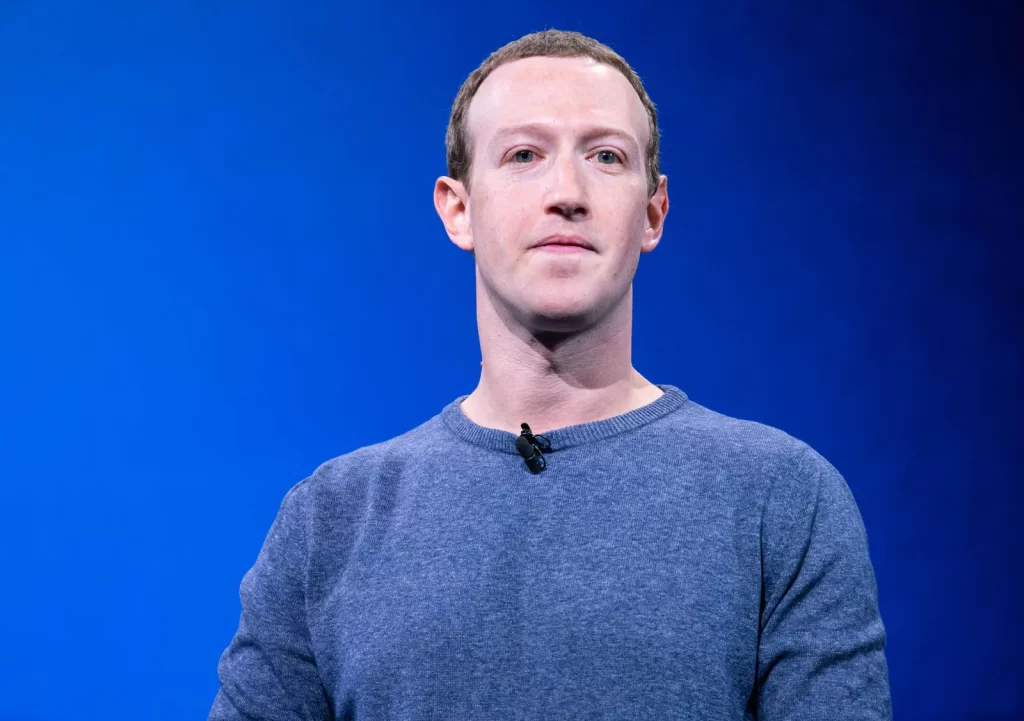
Meta CEO Mark Zuckerberg introduced the world to Meta AI, the company’s latest artificial intelligence-powered assistant, during the Meta Connect event on September 27.
This cutting-edge AI, dubbed Meta AI, is set to seamlessly integrate into popular social media platforms like Instagram, Facebook, and WhatsApp, while also making its way into the company’s mixed reality devices in the future.
Zuckerberg revealed that Meta AI harnesses the power of Meta’s expansive language model, Llama 2, and has been developed in collaboration with Microsoft Bing.
The objective behind this creation is to empower users with real-time access to internet-based information. Zuckerberg described Meta AI as “your basic assistant that you can talk to like a person.”
However, what sets Meta AI apart from its rival, ChatGPT, is its diverse approach. Rather than offering a one-size-fits-all chatbot, Meta is working on tailored AI products for specific use cases.
As an illustration, Zuckerberg demonstrated how Meta AI could enhance group chats on Facebook Messenger, assisting users in organizing their travel plans.
READ MORE: ‘BitBoy’ Arrested During Livestream Outside Former Associate’s Home Over Lamborghini Dispute
Meta’s chatbots are not just informative; they are designed to be engaging and entertaining.
Meta also unveiled a set of entertainment-focused AI products, including chatbots modeled after approximately 30 celebrities, such as Paris Hilton, Snoop Dogg, and former NFL player Tom Brady.
According to Meta’s announcement, Meta AI became available on September 27 for a select group of users in the United States on Facebook Messenger, Instagram, and WhatsApp.
Additionally, it will be accessible to users of Meta’s new smart glasses, scheduled for release on October 17, and its latest Quest 3 VR device.
In a concurrent development, OpenAI declared that its ChatGPT would no longer be constrained by pre-2021 data. This update is immediately available for Plus and Enterprise users employing the GPT-4 model.
The previous limitation of ChatGPT’s knowledge base, which extended only up to 2021, is now a thing of the past, marking a significant advancement in AI capabilities.
Other Stories:
Judge Allows Evidence of Political Donations in Sam Bankman-Fried’s Fraud Trial
Binance and Mitsubishi UFJ Trust Collaborate on Japanese Stablecoin Initiative
EOS Is Becoming a Climate Positive Network That Will Offset Its Energy Consumption by 3x

Binance, a prominent cryptocurrency exchange, has issued a call to action for its European user base, urging them to swiftly convert their euros into Tether (USDT) before the conclusion of October.
This plea comes in response to the loss of support from their banking partner, Paysafe.
On September 28th, Binance issued a notice to European Paysafe users, instructing them to convert their EUR balances within their Binance accounts to USDT by October 31st.
The reason cited was Paysafe’s unilateral decision to cease processing EUR deposits for Binance users.
Despite this setback, Binance clarified that users would still retain the ability to withdraw their EUR balances from their Binance accounts to their bank accounts, providing a semblance of relief to those affected.
The exchange emphasized the importance of Paysafe users taking preemptive measures.
Paysafe’s suspension of euro deposits occurred on September 25th, signaling the abrupt end of their support for fiat deposits and withdrawals for Binance users in Europe.
This included facilitating transactions via bank transfers within the European Union’s Single Euro Payments Area (SEPA).
Binance revealed that as a response to these developments, EUR spot trading pairs would no longer be accessible as of September 28th at 4:00 am UTC, with open orders being canceled an hour later.
READ MORE: Judge Allows Evidence of Political Donations in Sam Bankman-Fried’s Fraud Trial
Furthermore, the usage of Binance Convert, which functions like a token swap, would also be limited for EUR transactions.
Concerns regarding these changes prompted questions from users on social media platforms such as Twitter, with some inquiring about the apparent delisting of Euro options on the exchange.
Binance’s recent struggles with regulatory compliance and the loss of banking partners have compounded its challenges in Western markets.
Paysafe had already withdrawn support for transactions in British pounds earlier in the year due to concerns raised by UK financial regulators.
Additionally, Binance announced its departure from the Netherlands in June, and Belgian authorities ordered the cessation of its services within a week.
However, it was reported on September 26th that new registrations from Belgian residents had been reopened, offering a glimmer of hope amidst the tumultuous situation.
In light of these challenges, Binance has committed to working towards integrating new fiat channels onto its platform, signaling its determination to navigate the evolving regulatory landscape in the cryptocurrency industry.
Other Stories:
Binance and Mitsubishi UFJ Trust Collaborate on Japanese Stablecoin Initiative
EOS Is Becoming a Climate Positive Network That Will Offset Its Energy Consumption by 3x
‘BitBoy’ Arrested During Livestream Outside Former Associate’s Home Over Lamborghini Dispute