

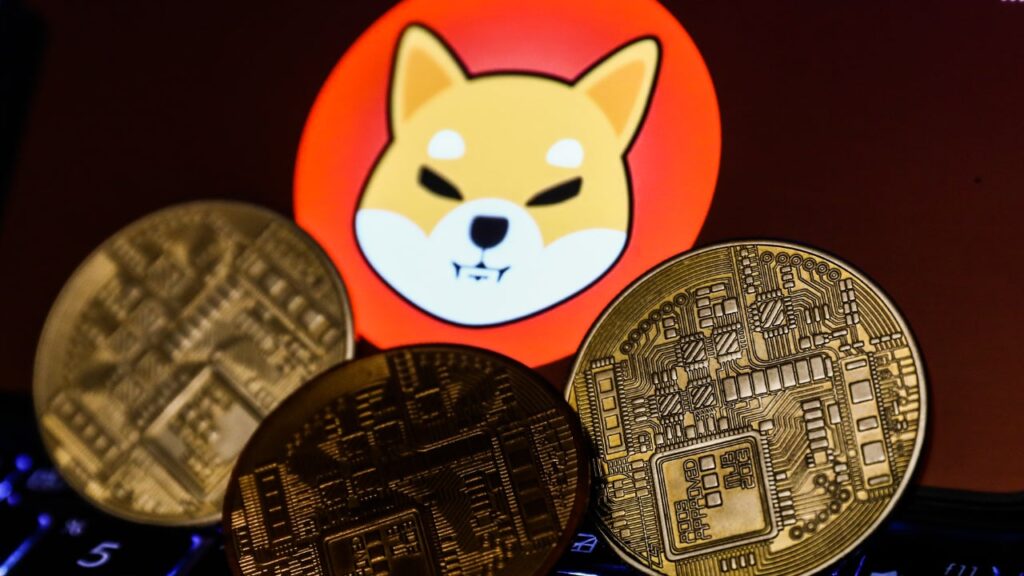
Cheems Balltze, the iconic Shiba Inu known for his viral images relishing cheeseburgers, peacefully passed away on August 18 after a valiant struggle against cancer.
Lovingly referred to as “Ball Ball,” this faithful companion bid farewell at the age of 12.
The Shiba Inu breed holds special significance in the realm of cryptocurrencies, being closely associated with digital assets like Shiba Inu and Dogecoin.
These tokens have garnered immense attention from both retail investors and prominent personalities like Elon Musk, the former owner of X (previously Twitter).
On August 18, a post on Cheems’ Instagram page reassured, “Don’t be disheartened; remember the boundless joy that Balltze brought to the world.
With his round, smiling visage, this Shiba Inu formed a bridge of connection during trying times, offering solace to countless souls.
While he played a pivotal role in lifting spirits amidst the pandemic, his mission has now been fulfilled.”
Unlike the famed Kabosu, the star of the original Dogecoin meme, Cheems left his mark by appearing alongside the DOGE dog in various shared images, notably in the popular meme “Swole Doge vs. Cheems.”
READ MORE: Binance Contemplates Legal Action Against Former Payment Provider
As Kabosu approaches his 18th birthday in October, he grapples with his own health challenges, invoking concern among his admirers.
The Doge meme, which gained viral status in 2013, triggered the inception of the DOGE token that same year, thanks to the efforts of Billy Markus and Jackson Palmer.
Members of the crypto community, including those affiliated with the Dogecoin Foundation, extended their heartfelt condolences on Cheems’ departure, simultaneously rallying behind Kabosu’s ongoing well-being.
Throughout the history of cryptocurrency, memes featuring animals spanning from felines to dolphins have frequently acted as the catalysts for token initiatives.
In some tangible instances, animal shelters have embraced DOGE and other cryptocurrencies to foster interest in the responsible spaying and neutering of pets.
As Cheems Balltze’s legacy lives on, his infectious spirit serves as a reminder of the positive impact that even the most seemingly whimsical figures can make in both the digital and tangible realms.
Other Stories:
US Tech Giant Fires New Warning About ChatGPT
Crypto Industry Adapts to Bear Market
Ripple Labs vs. SEC: Appeals Process Sparks Debate Over Ongoing Legal Case
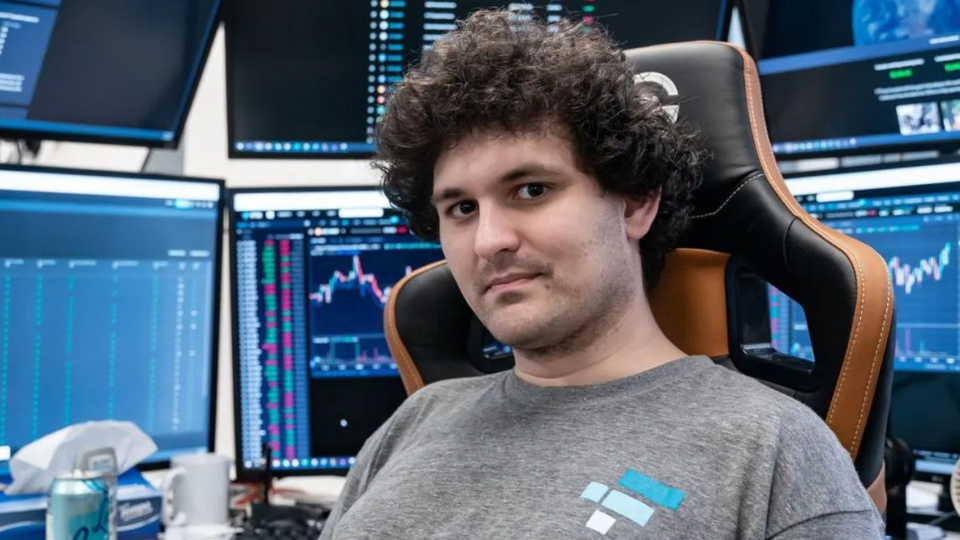
Former FTX CEO and co-founder, Sam “SBF” Bankman-Fried, has entered a plea of not guilty to charges of fraud and money laundering as stated in an updated indictment, reported recently.
The proceedings, presided over by Magistrate Judge Sarah Netburn, encompassed seven counts of fraud and money laundering, along with an added campaign finance charge.
Bankman-Fried asserted his innocence in regard to all allegations.
During the court session, SBF’s legal representatives raised concerns about his medical requirements.
They highlighted that SBF relies on Adderall and adheres to a vegan diet, both of which have not been met for the past 11 days. In response, the lawyers also requested that their client be provided with a vegan diet while in custody.
Furthermore, SBF’s counsel voiced apprehensions related to his ability to prepare adequately for the trial.
READ MORE: Crypto Industry Adapts to Bear Market
They noted that Bankman-Fried has been in remand since August 11 and expressed concern that they have only been presented with impractical solutions.
Bankman-Fried appeared before the Southern District of New York courthouse on August 22, facing allegations of using customer funds for personal gains and political contributions.
While the charges for fraud and money laundering date back to December, additional campaign finance charges were included by the prosecutors earlier in the month.
This series of developments follows the decision to revoke Bankman-Fried’s bail, leading to his departure from the New York courtroom in handcuffs.
Earlier in the week, SBF sought permission from the court to spend weekdays outside of detention in order to collaborate more effectively with his legal team on his defense.
A federal judge overseeing the criminal case granted him the ability to meet with his legal representatives outside of jail for approximately seven hours, allowing some flexibility in his preparations for the upcoming trial.
Other Stories:
Binance Contemplates Legal Action Against Former Payment Provider
Ripple Labs vs. SEC: Appeals Process Sparks Debate Over Ongoing Legal Case

Friend.tech, a new decentralized social (DeSo) network, has recently outshone giants like Uniswap and the Bitcoin network by generating over $1 million in fees within 24 hours on August 19.
Launched in beta version on August 11, the platform lets users tokenize social connections by buying and selling “shares” of them.
A person buying another’s share can privately communicate with them, with the platform charging a 5% transaction fee and the spread representing the owner’s profit.
Built on Coinbase’s layer-2 Base, Friend.tech has witnessed significant activity. Data from DefiLlama shows that the platform generated $1.12 million in 24-hour fees and $2.8 million since launch.
Thse total project rfevenue is $818,620, and the platform has recorded over 650,000 transactions with more than 60,000 unique traders.
The mind behind Friend.tech is believed to be the pseudonymous developer Racer, known for creating TweetDAO and Stealcam, both NFT-based social media networks.
With Friend.tech, Racer aims to empower crypto influencers with broad fan bases to earn trading fee royalties and help Web3 projects connect with venture capitalists and other crypto industry leaders.
READ MORE: Ripple Labs vs. SEC: Appeals Process Sparks Debate Over Ongoing Legal Case
The success of Friend.tech has sparked discussions and analyses regarding the platform’s revenue model, associated risks, and future prospects.
Ignas, a decentralized finance researcher, observed that the current business model relies solely on trading fees and not on increasing shareholders.
He also pointed out on X (formerly Twitter) that controversial personalities might exploit the system to earn more, even using fear, uncertainty, and doubt (FUD) as a strategy to generate fees.
Talk.Markets founder Lux Moreau has also highlighted the possibility of share prices increasing significantly as they are sold, which could encourage the formation of smaller or alternative groups within the platform.
In summary, Friend.tech has emerged as a promising player in the crypto ecosystem.
Its unique approach to tokenizing social connections and engaging influential crypto personas is generating considerable interest and activity.
However, the platform’s future depends on how it navigates potential risks and evolves its business model.
Other Stories:
Binance Contemplates Legal Action Against Former Payment Provider
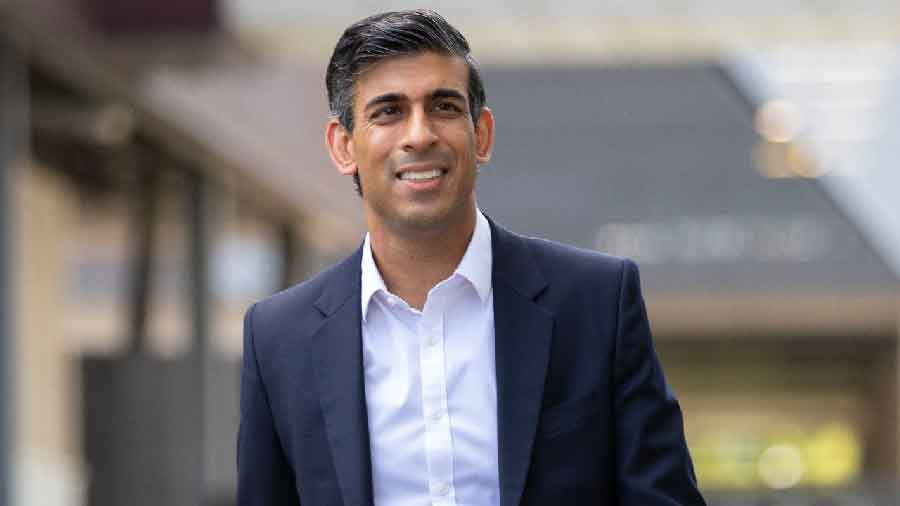
British Prime Minister Rishi Sunak is poised to invest £100 million ($130 million) in procuring numerous computer chips for bolstering artificial intelligence capabilities, a move that comes amidst a worldwide dearth of these chips and a fervent race to acquire enhanced computing potency.
As per a report by The Telegraph on August 20, the United Kingdom is gearing up to establish an “AI Research Resource” by mid-2024, forming a pivotal part of Sunak’s strategic blueprint to transform the nation into a thriving AI technology nucleus.
Notably, the government is actively engaging with chip manufacturers NVIDIA, Intel, and AMD to secure the necessary components.
The premier science funding entity, UK Research and Innovation, spearheading this endeavor, is reportedly in the advanced stages of finalizing an order for 5,000 cutting-edge NVIDIA graphic processing units (GPUs).
However, even though a substantial sum of $130 million has been allocated to the venture, insiders suggest that these funds might fall short of realizing Sunak’s ambitious vision for the AI hub.
This discrepancy implies that government officials might press for increased funding during an upcoming AI safety summit scheduled for November.
This development is a direct response to recent revelations indicating that several companies are grappling with the challenge of effectively deploying AI due to insufficient resources and formidable technical impediments.
In a report published in March, an impartial assessment of the nation’s AI computing capabilities revealed a concerning lag in investment when compared to counterparts in the United States and the European Union.
At that juncture, the availability of fewer than 1,000 NVIDIA chips for researchers to train AI models prompted a recommendation for the U.K. to expedite the provision of a minimum of 3,000 high-quality chips to cater to immediate requirements.
READ MORE: US Tech Giant Fires New Warning About ChatGPT
On August 16, S&P Global’s comprehensive AI trend analysis disclosed that numerous enterprises admitted their unpreparedness to accommodate AI due to a dearth of computational power.
These challenges were further compounded by data management intricacies and apprehensions about security.
Although AI is still in its nascent stages, S&P’s senior research analyst, Nick Patience, emphasized that the eventual frontrunner in this realm would be determined by their capacity to effectively manage AI workloads, a factor of paramount significance.
In conclusion, British Prime Minister Rishi Sunak’s allocation of £100 million for acquiring computer chips to bolster artificial intelligence capabilities stands as a significant move in the midst of a global chip scarcity.
The UK’s aspiration to build an AI Research Resource aligns with the broader goal of transforming the nation into a thriving AI technology hub.
While this initiative has potential, concerns persist regarding the sufficiency of funds to fully realize the intended AI ambitions, potentially prompting a call for additional funding during an impending AI safety summit.
This endeavor comes in response to prevailing challenges faced by businesses in deploying AI effectively due to resource limitations and technical complexities.
A comprehensive assessment earlier this year highlighted the UK’s need for increased investment in AI, especially in terms of computational power.
S&P Global’s recent report echoed these challenges, underlining the pivotal role of robust computing capacity in determining leadership in the burgeoning AI landscape.
Other Stories:
Crypto Influencer Files $16 Million Lawsuit Against Bitget Exchange
Bored Ape Yacht Club’s Yuga Labs to Scale Back OpenSea Support
Friend.tech, a newly introduced decentralized social network operating on the DeSo (Decentralized Social) framework, demonstrated a remarkable feat on August 19th by amassing over $1 million in fees within a mere 24-hour span.
This achievement surpassed well-established contenders in the crypto arena, including Uniswap and the Bitcoin network.
The beta version of this groundbreaking platform was unveiled on August 11th, and its distinctive feature lies in its ability to enable users to tokenize their social connections.
This is realized through the acquisition and trading of “shares” in their network, granting the purchaser of a share the privilege of engaging in private communication with the share’s owner.
Notably, the platform imposes a 5% transaction fee, with the owner reaping the rewards from the trade’s spread.
Powered by Coinbase’s layer-2 Base technology, Friend.tech has garnered substantial traction. Data from DefiLlama reveals that the platform amassed an astonishing $1.12 million in fees in a single day, tallying up to $2.8 million since its launch.
Presently, the total revenue for the project stands at $818,620, buttressed by over 650,000 transactions and a cohort of more than 60,000 distinct traders.
The mastermind behind this endeavor is purported to be a developer operating under the moniker “Racer.” A senior software engineer at Coinbase attested to Racer’s past creations, which encompass the social media networks TweetDAO and Stealcam, both grounded in nonfungible tokens (NFTs).
With Friend.tech, Racer’s ambition is to beckon crypto influencers armed with a substantial fan base, enabling them to accrue royalties from trading fees.
Additionally, the platform aims to serve Web3 projects aspiring to cultivate ties with crypto industry powerhouses and venture capitalists.
READ MORE: Crypto Influencer Files $16 Million Lawsuit Against Bitget Exchange
The platform’s fervor has also fanned the flames of discussions concerning its revenue model, associated risks, and trajectory.
An anonymous researcher within the pseudonymous decentralized finance realm, Ignas, highlighted that the present business model of Friend.tech hinges solely on trading fees, thereby bypassing income from having more shareholders.
He further speculated that contentious figures could exploit the system to reap more substantial profits or even employ strategies aimed at fomenting fear, uncertainty, and doubt (FUD).
Lux Moreau, the progenitor of Talk.Markets, spotlighted the escalation of share prices as they are traded.
Notably, the 500th member procures a share at around 15.6Ξ, while the 250th member shells out 3.9Ξ, and the 100th participant acquires a share for 0.625Ξ.
In sum, Friend.tech’s ascent to prominence as a decentralized social network has been underscored by its remarkable financial performance within its initial 24 hours.
This accomplishment has positioned it as a contender to reckon with in the crypto realm, bringing fresh perspectives and debates about its operational framework and foreseeable trajectory.
Other Stories:
US Tech Giant Fires New Warning About ChatGPT
Crypto Industry Adapts to Bear Market
Bored Ape Yacht Club’s Yuga Labs to Scale Back OpenSea Support

Despite a recent decrease in Bitcoin’s price and speculation about the fading hype around Bitcoin NFTs, ordinal inscriptions have continued to dominate the Bitcoin network’s activity in the past week.
On August 21, the developer known as “Leonidas,” responsible for Ordinals, highlighted that the Bitcoin network had processed 530,788 transactions within the last 24 hours.
Astonishingly, 450,785 of these transactions were Ordinals related, comprising a substantial 84.9% of Bitcoin’s total activity.
This defies the narrative claiming Ordinals’ demise.
Supporting this trend, data from Dune Analytics substantiates the phenomenon, recording over 400,000 ordinal inscriptions on August 20.
In contrast, Bitinfocharts records a daily Bitcoin transaction count around 556,000, implying that more than 75% of network activity on August 20 stemmed from Ordinals.
Industry researcher Eric Wall further corroborated this by noting that during the week, an impressive 54% of Bitcoin’s transactions were Ordinals.
Dune Analytics indicates that a staggering 25.5 million Ordinal inscriptions have taken place, generating an impressive $53.4 million in fees on the Bitcoin network.
READ MORE: Crypto Influencer Files $16 Million Lawsuit Against Bitget Exchange
These inscriptions are primarily driven by the minting of BRC-20 tokens, with a remarkable 1.9 million of them minted in the previous week.
These recent observations stand in stark contrast to a DappRadar report on August 17.
The report suggested that Ordinals NFT usage and sales volume had experienced a decline since their peak in May.
However, it’s crucial to note that this report tracked NFT sales and trading volume on the Bitcoin network, not the underlying inscription activity that continues to surge.
Bitcoin Ordinals represent nonfungible asset artifacts designed to facilitate data inscription onto Satoshis, the smallest Bitcoin units.
Introduced in January, the subsequent months witnessed a surge in inscription popularity as thousands of Ordinals were minted on the Bitcoin network.
This surge led to network congestion and spikes in transaction fees, culminating in peak congestion during April and May.
Other Stories:
US Tech Giant Fires New Warning About ChatGPT
Crypto Industry Adapts to Bear Market
Bored Ape Yacht Club’s Yuga Labs to Scale Back OpenSea Support
Bitget, a cryptocurrency derivatives exchange headquartered in Seychelles, is making changes to its Know Your Customer (KYC) requirements in alignment with global regulatory standards.
The modifications to the KYC procedures are aimed at safeguarding user rights, fostering a secure environment for cryptocurrency trading, and adhering to regulatory suggestions provided by international watchdogs.
Commencing from September 2023, Bitget will implement adjustments to its KYC verification prerequisites.
New users registering on the platform will be mandated to complete level 1 KYC verification to unlock a range of Bitget services, encompassing cryptocurrency deposits and trading.
For users who register before September 1, the deadline for completing KYC verification is set for October 1, 2023.
During the interim period, users who haven’t finished the verification process by the end of September will still have the liberty to execute deposits, withdrawals, and trades.
Nevertheless, as of October, users who have not undergone the KYC verification procedure will experience restrictions.
They will only be able to perform withdrawals, cancel orders, redeem subscriptions, and close positions.
The ability to initiate new trading orders will be curtailed for these users.
Bitget is committed to following stringent KYC protocols to authenticate the identities of its customers for the purpose of assessing risks.
This approach aligns with the practices of mainstream financial institutions and regulated entities.
In the spectrum of cryptocurrency exchanges, Bitget is not alone in its adoption of updated KYC policies. KuCoin, for instance, implemented comparable requirements in July 2023.
READ MORE: US Tech Giant Fires New Warning About ChatGPT
The platform now mandates identity checks for all new users to comply with global Anti-Money Laundering regulations.
Failure to complete the KYC checks renders users ineligible for KuCoin’s array of services and products, which involves providing personal information, ID details, submitting ID photos, and undergoing a facial recognition process.
OKX, another prominent player, is also enforcing a KYC protocol for identity verification. Users on OKX are granted a deadline in September similar to Bitget.
This process mirrors the three-step approach seen on KuCoin. Users who neglect the verification process on OKX will lose access to services starting from September 21.
In summary, Seychelles-based cryptocurrency derivatives exchange Bitget is proactively upgrading its KYC requirements to comply with global regulations.
These changes are devised to ensure user protection, cultivate a secure trading environment, and adhere to regulatory standards.
Other Stories:
Bored Ape Yacht Club’s Yuga Labs to Scale Back OpenSea Support
Crypto Influencer Files $16 Million Lawsuit Against Bitget Exchange

The Worldcoin cryptocurrency initiative has encountered a fresh hurdle in its development as the Kenyan government establishes a 15-member parliamentary committee to delve into the contentious undertaking.
According to a local publication, the Kenyan government has set up a committee of 15 members, led by Gabriel Tongoyo, the Member of Parliament for Narok West, to thoroughly examine the disputed cryptocurrency project.
The parliamentary committee is tasked with conducting an investigation into the project over a span of 42 days and subsequently presenting its findings to the House committee.
Despite reaching out to MP Gabriel Tongoyo for insights into his reservations and objections against Worldcoin, Cointelegraph did not receive a response before the publication deadline.
This parliamentary scrutiny arrives approximately three weeks after Kenya suspended the operations of Worldcoin.
The suspension was enacted due to the project’s failure to comply with governmental directives to cease the practice of scanning users’ irises.
Interior Cabinet Secretary Kithure Kindiki, a pivotal figure in the suspension of Worldcoin’s activities, expressed the government’s apprehensions to the House committee.
READ MORE: Bored Ape Yacht Club’s Yuga Labs to Scale Back OpenSea Support
He emphasized that the government is deeply concerned about Worldcoin’s activities, which involve the registration of citizens and the collection of iris data. Kindiki asserts that these activities present significant security risks.
In addition to the parliamentary committee’s involvement, various regulatory bodies in Kenya have overwhelmingly rejected the Worldcoin project.
A court ruling has also led to the suspension of the project’s operations. This legal action was initiated following a lawsuit filed by the office of the data commissioner.
The court’s decision mandates the preservation of data collected by Worldcoin between April of the previous year and August 2023, pending the conclusion of the ongoing legal proceedings.
Worldcoin, a cryptocurrency endeavor centered around digital identification, introduces its native digital coin, WLD coin, which is acquired through iris scanning.
Although the project garnered nearly 2 million participants during its trial phase, its launch to the public across multiple countries brought to light several reports detailing its controversial practices.
As a result, governments in countries such as Nigeria, the United Kingdom, Argentina, Germany, and Kenya have launched investigations into the project.
Other Stories:
US Tech Giant Fires New Warning About ChatGPT
Crypto Influencer Files $16 Million Lawsuit Against Bitget Exchange
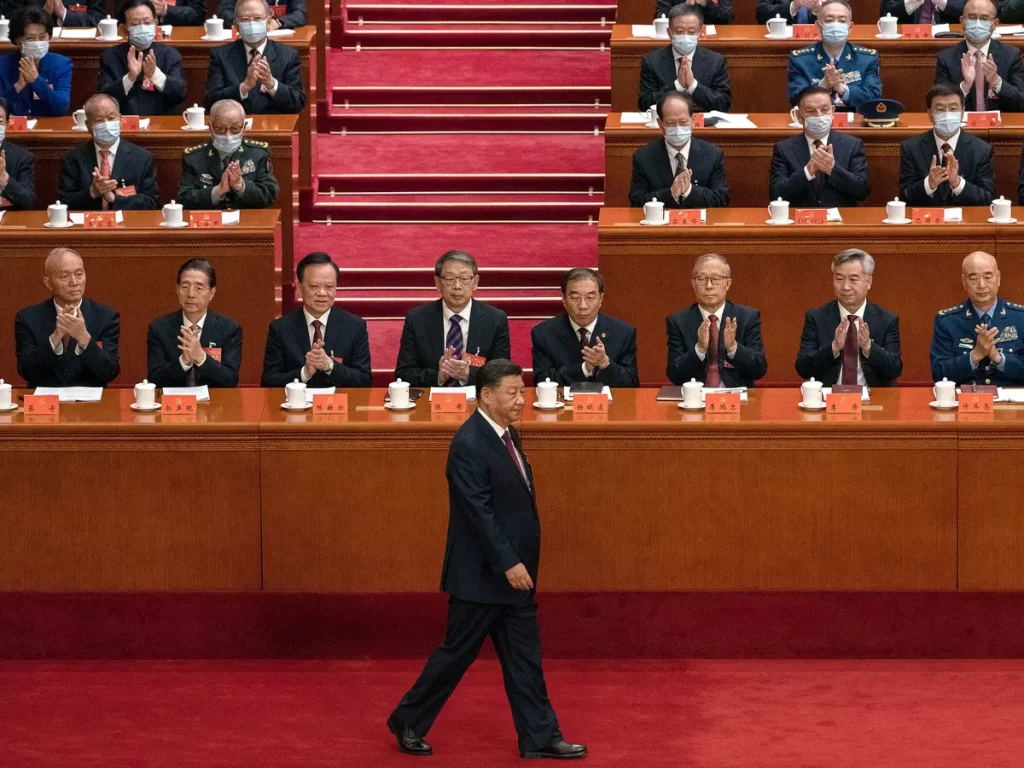
China is reportedly planning to extend its social credit system’s principles to the realm of metaverse and online virtual worlds, as stated by a recent POLITICO report.
China Mobile, a state-owned telecommunications company, has proposed the introduction of a digital identification system for users in these virtual spaces.
This digital ID would encompass both “natural characteristics” and “social characteristics” of users, aiming to maintain order and safety within the virtual environment.
The proposed digital ID would contain an array of personal information and distinctive markers, including a person’s occupation.
This data would be stored permanently and made accessible to authorities.
The system’s advantages were illustrated by its potential to swiftly identify and penalize disruptive users, such as those spreading false information or causing disturbances within the metaverse.
The concept of this digital ID system draws parallels with China’s existing social credit system, which is designed to assess and rank citizens based on various behaviors and metrics.
Notably, this system has been employed as a means of enforcement. In 2018, instances of social offenders being denied airplane tickets amounted to 17.5 million, while 5.5 million individuals faced restrictions on purchasing train tickets.
READ MORE: US Tech Giant Fires New Warning About ChatGPT
China Mobile unveiled these proposals during discussions with a focus group centered around the metaverse, organized by the International Telecommunication Union (ITU), a United Nations agency specializing in communications technology.
The metaverse focus group, slated to reconvene in October, could potentially vote on these proposals, thereby influencing the practices of telecommunications companies and tech firms.
Chinese companies participating in this focus group reportedly outnumbered their American and European counterparts in submitting metaverse-related proposals.
According to a contributor within the group who spoke with POLITICO, China seems to be strategically positioning itself as a dominant force in shaping metaverse standards for widespread adoption.
This move could pave the way for Chinese authorities to dictate identity protocols within virtual environments, prompting concerns about the kind of immersive world that would result.
In essence, China’s intention to extend its social credit system’s principles to the metaverse and virtual realms is causing ripples of debate within the tech community.
As the ITU’s metaverse group discusses and potentially votes on these proposals, the digital landscape’s future standards and regulations hang in the balance.
Other Stories:
Crypto Influencer Files $16 Million Lawsuit Against Bitget Exchange
Bored Ape Yacht Club’s Yuga Labs to Scale Back OpenSea Support
The Federal Republic of Somalia has taken a stance in line with several other nations by prohibiting the cryptocurrency-friendly messaging app Telegram, alongside the TikTok social media platform and the online betting site 1XBet.
The country’s Ministry of Communications and Technology (MOCT) officially declared on August 20 its decision to shut down these platforms.
Jama Hassan Khalif, the MOCT Minister, chaired a significant meeting involving the National Communications Agency and key Somali telecommunications companies to address telecommunications and internet security issues related to social media.
Khalif emphasized that the government of Somalia aims to safeguard the cultural fabric of Somali society as the pervasive influence of telecommunications and internet devices has begun to adversely impact lifestyles and promote detrimental habits.
The MOCT statement elaborated on the decision, stating, “It was considered important to shut down TikTok, Telegram and 1XBet gambling equipment, which had an impact on Somali youth, causing some of them to die.”
The move is also seen as a step to curb the proliferation of inappropriate content and propaganda.
Khalif’s assertion that these platforms are exploited by “terrorists and immoral groups” to disseminate disturbing visuals and misinformation to the public underscores the urgency of the decision.
He further directed Telegram and other applications to suspend their operations within Somalia by August 24. Non-compliance with this directive, he warned, would lead to legal consequences.
READ MORE: US Tech Giant Fires New Warning About ChatGPT
The ban, announced by the Ministry of Telecommunications and Technology, is designed to counter and prevent indecent activities, harmful contents, and the spread of extremist propaganda.
The motivation behind this move remains focused on protecting the well-being of the nation’s youth and preserving cultural values.
Although the ramifications of Somalia’s ban on platforms like Telegram for its cryptocurrency adoption remain unclear, the country’s stance does not appear to directly affect the use of cryptocurrencies like Bitcoin (BTC), which is not prohibited within Somalia.
However, the debate over the association of cryptocurrencies with potential terrorism financing risks remains ongoing in global jurisdictions.
This development comes on the heels of Iraq’s decision to lift the ban on Telegram in mid-August after initially imposing it due to concerns about personal data security.
Similarly, in Brazil, Telegram faced a temporary suspension in April due to investigations into the platform’s use by neo-Nazi groups for inciting violent actions.
The platform faced substantial fines for non-cooperation in the investigation of such activities.
Other Stories:
Crypto Industry Adapts to Bear Market
Bored Ape Yacht Club’s Yuga Labs to Scale Back OpenSea Support
Crypto Influencer Files $16 Million Lawsuit Against Bitget Exchange