



Customers using Binance, a prominent cryptocurrency exchange, are reportedly encountering problems with fiat withdrawals in Europe due to complications related to Single Euro Payments Area (SEPA) transfers.
As of August 20, Binance’s customer support revealed in a now-deleted post on X (formerly Twitter) that the exchange had temporarily suspended euro withdrawals and deposits through SEPA.
Binance cited the discontinuation of support from its payment provider as the reason behind this suspension.
Binance acknowledged the inconvenience caused by this situation and assured users that efforts were underway to resolve the issue promptly.
The incident arose when a Binance user in Europe reported being unable to withdraw a substantial amount of Euros they had purchased on the platform.
The user’s complaint included frustration over not being able to access their funds due to the closure of their Paysafe account.
The user remarked that such actions were more characteristic of untrustworthy exchanges rather than Binance.
This occurrence follows Binance’s earlier announcement to its users that its current euro banking partner, Paysafe Payment Solutions, would no longer support the exchange.
READ MORE: Binance Contemplates Legal Action Against Former Payment Provider
Binance had informed users that they needed to update their banking details and potentially agree to new terms to continue using SEPA services.
However, Binance clarified that the recent customer support message on X had been sent erroneously. The SEPA deposit and withdrawal service would continue until September 25, as initially communicated.
Approaching the September 25 deadline, Binance mentioned that some users might be subject to additional information requests due to routine compliance checks, possibly leading to early account closures.
The exchange assured users that alternative solutions would be in place before the SEPA service’s termination.
This is not the first instance of withdrawal-related difficulties for Binance in Europe. In a similar incident in May, Binance halted Bitcoin withdrawals due to a backlog of pending transactions.
This pause came after the exchange faced its inaugural withdrawal outage during a congested Bitcoin mempool period, which led to numerous transactions being stuck on the blockchain.
Other Stories:
Ripple Labs vs. SEC: Appeals Process Sparks Debate Over Ongoing Legal Case

Two prominent decentralized finance (DeFi) platforms, Exactly and Harbor, fell victim to separate attacks on August 18, as reported by blockchain security firms DeDotFi and PeckShield.
These breaches, although unrelated, resulted in substantial losses.
Exactly Protocol suffered a breach that led to the theft of 4,323.6 Ether, valued at approximately $7.3 million at the time.
The attackers effectively exploited a vulnerability in the DebtManager periphery contract by submitting a malicious market contract address.
This bypassed security checks and allowed the malicious deposit function to be executed, resulting in the theft of user-deposited assets.
While initial reports indicated a larger sum of over 7,160 ETH (worth nearly $12 million) had been stolen, the protocol later revised the figure downwards.
The stolen funds were subsequently routed through the Across Protocol and Optimism Bridge, transferring 1,490 ETH and 2,832.92 ETH to the Ethereum network.
Harbor, another DeFi protocol, also disclosed an attack on the same day.
This breach targeted its interchain stablecoin protocol, leading to the loss of funds stored in the stable-mint, as well as its stOSMO, LUNA, and WMATIC vaults.
READ MORE: Former US President Donald Trump’s Ethereum Wallet Surges to $2.8 Million
The exact amount of crypto assets stolen remains unclear. Harbor is actively working to track the flow of funds and ascertain the full extent of the losses incurred.
These incidents are the latest in a series of security breaches that have plagued the DeFi ecosystem in recent weeks.
Notably, on July 30, vulnerabilities in three versions of the Vyper programming language resulted in hackers stealing over $61 million from stablecoin pools on Curve Finance.
Additionally, other protocols such as Earn.Finance suffered losses of at least $287,000 in stolen ETH, while Zunami Protocol faced an exploit that led to $2.1 million in losses.
In response to the breaches, Exactly Protocol has taken measures to mitigate the attack’s impact.
The protocol has filed a police report and has even attempted to communicate with the attackers in a bid to retrieve the stolen assets.
Harbor, on the other hand, is concentrating its efforts on locating the stolen funds and calculating the total losses.
The recent surge in security incidents emphasizes the vulnerability of DeFi platforms to exploitation.
As the DeFi landscape continues to evolve, it remains crucial for these platforms to continuously enhance their security measures to safeguard user assets and maintain investor trust.
Other Stories:
Tether Discontinues Bitcoin Omni Layer Version Due to Waning Interest
Bitcoin Hovers Near 2-Month Lows Amidst Extensive Liquidations and Market Uncertainty
Shiba Inu’s Shibarium Network Restarts Block Production After Temporary Pause
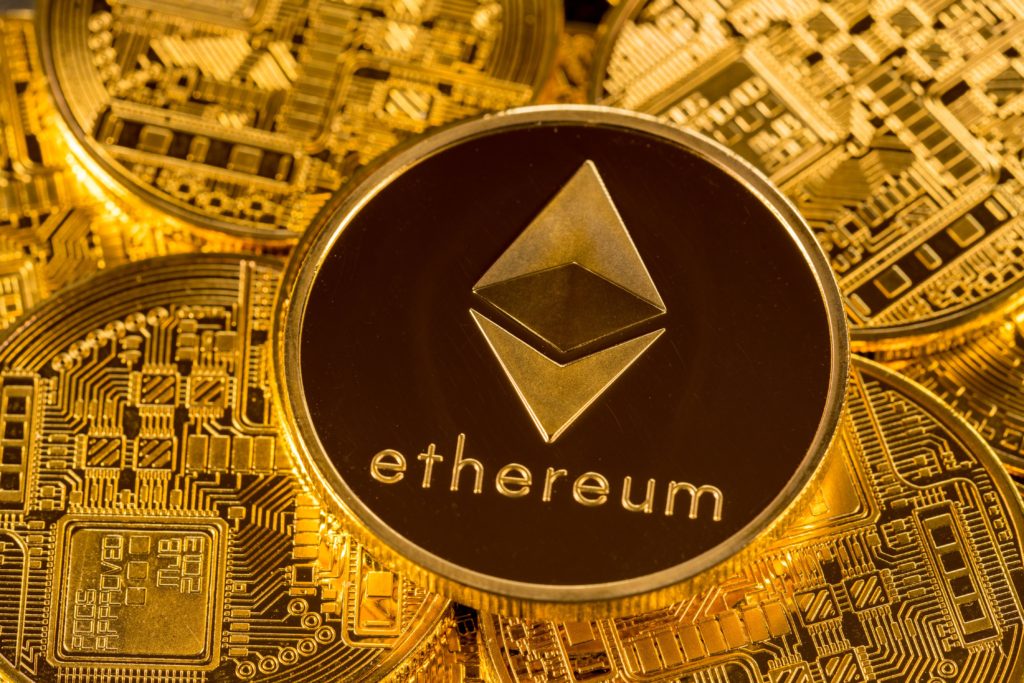
The United States Securities and Exchange Commission (SEC) is reportedly poised to greenlight a series of applications for Ether futures exchange-traded funds (ETFs) concurrently, sources familiar with the matter have informed The Wall Street Journal.
Numerous investment firms have inundated the regulator with applications since July, encompassing proposals that combine futures strategies for both Bitcoin (BTC) and Ether (ETH).
Unlike in 2021, when similar applications were met with directives to withdraw, the SEC has refrained from instructing firms to retract their current submissions.
This divergence suggests that the regulatory body is unlikely to impede the imminent launch of these funds, as insiders have shared with WSJ.
A trove of at least 16 applications for Ether or Bitcoin-Ether futures ETFs is currently awaiting regulatory clearance.
Ether, the indigenous token of the Ethereum blockchain, serves as the medium for peer-to-peer transactions within the decentralized network.
A cryptocurrency futures ETF shadows the progress of cryptocurrency futures contracts.
For instance, rather than directly investing in Bitcoin or Ethereum, a cryptocurrency futures ETF invests in futures contracts pegged to the valuation of these digital assets.
Recent developments reveal an ongoing scramble to obtain approval for crypto futures.
Valkyrie, an asset management entity, is emblematic of this trend, having recently filed for an Ether futures ETF and a preexisting application integrating a Bitcoin-Ether futures approach.
As the frontrunner in this competitive endeavor, Valkyrie stands poised to introduce its BTC-ETH ETF to the market as early as October.
READ MORE:Tether Discontinues Bitcoin Omni Layer Version Due to Waning Interest
Within the ETF sector, pioneering status carries significant weight.
Data from Morningstar, as cited by WSJ, accentuates this point, illustrating that the inaugural futures Bitcoin ETF, sanctioned by ProShares in October 2021, has amassed $1 billion in assets under management.
In a similar vein, Valkyrie’s analogous product, launched shortly thereafter, has garnered nearly $28 million in assets under management.
Meanwhile, the crypto industry remains on tenterhooks, awaiting the SEC’s verdict on a prospective spot Bitcoin ETF in the United States.
Notable industry giants like Fidelity and BlackRock are among the hopefuls.
The application timeline stipulates that the SEC has until January to render a final decision that will reverberate across the financial landscape.
Other Stories:
Former US President Donald Trump’s Ethereum Wallet Surges to $2.8 Million
Shiba Inu’s Shibarium Network Restarts Block Production After Temporary Pause
Bitcoin Hovers Near 2-Month Lows Amidst Extensive Liquidations and Market Uncertainty
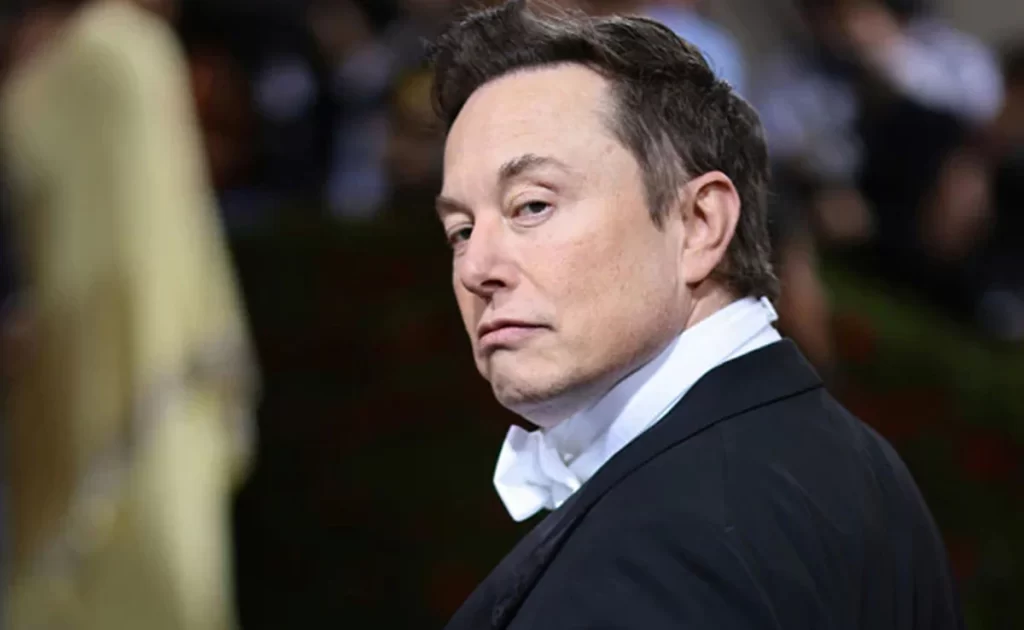
Elon Musk, previously associated with Twitter and now chairman and chief technology officer of X, has expressed admiration for Vivek Ramaswamy, an emerging figure in the realm of United States Republican presidential candidates.
In response to a segment of Vivek Ramaswamy’s interview on the Tucker Carlson’s Tucker on Twitter podcast, Musk took to Twitter to commend him, highlighting that Ramaswamy holds the distinction of being the youngest-ever Republican presidential candidate.
Musk also emphasized Ramaswamy’s potential, labeling him as a highly promising candidate.
Ramaswamy is renowned for his forthright viewpoints on digital finance and cryptocurrencies. He has been actively advocating for a more robust crypto ecosystem within the United States.
This commitment was evident at the Bitcoin 2023 conference held in Miami, where he announced that his presidential campaign would be open to receiving contributions in Bitcoin.
This move marked Ramaswamy as the second contender in the 2024 U.S. election race to embrace BTC donations.
During the conference, Ramaswamy unveiled a QR code, directing participants to a donation portal that offered various channels for contributions.
READ MORE: Bitcoin Hovers Near 2-Month Lows Amidst Extensive Liquidations and Market Uncertainty
Supporters who made donations within the stipulated limit of $6,600 were offered an exclusive nonfungible token, a distinctive feature of his campaign strategy.
Ramaswamy’s approach echoes that of Robert F. Kennedy Jr., who became the pioneer U.S. presidential aspirant to embrace Bitcoin donations, underscoring the escalating importance of cryptocurrencies in shaping the future financial landscape.
The growing popularity of Ramaswamy has led to his association with fellow Republican Ron DeSantis, the Bitcoin-friendly Governor of Florida, creating an environment of shared interests and goals.
However, Ramaswamy’s foray into the realm of politics is not without its challenges.
Presently, he confronts two legal cases brought forward by former employees of Strive Asset Management, a company he co-founded.
These former employees allege that they were coerced into violating securities regulations during their tenure at the firm.
In summation, the acknowledgment from influential figures like Elon Musk and Ramaswamy’s bold stance on cryptocurrency contributions underscore the impact of this emerging candidate on the evolving political and financial landscape.
Yet, his journey into politics is accompanied by legal hurdles, which add a layer of complexity to his political trajectory.
Other Stories:
Tether Discontinues Bitcoin Omni Layer Version Due to Waning Interest
Former US President Donald Trump’s Ethereum Wallet Surges to $2.8 Million
Shiba Inu’s Shibarium Network Restarts Block Production After Temporary Pause

Cryptocurrency exchange Gemini has taken a step in its bid to counter the lawsuit brought against it by the United States Securities and Exchange Commission (SEC), by submitting a reply brief.
The lawsuit revolves around allegations that Gemini Earn, a service enabling customers to lend cryptocurrencies such as Bitcoin to Genesis, violated securities regulations by offering unregistered securities.
Gemini’s recent court documents, dated August 18 and filed in the U.S. District Court for the Southern District of New York, strongly contest the SEC’s claims.
The exchange asserts that the SEC has failed to make a clear and solid case, indicating that “Section 5 of the securities act is not hard to understand.”
Gemini contends that the SEC’s inability to precisely define the security in question underscores the fragility of its position.
The exchange further posits that the court should not wade through the convoluted analyses presented by the SEC.
Instead, it suggests that the agency should ask direct and uncomplicated questions to ascertain whether the alleged breach qualifies as a security.
Key queries include the timing of the supposed security sale, the identity of the buyer and seller, as well as the offered or charged price.
Gemini argues that the SEC’s responsibility lies in pinpointing the unregistered security before identifying the sale or offer associated with it.
According to Gemini, the SEC has failed to fulfill this basic requirement.
The exchange’s filing asserts that the SEC’s opposition “avoids the question before the court.”
READ MORE: Tether Discontinues Bitcoin Omni Layer Version Due to Waning Interest
In earlier court filings on May 27, Gemini contended that transactions conducted within the Gemini Earn program were akin to loans.
The exchange requested the SEC to dismiss the complaint.
In a statement made on August 19, Jack Baugham, a founding partner of JFB Legal representing Gemini, highlighted the changing stance of the SEC as the lawsuit progresses.
Baugham expressed that the SEC’s inability to determine the nature of the security being referred to muddles their argument.
The regulator’s contradictory positions, such as labeling the Loan Agreement a security while simultaneously claiming the entire Gemini Earn program to be a security, are deemed absurd by Baugham.
In summary, Gemini’s reply brief contests the SEC’s lawsuit, emphasizing that the agency has not clearly established its case regarding the alleged breach of securities regulations by the Gemini Earn service.
The exchange argues that the SEC’s confusion about the nature of the security and its inconsistent claims undermine the legitimacy of the lawsuit.
Other Stories:
Bitcoin Hovers Near 2-Month Lows Amidst Extensive Liquidations and Market Uncertainty
Shiba Inu’s Shibarium Network Restarts Block Production After Temporary Pause
Former US President Donald Trump’s Ethereum Wallet Surges to $2.8 Million

FTX founder Sam Bankman-Fried, whose bail was recently revoked by a federal judge, is now seeking permission to spend five weekdays outside of detention to collaborate with his legal team in preparing his defense case.
His legal representatives conveyed that he was facing challenges in thoroughly reviewing extensive case-related documents while confined in the Metropolitan Detention Center in Brooklyn, New York.
Christian Everdell, SBF’s attorney, highlighted the substantial document production delays by the government, including three-quarters of a million pages of Slack communications.
Everdell asserted that allowing SBF access to his legal team and an internet-enabled laptop within the courthouse premises would expedite proceedings, considering his fraud trial scheduled for October.
SBF is contesting allegations of orchestrating an elaborate fraud scheme involving unauthorized access to billions of dollars from FTX customer funds for personal gain.
Prosecutors argued that for SBF to introduce a defense centered around advice received, he must promptly provide information about its origin; failure to do so might bar this defense during the trial.
While prosecutors mentioned their ability to provide information on hard drives, limitations prevent all data from being stored on laptops or drives.
Despite prison authorities rejecting a plan to relocate SBF for laptop access, a judge’s decision on his requests is still pending.
READ MORE: Tether Discontinues Bitcoin Omni Layer Version Due to Waning Interest
In the realm of Decentralized Finance (DeFi), Curve Finance pledged to reimburse victims of a recent hack amounting to $62 million in losses.
Investigations have yielded progress, with approximately 79% of the funds recovered.
The platform will assess each affected user for reimbursement to ensure equitable distribution of resources.
Additionally, Zunami Protocol faced an attack on its stablecoin pools on Curve Finance, resulting in a loss estimated at $2.1 million.
\However, the DeFi landscape also witnessed positive developments, including ConsenSys’ launch of the Ethereum scaling rollup Linea, bridging over $26 million in ETH and offering enhanced throughput for DApps.
SpiritSwap, a Fantom-based DEX, was rescued from shutdown via a community resolution transferring the project to Power, avoiding closure due to treasury funds being stuck on the Multichain protocol.
Despite market fluctuations, DeFi’s total value locked in protocols surged to $49.8 billion, marking a five-month high.
Other Stories:
Bitcoin Hovers Near 2-Month Lows Amidst Extensive Liquidations and Market Uncertainty
Shiba Inu’s Shibarium Network Restarts Block Production After Temporary Pause
Former US President Donald Trump’s Ethereum Wallet Surges to $2.8 Million
Bybit, the third most frequented cryptocurrency exchange globally, has today unveiled the eagerly awaited NFT collection by Rik Oostenbroek as part of the Velocity Series. This series represents a unique Web3 collaboration, bringing together Bybit, Oracle Red Bull Racing, and elite digital artists.
On August 24, Rik Oostenbroek, the renowned Dutch artist, will debut two distinct NFT sets under the Velocity Series.
The first collection, titled “Momentum,” will be exclusively up for grabs by Velocity Pass NFT possessors through a Dutch auction.
This collection marks Rik’s inaugural journey into the sphere of 3D digital art, allowing technological data to shape the artwork’s end result.
The “Flow State” collection, comprising a capped set of 1000 NFTs, will be exclusively airdropped to the first 1000 Velocity Pass NFT owners.
To uphold its exclusiveness, no public sales will be held for this collection post-airdrop.
READ: Ripple Labs vs. SEC: Appeals Process Sparks Debate Over Ongoing Legal Case
The Velocity Pass is an esteemed NFT, offering art aficionados a golden ticket to four distinctive Bybit-sponsored NFT launches from the Velocity Series.
These launches align with the Grand Prix events in the Netherlands, Japan, the U.S., and Abu Dhabi. Additionally, pass bearers stand a chance to clinch rare rewards from Oracle Red Bull Racing and Bybit.
Rik Oostenbroek, the inaugural artist to partner for the Velocity Series, is celebrated for his dynamic designs, abstract manifestations, and carefully curated color schemes.
After creating visual masterpieces for iconic brands like Nike, Apple, and Paramount Pictures, Rik’s transition into the NFT space has been met with overwhelming praise for his captivating artistry.
Anndy Lian, Bybit’s Head of Partnerships, expressed, “This union of technology and artistry is aimed at paving a nexus for art enthusiasts, collectors, and motorsport fans. The Velocity Series masterfully blends the thrill of racing with the art of NFT, encapsulating the core of both domains.”
Caroline Buckland, leading the Fan Engagement at Oracle Red Bull Racing, added, “We’re thrilled about this inaugural and groundbreaking NFT collaboration within the Velocity Series. It’s a tribute to the fusion of art, innovation, racing exhilaration, and Rik’s unparalleled artistic vision.”

A recent CoinGecko report, published on August 17, has shed light on the substantial global disparities in household electricity expenses associated with individual Bitcoin (BTC) mining.
The report highlighted a remarkable contrast between Italy and Lebanon, where the cost of producing a single Bitcoin differs significantly.
According to the findings, mining one Bitcoin in Italy comes at a staggering cost of $208,560.
This is in stark contrast to Lebanon, where the expense is approximately 783 times lower, allowing miners there to generate a Bitcoin for just $266.
The study underscored that only 65 countries present a profitable landscape for solo Bitcoin miners, primarily based on household electricity costs.
Within this group, Asia accounts for 34 countries, while Europe contributes a mere five.
However, miners operating solo face a challenge as the global average for household electricity costs sits at $46,291.24 for mining one Bitcoin.
This figure is notably 35% higher than the average daily price of one Bitcoin in July 2023, which was $30,090.08.
The report identified Italy as the most expensive country for household Bitcoin mining, with a cost per Bitcoin of $208,560.
Austria followed at $184,352, and Belgium at $172,382.
READ MORE: Tether Discontinues Bitcoin Omni Layer Version Due to Waning Interest
Conversely, Lebanon’s affordability shines through in its household electricity rates, allowing for a strikingly low cost of $266 to mine one Bitcoin.
This dramatic variance underlines the immense difference in operational costs between countries.
Iran comes next on the list, with a production cost of $532 per Bitcoin.
Despite legalizing Bitcoin mining in 2019, the country has intermittently prohibited mining due to concerns over energy grid strain during winter.
Binance CEO Changpeng “CZ” Zhao engaged with the report’s data on social media, questioning why individuals in countries with lower electricity costs wouldn’t engage in Bitcoin mining.
However, he acknowledged the potential complexities involved and suggested that feasibility and logistics might not have been fully considered in the report.
CZ also pointed out that some of these low-cost electricity countries experience shortages, often necessitating power reductions in heavy industries during peak hours or the summer months.
This context reveals that while electricity costs are a significant factor, other variables also play into the viability of Bitcoin mining operations across different nations.
Other Stories:
Bitcoin Hovers Near 2-Month Lows Amidst Extensive Liquidations and Market Uncertainty
Shiba Inu’s Shibarium Network Restarts Block Production After Temporary Pause
Former US President Donald Trump’s Ethereum Wallet Surges to $2.8 Million
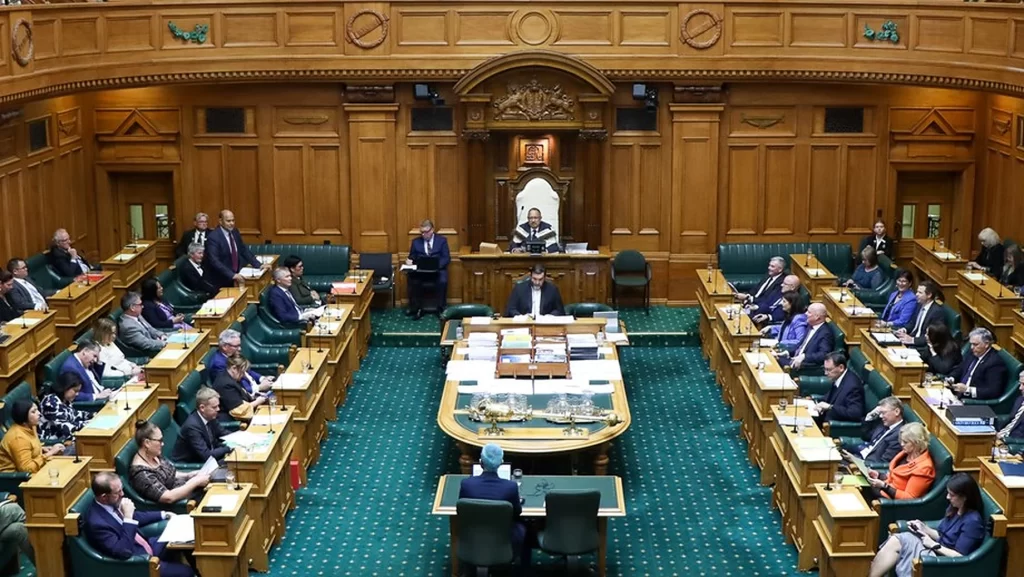
In the midst of escalating calls for cryptocurrency regulation across the globe and the ongoing debate surrounding enforcement-based approaches, a recently issued report to the New Zealand Parliament advocates for a measured and adaptable strategy.
Initiated by the Finance and Expenditure Committee of the New Zealand House of Representatives in 2021, this comprehensive report titled “Exploration of Cryptocurrency: Current State, Future Prospects, and Potential Risks” emphasizes the importance of a gradual and flexible regulatory stance.
Jointly authored by a legal expert from MinterEllisonRuddWatts law firm and an associate professor of commercial law at the University of Auckland, this 99-page document meticulously reviewed public opinions gathered earlier and offers 22 prudent recommendations.
Overall, the report displayed a positive perspective on blockchain technology and digital assets.
While acknowledging persistent challenges such as price volatility, environmental concerns, and illicit activities, the report discouraged the imposition of overly stringent limitations, contending that such restrictions could impede the viability and competitive edge of businesses that increasingly embrace cryptocurrency payments.
The report also cautioned against a preemptive regulatory push:
“Developing and instituting a comprehensive regulatory framework would be an intricate endeavor. […] Based on our assessment, regulatory bodies lack the necessary resources and infrastructure for effective management.”
“Instead, we propose that issues be tackled as they surface.
“Our suggestion is for the Government and regulators to establish consistent and coherent guidelines pertaining to the treatment of digital assets within existing legal frameworks,” the report emphasized.
It further advised local legislators to monitor regulatory advancements in the United States, United Kingdom, and Australia before devising domestic policies.
Certain regulatory interventions are deemed essential.
READ MORE: Coinbase’s ‘Stand with Crypto Alliance’ Gains Momentum Amidst Lawmaker Engagement Push
The report urges the Financial Markets Authority (FMA) to introduce a novel investment category tailored for digital assets, incorporating a sandbox provision, alongside a distinct category for personal property.
Furthermore, the report advocates for the FMA to spearhead a dedicated subcommittee within the Council of Financial Regulators, tasked with furnishing expert counsel and a synchronized approach to address industry-related challenges.
Concurrently, a more comprehensive task force, encompassing representatives from pertinent government entities including law enforcement, tax authorities, and the central bank, should be convened to engage with the digital asset sector.
The report concluded by underscoring the need to sustain research into central bank digital currencies.
In a landscape where the cacophony for cryptocurrency regulations is crescendoing, the New Zealand report stands out as a call for prudent and adaptable action, promoting a harmonious equilibrium between innovation and oversight.
Other Stories:
Silvergate Bank Undergoes Executive Shake-Up Amid Crypto Transition and Legal Challenges
Stellar Development Foundation Invests in MoneyGram International
Former US President Donald Trump’s Ethereum Wallet Surges to $2.8 Million
The December 2020 lawsuit by the United States Securities and Exchange Commission (SEC) against Ripple has significantly hindered the growth and adoption of the XRP token in the United States, according to pro-XRP advocate John Deaton, as conveyed in a recent post on X (formerly Twitter).
Deaton’s remarks came in response to Coinbase’s recent announcement of acquiring a minority stake in Circle, the issuer of USD Coin (USDC).
Coinbase’s plan to enhance the USDC ecosystem prompted Deaton to reflect on the missed potential for Ripple and XRP in the cross-border payment arena, suggesting that Coinbase’s interest might have been similarly sparked if not for the SEC’s legal action.
The pro-XRP advocate underscored that Coinbase had once actively supported XRP, but the lawsuit compelled the platform to remove the token.
He noted that Coinbase had taken thorough precautions, reaching out to the SEC to ascertain XRP’s regulatory standing before listing it.
In a January 2019 meeting with the SEC, Coinbase had explained its stringent regulatory evaluation process, which had even garnered praise from a senior SEC staff member.
At the time, the SEC raised no objections to Coinbase’s proposal, leading to the listing of XRP on the exchange in February 2019.
Similarly, MoneyGram, a major payment processor and a key partner of Ripple in remittances, had submitted a filing to the SEC outlining its plans for XRP usage.
This submission faced no regulatory challenges.
READ MORE: Binance Contemplates Legal Action Against Former Payment Provider
Deaton highlighted that both Coinbase’s legal team and MoneyGram had, through their evaluations, determined XRP not to be a security, a view that the SEC itself had seemingly shared in June 2018.
Despite these assessments, the SEC initiated a lawsuit against Ripple in December 2020.
The pro-XRP advocate argued that the lawsuit was wielded as a weapon and emphasized that the evidence accumulated over the past three years supports this assertion.
Deaton concluded that the lawsuit inflicted notable harm on XRP’s adoption, despite Ripple’s continued accomplishments abroad.
Notably, on July 13, New York District Court Judge Analisa Torres issued a partial ruling in favor of Ripple Labs, determining that the sale of XRP on digital asset exchanges should not be considered a security.
In summary, the SEC’s lawsuit against Ripple in December 2020 had a detrimental impact on the adoption and growth of the XRP token within the United States.
Proponents of XRP, like John Deaton, argue that the legal action hindered the trajectory that Ripple and XRP were on, potentially stalling their adoption in cross-border payments and curtailing opportunities for partnerships with entities like Coinbase.
Other Stories:
Ripple Labs vs. SEC: Appeals Process Sparks Debate Over Ongoing Legal Case