


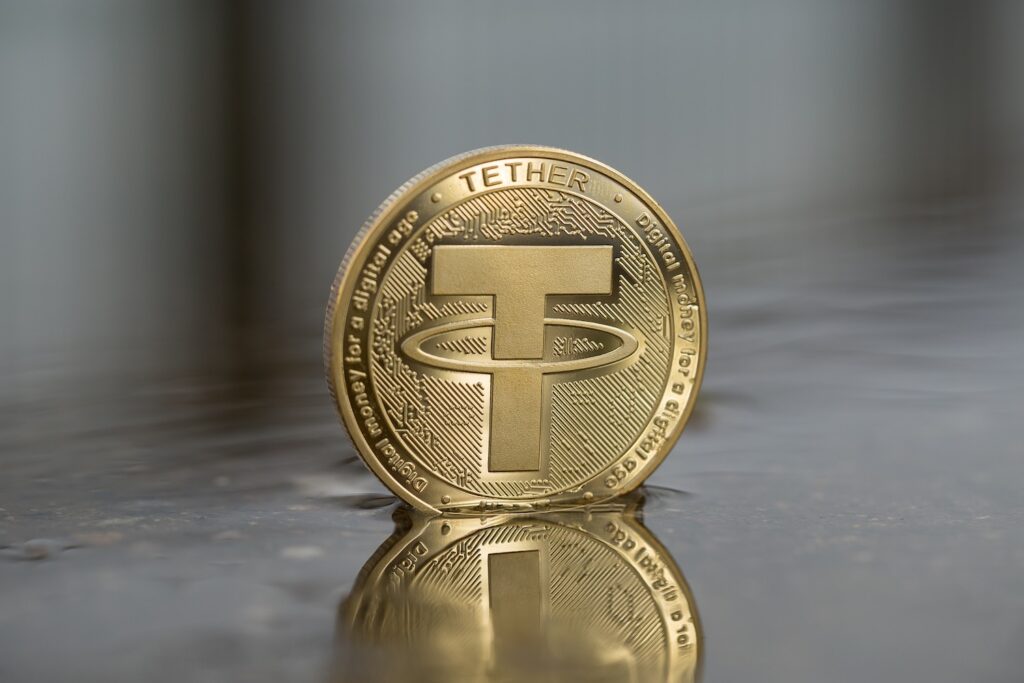
Stablecoin issuer Tether has revealed its decision to discontinue the Bitcoin Omni Layer version, citing waning user interest.
This particular iteration of Tether holds historical significance as one of the earliest stablecoins to be introduced.
Alongside the Bitcoin version, Tether also plans to halt operations for its Bitcoin Cash and Kusama versions, as communicated through an announcement on August 17.
Tether’s announcement clarified that moving forward, there will be no issuance of new Tether tokens on the Bitcoin Omni Layer, Bitcoin Cash, or Kusama platforms.
However, the redemption process will remain accessible for at least a year, and the company will provide updates before the end of that period regarding the procedure for redemptions beyond it.
The Bitcoin Omni Layer functions as a smart contract system situated atop the Bitcoin blockchain. Initially referred to as “Mastercoin,” this system was launched in July 2013, a full two years ahead of Ethereum.
Tether’s release on the Omni Layer in October 2014 marked a pivotal moment as it became the first stablecoin on this platform.
Over time, it ascended to become the leading stablecoin by market capitalization, surpassing predecessors such as BitUSD and NuBits.
READ MORE: Stellar Development Foundation Invests in MoneyGram International
In recognizing the historical role played by Omni Layer Tether, Tether’s August 17 statement expressed appreciation for the contributions and innovations of the team behind the platform.
This acknowledgment was balanced with the acknowledgement of challenges faced by the Omni Layer due to the lack of popular tokens and the availability of USDT on alternative blockchains.
These challenges prompted exchanges to opt for other transport layers over Omni, ultimately diminishing the usage of USDT Omni and compelling Tether to cease its issuance.
Tether did, however, leave the door open for the potential revival of the Omni Layer version should usage of the platform experience a resurgence.
Additionally, the company revealed that it is in the process of developing a new Bitcoin smart contract system named “RGB.”
Upon its completion, Tether intends to reintroduce the token in an RGB version, thereby re-establishing its presence on the Bitcoin blockchain.
As the stablecoin landscape intensifies in 2023, Tether faces increased competition to maintain its dominance.
The release of PayPal’s PYUSD on August 7 and Binance’s listing of FDUSD on July 26 have added to the mounting pressure on Tether’s standing.
Other Stories:
Silvergate Bank Undergoes Executive Shake-Up Amid Crypto Transition and Legal Challenges
Former US President Donald Trump’s Ethereum Wallet Surges to $2.8 Million
Coinbase’s ‘Stand with Crypto Alliance’ Gains Momentum Amidst Lawmaker Engagement Push

Bitcoin remained close to its lowest levels in two months at the opening of Wall Street on August 18th, as the market grappled with significant liquidations.
Data from Cointelegraph Markets Pro and TradingView indicated that BTC’s price movement was relatively stagnant, following an 8% loss triggered by a single daily candle.
The cryptocurrency market experienced a wave of liquidations across its derivatives sectors, with these dominating the scene while spot selling remained subdued.
Notably, trading firm QCP Capital highlighted a substantial short liquidation event on the Deribit exchange, hinting at a major account being wiped out.
Market observers, including QCP, noted that the reaction to a reported write-down of SpaceX’s $373 million Bitcoin holdings appeared to be overblown.
Recollections of past instances of market influence by Elon Musk, CEO of SpaceX and Tesla, resurfaced, leading some to hope that the market would not revisit such volatility.
The scale of liquidations seen rivaled those following the FTX exchange meltdown, which caused BTC/USD to plunge to $15,600 in November 2022.
The cryptocurrency’s price wavered around $26,000, sparking differing interpretations among market participants about the situation’s true nature and its future ramifications.
Noted trader and analyst Rekt Capital provided a grim outlook, pointing out a potential double-top formation for BTC/USD in 2023 and the lack of support from trend lines and moving averages during the downturn.
READ MORE: Former US President Donald Trump’s Ethereum Wallet Surges to $2.8 Million
Conversely, some market participants remained optimistic.
Trader CryptoCon identified two significant benchmarks that often precede successful price rebounds during bull market retracements: the relative strength index (RSI) bouncing at the 0.382 Fibonacci retracement level.
According to CryptoCon, this pattern repeated across multiple cycles.
Rekt Capital also highlighted the oversold condition of the daily RSI, a level unseen since June 2022, but reminiscent of bear market conditions.
Looking ahead, market focus turned to Jerome Powell’s forthcoming commentary, as the chair of the United States Federal Reserve’s speech at Jackson Hole was anticipated to hold the potential to introduce new volatility.
In summary, Bitcoin struggled near its two-month low on August 18th as the market grappled with significant liquidations across derivatives, despite relatively weak spot selling.
Traders offered differing perspectives on the situation, with some expressing concern over potential negative patterns, while others identified historical indicators of rebounds during bull market retracements.
The anticipation of Jerome Powell’s upcoming speech further added to the market’s uncertainty.
Other Stories:
Coinbase’s ‘Stand with Crypto Alliance’ Gains Momentum Amidst Lawmaker Engagement Push
Silvergate Bank Undergoes Executive Shake-Up Amid Crypto Transition and Legal Challenges
Coinbase’s ‘Stand with Crypto Alliance’ Gains Momentum Amidst Lawmaker Engagement Push

Shiba Inu’s layer-2 Shibarium network has successfully resumed block production after a temporary suspension of transactions that lasted nearly a full day.
The block explorer Shibariumscan.io confirms that the layer-2 blockchain, Shibarium, is back online and actively generating blocks.
The pause in operations was triggered by an unexpected surge in traffic shortly after the mainnet launch, which prompted the network to activate a fail-safe mode to protect user funds.
Lead developer Shytoshi Kusama has reassured the community that despite the challenges posed by the heightened blockchain traffic, the security of funds remains uncompromised.
Both the bridge and the chain are reported to be functioning seamlessly, and Kusama is optimistic about a smooth restart for Shibarium.
A recent blog post by Shiba Inu developer Kaal Dhairya, dated August 18th, has outlined the project’s strategy to address the surge in traffic.
Plans include scaling operations to accommodate the increased activity on Shibarium. Regular updates on the network’s status will be provided to users.
It’s worth noting that Shibarium is built on the foundation of Polygon, a blockchain network.
The Shiba Inu project has taken proactive steps to ensure a safe restart.
READ MORE: Coinbase’s ‘Stand with Crypto Alliance’ Gains Momentum Amidst Lawmaker Engagement Push
They have secured insurance coverage worth $2 million to mitigate any potential challenges related to fund retrieval.
This announcement has instilled confidence in the community, leading to the resumption of block production on the network.
The development team is maintaining vigilant oversight to monitor the network’s performance.
Despite these positive developments, the ShibArmy community has expressed concerns about the spread of fear, uncertainty, and doubt (FUD), which can have a negative impact on the project’s reputation.
Nevertheless, community members remain optimistic and supportive of the network’s efforts to address the temporary transaction pause.
In terms of price movements, Shiba Inu (SHIB) has shown fluctuation within the past 24 hours, with a trading range spanning from a low of $0.0000076 to a high of $0.0000093.
Concurrently, the price of BONE has experienced a 15% decline, settling at $1.18, while LEASH has seen a 5% drop in the same timeframe, currently valued at $430.
Other Stories:
Former US President Donald Trump’s Ethereum Wallet Surges to $2.8 Million
Stellar Development Foundation Invests in MoneyGram International
Silvergate Bank Undergoes Executive Shake-Up Amid Crypto Transition and Legal Challenges
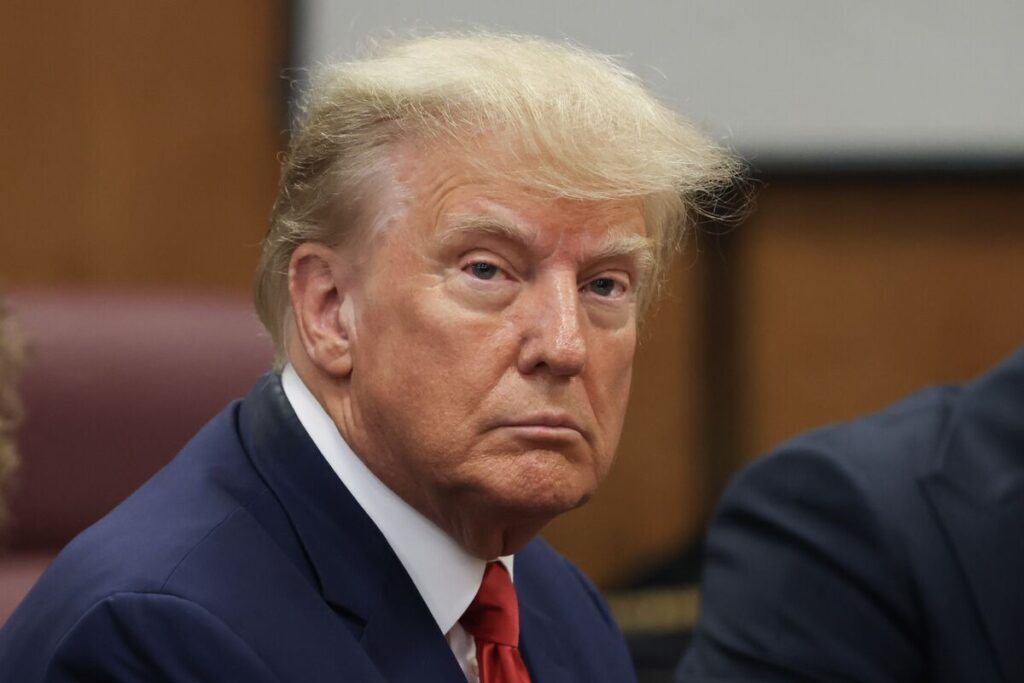
Former US President Donald Trump’s Ethereum wallet has been revealed to contain more than $2.8 million, according to a newly disclosed financial statement.
Released on August 14 by the nonprofit watchdog group Citizens for Responsibility and Ethics in Washington, the statement exposes that Trump accrued over $4.8 million through licensing fees linked to nonfungible token (NFT) collections that utilized his image.
His crypto-related endeavors, in total, brought in approximately $7.6 million.
This sum stowed in Trump’s Ethereum wallet significantly surpasses the previously stated figure of $250,000 to $500,000, which was disclosed in an April 14 filing.
The disclosure comes as Trump, after his defeat by President Joe Biden in 2020, is aiming for a White House comeback in the 2024 election.
However, this financial revelation is accompanied by a shadow cast by Trump’s indictment in Georgia on August 14. The charges revolve around allegations of Trump and his supporters plotting to disrupt the 2020 presidential election.
READ MORE: Voyager Digital’s Massive Token Transfers Spark Speculation of Impending Sell-Off
Despite his financial successes in the crypto sphere, Trump’s historical skepticism towards digital currencies lingers.
He has questioned the legitimacy of cryptocurrencies, labeling them as potentially “fake” and foreseeing a “disaster waiting to happen.”
Notably, he has expressed distaste for Bitcoin, deeming it a “scam” and expressing his concern about its competition with the US dollar.
In essence, Trump’s Ethereum wallet now holds over $2.8 million, a sum that dwarfs previous estimates.
This disclosure coincides with his aspiration to reclaim the presidency in 2024, despite the backdrop of legal challenges.
Amid his financial accomplishments within the cryptocurrency realm, his enduring skepticism towards digital currencies remains palpable, particularly in his criticisms of Bitcoin’s viability and potential impact on traditional fiat currencies.
Other Stories:
Pro-Bitcoin Politician Surges Ahead in Argentine Presidential Primaries
Former FTX CEO Sam Bankman-Fried Detained in Notorious Brooklyn Jail
Zunami Protocol Issues Warning Amidst Attack on Stablecoin Pools on Curve Finance
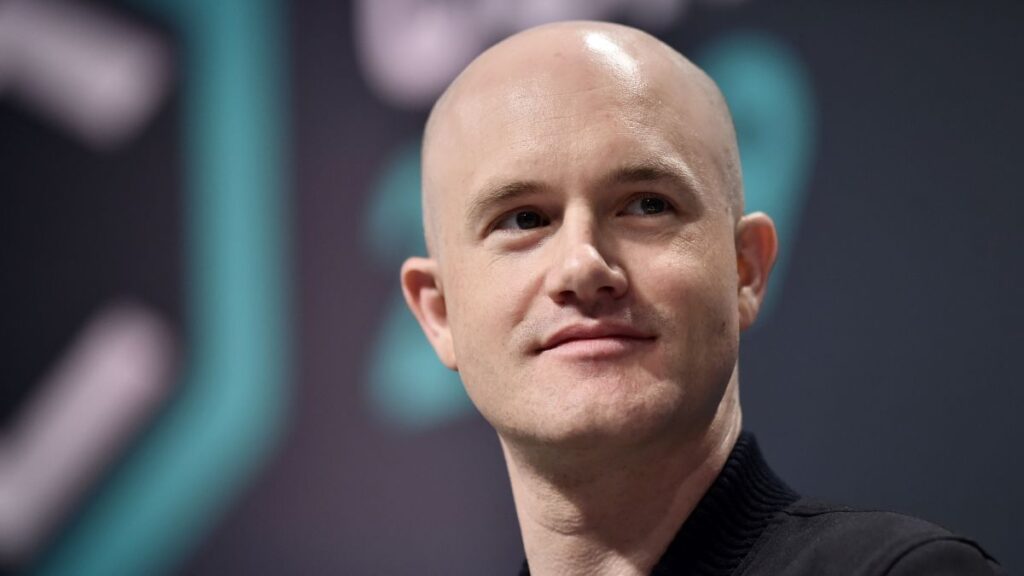
Coinbase, a prominent cryptocurrency exchange headquartered in the United States, has launched a new campaign urging crypto enthusiasts to directly engage with lawmakers.
The initiative, named the “Stand with Crypto Alliance,” has garnered significant attention, with over 54,000 individuals signing up by August 15th.
The main objective is to foster interaction between crypto supporters and federal-level U.S. legislators.
This platform enables users to gauge the stance of members of the U.S. Senate and House of Representatives towards cryptocurrency.
As of the current date, the initiative’s landing page indicates the sentiments of various lawmakers towards crypto policies.
Notably, Senator Elizabeth Warren and Representative Brad Sherman are marked as “strongly against” crypto policies.
On the other side, Representatives Josh Gottheimer, Ritchie Torres, and David Schweikert are noted as being “very supportive.”
Schweikert, in particular, has endorsed three pro-crypto bills during his tenure and has shown interest in digital assets.
However, the initiative’s background also brings to light certain ethical considerations.
Representative Schweikert, despite his involvement in advocating for crypto, has faced ethical issues in the past.
In 2020, he was fined $50,000 by the House Ethics Committee for campaign finance violations that contravened House ethics regulations.
READ MORE;Pro-Bitcoin Politician Surges Ahead in Argentine Presidential Primaries
Subsequently, in 2022, the Federal Election Commission imposed a $125,000 fine related to similar allegations.
These violations revolved around non-disclosure of loans and the improper use of campaign funds for personal purposes.
Notably, the Stand with Crypto Alliance has received donations, including $215 from a crypto user with the Twitter handle “Jerry Mander,” a play on the term “gerrymander.”
Additionally, there was an unverified $191.98 contribution, potentially from Roger Bartlett, Coinbase’s head of institutional operations solutions and Coinbase Treasury.
This initiative aligns with Coinbase’s ongoing efforts to support “pro-crypto candidates” in the U.S. political landscape.
Currently, Coinbase is entangled in a legal dispute with the U.S. Securities and Exchange Commission (SEC) over allegations of conducting unregistered securities offerings.
Amidst this legal battle, calls from various quarters, including lawmakers and industry proponents, have emerged, urging the regulator to drop the case.
In conclusion, Coinbase’s latest endeavor, the Stand with Crypto Alliance, seeks to facilitate direct communication between cryptocurrency proponents and U.S. legislators.
However, the initiative’s backdrop also highlights ethical concerns related to certain lawmakers involved.
This initiative is part of Coinbase’s broader strategy to promote favorable crypto policies and navigate its ongoing legal challenges.
Other Stories:
Voyager Digital’s Massive Token Transfers Spark Speculation of Impending Sell-Off
Zunami Protocol Issues Warning Amidst Attack on Stablecoin Pools on Curve Finance
Former FTX CEO Sam Bankman-Fried Detained in Notorious Brooklyn Jail
Silvergate Bank is undergoing significant changes as CEO Alan Lane and two other key executives prepare to step down from their roles, marking a departure from the institution’s previously crypto-friendly stance.
Lane, along with the chief legal officer John Bonino, is set to leave on August 15th, while Antonio Martino, the chief financial officer, will follow suit on September 30th.
In a recent filing to the Securities and Exchange Commission (SEC), Silvergate Capital, the bank’s parent company, confirmed that these departures align with their previously communicated strategy to wind down operations and initiate the voluntary liquidation of Silvergate Bank.
This transition also highlights the bank’s shift away from its previous position as a crypto-friendly establishment.
It’s important to note that the departing executives will not be entitled to additional compensation based on their employment agreements, but they will receive severance benefits in recognition of their service.
The departure of these executives is taking place amid a series of legal challenges that Silvergate Bank is currently facing.
The institution, as well as CEO Alan Lane, are implicated in various proposed lawsuits that center largely around their alleged involvement in the wrongdoings of the crypto exchange FTX.
One lawsuit, brought forth by the Texas-based Word of God Church, alleges that Silvergate Bank utilized $25 million from church deposits to participate in what they describe as FTX’s “fraudulent” activities.
The lawsuit further contends that both Silvergate and Alan Lane were well aware of the ongoing fraudulent activities and misconduct.
READ MORE: Zunami Protocol Issues Warning Amidst Attack on Stablecoin Pools on Curve Finance
Another class-action lawsuit claims that Silvergate Bank did not adequately conduct due diligence on the crypto firms it onboarded as clients, including prominent names like FTX, Alameda, and North Dimension.
The suit also mentions other notable customers such as Binance.US, Huobi Global, Nexo Capital, and Bittrex.
The bank’s decision to wind down its operations stems from the substantial losses it incurred, amounting to $1 billion, due to the collapse of FTX, one of its major clients.
This collapse had far-reaching implications, not only affecting the bank but also sending shockwaves through the cryptocurrency ecosystem and the broader US banking sector.
Kathleen Fraher, the chief transition officer of Silvergate Capital, is slated to take over the role of CEO Alan Lane, while Andrew Surry, the current chief accounting officer of the bank, is set to assume the responsibilities of departing CFO Antonio Martino.
These changes mark a pivotal moment in the evolution of Silvergate Bank and its role within the cryptocurrency landscape.
Other Stories:
Former FTX CEO Sam Bankman-Fried Detained in Notorious Brooklyn Jail
Pro-Bitcoin Politician Surges Ahead in Argentine Presidential Primaries
Pro-Bitcoin Politician Surges Ahead in Argentine Presidential Primaries
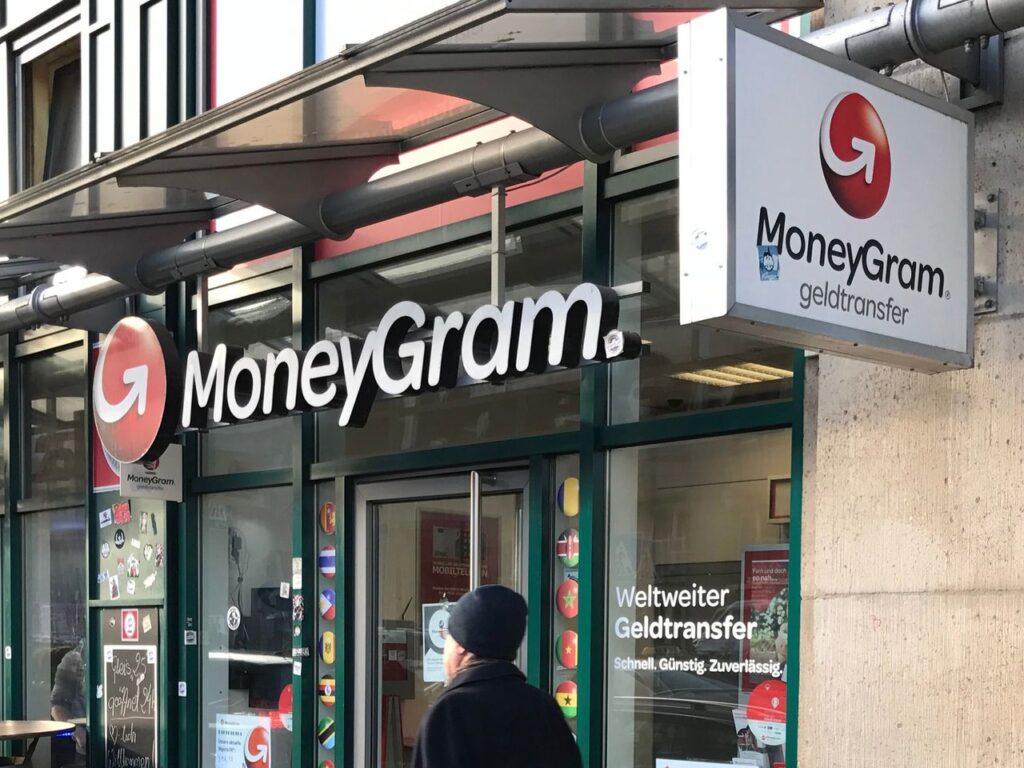
The Stellar Development Foundation (SDF) has taken on a minority investment role in MoneyGram International, a leading payments provider, as revealed in an announcement on August 15th.
Denelle Dixon, the CEO and Executive Director of the Stellar Development Foundation, expressed the decision to invest in MoneyGram as a straightforward one.
Dixon clarified in a corresponding blog post that the investment stemmed from SDF’s internal cash reserves, earmarked for supporting the foundation’s operations.
This funding source diverged from Stellar’s Enterprise Fund, typically utilized for backing startups and early-stage ventures.
Financial particulars of the investment were not disclosed by Dixon, but she did highlight that the SDF’s investment would secure them a position on MoneyGram’s board of directors.
The purpose of the investment, Dixon explained, is to bolster MoneyGram’s digital operations and explore the potential of blockchain technology.
This strategic move signifies MoneyGram’s dedication to embracing digital transformation and emerging as a frontrunner in fintech on a global scale.
The affiliation between Stellar Development Foundation and MoneyGram traces back to 2019, evolving into a more formalized partnership in 2021.
This investment marks the latest step in their collaboration.
READ MORE: Zunami Protocol Issues Warning Amidst Attack on Stablecoin Pools on Curve Finance
In a noteworthy development, MoneyGram facilitated the purchase, sale, and custody of cryptocurrencies through its mobile app for users based in the United States in November 2022.
In another recent initiative in July 2023, MoneyGram, in partnership with local bank Banesco, introduced a novel account deposit service targeted at consumers in Venezuela.
Despite this significant announcement, Stellar’s native token, Stellar XLM, exhibited a muted response, experiencing a 4.4% drop to $0.129 on the day of the announcement.
This information is according to Cointelegraph price data.
Stellar XLM had previously experienced an upswing following a legal victory for Ripple.
However, it has faced a subsequent 28% decline and remains notably lower, down by 85%, from its all-time high of $0.875, reached in January 2018.
Other Stories:
Voyager Digital’s Massive Token Transfers Spark Speculation of Impending Sell-Off
Pro-Bitcoin Politician Surges Ahead in Argentine Presidential Primaries
Former FTX CEO Sam Bankman-Fried Detained in Notorious Brooklyn Jail
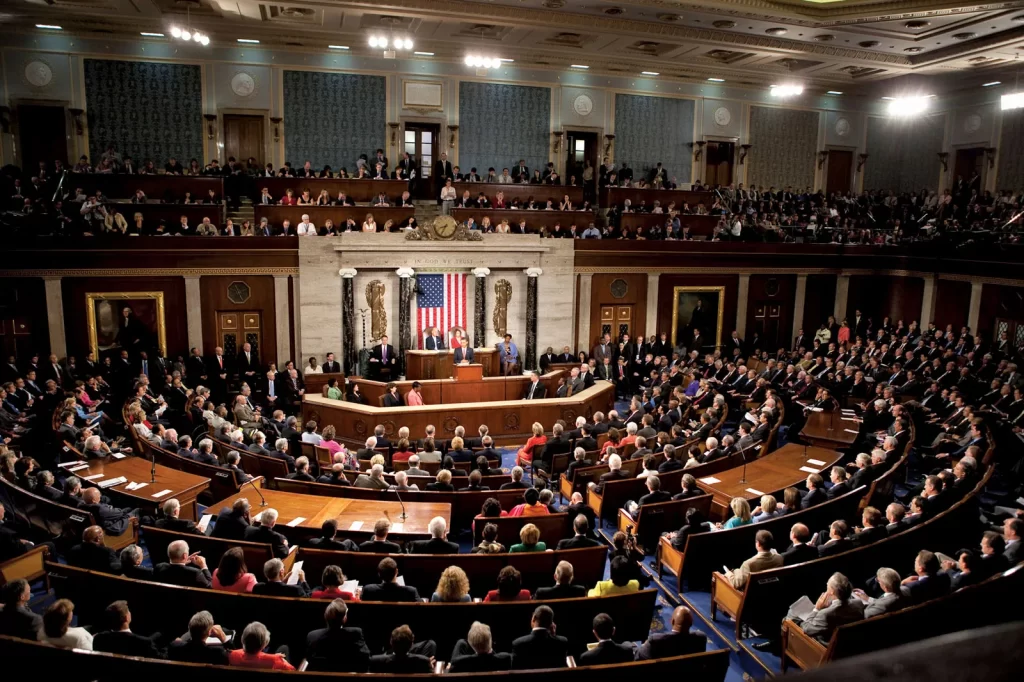
The United States House of Representatives Democrats have taken a proactive step towards the regulation of artificial intelligence (AI) by establishing an AI working group.
Comprising 97 members, the New Democrat Coalition unveiled this group on August 15th.
Their primary goal is to collaborate with President Joe Biden’s administration, stakeholders, and representatives from both sides of the political spectrum to construct sensible and bipartisan regulations for the rapidly growing AI sector.
With an emphasis on nurturing AI’s potential for economic growth, the working group acknowledges the importance of safeguarding the workforce.
They are dedicated to devising strategies that will protect individuals whose jobs might be threatened by the rise of AI-driven technologies, ensuring that they can remain employed.
Heading this initiative is Representative Derek Kilmer, who will serve as the chair of the AI working group.
Kilmer highlighted the pressing concern regarding the dissemination of misinformation and the proliferation of sophisticated AI-generated deepfakes across the internet.
He expressed the urgency of addressing these issues, emphasizing the need for Congress to swiftly grasp the intricacies of such matters to effectively counteract them.
The AI working group’s intentions align with the broader sentiment expressed by various stakeholders, including legislators, academics, and prominent tech CEOs.
READ MORE: Voyager Digital’s Massive Token Transfers Spark Speculation of Impending Sell-Off
Recognizing the potential risks associated with unchecked AI advancements, Vice President Kamala Harris and senior advisors under President Biden convened with industry CEOs in May.
This meeting aimed to discuss the inherent dangers AI poses and explore ways to mitigate them.
Furthermore, President Biden, acknowledging the significance of AI, convened a meeting in June with leading AI experts in Silicon Valley.
This meeting served as a platform for thorough deliberation on the potential hazards brought about by AI’s rapid evolution and strategies to manage and regulate its growth.
In conclusion, the United States House of Representatives’ Democrats have formed an AI working group composed of 97 members, aimed at responsibly shaping AI legislation.
Their collaborative approach, involving various stakeholders, seeks to harness AI’s benefits while addressing concerns about misinformation and deepfakes.
These efforts align with recent discussions led by Vice President Kamala Harris and President Joe Biden, underlining the growing recognition of the need to regulate and manage the risks associated with AI advancements.
Other Stories:
Pro-Bitcoin Politician Surges Ahead in Argentine Presidential Primaries
Former FTX CEO Sam Bankman-Fried Detained in Notorious Brooklyn Jail
Zunami Protocol Issues Warning Amidst Attack on Stablecoin Pools on Curve Finance

Uzbekistan’s financial landscape is undergoing a digital transformation as two prominent private banks, Kapital Bank and Ravnaq Bank, secure the green light from the National Agency for Perspective Projects (NAPP) to participate in the realm of cryptocurrency regulation through the digital sandbox initiative.
A significant development unveiled on August 14th, NAPP’s approval was extended to Ravnaq Bank, thus welcoming them to partake in the pilot program.
This followed the Agency’s announcement in May 2023 confirming Kapital Bank’s involvement in issuing its own crypto card.
Branded as “UzNEX,” the forthcoming Uzbeki crypto card is set to revolutionize the financial sector by synergizing traditional banking services with access to a crypto exchange and an automated exchange mechanism.
Bolstering this innovative venture is a partnership with Mastercard, a global frontrunner in payment systems.
Both Kapital Bank and Ravnaq Bank are diligently working towards a shared goal, aiming to roll out their crypto card offerings to the general public by the close of December 2023.
Notably, they stand as two of the esteemed trio of registered participants within the nation’s digital sandbox experiment.
In a pivotal move commencing from 2023, Uzbekistan’s administration has mandated that only licensed cryptocurrency entities are permitted to offer crypto-related services.
READ MORE: Voyager Digital’s Massive Token Transfers Spark Speculation of Impending Sell-Off
This regulatory pivot comes on the heels of the issuance of the inaugural licenses to local crypto enterprises in November 2022.
Preceding this, the country had barred access to several international crypto exchanges of repute, including Binance, FTX, and Huobi, citing allegations of unauthorized activities.
The nation’s meticulous approach to cryptocurrency oversight was instigated by a presidential decree in 2022 that heralded the inception of NAPP, entrusted with the responsibility of supervising the burgeoning digital assets sector.
Furthermore, the decree not only set the wheels in motion for regulatory clarity but also intricately delineated the legal framework encompassing cryptocurrency mining endeavors within the confines of Uzbekistan.
As these private banks join hands with cutting-edge technology and renowned financial giants, they are poised to shape a pioneering era in Uzbekistan’s financial landscape.
With their sights set on the imminent launch of the UzNEX crypto card and the overarching vision of advancing secure and regulated cryptocurrency services, these institutions are indelibly etching their mark in the digital evolution of finance.
Other Stories:
Zunami Protocol Issues Warning Amidst Attack on Stablecoin Pools on Curve Finance
Former FTX CEO Sam Bankman-Fried Detained in Notorious Brooklyn Jail
Pro-Bitcoin Politician Surges Ahead in Argentine Presidential Primaries
The US Securities and Exchange Commission (SEC), the regulatory body responsible for approving spot cryptocurrency exchange-traded funds (ETFs), appears to be edging closer to granting permission for these investment vehicles after years of deliberation.
A significant development occurred when BlackRock, the world’s largest asset management firm, submitted its application for a Bitcoin ETF in June.
This move has reignited investor interest both within and beyond the cryptocurrency sphere.
Notably, BlackRock also established a “surveillance-sharing agreement” with Coinbase, a leading cryptocurrency exchange, possibly indicating the SEC’s receptiveness to ETF applications under such arrangements.
Numerous companies, including ARK Invest under the leadership of CEO Cathie Wood, have filed for crypto ETFs with the SEC. ARK 21Shares applied to list its spot Bitcoin ETF in May 2023.
However, the SEC recently extended the review period by 21 days until August 11, inviting public comments on the proposal as per its guidelines.
The SEC holds the authority to delay ETF applications for up to 240 days, a period that includes public input.
Nevertheless, the SEC has not yet approved any spot Bitcoin ETF proposal from any US firm. It only began accepting investment products linked to Bitcoin futures in October 2021.
READ MORE: Pro-Bitcoin Politician Surges Ahead in Argentine Presidential Primaries
The challenge lies in the nature of these investment vehicles: Bitcoin futures-linked ETFs allow investment without direct exchange participation, whereas spot Bitcoin ETFs involve holding the cryptocurrency directly within a fund.
Early attempts to gain SEC approval for crypto ETFs date back to 2013 when Gemini co-founders Cameron and Tyler Winklevoss applied for a Bitcoin Trust listing.
However, these attempts were rebuffed, showcasing the evolving regulatory landscape.
Stuart Barton, co-founder and CIO of Volatility Shares, the firm behind a leveraged Bitcoin futures ETF listing, revealed that the SEC application process involves negotiations and suggested that smaller firms might have an advantage in pursuing spot crypto ETFs.
Barton emphasized that significant companies have not substantially advanced the argument for ETF approval.
Prominent asset management firms like BlackRock, ARK Invest, Bitwise Asset Management, VanEck, WisdomTree, Invesco, Galaxy Digital, Fidelity, and Valkyrie currently have spot Bitcoin ETF applications under SEC review.
The SEC’s cautious stance might stem from the complex nature of the US crypto market, which requires further regulatory clarity and oversight.
The SEC’s ongoing enforcement actions against Coinbase, Binance, and Ripple, alongside penalties imposed on other firms, indicate a need for increased regulation.
US legislators are actively considering laws to define the roles of the SEC and Commodity Futures Trading Commission (CFTC) in overseeing digital assets.
Court decisions will likely play a role in shaping regulations, particularly following the SEC vs. Ripple case, where a judge determined that XRP was not a security.
Industry analysts suggest that the probability of a US spot Bitcoin ETF approval is around 65%, partly influenced by BlackRock’s application.
Speculation also abounds regarding potential simultaneous approvals to prevent any single company from gaining an advantage.
Other Stories:
Voyager Digital’s Massive Token Transfers Spark Speculation of Impending Sell-Off
Zunami Protocol Issues Warning Amidst Attack on Stablecoin Pools on Curve Finance
Former FTX CEO Sam Bankman-Fried Detained in Notorious Brooklyn Jail