


Former FTX CEO, Sam Bankman-Fried, known as “SBF,” is seeking to have documents related to his interviews with a New York Times reporter concerning his relationship with Caroline Ellison kept confidential.
Bankman-Fried’s legal representatives filed a request on July 27 in the United States District Court for the Southern District of New York to seal these documents, citing the necessity to prevent their public dissemination.
The court and Department of Justice have already received the documents that Bankman-Fried shared with the reporter, leading to personal details from Ellison’s private journals being revealed.
Prosecutors in the case are now urging the court to revoke SBF’s $250-million bail, alleging that he used his freedom to intimidate Ellison, his former romantic partner and colleague, who is expected to testify against him.
However, Inner City Press, a news outlet, has expressed opposition to the request for sealing the documents, arguing that since the information has already been disclosed to one media outlet, it should not be kept from the public, likening it to undermining the principles of transparency.
READ MORE: Crypto Mining Firm Explores Initial Public Offering (IPO) in UAE
The information published in the NYT story from Ellison’s journals included her feelings of being overwhelmed by her position at Alameda Research and her breakup with Bankman-Fried.
If the request to seal the documents is denied, it remains uncertain what other details about the individuals might come to light.
Currently, SBF is subject to a temporary gag order issued on July 26, which substantially restricts him from making any extrajudicial statements concerning his criminal case until the arguments on bail are resolved.
The prosecutor’s arguments on bail conditions are scheduled for July 28, while Bankman-Fried’s legal team will present theirs on August 3.
Depending on the court’s decision, SBF could face detention until his trial in October.
Regarding the charges, prosecutors informed Judge Kaplan on July 27 that they plan to drop the campaign finance violation charge against SBF due to an extradition agreement with the Bahamas.
Nonetheless, the former FTX CEO still faces 12 criminal counts, and his trials are scheduled for October 2023 and March 2024, respectively.
Other Stories:
Former Twitter Product Director Exposes Peculiarities of Working Under Elon Musk

The Indian Supreme Court has criticized the Union government for the absence of regulations pertaining to cryptocurrencies in the country.
In a recent report by a local media outlet, the court expressed disappointment at the government’s failure to provide clear guidelines regarding the use of cryptocurrencies.
This concern arises in the context of an increasing number of criminal activities involving digital currencies.
Consequently, the court directed the Union government to clarify whether it intends to establish a specialized federal agency to investigate such crypto-related criminal cases.
During the hearing of petitions connected to cryptocurrency fraud cases across different states of India, the Supreme Court emphasized the urgent need for a proper legal framework.
It urged the government to respond and disclose its capacity to create a mechanism capable of effectively handling and investigating these cases.
The court’s primary aim is to safeguard the national interest by addressing the challenges posed by cryptocurrencies through a dedicated and expert agency.
The quest for comprehensive and well-defined crypto regulations in India has been a prolonged struggle.
The process of formulating a crypto bill was initiated in 2018 following the instructions of the Supreme Court.
READ MORE: Former Twitter Product Director Exposes Peculiarities of Working Under Elon Musk
However, despite assurances over the past four years, the government has yet to present the final draft of this bill, leaving the crypto market in a state of uncertainty and ambiguity.
Meanwhile, even as the government remains hesitant in providing clear regulations, it moved quickly to impose taxation laws on cryptocurrencies, effective from April 2022.
These laws were introduced during a bullish market period when India witnessed a surge in crypto markets, with significant trading volumes and the emergence of numerous crypto unicorns.
However, the lack of regulatory clarity due to the absence of comprehensive guidelines led to a negative impact on the thriving crypto market.
Consequently, many established crypto firms chose to relocate outside of India to ensure more favorable operating conditions.
In conclusion, the Indian Supreme Court’s recent reprimand emphasizes the need for the government to expedite the formulation of crypto regulations.
With criminal activities on the rise and a flourishing crypto market at stake, the establishment of a specialized federal agency and clear guidelines is imperative for the country’s interests.
Until a concrete legal framework is in place, the uncertainty surrounding cryptocurrencies in India may continue to deter potential investors and impede the growth of the digital asset industry in the nation.
Other Stories:
Crypto Mining Firm Explores Initial Public Offering (IPO) in UAE

Bitcoin (BTC) remained relatively stable with a ticker down at $29,311 during the Wall Street open on July 28, despite the release of United States inflation data that surpassed expectations.
However, the data on the Personal Consumption Expenditures (PCE) Index, which is considered the Federal Reserve’s preferred metric for inflation, indicated that U.S. inflation was continuing to decrease.
This development led financial analysts, such as The Kobeissi Letter, to speculate that the Fed might finally have inflation under control, as PCE inflation was at its lowest since April 2021.
Despite the significant economic indicators, Bitcoin’s price action saw only a modest boost and did not display significant volatility. Instead, it remained within a range of $29,000 to $29,500.
Traders’ sentiment suggested that there was still a preference for the downside, as the resistance target of $30,000 had been holding for over a week.
Notably, popular trader Crypto Tony expressed his anticipation for BTC to continue moving down to $28,000, although he acknowledged the possibility of a brief consolidation phase before the drop.
Fellow trader Daan Crypto Trades also emphasized the loss of the local range centered around the $30,000 level and suggested preparing for a potential drop to the low $28Ks.
READ MORE: Former Twitter Product Director Exposes Peculiarities of Working Under Elon Musk
However, he cautioned that if BTC managed to retake the $29.5K level, the bearish scenario could be invalidated.
On the other hand, Michaël van de Poppe, the founder and CEO of trading firm Eight, identified a “deviation” on the daily BTC/USD chart, similar to a previous occurrence in February, which was followed by an upward rebound.
He also questioned whether the weekend’s thinner liquidity and increased potential for volatile movements could trigger a “classic” comeback for Bitcoin.
In conclusion, despite the release of positive U.S. inflation data, Bitcoin’s price remained relatively stable and did not show significant volatility.
Traders’ sentiment suggested a preference for the downside, with the $30,000 resistance level still holding.
However, some analysts remained cautious about the potential for a bullish rebound based on technical indicators and historical patterns.
As the weekend approached, market participants kept a close eye on the potential for increased volatility in the cryptocurrency market.
Other Stories:
Crypto.com Receives Approval from Dutch Central Bank
Crypto Mining Firm Explores Initial Public Offering (IPO) in UAE

While Bitcoin and Ethereum remain the most popular cryptocurrencies – for retail and institutional investors alike – there are many crypto projects that have more upside potential in 2023.
In this article, we rank some of the best crypto projects that are set to boom this year and/or during the next bull run.
Additionally, we have provided an overview of each project and explain why it has a lot of potential, while also outlining how you can buy each project’s native token.
Solana
Solana is an innovative high-performance, permissionless blockchain that has garnered significant attention from the technology and investment communities alike. Built with the goal of scaling blockchain for global adoption, it features a novel design and a unique set of technologies that set it apart from other blockchain platforms. The backbone of Solana’s performance lies in its architectural innovation.
Unlike traditional blockchain networks, which face scalability issues due to increasing transaction volumes, Solana was built with a vision to support thousands of transactions per second without compromising security or decentralization. Its design includes a unique timestamp system, Proof of History (PoH), which enables high-speed processing while maintaining trust across the network.
Proof of History is essentially a cryptographic timestamp that enables the blockchain to track the order and time of transactions, without the need for every node to observe and agree on the state of the network.
By encoding the passage of time within the blockchain itself, PoH helps increase the speed and efficiency of consensus algorithms. In combination with Solana’s unique PoH-based consensus model, called Tower BFT, the platform achieves unparalleled performance and security.
Alongside PoH, Solana utilizes several other groundbreaking technologies that contribute to its superior performance. One such technology is Turbine, a block propagation protocol that breaks data down into smaller packets, reducing the bandwidth requirements for data transmission and making it easier for validators to process transactions.
This approach is analogous to a high-speed internet connection that allows seamless streaming of high-definition videos.
Another key technology employed by Solana is Gulf Stream, which pushes transaction caching and forwarding to the edge of the network. This enables validators to execute transactions ahead of time, reducing confirmation times, and increasing the network’s capacity for processing transactions.
Sea Level, Solana’s parallel smart contracts run-time, allows for simultaneous transaction processing on the same state block, leading to increased throughput. Moreover, Cloudbreak, Solana’s horizontally-scaled accounts database, and Pipelining, a transaction processing unit for validation optimization, contribute further to the overall performance of the Solana network.
This suite of features allows Solana to process up to 65,000 transactions per second, with sub-second finality, making it one of the fastest blockchain networks in existence. Another distinguishing aspect of Solana is its native cryptocurrency, SOL.
SOL is used for transaction fees and for staking, a process by which users can earn additional SOL by helping secure the network. SOL is also used in Solana’s on-chain governance program, where token holders can vote on various proposals to influence the future development of the platform.
Solana’s dedication to scalability and speed has not gone unnoticed, as it has attracted a variety of applications, from decentralized exchanges to stablecoins and prediction markets. It has garnered significant attention as a potential Ethereum competitor due to its scalability and low transaction costs.
Developers are increasingly attracted to Solana because of its ability to handle sophisticated and high-volume applications with ease, enabling them to create more intricate and scalable DApps. Moreover, Solana’s ecosystem has grown rapidly, with numerous developers, projects, and institutions getting involved. This growth has been facilitated by the Solana Foundation’s grants program, which offers financial support to projects that contribute to the Solana ecosystem.
It is also worth noting that Solana has been backed by top-tier investors, including Multicoin Capital, Foundation Capital, and Andreessen Horowitz, underscoring the significant potential seen in the platform. In summary, Solana is an advanced and innovative blockchain platform, offering unmatched speed and scalability.
Its design and technology suite make it ideal for a wide range of applications, particularly those requiring high transaction throughput and low fees. With a rapidly expanding ecosystem and an impressive track record, Solana presents a compelling case for the future of blockchain technology.
Chainlink
Chainlink is a decentralized oracle network that enables smart contracts on the blockchain to securely interact with real-world data and external APIs.
Developed in 2014, Chainlink is a robust blockchain technology that has emerged as a crucial player in the decentralized finance (DeFi) ecosystem and the wider blockchain space, by solving the problem known as the “oracle problem.”
The oracle problem arises due to the inherent nature of blockchain networks: they are closed systems that can’t natively access off-chain data. Therefore, for blockchain applications to interact with the world outside the blockchain, they require external data sources known as oracles.
However, if a decentralized application relies on a centralized oracle, the entire system risks becoming centralized, which defeats the purpose of blockchain technology. Chainlink solves this problem by providing a network of decentralized oracles that feeds reliable and tamper-proof data to the blockchain.
Chainlink’s decentralized network consists of multiple independent oracles that fetch and validate data before it gets added to the blockchain. The network relies on a reputation system to incentivize honesty and accuracy among its nodes (oracles). Nodes with high accuracy are rewarded with LINK tokens, Chainlink’s native cryptocurrency, while those providing inaccurate information are penalized.
The innovative design of Chainlink extends beyond its decentralized oracle network. The protocol uses something called service level agreements (SLAs) to match smart contracts with the appropriate oracles. The SLA defines the terms for the oracle service such as the type of data, the number of oracles required, the speed of data delivery, and the penalties for non-compliance.
This system of SLAs and the reputation system provide a robust mechanism to ensure that the data fed into the smart contracts is accurate and reliable, thereby mitigating the risks associated with incorrect or tampered data.
Furthermore, through Chainlink, smart contracts can be fed with a multitude of data inputs, including but not limited to market prices, temperature, weather conditions, and other IoT data, vastly expanding the potential use-cases for smart contracts.
Chainlink’s native cryptocurrency, LINK, plays a crucial role in the network. It’s used as the payment currency for data requesters who want to access data services. LINK tokens are also used for incentivizing nodes to maintain data accuracy and to participate in the network.
Nodes are required to stake LINK tokens as collateral, and any deviation from accurate reporting can lead to their stake being slashed. This model creates an economic incentive for the nodes to act in the best interest of the network.
Beyond its core function as a decentralized oracle service, Chainlink has shown remarkable versatility by enabling functionalities like Decentralized Finance (DeFi) applications, gaming, insurance, and more. For instance, in DeFi, Chainlink’s Price Feed services allow for reliable, tamper-proof, high-quality price data to be utilized by decentralized exchanges, lending platforms, and other DeFi applications.
Also, Chainlink’s Verifiable Random Function (VRF) provides a secure and provably fair source of randomness that’s invaluable for blockchain gaming, gambling, and other applications requiring random number generation.
By ensuring the source of randomness is verifiable on-chain, Chainlink brings transparency and trustworthiness to the process, a previously complex task for blockchain developers.
Chainlink has also fostered a strong, vibrant community of developers, enthusiasts, and partners. A variety of projects across multiple sectors, from DeFi to insurance and enterprise, have integrated Chainlink, creating a thriving ecosystem. Notable partnerships include Google Cloud, SWIFT, and many other blockchain-based projects.
By solving the oracle problem in a decentralized, secure, and scalable way, Chainlink has made a significant impact on the blockchain ecosystem.
As the bridge between on-chain and off-chain worlds, it extends the capabilities of smart contracts, making them more functional and closer to realizing their full potential. As blockchain technology matures and finds more real-world applications, the demand for reliable oracle services like Chainlink will only continue to grow.
With its robust and secure solution to the oracle problem, it’s paving the way for a new generation of advanced decentralized applications, ensuring they can interact with real-world data in a reliable and trustworthy manner.
Monero
Monero, denoted by its ticker symbol XMR, is a leading cryptocurrency renowned for its exceptional commitment to privacy and security. Unlike many cryptocurrencies that offer some degree of privacy, Monero was specifically designed to make tracking transactions as difficult as possible for outside observers. Its development and acceptance are underpinned by a community that holds privacy and decentralization in the highest regard.
Monero, introduced in 2014, is based on the CryptoNote protocol, a technology that introduces significant privacy improvements over the Bitcoin protocol. In contrast to Bitcoin’s transparent blockchain, where addresses and transactions can be traced directly, Monero uses a range of mechanisms to obfuscate information and ensure transactional privacy.
One such mechanism is ring signatures, a type of digital signature where a group of potential signers are fused together to produce a distinctive signature that authorizes a transaction. This method makes it virtually impossible to determine which member’s keys were used for the signature and, hence, who initiated the transaction.

Monero also uses stealth addresses, which are one-time addresses created for each transaction on behalf of the recipient.
This makes it impossible to link transactions to the recipient’s actual address, adding another layer of privacy. Additionally, Monero employs Ring Confidential Transactions (RingCT), which hide the transaction amount from everyone except the sender and receiver.
With these features, Monero provides an unmatched level of privacy. Each transaction is secure, untraceable, and unlinkable. This makes it a preferred choice for individuals who place a high value on privacy.
Monero’s block reward does not have a hard cap, unlike many other cryptocurrencies. Instead, once the total number of Monero coins reaches 18.4 million (expected in May 2022), the system will switch to a ‘tail emission,’ releasing 0.6 XMR per block indefinitely. This approach ensures continued incentivization for miners, aiding the security of the network in the long run.
Monero also addresses the issue of fair mining. Many cryptocurrencies face centralization concerns due to the advent of Application-Specific Integrated Circuits (ASICs), which can lead to a concentration of mining power. Monero mitigates this problem by employing an ASIC-resistant proof-of-work algorithm called RandomX. This algorithm is designed to be efficient on consumer-grade hardware, making mining more democratic and preserving the decentralized nature of the network.
Monero’s native token, XMR, serves multiple purposes within the network. It is used as a medium of exchange, a store of value, and also as the reward for miners who validate transactions and secure the network. The focus on privacy and security has led to Monero being adopted for a range of applications where these attributes are particularly valued.
However, it’s worth noting that the emphasis on privacy has not been without controversy. Monero has been used in illicit activities due to its untraceability, leading to debates about its regulation. It’s a challenge faced by the entire privacy coin sector, and many believe that a balance must be struck between maintaining privacy and preventing illegal use.
Despite these challenges, the development and adoption of Monero have been robust. A vibrant community of developers, users, and advocates who believe in the need for private, non-censorable transactions has been actively supporting the project. The Monero community also emphasizes grassroots development and contribution, with numerous initiatives like the Community Crowdfunding System, which helps fund new projects and developments.
In conclusion, Monero stands as a powerful testament to the potential for privacy in the blockchain space. By combining innovative technology like ring signatures, stealth addresses, and RingCT, it provides a level of privacy that few other cryptocurrencies can match.
Summary
- Chainlink, Solana, and Monero are some of the best crypto projects to invest in this year.
- As the Chainlink network and community continue to grow, the potential applications for this technology are almost limitless.
- With a rapidly expanding ecosystem and an impressive track record, Solana presents a compelling case for the future of blockchain technology.
- The strength of the Monero network is not just in its technology, but also in its community, which remains committed to the principles of privacy, decentralization, and open development.
- As the discourse around privacy and digital security becomes increasingly vital in our digital age, Monero’s relevance seems set to grow.
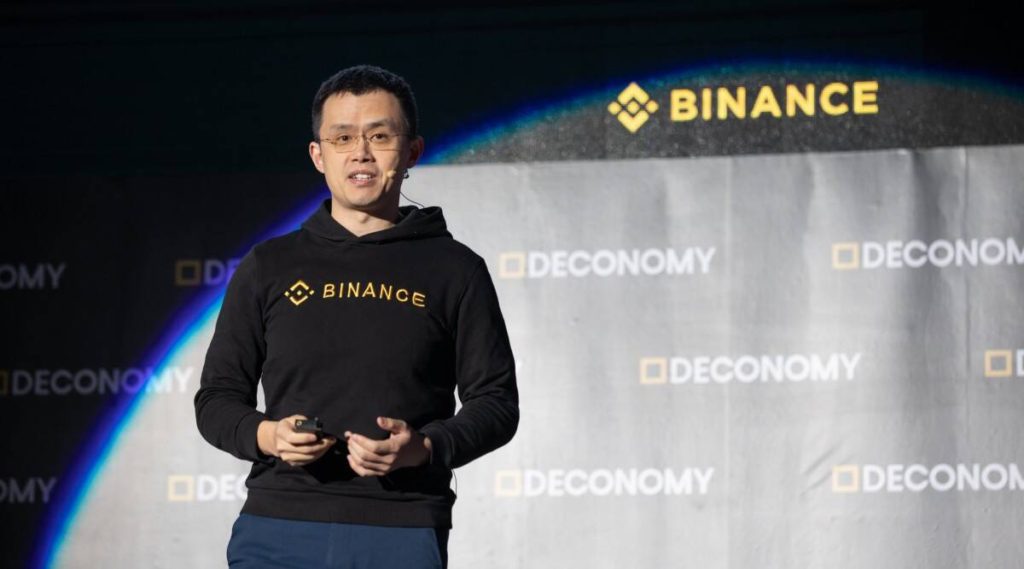
The United States Securities and Exchange Commission (SEC) and Binance have both responded to the involvement of the entity called “Eeon” in the SEC’s case against the crypto exchange.
In the U.S. District Court for the District of Columbia, both the SEC and Binance opposed Eeon’s request to intervene in the lawsuit, stating that Eeon does not meet the necessary legal requirements for intervention and consent.
The SEC argued that Eeon has a track record of repeatedly attempting to represent itself in court cases without success.
Furthermore, the Securities Exchange Act prohibits private litigants from intervening, making Eeon’s request impermissible.
READ MORE: 3 Best Crypto Projects That Will Boom In 2023 & The Next Bull Run
The SEC also contended that Eeon’s involvement in the lawsuit would have no significant impact, as their claims align with those of the defendants and do not fulfill the requirements for intervention.
Additionally, the agency pointed out that Eeon’s counterclaims are contradictory in nature.
Binance, in its response, cited three grounds for dismissing Eeon’s petition: the lack of consent from the SEC, Eeon’s failure to establish itself as a legitimate party of interest, and its inability to meet the necessary legal requirements for intervention.
Both the SEC and the defendants, Binance and its CEO Changpeng “CZ” Zhao, are unified in their opposition to any intervention by Eeon in the SEC’s lawsuit against Binance and its CEO.
Meanwhile, Binance has taken steps to dismiss the lawsuit brought against it by the U.S. Commodity Futures Trading Commission (CFTC).
The exchange argued that the CFTC’s attempt to regulate foreign individuals and corporations outside the U.S. exceeds the limits of its statutory jurisdiction.
However, due to extended court deadlines for responses by both the CFTC and Binance, the dismissal process is expected to extend into 2024.
Other Stories:
Former Twitter Product Director Exposes Peculiarities of Working Under Elon Musk
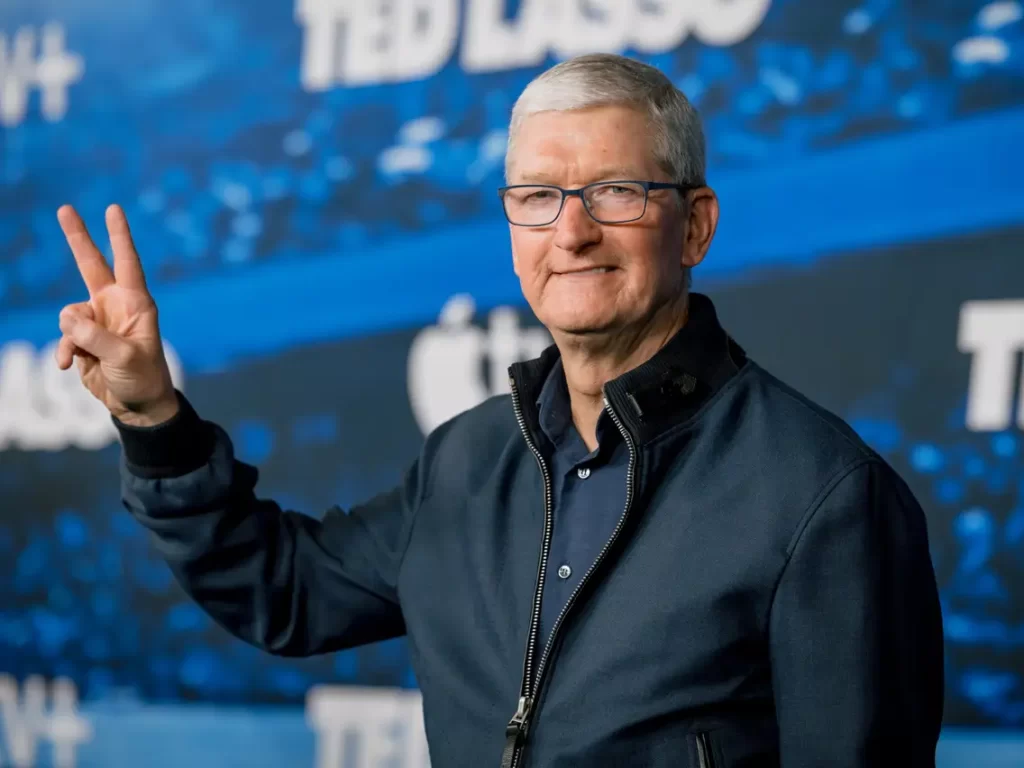
In a formal letter addressed to Apple CEO Tim Cook, United States Representatives Gus Bilirakis and Jan Schakowsky raised concerns regarding the potential impact of the company’s App Store guidelines on emerging technologies, particularly blockchain and nonfungible tokens (NFTs).
The lawmakers expressed worries that the guidelines might inadvertently hinder the progress and growth of cutting-edge innovations.
The lawmakers pointed out a discernible pattern in Apple’s approach to its App Store guidelines, wherein the company appeared to capitalize on crypto apps while simultaneously limiting their functionality.
This was achieved through the requirement of releasing “lite” versions of the apps, which generated profits for Apple but reduced the overall utility of the applications.
The specific case of Axie Infinity’s App Store experience was cited as evidence of this pattern.
By penning this letter, the lawmakers conveyed their concerns about the potential negative consequences of Apple’s policies on the United States’ standing in emerging technologies.
They highlighted that Apple justified these limitations as a measure to enhance security with a “walled garden” approach.
However, there was widespread concern that the company might be using the App Store as a tool to stifle competition.
READ MORE: Former Twitter Product Director Exposes Peculiarities of Working Under Elon Musk
The chairman and ranking member of the Innovation, Data, and Commerce Subcommittee stressed the importance of Congress comprehensively understanding the App Store guidelines and assessing the extent to which they may hinder innovation.
They also emphasized their commitment to promoting full transparency and holding Big Tech accountable for any monopolistic behavior.
Furthermore, the lawmakers expressed their intent to create a level playing field within the industry to ensure that American ingenuity can continue to thrive.
This is not the first time they have raised concerns about App Store policies, as they previously wrote a similar letter to Apple regarding guidelines concerning TikTok and other apps originating from China.
In conclusion, Representatives Bilirakis and Schakowsky are seeking information from Apple to understand the potential impact of the App Store guidelines on emerging technologies.
They are concerned that these guidelines may be hindering innovation and competition, and they are committed to promoting transparency and fairness within the industry to support American ingenuity.
Other Stories:
Crypto Mining Firm Explores Initial Public Offering (IPO) in UAE
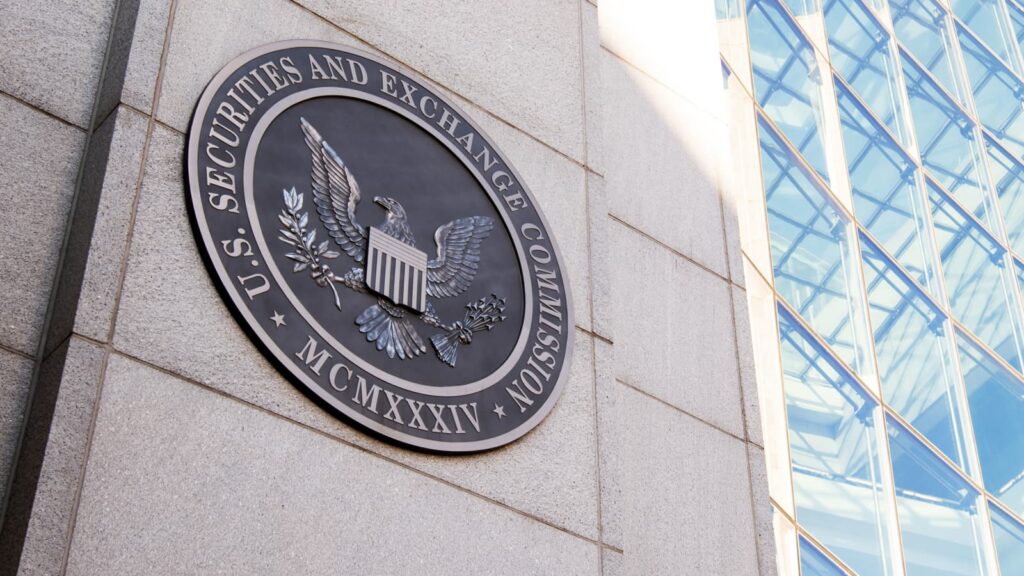
SEC Commissioner Hester Pierce has voiced concerns over a recent statement by the agency advising accountants to refrain from non-audit work for cryptocurrency firms.
Pierce countered the suggestion made by the SEC’s chief accountant, Paul Munter, that accountants should adopt a binary approach when dealing with crypto companies.
Pierce fears that Munter’s proposal could deter crypto businesses from making sincere efforts to be transparent.
While she supports transparency, particularly regarding proof of reserves, Pierce is skeptical about why accounting firms should be wary of assuring crypto firms.
Pierce took to Twitter, questioning, “Why would we want to discourage good-faith efforts to provide more transparency?”
She raised her concerns about the potential chilling effect this may have on the transparency initiatives of crypto firms.
Munter argued that fractional engagements could lead crypto firms to selectively disclose certain business aspects as a complete audit to clients.
This practice, according to him, would lack transparency for investors.
READ MORE: Crypto Mining Firm Explores Initial Public Offering (IPO) in UAE
In Munter’s view, some crypto firms misleadingly market their retention of third-party reviewers, sometimes accounting firms, as conducting an “audit.”
He suggested that if an accounting firm finds its client making false statements about non-audit work, it should consider making a public statement or reporting the client to the SEC, a process he termed a “noisy withdrawal.”
Reacting to Munter’s statement, Mike Shaub, an auditing and accounting ethics professor at Texas A&M University, underscored the difficulty for auditors to make public statements given their confidentiality obligations.
He also raised concerns about some accounting firms leveraging their crypto expertise to enhance their reputations, yet becoming unresponsive when issues surface.
As this debate continues, the delicate balance between crypto firm transparency, the role of accounting firms, and investor protection remains a critical issue for the SEC and the broader industry.
Other Stories:
Former Twitter Product Director Exposes Peculiarities of Working Under Elon Musk
New cybersecurity regulations have been adopted by the United States Securities and Exchange Commission (SEC), mandating all public companies, including listed crypto firms, to promptly disclose any significant cybersecurity incidents within a strict four-day time frame.
The rules, effective as of July 26, will require disclosure when the incident is deemed “material,” except in cases where national security or public safety might be compromised.
The SEC’s initiative aims to strengthen cybersecurity risk management measures and safeguard the interests of investors.
To achieve this, the new regulations necessitate periodic reporting of a registrant’s policies and procedures for identifying and managing cybersecurity risks, along with regular updates about previously reported incidents.
SEC Chair Gary Gensler emphasized that these rules play a crucial role in benefiting investors, companies, and the overall market by ensuring that companies share material cybersecurity information transparently.
READ MORE; Best Crypto Projects to Invest in For The Next Bull Run
The scope of these regulations encompasses all publicly listed companies in the United States, including prominent players in the crypto industry such as Coinbase (COIN), Marathon Digital (MARA), Riot Blockchain (RIOT), and Hive Digital Technologies (HIVE).
The SEC outlined the rationale behind these new rules, citing the growing prevalence of digital payments and digitized operations within the workforce.
This, coupled with cybercriminals’ ability to monetize cybersecurity incidents, necessitated the implementation of stricter regulations to safeguard investors from potential threats.
Cryptocurrencies have notably been targeted by various cybercriminals, including the North Korean state-backed Lazarus Group, which has executed high-value exploits on cryptocurrency platforms, amassing over $850 million in ill-gotten gains.
It’s worth noting that the cybersecurity rules were initially proposed by the SEC in March 2022 but have now been fully adopted to enhance cybersecurity protection for investors and bolster overall market integrity.
The rules are set to be effective within 30 days following their publication in the Federal Register.
Other Stories:
Tennessee Realtor Couple Charged in $6M ‘Blessings of God Thru Crypto’ Investment Fraud
Ripple’s Chief Legal Officer Dismisses Concerns of SEC Appeal, Predicts Further Victory

Argentinian police have made a grisly discovery in the case of a missing cryptocurrency millionaire and Instagram influencer, Fernando Pérez Algaba.
The crypto trader was reported missing on July 18 after failing to return the keys to a rented apartment and not responding to phone calls.
Tragically, his remains were found dismembered in a suitcase less than a week later, on July 23, by children in Ingeniero Budge, a province near Buenos Aires.
Authorities found amputated legs and forearms in the suitcase and later discovered a torso on July 24 after draining the nearby stream.
On July 25, they found his head in a backpack. Fingerprints and tattoos confirmed the identity of the victim, and an autopsy indicated that Algaba had been shot three times before being dismembered.
Investigators believe that the murder may have been carried out by a professional group, and they suspect the motive could be debt-related.
Already, one suspect has been arrested in connection to the case.
READ MORE: KuCoin Denies Layoff Rumors Amidst Crypto Industry Stabilization
Fernando Pérez Algaba was well-known in the crypto trading community in Buenos Aires, where he ran an office with 25 other traders.
Additionally, he had gained considerable fame on Instagram, boasting over 917,000 followers. His posts typically featured luxury cars and his beloved dog.
Reports suggest that Algaba had significant debts, including 900,000 Argentine pesos ($3,300) in bounced checks, 1.2 million Argentine pesos ($4,400) owed to banks, and another debt of $70,000 related to a bounced check.
This tragedy occurred amidst a series of mysterious and sudden deaths of other crypto billionaires between October and December 2022.
Individuals such as MakerDAO co-founder Nikolai Mushegian, crypto broker Javier Biosca, Amber Group co-founder Tiantian Kullander,
Russian crypto billionaire Vyacheslav Taran, and major Bithumb shareholder Park Mo all suffered untimely demises during this period, sparking wild theories within the crypto community.
As the investigation into Algaba’s death continues, his friends, family, and followers mourn the loss of a prominent figure in the crypto and social media world.
The incident serves as a grim reminder of the potential dangers and risks that can accompany wealth and fame in the digital age.
Other Stories:
Best Crypto Projects to Invest in For The Next Bull Run
Ripple’s Chief Legal Officer Dismisses Concerns of SEC Appeal, Predicts Further Victory
Tennessee Realtor Couple Charged in $6M ‘Blessings of God Thru Crypto’ Investment Fraud
Worldcoin, the Proof of Humanity protocol that gained attention in 2021 for its promise of free tokens to users verifying their humanity through iris scans, has recently faced increased criticism regarding its data collection practices.
In response to mounting concerns, Worldcoin released its audit reports on July 28, conducted by security consulting firms Nethermind and Least Authority.
The audit by Nethermind unveiled 26 security issues within the protocol, with 24 of them being addressed and resolved during the verification phase.
One issue was mitigated, and another was acknowledged, demonstrating Worldcoin’s commitment to enhancing its security measures.
Least Authority, on the other hand, discovered three issues and made six suggestions. Worldcoin promptly resolved all the identified issues or planned resolutions for them, as outlined in their official announcement.
Worldcoin’s public launch took place on July 25, following nearly two years of development and beta testing. However, the project faced immediate criticism.
The UK’s Information Commissioner’s Office (ICO) was considering an investigation into potential violations of data protection laws, while the French data protection agency, the National Commission on Informatics and Liberty, also raised concerns about the project’s legality.
The concept behind Worldcoin, co-founded by Sam Altman, aimed to combat the rise of AI bots on the internet by offering a means of verifying users’ humanity without compromising their privacy.
READ MORE: Crypto.com Receives Approval from Dutch Central Bank
The process involved iris scans through a device called the “Orb,” which generated a hash of the user’s iris scan without storing the actual scan data.
The crypto community had mixed reactions to Worldcoin’s launch. Some saw it as a step toward protecting humans from malicious AI, while others feared it could lead to a dystopian future with diminished privacy.
The audit reports focused on various security aspects, including protection against distributed denial of service attacks, specific implementation errors, proper encryption and key management, data leak prevention, and information integrity.
Some issues arose due to dependencies on Semaphore and Ethereum, involving elliptic curve precompile support and Poseidon hash function configuration.
Worldcoin made commendable progress in addressing the security concerns raised during the audits. Almost all identified issues were either fixed, mitigated, or had planned solutions.
The remaining security issue’s severity was labeled “undetermined,” but it was acknowledged and being monitored.
As Worldcoin continues to evolve, addressing security challenges and data privacy concerns will be crucial in gaining public trust and support.
The project’s innovative approach to proving humanity may pave the way for future developments in the blockchain and AI space, but ensuring responsible data handling remains paramount.
Other Stories:
Crypto Mining Firm Explores Initial Public Offering (IPO) in UAE
Former Twitter Product Director Exposes Peculiarities of Working Under Elon Musk