


The BNB Smart Chain (BSC) recently experienced copycat attacks due to a vulnerability in the Vyper programming language, similar to the exploit faced by the decentralized finance (DeFi) protocol Curve Finance.
Blockchain security firm BlockSec reported on July 30 that approximately $73,000 worth of cryptocurrencies on BSC were stolen across three separate exploits.
The exploitation of liquidity pools on Curve Finance also led to significant losses, surpassing $41 million, as estimated by BlockSec.
The root cause of the vulnerability was identified as a malfunctioning reentrancy lock in Vyper versions 0.2.15, 0.2.16, and 0.3.0, which are widely used by various DeFi pools.
Since Vyper is designed for the Ethereum Virtual Machine, it is plausible that other protocols utilizing these versions might also be affected, emphasizing the need for secure BSC RPC configurations to mitigate risks.
Following the news of the exploit, both white hat and black hat hackers engaged in on-chain activities, attempting to thwart each other’s exploit attempts or recover funds.
One individual, known as “c0ffebabe.eth,” seemed to act as a potential white hat and secured some funds for safekeeping.
READ MORE: Worldcoin’s Iris Scanning Project Raises Privacy and Sovereignty Concern
On July 30, this individual issued an on-chain message requesting affected protocols to contact them in order to arrange the return of funds.
To date, “c0ffebabe.eth” has returned nearly 2,900 Ether (ETH), equivalent to approximately $5 million, to Curve in one transaction.
Another transaction saw them moving 1,000 ETH to a seemingly newly-created wallet, likely the cold wallet mentioned earlier for additional safekeeping.
The situation has raised concerns about the security of Vyper and its implications for other Web3 projects.
Given the wide adoption of this programming language, it is crucial for developers and protocols to be vigilant about potential vulnerabilities and promptly address them to protect user funds.
In conclusion, the BNB Smart Chain faced copycat attacks due to a Vyper programming language vulnerability, echoing the exploit witnessed on the Curve Finance DeFi protocol.
The incident has underscored the importance of robust security measures in the rapidly evolving landscape of decentralized finance and serves as a reminder for projects to prioritize the safety of their users’ assets.
Other Stories:
Kyrgyzstan Expands Cryptocurrency Mining with Government Backing at Hydro Power Plant
French Data Protection Agency Investigates Worldcoin
Pro-XRP Lawyer Alleges SEC’s Actions Driven by Safeguarding Corporate Capitalism
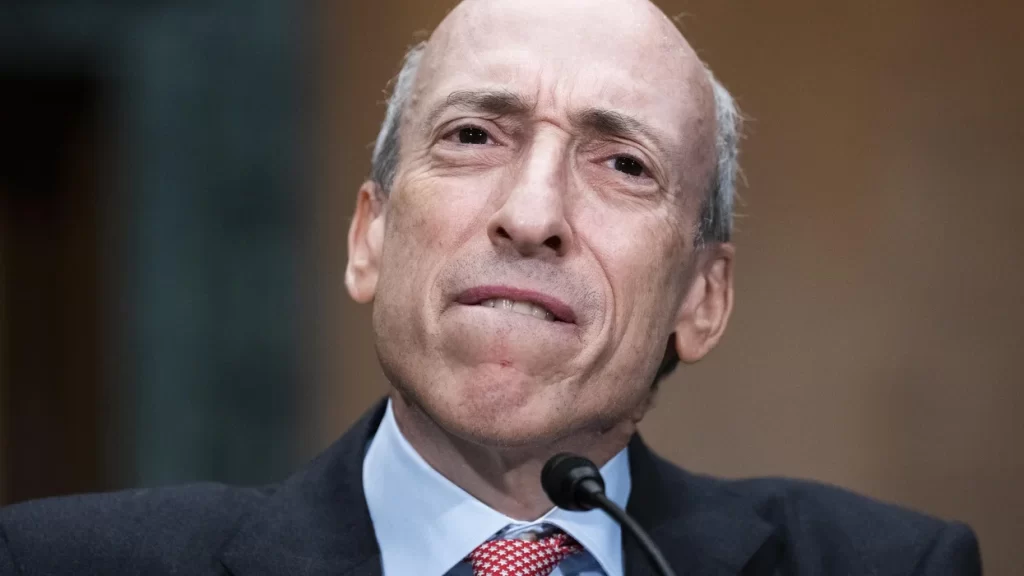
Gary Gensler, the Chairman of the US Securities and Exchange Commission (SEC), expressed deep concerns over the prevalence of fraud within the crypto market.
In an interview with Bloomberg on Thursday, Gensler pointed out that the crypto market is plagued with fraudulent schemes and deceitful actors, overshadowing the presence of genuine participants.
Highlighting the challenges faced by investors, Gensler emphasized that the speculative nature of the crypto industry is not the sole issue.
He stressed that crypto investors should not assume they are receiving the same level of protection as provided by securities laws, even though some cryptocurrencies may fall under their purview.
Gensler raised alarm over the lack of full, fair, and truthful disclosures provided to US investors, with platforms and intermediaries engaging in practices that would not be acceptable on traditional stock exchanges like the New York Stock Exchange or Nasdaq.
This concern by the SEC Chairman comes in the aftermath of a US court ruling in favor of Ripple during the ongoing lawsuit brought by the SEC.
The court ruled that selling XRP on exchanges does not constitute an investment contract, but it recognized XRP as a security when sold to institutional investors based on the Howey Test conditions.
In response to recent collapses of prominent crypto companies, the SEC has intensified its scrutiny of the crypto industry.
READ MORE: 3 Best Crypto Projects That Will Boom In 2023 & The Next Bull Run
Lawsuits have been filed against major exchanges like Binance and Coinbase, as well as enforcement actions taken against Kraken, Bittrex, and Nexo.
The increased regulatory pressure has led some crypto companies to consider relocating to more favorable jurisdictions, with Coinbase establishing a presence in Bermuda and Bittrex ceasing operations in the US.
Moreover, the regulatory uncertainty in the US has driven away blockchain developers, as evidenced by a decline in the country’s share of blockchain developers from 40% in 2017 to 29% in 2020, according to a report by Electric Capital.
This trend suggests that the stringent regulatory environment may be discouraging crypto businesses and talent from operating in the United States.
In conclusion, Chairman Gensler’s apprehensions about fraud in the crypto market reflect the SEC’s growing concerns.
The recent legal developments and regulatory actions indicate a shift towards increased scrutiny of the crypto industry, leading some companies to consider more hospitable jurisdictions.
The impact of these regulatory moves may have significant implications for the future of crypto operations in the United States.
Other Stories:
Revealed: The Best Crypto Marketing & PR Agency
Why Didn’t Bitcoin (BTC) Enter a New Rally?
SEC and Binance Oppose Eeon’s Intervention in Crypto Exchange Lawsuit
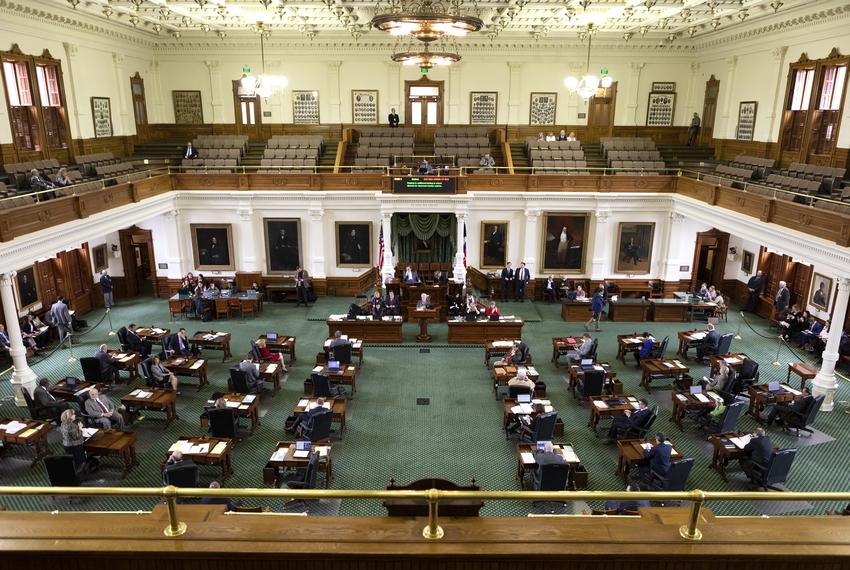
The United States Senate recently approved the National Defense Authorization Act (NDAA), a crucial law determining the agenda and funding for the Department of Defense.
The bill allocates an impressive $886 billion for federal defense, coupled with a 5.2% pay increase for service members.
Beyond its focus on funding, the NDAA has far-reaching implications, extending its influence into various industries, including the digital asset ecosystem.
Of particular interest to the cryptocurrency community is the bill’s targeting of privacy coins and crypto mixers.
These tools have the potential to obscure users’ identities and make it challenging for authorities to track blockchain transactions, facilitating crypto-related fraud.
Senators Elizabeth Warren, Roger Marshall, Cynthia Lummis, and Kirsten Gillibrand were among the proponents of a cryptocurrency amendment in the bill, aimed at reducing fraudulent activities within the crypto space.
The NDAA empowers authorities to bolster crypto regulations across the board, especially regarding the operation of virtual asset services and the assessment of risks involved.
The legislation also empowers the Treasury Department to crack down on anonymous crypto transactions facilitated by certain companies, specifically addressing money laundering and related offenses.
Crypto mixers, such as Tornado Cash, and privacy coins have faced criticism from authorities for enabling money laundering and illicit fund movements.
READ MORE: 3 Best Crypto Projects That Will Boom In 2023 & The Next Bull Run
Last year, the Treasury Department imposed sanctions on Tornado Cash following a major theft involving the Lazarus Group, a North Korean-associated company.
The NDAA also tackles compliance among stablecoin issuers, sparking debates across social media spaces.
The bill is expected to increase Know Your Customer (KYC) and Anti-Money Laundering (AML) regulations for stablecoin firms, many of which are currently operating without stringent requirements.
Critics fear that the bill may limit the use of stablecoins, giving the government more power, while supporters argue that it will protect investors and prevent illegal transactions, ultimately instilling greater confidence in the investor community.
Furthermore, the NDAA will require US companies to disclose their investments in China, with Senator Bob Casey stressing the importance of understanding the depth of “critical technology being transferred to adversaries.”
In conclusion, the NDAA’s passage has brought significant changes to various sectors, including the digital asset industry.
By targeting privacy coins, crypto mixers, and stablecoin issuers, the bill aims to reduce fraud and increase transparency in the cryptocurrency space.
While the implications of these regulations are still subject to debate, their potential impact on investor confidence and the overall stability of the industry remains to be seen.
Other Stories:
SEC and Binance Oppose Eeon’s Intervention in Crypto Exchange Lawsuit

The Korea Financial Intelligence Unit (KoFIU) urged the country’s crypto industry to intensify their efforts in combatting illegal activities during a meeting held on Thursday.
KoFIU Commissioner Rhee Yunsu announced the establishment of a dedicated “strategic analysis team” focused on crypto-related crimes.
The team aims to enhance systematic identification and analysis of illicit activities in the crypto sector, enabling KoFIU to provide more valuable data to law enforcement and investigators, as stated by South Korea’s Financial Services Commission.
During the meeting, KoFIU stressed the need for the industry to bolster its compliance capacity and enhance its response to illegal activities.
READ MORE: Why Didn’t Bitcoin (BTC) Enter a New Rally?
Five prominent companies from South Korea’s crypto industry, including local crypto exchanges Upbit and Bithumb, were present at the gathering.
Coincidentally, the meeting took place just one day after the South Korean government formed an interagency investigation unit specifically targeting crypto crimes.
The joint unit, operating from the Seoul Southern District Prosecutors’ Office, comprises 30 investigators from agencies such as the Prosecutor’s Office, the Financial Supervisory Service, the National Tax Service, and the Korea Customs Service.
Traditionally a crucial market for cryptocurrencies with significant investor interest and numerous crypto companies, South Korea’s authorities have recently adopted a tougher stance towards the industry.
In response to concerns over potential misconduct, prosecutors had previously conducted raids on the offices of Bithumb, alleging price manipulation in the crypto market.
Additionally, the country took action against Do Kwon, the founder of Terra and a Korean national, who was found guilty of attempting to leave the country using a forged passport.
Presently, Do Kwon is in custody in Montenegro due to the legal actions taken against him.
In light of the evolving regulatory landscape and the growing importance of the crypto market in South Korea, both KoFIU and the newly formed joint crypto crime unit are determined to ensure the industry operates with integrity and transparency.
By intensifying efforts to prevent illegal activities, they aim to maintain a secure and reputable environment for crypto-related businesses and investors in the country.
Other Stories:
Revealed: The Best Crypto Marketing & PR Agency
3 Best Crypto Projects That Will Boom In 2023 & The Next Bull Run

The Bank Policy Institute (BPI), a pro-banking organization in the US, has come out in support of Senator Elizabeth Warren’s efforts to strengthen cryptocurrency regulations.
Senator Warren, along with three other senators, recently reintroduced the Digital Asset Anti-Money Laundering Act, which aims to impose stricter rules to combat money laundering and terrorism financing within the crypto industry.
Despite past criticism from Senator Warren, the BPI expressed its endorsement of the bipartisan legislation.
In a statement, the BPI emphasized the need for the existing anti-money laundering and Bank Secrecy Act framework to encompass digital assets, in order to safeguard the nation’s financial system against illicit finance.
The proposed seven-page bill, if enacted, would require digital asset wallet providers, miners, and blockchain validators to maintain records of customer identities.
Additionally, financial institutions would be prohibited from using digital asset mixers, such as Tornado Cash, which are designed to obscure blockchain data.
Senator Warren and her co-sponsors, Senator Joe Manchin, Senator Roger Marshall, and Senator Lindsey Graham, announced the reintroduction of the bill.
In addition to customer identity tracking, the legislation would prompt relevant government bodies, including the Treasury Department, Securities and Exchange Commission, and Commodity Futures Trading Commission, to establish new examination processes to ensure compliance with anti-money laundering and terrorism financing requirements.
Several organizations, including the Massachusetts Bankers Association, AARP, the National Consumer Law Center, and the National Consumers League, have expressed their support for the bill.
READ MORE: Why Didn’t Bitcoin (BTC) Enter a New Rally?
However, not everyone in the crypto community agrees with the proposed legislation.
Tyler Winklevoss, co-founder of the Gemini crypto exchange, criticized the bill in a tweet, suggesting that those opposing it are making the right decision.
Senator Warren originally introduced the bill in December 2022, arguing that current anti-money laundering laws do not adequately cover the crypto industry.
She has consistently called for cryptocurrencies to be subjected to the same regulations as traditional banking institutions to prevent money laundering and illegal activities.
Gary Gensler, Chairman of the US Securities and Exchange Commission (SEC), has also been vocal about his concerns regarding the crypto market.
He highlighted the prevalence of fraud in the sector and pointed out that many crypto investors do not receive the same level of protection as investors in traditional securities markets.
In conclusion, the Digital Asset Anti-Money Laundering Act seeks to tighten regulations on cryptocurrencies to combat illicit financial activities.
While Senator Warren and the BPI back the bill, some members of the crypto community, including Tyler Winklevoss, have expressed reservations. Gary Gensler, the SEC Chairman, also shares concerns about fraudulent activities in the crypto market and advocates for better investor protection.
Other Stories:
Revealed: The Best Crypto Marketing & PR Agency
3 Best Crypto Projects That Will Boom In 2023 & The Next Bull Run
SEC and Binance Oppose Eeon’s Intervention in Crypto Exchange Lawsuit
Heartland Tri-State Bank of Elkhart, part of the ongoing crisis in the U.S. banking system, was closed on July 29 by the Kansas Office of the State Bank Commissioner, and the Federal Deposit Insurance Corporation (FDIC) took control.
The FDIC stated that on July 31, the bank’s four branches would reopen as branches of Dream First Bank during regular business hours.
Depositors of the failed bank would become customers of Dream First Bank, and all transactions, including withdrawals, deposits, and loans, would be processed through the acquiring bank.
Customers were advised to use their existing branch location until the transition was complete.
This collapse marked the second bank crisis of the week, following the merger of PacWest and Banc of California on July 25, as both institutions attempted to stabilize amid the turmoil in the banking industry.
Rising U.S. interest rates and poor risk management were believed to be the primary reasons behind the bank’s failure, alongside the inflation surge.
READ MORE:Revealed: The Best Crypto Marketing & PR Agency
The U.S. Federal Reserve had raised its benchmark rate to 5.25% in July, the highest rate since 2007, in an attempt to tackle inflation, which reached 4.1% year-over-year in June.
As of March, Heartland Tri-State Bank held approximately $139 million in total assets and $130 million in total deposits.
Dream First Bank agreed to purchase all the assets of the failed bank, with the FDIC estimating that the cost to the Deposit Insurance Fund (DIF) would be $54.2 million.
The DIF, created in 1933 by Congress and managed by the FDIC, aims to protect deposits in the nation’s banks.
The FDIC noted that Dream First Bank’s acquisition was the least costly resolution for the DIF compared to other alternatives.
In response to the recent failures at major banks, Democrats in the House Financial Services Committee introduced several bills in June aimed at strengthening the safety and soundness of the banking system and enhancing bank executive accountability.
Representative Maxine Waters emphasized that Congress must take action to address these failures promptly.
The collapse of Heartland Tri-State Bank follows the troubled First Republic Bank’s acquisition by JPMorgan in May and the dramatic collapse of Silicon Valley Bank in March, both of which had caused significant disruptions in the U.S. banking system.
These events underscore the urgency of addressing the challenges faced by financial institutions and the need for measures to stabilize the banking sector.
Other Stories:
Why Didn’t Bitcoin (BTC) Enter a New Rally?
SEC and Binance Oppose Eeon’s Intervention in Crypto Exchange Lawsuit
3 Best Crypto Projects That Will Boom In 2023 & The Next Bull Run

Tech firms including GitHub, Hugging Face, and Creative Commons have joined forces to pen an open letter urging the European Union (EU) to revise its upcoming regulations for open-source artificial intelligence (AI) models.
The letter, addressed to policymakers, argues that subjecting upstream open-source projects to the same regulations as commercial products or deployed AI systems would hinder the development of open-source AI.
The group highlights five key suggestions to ensure that the EU’s Artificial Intelligence Act accommodates open-source models effectively.
First, they propose clearly defining AI components to avoid ambiguity in its implementation.
Second, they seek clarification that collaborative development on open-source models should not subject developers to the bill’s requirements.
Third, they advocate for researcher exceptions, allowing limited testing of open-source AI in real-world conditions. Fourth, they recommend setting proportional requirements for “foundation models.”
Open-source software, by definition, allows public access to its source code, enabling inspection, modification, and enhancement by anyone.
In the context of artificial intelligence, open-source software plays a crucial role in training and deploying models.
The European Parliament already passed the AI Act in June with a strong majority of 499 votes in favor, 28 against, and 93 abstentions.
READ MORE: Revealed: The Best Crypto Marketing & PR Agency
However, the act will become law only after reaching a consensus with the European Council, which represents 27 member states.
The subsequent step involves negotiating with individual EU members to iron out the finer details.
The open letter recognizes that the AI Act has the potential to set a global precedent in regulating AI, striking a balance between addressing risks and promoting innovation.
The signatories emphasize that the regulation should foster transparency and collaboration among diverse stakeholders.
They assert that AI requires appropriate regulation to mitigate risks, establish clear standards and oversight, and provide recourse for any resulting harms.
In conclusion, the tech firms’ open letter aims to influence the EU’s AI regulations by advocating for measures that promote open-source AI development while addressing the challenges posed by this rapidly evolving technology.
They hope to strike a balance that encourages innovation, ensures transparency, and safeguards against potential risks.
Other Stories:
3 Best Crypto Projects That Will Boom In 2023 & The Next Bull Run
SEC and Binance Oppose Eeon’s Intervention in Crypto Exchange Lawsuit
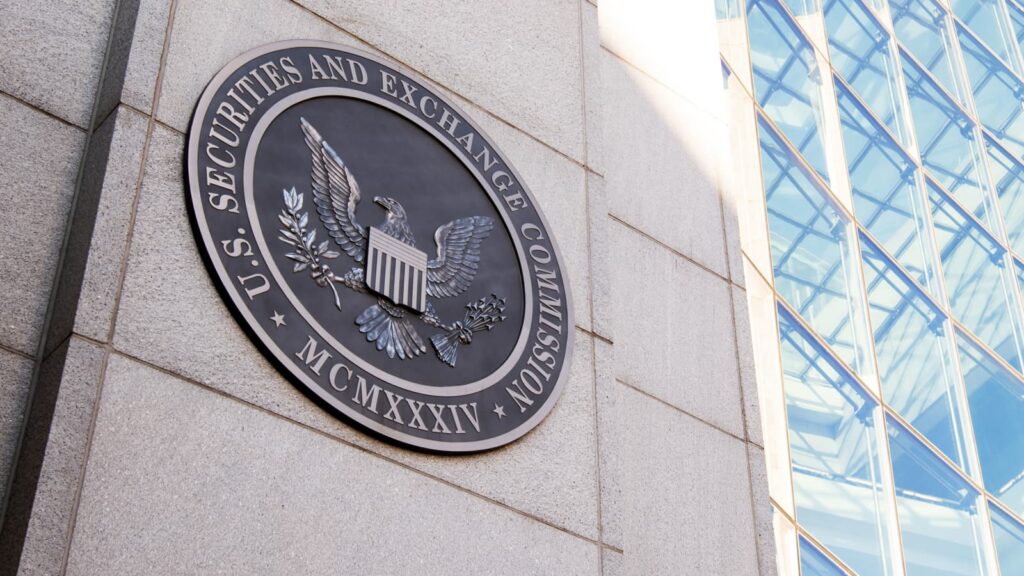
The United States Securities and Exchange Commission (SEC) faced a significant setback on July 28 when the United States Court of Appeals for the District of Columbia Circuit overturned a ruling by the regulator regarding SPIKES Index securities.
The court ruled that these securities should be treated as “securities futures” instead of regular futures, stating that the SEC’s initial order was “arbitrary and capricious.”
This decision is linked to a 2020 order in which the SEC exempted the SPIKES Index, a stock volatility index, from the definition of security futures.
The motive behind this move was to eliminate heavy taxes and regulatory requirements associated with the term “security” and promote competition among volatility indexes.
Chief Judge Sri Srinivasan pointed out that the exemption granted by the SEC was considered arbitrary and capricious because the regulator failed to adequately explain its rationale and neglected to consider important aspects of the problem.
The court also highlighted the SEC’s oversight in failing to consider the possibility that granting exemptive relief could lead to confusion among market participants.
As a result of the ruling, SPIKES Index futures are now categorized as “securities futures” rather than just “futures.” Market participants have a three-month window to wind down their transactions under this new classification.
READ MORE: Revealed: The Best Crypto Marketing & PR Agency
The decision’s implications may extend beyond the specific case, as it could offer insight into potential outcomes for legal battles between crypto firms and the SEC.
Interestingly, two of the panel’s judges are currently examining Grayscale’s challenge to an SEC decision that denied its request to convert the Grayscale Bitcoin Trust to a spot Bitcoin exchange-traded fund (ETF).
The ruling serves as a reminder that the SEC is not invulnerable and can lose court cases.
It also sheds light on the importance of clarity and sound reasoning in regulatory decisions, particularly when it comes to defining financial instruments and their associated regulations.
In conclusion, the recent Court of Appeals decision represents a significant setback for the SEC and highlights the need for well-reasoned and transparent regulatory actions.
As market participants adjust to the new classification, the ruling’s broader impact may influence future legal battles involving the SEC and other financial entities.
Other Stories:
3 Best Crypto Projects That Will Boom In 2023 & The Next Bull Run
SEC and Binance Oppose Eeon’s Intervention in Crypto Exchange Lawsuit

Margot Robbie, the well-known Australian actress starring in the lead role of the upcoming Barbie movie, has sparked a lively discussion within the crypto community with her recent statement comparing Bitcoin (BTC) to Barbie’s companion, Ken.
During an interview with Fandango on June 22, Robbie shared that whenever she overheard her husband, Tom Ackerley, and television producer, David Heyman, discussing Bitcoin on set, it reminded her of the traits of Ken, the fictional character played by Ryan Gosling in Barbie.
The crypto community on Twitter, including figures like Michael Saylor from MicroStrategy and social media influencer Layah Heilpern, had a mixed response to Robbie’s analogy.
Saylor even declared Bitcoin to be synonymous with “Big Ken Energy,” while others, like Layah Heilpern, saw it as an insult towards men who talk about Bitcoin.
On July 30, Heilpern further explained her interpretation of Robbie’s remarks, suggesting that the actress implied male Bitcoin enthusiasts are weak and pathetic.
However, Mark Travers, a lead psychologist at Awake Therapy, countered this perspective, stating that having Ken’s energy could indicate someone who is selfless and adaptable, challenging traditional gender stereotypes.
Robbie herself acknowledged that defining Ken energy might be subjective, stating that it’s something one can sense rather than precisely define.
READ MORE:Revealed: The Best Crypto Marketing & PR Agency
Despite differing opinions, Steven Lubka, a managing director at Swan Bitcoin, viewed Robbie’s comment as positive for the crypto community, expressing optimism on July 29.
It is worth noting that Robbie’s comments were brief and neutral, taking place amidst ongoing legal actions against celebrities who have promoted cryptocurrencies.
NBA star Jimmy Butler, for instance, sought to be removed from a class-action lawsuit alleging the promotion of unregistered securities by cryptocurrency exchange Binance.
In a filing on July 24, Butler’s lawyers argued that the tweets he appeared in did not promote the named securities and, therefore, could not have contributed to their promotion.
Binance CEO Changpeng “CZ” Zhao and YouTubers Ben Armstrong (BitBoy Crypto) and Graham Stephan are also contesting similar allegations in the same lawsuit.
In conclusion, Margot Robbie’s comparison of Bitcoin to Ken from Barbie sparked a lively debate within the crypto community.
While some embraced the analogy as a positive representation, others interpreted it as demeaning. As discussions continue, it’s evident that the crypto world remains dynamic and subject to ongoing scrutiny.
Other Stories:
Why Didn’t Bitcoin (BTC) Enter a New Rally?
3 Best Crypto Projects That Will Boom In 2023 & The Next Bull Run
SEC and Binance Oppose Eeon’s Intervention in Crypto Exchange Lawsuit
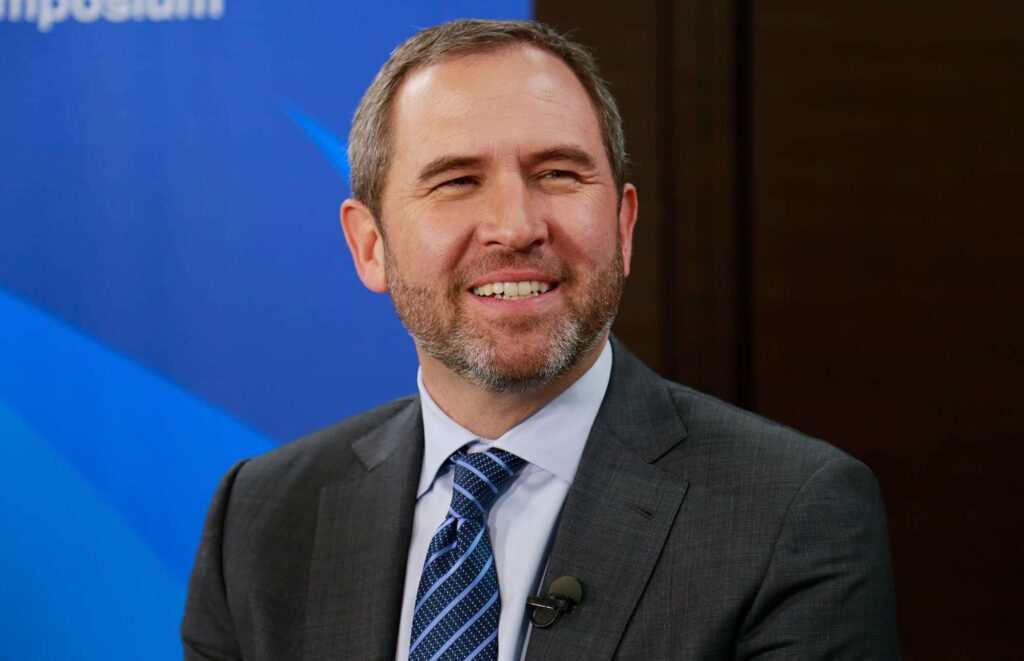
Blockchain technology is predicted to save financial institutions nearly $10 billion in cross-border payment expenses by 2030, says a report by Ripple and the U.S.
Faster Payments Council (FPC). Conducted among 300 finance professionals from 45 countries, the report revealed that 97% see blockchain as critical for improving payment systems over the next three years.
Over half the respondents believe the primary benefit of cryptocurrency lies in its ability to reduce costs.
As per Juniper Research, the use of blockchain in global transactions could result in significant cost savings for banks in the upcoming six years, potentially around $10 billion by 2030.
The report underscores that as the e-commerce market grows and businesses target international markets, cross-border payments will likely surge.
Predictions indicate that global cross-border payment flows could hit $156 trillion by 2030, driven by a 5% annual growth rate.
However, opinions diverged regarding the timeline for wide-scale merchant adoption of digital currency payments.
READ MORE: SEC and Binance Oppose Eeon’s Intervention in Crypto Exchange Lawsuit
Half of the participants were optimistic about most merchants embracing crypto payments within three years, but confidence levels varied regarding adoption within the next year.
Notably, participants from the Middle East and Africa showed the highest confidence (27%) in widespread merchant acceptance of crypto within the next year.
Conversely, respondents from the Asia-Pacific region were less optimistic, with just 13% predicting a similar adoption timeframe.
These findings follow a report from the Bank of International Settlements (BIS), indicating that up to 24 central bank digital currencies (CBDCs) might be in circulation in the next six years.
The BIS survey, which covered 86 central banks, revealed that 93% of them are exploring CBDCs, forecasting the circulation of up to 15 retail and nine wholesale CBDCs by 2030.
Other Stories:
3 Best Crypto Projects That Will Boom In 2023 & The Next Bull Run